
Your Guide to Mindful Sensing: Mastering the Body Scan


Welcome to Mind Care Guide, a space dedicated to nurturing your mental well-being.
Feeling disconnected from your body? You're not alone. Discover the transformative power of mindfulness with our comprehensive guide to body scan meditation benefits. Unearth a deeper understanding of your inner self and unlock a path towards lasting peace. Ready to embark on this journey of mindful sensing? Let's begin.
Your Guide to Mindful Sensing: Mastering the Body Scan
- Introduction to Body Scan Meditation and its Benefits
- Step-by-Step Guide to Performing a Body Scan
- Exploring the Benefits of Body Scan Meditation in Detail
- Advanced Body Scan Techniques and Variations
- Common Challenges and Solutions in Body Scan Meditation
- Integrating Body Scan Meditation with Other Mindfulness Practices
- Conclusion: Embracing the Power of Body Scan for a Healthier Mind and Body
-
Frequently Asked Questions
- What are the key body scan meditation benefits for mental well-being?
- How does a body scan meditation help with managing anxiety?
- Can body scan meditation help improve sleep quality?
- How often should I practice body scan meditation to see noticeable results?
- Is body scan meditation suitable for everyone, even those with physical discomfort?
- Final Reflection: Embracing the Present Moment Through Mindful Sensing
- Unlock Your Body's Wisdom: Start Your Mindful Journey Today!
Introduction to Body Scan Meditation and its Benefits
What is Body Scan Meditation? A Beginner's Guide
Body scan meditation is a foundational mindfulness practice that involves systematically bringing your attention to different areas of your body. The goal isn't to change anything you notice, but simply to observe sensations—or the absence of sensations—with curiosity and acceptance. You might lie down or sit comfortably, close your eyes, and begin by focusing on your toes, then slowly moving your awareness up through your feet, ankles, legs, torso, arms, neck, and head, noticing whatever arises in each region. This process helps to anchor your awareness in the present moment and develop a deeper connection with your physical form.
This technique is often taught in mindfulness-based stress reduction (MBSR) programs and is accessible to virtually anyone, regardless of previous meditation experience. Unlike some other meditation forms that focus on breath or mantra, the body scan explicitly directs attention to the physical body, cultivating what is known as interoceptive awareness—the ability to sense internal states. Practicing regularly, even for just 10-20 minutes a day, can lay a strong foundation for broader mindfulness skills and unlock significant body scan meditation benefits.
Unveiling the Key Body Scan Meditation Benefits for Mental Wellness
Engaging in body scan meditation offers a wealth of advantages for both mental and emotional well-being. One of the most widely recognized body scan meditation benefits is its effectiveness in reducing stress and anxiety. By shifting focus away from worrying thoughts and towards present physical sensations, individuals can interrupt the cycle of rumination and activate the body's relaxation response. Studies have shown that regular mindfulness practices, including body scan, can lead to measurable reductions in cortisol levels, the body's primary stress hormone.
Beyond stress relief, the body scan meditation benefits extend to improving emotional regulation and increasing self-compassion. As you practice observing sensations without judgment, you learn to approach difficult emotions and physical discomfort with greater acceptance rather than resistance. This non-judgmental awareness builds resilience and helps you respond to challenging experiences from a place of calm observation rather than reactive overwhelm. The cumulative effect of these practices contributes significantly to enhanced overall mental wellness and a more stable emotional landscape.
Mindful Sensing: Connecting with Your Body's Sensations
Mindful sensing, a core component of the body scan, is the practice of paying deliberate, non-judgmental attention to the physical sensations arising within your body. This can include everything from the feeling of your clothes against your skin, the temperature of the air, the subtle ache in a muscle, the warmth in your hands, or the tingling in your feet. The key is to simply notice these sensations as they are, without trying to label them as good or bad, comfortable or uncomfortable. It's about cultivating a pure awareness of the physical experience.
Developing mindful sensing through the body scan helps you become more attuned to your body's signals, which can be incredibly valuable. For example, recognizing subtle physical signs of stress, like tension in the shoulders or a knot in the stomach, earlier can allow you to intervene before stress becomes overwhelming. This enhanced body awareness is one of the profound body scan meditation benefits, enabling you to live more consciously and respond more skillfully to your internal landscape rather than reacting on autopilot.
Step-by-Step Guide to Performing a Body Scan
Preparing for Your Body Scan Meditation Session: Setting the Stage
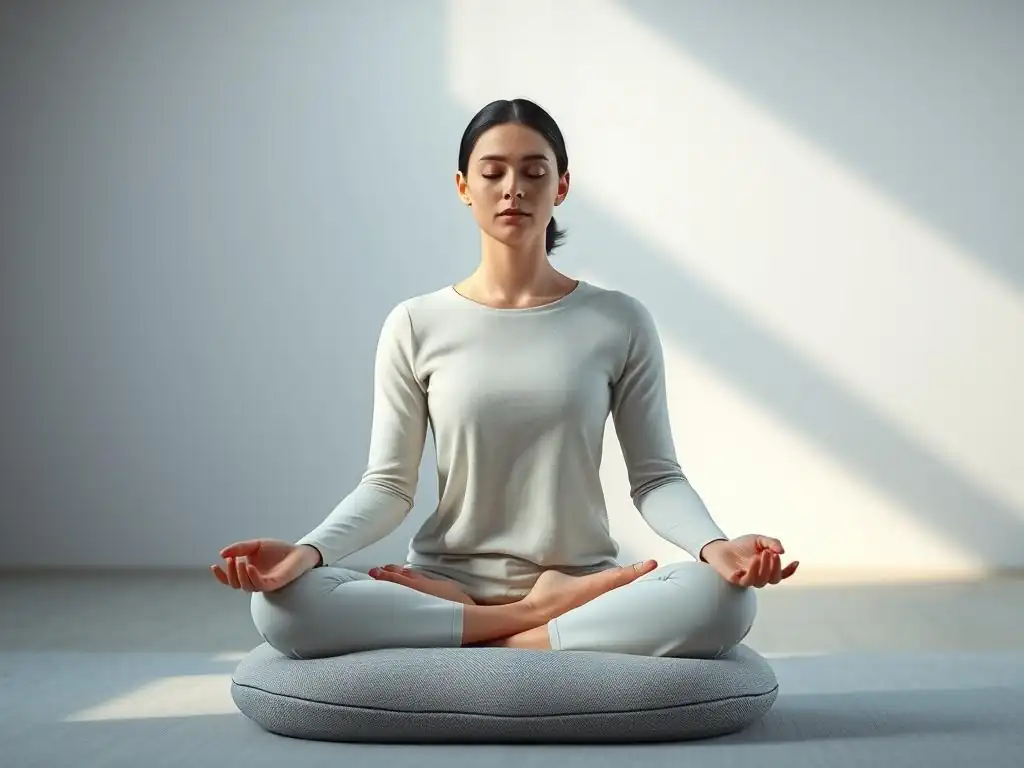
Preparation is key to a successful body scan meditation session. Find a quiet space where you are unlikely to be disturbed for the duration of your practice, ideally 20-45 minutes. Lie down on your back on a mat, blanket, or comfortable surface, allowing your legs to be straight but relaxed, and your arms resting comfortably at your sides with palms up or down. Alternatively, you can sit upright in a chair with your feet flat on the floor and hands resting in your lap, ensuring your back is supported and straight, yet relaxed.
Ensure you are warm enough, perhaps using a blanket, as your body temperature may drop slightly during relaxation. Loosen any tight clothing that might restrict breathing or circulation. The aim is to be as physically comfortable as possible so that discomfort doesn't become a major distraction. While it's okay to adjust slightly if needed, try to find a position you can maintain with minimal movement, allowing your attention to remain focused on the internal exploration of your body.
Body Scan Technique: A Detailed Walkthrough
Begin by bringing your awareness to your breath, noticing the gentle rise and fall of your abdomen or chest. Take a few deep breaths to settle yourself, then allow your breath to return to its natural rhythm. Now, gently shift your attention to your toes. Spend a minute or two simply noticing any sensations present in your toes—tingling, warmth, pressure, coolness, or perhaps nothing at all. Acknowledge whatever is there without judgment.
Slowly, like a scanner moving across your body, move your attention upward. Bring awareness to the soles of your feet, then the tops of your feet, your ankles, lower legs, knees, upper legs, and hips. Spend adequate time in each area, patiently observing sensations.
Continue this systematic scan through your torso (pelvis, abdomen, lower back, upper back, chest), then your fingers, hands, wrists, forearms, elbows, upper arms, and shoulders. Finally, move your attention to your neck, face (jaw, mouth, nose, eyes, forehead), and the top of your head. Conclude by expanding your awareness to encompass the entire body as a whole, noticing the overall sense of your physical presence before gently bringing your practice to a close.
Breathing Techniques to Enhance Your Body Scan Experience
While the body scan primarily focuses on physical sensations, incorporating mindful breathing can significantly deepen the experience and enhance the body scan meditation benefits. As you move your attention through different body parts, you can gently link your breath to that area. For instance, as you focus on your feet, imagine breathing into your feet on the inhale and breathing out from your feet on the exhale. This isn't literal, of course, but a visualization that helps anchor your awareness firmly in the targeted area.
Another technique is to use the breath as a release mechanism. If you encounter an area of tension or discomfort during the scan, you can direct your exhale towards that area, imagining the breath softening and releasing the tension as you breathe out. On the inhale, simply notice the sensation; on the exhale, gently invite ease. This method can be particularly helpful when navigating challenging physical feelings and reinforces the non-striving, accepting attitude central to mindfulness and the cultivation of body scan meditation benefits.
Maintaining Focus During the Body Scan: Overcoming Distractions
It is completely natural for your mind to wander during a body scan meditation. Thoughts about the past, future, or even unrelated sensations will arise. The key is not to eliminate distractions, but to gently and non-judgmentally guide your attention back to the specific body area you are focusing on whenever you notice your mind has drifted. Think of it as a gentle redirection, like training a puppy, rather than a harsh correction. Each time you notice wandering and return, you strengthen your capacity for focus and present moment awareness.
External distractions, like sounds or physical discomfort, may also occur. Acknowledge them without getting caught up in them. For example, if you hear a noise, simply note "sound" and return your attention to your body scan. If you experience an itch or ache, you can briefly direct your attention to that sensation, perhaps breathing into it, before returning to the systematic scan where you left off. Patience and persistence are vital; the process of noticing and returning is the practice itself, contributing to the long-term body scan meditation benefits like improved concentration.
Exploring the Benefits of Body Scan Meditation in Detail

Reducing Stress and Anxiety with Body Scan Practice
One of the most significant body scan meditation benefits is its profound impact on stress and anxiety levels. By systematically moving attention through the body, the practice interrupts the mind's tendency to ruminate on stressors. When the mind is focused on present physical sensations, it has less capacity to engage in worry loops about the future or replay stressful events from the past. This shift in attention helps to calm the nervous system, moving from a state of fight-or-flight (sympathetic activation) towards a state of rest and digest (parasympathetic activation).
Research supports these effects. A study published in Health Psychology in 2014 found that participants who completed an 8-week mindfulness program incorporating body scan showed significant reductions in perceived stress and improvements in measures of anxiety and depression compared to a control group. Furthermore, brain imaging studies have suggested that regular mindfulness practice, including body scan, can lead to changes in brain regions associated with stress regulation, such as the amygdala and prefrontal cortex, potentially reducing the intensity of stress responses over time.
Improving Body Awareness and Self-Perception Through Body Scan
The body scan meditation benefits include a remarkable enhancement of body awareness, also known as interoception. This refers to your ability to perceive internal bodily sensations, such as heartbeat, breathing, hunger, and the subtle cues of tension or relaxation. Many people live disconnected from their physical bodies, often only noticing physical signals when they become loud (e.g., intense pain or exhaustion). The body scan practice trains you to tune into these quieter signals.
Increased body awareness cultivated through the body scan can significantly improve self-perception and self-care. For instance, becoming more aware of early signs of fatigue or stress allows you to rest or employ coping strategies before reaching burnout. It can also help individuals develop a more compassionate relationship with their bodies, moving away from judgment based on appearance or performance towards acceptance of the body as it is, with all its changing sensations. This deeper connection fosters a sense of being more fully present and embodied in daily life.
Enhancing Sleep Quality with Regular Body Scan Meditation
Difficulty falling asleep or staying asleep is a common issue, often exacerbated by stress and an overactive mind. Another valuable area of body scan meditation benefits is its potential to improve sleep quality. The practice helps to calm the nervous system and quiet the mental chatter that often keeps people awake. By focusing attention on the body, it provides an anchor for awareness that is less stimulating than worrying thoughts.
Using the body scan as a pre-sleep routine can be particularly effective. Lying in bed and gently scanning through the body can induce a state of deep relaxation conducive to sleep.
While individual results vary, many practitioners report falling asleep more easily and experiencing more restful sleep after incorporating regular body scan meditation. A study published in JAMA Internal Medicine in 2015, focusing on mindfulness meditation (which often includes body scan) for older adults with moderate sleep disturbances, found that participants in the mindfulness group showed significant improvements in sleep quality compared to those in a sleep hygiene education group.
Pain Management: How Body Scan Can Help Alleviate Chronic Pain
Chronic pain is a complex experience involving both physical sensation and emotional/psychological components. Body scan meditation offers a non-pharmacological approach that can be a valuable tool in pain management strategies, contributing significantly to body scan meditation benefits for those living with persistent discomfort. The practice doesn't necessarily make the pain disappear, but it changes your relationship to the pain. By observing pain sensations with curiosity and acceptance, rather than resistance or fear, you can reduce the suffering associated with the pain.
The body scan helps to de-catastrophize pain. Instead of seeing pain as a monolithic, overwhelming entity, you learn to notice its specific qualities—is it throbbing, aching, sharp, dull? Does it change location or intensity? This detailed observation can break down the experience and reduce the emotional distress that often amplifies pain. Research, such as studies on mindfulness-based interventions for chronic low back pain, has demonstrated that participants practicing techniques including body scan report reduced pain intensity and interference in daily activities, suggesting a tangible positive impact on quality of life.
Emotional Regulation: Using Body Scan to Process Emotions
Emotions are often felt physically in the body—a tight chest with anxiety, a knot in the stomach with fear, warmth in the cheeks with embarrassment. The body scan meditation benefits include enhancing your ability to recognize and process emotions by noticing their physical manifestations. Instead of getting swept away by an emotion or trying to suppress it, the body scan teaches you to pause, turn inward, and observe the physical sensations associated with that feeling.
By practicing mindful sensing of emotional states in the body, you develop a greater capacity to tolerate uncomfortable feelings without immediately reacting to them. You learn that emotions, like physical sensations, are often transient and change over time. This allows for a more thoughtful response to emotional challenges rather than a reactive one. For example, instead of lashing out in anger, you might notice the heat and tension in your body and choose a more skillful way to respond, illustrating a key benefit of regular body scan practice in daily emotional life.
Advanced Body Scan Techniques and Variations
Deepening Your Practice: Progressive Body Scan Methods
Once you are comfortable with the basic body scan, you can explore progressive methods to deepen the practice and further unlock body scan meditation benefits. One approach is to spend more extended periods in specific areas of the body, particularly those where you tend to hold tension or experience discomfort. Instead of quickly scanning through, you might dedicate 5-10 minutes solely to your shoulders or your abdomen, exploring the subtle shifts and layers of sensation with greater detail and patience.
Another progressive technique involves focusing not just on static sensations but also on the subtle movements within the body, such as the pulsation of blood, the subtle vibrations in tissues, or the internal processes of digestion. This requires a heightened level of sensitivity and concentration developed through consistent practice. These deeper explorations can lead to profound insights into the interconnectedness of mind and body and refine your interoceptive awareness beyond initial levels.
Body Scan with Visualization: Enhancing the Experience
Adding visualization can be a powerful way to enhance the body scan experience, though it departs slightly from the core mindfulness principle of simply noticing what is present. One common visualization involves imagining a gentle wave of relaxation or warm light slowly moving through your body, corresponding with your scan. As the wave or light passes through each area, imagine tension melting away and a sense of ease settling in.
Another visualization technique is to imagine your breath flowing into and out of the specific body part you are focusing on, as mentioned earlier. This enhances the connection between breath and body awareness. While visualizations can be helpful for promoting relaxation and engagement, it's important to remember the primary goal of the body scan: non-judgmental awareness of actual sensations. Use visualization as a tool to support this awareness, rather than as a replacement for direct sensing.
Adapting the Body Scan for Different Needs and Abilities
The body scan is highly adaptable and can be modified to suit various needs and abilities, ensuring that many people can access body scan meditation benefits. For individuals with physical limitations or chronic pain, the practice can be done sitting in a chair or even lying in bed. If scanning a specific area is too uncomfortable, attention can be gently directed to nearby areas or simply rest on the breath. The duration can also be adjusted, starting with shorter 5 or 10-minute scans and gradually increasing as comfort allows.
For those who find lying down leads to falling asleep, practicing while seated in an upright, alert posture is recommended. Guided body scans, available through apps or recordings, can also be helpful, as the guide provides structure and pacing. People with trauma may need to approach the body scan with caution and potentially with guidance from a trauma-informed practitioner, as focusing on body sensations can sometimes be triggering. Modifications might involve keeping eyes open, focusing on external points of contact (like feet on the floor), or starting with very short durations.
Incorporating Body Scan into Your Daily Routine
Integrating body scan into your daily routine, even for short periods, is key to realizing its full body scan meditation benefits. Consistency is often more important than duration. Consider starting with 10-15 minutes each day. A natural time might be first thing in the morning to set a grounded tone for the day, or in the evening before sleep to unwind and release tension.
Think about where you can realistically fit it in. Could you do a quick scan while commuting (if not driving), during a lunch break, or immediately upon waking? Even a 3-5 minute mini-scan, focusing just on your feet and hands, can help bring you into the present moment. Setting a specific time or linking the practice to an existing habit (like brushing your teeth or making coffee) can help establish consistency. Over time, regular practice will naturally weave mindful sensing into your everyday experience, extending the body scan meditation benefits beyond the formal session.
Common Challenges and Solutions in Body Scan Meditation
Difficulty Focusing: Tips for Staying Present
Difficulty focusing is perhaps the most common challenge encountered during body scan meditation. The mind is naturally wired to think, plan, and wander. When you notice your mind has drifted away from the body area you intended to focus on, simply acknowledge it without judgment. Say to yourself, "My mind wandered," and gently, but firmly, redirect your attention back to your current point of focus in the body. This act of noticing and returning is the core practice of cultivating attention.
Avoid getting frustrated with yourself for wandering; this only adds another layer of distraction. Each time you notice and return, you are strengthening your attentional muscle. You can also use the breath as an anchor – if you find your mind particularly busy, take a few conscious breaths, feeling the sensations of the inhale and exhale, before gently resuming the body scan sequence. Consistency builds focus; the more you practice, the easier it generally becomes, leading to enhanced body scan meditation benefits.
During a body scan, you may encounter uncomfortable sensations, such as pain, tension, itching, or restlessness. The natural inclination is often to resist, ignore, or try to make these sensations go away. In body scan, the practice is to approach discomfort with curiosity and acceptance. Instead of labeling it "bad," try to simply notice its qualities: Where exactly is it? What is its texture (throbbing, sharp, dull)? Does it have a temperature? Does it change?
You can gently breathe into the area of discomfort on the inhale and imagine softening or releasing tension on the exhale. This is not about eliminating the sensation, but about changing your relationship to it. If the discomfort is too intense, it is okay to gently move your attention away from that specific spot and focus on a neutral area, like the breath or your hands. The goal is to explore with gentle curiosity, not to endure unbearable pain. Learning to be with discomfort mindfully is a significant body scan meditation benefit that translates to navigating life's challenges.
Falling Asleep During the Body Scan: Staying Awake and Engaged
It is quite common to feel very relaxed during a body scan, sometimes to the point of falling asleep, especially if you practice lying down or are tired. If you find yourself frequently drifting off, consider practicing in a seated position instead of lying down. Sitting upright with a straight but relaxed spine can help maintain alertness while still allowing for deep relaxation.
You can also adjust the timing of your practice. If evening body scans consistently lead to sleep, try practicing in the morning or afternoon. Incorporating slightly deeper breaths at the beginning of the scan or when you notice yourself getting drowsy can also help wake up your system. Remember, the aim is mindful awareness of the body, not just relaxation, although relaxation is a welcome benefit. If you do fall asleep, simply note it when you wake up and gently return to the practice or resume it later.
Addressing Trauma Sensitivity During Body Scan
For individuals who have experienced trauma, particularly trauma related to the body, focusing inward on physical sensations can sometimes be triggering or overwhelming. It is crucial to approach body scan meditation with sensitivity and potentially under the guidance of a trauma-informed mindfulness instructor or therapist. The benefits of body scan meditation are accessible, but safety is paramount.
Modifications for trauma sensitivity might include keeping eyes open during the scan, focusing only on neutral areas like hands or feet, or focusing on external points of contact (like the feeling of the chair or floor). The duration of the scan should be kept short, and the practitioner should feel empowered to stop at any time if it becomes too much. The emphasis should always be on choice and control, allowing the individual to build tolerance gradually and safely, rather than pushing through distress.
Integrating Body Scan Meditation with Other Mindfulness Practices
Combining Body Scan with Breathwork Exercises
Integrating body scan meditation with specific breathwork exercises can amplify the benefits of both practices. While the body scan uses natural breathing as an anchor, consciously employing simple breath techniques can deepen relaxation or enhance energy. For instance, before starting a body scan, a few minutes of diaphragmatic (belly) breathing can help calm the nervous system and prepare the body for stillness.
During the body scan itself, you can coordinate the movement of your attention with your breath, as mentioned earlier, or use the exhale to consciously release tension in the area you are focusing on. After completing the body scan, a few rounds of conscious, deep breathing can help integrate the experience and ground you back into your surroundings. This synergy between mindful sensing and intentional breathing enhances overall body scan meditation benefits, promoting a more profound state of calm and awareness.
Body Scan and Mindful Movement: A Synergistic Approach
Combining body scan meditation with mindful movement practices, such as yoga, Tai Chi, or even mindful walking, creates a powerful synergistic approach to mind-body connection. Mindful movement involves bringing the same non-judgmental, present-moment awareness cultivated in the body scan to physical activity. Instead of performing movements on autopilot, you pay attention to the sensations arising in the body as it moves.
Practicing body scan enhances mindful movement by improving interoception and proprioception (awareness of the body's position in space). You become more attuned to how your body feels during different movements, noticing subtle shifts in balance, tension, and release. Conversely, mindful movement can make the body scan more accessible by helping you become more familiar and comfortable with a range of physical sensations. Together, these practices significantly contribute to body scan meditation benefits related to physical health, pain management, and overall embodiment.
The Role of Body Scan in a Holistic Mental Wellness Plan
Body scan meditation is a valuable component of a holistic mental wellness plan, working in conjunction with other practices and potentially professional support. It serves as a foundational tool for developing mindfulness, which underlies many effective mental health strategies. By improving stress regulation, emotional awareness, and body connection, the body scan supports resilience and self-care.
Incorporating body scan alongside other elements like regular exercise, healthy nutrition, sufficient sleep, social connection, and therapeutic interventions (such as therapy or counseling) creates a comprehensive approach to well-being. It equips individuals with a practical skill they can use anytime, anywhere, to check in with themselves, manage difficult moments, and cultivate a greater sense of presence and peace. The body scan meditation benefits contribute significantly to building a robust internal toolkit for navigating life's challenges and fostering lasting mental health.
Conclusion: Embracing the Power of Body Scan for a Healthier Mind and Body
Recap of Body Scan Meditation Benefits and Techniques
The body scan meditation is a simple yet profound practice that involves systematically bringing non-judgmental attention to physical sensations throughout the body. We've explored its core technique, moving awareness from toes to head, and discussed important preparatory steps like finding a quiet space and comfortable position. We also touched upon using breath as an anchor and gently redirecting the mind when it wanders.
The wide-ranging body scan meditation benefits include significant reductions in stress and anxiety, improved sleep quality, and enhanced emotional regulation. The practice is particularly valuable for increasing body awareness, which supports better self-care and can be a helpful tool in managing chronic pain. By cultivating mindful sensing, individuals can develop a more accepting and compassionate relationship with their physical and emotional experiences, fostering greater overall well-being.
Continuing Your Journey: Resources for Further Exploration
Embarking on or deepening your body scan meditation practice is a journey of self-discovery and cultivation. Consistency is key to unlocking the full body scan meditation benefits. Try to commit to a regular practice schedule, even if it's just a few minutes daily. As you become more comfortable, you might explore longer sessions or different variations of the technique.
Many resources are available to support your continued exploration. Guided body scan recordings are widely available online or through mindfulness apps, offering structure and instruction that can be particularly helpful for beginners or for days when focus is challenging. Consider exploring local mindfulness centers or programs, such as MBSR courses, which often include body scan as a core component and provide valuable group support and expert guidance. Remember that building a mindful life is a continuous process, and the body scan is a powerful tool to support you along the way.
Frequently Asked Questions
What are the key body scan meditation benefits for mental well-being?
Body scan meditation benefits include reduced stress and anxiety, increased self-awareness, and improved body image. It helps you cultivate present moment awareness and a deeper connection with your physical sensations.
How does a body scan meditation help with managing anxiety?
By focusing on physical sensations, body scan meditation helps shift your attention away from anxious thoughts. This practice cultivates mindfulness and allows you to observe anxiety without judgment, lessening its impact.
Can body scan meditation help improve sleep quality?
Yes, body scan meditation benefits include improved sleep. By promoting relaxation and reducing mental chatter, it prepares your body and mind for rest, leading to better sleep quality.
How often should I practice body scan meditation to see noticeable results?
Consistency is key. Practicing body scan meditation for even 10-15 minutes a day, several times a week, can lead to noticeable improvements in stress reduction and overall well-being over time.
Is body scan meditation suitable for everyone, even those with physical discomfort?
While generally safe, individuals with significant physical pain or discomfort should approach body scan meditation with caution. Modifying the practice to focus on areas of comfort and avoiding areas of pain is crucial. Consulting a healthcare professional is advised if concerns exist.
Final Reflection: Embracing the Present Moment Through Mindful Sensing
The ability to cultivate present moment awareness is not a luxury, but a vital skill for navigating the complexities of modern life. The body scan meditation, as explored throughout this guide, offers a powerful pathway to achieving this, providing tangible benefits that extend far beyond simple relaxation. Its impact on stress reduction, emotional regulation, and overall well-being is undeniable, making it a relevant and accessible practice for anyone seeking greater self-awareness.
The profound influence of mindful sensing, particularly through the body scan, extends beyond individual well-being; it ripples outwards, shaping our interactions and our understanding of ourselves within the larger context of human experience. The practice encourages a gentler, more compassionate approach to both ourselves and others. As Jon Kabat-Zinn eloquently stated, Mindfulness means paying attention in a particular way: on purpose, in the present moment, and without judgment.
This simple yet profound definition encapsulates the essence of the body scan and its transformative potential. It's a practice that fosters self-compassion, allowing us to observe our internal landscape without criticism, fostering a sense of acceptance and peace.
Now, consider how you can integrate the body scan into your daily life. Perhaps start with just five minutes each morning, focusing on the sensations in your body. Notice the subtle shifts, the gentle rise and fall of your breath. Don't strive for perfection; simply allow yourself to be present. This simple act of mindful attention can be a powerful antidote to the relentless demands of modern life, fostering a deeper connection with yourself and the world around you. Embrace the journey of mindful sensing; the rewards are immeasurable.
Unlock Your Body's Wisdom: Start Your Mindful Journey Today!
Thanks for taking the time to explore the power of mindful sensing with us! We hope this guide equipped you with the tools to cultivate a deeper connection with your body. Ready to deepen your practice?
- Begin your daily body scan: Even 5 minutes a day can make a significant difference in your awareness and overall well-being. Set a reminder on your phone to ensure consistency.
- Share your experience: Tell us – or a friend – about your body scan experience. Did you notice anything surprising? Let's build a supportive community together.
- Explore different variations: Search online for guided body scan meditations, or experiment with focusing on specific body parts. Discover what resonates best with you.
What subtle sensations did you notice during your practice that you might have usually overlooked? Let's discuss!