
Dopamine Fasting: What It Is and If It Works for Motivation


Welcome to Mind Care Guide, a sanctuary dedicated to your mental well-being.
Feeling overwhelmed by the constant demands of modern life? Ever wonder if there's a way to reset your brain and reignite your motivation? You're not alone. Dive into our exploration of dopamine fasting, a concept gaining traction as a potential pathway to boosted motivation. But is it truly effective, or just another fleeting trend? Join us as we unravel the neuroscience behind this fascinating practice and discover if it's the right approach for you. Let's explore how Dopamine Fasting might work, and if it can actually boost your motivation.
Dopamine Fasting: What It Is and If It Works for Motivation - A Mind Care Guide
- Understanding Dopamine Fasting and Its Potential for Motivation Enhancement
- Does Dopamine Fasting Actually Boost Motivation? Exploring the Evidence
- How to Practice Dopamine Fasting Safely and Effectively
- Dopamine Fasting vs. Other Motivation Techniques: A Comparison
- Potential Risks and Side Effects of Restricting Pleasure
- Long-Term Strategies for Maintaining Motivation and Well-being
- Conclusion: Dopamine Fasting and the Pursuit of Motivation - A Balanced Perspective
-
Frequently Asked Questions
- What is dopamine fasting, and is it really about abstaining from dopamine?
- Does dopamine fasting actually boost motivation, as the title suggests?
- What activities are typically restricted during a dopamine fast?
- How long should a dopamine fast typically last to see any potential benefits?
- Are there any potential downsides or risks associated with attempting a dopamine fast?
- Final Reflection: Rethinking Reward for Lasting Motivation
- Unlock Your Inner Drive: Take Control of Your Motivation
Understanding Dopamine Fasting and Its Potential for Motivation Enhancement
What is Dopamine Fasting? Separating Fact from Fiction
Dopamine fasting, often discussed in wellness circles, is a practice that involves temporarily abstaining from highly stimulating activities. The core idea is to reduce exposure to things that provide immediate pleasure or gratification, such as social media, video games, sugary foods, excessive entertainment, or even intense work tasks.
The popular interpretation suggests that by limiting these inputs, you can "reset" your dopamine system, leading to a greater appreciation for less stimulating activities and potentially improving focus and motivation. However, the term "dopamine fasting" itself is somewhat misleading, as you cannot truly fast from dopamine; it's a vital neurotransmitter involved in numerous brain functions beyond pleasure.
The practice is more accurately described as a temporary behavioral detox or stimulus control. Proponents believe that constant exposure to easily accessible, high-reward stimuli can desensitize the brain, making everyday tasks or less exciting activities feel boring or unmotivating. By taking a break, they hope to lower their baseline level of stimulation, thereby making ordinary life feel more engaging and boosting intrinsic motivation. This approach is less about depleting dopamine and more about regulating the response to dopamine release triggered by modern, hyper-stimulating environments.
The Science Behind Dopamine: Reward Pathways and Motivation
Dopamine is a neurotransmitter that plays a crucial role in the brain's reward system. It's involved in signaling pleasure, but its primary function is related to motivation, learning, and movement. When you anticipate or receive a reward, dopamine neurons in the ventral tegmental area (VTA) and substantia nigra are activated, projecting to areas like the nucleus accumbens and prefrontal cortex. This pathway reinforces behaviors that led to the reward, making you more likely to repeat them. It's less about the feeling of pleasure itself and more about the drive to seek out rewards and learn from experiences.
This intricate network, often called the mesolimbic pathway, is fundamental to understanding how habits form and how we pursue goals. Dopamine release spikes not just when a reward is received, but often more strongly in anticipation of the reward. This anticipation is a powerful driver of motivated behavior. Dysregulation of this system is implicated in various conditions, including addiction, depression, and attention-deficit/hyperactivity disorder (ADHD), highlighting its critical role in regulating energy levels, focus, and the ability to initiate and persist in tasks.
Dopamine's Role in Mental Well-being
Beyond its function in reward and motivation, dopamine significantly impacts mood, cognitive function, and overall mental well-being. Balanced dopamine levels are associated with feelings of alertness, focus, and positive mood. Conversely, disruptions in dopamine signaling can contribute to a range of mental health challenges. For instance, low dopamine activity in certain brain regions is linked to symptoms of depression, such as anhedonia (the inability to feel pleasure) and lack of motivation.
Furthermore, dopamine is critical for executive functions managed by the prefrontal cortex, including planning, decision-making, and working memory. Optimal dopamine levels in this area support goal-directed behavior and the ability to concentrate. Understanding dopamine's multifaceted role helps explain why practices aimed at influencing its activity, like dopamine fasting (or stimulus control), are explored for their potential to improve focus, combat feelings of overwhelm from constant stimulation, and potentially improve motivation and overall mental clarity.
Does Dopamine Fasting Actually Boost Motivation? Exploring the Evidence
Examining the Claims: How Dopamine Fasting Supposedly Works
The central claim behind dopamine fasting and its potential to dopamine fasting boost motivation is that by reducing exposure to high-intensity stimuli, you lower your tolerance for pleasure and novelty. The theory posits that our brains become accustomed to the quick, intense hits of dopamine provided by activities like scrolling through social media feeds, watching binge-worthy shows, or consuming sugary snacks. This constant overstimulation supposedly makes less immediately rewarding activities, such as reading a book, working on a long-term project, or going for a quiet walk, feel dull and unappealing.
By abstaining from these triggers, proponents suggest you allow your brain's reward system to "reset" or, more accurately, become more sensitive to lower levels of stimulation. This increased sensitivity is believed to make everyday activities feel more engaging and satisfying, thereby naturally increasing your desire and drive to pursue them. The hope is that this temporary deprivation makes the "normal" world feel more vibrant and easier to engage with, directly impacting your ability to feel motivated towards tasks that don't offer instant gratification.
The Potential Benefits of Dopamine Reset for Increased Motivation
While scientific research specifically on "dopamine fasting" as a clinical intervention is limited, the underlying principles of stimulus control and behavioral regulation have some support. Temporarily removing distractions known to provide quick dopamine hits can indeed help improve focus and make it easier to engage with tasks that require sustained effort. For example, studies on media consumption show that reducing screen time can lead to improved attention span and better sleep, both of which indirectly support motivation.
Anecdotal evidence from individuals who have tried behavioral detoxes suggests potential benefits such as improved concentration, reduced feelings of being overwhelmed, and a greater appreciation for simple activities. Some report feeling less restless and more capable of tackling challenging tasks after periods of abstaining from their usual sources of instant gratification. This aligns with the idea that reducing constant, high-level stimulation can make the brain more responsive to the subtle rewards found in focused work or quiet reflection, potentially leading to a perceived dopamine fasting boost motivation.
Critiques and Concerns: Is Dopamine Fasting Misunderstood?
A primary critique of "dopamine fasting" is the scientific inaccuracy of the name itself. You cannot fast from a neurotransmitter essential for movement, learning, and other vital functions. Critics argue that the term oversimplifies complex brain processes and promotes a potentially harmful misunderstanding of how dopamine works. The brain doesn't simply "reset" like a computer by withholding certain stimuli; neuroplasticity is a complex, long-term process.
Furthermore, radical forms of dopamine fasting that suggest avoiding all enjoyable activities are often viewed as extreme and potentially detrimental. Restricting all sources of pleasure can lead to feelings of deprivation, anxiety, and even rebound overconsumption. Experts emphasize that the goal should be mindful consumption and balance, not complete abstinence from activities that bring joy and contribute to well-being. The practice is better understood as a form of digital detox or a break from specific addictive behaviors rather than a literal fast from a brain chemical.
How to Practice Dopamine Fasting Safely and Effectively

Creating a Personalized Dopamine Detox Plan
Practicing a behavioral detox, or what is commonly referred to as dopamine fasting, effectively requires a personalized approach. Instead of rigidly following a generic list of prohibitions, identify the specific activities that you feel are negatively impacting your focus and motivation due to their addictive or overly stimulating nature. This might include excessive social media use, binge-watching streaming services, constant checking of email, or frequent consumption of sugary drinks and snacks.
Once identified, set clear boundaries and a specific timeframe for your detox. This could be a few hours on a weekend, a full day, or even a week focusing on reducing certain behaviors. Define what you will do instead – perhaps read a physical book, work on a hobby, spend time in nature, or engage in focused work without digital distractions. A well-defined plan makes the detox feel less like deprivation and more like a structured opportunity to explore alternative, potentially more fulfilling, activities that support genuine dopamine fasting boost motivation over time.
Identifying and Limiting Dopamine-Stimulating Activities
Successfully implementing a dopamine detox hinges on accurately identifying the activities that provide quick, intense hits of pleasure or novelty for you. While common culprits exist, individual triggers vary. Reflect on what activities you engage in compulsively or find difficult to stop, even when you know you should be doing something else. These are likely the behaviors that are contributing to a feeling of being overstimulated or desensitized to less exciting tasks.
Limiting these activities doesn't necessarily mean complete elimination forever, but rather conscious reduction and setting boundaries. For example, instead of aimless scrolling, allocate specific, short periods for social media. Instead of mindlessly watching TV, choose a specific show or movie and turn it off afterward. The goal is to regain control over your consumption of these stimuli, allowing your brain to find satisfaction in activities that require more effort but offer deeper, more sustainable rewards, contributing to a stronger sense of intrinsic motivation.
Examples of Common Dopamine Triggers to Avoid
- Endless scrolling on social media feeds (Instagram, TikTok, Twitter)
- Binge-watching TV shows or movies for extended periods
- Playing video games for hours without breaks
- Eating large amounts of sugary snacks, fast food, or highly processed foods
- Excessive online shopping
- Compulsive checking of emails or notifications
- Consuming highly stimulating content (e.g., clickbait articles, constant news updates)
- Engaging in excessive novelty-seeking without purpose
Alternatives to Radical Dopamine Fasting: Sustainable Motivation Strategies
Instead of pursuing extreme forms of "dopamine fasting," focus on sustainable strategies that promote healthy dopamine regulation and long-term motivation. Mindfulness and meditation, for instance, train your attention and can help you appreciate the present moment, making less stimulating activities feel more engaging. Regular physical exercise is another powerful tool; it releases dopamine and other feel-good neurotransmitters, improves mood, and enhances cognitive function, all of which support motivation.
Developing healthy habits around sleep, nutrition, and stress management also significantly impacts dopamine function and overall energy levels. Prioritizing these foundational elements creates a stable base for consistent motivation. Furthermore, engaging in activities that provide a sense of accomplishment or mastery, such as learning a new skill, working on a creative project, or volunteering, stimulates the reward system in a way that supports long-term drive and well-being, offering a more balanced path than strict restriction for those seeking dopamine fasting boost motivation.
Dopamine Fasting vs. Other Motivation Techniques: A Comparison
Comparing Dopamine Fasting to Mindfulness and Meditation
While "dopamine fasting" focuses on removing external stimuli to potentially increase sensitivity to internal states and less intense external rewards, mindfulness and meditation work by training attention and awareness. Mindfulness teaches you to observe your thoughts, feelings, and sensations without judgment, including the urges associated with seeking instant gratification. Meditation practices can help regulate the nervous system and improve focus over time.
Both approaches aim to increase presence and reduce reactivity to external triggers, but they do so through different mechanisms. A behavioral detox is a temporary environmental change, whereas mindfulness and meditation are ongoing mental training practices. Integrating mindfulness during a behavioral detox can enhance its effectiveness by helping you become more aware of the impulses you're trying to avoid and the subtle rewards of the activities you're choosing instead. While dopamine fasting might offer a quick reset, mindfulness builds resilience and awareness over the long term, potentially offering a more sustainable path to improved motivation and focus.
Dopamine Fasting vs. Goal Setting and Habit Formation
Goal setting and habit formation are proactive strategies focused on directing energy towards specific desired outcomes and building consistent behaviors to achieve them. This involves defining clear objectives, breaking them down into manageable steps, and establishing routines that support progress. This process inherently engages the brain's reward system; achieving small milestones provides dopamine hits that reinforce the desired behaviors and maintain momentum towards larger goals.
Dopamine fasting, in contrast, is primarily a reactive or abstinence-based approach. Its potential benefit lies in clearing the slate by reducing overstimulation, theoretically making it easier to start or re-engage with goal-directed activities. However, it doesn't inherently teach the skills needed for effective planning, execution, and persistence. Combining a temporary behavioral detox with robust goal-setting and habit-formation techniques could be a powerful strategy: the detox helps reduce distractions and increase appreciation for focused work, while goal setting and habit building provide the structure and positive reinforcement needed for sustained motivation.
The Importance of a Balanced Approach to Motivation and Mental Wellness
Achieving sustainable motivation and overall mental wellness requires a balanced approach that considers multiple factors. Relying solely on restrictive practices like radical dopamine fasting is unlikely to be a long-term solution and may even be counterproductive. Instead, view behavioral detoxes as one potential tool among many. They might offer a temporary reset or increased awareness of your habits, but they should be integrated into a broader strategy.
A truly balanced approach includes cultivating healthy habits (sleep, nutrition, exercise), managing stress effectively, setting meaningful goals, building supportive routines, practicing mindfulness or meditation, and engaging in activities that bring genuine joy and connection (which also involve healthy dopamine release). Understanding the nuances of dopamine's role – that it's about drive and learning, not just pleasure – helps frame motivation as a process of pursuing valued goals and building rewarding habits, rather than simply avoiding enjoyment. This holistic perspective is key to fostering resilient motivation and promoting lasting mental well-being.
Potential Risks and Side Effects of Restricting Pleasure
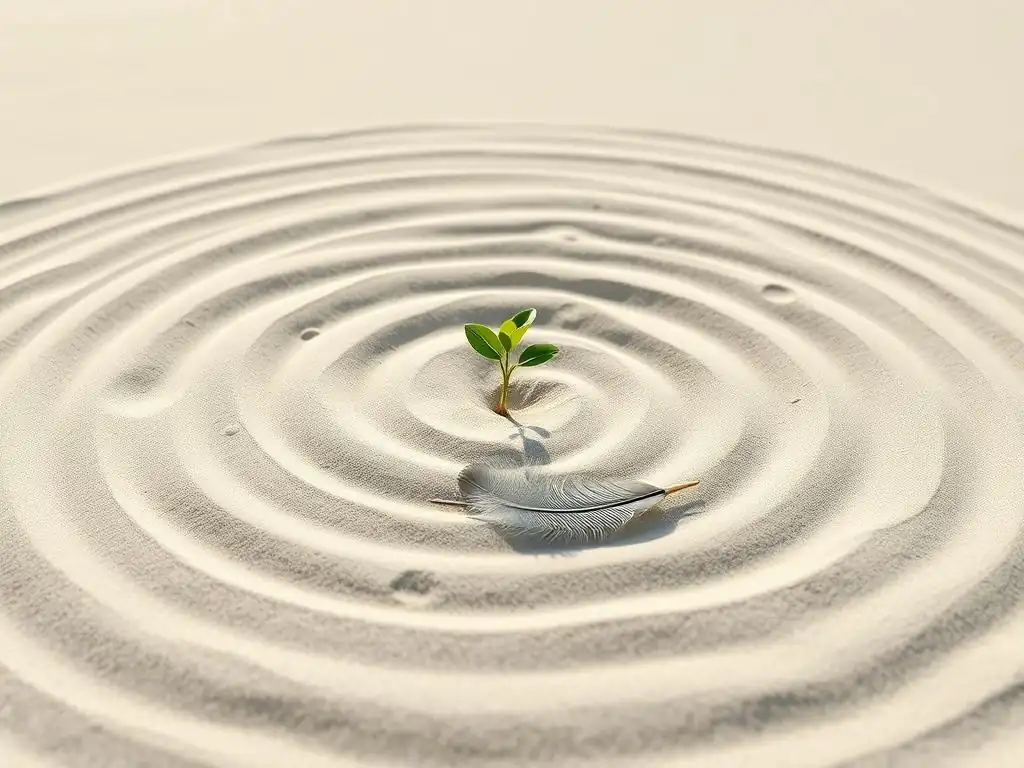
Understanding the Psychological Impact of Restricting Pleasure
While the intention behind limiting highly stimulating activities is often positive (e.g., to improve focus or reduce compulsive behavior), overly strict or prolonged restriction of pleasurable activities can have negative psychological impacts. Humans are wired to seek pleasure and avoid pain; these are fundamental drives. Completely eliminating sources of joy, connection, or relaxation in the name of a "dopamine fast" can lead to feelings of deprivation, frustration, and even increased cravings for the restricted activities.
This can potentially backfire, leading to a rebound effect where individuals engage in the restricted behaviors more intensely after the fasting period ends. Furthermore, if taken to extremes, constant denial of normal pleasures could contribute to feelings of anhedonia (inability to feel pleasure) or worsen symptoms of depression or anxiety for vulnerable individuals. It's crucial to differentiate between mindlessly consuming hyper-stimulating content and engaging in healthy, fulfilling activities that genuinely contribute to well-being and provide balanced forms of reward.
When Dopamine Fasting May Not Be Right for You
Dopamine fasting, especially in its more rigid interpretations, is not suitable for everyone. Individuals with a history of eating disorders or restrictive behaviors should approach any form of "fasting" with extreme caution, as it could trigger or exacerbate unhealthy patterns. Similarly, those with clinical depression or anxiety disorders might find that severe restriction of activities, even those they deem "addictive," removes coping mechanisms or sources of comfort, potentially worsening their symptoms.
People who rely on certain activities for healthy social connection (like online gaming with friends, or engaging in specific online communities) should be mindful that radical abstinence could lead to isolation. The goal is improved well-being, not self-punishment or social withdrawal. If you are experiencing significant mental health challenges, including issues with motivation, focus, or compulsive behaviors, attempting a self-directed, restrictive practice like radical dopamine fasting without professional guidance could be detrimental.
Consulting a Professional: Seeking Guidance for Motivation Challenges
If you are struggling with persistent lack of motivation, difficulty concentrating, compulsive behaviors around stimulating activities, or other mental health concerns, consulting a qualified professional is essential. A therapist, counselor, or psychiatrist can help you understand the root causes of your challenges, which may involve underlying conditions like ADHD, depression, anxiety, or addiction.
Professionals can provide evidence-based strategies tailored to your specific needs, such as cognitive behavioral therapy (CBT), habit formation techniques, or medication if appropriate. They can also help you explore the role of dopamine and reward pathways in your specific situation and guide you on how to approach behavioral changes safely and effectively. Rather than attempting a potentially misunderstood practice like radical dopamine fasting on your own, seeking professional support ensures you receive appropriate care and develop sustainable strategies for improving your motivation and overall mental health.
Long-Term Strategies for Maintaining Motivation and Well-being
Building Sustainable Habits for Enhanced Dopamine Regulation
Maintaining motivation and well-being over the long term relies on building sustainable habits that support healthy brain function, including dopamine regulation. This isn't about extreme restriction but about creating a lifestyle that promotes balance and provides consistent, moderate rewards. Regular physical activity, for instance, is a powerful habit that boosts dopamine release and improves mood and energy levels. Aim for consistent exercise that you enjoy, even if it's just a daily walk.
Establishing consistent sleep patterns is another critical habit. Poor sleep disrupts neurotransmitter systems, including dopamine, negatively impacting motivation and focus. Prioritize getting 7-9 hours of quality sleep per night. Furthermore, developing habits around mindful consumption of stimulating content – setting time limits for social media, choosing specific shows instead of endless browsing – helps regain control and prevents the desensitization that can occur from constant overstimulation. These small, consistent habits contribute more to long-term dopamine balance and motivation than sporadic, radical detoxes.
The Importance of Self-Care and Holistic Wellness Practices
Sustainable motivation is deeply intertwined with overall self-care and holistic wellness. Attending to your physical, emotional, and social needs provides the foundation for consistent energy and drive. This includes nourishing your body with balanced nutrition, managing stress through techniques like meditation or deep breathing, and nurturing social connections. Positive social interactions are known to stimulate the release of feel-good neurotransmitters, including dopamine, contributing to a sense of belonging and well-being that fuels motivation.
Engaging in hobbies, spending time in nature, and practicing gratitude are other holistic practices that support mental wellness and can indirectly impact motivation. These activities provide genuine satisfaction and positive emotional experiences without the intense, fleeting stimulation of digital distractions. By prioritizing self-care across various domains, you create a resilient system that supports sustained effort and enthusiasm for life's challenges and opportunities, naturally contributing to a healthy dopamine response and improved motivation.
Personalizing Your Motivation Strategy for Long-Term Success
Ultimately, the most effective strategy for maintaining motivation is a personalized one. There is no one-size-fits-all approach. Reflect on what truly energizes you, what activities drain your motivation, and what environments help you focus. Experiment with different techniques – perhaps short periods of focused work followed by brief, mindful breaks, or incorporating specific types of physical activity that you find invigorating.
Consider which elements of a behavioral detox might be useful for you – maybe setting specific times to check email or limiting social media use before bed – and integrate them sustainably into your routine rather than attempting radical, temporary abstinence. Understanding your own patterns, triggers, and sources of genuine satisfaction is key.
By building a flexible, personalized strategy that includes healthy habits, self-care, and conscious engagement with both challenging and rewarding activities, you cultivate lasting motivation and support your overall mental well-being. For those seeking a dopamine fasting boost motivation, a balanced, long-term approach is far more effective than a temporary fix.
Conclusion: Dopamine Fasting and the Pursuit of Motivation - A Balanced Perspective
Key Takeaways: Understanding Dopamine and Motivation
Dopamine is a vital neurotransmitter primarily involved in motivation, learning, and reward anticipation, not just pleasure. While constant exposure to highly stimulating activities can potentially impact our sensitivity to everyday tasks, the concept of "dopamine fasting" is a misnomer; you cannot fast from this essential brain chemical. It's better understood as a behavioral detox or stimulus control. The goal is not to eliminate dopamine but to regulate our response to its release by reducing reliance on quick, intense hits from modern sources like social media or excessive entertainment.
Research specifically on "dopamine fasting" is limited, but the principles behind reducing overstimulation align with broader psychological strategies for improving focus and potentially increasing motivation. However, extreme restriction carries risks and may not be suitable for everyone, particularly those with existing mental health conditions. Sustainable motivation is best achieved through balanced, long-term strategies like building healthy habits, practicing mindfulness, setting goals, and ensuring overall self-care.
Integrating Dopamine Fasting Principles into Your Life
Rather than adopting radical "dopamine fasting," consider integrating its core principles into your life in a balanced and sustainable way. This means becoming more mindful of how you engage with highly stimulating activities. Set intentional limits on screen time, particularly social media and passive entertainment. Be conscious of your consumption of sugary foods and drinks. Schedule regular breaks from digital devices and dedicate time to activities that offer deeper, less intense forms of satisfaction, such as reading, spending time in nature, creating art, or connecting with others in person.
View these adjustments not as deprivation, but as conscious choices to regain control over your attention and energy. By reducing reliance on constant external stimulation, you can cultivate a greater appreciation for the subtle rewards found in focused work, meaningful connections, and everyday experiences. This balanced approach, focusing on mindful engagement and sustainable habits rather than extreme restriction, offers a more realistic and beneficial path toward improving focus, enhancing motivation, and supporting long-term mental well-being.
Frequently Asked Questions
What is dopamine fasting, and is it really about abstaining from dopamine?
Dopamine fasting isn't about completely eliminating dopamine. It's a behavioral technique that involves temporarily abstaining from activities that provide high levels of stimulation and instant gratification to recalibrate your reward system.
Does dopamine fasting actually boost motivation, as the title suggests?
While not a direct "boost," dopamine fasting aims to reduce reliance on external stimuli. This can indirectly boost motivation by making more mundane tasks feel more rewarding and re-engaging with intrinsic motivation.
What activities are typically restricted during a dopamine fast?
Commonly restricted activities include social media, video games, excessive screen time, junk food, and sometimes even conversation. The goal is to reduce overstimulation and increase sensitivity to natural rewards.
How long should a dopamine fast typically last to see any potential benefits?
There's no one-size-fits-all answer. Some proponents suggest short periods like a few hours or a day, while others advocate for longer durations. It's crucial to start slowly and monitor your response, focusing on sustainable changes.
Are there any potential downsides or risks associated with attempting a dopamine fast?
Yes, extreme or unrealistic dopamine fasting can lead to frustration and feelings of deprivation. It's important to approach it with realistic expectations and prioritize overall mental well-being over strict adherence to rules.
Final Reflection: Rethinking Reward for Lasting Motivation
The pursuit of effortless motivation is a modern myth, yet the allure of quick fixes persists. Dopamine fasting, while gaining popularity, ultimately highlights the complex relationship between reward, pleasure, and sustained drive. Understanding this relationship is crucial in a world increasingly designed to hijack our dopamine systems.
The impact of constant stimulation on our attention spans and ability to focus is undeniable. We live in a culture of instant gratification, where the next dopamine hit is only a scroll or a notification away. This constant barrage affects not only our productivity but also our sense of self-worth and contentment. The greatest glory in living lies not in never falling, but in rising every time we fall.
- Nelson Mandela. This quote speaks to the resilience required to build genuine motivation, a resilience that's challenged by the very systems designed to keep us hooked. We need to cultivate a deeper understanding of our own internal reward systems, rather than relying on external manipulations.
Consider this your invitation to experiment with mindful engagement. Don't aim for complete abstinence from pleasure, but rather for a conscious recalibration of your relationship with it. Ask yourself: What truly fuels your passion? What activities leave you feeling fulfilled, not just momentarily satisfied? By cultivating intrinsic motivation – the drive that comes from within – you'll build a foundation for lasting productivity and a deeper sense of purpose. The journey to sustainable motivation isn't a fast, it's a marathon, and understanding your own dopamine response is the first step towards running it well.
Unlock Your Inner Drive: Take Control of Your Motivation
Thanks for diving into the world of dopamine fasting with us! We hope you gained valuable insights into how this practice can reshape your relationship with pleasure and motivation. Ready to put your new knowledge into action?
- Prioritize a dopamine detox day: Choose one day this week to consciously limit your exposure to high-dopamine activities. This could mean a break from social media, video games, or even certain foods. Notice how you feel!
- Share your experience: Let's build a community! Share your thoughts and experiences with dopamine fasting in the comments below. What challenges did you face? What unexpected benefits did you discover?
- Explore mindful alternatives: Consider replacing some high-dopamine activities with more mindful ones, such as spending time in nature, practicing yoga, or engaging in creative hobbies.
Ready to embark on this journey toward a more intentional and fulfilling life? What small step will you take today to reclaim your motivation?