
Dopamine and Decision Making: The Brain's Calculator for Value

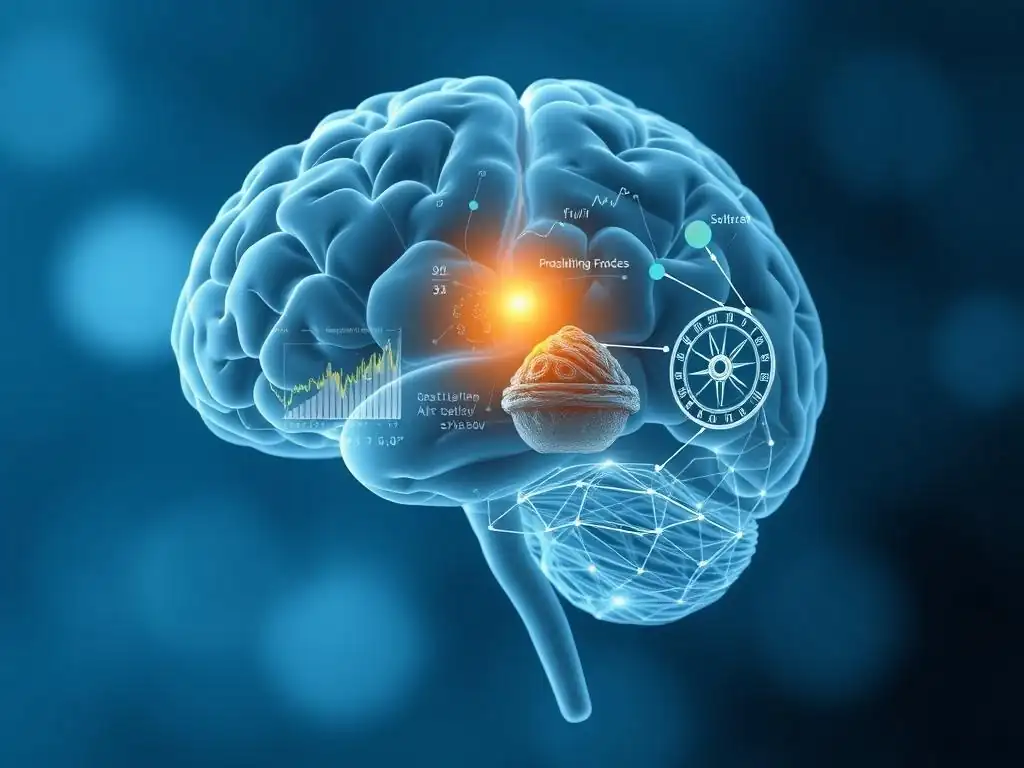
Welcome to Mind Care Guide, a space dedicated to understanding and nurturing your mental well-being. Ever wondered how your brain weighs options and ultimately decides? This week, we delve into the fascinating world of neuroscience to explore just that. Discover how dopamine helps with decisions, acting as a crucial messenger in your brain's complex calculation of value. Intrigued? Let's unravel this intricate process and understand how it impacts your everyday choices.
Dopamine and Decision Making: The Brain's Calculator for Value
- Introduction: Dopamine's Role in Guiding Our Choices
- The Neuroscience of Dopamine and its Impact on Choice
- Dopamine as a Value Signal: How the Brain Assigns Worth
- Dopamine Deficiency and Impaired Decision Making
- Optimizing Dopamine for Enhanced Decision Quality
- Dopamine, Addiction, and Impaired Decision Making
- The Future of Dopamine Research and Decision Science
- Conclusion: Harnessing Dopamine for Smarter Choices
-
Frequently Asked Questions
- What is dopamine's role in decision making?
- How does dopamine influence our perception of value?
- What happens when dopamine levels are imbalanced in relation to decision making?
- Can lifestyle factors affect dopamine levels and subsequently, our decision-making abilities?
- How can understanding the link between dopamine and decision making benefit mental well-being?
- Final Reflection: Rewiring Our Choices Through Dopamine
- Unlock Your Brain's Potential: Make Smarter Choices Today!
Introduction: Dopamine's Role in Guiding Our Choices
Understanding the Connection Between Dopamine and Decision-Making Processes
Dopamine, often dubbed the "feel-good" neurotransmitter, plays a far more complex role in the brain than simply mediating pleasure. It is intimately involved in motivation, learning, and crucially, decision-making. When we face a choice, the brain evaluates potential outcomes, and dopamine signals are central to this evaluation process. These signals help assign a 'value' to different options, based on anticipated rewards or costs. This intricate system ensures that our choices are not random but are guided by past experiences and future expectations, demonstrating how dopamine helps with decisions every day.
Research suggests that dopamine activity increases when an outcome is better than expected, reinforcing the behaviors that led to that outcome. Conversely, a decrease in dopamine signaling occurs when an outcome is worse than anticipated, prompting the brain to adjust future choices. This dynamic signaling is a fundamental mechanism by which we learn from our experiences and refine our strategies for navigating the world. For instance, studies using fMRI have shown that activity in dopamine-rich brain regions, like the striatum, correlates strongly with subjective value ratings of potential rewards during decision tasks, highlighting dopamine's role in evaluating options.
Why is Dopamine Important for Rational Decisions?
Rational decision-making involves weighing potential pros and cons, assessing risks, and selecting the option that offers the best expected outcome. Dopamine is critical for this process because it provides the necessary "value signal" that allows the brain to compare different choices on a common currency. Without proper dopamine signaling, the ability to accurately gauge the potential rewards or punishments associated with various actions is impaired. This can lead to impulsive choices, difficulty in pursuing long-term goals, or an inability to learn from mistakes.
Consider the complexity of deciding whether to pursue a challenging career path or a safer, less demanding one. Dopamine pathways are involved in evaluating the anticipated reward (success, fulfillment) against the anticipated cost (hard work, potential failure). Studies involving economic decision tasks show that manipulating dopamine levels or blocking dopamine receptors can significantly alter risk-taking behavior and preference for delayed vs. immediate rewards. This underscores how dopamine helps with decisions that require foresight and calculation, making it essential for choices that align with our long-term well-being.
The Neuroscience of Dopamine and its Impact on Choice
Dopamine Pathways and Their Functions in the Brain
Dopamine is produced in several areas of the brain, notably the substantia nigra and the ventral tegmental area (VTA). From these origins, dopamine neurons project along distinct pathways to various brain regions, each contributing uniquely to behavior and cognition. The most relevant pathways for decision-making include the mesolimbic, mesocortical, and nigrostriatal pathways. The mesolimbic pathway, projecting from the VTA to areas like the nucleus accumbens and amygdala, is central to reward, motivation, and the processing of salient stimuli.
The mesocortical pathway, also originating in the VTA but projecting to the prefrontal cortex (PFC), is crucial for executive functions, working memory, planning, and personality. This pathway plays a significant role in evaluating the context and consequences of decisions. The nigrostriatal pathway, originating in the substantia nigra and projecting to the striatum (caudate and putamen), is primarily known for motor control, but it also contributes to habit formation and procedural learning, which influence automated or less conscious decision-making processes. Understanding these pathways is key to seeing how dopamine helps with decisions across different levels of cognitive processing.
How Dopamine Influences Neural Circuits Involved in Decision Making
Dopamine exerts its influence on decision-making by modulating activity in circuits involving the prefrontal cortex, striatum, amygdala, and hippocampus. In the striatum, dopamine release signals the reward value of actions or stimuli, reinforcing behaviors that lead to positive outcomes. This mechanism is critical for reinforcement learning – the process by which we learn which choices are beneficial through trial and error. For example, when a choice results in a reward, dopamine surges in the striatum, strengthening the neural connections associated with that choice.
In the prefrontal cortex, dopamine modulates the activity of neurons involved in working memory and cognitive control. This allows us to keep potential goals and outcomes in mind, weigh complex information, and override impulsive urges. Optimal levels of dopamine in the PFC are necessary for flexible decision-making and the ability to adapt our strategy when circumstances change. Too little or too much dopamine here can impair these functions. This intricate interaction across distributed brain regions demonstrates the pervasive impact of dopamine on our ability to make choices.
The Mesolimbic Pathway: The Core of Reward and Motivation
The mesolimbic pathway is often referred to as the brain's reward pathway, but its function is more accurately described as signaling the salience or motivational significance of stimuli and actions. Originating in the VTA and projecting heavily to the nucleus accumbens, this pathway becomes highly active in response to rewarding experiences (food, sex, social interaction) and cues associated with those rewards. This surge in dopamine in the nucleus accumbens drives approach behavior and motivates us to seek out things necessary for survival or pleasure.
This pathway's activity is a powerful motivator for decision-making. When faced with a choice, the anticipated activation of the mesolimbic pathway by a potential reward can strongly bias the decision towards pursuing that reward. However, this pathway's power also makes it vulnerable to hijacking by addictive substances, which cause unnaturally large and persistent dopamine surges. This disruption can lead to compulsive drug-seeking behavior, overriding rational decision-making processes and highlighting a darker side of how dopamine helps with decisions in certain contexts.
Dopamine as a Value Signal: How the Brain Assigns Worth
Dopamine and Reward Prediction Error: Learning from Outcomes
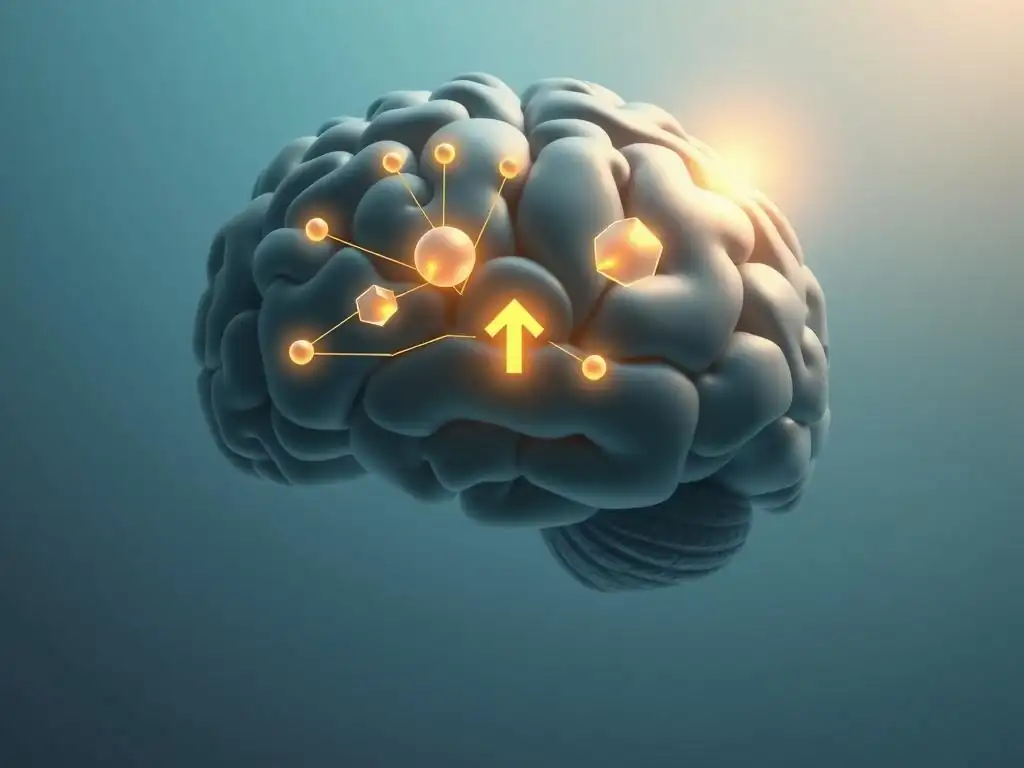
A key concept in understanding dopamine's role in learning and decision-making is the "reward prediction error" (RPE). RPE is the difference between the expected reward and the actual reward received. Dopamine neurons in the VTA and substantia nigra fire in a pattern that reflects this error signal. If the actual reward is greater than expected, dopamine firing increases (a positive RPE). If the actual reward is less than expected, dopamine firing decreases (a negative RPE). If the reward matches expectations, there is no change in firing relative to the baseline.
This RPE signal is crucial for updating our predictions about the value of different choices and situations. For example, if you try a new restaurant and the food is surprisingly delicious (positive RPE), the dopamine surge reinforces the decision to go there, making you more likely to choose it again. If the food is disappointing (negative RPE), the dopamine dip signals that this choice was less valuable than expected, reducing the likelihood of returning. This error-driven learning mechanism, powered by dopamine, is fundamental to adapting our behavior and refining how dopamine helps with decisions over time.
The Role of Dopamine in Cost-Benefit Analysis
Decision-making often involves weighing the potential benefits of an action against its associated costs, whether those costs are monetary, physical effort, time, or risk. Dopamine plays a critical role in this cost-benefit analysis. The anticipated reward signal, mediated by dopamine, must be strong enough to overcome the perceived costs or effort required to obtain it. For instance, deciding whether to study for an exam involves weighing the potential reward (good grade, future opportunities) against the cost (time, effort, foregoing leisure activities).
Research has shown that dopamine levels influence our willingness to exert effort for a reward. Studies in animals have demonstrated that blocking dopamine receptors reduces the animals' willingness to choose a high-reward option that requires significant effort, even if the reward is guaranteed. They instead opt for lower-reward options that require less effort. This suggests that dopamine signaling is necessary to motivate the effort required to pursue valuable goals, illustrating another way dopamine helps with decisions that involve effort calculation.
How Dopamine Levels Affect Risk Assessment and Reward Sensitivity
Dopamine also modulates our sensitivity to rewards and our assessment of risk. Individual differences in dopamine system function can influence how appealing a potential reward seems and how aversive a potential loss appears. Higher baseline levels of dopamine or greater dopamine release in response to potential rewards are often associated with increased risk-taking behavior, particularly when pursuing large, uncertain rewards. This is because the enhanced dopamine signal makes the potential gain feel more attractive, potentially outweighing the perceived risk.
Conversely, lower dopamine levels or reduced sensitivity can lead to decreased motivation to pursue rewards and an increased aversion to risk. This can manifest as difficulty initiating goal-directed behavior or a preference for guaranteed, smaller rewards over potentially larger, but uncertain ones. For instance, individuals with conditions associated with altered dopamine function, like depression, may exhibit reduced reward sensitivity and a decreased willingness to take even minor risks, impacting their ability to make choices that could improve their situation. This highlights the delicate balance required in dopamine signaling for effective risk assessment and reward-based decision-making.
Dopamine Deficiency and Impaired Decision Making
The Impact of Low Dopamine on Motivation and Goal-Directed Behavior
A deficiency in dopamine signaling can profoundly impact motivation and the ability to engage in goal-directed behavior. This is particularly evident in conditions like Parkinson's disease, where the degeneration of dopamine-producing neurons in the substantia nigra leads to severe motor symptoms. However, the impact extends beyond movement to affect cognitive functions, including motivation and decision-making. Individuals with low dopamine levels often report apathy, lack of initiative, and difficulty starting or completing tasks, even those they previously found rewarding.
This lack of motivation stems from the impaired ability of dopamine to signal the value and desirability of pursuing goals. If the neural pathways that signal reward are less active, the incentive to expend effort diminishes. This can make even simple decisions, like getting out of bed or deciding what to eat, feel overwhelmingly difficult. It demonstrates how a lack of dopamine impairs the brain's ability to calculate the value of actions and thus impacts how dopamine helps with decisions related to daily functioning and long-term pursuits.
Conditions Linked to Dopamine Imbalances and Poor Choices
Several neurological and psychiatric conditions are associated with dysregulation of the dopamine system, leading to impaired decision-making.
- Parkinson's Disease: While known for motor symptoms, cognitive impairments, including difficulty with decision-making (particularly those involving evaluating probabilistic outcomes), are common due to dopamine loss.
- Attention-Deficit/Hyperactivity Disorder (ADHD): Altered dopamine signaling, particularly in pathways projecting to the prefrontal cortex, is implicated in ADHD. This can lead to impulsivity, difficulty delaying gratification, and impaired decision-making that favors immediate rewards over long-term benefits.
- Depression: While complex, alterations in dopamine pathways, especially those related to reward and motivation, contribute to anhedonia (inability to experience pleasure) and lack of motivation seen in depression, impacting goal-directed choices.
- Addiction: This is a prime example of dopamine system dysregulation leading to severely impaired decision-making, as discussed later.
These conditions illustrate how deviations from optimal dopamine function can compromise the intricate process by which dopamine helps with decisions, leading to choices that may not be in the individual's best interest or reflect their true desires.
Strategies for Improving Dopamine Function for Better Decision Making
Addressing dopamine deficiency or imbalance requires tailored strategies, often involving medical intervention for diagnosed conditions. For Parkinson's disease, L-DOPA medication is used to replenish dopamine levels, significantly improving motor symptoms and often positively impacting motivation and some aspects of cognitive function, including decision-making. For ADHD, stimulant medications like methylphenidate or amphetamines, which increase dopamine (and norepinephrine) levels in the brain, can improve focus, reduce impulsivity, and enhance executive function, leading to better decision-making.
Beyond medication for specific diagnoses, lifestyle changes can support overall dopamine health, potentially benefiting decision-making processes. These include regular exercise, a balanced diet rich in protein (dopamine is synthesized from amino acids like tyrosine and phenylalanine), adequate sleep, and stress management. While these strategies may not cure severe deficiencies, they can optimize the function of the existing dopamine system, subtly but significantly influencing how dopamine helps with decisions in everyday life for many individuals.
Optimizing Dopamine for Enhanced Decision Quality
Lifestyle Factors that Support Healthy Dopamine Levels
Maintaining a healthy lifestyle is crucial for supporting optimal neurotransmitter function, including dopamine. Regular physical exercise is consistently shown to benefit the dopamine system. Aerobic exercise, for example, can increase dopamine synthesis, release, and receptor density in key brain areas involved in motivation and reward. Studies suggest that consistent moderate-to-vigorous exercise can lead to improvements in mood and cognitive functions linked to dopamine, potentially enhancing decision-making capabilities over time. Aiming for at least 150 minutes of moderate aerobic activity per week, as recommended by health guidelines, can be a valuable strategy.
Adequate sleep is another critical factor. Sleep deprivation negatively impacts dopamine receptor sensitivity, particularly D2 receptors, which are important for motivation and reward processing. Chronic poor sleep can disrupt the delicate balance of neurotransmitter systems, potentially leading to reduced motivation and impaired decision-making. Ensuring 7-9 hours of quality sleep per night supports healthy dopamine function. Furthermore, engaging in activities that provide natural, healthy rewards, like pursuing hobbies, achieving small goals, or social interaction, can stimulate dopamine release in a balanced way, reinforcing positive behaviors and potentially improving how dopamine helps with decisions related to pursuing meaningful activities.
The Role of Diet and Exercise in Dopamine Regulation
Diet plays a foundational role in providing the building blocks for dopamine synthesis and supporting overall brain health. Dopamine is synthesized from the amino acids tyrosine and phenylalanine, which are found in protein-rich foods such as meats, poultry, fish, eggs, dairy, beans, and nuts. Ensuring adequate protein intake provides the necessary precursors for dopamine production. Antioxidants, found in fruits and vegetables, can protect dopamine neurons from damage, while omega-3 fatty acids, abundant in fatty fish, flaxseeds, and walnuts, support overall brain structure and function, indirectly benefiting neurotransmitter systems.
Exercise's impact on dopamine is multifaceted. Beyond increasing synthesis and receptor density, physical activity also improves blood flow to the brain, reduces inflammation, and promotes the release of neurotrophic factors that support neuron health and growth. The "runner's high" is often attributed partly to endorphins, but dopamine also plays a role in the rewarding feeling associated with exercise, reinforcing the behavior. Combining a nutrient-dense diet with regular physical activity provides a robust foundation for optimizing dopamine levels and function, thereby supporting the brain's ability to make effective choices.
While direct pharmacological manipulation is reserved for specific medical conditions, certain cognitive strategies can leverage or improve dopamine-related decision processes. Setting clear, achievable goals and breaking larger tasks into smaller steps can capitalize on dopamine's role in signaling progress towards a reward. Each completed step provides a mini-reward signal, maintaining motivation and reinforcing the behavior. This scaffolding helps the brain stay engaged in the effortful pursuit of a larger goal.
Mindfulness and attention training can also be beneficial. By improving focus and reducing rumination on negative outcomes, these practices can help individuals stay present and evaluate current choices more clearly, rather than being overly influenced by past negative prediction errors. Furthermore, practicing cognitive reappraisal – reframing how you think about challenging situations or potential setbacks – can help manage the emotional response, which is intricately linked with dopamine and reward pathways.
By consciously managing expectations and interpretations, individuals can influence the prediction error signals their brain generates, leading to more adaptive learning and potentially better future decisions. These strategies underscore how understanding dopamine helps with decisions not just on a biological level, but through conscious effort as well.
Dopamine, Addiction, and Impaired Decision Making

How Addictive Substances Hijack the Dopamine System
Addictive substances, such as cocaine, amphetamines, nicotine, alcohol, and opioids, exert their powerful effects by directly or indirectly manipulating the brain's dopamine system, particularly the mesolimbic pathway. Many addictive drugs cause an unnaturally rapid and intense surge of dopamine in the nucleus accumbens, far exceeding the levels produced by natural rewards like food or social interaction. For example, cocaine blocks the reuptake of dopamine, leading to its accumulation in the synapse, while amphetamines increase dopamine release and block its reuptake. Nicotine stimulates dopamine release, and opioids inhibit neurons that normally suppress dopamine release, effectively increasing it.
This massive, artificial dopamine signal overwhelms the system, creating a powerful association between the drug and intense pleasure or relief. This hijacking mechanism is incredibly effective at reinforcing drug-seeking behavior. The brain learns that the drug is the most salient and rewarding stimulus available, powerfully biasing future decisions towards obtaining and consuming the substance, even at the expense of health, relationships, and other life domains. This starkly illustrates how the disruption of dopamine signaling can fundamentally alter how dopamine helps with decisions, turning goal-directed behavior towards a single, destructive pursuit.
The Cycle of Dopamine Release and Compulsive Behavior
The initial surge of dopamine triggered by drug use initiates a cycle that drives compulsive behavior characteristic of addiction. Repeated exposure to high drug-induced dopamine levels leads to significant adaptations in the brain's reward circuitry. The system becomes less responsive to natural rewards (tolerance), requiring more of the drug to achieve the same effect. Simultaneously, the brain becomes hypersensitive to drug-related cues (paraphernalia, locations, people), which trigger anticipatory dopamine release and intense craving.
This altered state makes decision-making profoundly challenging. The powerful drive to seek the drug, fueled by sensitized craving pathways and a blunted response to natural rewards, often overrides rational thought processes controlled by the prefrontal cortex. Decisions become centered around drug acquisition and use, neglecting responsibilities and consequences. This compulsive cycle demonstrates how addiction fundamentally distorts the brain's value assignment system, where the drug's perceived value becomes paramount, and how this impairs the natural process by which dopamine helps with decisions that support well-being.
Breaking the Cycle: Strategies for Recovery and Restoring Healthy Dopamine Function
Recovery from addiction involves breaking this compulsive cycle and working to restore healthier brain function, including the dopamine system. This is a challenging process that typically requires comprehensive treatment. Detoxification manages acute withdrawal, while behavioral therapies (like Cognitive Behavioral Therapy or Contingency Management) help individuals identify triggers, develop coping skills, and learn to make choices that support recovery. Medication-assisted treatment, such as using buprenorphine or methadone for opioid addiction, can help normalize brain chemistry and reduce cravings, making it easier for individuals to engage in therapeutic interventions and make healthier decisions.
Long-term recovery focuses on supporting the brain's gradual healing and the re-establishment of healthy reward pathways. This involves finding alternative sources of natural reward (hobbies, relationships, achievements), developing healthy coping mechanisms for stress and negative emotions, and building a supportive social network.
While the dopamine system may not fully return to its pre-addiction state, recovery allows individuals to regain control over their decision-making processes, shifting from compulsive drug-seeking to pursuing a life of meaning and well-being. This journey highlights the potential for restoring the brain's ability to use dopamine to help with decisions that are aligned with health and recovery goals.
The Future of Dopamine Research and Decision Science
Emerging Technologies and Therapies Targeting Dopamine Pathways
Research into dopamine and decision-making is a rapidly evolving field, with new technologies offering unprecedented insights and therapeutic possibilities. Techniques like optogenetics and chemogenetics allow scientists to precisely control the firing of specific dopamine neurons in animal models, enabling them to dissect the causal role of these neurons in various aspects of decision-making, from risk-taking to effort allocation. This detailed understanding is paving the way for more targeted interventions.
In humans, advanced neuroimaging techniques, such as PET and fMRI, continue to provide insights into dopamine activity in different brain regions during decision tasks. Emerging therapies are also targeting dopamine pathways for conditions like Parkinson's disease and addiction. Deep Brain Stimulation (DBS), already used for motor symptoms in Parkinson's, is being explored for its potential to modulate reward circuits in addiction or depression. Furthermore, novel pharmacological agents that selectively target specific dopamine receptor subtypes are under investigation, aiming to improve decision-making deficits with fewer side effects than current treatments.
Understanding Individual Differences in Dopamine Function
It is becoming increasingly clear that there are significant individual differences in the structure and function of the dopamine system, which can influence personality traits, susceptibility to certain conditions, and decision-making styles. Genetic variations in dopamine receptors, transporters, and enzymes can affect dopamine signaling efficiency. For example, variations in the DRD4 gene (coding for a type of dopamine receptor) have been linked to novelty-seeking behavior, which involves decision-making related to exploration and risk.
Understanding these individual variations is crucial for personalized approaches to mental health and potentially for tailoring interventions. Recognizing that some individuals may be inherently more sensitive to rewards or more prone to risk-taking due to their dopamine system profile can inform therapeutic strategies and self-management techniques. Future research aims to better characterize these differences and understand how they interact with environmental factors to shape behavior and influence how dopamine helps with decisions throughout life.
The Ethical Implications of Manipulating Dopamine for Decision Enhancement
As our understanding of dopamine's role in decision-making grows, so too do the ethical considerations surrounding potential interventions aimed at "enhancing" decision quality. If pharmacological or technological means could reliably boost aspects of decision-making, such as focus, motivation, or risk assessment, who would have access to such enhancements? Would this create new forms of inequality? What are the potential long-term side effects of manipulating a system as fundamental as dopamine?
There are concerns about the potential for misuse, coercion, and blurring the lines between treating illness and enhancing normal function. Modifying dopamine could also have unforeseen impacts on creativity, empathy, or other complex cognitive and emotional processes. These complex ethical questions require careful consideration and public dialogue as research progresses. The goal of understanding how dopamine helps with decisions should remain focused on treating debilitating conditions and supporting well-being, rather than pursuing enhancements that could have unintended societal or individual consequences.
Conclusion: Harnessing Dopamine for Smarter Choices
The Importance of Understanding Dopamine for Mental Well-being
Understanding the critical role dopamine plays in motivation, reward, learning, and particularly, decision-making, is fundamental to comprehending many aspects of mental well-being. From the drive to pursue goals and experience pleasure to the challenges posed by conditions like addiction, depression, and ADHD, dopamine is a central player. Recognizing how dopamine helps with decisions provides valuable insight into why we make the choices we do and why, at times, our decision-making processes may falter.
This knowledge empowers individuals to better understand their own experiences and challenges. It highlights the importance of seeking professional help when dopamine dysregulation is suspected in conditions impacting behavior and choices. Furthermore, it underscores the value of lifestyle choices that support healthy brain function, offering strategies to optimize the dopamine system for improved motivation, reward processing, and ultimately, more effective and fulfilling decisions in life.
Key Takeaways: Dopamine, Decision Making, and a Balanced Life
Dopamine is far more than a pleasure molecule; it is a vital component of the brain's value assessment and learning system, essential for how dopamine helps with decisions.
- It signals the predicted reward of actions and outcomes, driving motivation and guiding choices towards beneficial results.
- The mesolimbic pathway is central to this process, linking reward cues to motivated behavior.
- Dopamine prediction errors are critical for learning from the consequences of our choices and adapting future behavior.
- Imbalances in dopamine can lead to impaired motivation, poor cost-benefit analysis, altered risk assessment, and contribute to conditions like Parkinson's disease, ADHD, depression, and addiction.
- Lifestyle factors such as exercise, diet, and sleep support healthy dopamine function.
- Addiction represents a severe hijacking of the dopamine system, leading to compulsive behavior and severely impaired decision-making.
- Emerging research continues to deepen our understanding and offer potential therapeutic avenues, while also raising important ethical considerations.
By appreciating the intricate relationship between dopamine and our choices, we gain a deeper understanding of ourselves and the biological underpinnings of our behavior. Nurturing a healthy dopamine system through informed choices and seeking support when needed can significantly contribute to enhanced decision-making and a more balanced, goal-directed life.
Frequently Asked Questions
What is dopamine's role in decision making?
Dopamine acts as a neurotransmitter that signals value and reward prediction. This helps the brain weigh potential outcomes and choose the most advantageous option.
How does dopamine influence our perception of value?
Dopamine release is associated with both the expected reward and the actual reward received. This creates a feedback loop that shapes our value judgments over time, influencing future decisions.
What happens when dopamine levels are imbalanced in relation to decision making?
Imbalances in dopamine levels can lead to impaired decision making, potentially contributing to conditions like addiction or impulse control disorders where the perception of reward is skewed.
Can lifestyle factors affect dopamine levels and subsequently, our decision-making abilities?
Yes, factors like stress, sleep deprivation, and diet can significantly impact dopamine levels. Maintaining a healthy lifestyle can positively influence dopamine regulation and support sound decision making.
How can understanding the link between dopamine and decision making benefit mental well-being?
Awareness of this connection can help individuals recognize how their choices are influenced and potentially identify areas where they might benefit from lifestyle changes or therapeutic interventions to improve their decision-making processes.
Final Reflection: Rewiring Our Choices Through Dopamine
Understanding the intricate dance between dopamine and decision-making is not merely an academic exercise; it's a crucial key to unlocking a more fulfilling and intentional life. The insights explored in this article—from the reward prediction error to the role of dopamine in shaping our preferences—are profoundly relevant in today's world, saturated with choices and often overwhelming stimuli. We are constantly bombarded with options, and understanding how our brains process value and reward is paramount to navigating this complex landscape effectively.
The influence of dopamine on our choices extends far beyond simple consumerism; it shapes our relationships, our career paths, even our personal values. It's a silent architect of our lives, subtly guiding our actions and shaping our future. As the neuroscientist Antonio Damasio eloquently stated, The feeling of what happens to us is as important as the event itself.
This feeling, heavily influenced by dopamine's signaling, is what ultimately drives our choices and defines our experience of life. Ignoring this fundamental aspect of our neurobiology means missing a crucial piece of the puzzle in understanding ourselves and our actions.
Now, consider this: how can you leverage this knowledge to make more conscious and fulfilling choices? Are you aware of the subtle ways dopamine influences your decisions? I encourage you to reflect on your own patterns of behavior, to identify those choices driven by immediate gratification versus those aligned with your long-term goals. By understanding the role of dopamine, you can begin to rewire your decision-making process, making choices that truly reflect your values and lead you towards a more intentional and rewarding life. Take control of your internal reward system; your future self will thank you.
Unlock Your Brain's Potential: Make Smarter Choices Today!
Thanks for taking the time to explore the fascinating world of dopamine and decision-making! You've now gained valuable insights into how your brain calculates value and influences your choices. Ready to put this knowledge into practice?
- Prioritize one small, dopamine-boosting activity today: Identify a task that aligns with your values and will give you a sense of accomplishment (e.g., finishing a project, learning a new skill). Enjoy the reward!
- Reflect on your recent decisions: Consider whether your choices truly aligned with your long-term goals. What adjustments can you make for better future outcomes?
- Share your thoughts: What's one surprising insight you gained about your decision-making process from this article? Let's discuss in the comments!
What small step will you take today to optimize your dopamine-driven decisions?