
Art Therapy for Dissociation: Grounding Techniques Through Creativity


Welcome to Mind Care Guide, a safe space to explore your mental well-being. Feeling disconnected can be a truly unsettling experience. Are you seeking ways to gently reconnect with the present moment and find your footing? This article delves into the power of art therapy dissociation grounding techniques, offering creative pathways to rediscover stability and inner peace. Curious to learn how art can help you feel more grounded? Let's begin.
Art Therapy for Trauma-Related Dissociation: Grounding Techniques Through Creativity
- Understanding Trauma-Related Dissociation and its Impact
- Art Therapy as a Grounding Tool for Trauma-Related Dissociation
- Specific Art Therapy Grounding Techniques for Trauma-Related Dissociation
- Benefits of Art Therapy Grounding Techniques
- Implementing Art Therapy Grounding Techniques: A Step-by-Step Guide
- Overcoming Challenges in Art Therapy for Trauma-Related Dissociation
- Resources for Art Therapy and Trauma-Related Dissociation
- Conclusion: Embracing Creativity for Grounding and Healing from Trauma-Related Dissociation
-
Frequently Asked Questions
- What is the connection between art therapy and dissociation?
- How can art therapy grounding techniques help with dissociation?
- What are some examples of art therapy grounding techniques for dissociation?
- Is art therapy a replacement for traditional therapy for dissociation?
- Where can I find more resources and support for dissociation and art therapy?
- Final Reflection: Reclaiming Self Through Creative Grounding
- Unleash Your Inner Artist: Find Grounding Through Creative Expression
Trauma-related dissociation is a complex psychological response that can occur after experiencing overwhelming stress or trauma. It involves a disconnection from one's thoughts, memories, feelings, actions, or sense of self. This can manifest in various ways, from feeling detached from one's body or surroundings (depersonalization and derealization) to forgetting significant events or having difficulty remembering parts of the traumatic experience itself. It's essentially a coping mechanism where the mind attempts to protect itself by creating distance from the unbearable reality of the trauma.
This disconnect is not a deliberate choice but an automatic survival response. Research suggests that dissociation affects a significant percentage of trauma survivors, with estimates often ranging from 15% to 30% depending on the type and severity of the trauma experienced. Individuals experiencing trauma-related dissociation may feel like they are observing their life from outside their body, or that the world around them feels unreal or foggy. This can profoundly impact their ability to function in daily life, maintain relationships, and feel safe and present in their own skin.
The Link Between Trauma and Dissociation: Understanding the Roots
The connection between trauma and dissociation is deeply rooted in the brain's response to perceived threat. When faced with an inescapable or overwhelming traumatic event, the body's fight, flight, or freeze response can become overloaded. Dissociation is often understood as an extreme form of the freeze response, where the individual psychologically checks out to survive the experience. This mechanism can be highly effective during the traumatic event itself, reducing the subjective experience of pain or terror.
However, this adaptive response can become maladaptive over time, persisting long after the danger has passed. Early childhood trauma, particularly chronic or complex trauma, is strongly linked to the development of dissociative disorders. The developing brain is especially vulnerable to the impact of trauma, and repeated exposure can wire the nervous system to default to dissociative states under stress. Understanding this link is crucial for effective treatment, as it highlights the need to address both the trauma and the dissociative symptoms.
Trauma-related dissociation can permeate nearly every aspect of daily functioning, making simple tasks feel challenging or impossible. Common symptoms include memory problems, such as amnesia for certain periods or events; feeling detached from one's emotions or body; experiencing the world as distorted or unreal; and feeling confused about one's identity. These symptoms can lead to significant distress and impairment, affecting work, school, relationships, and overall quality of life. For instance, someone might miss appointments because they lost track of time while dissociated, or struggle to connect with loved ones because they feel emotionally numb.
Beyond the core dissociative symptoms, individuals may also experience related issues such as anxiety, depression, panic attacks, sleep disturbances, and difficulty concentrating. The unpredictable nature of dissociative episodes can be frightening and isolating, leading to increased avoidance behaviors and a sense of helplessness. Recognizing these symptoms is the first step toward seeking help and finding effective ways to manage the impact of dissociation, such as incorporating art therapy dissociation grounding techniques into one's healing journey.
The Power of Art Therapy: Reconnecting with the Present
Art therapy offers a unique and powerful pathway for individuals navigating trauma-related dissociation. It provides a non-verbal means of expression, which can be less intimidating than talking about traumatic experiences directly, especially when words feel inadequate or unsafe. The creative process itself can be inherently grounding, requiring focus and engagement with physical materials in the present moment. By engaging the senses – the feel of clay, the smell of paint, the sight of colors blending – art therapy helps anchor individuals to reality, counteracting the feeling of being disconnected or floating away.
Moreover, art therapy can help individuals externalize internal experiences that are difficult to articulate. A feeling of fragmentation or detachment can be represented visually, making it more tangible and understandable. This process of externalization can create a safe distance from overwhelming emotions or memories, allowing them to be processed incrementally. Art therapy provides a structured yet flexible space to explore inner landscapes, build self-awareness, and practice being present, making it a valuable tool for art therapy dissociation grounding techniques.
Grounding Techniques in Art Therapy: Finding Stability Through Creativity
Grounding techniques are strategies designed to help individuals reconnect with their physical body, their surroundings, and the present moment, particularly when experiencing dissociation, anxiety, or flashbacks. In art therapy, these techniques are integrated into the creative process, using art materials and directives to facilitate a sense of stability and presence. This might involve focusing intently on the tactile sensation of molding clay, noticing the specific shades and textures of paint, or paying attention to the rhythm of a drawing motion.
These art-based grounding techniques leverage the sensory engagement inherent in art making to anchor the individual to the here and now. Unlike simply talking about feeling disconnected, the act of creating provides a concrete experience of being present. For example, pressing firmly into clay provides undeniable physical feedback. Focusing on the vibrant colors of pastels requires visual attention that pulls the mind away from internal chaos. These simple yet profound interactions with art materials serve as powerful anchors, offering practical art therapy dissociation grounding techniques.
Art therapy is particularly effective for trauma-related dissociation because it simultaneously engages sensory systems and allows for emotional expression without requiring linear narrative. Dissociation often involves a disconnection from sensory input and emotional experience. Art therapy directly counteracts this by involving touch, sight, smell, and sometimes even sound, bringing the individual back into their body and the present environment. The act of creating stimulates neural pathways that may be less active during dissociative states, helping to rebuild connections.
Furthermore, art provides a safe container for emotions that may feel overwhelming or inaccessible when dissociated. Instead of having to name or articulate a feeling, it can be expressed through color, line, shape, or form. This indirect expression can bypass the verbal centers that may shut down during dissociation, allowing for a release and processing of emotional energy. This combination of sensory grounding and non-verbal emotional processing makes art therapy a uniquely suited approach for developing art therapy dissociation grounding techniques.
Sensory-Based Art Activities for Grounding
Sensory engagement is a cornerstone of art therapy dissociation grounding techniques, helping individuals reconnect with their physical selves and the immediate environment. Activities focusing on touch, sight, and even sound can be incredibly effective in pulling someone back from a dissociative state into the present moment. The direct interaction with materials provides tangible proof of reality.
Working with Clay: A Tactile Grounding Experience
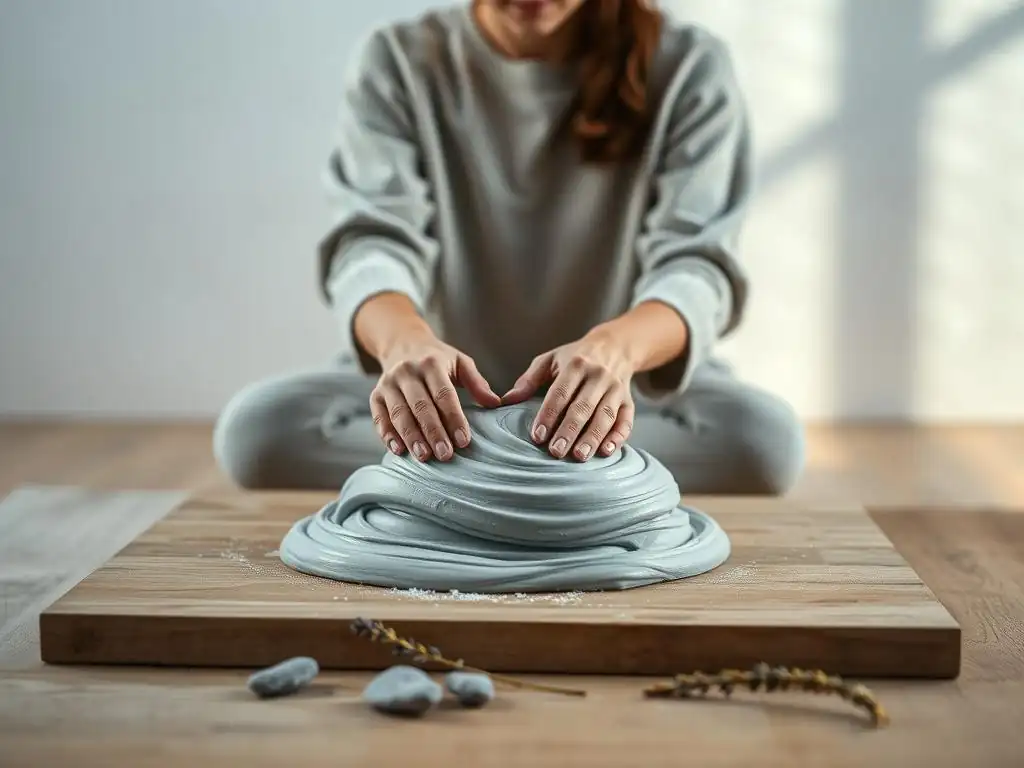
Working with clay is one of the most potent tactile grounding techniques available in art therapy. The physical sensation of kneading, squeezing, rolling, and shaping clay provides deep pressure and proprioceptive feedback, which helps anchor the individual in their body. Focusing on the temperature, texture, and pliability of the clay directs attention away from dissociative thoughts or feelings and towards the immediate sensory experience.
This technique can be as simple as holding a lump of clay and focusing on its feel, or actively manipulating it. The resistance of the material requires physical effort, further enhancing the sense of being present and embodied. Many individuals report feeling significantly more grounded and centered after just a few minutes of working with clay, finding it a reliable tool for managing dissociative episodes.
Painting with Natural Pigments: Connecting to the Earth Through Art
Painting with natural pigments, such as those derived from soil, plants, or minerals, offers a multi-sensory grounding experience that also fosters a connection to the natural world. The process of preparing the pigments, mixing them with a binder, and applying them to a surface engages the senses of sight, smell, and touch. The earthy smells and natural colors can evoke a sense of calm and rootedness.
This technique encourages mindfulness as one focuses on the origin of the colors and the textures they create. The act of applying paint deliberately to a surface, observing how the natural colors interact, provides a strong anchor in the present moment. It offers a gentle yet effective way to practice art therapy dissociation grounding techniques while fostering a connection to something larger than oneself.
Drawing with Rhythmic Music: Using Auditory Input to Enhance Presence
Combining visual art with auditory input can create a powerful synergistic grounding experience. Drawing while listening to rhythmic, calming music provides two sensory anchors simultaneously. The rhythm of the music can help regulate the nervous system, while the act of drawing, perhaps mirroring the rhythm or simply allowing the hand to move across the page, keeps the individual engaged visually and kinesthetically.
The focus is not on creating a masterpiece but on the process – the feel of the drawing tool on the paper, the visual patterns emerging, and the steady beat of the music. This dual focus helps to occupy the mind in a way that leaves less room for dissociative wandering. It's a practical example of how art therapy dissociation grounding techniques can integrate multiple sensory modalities for enhanced effect.
Visual Art Techniques for Emotional Regulation and Grounding
Visual art techniques can help regulate emotions and promote grounding by providing a structure for expression and focus. These methods often involve creating visual order or exploring the emotional qualities of color and form, offering a sense of control and presence.
Mandala Art: Creating Order and Focus
Creating mandalas, which are circular designs often used for meditation and focus, is a powerful visual grounding technique. The inherent structure and symmetry of a mandala can be incredibly calming and centering, providing a visual anchor that helps organize thoughts and feelings. The repetitive nature of filling in sections or creating intricate patterns can be deeply meditative, drawing attention inward in a focused, contained way rather than a dissociative one.
The process encourages concentration and patience, skills that can be challenging when experiencing dissociation. Focusing on the details within the circle helps to ground the individual in the present task. Mandalas offer a safe, bounded space to explore creativity and find a sense of order amidst internal chaos, making them a core element of many art therapy grounding techniques for dissociation.
Color Exploration: Using Color to Influence Mood and Grounding
Color has a profound impact on our psychological state and can be used intentionally as a grounding tool. Engaging in focused color exploration involves paying close attention to the properties of colors – their vibrancy, temperature (warm or cool), and how they make you feel. This can involve simply looking at different colors, sorting colored objects, or intentionally using specific colors in artwork to evoke or regulate emotions.
For grounding, focusing on bold, grounding colors like deep blues, greens, or browns can help anchor the mind and body. Alternatively, using vibrant colors can help bring energy and attention back to the present if feeling numb or detached. The deliberate choice and application of color require focused attention, pulling the individual into the present moment and offering a non-verbal way to influence internal states.
Nature Journaling: Observing and Grounding in the Natural World
Nature journaling combines observation of the external world with creative expression, fostering a deep sense of grounding. This involves spending time in nature – a park, garden, or even looking out a window – and drawing or painting what you observe, along with perhaps jotting down sensory details or brief reflections. The act of closely observing the intricate details of a leaf, a flower, or the texture of bark requires focused attention on the external environment.
This process pulls the individual out of internal rumination or dissociative states and anchors them in the tangible reality of the natural world. The sensory input from nature itself (smells, sounds, sights) combined with the act of creating provides a powerful dual grounding effect. Nature journaling is a gentle yet effective art therapy dissociation grounding technique that promotes mindfulness and connection.
Expressive Art Techniques for Reconnecting with the Body
Dissociation often involves a disconnection from the physical body. Expressive art techniques that incorporate movement or focus on bodily sensations can be particularly helpful in rebuilding this mind-body connection, which is essential for effective grounding.
Body Mapping: Visualizing and Understanding Physical Sensations
Body mapping is an expressive art technique where individuals create a visual representation of their body, often life-sized or drawn on a large sheet of paper, and then fill it in to represent physical sensations, emotions, pain, or areas of dissociation. This process helps externalize internal bodily experiences and create a visual dialogue with the body.
By focusing on specific areas of the body and attempting to visually depict how they feel (e.g., using jagged lines for tension, cool colors for numbness), individuals are encouraged to pay attention to their physical form. This focused attention on the body, even when uncomfortable, is a direct way to counteract the physical detachment often experienced with dissociation, facilitating body-centered art therapy grounding techniques.
Movement-Based Art: Embodied Expression for Grounding
Movement-based art combines physical movement with art creation, allowing the body to become an active participant in the creative process. This can involve painting with large brush strokes using the whole arm, dancing with scarves that leave paint trails, or creating art in response to physical sensations or movements. The focus is on the kinesthetic experience and how movement translates into visual form.
By engaging the body in deliberate movement, individuals are brought back into awareness of their physical presence. The act of moving and simultaneously creating provides a strong anchor in the present moment, using physical activity as a direct grounding mechanism. This technique is excellent for individuals who find it difficult to sit still or who experience significant physical restlessness associated with dissociation.
Somatic Movement Exploration: Gentle Movement for Grounding and Body Awareness
Somatic movement exploration in an art therapy context involves gentle, mindful movements paired with artistic response. This might mean engaging in simple stretches or mindful walking and then immediately drawing or painting the sensations, feelings, or images that arise from the movement. The emphasis is on internal bodily sensation rather than external form.
This technique encourages a deeper connection to the body's internal landscape, helping individuals notice subtle sensations they might typically be dissociated from. By pairing movement with art, the experience is processed through multiple channels, reinforcing the connection between mind and body. It's a sensitive approach to building body awareness and applying art therapy dissociation grounding techniques through gentle exploration.
Benefits of Art Therapy Grounding Techniques
Incorporating art therapy dissociation grounding techniques into a healing practice offers a range of significant benefits for individuals managing trauma-related dissociation. These advantages extend beyond simply managing dissociative episodes to fostering long-term healing and resilience.
Increased Self-Awareness and Emotional Regulation
Art therapy grounding techniques significantly enhance self-awareness by providing a non-verbal language to explore internal states. Through the creative process, individuals can gain insight into their emotions, triggers, and patterns of dissociation in a way that feels less threatening than direct confrontation. For example, noticing recurring themes or colors in their art during dissociative states can provide valuable information about their internal experience.
Furthermore, actively engaging in grounding art activities helps build skills in emotional regulation. By focusing on the sensory aspects of art making, individuals learn to tolerate uncomfortable feelings or sensations and bring themselves back to a regulated state. This practice strengthens their ability to manage intense emotions that might otherwise trigger dissociation, offering practical art therapy grounding techniques for daily life.
Enhanced Body Awareness and Presence
A key benefit of art therapy for dissociation is the improvement of body awareness. Many dissociative experiences involve feeling disconnected from one's physical body. Art techniques that emphasize sensory engagement, like working with clay or somatic art, directly address this disconnect by drawing attention to physical sensations. The act of making physical contact with materials and focusing on the tactile feedback helps anchor consciousness in the body.
Over time, regular practice of these techniques can help individuals feel more "at home" in their bodies, reducing the tendency to dissociate under stress. This enhanced body awareness is fundamental to feeling present and safe, providing a solid foundation for overall well-being and reducing the frequency and intensity of dissociative episodes.
Living with trauma-related dissociation is often accompanied by significant anxiety and stress, driven by the unpredictable nature of dissociative episodes and the fear of losing control. Art therapy grounding techniques offer a reliable coping mechanism that individuals can turn to when feeling overwhelmed or on the verge of dissociating. The act of focusing on the art task provides a distraction from anxious thoughts and a concrete activity to engage the mind and body.
Engaging in creative flow states during art making can also have a calming effect on the nervous system, reducing levels of stress hormones like cortisol. Many participants report feeling a sense of calm and relief after completing a grounding art activity, finding it a safe and effective way to navigate moments of heightened anxiety or stress related to their dissociation.
Improved Coping Mechanisms for Managing Dissociative Episodes
Perhaps one of the most significant benefits is the development of improved coping mechanisms. Art therapy provides individuals with a set of tangible, accessible tools they can use proactively to prevent or manage dissociative episodes. Instead of feeling helpless when dissociation begins to set in, they have learned specific art activities – like clay squeezing, focused drawing, or color work – that they know can help anchor them back to the present.
These techniques empower individuals by giving them agency over their experience. They learn to recognize early signs of dissociation and intervene using their art-based grounding skills. This reduces reliance on less adaptive coping strategies and builds confidence in their ability to navigate challenging internal states, ultimately leading to greater stability and resilience in managing trauma-related dissociation.
Implementing Art Therapy Grounding Techniques: A Step-by-Step Guide
Implementing art therapy grounding techniques, whether independently or with a therapist, involves creating a supportive environment and engaging mindfully with the chosen activity.
Creating a Safe and Supportive Art Space
Establishing a safe and supportive space is paramount when using art therapy for trauma-related dissociation. This space should feel secure, comfortable, and free from potential triggers. It doesn't need to be a dedicated studio; a quiet corner in a room where you won't be interrupted can suffice. Ensure you have adequate lighting and a surface to work on.
Having your materials organized and easily accessible can also contribute to a sense of calm and control. If working with a therapist, the therapy room is designed to be this safe space. If practicing at home, make an effort to create a personal sanctuary where you feel comfortable being present and exploring your creativity without judgment.
Choosing the Right Art Materials for Grounding
The choice of art materials can significantly impact the grounding experience. For tactile grounding, materials like clay, playdough, or even textured papers are excellent. Visual grounding can be enhanced by vibrant paints, pastels, or colored pencils. For focused work, fine-tip pens or pencils for detailed drawing or mandala creation are useful.
Consider what sensory input is most helpful for you. Do you need strong tactile input to feel grounded, or does focusing on visual detail work better? Having a variety of materials available allows you to choose what feels right in the moment, depending on your needs and how you are feeling. Simple, readily available materials are often best for initial exploration of art therapy dissociation grounding techniques.
Guiding Yourself Through a Grounding Art Exercise
Once your space is set and materials are ready, guide yourself through the exercise with intention. Start by taking a few deep breaths to center yourself. Notice your body in the chair or on the floor. Then, introduce the art material. Focus your attention fully on the sensory experience of working with the material. What does it feel like? What sounds does it make? What do you see?
Maintain this focus on the sensory details throughout the activity. If your mind wanders or you start to feel disconnected, gently bring your attention back to the physical act of creating and the sensations involved. There is no right or wrong way to do the art; the goal is the process of being present with the materials. Set a timer if helpful, even for just 5-10 minutes, to dedicate focused time to the grounding activity.
Clay Squeezing: A Step-by-Step Guide for Tactile Grounding
Clay squeezing is a simple yet effective tactile grounding technique. Here is a basic guide:
- Gather a lump of clay or playdough that is comfortable to hold in your hands.
- Find a comfortable place to sit or stand where you feel supported.
- Take a moment to notice your breath and your body's contact with the surface you are on.
- Hold the clay in your hands. Close your eyes if comfortable, or keep them softly focused on the clay.
- Begin to squeeze the clay firmly. Notice the pressure in your hands and fingers.
- Pay attention to the texture of the clay – is it smooth, rough, cool, warm?
- Continue squeezing and shaping the clay, focusing entirely on the physical sensations in your hands and the feel of the material.
- If your mind drifts, gently redirect your attention back to the tactile experience of the clay.
- Continue for several minutes, or until you feel more present and grounded.
- When finished, take a deep breath and notice how you feel in your body.
Working with a Qualified Art Therapist: When to Seek Professional Help
While many simple art therapy dissociation grounding techniques can be practiced independently, working with a qualified art therapist specializing in trauma and dissociation is highly recommended, especially when dealing with complex trauma or significant dissociative symptoms. A therapist can provide a safe and contained environment to explore deeper issues that may arise during art making.
They can also tailor techniques to your specific needs, help you navigate difficult emotions or memories that might surface, and integrate art therapy into a broader treatment plan. A therapist can teach you how to use art safely as a tool for processing trauma and regulating your nervous system, ensuring that the process is therapeutic and not overwhelming. Seeking professional guidance is a sign of strength and a crucial step in comprehensive healing.
Engaging in art therapy for trauma-related dissociation can present challenges, but these can often be navigated with patience, self-compassion, and support.
Addressing Resistance and Fear in Art Making
It is common to experience resistance or fear when beginning art therapy, particularly for individuals with a history of trauma and dissociation. This might manifest as feeling blocked creatively, believing you "aren't good at art," or feeling anxious about what might emerge on the page. These feelings can be protective mechanisms, fearing vulnerability or the intensity of emotions that art might unlock.
Approaching these feelings with curiosity and acceptance is key. Start with simple, non-intimidating activities focused purely on sensation or process, rather than creating a finished product. Remember that art therapy is about expression and healing, not artistic skill. Acknowledging the fear and gently encouraging yourself to engage, even for a few minutes, can help gradually build comfort and trust in the process of using art therapy dissociation grounding techniques.
Managing Triggers and Intense Emotions
Art making, especially when related to trauma, can sometimes bring up intense emotions or even trigger dissociative states or flashbacks. This is a possibility that needs to be acknowledged and planned for. Having grounding strategies readily available before starting an art activity is crucial. This might include having a comfort object nearby, knowing specific breathing exercises, or having a plan for what to do if you feel overwhelmed.
If intense emotions or dissociation arise during art making, pause the art activity and immediately engage in a grounding technique. Focus on sensory input from your surroundings (e.g., naming five things you can see, four things you can feel). Remind yourself that you are safe in the present moment. Working with a therapist provides a safety net, as they can help you process difficult experiences that emerge and guide you back to a grounded state.
Adapting Techniques for Individual Needs and Preferences
Not every art technique will resonate with everyone, and what works one day might not work the next. Adapting art therapy dissociation grounding techniques to your individual needs and preferences is essential for long-term success. Some people might find tactile activities like clay deeply grounding, while others might prefer the visual focus of drawing or painting.
Experiment with different materials and approaches to discover what feels most supportive for you. Pay attention to how different activities impact your sense of presence and regulation. Be flexible and willing to modify techniques. For example, if detailed drawing feels overwhelming, try large, free-form scribbling. The goal is to find what helps you feel most anchored and safe in your creative exploration.
Finding reliable resources can be invaluable for those interested in exploring art therapy dissociation grounding techniques further, whether for self-guided practice or to find professional support.
Books and Articles on Art Therapy and Trauma
Numerous books and academic articles delve into the intersection of art therapy, trauma, and dissociation. Key texts often explore theoretical frameworks, research findings, and practical applications of art therapy techniques in trauma treatment. Searching for titles by authors prominent in the field of trauma-informed art therapy can provide a solid foundation of knowledge.
Many resources offer specific art directives designed to address trauma-related symptoms, including dissociation. While specific titles cannot be listed here, exploring publications from professional art therapy associations or academic publishers specializing in mental health and expressive therapies is a good starting point for finding informative reading material.
Online Art Therapy Programs and Workshops
A growing number of online resources offer art therapy programs and workshops that can be accessed remotely. These can range from psychoeducational courses explaining the principles of art therapy for trauma to guided art-making sessions focused on specific themes like grounding or emotional regulation. Some platforms offer workshops specifically designed to teach art therapy grounding techniques for dissociation.
While online programs cannot replace in-person therapy for complex issues, they can be a valuable resource for learning new techniques, gaining inspiration, and connecting with the art therapy community. When choosing an online resource, look for programs led by qualified and registered art therapists.
Finding a Registered Art Therapist Specializing in Trauma and Dissociation
For personalized guidance and deeper therapeutic work, finding a registered art therapist who specializes in trauma and dissociation is highly recommended. Professional art therapy associations in various countries maintain directories of credentialed therapists. Searching these directories allows you to find practitioners in your area or those offering telehealth services.
Look for therapists with specific training or experience in trauma-informed care, Eye Movement Desensitization and Reprocessing (EMDR) integrated with art therapy, or other trauma-specific modalities. Don't hesitate to contact potential therapists to ask about their experience working with dissociation and their approach to using art therapy grounding techniques.
Trauma-related dissociation can be a challenging experience, creating a profound sense of disconnection from oneself and the world. However, healing and integration are possible, and creative approaches like art therapy offer powerful pathways forward. By engaging the senses, providing non-verbal expression, and offering tangible anchors to the present moment, art therapy dissociation grounding techniques empower individuals to navigate dissociative states with greater awareness and control.
Embracing creativity is not just about making art; it's about reclaiming a sense of presence, building resilience, and fostering a deeper connection with the self. Whether through the tactile comfort of clay, the focused calm of a mandala, or the embodied expression of movement-based art, these techniques provide valuable tools for grounding and healing. By incorporating art into your journey, you can cultivate stability, enhance self-awareness, and gently move towards a more integrated and embodied sense of self, finding creative grounding for dissociation along the way.
Frequently Asked Questions
What is the connection between art therapy and dissociation?
Art therapy can provide a safe and non-verbal outlet for individuals experiencing dissociation. It helps them reconnect with their sensory experiences and present moment awareness through creative expression.
How can art therapy grounding techniques help with dissociation?
These techniques utilize art materials and processes to anchor individuals to the present. By focusing on the physical sensations of creating art, they can reduce feelings of detachment and unreality.
What are some examples of art therapy grounding techniques for dissociation?
Examples include using tactile materials like clay to create grounding objects, focusing on specific colors and textures while drawing, or engaging in repetitive art processes such as weaving or mandala creation.
Is art therapy a replacement for traditional therapy for dissociation?
No, art therapy is often used as a complementary therapy alongside traditional treatments like psychotherapy and medication. It can enhance the therapeutic process and provide a different avenue for emotional processing.
Where can I find more resources and support for dissociation and art therapy?
You can explore resources on the Mind Care Guide website, consult with a qualified art therapist, or seek support from mental health organizations specializing in trauma and dissociation.
Final Reflection: Reclaiming Self Through Creative Grounding
The pervasive nature of dissociation in our increasingly fragmented world demands accessible and effective coping mechanisms, and art therapy offers a powerful pathway to reclaiming a sense of self. The techniques explored in this article – from mindful drawing to expressive sculpting – are not merely therapeutic exercises; they are tools for navigating the complexities of dissociation and fostering a stronger connection to the present moment. These are vital skills for anyone struggling with trauma, anxiety, or the overwhelming pressures of modern life.
The impact of art therapy on individuals grappling with dissociation extends far beyond the immediate relief it provides. It fosters a sense of agency and empowerment, allowing individuals to translate internal experiences into tangible forms. This creative process can be profoundly healing, offering a pathway to self-discovery and understanding. As artist and therapist, Shaun McNiff, eloquently stated: Art therapy is not about making beautiful art; it's about making meaning.
This resonates deeply with the core principle of grounding techniques – finding meaning and stability amidst the chaos of dissociation.
Now, consider how you might integrate these creative grounding techniques into your own life. Perhaps you'll experiment with simple mindful coloring, or explore the expressive power of clay. The key is to find a creative outlet that resonates with you, a space where you can safely explore your emotions and reconnect with your body. Embrace the process, allow yourself to be present, and discover the transformative power of art in grounding your experience and fostering a stronger, more resilient sense of self.
Unleash Your Inner Artist: Find Grounding Through Creative Expression
Thanks for exploring the powerful connection between art therapy and dissociation! We hope you gained valuable insights into grounding techniques and how creativity can help you navigate challenging emotions. Ready to put these techniques into practice?
- Prioritize your creative self-expression this week: Even 15 minutes of drawing, painting, sculpting, or any creative activity can make a difference. Let your emotions flow freely onto the canvas or into your chosen medium.
- Share your creative journey: Connect with others in our online community (fictional community - no link provided) and share your experiences, even if it's just a quick photo of your artwork. Let's build a supportive space together.
- Explore different art forms: Try something completely new – collage, pottery, or even digital art. Experimenting can be a surprising way to uncover new grounding techniques.
What unique creative expression will you try this week to strengthen your grounding techniques?