
Neuroinflammation and Ketosis: A Potential Pathway to Better Mental Health


Welcome to Mind Care Guide, a space dedicated to nurturing your mental well-being.
Are you exploring alternative approaches to mental wellness? Perhaps you've heard whispers of a connection between diet and mood? In this article, we delve into a fascinating frontier: the potential ketosis mental health benefits and its impact on neuroinflammation. Could this be the missing piece in your mental health journey? Join us as we unravel the science and explore how ketosis might offer a pathway to a brighter, more balanced mind. Let's begin!
Neuroinflammation and Ketosis: A Potential Pathway to Better Mental Health
- Introduction: Exploring the Link Between Ketosis and Mental Well-being
- What is Neuroinflammation and Why Does it Matter for Mental Health?
- Ketosis: A Metabolic State for Brain Health
- The Potential Neuroprotective Effects of Ketosis
- Ketosis for Mental Health: Emerging Research and Clinical Evidence
- Implementing a Ketogenic Diet for Mental Health: A Practical Guide
- Potential Risks and Side Effects of Ketosis
- Ketosis Mental Health Benefits: Weighing the Evidence
- Conclusion: Ketosis as a Promising Avenue for Mental Health Support
-
Frequently Asked Questions
- What is the connection between neuroinflammation and mental health?
- How does ketosis potentially impact neuroinflammation?
- What are the potential mental health benefits of achieving ketosis?
- Is the ketogenic diet a suitable treatment for all mental health conditions?
- Where can I find more resources about ketosis and mental health?
- Final Reflection: Unlocking the Mind's Metabolic Potential
- Unleash Your Brain's Potential: Take Charge of Your Mental Wellbeing
Introduction: Exploring the Link Between Ketosis and Mental Well-being
Understanding the Rise of Holistic Mental Health Approaches
In recent years, there has been a significant shift towards embracing holistic approaches to mental health. This perspective acknowledges that mental well-being is not solely determined by psychological factors but is deeply interconnected with physical health, lifestyle, nutrition, and environmental influences. Instead of focusing narrowly on symptom management, holistic approaches seek to address the root causes of mental health challenges by integrating various therapeutic modalities, including dietary interventions, exercise, mindfulness, and stress reduction techniques. This broader view recognizes the complex interplay between the brain and the body, paving the way for exploring unconventional yet potentially powerful strategies for support.
The increasing awareness of the gut-brain axis, the impact of chronic inflammation, and the role of metabolic health on brain function has fueled interest in these integrative methods. People are seeking solutions that go beyond traditional pharmacotherapy or talk therapy alone, looking for ways to support their mental resilience and recovery through fundamental physiological processes. This growing demand reflects a desire for empowerment and a more comprehensive understanding of what it truly means to achieve and maintain mental well-being.
The Emerging Role of Ketogenic Diets in Mental Health Research
Among the various nutritional strategies gaining attention, the ketogenic diet stands out due to its profound effects on metabolism and brain function. Traditionally used for managing epilepsy, particularly in children resistant to medication, the ketogenic diet induces a state of ketosis where the body shifts from burning glucose for energy to burning fats, producing ketones as an alternative fuel source. Recent research is exploring the potential of this metabolic state to influence various neurological and psychiatric conditions.
Preliminary studies and anecdotal reports suggest that the unique metabolic profile induced by ketosis might offer benefits beyond seizure control, potentially impacting mood, cognitive function, and even symptoms associated with conditions like depression, anxiety, and bipolar disorder. While the mechanisms are still being actively investigated, the focus is often on how ketosis might modulate neurotransmitter activity, reduce inflammation, and improve mitochondrial function – all factors implicated in various mental health challenges. The exploration of ketosis mental health benefits is a rapidly evolving area, promising new avenues for therapeutic intervention within a holistic framework.
What is Neuroinflammation and Why Does it Matter for Mental Health?
Defining Neuroinflammation: The Brain's Inflammatory Response
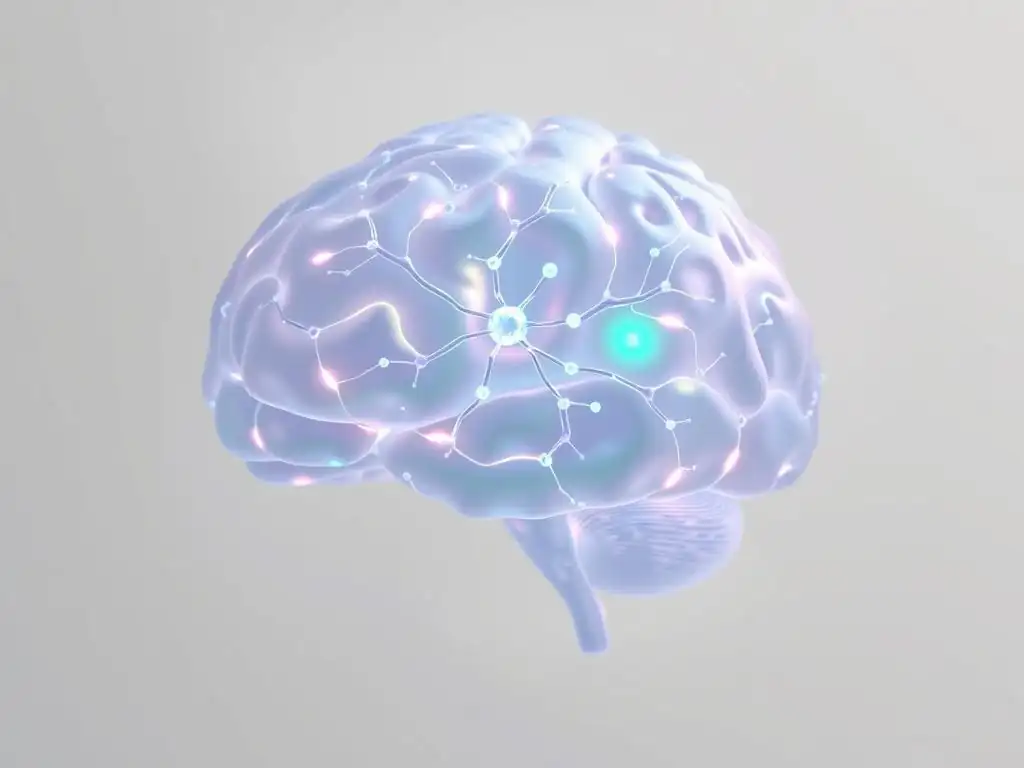
Neuroinflammation refers to the inflammatory response within the brain or spinal cord. While acute inflammation is a crucial part of the body's defense mechanism, helping to clear infections or repair tissue, chronic neuroinflammation can be detrimental. It involves the activation of glial cells, particularly microglia and astrocytes, which are the brain's primary immune cells.
In a healthy state, these cells perform essential functions like clearing debris and supporting neurons. However, when overactivated for prolonged periods due to various triggers – such as infections, toxins, stress, poor diet, or injury – they can release pro-inflammatory molecules like cytokines (e.g., TNF-α, IL-6, IL-1β) and reactive oxygen species.
This sustained inflammatory state disrupts normal brain function. Unlike inflammation in other parts of the body, the brain's unique environment, protected by the blood-brain barrier, means that neuroinflammation can have distinct and often subtle effects. It can impair neuronal communication, damage brain cells, and even contribute to changes in brain structure and connectivity. Understanding neuroinflammation is crucial because it is increasingly recognized as a common underlying factor in a wide range of neurological and psychiatric disorders, moving beyond the traditional view that these conditions are purely related to neurotransmitter imbalances.
Neuroinflammation's Impact on Cognitive Function and Mood Disorders
Chronic neuroinflammation has been linked to a spectrum of cognitive and mood disturbances. The inflammatory molecules released by activated glial cells can interfere with synaptic plasticity – the brain's ability to form and reorganize synaptic connections, which is fundamental for learning and memory. This interference can manifest as cognitive fog, difficulty concentrating, memory problems, and impaired executive function. For example, studies have shown elevated levels of inflammatory markers like C-reactive protein (CRP) to be associated with cognitive decline in older adults.
Furthermore, neuroinflammation is strongly implicated in the pathophysiology of mood disorders like depression and anxiety. Pro-inflammatory cytokines can affect the synthesis and metabolism of neurotransmitters such as serotonin, dopamine, and norepinephrine, which play key roles in mood regulation. They can also increase the activity of the hypothalamic-pituitary-adrenal (HPA) axis, the body's primary stress response system, contributing to chronic stress and its associated mental health consequences. Research consistently finds elevated inflammatory markers in a significant subset of individuals experiencing major depressive disorder and generalized anxiety disorder, suggesting inflammation is not just a symptom but potentially a contributing cause.
Depression, Anxiety, and Alzheimer's Disease
The connection between neuroinflammation and major psychiatric conditions like depression, anxiety, and neurodegenerative diseases such as Alzheimer's is a major focus of current research. In depression, for instance, approximately one-third of patients show signs of chronic low-grade inflammation, with elevated levels of cytokines correlated with symptom severity, including fatigue, anhedonia (loss of pleasure), and cognitive deficits. This has led to the "inflammatory hypothesis of depression," suggesting that targeting inflammation could be a valid therapeutic strategy for some individuals.
Similarly, anxiety disorders are often comorbid with conditions known to involve inflammation, and studies are exploring direct links between inflammatory markers and anxiety symptoms. For neurodegenerative diseases like Alzheimer's, neuroinflammation is considered a key driver of pathology. The accumulation of amyloid-beta plaques and tau tangles, characteristic hallmarks of Alzheimer's, activates microglia and astrocytes, leading to a vicious cycle of inflammation, neuronal damage, and cognitive decline. Addressing this chronic inflammatory state in the brain is seen as a critical pathway for potentially slowing or preventing disease progression.
Ketosis: A Metabolic State for Brain Health
The Science Behind Ketosis: Fueling the Brain with Ketones
Ketosis is a metabolic state characterized by elevated levels of ketone bodies in the blood. This occurs when carbohydrate intake is very low for a sustained period, typically below 20-50 grams per day, and fat intake is high. With limited glucose available, the liver begins to break down fats into ketone bodies: beta-hydroxybutyrate (BHB), acetoacetate, and acetone. These molecules can then cross the blood-brain barrier and be used by the brain as an alternative and often preferred fuel source, especially when glucose is scarce.
Unlike glucose, which can sometimes be an inefficient or even harmful fuel source in certain metabolic conditions, ketones, particularly BHB, are considered a highly efficient energy substrate for neurons. They can provide ATP (cellular energy) more effectively than glucose and may even improve the overall energy status of brain cells. This metabolic flexibility, switching between glucose and ketones depending on nutrient availability, is a natural evolutionary adaptation that has significant implications for brain health and resilience.
Ketogenic Diet and its Effects on Metabolic Processes
Implementing a ketogenic diet involves drastically reducing carbohydrate intake, moderating protein, and significantly increasing fat consumption. This dietary shift forces the body into ketosis, leading to a cascade of metabolic changes. Beyond ketone production, the diet impacts insulin sensitivity, blood sugar levels, and fatty acid metabolism. By keeping blood sugar and insulin levels low and stable, the ketogenic diet can reduce metabolic stress on the body and brain.
The diet also influences mitochondrial function. Mitochondria are the powerhouses of cells, and their health is critical for neuronal function. Ketones may improve mitochondrial efficiency and biogenesis (the creation of new mitochondria), potentially enhancing the brain's energy supply and reducing oxidative stress, a factor linked to neuroinflammation and cellular damage. These systemic metabolic effects contribute to the potential ketosis mental health benefits being explored in research.
How Ketosis Differs from a Standard Diet
A standard Western diet is typically high in carbohydrates, leading to glucose being the primary fuel source for the body and brain. Blood sugar levels tend to fluctuate more significantly throughout the day depending on meal timing and composition, and insulin levels are often elevated, especially in individuals with insulin resistance or metabolic syndrome. This glucose-dominant metabolism can contribute to inflammation, oxidative stress, and metabolic dysfunction over time.
In contrast, a ketogenic diet induces a state of metabolic flexibility where the body can efficiently utilize both fats and ketones for energy. This results in lower and more stable blood sugar and insulin levels. The consistent supply of ketones provides a steady energy source for the brain, potentially bypassing issues related to impaired glucose metabolism sometimes seen in neurological and psychiatric conditions. This fundamental difference in fuel metabolism is believed to be key to the observed effects of ketosis on brain function and its potential role in addressing neuroinflammation and supporting mental well-being.
The Potential Neuroprotective Effects of Ketosis

Ketosis as a Modulator of Neuroinflammation
One of the most compelling proposed mechanisms by which ketosis may exert its therapeutic effects on mental health is through the modulation of neuroinflammation. Research suggests that ketone bodies, particularly BHB, possess anti-inflammatory properties that can directly impact the brain's immune response. By reducing the activation of glial cells and suppressing the release of pro-inflammatory cytokines, ketosis may help to dampen the chronic inflammatory state implicated in various neurological and psychiatric disorders.
Studies in animal models have shown that ketogenic diets can significantly reduce markers of neuroinflammation in the brain following injury or in models of neurodegenerative disease. While human research is still emerging, the consistent finding of reduced inflammatory markers in various contexts of ketosis suggests a systemic anti-inflammatory effect that extends to the central nervous system. This potential to calm an overactive inflammatory response in the brain is a key aspect of the potential ketosis mental health benefits.
Mechanisms of Action: How Ketones Reduce Brain Inflammation
The anti-inflammatory effects of ketones are multifaceted. One key mechanism involves the inhibition of the NLRP3 inflammasome, a multi-protein complex found in immune cells, including microglia, that plays a critical role in initiating the inflammatory cascade. BHB has been shown to directly inhibit the activation of the NLRP3 inflammasome, thus preventing the release of pro-inflammatory cytokines like IL-1β and IL-18. This is a significant pathway, as the NLRP3 inflammasome is heavily implicated in neuroinflammation associated with conditions like Alzheimer's, Parkinson's, and depression.
Another mechanism involves the regulation of gene expression. BHB can act as a signaling molecule, influencing the activity of transcription factors that control inflammatory responses. For instance, BHB can inhibit the activity of NF-κB, a major transcription factor that promotes the expression of pro-inflammatory genes. By modulating these fundamental cellular processes, ketones can shift the balance away from a pro-inflammatory state towards a more balanced and less inflammatory environment within the brain, contributing to observed improvements in mood and cognitive function in some individuals.
Beta-Hydroxybutyrate, Acetoacetate, Acetone
The three primary ketone bodies produced during ketosis – beta-hydroxybutyrate (BHB), acetoacetate, and acetone – each play a role, though BHB is typically the most abundant and widely studied in the context of therapeutic effects. BHB is particularly important because it is not only an efficient fuel source but also a potent signaling molecule with diverse biological activities. As mentioned, BHB is the primary ketone body shown to inhibit the NLRP3 inflammasome and influence gene expression related to inflammation and oxidative stress.
Acetoacetate is another significant ketone body, serving as a precursor to BHB and acetone. While less studied than BHB for its specific signaling properties, it contributes to the overall metabolic state of ketosis and provides energy to the brain. Acetone is produced in smaller amounts and is primarily exhaled, though it also contributes slightly to energy metabolism. The combined presence of these ketone bodies defines the state of ketosis and drives the metabolic shifts that are hypothesized to contribute to neuroprotection and potential ketosis mental health benefits.
Ketosis for Mental Health: Emerging Research and Clinical Evidence
Ketosis and Depression: Exploring the Antidepressant Potential
Research into the effects of ketosis on depression is a growing area. While large-scale clinical trials are still needed, preliminary studies and case reports offer promising insights. The proposed mechanisms include the reduction of neuroinflammation, improvements in mitochondrial function, modulation of neurotransmitter systems (like glutamate and GABA), and enhanced neurogenesis (the creation of new neurons), all of which are implicated in the pathophysiology of depression.
For example, a pilot study published in 2022 involving individuals with bipolar disorder (which often includes depressive episodes) found that participants following a ketogenic diet showed significant improvements in depressive symptoms as well as overall mood stability. Anecdotal reports from individuals using ketogenic diets for various health reasons also frequently mention improvements in mood, energy levels, and a reduction in depressive feelings. While these findings are encouraging, they represent early evidence, and more rigorous, controlled studies are essential to confirm the antidepressant potential of ketosis and identify who might benefit most.
Ketosis and Anxiety: Investigating the Anxiolytic Effects
The potential anxiolytic (anxiety-reducing) effects of ketosis are also under investigation. Anxiety disorders are often linked to dysregulation in neurotransmitter systems, HPA axis hyperactivity, and potentially neuroinflammation. Ketosis may influence these pathways. The increase in the inhibitory neurotransmitter GABA (gamma-aminobutyric acid) often observed in the brain during ketosis is one proposed mechanism. GABA helps to calm neural activity, which could contribute to reduced feelings of anxiety.
Additionally, the stable blood sugar levels associated with ketosis might prevent the mood swings and irritability that can sometimes exacerbate anxiety. While direct clinical trials specifically on ketosis for anxiety disorders are limited, studies looking at broader psychiatric populations have noted reductions in anxiety symptoms. For instance, the same 2022 pilot study on bipolar disorder mentioned earlier also reported significant improvements in anxiety scores among participants on the ketogenic diet. These initial findings suggest that exploring ketosis mental health benefits for anxiety warrants further dedicated research.
Ketosis and Cognitive Function: Enhancing Memory and Focus
Beyond mood disorders, ketosis is being studied for its effects on cognitive function, including memory, focus, and executive function. The brain's efficient utilization of ketones for energy, improved mitochondrial health, reduced oxidative stress, and modulation of neurotransmitter systems are all potential contributors to enhanced cognitive performance. Conditions characterized by impaired brain energy metabolism, such as Alzheimer's disease and mild cognitive impairment, may particularly benefit from an alternative fuel source like ketones.
Early research and anecdotal evidence suggest that some individuals experience improved mental clarity, focus, and sustained energy levels when in ketosis. Studies on individuals with mild cognitive impairment have shown improvements in memory and cognitive scores after adopting a ketogenic diet. For example, a small 2018 study found that a low-carbohydrate ketogenic diet improved verbal memory performance in adults with mild cognitive impairment. While more research is needed across different populations, the potential for ketosis to support and even enhance cognitive function is a key area of interest in the exploration of ketosis mental health benefits.
Bipolar Disorder and Schizophrenia
Emerging research is also exploring the impact of ketosis on more severe psychiatric conditions like bipolar disorder and schizophrenia, where metabolic dysfunction and neuroinflammation are increasingly recognized as contributing factors. Individuals with these conditions often have higher rates of metabolic syndrome, insulin resistance, and chronic inflammation compared to the general population. The ketogenic diet's ability to address these underlying metabolic issues makes it a compelling area of study.
Pilot studies and case reports suggest that ketosis may help stabilize mood in bipolar disorder, potentially reducing the severity and frequency of both manic and depressive episodes, as seen in the 2022 study mentioned previously. For schizophrenia, preliminary evidence, primarily from animal models and a few human case studies, indicates that ketosis might ameliorate some symptoms, potentially by influencing dopamine and glutamate signaling, reducing oxidative stress, and decreasing neuroinflammation. These findings are highly preliminary but underscore the broad potential of metabolic interventions like ketosis in complex psychiatric illnesses, expanding the scope of potential ketosis mental health benefits.
Implementing a Ketogenic Diet for Mental Health: A Practical Guide
Consulting with Healthcare Professionals: The Importance of Medical Supervision
Embarking on a ketogenic diet, especially for managing mental health conditions, should ideally be done under the guidance of qualified healthcare professionals. This team might include a physician, a registered dietitian or nutritionist specializing in ketogenic diets, and potentially a mental health professional. Medical supervision is crucial for several reasons:
- Safety: To assess your current health status, identify any pre-existing conditions (like kidney or liver issues, or certain metabolic disorders) that might make the diet inappropriate or require modification.
- Medication Management: Many individuals with mental health conditions are on medications. A healthcare provider can assess potential interactions and adjust medication dosages as needed, as the diet can affect metabolism and drug absorption.
- Nutritional Adequacy: A dietitian can help create a well-formulated ketogenic meal plan to ensure you are meeting your nutritional needs and avoiding deficiencies, which is vital for both physical and mental health.
- Monitoring Progress: Professionals can help monitor your physical and mental health status, track ketone levels, and make adjustments to the diet as necessary to optimize benefits and manage potential side effects.
- Individualization: Mental health conditions are complex and vary greatly from person to person. A personalized approach guided by professionals is essential for success and safety.
Creating a Ketogenic Meal Plan for Brain Health
A well-formulated ketogenic meal plan for mental health should prioritize nutrient density while adhering to the strict macronutrient ratios required for ketosis (typically 70-80% fat, 15-25% protein, and 5-10% carbohydrates). The focus should be on whole, unprocessed foods that provide essential vitamins, minerals, and healthy fats known to support brain function and reduce inflammation.
Examples of nutrient-dense foods to include are fatty fish rich in omega-3 fatty acids (like salmon, mackerel, sardines), avocados, nuts (macadamia, pecans, walnuts), seeds (chia, flax, hemp), olive oil, coconut oil, non-starchy vegetables (leafy greens, broccoli, cauliflower, zucchini), and quality protein sources (grass-fed meat, pastured poultry, eggs). Limiting or avoiding processed foods, sugary drinks, grains, legumes, and most fruits is necessary to maintain ketosis. Planning meals and snacks in advance can help ensure adherence and nutritional balance, maximizing the potential ketosis mental health benefits.
Monitoring Ketone Levels and Adjusting the Diet
To confirm you are in a state of nutritional ketosis, monitoring ketone levels is often recommended. This can be done using urine strips (mostly useful in the initial stages), blood ketone meters (more accurate, typically aiming for 0.5-3.0 mmol/L for nutritional ketosis), or breath ketone analyzers. Monitoring helps individuals understand how their body responds to different foods and adjust their intake to stay within the desired ketone range.
Based on ketone levels, how you feel (energy levels, hunger, mental clarity), and any physical symptoms, adjustments to the diet may be necessary. If ketone levels are too low, carbohydrate intake might need further restriction, or fat intake increased. If experiencing symptoms like digestive issues, fiber intake from non-starchy vegetables might need attention. Working with a dietitian or nutritionist is invaluable for troubleshooting and fine-tuning the diet for optimal results and exploring the full spectrum of ketosis mental health benefits.
Considerations for Specific Populations: Children, Elderly, Pregnant Women
Implementing a ketogenic diet requires special consideration in certain populations due to unique nutritional needs and potential risks.
- Children: The ketogenic diet is a well-established medical therapy for epilepsy in children, but it is a strict intervention that requires close medical supervision by a pediatric neurologist and dietitian. It's not typically recommended for general mental health purposes in children outside of specific medical conditions due to concerns about growth, nutrient deficiencies, and long-term effects, unless prescribed and managed by specialists.
- Elderly: Older adults may have specific nutritional needs, potential medication interactions, and underlying health conditions that necessitate careful evaluation before starting a ketogenic diet. Maintaining adequate protein intake is particularly important for preserving muscle mass. Supervision by a healthcare provider familiar with the diet in this population is essential.
- Pregnant and Breastfeeding Women: The safety and long-term effects of nutritional ketosis during pregnancy and breastfeeding are not well-established. These periods have increased nutritional demands, and maintaining stable blood glucose is crucial for fetal development. The ketogenic diet is generally not recommended during pregnancy or breastfeeding unless under strict medical guidance for specific conditions like gestational diabetes, and even then, often involves modifications.
Potential Risks and Side Effects of Ketosis
The "Keto Flu" and How to Manage Initial Symptoms
When transitioning to a ketogenic diet, some individuals may experience a cluster of symptoms often referred to as the "keto flu." These symptoms typically occur within the first few days as the body adapts from burning glucose to burning fat and ketones. Common symptoms include headache, fatigue, irritability, difficulty concentrating, nausea, and muscle cramps. These are often related to electrolyte imbalances and dehydration as the body sheds excess water when carbohydrate stores (glycogen) are depleted.
Managing the keto flu primarily involves ensuring adequate hydration and electrolyte intake. Increasing consumption of sodium, potassium, and magnesium is crucial. This can be done by adding salt to food, drinking bone broth, and eating electrolyte-rich low-carb foods like avocados and leafy greens. Symptoms usually subside within a week or two as the body becomes "keto-adapted" and more efficient at utilizing fat and ketones for energy. Patience and proper hydration/electrolyte management are key during this transition phase towards realizing potential ketosis mental health benefits.
Long-Term Effects of Ketosis on Mental and Physical Health
The long-term effects of nutritional ketosis, particularly when followed for extended periods, are still an area of ongoing research. While many people report positive outcomes, including sustained weight loss, improved metabolic markers, and enhanced mental clarity, potential long-term risks need consideration. These might include nutrient deficiencies if the diet is not well-formulated and lacks variety, potential impacts on bone health, and changes in gut microbiome composition.
Some individuals may experience elevated LDL cholesterol levels, although the clinical significance of this in the context of a ketogenic diet is debated and often depends on the type of fats consumed and individual metabolic responses. Long-term adherence can also be challenging for some, and the psychological impact of dietary restriction should not be overlooked in the context of mental health. Regular monitoring by healthcare professionals is vital to assess individual responses and mitigate potential risks over time while pursuing ketosis mental health benefits.
Interactions with Medications and Pre-existing Conditions
A ketogenic diet can significantly impact metabolic processes, which may affect how certain medications are absorbed, metabolized, or excreted. This is particularly important for individuals taking medications for diabetes (like insulin or sulfonylureas, which may need drastic reduction to prevent hypoglycemia), high blood pressure, or even psychiatric medications. For instance, some mood stabilizers or antipsychotics can affect metabolism or appetite, potentially interacting with the dietary changes.
Individuals with pre-existing conditions such as kidney disease (due to potential increased protein load), liver disease (as the liver produces ketones), or disorders of fat metabolism should generally avoid a ketogenic diet unless under strict medical supervision. Gallbladder issues might also be exacerbated by a high-fat intake. Therefore, a thorough medical evaluation and ongoing monitoring by a healthcare provider are absolutely essential before starting and while following a ketogenic diet, especially when exploring ketosis mental health benefits in the presence of existing health issues or medications.
Ketosis Mental Health Benefits: Weighing the Evidence
Summary of the Potential Advantages of Ketosis for Mental Well-being
Based on emerging research, the potential ketosis mental health benefits appear to stem from several interconnected mechanisms. These include:
- Reduced Neuroinflammation: Ketones, particularly BHB, have direct anti-inflammatory effects in the brain, potentially calming the chronic inflammation linked to depression, anxiety, and neurodegenerative diseases.
- Improved Brain Energy Metabolism: Ketones provide an efficient alternative fuel source, which may be particularly beneficial when glucose metabolism is impaired.
- Enhanced Mitochondrial Function: Ketosis may improve the health and efficiency of mitochondria, increasing energy production and reducing oxidative stress.
- Neurotransmitter Modulation: The diet may influence levels and activity of key neurotransmitters like GABA and glutamate, impacting mood and anxiety.
- Increased Neuroprotection and Neurogenesis: Ketones may protect brain cells from damage and promote the growth of new neurons.
- Metabolic Health Improvements: Stable blood sugar, improved insulin sensitivity, and weight management can have positive downstream effects on brain health and mood.
These potential benefits suggest that ketosis could be a valuable adjunctive strategy within a comprehensive mental health plan for some individuals, offering a physiological pathway to support brain function and emotional regulation.
Limitations of Current Research and the Need for Further Studies
While the potential ketosis mental health benefits are exciting, it is crucial to acknowledge the limitations of the current research. Much of the evidence comes from animal studies, case reports, or small pilot trials. Large-scale, randomized controlled trials (RCTs) specifically designed to evaluate the efficacy of ketogenic diets for various mental health conditions are still relatively few.
Current studies often lack diverse populations, long-term follow-up data, and standardized dietary protocols, making it difficult to draw definitive conclusions. The placebo effect is also a significant factor in dietary interventions, and blinding participants in ketogenic diet studies is challenging. Therefore, while the mechanisms and preliminary results are promising, the evidence is not yet sufficient to recommend the ketogenic diet as a first-line treatment for most mental health conditions. More robust, well-designed research is urgently needed to confirm these initial findings, understand optimal protocols, and identify specific populations most likely to benefit from ketosis mental health benefits.
Future Directions in Ketosis and Mental Health Research
The future of research into ketosis and mental health is bright, with several key areas of focus. Researchers are working on larger clinical trials to provide more definitive evidence on the effectiveness of ketogenic diets for conditions like depression, bipolar disorder, and schizophrenia. Studies are also delving deeper into the precise molecular mechanisms by which ketones influence neurotransmission, inflammation, and brain plasticity.
Investigating specific patient populations who might be particularly responsive to ketosis is another important direction, perhaps focusing on individuals with co-occurring metabolic issues or inflammatory markers. Research is also exploring modified ketogenic approaches or ketone supplementation (exogenous ketones) as potentially less restrictive or easier-to-implement ways to achieve some of the metabolic benefits without strict dietary adherence. Understanding the long-term sustainability and effects of the diet on mental and physical health will also be critical as this field continues to evolve and clarify the true scope of ketosis mental health benefits.
Conclusion: Ketosis as a Promising Avenue for Mental Health Support
The Potential of Ketosis in a Holistic Mental Health Strategy
The exploration of ketosis as a tool for supporting mental health represents a fascinating intersection of metabolic science and psychiatry. By inducing a state where the brain utilizes ketones for fuel and potentially reducing neuroinflammation, the ketogenic diet offers a physiological pathway that may complement traditional mental health treatments. While not a standalone cure, the emerging evidence suggests that ketosis mental health benefits could make it a valuable component within a broader, holistic strategy for managing conditions like depression, anxiety, and potentially more severe disorders.
Integrating nutritional interventions like ketosis acknowledges the profound connection between what we eat and how we feel, empowering individuals to take an active role in their mental well-being through lifestyle changes. As research continues to unfold, the understanding of how metabolic health impacts brain function deepens, paving the way for more personalized and effective approaches to mental health care.
Emphasizing Individualized Approaches to Mental Wellness
It is paramount to emphasize that mental wellness is deeply personal and requires an individualized approach. While ketosis shows promise for some, it is not a universal solution and may not be suitable or effective for everyone. Factors such as individual physiology, specific mental health condition, lifestyle, preferences, and co-existing health issues all play a role in determining the most appropriate course of action.
Working closely with qualified healthcare professionals is essential to determine if a ketogenic diet is a safe and potentially beneficial option for your specific situation, especially when considering it for mental health purposes. A personalized plan, ongoing monitoring, and integration with other necessary treatments (like therapy or medication) are key to maximizing potential ketosis mental health benefits while ensuring safety and sustainability.
Mind Care Guide Resources for Mental Health and Nutrition
Navigating the complexities of mental health and exploring dietary strategies like ketosis requires reliable information and support. Mind Care Guide is dedicated to providing comprehensive resources on mental well-being, including information on holistic approaches such as nutrition.
We encourage you to explore our articles on mental health, nutrition, and self-care practices. Remember that information provided here is for educational purposes and does not substitute professional medical advice. Always consult with a qualified healthcare provider before making any significant changes to your diet or treatment plan, especially when addressing mental health concerns. Your journey towards well-being is unique, and informed decisions guided by professionals are your strongest allies.
Frequently Asked Questions
What is the connection between neuroinflammation and mental health?
Neuroinflammation, or inflammation in the brain, can disrupt normal brain function and is increasingly linked to various mental health disorders such as depression and anxiety. Reducing neuroinflammation may therefore improve mental well-being.
How does ketosis potentially impact neuroinflammation?
Ketosis, achieved through a ketogenic diet, produces ketones like beta-hydroxybutyrate (BHB). BHB has shown promise in reducing neuroinflammation by influencing various cellular processes and signaling pathways within the brain.
What are the potential mental health benefits of achieving ketosis?
Some research suggests ketosis may improve mental clarity, reduce anxiety and depression symptoms, and enhance overall cognitive function. These benefits are potentially linked to ketosis's effect on reducing neuroinflammation and improving brain energy metabolism.
Is the ketogenic diet a suitable treatment for all mental health conditions?
No. While promising, the ketogenic diet is not a one-size-fits-all solution. It's crucial to consult with a healthcare professional to determine if it's appropriate for your specific condition and to monitor for any potential side effects or interactions.
Where can I find more resources about ketosis and mental health?
Mind Care Guide offers comprehensive information, support, and resources on various mental health challenges. Researching peer-reviewed studies and consulting with a healthcare provider are also vital for understanding the potential benefits and risks.
Final Reflection: Unlocking the Mind's Metabolic Potential
The intricate relationship between neuroinflammation and mental well-being is increasingly recognized, and the potential of ketosis to modulate this relationship offers a compelling avenue for improved mental health. This isn't just a theoretical exploration; it's a pathway with significant implications for individuals struggling with a range of mental health challenges, from depression and anxiety to neurodegenerative diseases. The evidence, while still developing, is pointing towards a future where dietary interventions like ketosis play a crucial role in supporting brain health.
The exploration of ketosis's impact on the brain has profoundly shifted my understanding of mental health. It's moved beyond the purely pharmaceutical approach to encompass a holistic view, recognizing the power of metabolic processes in shaping our cognitive and emotional states. The brain is what the gut eats,
a common saying in the field, highlights the deep connection between our diet and mental well-being. This article has reinforced the importance of considering this connection, and the potential of ketosis to offer a powerful, natural intervention.
Consider the implications of this research for your own life. Are you ready to explore the potential of a ketogenic diet to support your mental well-being? This isn't about a quick fix, but a journey towards a deeper understanding of your body's intricate mechanisms and how you can nurture your brain's health through conscious dietary choices.
Take the time to research further, consult with healthcare professionals, and consider how incorporating elements of a ketogenic lifestyle might positively impact your mental and emotional landscape. The potential for positive change is significant, and the journey of self-discovery is well worth the effort.
Unleash Your Brain's Potential: Take Charge of Your Mental Wellbeing
Thanks for exploring the fascinating connection between neuroinflammation and ketosis! You've now gained valuable insights into a potential pathway to better mental health. Ready to put this knowledge into action?
- Prioritize healthy fats and ketones: Begin incorporating more keto-friendly foods into your diet – think avocados, nuts, and olive oil – to naturally reduce inflammation and support your brain's health. This is your primary step towards positive change.
- Share your insights: Discuss this new information with your doctor or a trusted health professional. Their guidance can help you personalize a plan that works for you.
- Join the conversation: Share this article with friends or family who might benefit from understanding this connection between diet and brain health. Let's spark a mindful discussion!
What small step will you take today to nurture your brain's health and potentially reduce neuroinflammation?