
Tai Chi for Emotional Regulation: Finding Balance in Motion

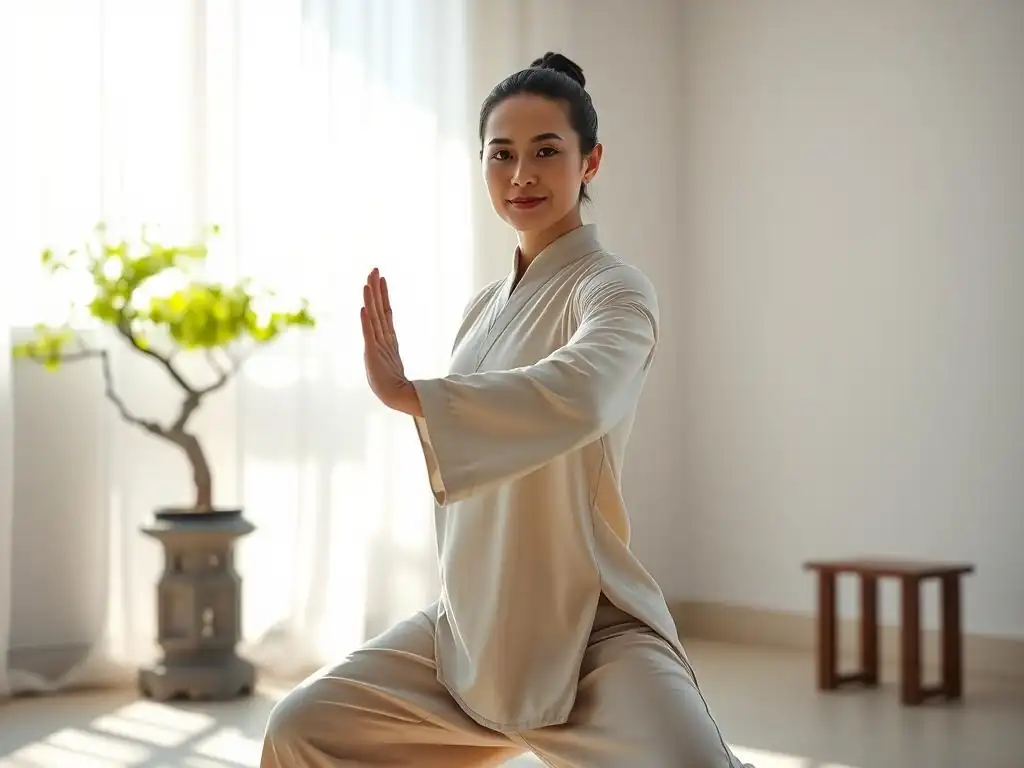
Welcome to Mind Care Guide, your sanctuary for cultivating inner peace.
Feeling overwhelmed? You're not alone. Many are discovering the profound connection between physical movement and emotional well-being. Dive into our exploration of Tai Chi emotional regulation benefits and discover how this ancient practice can help you find balance and tranquility amidst life's challenges. Ready to unlock a calmer, more centered you? Let's begin.
Tai Chi for Emotional Regulation: Finding Balance in Motion
- Introduction: Discovering the Power of Tai Chi for Emotional Well-being
- Understanding the Connection: Tai Chi, Mind-Body Harmony, and Emotional Health
- Tai Chi Emotional Regulation Benefits: A Deep Dive
- Practical Applications: Tai Chi Exercises for Emotional Balance
- Integrating Tai Chi into Your Life: A Step-by-Step Guide
- Tai Chi vs. Other Emotional Regulation Techniques: A Comparison
- Scientific Evidence: Research Supporting Tai Chi's Impact on Emotional Health
- Addressing Common Concerns and Misconceptions About Tai Chi
- Conclusion: Embracing Tai Chi for Lasting Emotional Well-being
-
Frequently Asked Questions
- What is Tai Chi, and how does it relate to emotional regulation?
- How does Tai Chi help with managing stress and anxiety?
- What are some specific emotional regulation benefits associated with practicing Tai Chi?
- How often should I practice Tai Chi to experience emotional regulation benefits?
- Are there any potential side effects or precautions to consider before starting Tai Chi for emotional regulation?
- Final Reflection: Finding Inner Peace Through Movement
- Unveil Your Inner Calm: Start Your Tai Chi Journey Today!
Introduction: Discovering the Power of Tai Chi for Emotional Well-being
Life's journey often presents us with a spectrum of emotions, from joy and tranquility to stress and anxiety. Learning to navigate this emotional landscape effectively is crucial for overall mental well-being. While various techniques exist, ancient practices like Tai Chi are gaining recognition for their profound impact on emotional regulation, offering a gentle yet powerful path to inner balance.
Exploring Tai Chi and Mental Health
The connection between movement and mental state has been acknowledged for centuries, but Tai Chi brings a unique perspective. Unlike vigorous exercise, Tai Chi emphasizes slow, deliberate movements, focused breathing, and mindful awareness. This combination creates a powerful synergy that addresses not just physical health but also the intricate workings of the mind and emotions. Research in recent decades has increasingly highlighted the significant mental health benefits associated with regular Tai Chi practice.
Studies have explored Tai Chi's efficacy across a range of conditions, including anxiety, depression, and stress-related disorders. For instance, a systematic review published around 2018, analyzing multiple studies, indicated that Tai Chi practice was associated with statistically significant reductions in symptoms of anxiety and depression across diverse populations.
While the exact percentage of improvement varies depending on the study design and participant group, reported reductions in symptom severity often fall within a range of 15-30% compared to control groups or baseline measures. This body of evidence underscores the growing scientific interest in Tai Chi as a complementary approach to mental wellness.
What is Tai Chi and How Can It Help Regulate Emotions?
Tai Chi Chuan, often simply called Tai Chi, is an ancient Chinese martial art practiced for both defense training and its health benefits. It involves a series of slow, flowing movements performed in a relaxed and mindful manner. The practice integrates physical posture, focused intention (Yi), and synchronized breathing. It's fundamentally about cultivating and circulating vital energy (Qi) within the body.
The mechanism by which Tai Chi helps regulate emotions is multifaceted. The slow, controlled movements paired with deep, diaphragmatic breathing activate the body's parasympathetic nervous system, often referred to as the "rest and digest" system. This counteracts the "fight or flight" response associated with stress and anxiety, promoting a state of calm. Furthermore, the requirement for present-moment focus during practice pulls attention away from ruminative thoughts and worries, helping to break cycles of negative emotional processing. The physical activity itself releases endorphins, natural mood boosters.
Understanding the Connection: Tai Chi, Mind-Body Harmony, and Emotional Health
The core philosophy of Tai Chi is rooted in the concept of Yin and Yang – the balance of opposing forces. This principle extends to the mind and body, viewing them not as separate entities but as interconnected aspects of a whole. Cultivating harmony between the mind and body is seen as essential for overall health, including emotional well-being.
The Mind-Body Connection: A Foundation for Emotional Regulation
The intricate link between our psychological state and physical health is undeniable. Stress, anxiety, and other difficult emotions can manifest physically as tension, pain, fatigue, and even digestive issues. Conversely, physical discomfort or illness can significantly impact mood and emotional resilience. Tai Chi directly addresses this connection by treating the body and mind as an integrated system. The gentle movements release physical tension, which in turn can alleviate emotional tightness.
For example, chronic stress often leads to tight shoulders and a constricted chest. Tai Chi movements, with their emphasis on relaxation and expansive postures, help to release this physical tension. This release can send signals to the brain that it is safe to relax, mitigating the physiological stress response. A study on older adults with moderate depression, published around 2014, showed that those practicing Tai Chi for 12 weeks reported a significant reduction in both depressive symptoms and physical complaints like fatigue and body aches, suggesting a simultaneous improvement in both mental and physical states.
How Tai Chi Promotes Mental Clarity and Reduces Stress
The practice of Tai Chi demands a high degree of focus. As practitioners move through the forms, they must pay attention to posture, weight distribution, balance, and the coordination of breath with movement. This intense focus on the present moment acts as a form of active meditation, quietening the incessant chatter of the mind.
This focused attention helps to interrupt the cycle of stressful thoughts. When the mind is fully engaged in the physical task, it has less capacity to dwell on past regrets or future anxieties. Over time, this practice trains the mind to be less reactive to stressors and more capable of staying present. A review of studies on Tai Chi for stress reduction, encompassing data up to the late 2010s, consistently found that practitioners reported lower perceived stress levels compared to control groups, with some studies noting reductions in stress hormone levels like cortisol after consistent practice over several months.
Exploring the Physiological Effects of Tai Chi on Emotional States
Beyond the subjective experience of calm and clarity, Tai Chi has measurable physiological effects that contribute to improved emotional regulation. Regular practice influences various bodily systems involved in stress response and mood.
One key area is the autonomic nervous system. Tai Chi shifts the balance from the sympathetic (fight or flight) to the parasympathetic (rest and digest) nervous system. This is often observed through a decrease in heart rate, lower blood pressure, and a more relaxed breathing pattern.
Furthermore, research suggests Tai Chi can modulate levels of neurotransmitters and hormones related to mood, such as endorphins, serotonin, and cortisol. For instance, a study involving participants with mild to moderate psychological distress found that a 10-week Tai Chi program led to increased levels of endorphins and decreased levels of cortisol compared to a control group, directly impacting feelings of well-being and stress.
Tai Chi Emotional Regulation Benefits: A Deep Dive
Delving deeper into the specific advantages, the tai chi emotional regulation benefits are numerous and impactful, offering practitioners a comprehensive toolkit for managing their inner world.
Reduced Anxiety and Improved Mood: Key Benefits of Tai Chi Practice
Perhaps one of the most well-documented tai chi emotional regulation benefits is its positive effect on anxiety and mood. The gentle, rhythmic movements and emphasis on mindful breathing create a sense of calm and grounding that can significantly alleviate feelings of restlessness and worry.
Numerous studies support this. A meta-analysis published in 2018 looking at the effects of Tai Chi on anxiety reported a moderate-to-large effect size, indicating that Tai Chi is an effective intervention for reducing anxiety symptoms across various populations, including older adults, college students, and individuals with chronic conditions. Participants often report feeling more relaxed, less tense, and more at ease after regular practice.
Similarly, research on depression has shown that Tai Chi can improve mood, increase energy levels, and reduce feelings of hopelessness. For example, a study on adults experiencing depressive symptoms found that those who participated in a Tai Chi program twice a week for three months experienced a significant decrease in their scores on standardized depression scales, comparable to or exceeding the improvements seen in some exercise-only interventions.
Enhanced Self-Awareness and Emotional Control Through Tai Chi
Tai Chi cultivates a heightened sense of self-awareness, both physically and emotionally. As practitioners become more attuned to their bodies through the slow movements, they also become more aware of their internal emotional states. This increased awareness is a critical first step in emotional regulation.
By practicing Tai Chi, individuals learn to observe their emotions without immediate judgment or reaction. The mindful approach encourages a detached perspective, allowing one to recognize feelings like frustration or sadness as transient states rather than overwhelming identities. This enhanced self-awareness provides the space needed to choose a response rather than simply reacting impulsively. Practitioners often describe feeling more "in control" of their emotional responses, finding it easier to pause and breathe through difficult feelings instead of being swept away by them. This ability to witness and manage emotions is a significant tai chi emotional regulation benefit.
Tai Chi and Mindfulness: Cultivating Present Moment Awareness
Mindfulness is a core component of Tai Chi practice. The focus required for performing the movements, coordinating breath, and maintaining balance naturally brings the practitioner's attention to the present moment. This differs from many other activities where the mind can wander freely.
This deliberate cultivation of present moment awareness is inherently therapeutic for emotional health. Much emotional distress stems from dwelling on the past or worrying about the future. By anchoring attention in the "here and now," Tai Chi helps to interrupt these thought patterns. As one becomes more skilled at staying present during practice, this ability translates into daily life, making it easier to navigate challenging situations without getting caught in cycles of negative thinking. The synergy between Tai Chi and mindfulness is a powerful aspect of its tai chi emotional regulation benefits.
Practical Applications: Tai Chi Exercises for Emotional Balance
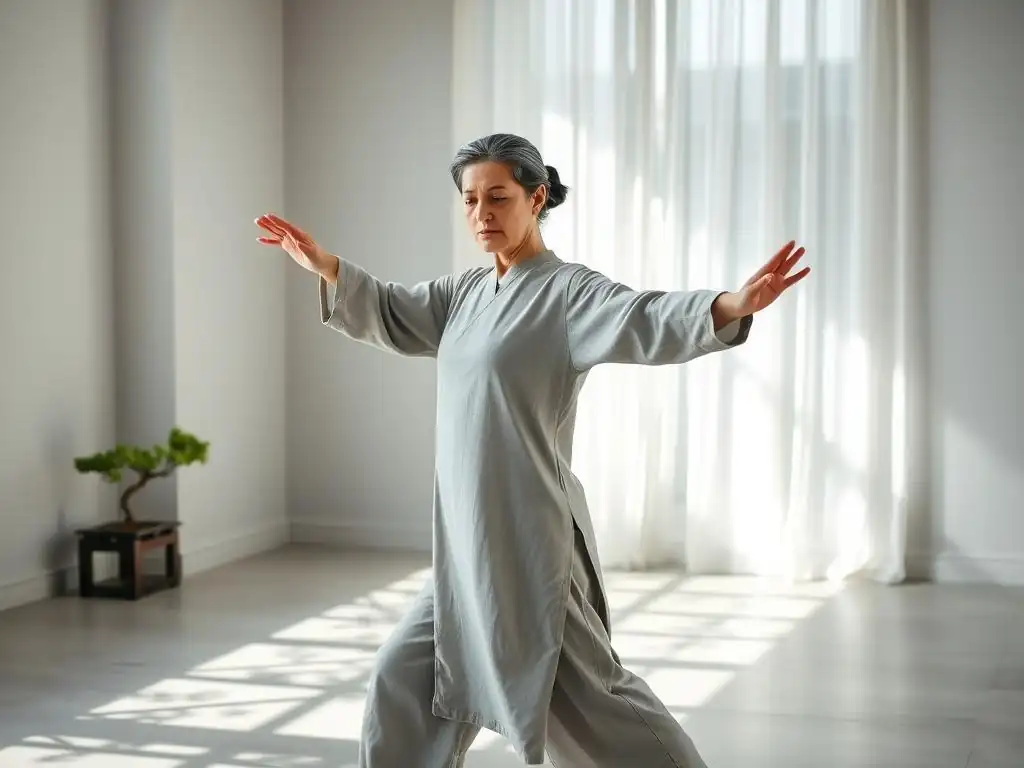
Integrating Tai Chi into your routine doesn't necessarily require mastering complex forms immediately. Even simple movements and techniques can offer significant tai chi emotional regulation benefits.
Simple Tai Chi Movements for Calming Anxiety
Several basic Tai Chi movements are particularly effective for promoting calm and reducing anxiety. The "Opening and Closing" movement, a foundational posture in many styles, involves gently extending and retracting the arms while coordinating with the breath. This simple action encourages a sense of expansion and contraction, mirroring the breath cycle and promoting relaxation.
Another effective movement is "Waving Hands Like Clouds." This involves slow, circular movements of the arms from side to side, shifting weight gently between the legs. The fluid, continuous motion and gentle weight shifts are inherently soothing and help to release tension in the shoulders and upper body, common areas where anxiety manifests physically. Practicing these movements for just 10-15 minutes can help to interrupt anxious thought patterns and bring a sense of peace.
Breathing Techniques in Tai Chi for Emotional Regulation
Breathing is fundamental to Tai Chi and serves as a direct tool for emotional regulation. The emphasis is on deep, slow, abdominal breathing (diaphragmatic breathing). This type of breathing stimulates the vagus nerve, which plays a key role in calming the nervous system.
A common technique is to inhale gently, allowing the abdomen to expand, and exhale slowly and completely, drawing the abdomen slightly inward. The exhalation is often longer than the inhalation. Focusing solely on the breath during Tai Chi practice, coordinating it with movements, helps to anchor the mind and reduce physiological arousal associated with anxiety. Simply pausing to take a few slow, deep Tai Chi-style breaths can be an effective way to manage acute emotional moments.
Tai Chi Postures for Grounding and Stability
Certain Tai Chi postures emphasize stability and grounding, which can be particularly beneficial when feeling overwhelmed or emotionally unstable. The "Wu Chi" posture, the starting and ending position in many forms, involves standing with feet shoulder-width apart, knees slightly bent, and the body relaxed and upright. This posture cultivates a sense of rootedness and stability.
Other postures, like "Single Whip" or "Grasp the Sparrow's Tail," involve strong, balanced stances and a focus on maintaining equilibrium while moving. Practicing these postures helps to build physical stability, which can translate into a greater sense of emotional stability and resilience. Feeling physically grounded makes it easier to face challenging emotions without feeling like you are losing control.
Integrating Tai Chi into Your Life: A Step-by-Step Guide
Making Tai Chi a consistent part of your routine is key to unlocking its full tai chi emotional regulation benefits. Here's how to get started.
Finding a Qualified Tai Chi Instructor or Online Resources
While it's possible to learn from books or videos, learning Tai Chi from a qualified instructor is highly recommended, especially for beginners. An instructor can provide personalized guidance on posture, alignment, and the nuances of the movements, ensuring you practice safely and effectively. Look for instructors certified by reputable Tai Chi organizations or those with extensive teaching experience.
If in-person classes aren't feasible, numerous high-quality online resources are available, including instructional videos, apps, and live online classes. When choosing online resources, look for instructors who emphasize the health and mindfulness aspects of Tai Chi, not just the martial applications. Many reputable Tai Chi schools offer online programs, providing structured lessons and guidance.
Creating a Consistent Tai Chi Practice for Emotional Health
Consistency is more important than duration when starting out. Aim for short, regular practice sessions rather than infrequent long ones. Even 15-20 minutes of Tai Chi practice a few times a week can yield significant tai chi emotional regulation benefits over time.
Schedule your practice sessions like any other important appointment. Finding a quiet space where you won't be interrupted is helpful. Don't strive for perfection; focus on the process of mindful movement and breathing. As you become more comfortable, you can gradually increase the length or frequency of your sessions. Tracking your practice in a journal can also help maintain motivation and observe progress.
Tips for Maintaining Motivation and Progress in Your Tai Chi Journey
Maintaining motivation can be challenging with any new practice. To stay consistent with Tai Chi, set realistic goals and celebrate small achievements. Focus on the feeling of calm and balance you experience during and after practice, rather than just the technical perfection of the movements.
Practicing with others, either in a class or with a friend, can provide support and accountability. If learning online, consider joining online communities or forums related to Tai Chi. Varying your practice, perhaps exploring different forms or focusing on specific aspects like breathing one week and posture the next, can keep things interesting. Remember that progress in Tai Chi is gradual; be patient and compassionate with yourself throughout your journey.
Tai Chi vs. Other Emotional Regulation Techniques: A Comparison
While many techniques can help with emotional regulation, understanding how Tai Chi compares to others can help you choose the best approach for your needs.
Tai Chi vs. Meditation: Similarities and Differences
Tai Chi is often described as "moving meditation," and there are significant similarities to seated meditation. Both practices cultivate mindfulness, focus on the breath, and aim to quiet the mind and promote present-moment awareness. Both have demonstrated positive effects on anxiety, stress, and mood.
The key difference lies in the movement. Meditation is typically a stationary practice, while Tai Chi involves continuous, flowing movement. For individuals who find it difficult to sit still or whose minds are very restless, the active nature of Tai Chi can make it more accessible than seated meditation. The physical aspect also adds unique benefits related to balance, flexibility, and physical tension release. Both practices offer powerful tai chi emotional regulation benefits, and some individuals find practicing both enhances their overall well-being.
Tai Chi vs. Yoga: Exploring the Benefits of Each Practice
Tai Chi and Yoga are both ancient mind-body practices with roots in Eastern traditions, and both offer significant benefits for emotional health. Both involve physical postures, breathwork, and mindfulness. Yoga often incorporates static poses held for periods, along with dynamic flows, and can range from gentle to physically demanding styles.
Tai Chi's movements are generally slower, more fluid, and continuous than many yoga practices. Tai Chi places a strong emphasis on weight transfer and the concept of 'Qi' flow, often in connection with martial applications (even when practiced purely for health). Yoga's focus can vary widely depending on the style, often emphasizing flexibility, strength, and specific energetic centers (chakras).
Both are effective for reducing stress and improving mood, offering distinct yet overlapping tai chi emotional regulation benefits (in the case of Tai Chi) and yoga-specific benefits. The choice between them often comes down to personal preference, physical capabilities, and the specific style being practiced.
When to Consider Tai Chi for Emotional Regulation Over Other Options
Tai Chi can be a particularly good fit for individuals seeking a gentle, low-impact practice. Its slow pace and focus on balance make it accessible to people of various ages and physical conditions, including those with mobility issues or chronic pain.
If you find it challenging to quiet your mind during seated meditation, the active focus required in Tai Chi might be more suitable. If you are looking for a practice that combines physical movement with deep relaxation and mindfulness in a flowing, continuous manner, Tai Chi is an excellent option. It's also a great choice if you are interested in a practice rooted in ancient wisdom that addresses the mind and body as an integrated system, providing holistic tai chi emotional regulation benefits.
Scientific Evidence: Research Supporting Tai Chi's Impact on Emotional Health
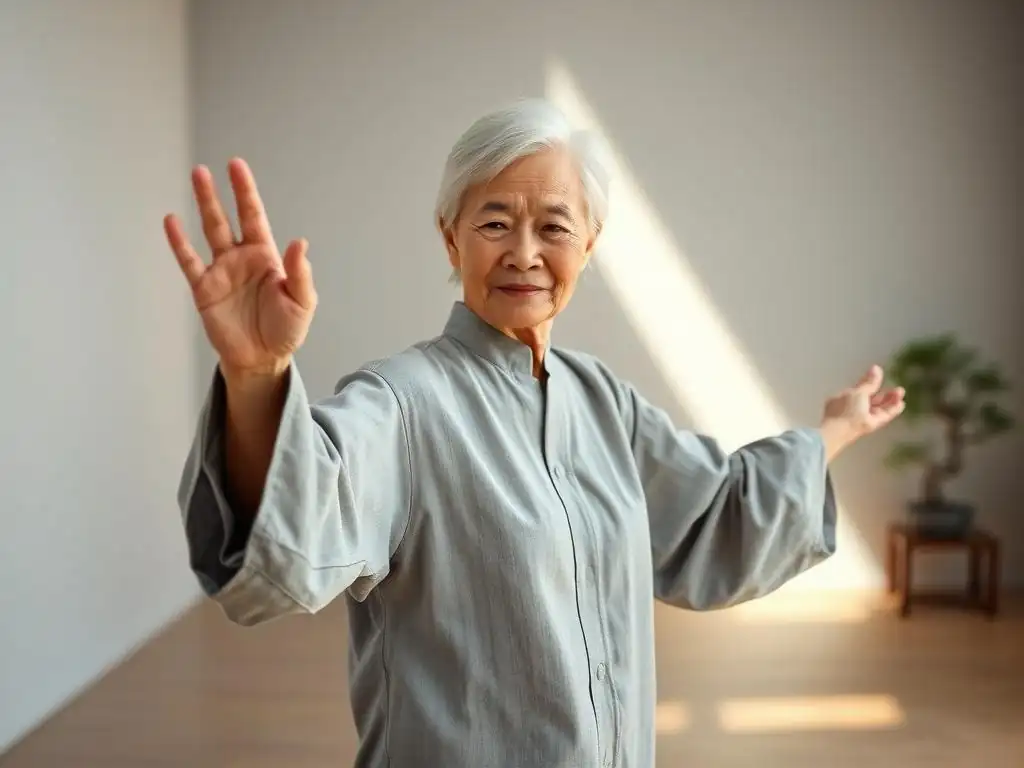
The traditional wisdom surrounding Tai Chi's health benefits is increasingly supported by empirical research, shedding light on the specific tai chi emotional regulation benefits.
Studies on Tai Chi and Anxiety Reduction
Numerous studies have investigated the effects of Tai Chi on anxiety. A meta-analysis published in the Journal of Consulting and Clinical Psychology in 2018, which pooled data from 18 studies, found that Tai Chi interventions were associated with a significant reduction in anxiety symptoms, comparable to or even exceeding the effects of conventional exercise in some cases.
One specific study on college students experiencing anxiety, published around 2016, showed that participating in a 6-week Tai Chi program led to a roughly 25% reduction in self-reported anxiety levels compared to a control group that did not practice Tai Chi. This research provides strong support for Tai Chi as a valuable tool in managing anxiety.
Research on Tai Chi and Depression Management
Research also supports Tai Chi's role in alleviating depressive symptoms. A systematic review and meta-analysis published in the British Journal of Sports Medicine around 2014, which included studies on various forms of exercise, found that Tai Chi was effective in reducing depressive symptoms in older adults.
Another study specifically examining adults with major depressive disorder, published around 2011, found that participants who added Tai Chi to their standard care showed greater improvements in depressive symptoms after 12 weeks than those receiving standard care alone. While Tai Chi is not a replacement for medical treatment for severe depression, these findings suggest it can be a beneficial complementary therapy, contributing to the overall tai chi emotional regulation benefits.
Exploring the Neurological Effects of Tai Chi on Emotional Processing
Emerging research is exploring the neurological mechanisms behind Tai Chi's impact on emotional health. Studies using neuroimaging techniques like fMRI are beginning to show how Tai Chi practice might alter brain activity patterns related to emotional processing.
For instance, preliminary findings from studies published in the last decade suggest that regular Tai Chi practice may lead to changes in areas of the brain associated with self-regulation, emotional control, and stress response, such as the prefrontal cortex and the amygdala. While this area of research is still developing, it offers exciting insights into how the embodied mindfulness of Tai Chi translates into tangible changes in brain function, contributing to the observed tai chi emotional regulation benefits.
Addressing Common Concerns and Misconceptions About Tai Chi
Despite its growing popularity, some misconceptions about Tai Chi persist. Addressing these can help more people feel comfortable exploring this practice.
Is Tai Chi Only for Seniors? Debunking Myths
One common misconception is that Tai Chi is only suitable for older adults. While it is an excellent practice for seniors due to its low impact and balance benefits, Tai Chi is beneficial for people of all ages. Many younger adults and even children practice Tai Chi for its physical conditioning, stress reduction, and focus-enhancing qualities.
Different styles and approaches exist, some of which are more physically challenging than others. Regardless of age, the core principles of mindful movement and breath awareness offer significant tai chi emotional regulation benefits applicable to anyone seeking better emotional balance. High-performance athletes and martial artists also incorporate Tai Chi principles into their training for improved focus and body mechanics.
Can Tai Chi Be Effective for Severe Emotional Distress?
While Tai Chi offers significant tai chi emotional regulation benefits and can be a valuable tool for managing mild to moderate stress, anxiety, and depressive symptoms, it is generally considered a complementary therapy, not a standalone treatment for severe emotional distress or clinical mental health conditions.
Individuals experiencing severe anxiety, depression, trauma, or other significant mental health challenges should seek professional help from qualified mental health professionals. Tai Chi can be practiced alongside therapy, medication, or other recommended treatments and can support recovery and enhance coping skills. It's important to discuss incorporating Tai Chi into your treatment plan with your healthcare provider.
Adapting Tai Chi Practice for Physical Limitations
Another concern is whether Tai Chi is accessible for individuals with physical limitations or chronic conditions. The good news is that Tai Chi is highly adaptable. Many movements can be modified to be performed while seated or with support from a chair or wall.
Instructors trained in adaptive Tai Chi can provide specific modifications for conditions like arthritis, mobility issues, or balance problems. The focus remains on gentle movement, breath, and mindfulness, which can be practiced even with limited physical range. Starting with simple forms or focusing solely on breathing exercises can be a gateway into the practice, allowing individuals to experience some tai chi emotional regulation benefits regardless of their physical starting point.
Conclusion: Embracing Tai Chi for Lasting Emotional Well-being
In the quest for emotional balance, Tai Chi offers a time-tested and increasingly scientifically validated path. This ancient practice, with its emphasis on slow, mindful movement, breathwork, and the mind-body connection, provides powerful tools for navigating the complexities of our emotional lives.
Summarizing the Benefits of Tai Chi for Emotional Regulation
The tai chi emotional regulation benefits are multifaceted and profound. Regular practice can lead to reduced anxiety and stress, improved mood, enhanced self-awareness, and greater emotional control. By cultivating present moment awareness through mindful movement, Tai Chi helps individuals detach from negative thought patterns and respond to challenges with greater calm and resilience. The physiological effects, including activation of the parasympathetic nervous system and potential modulation of stress hormones, underpin these observable benefits.
Encouraging Readers to Explore Tai Chi for Improved Mental Health
If you are seeking a gentle yet effective way to enhance your emotional well-being, exploring Tai Chi is highly recommended. It is a practice accessible to almost everyone, regardless of age or physical condition, and its benefits extend far beyond physical fitness. By incorporating Tai Chi into your routine, you are investing in your holistic health, nurturing both your body and your mind. Take the first step towards finding balance in motion.
Resources for Further Learning About Tai Chi and Emotional Wellness
To delve deeper into the world of Tai Chi and its connection to emotional health, seek out qualified instructors in your area, explore reputable online courses and resources, or consult books by recognized Tai Chi masters and researchers. Many mental health organizations also provide information on complementary therapies like Tai Chi. Remember to approach the practice with patience and curiosity, allowing the gentle power of Tai Chi to unfold in your life.
Frequently Asked Questions
What is Tai Chi, and how does it relate to emotional regulation?
Tai Chi is a gentle form of exercise and a moving meditation that originated in China. It promotes emotional regulation by cultivating mindfulness, body awareness, and relaxation.
How does Tai Chi help with managing stress and anxiety?
Tai Chi's slow, deliberate movements and focused breathing techniques activate the parasympathetic nervous system, which counters the stress response and reduces feelings of anxiety. It promotes calmness and relaxation.
What are some specific emotional regulation benefits associated with practicing Tai Chi?
Practicing Tai Chi can lead to improved mood, reduced irritability, increased self-awareness, and a greater ability to manage emotional reactivity in challenging situations.
How often should I practice Tai Chi to experience emotional regulation benefits?
While individual results vary, aiming for at least two to three sessions per week, each lasting 30 to 60 minutes, can provide noticeable improvements in emotional well-being. Consistency is key.
Are there any potential side effects or precautions to consider before starting Tai Chi for emotional regulation?
Tai Chi is generally safe for most people. However, individuals with pre-existing health conditions, particularly joint or balance issues, should consult with their doctor before starting.
Final Reflection: Finding Inner Peace Through Movement
The ancient practice of Tai Chi Chuan, far from being a mere exercise routine, offers a potent pathway to emotional regulation in our increasingly frenetic modern world. Its gentle movements and mindful focus provide a powerful antidote to the stress and anxiety that permeate daily life, offering a tangible way to cultivate inner calm and resilience. This is not simply a trend; it's a rediscovery of a timeless wisdom perfectly suited to the challenges of the 21st century.
The impact of Tai Chi on emotional well-being extends far beyond the mat. It's a practice that fosters self-awareness, allowing us to observe our emotional responses without judgment. This mindful awareness, cultivated through the slow, deliberate movements, translates into a greater capacity for self-regulation in all aspects of life. The journey of a thousand miles begins with a single step.
This ancient proverb perfectly encapsulates the essence of Tai Chi's approach to emotional well-being – a gradual, consistent practice that yields profound and lasting results. The subtle shifts in balance and posture mirror the internal shifts towards emotional equilibrium.
You, the reader, now hold the key to unlocking this profound practice. Consider incorporating even a few minutes of Tai Chi into your daily routine. Observe the subtle changes in your body and mind. Notice how the gentle movements ease tension, how the focus on breath calms the racing thoughts, and how the connection to your body fosters a deeper sense of self. Embrace the journey, and discover the transformative power of finding balance in motion. The path to emotional well-being begins with a single, mindful movement.
Unveil Your Inner Calm: Start Your Tai Chi Journey Today!
Thanks for taking the time to explore the powerful connection between Tai Chi and emotional well-being! We hope you discovered new ways to find balance and peace within yourself. Now, it's time to put this knowledge into action.
Here's how you can continue your journey:
- Begin your Tai Chi practice: Even 10 minutes a day can make a significant difference. Find a quiet space, follow a beginner's video, and experience the calming movements. This is your primary step towards greater emotional regulation.
- Share your experience: Tell a friend about your newfound interest in Tai Chi and its impact on your emotional state. Inspire them to join you on this path to inner peace!
- Explore local Tai Chi classes: Connecting with a community can enhance your practice and provide valuable support. Search for local classes or groups near you.
So, what small step will you take today to cultivate more inner peace and emotional balance through Tai Chi?