
Spiritual Healing Practices in Southeast Asia for Trauma Recovery

Welcome to Mind Care Guide, a supportive space dedicated to your mental well-being journey.
Feeling overwhelmed by the complexities of trauma recovery? You're not alone. We understand the profound impact trauma can have, and we're here to explore diverse paths to healing. In this article, we delve into the rich tapestry of Southeast Asia trauma recovery, uncovering spiritual healing practices that offer unique perspectives and potential avenues for finding peace. Curious to learn how ancient traditions can contribute to your journey of healing and resilience? Let's begin.
- Spiritual Healing Practices in Southeast Asia for Trauma Recovery: A Holistic Guide
- Traditional Spiritual Healing Methods for Trauma in Southeast Asia
- Specific Spiritual Healing Modalities for Trauma Recovery
- Integrating Spiritual Practices with Modern Mental Healthcare
- Benefits of Spiritual Healing for Trauma Recovery
- Potential Challenges and Considerations
- Case Studies: Spiritual Healing Success Stories
- Resources for Trauma Recovery and Mental Well-being
- Conclusion: Embracing Holistic Healing for Trauma
-
Frequently Asked Questions
- What role does spirituality play in trauma recovery in Southeast Asia?
- Which specific spiritual healing practices are commonly used for trauma recovery in Southeast Asia?
- How accessible are these spiritual healing resources for individuals seeking trauma recovery in Southeast Asia?
- Can spiritual healing practices replace professional mental health treatment for trauma?
- What are some potential challenges or considerations when incorporating spiritual healing into trauma recovery in Southeast Asia?
- Final Reflection: The Enduring Power of Spirit in Southeast Asian Trauma Recovery
- Unveil Your Inner Strength: Start Your Healing Journey Today
Spiritual Healing Practices in Southeast Asia for Trauma Recovery: A Holistic Guide
The Cultural Context of Trauma in Southeast Asia
Trauma in Southeast Asia is often deeply intertwined with historical events, social structures, and collective experiences. Regions have faced conflicts, natural disasters, and periods of significant political and social upheaval, leaving a legacy that impacts mental health across generations. Unlike Western perspectives that often individualize trauma, many Southeast Asian cultures view well-being and distress through a lens that incorporates family, community, and spiritual dimensions. The concept of "soul loss" or imbalance is sometimes used to describe the profound disruption caused by traumatic events, suggesting a need for healing that goes beyond the physical or purely psychological.
This cultural framing means that seeking help for trauma recovery in Southeast Asia may look different than in other parts of the world. Individuals might first turn to family elders, community leaders, or traditional healers rather than mental health professionals. Shame and stigma surrounding mental health issues can also play a significant role, leading individuals to conceal their struggles or seek help through culturally accepted channels like spiritual practices. Understanding this context is vital for effective Southeast Asia trauma recovery strategies, acknowledging that traditional beliefs and community support systems are often the first line of defense.
Recognizing the Signs and Symptoms of Trauma in Southeast Asian Communities
Recognizing the signs of trauma in Southeast Asian communities requires sensitivity to how distress is expressed culturally. While clinical symptoms like flashbacks, nightmares, and hyperarousal are present, trauma can also manifest through somatic complaints, such as chronic pain, fatigue, or digestive issues, which are often seen as more acceptable ways to express suffering than psychological terms. Behavioral changes like withdrawal from social activities, increased irritability, or difficulty concentrating in work or school are common but may be attributed to stress or physical illness rather than trauma.
Furthermore, spiritual or existential distress is a significant indicator of trauma in many Southeast Asian contexts. This might include feelings of disconnection from oneself or the community, loss of faith, or a sense of spiritual imbalance. Some individuals may report disturbances in their relationship with ancestral spirits or protective deities. Healthcare providers and support systems aiming to facilitate Southeast Asia trauma recovery must be attuned to these varied expressions, including physical complaints and spiritual unease, and not solely rely on Western diagnostic criteria.
Traditional Spiritual Healing Methods for Trauma in Southeast Asia
Overview of Spiritual Healing Approaches for Mental Health in Southeast Asia
Spiritual healing approaches for mental health in Southeast Asia are diverse, reflecting the region's rich tapestry of religious and animistic beliefs. These practices often focus on restoring balance—between mind and body, individual and community, or the human world and the spiritual realm. They frequently involve rituals, meditation, prayer, and the use of natural remedies, often facilitated by respected community members or traditional healers. The goal is not just symptom alleviation but a holistic restoration of the person's vitality and connection to their social and spiritual support systems.
These methods are deeply ingrained in the cultural fabric and have been practiced for centuries, offering accessible and culturally congruent pathways for those seeking Southeast Asia trauma recovery. They provide a framework for understanding suffering that resonates with local worldviews and often involve communal participation, which can counteract the isolation that trauma often brings. While varying across countries and specific traditions, a common thread is the belief in the interconnectedness of physical, mental, and spiritual well-being.
Key Principles Guiding Traditional Healing Practices
Several core principles underpin traditional spiritual healing practices in Southeast Asia. A fundamental principle is the belief in energy flow or vital force (often conceptualized differently across cultures, e.g., chi or prana) and that illness, including mental distress, results from blockages or imbalances in this flow. Healing practices aim to restore this balance through various techniques. Another key principle is the importance of community and social harmony; many rituals involve family or community participation, emphasizing that healing is a collective process.
A third principle is the interconnectedness of the spiritual and physical realms. Traditional healers often address spiritual causes of illness, such as malevolent spirits or karmic imbalances, alongside physical symptoms. Practices frequently involve offerings, prayers, or rituals to appease spirits or seek blessings. Finally, the principle of mindfulness and self-awareness is crucial, particularly in Buddhist-influenced areas, where practices like meditation are central to understanding the nature of suffering and cultivating inner peace, offering profound tools for Southeast Asia trauma recovery.
Specific Spiritual Healing Modalities for Trauma Recovery
Vipassana Meditation and Mindfulness for Trauma Healing
Vipassana meditation, meaning "to see things as they are," is a core practice in Theravada Buddhism, prevalent in countries like Thailand, Myanmar, and Sri Lanka. It involves cultivating focused attention on the breath or bodily sensations to develop insight into the impermanent nature of reality, including thoughts and feelings. For trauma survivors, this practice offers a structured way to observe difficult emotions and physical sensations associated with trauma without being overwhelmed by them. By gently bringing attention back to the present moment, individuals can learn to tolerate distress and reduce reactivity.
Integrating mindfulness into daily life for trauma survivors involves applying the principles of Vipassana beyond formal sitting meditation. This means bringing non-judgmental awareness to everyday activities, whether eating, walking, or interacting with others. For individuals seeking Southeast Asia trauma recovery, cultivating mindfulness can help anchor them in the present, reducing the frequency and intensity of flashbacks and intrusive thoughts. It fosters a sense of agency and control over one's internal experience, gradually building resilience against the lingering effects of trauma.
Benefits of Vipassana Meditation for PTSD
Studies and clinical observations suggest that Vipassana meditation can significantly reduce symptoms of Post-Traumatic Stress Disorder (PTSD). By promoting emotional regulation, it helps individuals manage intense fear, anxiety, and anger. The practice of observing thoughts without attachment can decrease rumination and worry. For instance, research on populations affected by conflict or natural disasters in Southeast Asia has indicated that regular meditation practice is associated with lower scores on PTSD symptom checklists.
Furthermore, Vipassana helps trauma survivors develop a sense of detachment from their traumatic memories. While not erasing the memory, it changes the emotional response to it, allowing individuals to process the event from a calmer, more centered perspective. This can lead to a reduction in hyperarousal and avoidance behaviors, common symptoms of PTSD. The focus on present moment awareness helps ground individuals who may feel constantly pulled back into the past by traumatic flashbacks, supporting their journey towards Southeast Asia trauma recovery.
Integrating Mindfulness into Daily Life for Trauma Survivors
Integrating mindfulness into daily life involves small, consistent practices. This could be mindful breathing exercises during moments of stress, paying full attention to the taste and texture of food during a meal, or mindfully observing bodily sensations throughout the day. For trauma survivors, these simple acts can serve as anchors, pulling them out of dissociative states or overwhelming emotional flashbacks.
Another aspect is mindful self-compassion, which involves treating oneself with kindness and understanding, especially when experiencing difficult emotions related to trauma. This is particularly important in cultures where self-blame or shame surrounding trauma is prevalent. By practicing mindfulness consistently, trauma survivors build a greater capacity to stay present, manage difficult emotions, and cultivate a sense of inner peace, which is fundamental for sustainable Southeast Asia trauma recovery.
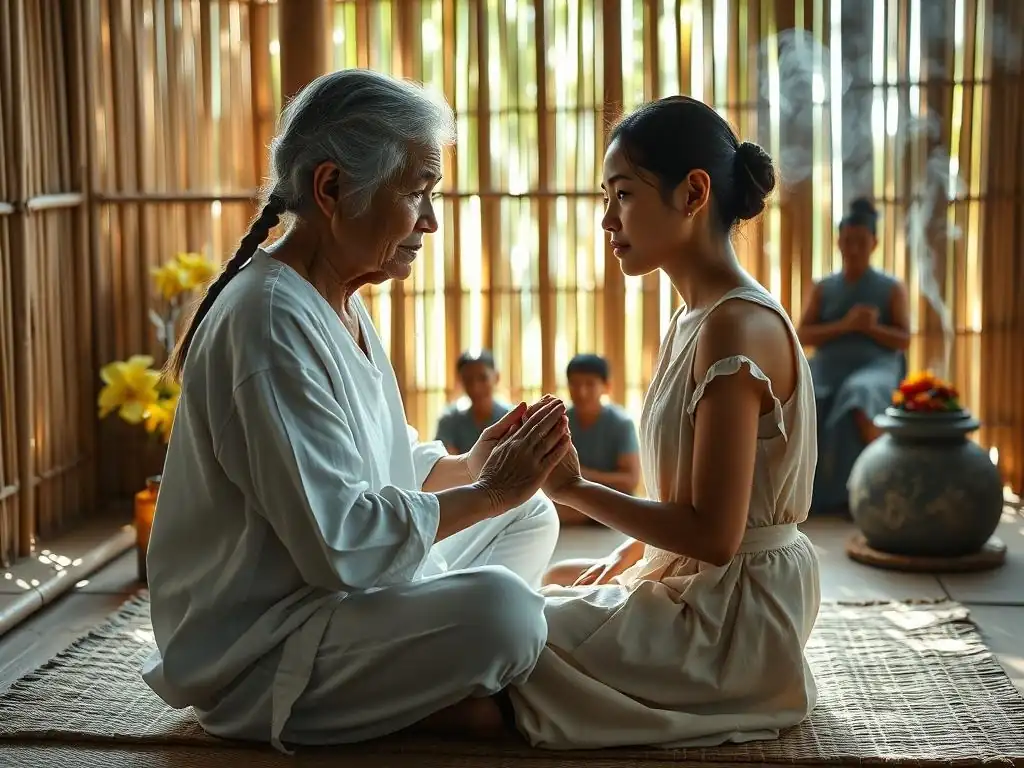
Thai Massage (Nuad Thai) for Trauma Release
Thai Massage, or Nuad Thai, is a therapeutic practice that combines acupressure, Indian Ayurvedic principles, and assisted yoga postures. It is traditionally performed on a mat on the floor, with the recipient fully clothed. While often viewed as a physical therapy, Nuad Thai is deeply rooted in energy work and mindfulness, aiming to clear energy blockages and restore the body's natural flow. For trauma survivors, the body is often a repository of stored tension, fear, and unresolved emotional energy related to the traumatic event.
The physical manipulation in Thai Massage can help release chronic muscle tension that trauma often causes. This tension is not just physical; it can hold emotional residue. The assisted stretches and pressure points can help unlock this stored tension, facilitating both physical and emotional release. The mindful presence of the practitioner and the emphasis on breathwork during the session also contribute to a sense of safety and relaxation, which is crucial for individuals navigating the physical manifestations of trauma on their path to Southeast Asia trauma recovery.
Understanding the Connection Between Body and Trauma
Trauma is not just a psychological event; it profoundly impacts the nervous system and is stored in the body. The "fight, flight, or freeze" response, activated during a traumatic event, can lead to chronic states of hyperarousal or hypoarousal, resulting in persistent muscle tension, pain, and other physical symptoms. The body remembers what the mind may try to forget or suppress. Therefore, body-centered therapies are essential components of comprehensive trauma recovery.
Techniques like Thai Massage work directly with this bodily memory. By applying pressure and stretching, practitioners can help release the physical bracing and tension that trauma creates. This process can sometimes trigger emotional release as the body lets go of stored energy. Recognizing this body-mind connection is key to understanding why physical therapies like Nuad Thai are considered valuable tools in holistic Southeast Asia trauma recovery approaches.
Specific Benefits of Thai Massage for Trauma
Thai Massage offers several specific benefits for trauma survivors. Physically, it can alleviate chronic pain, reduce muscle stiffness, and improve circulation, which can counter the physical effects of prolonged stress and tension. Mentally, the deep relaxation induced by the massage can reduce anxiety and promote a sense of calm. The mindful interaction and safe touch from a trained practitioner can also help rebuild a sense of safety and trust in one's body and in human connection, which is often damaged by trauma.
Furthermore, by releasing physical tension, Thai Massage can sometimes facilitate the processing of suppressed emotions. It provides a non-verbal way to address the trauma stored in the body. While not a standalone treatment for severe trauma, integrating Thai Massage into a broader recovery plan can significantly support the physical and emotional release necessary for effective Southeast Asia trauma recovery.
Herbal Remedies and Traditional Medicine
Traditional medicine systems across Southeast Asia utilize a vast pharmacopoeia of herbs and plant-based remedies to address a wide range of ailments, including those related to mental and emotional distress. These remedies are often prepared as teas, tinctures, poultices, or consumed as part of dietary practices. The use of herbs is deeply embedded in cultural practices and is frequently the first line of treatment sought for symptoms like anxiety, insomnia, and feelings of sadness or depression, which are common manifestations of trauma.
For Southeast Asia trauma recovery, certain herbs are traditionally used for their calming, mood-lifting, or sleep-promoting properties. These practices often view illness as an imbalance, and herbal remedies are prescribed to restore equilibrium within the body's systems. The knowledge of these remedies is typically passed down through generations of healers and within families, making them accessible resources within communities, although standardization and scientific validation vary.
Common Herbs Used for Anxiety and Depression
Several herbs are commonly used in Southeast Asian traditional medicine to alleviate symptoms associated with anxiety and depression, which are frequently co-occurring conditions with trauma. For example, certain species of Centella asiatica (Gotu Kola), found widely in the region, are traditionally used to improve memory, reduce anxiety, and promote mental clarity. Valeriana species are often used for their sedative properties to address insomnia and restlessness.
Other plants like Ocimum sanctum (Holy Basil or Tulsi), though more associated with South Asia, are also used in parts of Southeast Asia for their adaptogenic properties, helping the body cope with stress. While these herbs have a long history of traditional use, it's important to note that their efficacy and safety profiles can vary, and they should be used judiciously, ideally under the guidance of a knowledgeable practitioner. Their role in supporting mental well-being is part of the broader traditional approach to Southeast Asia trauma recovery.
Safety Considerations and Potential Interactions
While herbal remedies are often perceived as natural and safe, they are potent biochemical substances and can have side effects or interact with conventional medications. It is crucial for individuals using traditional herbal remedies for trauma-related symptoms to be aware of potential risks. For instance, some herbs can affect blood clotting, alter blood sugar levels, or interact with psychiatric medications like antidepressants or anxiolytics.
Therefore, transparency with both traditional healers and Western medical doctors is essential. Individuals should inform all their healthcare providers about any herbal supplements or traditional remedies they are taking. Finding qualified practitioners who understand both traditional practices and modern medicine can help ensure safe and effective integration of herbal remedies into a holistic plan for Southeast Asia trauma recovery.
Buddhist Ceremonies and Rituals for Trauma Resolution
Buddhist ceremonies and rituals play a significant role in providing comfort, structure, and a sense of community for individuals grappling with trauma in Buddhist-majority Southeast Asian countries. These rituals often involve chanting, prayer, making offerings, and receiving blessings from monks. They provide a framework for processing difficult emotions, seeking spiritual solace, and reaffirming one's connection to the Dharma and the community.
For someone experiencing the fragmentation and isolation that trauma can cause, participating in communal ceremonies offers a sense of belonging and shared experience. Rituals can provide a symbolic way to release suffering, purify negative energy, or seek protection. The repetitive nature of chanting and prayer can also have a calming effect on the nervous system, similar to meditation, aiding in emotional regulation during the challenging process of Southeast Asia trauma recovery.
The Role of Community and Social Support
A critical aspect of Buddhist ceremonies and rituals is the emphasis on community (the Sangha). Trauma often leads to withdrawal and feelings of isolation. Participating in temple activities, shared prayers, and communal meals provides essential social support. Being surrounded by others who share similar beliefs and practices can foster a sense of understanding and acceptance, reducing feelings of shame or being alone in one's suffering.
Monks and lay practitioners within the community can also offer guidance, counseling, and spiritual mentorship. This network of support is invaluable for trauma survivors. The communal aspect reinforces the idea that healing is not a solitary journey but one undertaken within the supportive embrace of the community, which is a cornerstone of many approaches to Southeast Asia trauma recovery.
Examples of Healing Rituals
Examples of healing rituals vary across different Buddhist traditions and regions. A common practice involves chanting protective verses ( paritta), which are believed to ward off negative influences and promote well-being. Another might be participating in merit-making activities, such as offering food to monks or contributing to temple maintenance, which is believed to generate positive karma and alleviate suffering.
In some traditions, specific ceremonies might be performed to address perceived spiritual causes of distress or to help the individual come to terms with loss and impermanence, themes often central to processing trauma. These rituals provide a structured, culturally meaningful way for individuals to confront their pain, seek spiritual support, and move towards healing within their belief system, facilitating Southeast Asia trauma recovery.
Integrating Spiritual Practices with Modern Mental Healthcare
Combining Traditional Methods with Western Therapies
Integrating traditional spiritual healing practices with modern Western mental healthcare approaches offers a comprehensive and culturally sensitive pathway for Southeast Asia trauma recovery. This combination acknowledges the limitations of a purely biomedical model in addressing the holistic needs of individuals in this region and leverages the strengths of both systems. For example, a trauma survivor might engage in Cognitive Behavioral Therapy (CBT) or Eye Movement Desensitization and Reprocessing (EMDR) with a clinical psychologist while also participating in Vipassana meditation and seeking guidance from a Buddhist monk.
This integrated approach allows individuals to benefit from evidence-based psychological treatments that target specific trauma symptoms while simultaneously drawing on their cultural and spiritual resources for comfort, meaning, and community support. It requires open communication between different types of practitioners and a willingness to respect diverse healing modalities. Successful integration can lead to more sustainable and culturally relevant outcomes in Southeast Asia trauma recovery.
Finding Qualified Practitioners
Finding qualified practitioners for an integrated approach can be challenging. Ideally, individuals should seek mental health professionals who are culturally competent and have some understanding of traditional healing practices in Southeast Asia. Similarly, traditional healers or spiritual guides who are open to collaboration with Western medical or psychological professionals are valuable resources.
Organizations that bridge traditional and modern healthcare, or those specifically focused on culturally sensitive mental health care, can help individuals find appropriate support. In some cases, this might involve working with practitioners who have received training in both modalities or seeking care from services that employ a multidisciplinary team with diverse expertise. Ensuring practitioners are both skilled in their respective fields and sensitive to the individual's cultural background is key to effective Southeast Asia trauma recovery.
Ethical Considerations and Cultural Sensitivity
Integrating diverse healing practices raises important ethical considerations. It is crucial to ensure that traditional practices are not exploited or misrepresented and that individuals are not coerced into participating in practices that do not align with their beliefs. Respect for the individual's autonomy and cultural background must be paramount.
Practitioners, both modern and traditional, must be culturally sensitive, avoiding judgment or dismissal of practices outside their own framework. This involves understanding the local context, belief systems, and how trauma is understood and expressed within specific communities. Ensuring that integrated care is delivered ethically and with genuine cultural sensitivity is essential for building trust and facilitating effective Southeast Asia trauma recovery.
Benefits of Spiritual Healing for Trauma Recovery
Improved Emotional Regulation and Resilience
Spiritual healing practices, particularly those involving mindfulness, meditation, and ritual, can significantly improve emotional regulation for trauma survivors. Practices like Vipassana teach individuals to observe their emotions without being overwhelmed, building tolerance for difficult feelings. Rituals can provide a structured outlet for expressing grief, fear, and anger.
By cultivating inner peace and a sense of perspective, these practices help individuals develop greater resilience in the face of triggers and stressors. They learn to navigate intense emotional states with more skill and less reactivity. This enhanced capacity for emotional regulation is a vital outcome of spiritual healing approaches, contributing significantly to long-term Southeast Asia trauma recovery.
Enhanced Self-Awareness and Connection
Many spiritual practices encourage introspection and self-reflection, leading to enhanced self-awareness. Meditation helps individuals become more attuned to their thoughts, feelings, and bodily sensations. Participation in rituals can provide a framework for understanding one's place in the world and one's relationship to suffering.
This increased self-awareness can help trauma survivors identify triggers, understand their reactions, and gain insight into the impact of trauma on their lives. Furthermore, spiritual practices often emphasize connection—to oneself, to others in the community, and to something larger than oneself (whether spiritual or existential). This enhanced sense of connection can counteract the isolation and fragmentation that trauma often causes, supporting holistic Southeast Asia trauma recovery.
Reduced Symptoms of PTSD and Anxiety
While not a replacement for professional mental healthcare, spiritual healing practices have been associated with reduced symptoms of PTSD and anxiety. Studies and anecdotal evidence suggest that regular engagement in practices like meditation can decrease the frequency and intensity of flashbacks, nightmares, and intrusive thoughts.
The calming effects of practices like meditation, chanting, and certain herbal remedies can alleviate anxiety and promote relaxation. The sense of peace, meaning, and community provided by spiritual practices can also reduce hyperarousal and avoidance behaviors. These benefits contribute to an overall reduction in the severity of trauma symptoms, aiding the process of Southeast Asia trauma recovery.
Potential Challenges and Considerations
Accessibility and Affordability of Spiritual Healing
While traditional spiritual healing practices are often deeply embedded in communities, accessibility and affordability can still be challenges. In some areas, traditional healers may be the only available resource, but their services might still require payment or offerings that are prohibitive for some. Furthermore, the availability of specific practices might be limited depending on the geographic location and the presence of skilled practitioners.
Urbanization and the decline of traditional community structures in some areas can also make it harder for individuals to access these resources. While some practices like meditation are widely available, finding guidance from experienced teachers or participating in specific rituals might require travel or significant financial resources, creating barriers to accessing this form of support for Southeast Asia trauma recovery.
Cultural Beliefs and Stigma Surrounding Mental Health
Despite the cultural integration of spiritual practices, stigma surrounding mental health issues, including trauma, remains a significant challenge in many Southeast Asian communities. Individuals may be reluctant to admit they are struggling or seek help, even from traditional healers, for fear of shame or social judgment.
Some cultural beliefs might also attribute trauma or mental illness to supernatural causes, leading to fear or avoidance of affected individuals. Addressing this stigma and promoting open conversations about mental well-being is crucial for enabling individuals to seek and benefit from both spiritual and modern healing modalities for Southeast Asia trauma recovery.
The Importance of Complementary Care
It is crucial to emphasize that spiritual healing practices, while profoundly beneficial, should ideally be viewed as complementary to, rather than a replacement for, professional mental healthcare, especially for severe trauma. Traditional practices offer invaluable cultural context, coping strategies, and community support, but they may not provide the necessary clinical interventions for complex trauma responses.
An integrated approach that combines the strengths of spiritual practices with evidence-based therapies offers the most comprehensive path towards Southeast Asia trauma recovery. Individuals experiencing severe symptoms should be encouraged to seek assessment and treatment from qualified mental health professionals alongside their engagement in spiritual or traditional healing methods.
Case Studies: Spiritual Healing Success Stories
Case Study: Using Vipassana Meditation for Refugee Trauma
Consider the case of a refugee from Myanmar who experienced significant trauma due to conflict and displacement. Upon resettling in a neighboring country, they suffered from severe anxiety, nightmares, and flashbacks. Traditional community support was available, but the individual struggled with intense emotional dysregulation. They were introduced to a local Buddhist monastery that offered Vipassana meditation retreats specifically tailored for trauma survivors.
Through consistent meditation practice over several months, the individual reported a significant reduction in the intensity of their flashbacks and nightmares. They learned to observe their anxious thoughts without being consumed by them and developed a greater sense of calm and presence. While still processing their experiences, the meditation practice provided a crucial tool for managing their symptoms and rebuilding their internal sense of safety, demonstrating the power of Vipassana in Southeast Asia trauma recovery within a refugee context.
Case Study: Incorporating Herbal Remedies and Buddhist Rituals for Domestic Abuse Survivors
In a community in rural Thailand, a woman who survived years of domestic abuse experienced chronic physical pain, insomnia, and feelings of hopelessness. She was hesitant to seek formal mental health services due to cultural barriers and lack of accessibility. Instead, she turned to a respected village healer who prescribed traditional herbal remedies for her physical symptoms and sleep difficulties.
Concurrently, she began participating regularly in temple ceremonies and sought counsel from the local abbess. The rituals provided a sense of purification and release, while the community at the temple offered invaluable social support and a sense of belonging. The combination of physical relief from the herbs and the emotional and spiritual support from the temple community helped her regain strength, reduce her physical pain, and find a path towards healing and resilience, illustrating a traditional approach to Southeast Asia trauma recovery.
Resources for Trauma Recovery and Mental Well-being
List of Organizations Providing Support and Resources
- Organizations focused on mental health in specific Southeast Asian countries (e.g., national mental health associations).
- Non-governmental organizations (NGOs) providing support to refugees, displaced persons, or victims of conflict in Southeast Asia.
- Community-based centers offering traditional healing or culturally sensitive counseling.
- Religious institutions (temples, churches, mosques) that provide pastoral care and community support.
- International aid organizations with mental health and psychosocial support programs in the region.
Recommended Reading and Further Education
- Books and articles on the cultural understanding of mental health and trauma in Southeast Asia.
- Resources on specific traditional healing practices like Vipassana meditation, Thai massage, or traditional herbal medicine.
- Publications from academic researchers and practitioners working on culturally adapted mental health interventions in the region.
- Materials from organizations promoting the integration of traditional and modern healing approaches.
Conclusion: Embracing Holistic Healing for Trauma
Trauma recovery in Southeast Asia is a complex journey that often requires a holistic approach, honoring the interconnectedness of mind, body, spirit, and community. Traditional spiritual healing practices, deeply woven into the cultural fabric of the region, offer invaluable resources for those seeking healing. From the introspective discipline of Vipassana meditation and the body-centered release of Thai Massage to the comforting rituals and herbal remedies of traditional medicine, these practices provide culturally resonant pathways to process pain, find meaning, and rebuild resilience.
While modern mental healthcare offers essential clinical interventions, integrating these traditional methods can enhance treatment effectiveness, improve accessibility, and ensure that healing is culturally sensitive and sustainable. By recognizing the profound impact of culture and spirituality on well-being, individuals and communities can harness the power of both ancient wisdom and modern science to navigate the path towards comprehensive Southeast Asia trauma recovery. Embracing this holistic perspective is key to fostering healing and restoring balance for survivors across the region.
Frequently Asked Questions
What role does spirituality play in trauma recovery in Southeast Asia?
Spiritual practices offer a cultural framework for understanding and processing trauma. They often provide community support and meaning-making which can be crucial for healing.
Which specific spiritual healing practices are commonly used for trauma recovery in Southeast Asia?
Common practices include meditation, mindfulness, traditional rituals, and connection with nature. These approaches aim to restore balance and promote emotional well-being after traumatic experiences.
How accessible are these spiritual healing resources for individuals seeking trauma recovery in Southeast Asia?
Accessibility varies depending on location, resources, and cultural acceptance. However, many communities have established networks and traditional healers offering these services, though awareness may be needed.
Can spiritual healing practices replace professional mental health treatment for trauma?
No, spiritual practices should be considered complementary therapies, not replacements for professional care. Integrating both approaches can provide a holistic path to recovery, addressing both the mind and spirit.
What are some potential challenges or considerations when incorporating spiritual healing into trauma recovery in Southeast Asia?
It's important to approach these practices with cultural sensitivity and respect for individual beliefs. Ensuring the practices are safe and ethical is also crucial to avoid further harm or exploitation.
Final Reflection: The Enduring Power of Spirit in Southeast Asian Trauma Recovery
The ancient healing traditions of Southeast Asia offer a vital counterpoint to Western trauma treatment models, providing culturally sensitive pathways to recovery that are increasingly relevant in our globally interconnected world. The resilience of communities facing conflict, displacement, and natural disasters highlights the urgent need for accessible and effective trauma care, and these indigenous practices offer a powerful resource.
The exploration of spiritual healing in this article has underscored the profound interconnectedness between mind, body, and spirit in the Southeast Asian context. These practices, often deeply embedded in community and tradition, offer not just healing from trauma but also a path towards re-establishing a sense of belonging and purpose. The soul is healed by being with nature. Nature is the best psychologist.
This quote, though not specifically from Southeast Asia, resonates deeply with the core principles underlying many of the healing traditions discussed. The emphasis on natural remedies, mindful practices, and community support speaks to a holistic approach that recognizes the limitations of purely clinical interventions.
Consider the ways in which these ancient practices can enrich your own understanding of trauma and healing. Perhaps you can integrate elements of mindfulness, nature connection, or community engagement into your own life, fostering resilience and well-being. Explore the resources available in your community, and consider how you might support the preservation and accessibility of these invaluable traditions. Let this exploration be a starting point for a deeper engagement with the power of spirit in the journey towards healing and wholeness.
Unveil Your Inner Strength: Start Your Healing Journey Today
Thanks for taking the time to explore the powerful spiritual healing practices found in Southeast Asia. We hope you gained valuable insights into how these traditions can support your trauma recovery journey. Now, let's turn these insights into action!
- Begin a daily mindfulness practice: Even 5 minutes of quiet reflection can make a profound difference in your well-being. Try focusing on your breath, or using a guided meditation app. This is the key step towards integrating these techniques into your life.
- Share your reflections: What resonated most with you from the article? Sharing your experiences can help others on their healing path, and can deepen your own understanding.
- Explore a local cultural event or resource: Look for opportunities in your community to connect with similar traditions and practices. Perhaps a yoga class, a meditation group, or even a local museum showcasing related art.
Ready to embrace your path towards wholeness? What small step will you take today to nurture your inner peace?