
Family Secrets: The Role of Kinship in Mental Health Stigma Globally


Welcome to Mind Care Guide, a space dedicated to nurturing your mental well-being.
Have you ever wondered about the unspoken stories within your family, the secrets whispered in hushed tones? This month, we delve into the powerful, often unseen, ways family secrets impact mental health. We'll explore how these hidden narratives can shape our emotional landscape, contribute to mental health stigma, and ultimately influence our overall well-being. Prepare to unravel the complexities of kinship and discover pathways to healing and understanding. Curious to learn more? Let's begin.
Family Secrets: The Role of Kinship in Mental Health Stigma Globally
- Introduction: Unveiling Family Secrets and Mental Health Stigma Across Cultures
- Understanding the Intersection of Family Dynamics and Mental Well-being
- Global Perspectives: Cultural Variations in Mental Health Stigma Within Families
- The Consequences of Keeping Family Secrets Related to Mental Health
- Breaking the Cycle: Addressing Family Secrets and Reducing Mental Health Stigma
- Resources and Support for Individuals and Families Facing Mental Health Stigma
- The Future of Mental Health: Shifting Family Narratives and Reducing Stigma
- Conclusion: The Power of Openness in Overcoming Mental Health Stigma within Families
-
Frequently Asked Questions
- How do family secrets contribute to mental health stigma?
- What are some common types of family secrets that impact mental well-being?
- How does keeping family secrets affect children's mental health?
- What can families do to address the impact of secrets on mental health?
- How does cultural context influence the impact of family secrets on mental health stigma?
- Final Reflection: Unmasking the Secrets, Unburdening the Mind
- Uncover Your Family's Story: Break the Silence on Mental Health
Introduction: Unveiling Family Secrets and Mental Health Stigma Across Cultures
Mental health challenges touch lives across every corner of the globe, yet the conversation around them often remains shrouded in silence, particularly within families. This silence is frequently driven by a complex interplay of cultural norms, fear of judgment, and a desire to protect the family's reputation.
The impact of family secrets on mental health is profound, often leading to delayed help-seeking, increased suffering, and the perpetuation of stigma through generations. Understanding how kinship dynamics intersect with mental well-being and the cultural variations in this relationship is crucial to dismantling barriers to care and fostering healthier, more open family environments.
This article delves into the intricate ways family structures and cultural contexts influence the stigma surrounding mental health conditions. We will explore how the burden of keeping family secrets impacts mental health, the specific challenges faced in different global regions, and the consequences of this pervasive silence. Ultimately, we aim to shed light on pathways toward breaking these cycles of secrecy and stigma, promoting empathy, and supporting individuals and families in their journey toward mental wellness.
Understanding the Intersection of Family Dynamics and Mental Well-being
Family dynamics serve as the primary crucible for an individual's development, shaping their perceptions, coping mechanisms, and overall well-being. Within this intimate sphere, shared experiences, communication patterns, and inherited beliefs about health and illness play a significant role. When mental health issues arise, the family's reaction—whether supportive, dismissive, or secretive—can dramatically alter the individual's trajectory and their willingness to seek help. The very structure of kinship, from nuclear units to extended networks, dictates the flow of information and the weight of collective opinion, directly influencing how mental health conditions are acknowledged, discussed, or hidden.
The concept of family secrets related to mental health is not merely about hidden diagnoses; it encompasses unspoken struggles, undisclosed family histories of mental illness, and the collective agreement to present a facade of normalcy. These secrets are often guarded fiercely out of fear of shame, social repercussions, or the belief that mental health issues are a personal failing rather than a health condition.
The pressure to maintain these secrets creates a heavy emotional burden, not only on the individual experiencing the condition but on all family members involved in the concealment. This sustained effort to hide reality consumes emotional energy and erects walls that prevent genuine connection and support.
The Impact of Family Secrets on Individual Mental Health
The act of keeping family secrets related to mental health can have a devastating effect on individuals. For someone living with a mental health condition, being told or implicitly understanding that their struggle must be hidden reinforces feelings of shame, guilt, and worthlessness. It can lead to internalizing the stigma, believing that there is something fundamentally wrong with them that needs to be concealed from the world, including friends, potential partners, and even other family members outside the immediate circle. This internalization can exacerbate symptoms, leading to increased anxiety, depression, and social isolation.
Furthermore, the emotional labor involved in maintaining these secrets is immense. Individuals may constantly worry about accidentally revealing the truth, leading to heightened stress levels. They might avoid social situations where the secret could be exposed or feel compelled to lie, eroding their sense of integrity and authenticity.
This constant vigilance and emotional burden can significantly worsen their mental state, making recovery more challenging. Studies, such as those exploring families affected by conditions like schizophrenia or bipolar disorder, often highlight how secrecy within the family unit correlates with poorer patient outcomes and increased family distress, demonstrating how family secrets impact mental health significantly.
How Family History and Mental Illness Intertwine
Family history is a critical factor in understanding an individual's predisposition to certain mental health conditions, as genetic and environmental factors within the family unit contribute significantly. However, beyond biological inheritance, the family's narrative surrounding mental illness – or the lack thereof – profoundly shapes how individuals perceive their own struggles. If mental illness has been a hidden or stigmatized topic in previous generations, individuals may grow up internalizing the belief that these conditions are shameful or untreatable, leading them to deny or conceal their own symptoms.
The intergenerational transmission of stigma means that children learn by observing how their parents and other relatives talk about (or avoid talking about) mental health. If a grandparent's depression was never spoken of, or if a relative's anxiety was dismissed as a character flaw, younger family members are more likely to adopt similar attitudes. This silence prevents open discussion, making it difficult for individuals to recognize symptoms in themselves or seek help. The weight of this unspoken history adds another layer to the burden of family secrets impact mental health, creating a cycle where past concealment fuels future silence.
The Role of Intergenerational Trauma in Shaping Mental Health Perceptions
Intergenerational trauma refers to the transmission of traumatic experiences and their psychological consequences across generations. This can include trauma from historical events like war, genocide, or displacement, or chronic stress and adversity like poverty, discrimination, or the impact of living with unresolved mental health issues within the family. When trauma is not processed or healed in one generation, its effects—such as heightened anxiety, difficulty regulating emotions, or maladaptive coping mechanisms—can manifest in subsequent generations, often increasing vulnerability to mental health conditions.
The impact of intergenerational trauma is often compounded by family secrets. If the original traumatic events or the subsequent mental health struggles were hidden, the underlying causes of current difficulties remain unknown or unspoken. This lack of understanding makes it harder for individuals to make sense of their own experiences and seek appropriate help.
For instance, descendants of trauma survivors who kept their experiences secret may exhibit symptoms of PTSD or depression without understanding the root cause, perpetuating a cycle of suffering that is obscured by silence. Addressing family secrets is therefore crucial for uncovering and healing the wounds of intergenerational trauma, recognizing how these deep-seated issues contribute to how family secrets impact mental health over time.
Global Perspectives: Cultural Variations in Mental Health Stigma Within Families

Mental health stigma is a global phenomenon, but its manifestations and intensity vary significantly across cultures. Family structures, cultural values, religious beliefs, and socioeconomic factors all play a role in shaping attitudes towards mental illness and the propensity for keeping it a secret. While the core issue of fearing shame or judgment is universal, the specific ways this fear is expressed and the societal consequences differ markedly. Understanding these variations is essential for developing culturally sensitive approaches to mental healthcare and anti-stigma efforts.
In many collectivist cultures, where the family's reputation and harmony are prioritized over individual needs, the pressure to conceal mental health issues is particularly intense. A mental illness diagnosis can be seen as bringing dishonor to the entire family unit, affecting marriage prospects, social standing, and the family's collective "face." Conversely, in some cultures, community and extended family networks offer strong support systems, though these same networks can also be sources of judgment and gossip, reinforcing the need for secrecy. Exploring these diverse contexts highlights the complex ways family secrets impact mental health worldwide.
Examining Family Secrets and Mental Health Stigma in East Asia
East Asian cultures, heavily influenced by Confucianism, often place a strong emphasis on filial piety, family honor, and collective harmony. In this context, individual problems, including mental health issues, can be perceived as a failure that reflects poorly on the entire family. The concept of "saving face" (mianzi in Chinese, menkyo in Japanese, chemyon in Korean) is paramount, making the concealment of anything perceived as shameful, including mental illness, a priority to protect the family's reputation within the community.
This cultural pressure to maintain a facade of normalcy often leads to significant delays in seeking help. Individuals and families may suffer in silence for years, fearing the social repercussions of a diagnosis. For example, studies in countries like South Korea and Japan have indicated that despite high rates of certain mental health conditions, help-seeking remains low, partly due to intense family and societal stigma. The belief that mental illness is a sign of weakness or moral failing, rather than a treatable medical condition, is deeply ingrained, reinforcing the tendency to keep these struggles as closely guarded family secrets.
Cultural Norms and Family Expectations Regarding Mental Health
Cultural norms in East Asia often dictate that family matters are handled internally, without involving outsiders. This includes health issues, particularly those related to the mind, which may be viewed with suspicion or fear. There is a strong expectation for individuals to be resilient and stoic, and expressing emotional distress openly can be seen as a sign of weakness. This cultural script makes it difficult for individuals to articulate their struggles and for families to acknowledge them, further contributing to the silence.
Family expectations can also include the pressure to succeed academically and professionally, and mental health challenges can be seen as hindrances to these goals, adding another layer of motivation for concealment. The fear of disappointing parents or bringing shame upon the family can outweigh the need for individual well-being. This dynamic illustrates how deeply cultural norms and family expectations influence whether mental health issues become family secrets and how profoundly family secrets impact mental health within this region.
The Concept of "Face" and its Influence on Seeking Mental Health Support
The concept of "face" is central to social interactions in East Asia and significantly impacts attitudes towards mental health. Losing face means damaging one's reputation or social standing, and revealing a family member's mental illness is widely feared as a major cause of losing face. This fear is not only about personal shame but about the collective honor of the family lineage. Consequently, families may go to great lengths to hide mental health issues, avoiding diagnoses, treatment, and any public acknowledgment of the problem.
The desire to save face creates a significant barrier to seeking professional help. Families may avoid seeking treatment at hospitals or clinics, fearing that others will find out. Instead, they might opt for less visible, often ineffective, traditional remedies or simply ignore the problem hoping it will resolve itself. This reluctance to engage with formal mental healthcare systems directly contributes to the undertreatment of mental illness in the region. The pervasive influence of "face" underscores why family secrets impact mental health so severely in these cultures, preventing access to necessary care.
Exploring Family Secrets and Mental Health Stigma in Sub-Saharan Africa
In Sub-Saharan Africa, perspectives on mental health are often shaped by a blend of traditional beliefs, spiritual explanations, and emerging biomedical understandings. Mental illness may be attributed to supernatural causes, witchcraft, or spiritual possession, alongside stress or other factors. While community and extended family ties are often strong and provide a vital social safety net, they can also be a source of stigma, particularly if mental illness is viewed through a lens of fear or misunderstanding. The impact of family secrets on mental health here is intertwined with these diverse belief systems and community dynamics.
Economic constraints, limited access to formal healthcare services, and a shortage of mental health professionals also contribute to the way mental health is managed within families. In many rural areas, traditional healers are the first point of contact for mental distress, and while they can offer culturally resonant support, their approaches may not always align with evidence-based treatments, and secrecy might still be encouraged depending on the perceived cause of the illness. This complex landscape means that mental health struggles are often handled within the family or community circle, sometimes openly, but often through guarded silence and family secrets.
Traditional Beliefs and Attitudes Towards Mental Illness
Traditional beliefs in Sub-Saharan Africa vary widely across different ethnic groups and regions, but many share common threads regarding the causation of illness, including mental illness. Attributing mental illness to spiritual factors or external forces can lead to fear and ostracism, not only of the individual but also of their family. This fear of being associated with something perceived as dangerous or cursed can lead families to hide the condition, resorting to secretive visits to traditional healers or keeping the affected individual confined.
While some traditional practices offer valuable community support and coping mechanisms, others can perpetuate harmful stereotypes and contribute to stigma. For example, beliefs that mental illness is contagious or a punishment for past wrongdoings can fuel discrimination and the need for secrecy. These beliefs create a challenging environment where families may feel compelled to keep mental health issues hidden from the broader community to protect themselves from judgment and exclusion, reinforcing how cultural attitudes around traditional beliefs influence whether family secrets impact mental health treatment access.
The Role of Community and Extended Family in Mental Health Care
In many parts of Sub-Saharan Africa, the extended family and wider community play a crucial role in social support and caregiving. Unlike more individualistic societies, responsibility for a sick family member often extends beyond the immediate household. This can be a source of strength, providing practical and emotional support. However, this close-knit structure also means that information (and gossip) travels quickly, and the fear of community judgment can be a powerful motivator for keeping mental health struggles within the immediate family as a secret.
While community support can be beneficial, the lack of mental health literacy means that well-intentioned interventions from family or community members may sometimes be misinformed or harmful. Pressure to conform to traditional practices, discourage formal medical treatment, or attribute the illness solely to spiritual causes can create conflict and confusion for families. The balance between leveraging community support and protecting the individual and family from stigma is delicate, highlighting the complex role of kinship networks in determining how family secrets impact mental health treatment-seeking in the region.
Comparing Mental Health Stigma Across Different Cultural Contexts
Comparing mental health stigma across regions like East Asia and Sub-Saharan Africa reveals both commonalities and distinct differences. A universal thread is the fear of shame and social exclusion associated with mental illness, leading to concealment. However, the specific cultural values that drive this fear differ. In East Asia, the emphasis on family honor and saving face within a hierarchical social structure is paramount. In Sub-Saharan Africa, traditional beliefs about causation and the strong influence of community opinion, sometimes linked to spiritual fears, play a more significant role.
Another key difference lies in the available resources and healthcare infrastructure. While stigma exists in both regions, the limited access to formal mental healthcare in many parts of Sub-Saharan Africa means families rely more heavily on informal or traditional systems, which can perpetuate different forms of secrecy and potentially delay access to evidence-based treatments.
In contrast, East Asia often has more developed healthcare systems, but cultural barriers related to stigma and face remain significant obstacles to utilization. These comparisons underscore that while family secrets impact mental health globally, the specific cultural fabric shapes the nature of the secrecy and its consequences.
The decision, or necessity, to keep mental health issues a family secret has far-reaching and often damaging consequences for individuals, families, and society as a whole. This pervasive silence creates a breeding ground for shame, isolation, and a lack of understanding, hindering recovery and perpetuating cycles of distress. The negative outcomes extend beyond the emotional realm, impacting physical health, social functioning, and economic well-being.
The burden of secrecy is heavy, requiring constant vigilance and emotional energy. This energy could otherwise be directed towards healing, support, and building resilience. When families choose to hide mental health struggles, they inadvertently reinforce the very stigma they are trying to avoid, signaling that these conditions are something to be ashamed of. This section explores some of the most significant consequences stemming from the decision to keep family secrets related to mental health.
Increased Shame and Isolation for Individuals with Mental Health Conditions
When a mental health condition is treated as a family secret, the individual experiencing it often internalizes the message that their condition is shameful and must be hidden. This leads to profound feelings of shame and self-blame. They may feel like a burden to their family or believe they are fundamentally flawed. This internalized stigma is a significant barrier to recovery, making it difficult for individuals to accept their condition and seek help.
Furthermore, keeping the condition secret often results in social isolation. Individuals may withdraw from friends, school, or work to avoid potential exposure. Family members might discourage social interactions that could reveal the secret. This isolation deprives individuals of crucial social support networks, which are vital for mental well-being and recovery. The lack of connection exacerbates feelings of loneliness and despair, creating a vicious cycle where isolation worsens symptoms, and worsening symptoms lead to further isolation, demonstrating how profoundly family secrets impact mental health through increased shame and isolation.
Delayed or Avoided Mental Health Treatment Due to Family Pressure
One of the most critical consequences of keeping mental health issues a family secret is the delay or complete avoidance of professional treatment. Families driven by fear of stigma may actively discourage individuals from seeking help, fearing a formal diagnosis will confirm their worst fears and make the secret harder to keep. They might dismiss symptoms, insist it's a phase, or rely on non-evidence-based methods.
This delay in seeking help can have severe consequences, especially for conditions that require timely intervention. Early diagnosis and treatment significantly improve outcomes for many mental health conditions. By the time an individual or family finally seeks help, the condition may have worsened, becoming more complex and challenging to treat. In some tragic cases, delayed treatment due to family secrecy contributes to increased severity of illness, crisis situations, or even suicide. The pressure to maintain family secrets impact mental health access directly, costing individuals valuable time and opportunity for recovery.
The Perpetuation of Stigma Through Generations
The practice of keeping mental health issues a family secret does not just affect the current generation; it perpetuates stigma for future ones. When mental health is a taboo topic, children and adolescents within the family learn that these issues are not to be discussed. They may internalize the fear and shame associated with mental illness, making them less likely to recognize symptoms in themselves or others and more likely to hide their own struggles if they arise later in life.
This cycle of silence and stigma is difficult to break. Each generation that keeps mental health a secret reinforces the idea that it is something to be hidden, passing down the fear and shame to their children. This prevents open conversations about mental health within the family, limits access to information and support, and maintains a culture where mental illness remains misunderstood and feared. Breaking this cycle requires conscious effort to challenge inherited norms and promote openness, recognizing how the perpetuation of family secrets impact mental health across generational lines.
Breaking the Cycle: Addressing Family Secrets and Reducing Mental Health Stigma
Breaking the long-standing cycle of keeping mental health issues family secrets is challenging but essential for fostering well-being and reducing stigma. It requires courage, empathy, and a willingness to challenge deeply ingrained cultural norms and fears. This process involves opening channels of communication, increasing understanding through education, and actively working to dismantle the barriers that prevent open dialogue and help-seeking.
Addressing family secrets related to mental health is not about airing private matters indiscriminately, but about creating safe spaces within the family where struggles can be acknowledged and supported without shame. It's about shifting from a mindset of concealment to one of compassionate understanding. This transformative process benefits not only the individual with the mental health condition but strengthens the entire family unit.
Open Communication and Family Therapy for Mental Health Issues
One of the most powerful tools for breaking the cycle of secrecy is fostering open and honest communication within the family. This means creating an environment where individuals feel safe to share their feelings and experiences without fear of judgment or invalidation. Initiating these conversations can be difficult, especially if silence has been the norm for years.
Family therapy can provide a structured and supportive environment for families to address mental health issues openly. A trained therapist can help facilitate difficult conversations, mediate conflicts, and teach healthy communication skills. Therapy can help families understand the dynamics that led to secrecy, process associated emotions like shame and guilt, and develop strategies for supporting one another. By bringing these issues into the open within a therapeutic context, families can begin to heal and reduce the need for harmful family secrets that impact mental health.
Mental Health Education and Awareness Programs Tailored for Families
Lack of understanding is a primary driver of stigma and the need for secrecy. Providing families with accurate information about mental health conditions, their causes, symptoms, and treatment options is crucial. Education can dispel myths, reduce fear, and help families view mental health issues as treatable health conditions rather than moral failings or sources of shame.
Awareness programs specifically designed for families, considering cultural contexts, can be particularly effective. These programs can address common misconceptions prevalent in specific communities and provide culturally sensitive ways to discuss mental health. Learning about specific conditions, understanding that recovery is possible, and hearing stories of hope can empower families to confront stigma and support their loved ones more effectively. Educating families directly challenges the ignorance that fuels the need for family secrets impacting mental health.
Challenging Cultural Norms that Perpetuate Stigma
Addressing family secrets related to mental health also requires challenging broader cultural norms and beliefs that contribute to stigma. This is a long-term process that involves advocating for change at community and societal levels. It means speaking out against discriminatory language, promoting accurate media portrayals of mental illness, and integrating mental health education into schools and public health initiatives.
Within families, challenging cultural norms might involve questioning traditional beliefs that attribute mental illness solely to supernatural causes or challenge the idea that seeking external help is a sign of weakness. It involves prioritizing individual well-being alongside family honor and recognizing that addressing mental health issues openly can ultimately strengthen the family unit. This cultural shift is vital for creating environments where family secrets impact mental health less severely and where openness is valued.
Resources and Support for Individuals and Families Facing Mental Health Stigma
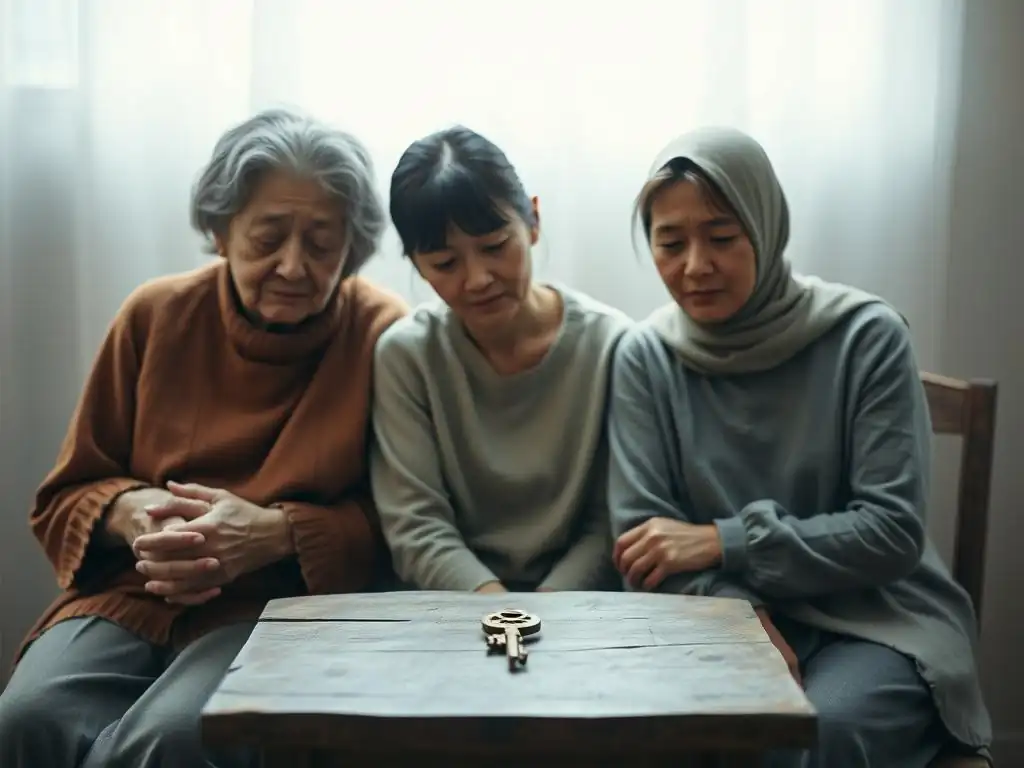
Navigating mental health challenges while simultaneously dealing with family secrets and stigma can be incredibly difficult. Fortunately, there are resources and support systems available to help individuals and families on this journey. Accessing these resources is a crucial step towards breaking the silence and finding effective ways to cope and heal. Knowing where to turn for help can make a significant difference in overcoming the barriers created by stigma and secrecy.
Finding the right support often involves seeking out professionals who understand the cultural context and family dynamics at play. It also means connecting with others who have similar experiences and finding reliable sources of information. This section outlines various types of resources that can provide assistance and guidance for those impacted by family secrets impact mental health.
Finding Culturally Sensitive Mental Health Professionals
For families dealing with culturally specific forms of stigma and secrecy, finding a mental health professional who is culturally sensitive is paramount. A culturally competent therapist understands how cultural background, beliefs, and family structure influence an individual's experience of mental health and their willingness to seek help. They can work within the family's cultural framework to build trust and facilitate communication.
Seeking out therapists who specialize in family therapy or have experience working with specific ethnic or cultural groups can be particularly beneficial. These professionals can help families navigate the complexities of cultural expectations versus individual needs and find ways to address mental health issues that respect cultural values while prioritizing well-being. They can help families understand how family secrets impact mental health and guide them towards healthier patterns.
Support Groups and Advocacy Organizations for Mental Health
Connecting with others who have shared experiences can be incredibly validating and empowering. Support groups for individuals living with mental health conditions or for their family members provide a safe space to share stories, gain insights, and receive emotional support from peers who understand the challenges of dealing with stigma and family secrets.
Advocacy organizations dedicated to mental health play a vital role in reducing stigma on a broader scale. These organizations often offer resources, educational materials, and support services. They also work to challenge discriminatory policies and attitudes and promote public awareness. Engaging with such groups can provide individuals and families with a sense of community and empower them to become advocates themselves, further reducing the power of family secrets impact mental health.
Online Resources and Information on Mental Health and Family Dynamics
The internet offers a wealth of information and resources on mental health, family dynamics, and the impact of stigma. Reputable websites from mental health organizations, government health agencies, and academic institutions provide reliable information about various conditions, treatment options, and strategies for coping with stigma.
Many online platforms also offer forums and communities where individuals and families can connect anonymously or semi-anonymously to share experiences and seek advice. While online resources should not replace professional help, they can be a valuable starting point for gaining knowledge, finding support networks, and learning more about how family secrets impact mental health and how to address them. Accessing information online can be particularly helpful for those who are geographically isolated or hesitant to seek in-person support initially.
The Future of Mental Health: Shifting Family Narratives and Reducing Stigma
The future of mental health care and acceptance hinges significantly on our ability to shift family narratives and reduce the pervasive stigma associated with mental illness. This requires a conscious and collective effort to move away from silence and shame towards openness, understanding, and acceptance within the most fundamental social unit – the family. By changing how mental health is discussed and perceived within homes, we can create a ripple effect that transforms communities and societies.
This shift involves actively challenging outdated beliefs, embracing empathy, advocating for better support systems, and empowering individuals to share their authentic experiences. It's about recognizing that mental health is an integral part of overall health and that seeking help is a sign of strength, not weakness. The goal is a future where family secrets impact mental health less negatively, and where kinship provides a source of unwavering support.
Promoting Empathy and Understanding Within Families
Cultivating empathy and understanding within families is foundational to reducing stigma and breaking the cycle of secrecy. This means encouraging family members to listen actively to one another, validate feelings, and approach mental health challenges with compassion rather than judgment. Education plays a key role, but empathy goes beyond knowledge; it involves connecting on a human level with the suffering of a loved one.
Families can practice empathy by learning about the lived experiences of individuals with mental health conditions, perhaps through memoirs, documentaries, or support group meetings. Creating safe spaces for emotional expression, free from criticism or dismissal, allows family members to be vulnerable and supportive. When empathy is prioritized, the need to keep family secrets impact mental health diminishes because the fear of negative reactions is replaced by the expectation of compassionate support.
Advocating for Policies that Support Mental Health Care
Beyond individual family efforts, advocating for policies that improve access to affordable, culturally sensitive mental health care is essential. Systemic barriers, such as high costs, lack of insurance coverage, and insufficient numbers of mental health professionals, exacerbate the challenges families face and can contribute to the decision to keep struggles secret.
Advocacy can take many forms, from supporting legislation that increases mental health funding to promoting mental health parity in insurance coverage. It also involves challenging policies that discriminate against individuals with mental illness. By working towards a healthcare system that adequately supports mental well-being, we reduce the practical obstacles that force families to cope in isolation and rely on secrecy. Policies that destigmatize mental health at a societal level reinforce the message that it is okay to seek help, counteracting the pressure to maintain family secrets impact mental health.
Finally, empowering individuals who have experienced mental health challenges to share their stories is a powerful way to break down stigma and encourage openness. Sharing personal narratives can humanize mental illness, challenge stereotypes, and inspire others to seek help. When individuals feel safe and supported enough to speak openly about their struggles and recovery journeys, they become powerful agents of change.
This empowerment can happen within families, where individuals are encouraged to speak their truth, and on broader platforms, through public speaking, writing, or participating in awareness campaigns. Every story shared chips away at the wall of silence and shame that surrounds mental health. By valuing and amplifying these voices, we create a culture where mental health is discussed openly, reducing the power of family secrets impact mental health and fostering a future where seeking help is the norm, not the exception.
Conclusion: The Power of Openness in Overcoming Mental Health Stigma within Families
The intricate relationship between family secrets and mental health stigma is a global challenge, deeply rooted in cultural norms, fear, and a lack of understanding. We have seen how the pressure to conceal mental health issues within families can lead to increased shame, isolation, delayed treatment, and the perpetuation of stigma across generations, highlighting the significant ways family secrets impact mental health worldwide. However, the narrative does not have to end with silence and suffering.
The power to overcome this stigma lies within openness and empathy. By fostering honest communication, seeking culturally sensitive support, educating ourselves and others, and challenging harmful cultural norms, families can begin to dismantle the walls of secrecy.
Empowering individuals to share their stories and advocating for better mental health systems are crucial steps towards a future where mental well-being is prioritized and discussed openly, free from judgment and shame. Breaking the cycle of family secrets is not just about revealing hidden truths; it's about building stronger, more supportive family bonds and paving the way for healing and acceptance for all.
Frequently Asked Questions
How do family secrets contribute to mental health stigma?
Family secrets often create an environment of shame and silence, preventing open discussion about mental health. This can lead to delayed help-seeking and a perpetuation of negative attitudes. Stigma thrives in secrecy.
What are some common types of family secrets that impact mental well-being?
Secrets related to past traumas, addiction, or mental illness within the family are common. These hidden issues can cause unresolved grief, anxiety, and a sense of disconnect for family members.
How does keeping family secrets affect children's mental health?
Children are highly sensitive to unspoken tensions. They may internalize the stress and develop feelings of anxiety, guilt, or confusion without understanding the root cause. This can impact their emotional development negatively.
What can families do to address the impact of secrets on mental health?
Open and honest communication is crucial. Seeking professional help from a therapist can provide a safe space to discuss difficult topics and develop healthy coping mechanisms.
How does cultural context influence the impact of family secrets on mental health stigma?
Cultural norms can dictate what is considered acceptable to discuss openly. In some cultures, preserving family honor may be prioritized over addressing mental health concerns, leading to increased stigma and secrecy.
Final Reflection: Unmasking the Secrets, Unburdening the Mind
The weight of unspoken family secrets significantly contributes to the global mental health crisis. These hidden burdens, often passed down through generations, perpetuate a cycle of stigma and silence that prevents individuals from seeking help and thriving. The impact is far-reaching, affecting not only those directly carrying the secret but also their families and communities.
The exploration of kinship's role in perpetuating mental health stigma has been profoundly eye-opening. Understanding how deeply ingrained these patterns are within family structures highlights the urgent need for societal change. The family is the first society, and its influence is profound and lasting.
This quote underscores the immense power families wield in shaping individual perceptions and behaviors, particularly concerning mental health. My own research into this topic has reinforced the importance of open communication and breaking the cycle of secrecy within families.
Now, consider your own family history. Are there unspoken traumas or struggles that have shaped your understanding of mental health? What steps can you take, within your own family dynamic, to foster a more open and supportive environment? This isn't just about confronting painful truths; it's about creating a future where mental well-being is prioritized, where seeking help is seen as a strength, not a weakness, and where the legacy of family secrets is finally broken. Let's work together to build a world where mental health is valued and supported, starting within our own families.
Uncover Your Family's Story: Break the Silence on Mental Health
Thanks for taking the time to explore the complex relationship between family secrets and mental health stigma. You've gained valuable insights into a global issue—now let's put that knowledge into action.
- Start a conversation: Share this article with a family member who might benefit from understanding the impact of unspoken mental health struggles within our kinship networks. This is your chance to be a catalyst for positive change.
- Learn more: Research local support groups or mental health organizations dedicated to breaking down stigma within families. A simple search can open doors to incredible resources.
- Challenge assumptions: Reflect on your own family dynamics and consider how you might foster a more open and supportive environment for mental well-being. What small changes can make a big difference?
Ready to be part of a movement that prioritizes open communication and mental wellness within families? What's the first step you'll take to create a more supportive environment for yourself and your loved ones?