
Traditional Japanese Therapies for Building Mental Resilience

Welcome to Mind Care Guide, a space dedicated to nurturing your mental well-being.
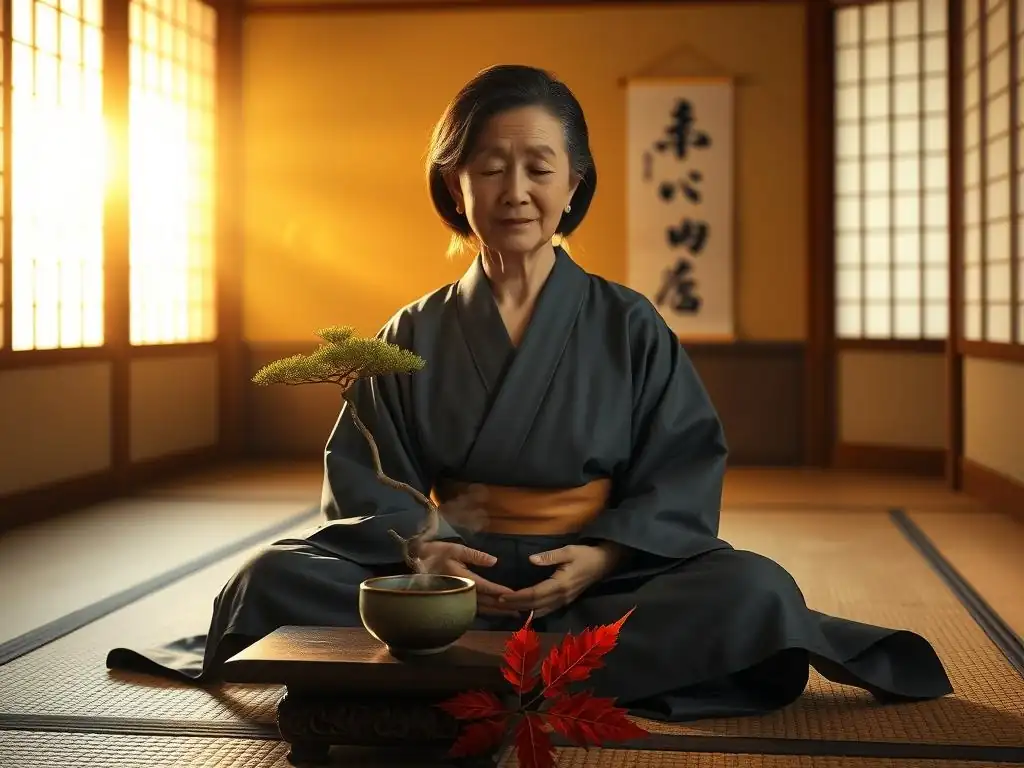
Are you feeling overwhelmed by the pressures of modern life? Perhaps you're searching for a new path to inner peace? In this article, we delve into the profound wisdom of Japanese mindfulness stress reduction techniques, exploring how these ancient practices can help you cultivate resilience and find a sense of calm amidst the chaos. Discover the secrets to a more centered and balanced you. Let's embark on this journey together...
Traditional Japanese Therapies for Building Mental Resilience
- Introduction
- Understanding the Japanese Philosophy of Mental Resilience
- Key Traditional Japanese Therapies for Stress Reduction
- Integrating Japanese Therapies into Your Mental Health Routine
- Conclusion: Embracing Japanese Wisdom for Mental Wellbeing
-
Frequently Asked Questions
- What are some traditional Japanese therapies mentioned for building mental resilience?
- How does Zen Meditation (Zazen) contribute to mental well-being?
- What is Shodo (Japanese Calligraphy), and how does it reduce stress?
- What is Shinrin-Yoku (Forest Bathing), and what are its benefits?
- Are these Japanese mindfulness techniques accessible to everyone, even without prior experience?
- Final Reflection: Cultivating Inner Strength Through Traditional Japanese Therapies
- Unlock Your Inner Strength: Start Your Resilience Journey Today!
Introduction
The Growing Need for Mental Resilience
In today's fast-paced world, the demands on our mental well-being are ever increasing. Chronic stress, anxiety, and the constant pressure to perform can significantly impact our psychological health. Building mental resilience – the ability to bounce back from adversity and adapt to challenging circumstances – has become more crucial than ever.
Many individuals are actively seeking effective Japanese mindfulness stress reduction techniques and other methods to strengthen their inner fortitude and navigate life's difficulties with greater ease. This growing awareness highlights a collective need for practical, accessible approaches to fostering mental well-being and developing robust coping mechanisms in the face of modern stressors.
The statistics underscore this urgency. Surveys consistently show rising levels of reported stress and anxiety across various demographics globally. For instance, a significant percentage of adults report experiencing high levels of stress regularly, impacting their sleep, mood, and physical health. This pervasive challenge necessitates exploring diverse strategies, including time-tested traditional practices, to equip individuals with the tools needed to cultivate resilience and maintain a healthy mental state amidst life's inevitable ups and downs. Exploring traditional Japanese techniques for stress reduction offers a rich avenue for developing these essential skills.
Bridging Eastern Wisdom and Western Mental Health Practices
For centuries, Eastern philosophies and practices have offered profound insights into the human mind and well-being. Traditional Japanese approaches, rooted in principles like mindfulness, presence, and connection with nature, provide a powerful counterpoint or complement to Western psychological models, which often focus on analytical or behavioral interventions. These traditional Japanese mindfulness stress reduction techniques offer a holistic perspective, emphasizing the interconnectedness of mind, body, and environment, and providing pathways to cultivate inner peace and strength through gentle, consistent practice.
Integrating elements of Eastern wisdom, such as Japanese mindfulness techniques for stress reduction, into contemporary mental health strategies can offer a more comprehensive toolkit for individuals. While Western therapy provides invaluable frameworks for understanding and processing psychological issues, practices like Zen meditation, forest bathing, or the tea ceremony offer experiential methods for calming the nervous system, enhancing self-awareness, and fostering a sense of groundedness. This fusion of approaches can provide a richer, more nuanced path towards healing and building enduring mental resilience, drawing on the strengths of both traditions.
Understanding the Japanese Philosophy of Mental Resilience
"Gambaru": Perseverance and Mental Fortitude
The concept of "Gambaru" (頑張る) is a fundamental pillar in Japanese culture, embodying the spirit of perseverance, doing one's best, and seeing things through, even in the face of extreme difficulty. It's not just about effort, but about enduring with patience and mental fortitude, pushing past perceived limits with a quiet determination. This philosophy is deeply ingrained and manifests in various aspects of life, from academic pursuits and professional endeavors to overcoming personal hardships. It teaches that resilience isn't just about avoiding failure, but about the process of striving and enduring, regardless of the outcome.
Gambaru encourages individuals to tap into a deep reservoir of inner strength. It fosters a mindset where challenges are seen not as insurmountable obstacles, but as opportunities to demonstrate tenacity and growth. This cultural value contributes significantly to mental resilience by promoting a proactive stance towards difficulties and instilling a belief in one's capacity to withstand pressure. It's about finding the resolve to keep going, one step at a time, cultivating a quiet inner strength that allows one to navigate adversity with dignity and persistence.
Wabi-Sabi and Kintsugi: Finding Beauty in Imperfection
Wabi-Sabi is a profound Japanese aesthetic and worldview that finds beauty in imperfection, transience, and incompleteness. It appreciates the subtle, the rustic, and the natural cycles of growth and decay. Embracing Wabi-Sabi means accepting things as they are, with their flaws and impermanence, rather than striving for an unattainable ideal of perfection. This perspective is inherently therapeutic for mental resilience, encouraging acceptance of one's own imperfections and the unpredictable nature of life, reducing anxiety driven by the pursuit of flawless states.
Kintsugi (金継ぎ), the Japanese art of repairing broken pottery with lacquer mixed with gold or silver powder, is a powerful metaphor for resilience and healing. Instead of hiding the breaks, Kintsugi highlights them, treating the repair as part of the object's history and adding to its beauty. The mended object is often considered more beautiful and valuable than the original.
Applying this to mental well-being, Kintsugi teaches that our experiences of being 'broken' – through trauma, loss, or struggle – do not render us worthless. Instead, the process of healing and repair, acknowledging our scars, adds depth, strength, and unique beauty to our character, fostering a profound sense of self-acceptance and resilience.
Zen Buddhism and Mental Health Practices
Zen Buddhism, a school of Mahayana Buddhism, has deeply influenced Japanese culture and offers a rich framework for understanding the mind and cultivating mental well-being. Central to Zen is the practice of meditation (Zazen), focusing on present moment awareness and cultivating a state of calm, clear observation without judgment. This emphasis on mindfulness is a powerful antidote to the ruminative thought patterns and future-oriented anxieties that often contribute to mental distress. Through Zen, individuals learn to observe their thoughts and emotions without getting carried away by them, fostering emotional regulation and mental stability.
Beyond formal meditation, Zen principles permeate many traditional Japanese practices that serve as Japanese mindfulness stress reduction techniques. The focus on simplicity, discipline, and finding the sacred in the ordinary tasks of daily life – whether preparing a meal, gardening, or cleaning – are all forms of applied mindfulness derived from Zen. These practices encourage a state of focused attention and appreciation for the present moment, reducing the mental clutter and stress arising from multitasking and distraction. Embracing these Zen-inspired approaches can significantly enhance one's ability to manage stress and build enduring mental resilience.
Key Traditional Japanese Therapies for Stress Reduction
1. Zen Meditation (Zazen): Cultivating Inner Peace
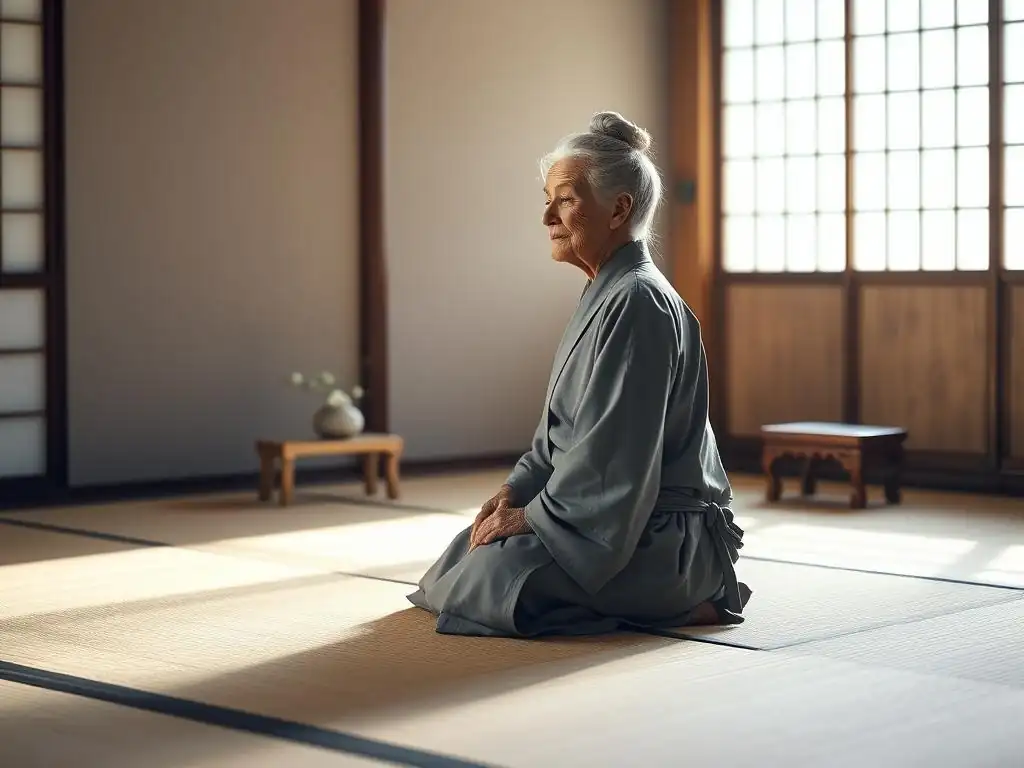
Zazen, or seated meditation, is the core practice of Zen Buddhism and a foundational Japanese mindfulness stress reduction technique. It typically involves sitting in a specific posture, focusing on the breath, and observing thoughts and sensations without engaging with them. The goal is not to empty the mind, but to develop clarity, presence, and equanimity. Regular Zazen practice trains the mind to be less reactive to internal and external stimuli, fostering a calm center amidst life's turbulence.
Scientific studies have explored the effects of Zazen on the brain and body. Research indicates that consistent meditation can lead to changes in brain structure related to attention and emotion regulation, such as increased gray matter in areas like the prefrontal cortex. Participants in mindfulness meditation programs, including Zazen, often report significant reductions in symptoms of anxiety and depression. For example, some studies have shown a reduction in reported stress levels by an average of 25% after an 8-week mindfulness course incorporating Zazen elements.
Zazen Techniques: Posture, Breathing, and Focus
Proper posture is essential in Zazen to promote alertness and stability. The most common posture is the full lotus or half-lotus position on a cushion (zafu), but sitting on a bench or chair with the back straight is also acceptable. The hands are typically held in a specific mudra (position), such as the cosmic mudra (hokkaijoin). The spine should be erect but relaxed, shoulders dropped, and gaze softly directed downwards. This physical stillness supports mental calm and focus.
Breathing in Zazen is natural and unforced. The focus is often placed on the rise and fall of the abdomen or the sensation of air entering and leaving the nostrils. Some methods involve counting breaths, while others simply observe the breath as it is. When thoughts arise – which they inevitably will – the practice is to simply notice them without judgment and gently return the attention to the breath. This repeated act of returning focus is the core training, building mental discipline and presence.
Benefits of Zazen: Reducing Anxiety and Enhancing Mindfulness
The practice of Zazen offers numerous mental and physical benefits. On a physiological level, it has been shown to lower heart rate and blood pressure, reducing the physical symptoms associated with stress and anxiety. It can also decrease levels of cortisol, the body's primary stress hormone. This biological impact contributes directly to a greater sense of calm and relaxation.
Psychologically, Zazen enhances mindfulness by training the ability to stay present and observe thoughts and emotions without being overwhelmed by them. This non-reactive awareness helps in decoupling from negative thought loops, common in anxiety and depression. Regular practice can improve concentration, emotional regulation, and self-awareness, leading to greater emotional stability and a more balanced perspective on challenges. For many, it's a powerful Japanese mindfulness stress reduction technique.
Integrating Zazen into Your Daily Routine
- Start small: Begin with just 5-10 minutes of practice each day.
- Find a quiet space: Choose a time and location where you won't be interrupted.
- Be consistent: Aim for daily practice, even if it's brief. Consistency is more important than duration.
- Use resources: Guided meditations or local Zen centers can provide support and instruction.
- Be patient: Progress in Zazen is gradual. Don't get discouraged by a wandering mind; simply return to the breath.
2. Mindfulness Through Tea Ceremony (Chanoyu): A Ritual of Presence
Chanoyu, the Japanese tea ceremony, is far more than just drinking tea; it is a highly ritualized practice steeped in mindfulness, aesthetics, and philosophy. Every movement, from purifying the utensils to serving and drinking the tea, is performed with deliberate attention and grace. The ceremony embodies the principles of harmony (Wa), respect (Kei), purity (Sei), and tranquility (Jaku), creating an atmosphere of deep presence and connection between host and guest. This intricate dance of attention makes it a powerful, albeit formal, Japanese mindfulness stress reduction technique.
Participating in or observing Chanoyu requires complete immersion in the present moment. The focus is entirely on the here and now – the sound of the water, the aroma of the tea, the feel of the bowl, the taste of the matcha. This intense focus on sensory details and ritualistic actions quiets the mental chatter and provides a profound sense of calm and grounding. The slow, deliberate pace of the ceremony offers a stark contrast to the rushed nature of modern life, serving as a potent antidote to stress and anxiety by anchoring participants firmly in the present.
Principles of Chanoyu: Harmony, Respect, Purity, and Tranquility
The four core principles of Chanoyu provide a framework for mindful living. Harmony (Wa) refers to the balance between people, nature, and the elements within the tea room. Respect (Kei) is shown through genuine consideration for the host, guests, and the tools used in the ceremony. Purity (Sei) signifies cleanliness of body and mind, a state of being unburdened by worldly thoughts. Tranquility (Jaku) is the ultimate goal – a state of peacefulness achieved through the practice of the other principles.
These principles extend beyond the tea room, offering a philosophy for cultivating mindfulness and resilience in daily life. Practicing harmony encourages balanced relationships and environmental awareness. Cultivating respect fosters empathy and understanding. Striving for purity promotes clarity of mind and intention. And seeking tranquility through these practices leads to greater inner peace and the ability to face challenges with a calm demeanor.
Chanoyu and Mindfulness: Reducing Stress
The structured yet flowing nature of Chanoyu provides an ideal environment for practicing mindfulness. By requiring precise, focused movements and full attention on each step, the ceremony naturally pulls the participant out of their head and into their body and the present moment. This absorption in the ritual acts as a powerful mental reset, interrupting stress cycles and promoting a state of relaxed alertness.
The aesthetic beauty of the tea room, the carefully selected utensils, and the meditative process of whisking the matcha all contribute to a calming sensory experience. This deliberate engagement of the senses, combined with the slow pace and ritualistic structure, helps to quiet the sympathetic nervous system, reducing the physiological symptoms of stress. For those seeking Japanese mindfulness stress reduction techniques, the tea ceremony offers a unique, immersive path.
Learning About Chanoyu: Experiencing a Tea Ceremony
Learning about Chanoyu typically begins with experiencing a formal tea ceremony, often hosted by a practitioner. This allows one to observe the ritual firsthand and appreciate the depth of the practice. Many cultural centers or tea schools offer introductory sessions for beginners.
For those interested in deeper study, learning the actual preparation and hosting of a tea ceremony involves years of dedicated practice under a qualified teacher. However, simply understanding the philosophy and principles behind Chanoyu, and perhaps incorporating elements like mindful tea preparation into one's own routine, can offer significant benefits for stress reduction and cultivating presence.
3. Forest Bathing (Shinrin-Yoku): Connecting with Nature
Shinrin-Yoku, often translated as "forest bathing," is the practice of spending time in a forest or natural environment to enhance health and well-being. It is not strenuous hiking or jogging, but rather a slow, mindful immersion in the atmosphere of the forest, engaging all senses. Developed in Japan in the 1980s, it is recognized as a preventative health measure and a form of natural therapy for stress reduction. This simple yet profound practice is considered a key Japanese mindfulness stress reduction technique.
The core idea is to simply be in nature, allowing the natural environment to soothe and restore. This might involve sitting quietly, walking slowly and observing the surroundings, or simply breathing deeply the forest air. The emphasis is on presence and connection, allowing the calming influence of the natural world to wash over you, reducing mental clutter and promoting a state of relaxed awareness.
Science Behind Shinrin-Yoku: Phytoncides and Stress Reduction
Scientific research has begun to explore the physiological effects of Shinrin-Yoku. One key finding relates to phytoncides, antimicrobial volatile organic compounds emitted by trees, particularly conifers. When inhaled, these substances are believed to have beneficial effects on the human immune system, such as increasing the activity of natural killer (NK) cells, which help fight off infections and cancer.
Beyond immune support, studies have consistently shown that spending time in forests can significantly reduce stress hormones like cortisol, decrease blood pressure and heart rate, and lower sympathetic nervous system activity (associated with the stress response) while increasing parasympathetic nervous system activity (associated with relaxation). For example, a study found that participants who spent time in a forest had cortisol levels approximately 12% lower than those who spent time in an urban environment. This scientific backing highlights Shinrin-Yoku's efficacy as a natural Japanese mindfulness stress reduction technique.
Engaging in Shinrin-Yoku: Practical Tips
Engaging in Shinrin-Yoku is accessible to most people. The key is intentionality and slowing down.
- Choose a natural setting: A forest, woodland, or even a park with plenty of trees will work.
- Leave technology behind: Put away your phone and camera. The goal is to disconnect from distractions.
- Wander aimlessly: There's no destination or required distance. Let your body guide you.
- Use your senses: Pay attention to the sights, sounds, smells, textures, and even tastes (like fresh air) of the forest.
- Find a spot to sit: Take time to simply sit and observe the life around you.
- Breathe deeply: Inhale the forest air slowly and fully.
Long-Term Benefits of Forest Bathing
Regular practice of Shinrin-Yoku has been linked to numerous long-term health benefits. Beyond immediate stress reduction, consistent exposure to nature can improve mood, increase energy levels, and enhance sleep quality. It has also been associated with improved focus and cognitive function.
Furthermore, by strengthening the immune system and reducing chronic stress, Shinrin-Yoku contributes to overall physical and mental resilience. It fosters a deeper connection with the natural world, which can provide a sense of peace and perspective, helping individuals cope with life's challenges more effectively. As a Japanese mindfulness stress reduction technique, its long-term impact on well-being is increasingly recognized.
4. Japanese Calligraphy (Shodo): Finding Flow Through Art
Shodo (書道), the way of writing, is the art of Japanese calligraphy. It involves using a brush, ink, and paper to create characters (kanji and kana) with intention, precision, and aesthetic grace. While it is an artistic discipline, Shodo is also a meditative practice that requires deep concentration and control, making it an effective Japanese mindfulness stress reduction technique. The fluid movements of the brush and the focus required to create each stroke cultivate a state of flow.
Practicing Shodo demands presence in the moment. Each stroke is unique and cannot be easily corrected, encouraging deliberate action and acceptance of imperfection. The process of grinding the ink, preparing the paper, and executing the strokes requires full attention, effectively quieting the busy mind. This focused engagement provides a respite from stress and worry, promoting a sense of calm and centeredness through creative expression.
The Art of Shodo: Brushstrokes, Ink, and Mental Discipline
Shodo is characterized by its dynamic brushstrokes, varying thickness, speed, and pressure to convey meaning and emotion. The quality of the ink (sumi) and paper (washi) are also crucial. The process begins with grinding the ink stick on an inkstone with water, a meditative act in itself. Holding the brush correctly and controlling the flow of ink requires significant physical and mental discipline.
This discipline translates directly into mental training. The need for focus, patience, and precise execution strengthens concentration and self-control. The acceptance that each character is a unique expression, not striving for mechanical perfection but expressive vitality, mirrors the Wabi-Sabi principle of finding beauty in imperfection. This aspect of Shodo fosters self-compassion and reduces the pressure to be flawless, contributing to mental resilience.
Shodo: Improving Focus and Reducing Stress
The intense concentration required for Shodo naturally improves focus and attention span. By directing all energy towards the brush, ink, and paper, practitioners train their minds to stay present and minimize distractions. This enhanced ability to focus is beneficial in all areas of life and is a key component of mindfulness.
As a Japanese mindfulness stress reduction technique, Shodo's repetitive, rhythmic movements and the requirement for focused attention induce a meditative state. The act of creation itself can be deeply calming and satisfying. The tangible result – a finished piece of calligraphy – can also provide a sense of accomplishment and self-expression, further contributing to reduced stress and improved mood.
Resources for Learning Shodo
Learning Shodo typically requires instruction from a qualified teacher to understand the proper techniques and philosophy. Many cultural centers, community colleges, or private studios offer Shodo classes. Online resources and books can provide introductory information and guidance on materials.
While mastering Shodo takes years, even basic practice can offer significant benefits for focus and stress reduction. Acquiring a simple brush, ink, and paper allows anyone to begin exploring this meditative art form and experience its calming effects firsthand.
5. Japanese Gardens (Nihon Teien): Contemplation and Serenity
Japanese gardens (Nihon Teien) are meticulously designed landscapes intended to evoke serenity, contemplation, and a connection with nature. They are not merely decorative spaces but are created with specific aesthetic and philosophical principles that encourage mindfulness and stress reduction. Often incorporating elements like rocks, water, moss, trees, and carefully raked gravel, these gardens are miniature representations of natural landscapes, designed to be viewed and experienced meditatively.
The design of Japanese gardens is rooted in Zen philosophy and the appreciation of nature's beauty in its most essential forms. They are intended to provide a peaceful sanctuary, a space for quiet reflection and contemplation. Simply being present in a Japanese garden, observing its elements, and appreciating its design can induce a state of calm and presence, making them unique spaces for practicing Japanese mindfulness stress reduction techniques.
Design Principles of Japanese Gardens: Symbolism and Tranquility
Japanese gardens adhere to several key design principles aimed at creating a sense of tranquility and facilitating contemplation. Asymmetry is preferred over symmetry, mimicking the natural world. Borrowed scenery (shakkei) integrates the surrounding landscape into the garden's design, extending its sense of space and connection to the wider environment. Symbolism is prevalent; for example, rocks can represent mountains or islands, and ponds or streams represent water bodies.
The arrangement of elements is carefully considered to create balance, harmony, and a sense of natural flow, even in abstract rock gardens (Karesansui). Paths are often winding, encouraging slow movement and observation. The focus on simplicity, natural materials, and the interplay of light and shadow contributes to an atmosphere of peacefulness that encourages visitors to slow down, breathe deeply, and engage mindfully with their surroundings.
Using Japanese Gardens for Meditation and Stress Relief
Japanese gardens provide an ideal setting for walking meditation or seated contemplation. Walking slowly along the paths, paying attention to the textures, sounds (like flowing water), and visual details of the garden, becomes a moving mindfulness practice. This allows the mind to settle and become present, reducing the grip of stressful thoughts.
Alternatively, finding a quiet spot to sit and simply observe the garden can be deeply restorative. Watching the play of light on leaves, the subtle movement of water, or the stillness of the rocks encourages a state of relaxed awareness. This passive engagement with the calming environment helps to lower stress levels, clear the mind, and foster a sense of inner peace. It is a passive yet effective form of Japanese mindfulness stress reduction technique facilitated by the environment itself.
Visiting Japanese Gardens: Key Features and Considerations
When visiting a Japanese garden with the intention of stress relief or contemplation, consider these features:
- Karesansui (Zen Rock Gardens): Dry landscape gardens of rocks, sand, and gravel, designed for seated contemplation. Observe the patterns and arrangements.
- Pond Gardens: Feature a pond with islands, bridges, and carefully placed plants. Walk around the pond or sit by the water's edge.
- Tea Gardens (Roji): Simple, rustic paths leading to a tea house, designed to prepare the mind for the tea ceremony. Notice the stepping stones and subtle details.
- Observe Seasonality: Japanese gardens are designed to be beautiful year-round, with each season offering unique aesthetics for appreciation.
- Minimize Distraction: Leave your phone in your pocket and try to experience the garden without conversation or rushing.
Integrating Japanese Therapies into Your Mental Health Routine
Creating a Personalized Mental Resilience Plan
Successfully incorporating traditional Japanese therapies for stress reduction into your life requires thoughtful planning. Begin by assessing your current stressors and identifying which practices resonate most with you. Do you crave quiet stillness? Zazen might be a good starting point. Do you feel overwhelmed by the urban environment? Shinrin-Yoku could be beneficial. Are you drawn to ritual or creative expression? Chanoyu or Shodo might be appealing. A personalized plan acknowledges that not every technique works for everyone, and the most effective approach is one tailored to your individual needs and preferences.
Once you've identified potential practices, consider how they can realistically fit into your schedule. Start small, perhaps dedicating just 10-15 minutes a day to one or two techniques. For instance, you might begin with 10 minutes of Zazen in the morning or a short Shinrin-Yoku walk during your lunch break. Gradually increase the duration or frequency as you become more comfortable. Experiment with different times of day to see what feels most natural and sustainable, building these Japanese mindfulness stress reduction techniques into your daily rhythm.
Combining Traditional Practices with Modern Therapy
Traditional Japanese practices are not intended to replace professional mental health care but can serve as powerful complementary tools. For individuals managing conditions like anxiety, depression, or trauma, Western therapies such as Cognitive Behavioral Therapy (CBT) or psychotherapy provide essential frameworks for understanding the root causes of distress and developing coping strategies. Integrating practices like Zazen or Shinrin-Yoku can significantly enhance the effectiveness of these therapies by reducing physiological stress, improving emotional regulation, and fostering greater self-awareness, which can be discussed and processed within a therapeutic setting.
Think of it as building a comprehensive support system. Your therapist can help you navigate complex emotional landscapes and provide clinical interventions, while Japanese mindfulness stress reduction techniques offer practical, experiential methods for cultivating calm, presence, and resilience on a daily basis. Discussing your interest in these practices with your therapist can also be beneficial; they might offer insights into how these techniques can specifically support your therapeutic goals and overall mental well-being journey.
Maintaining Consistency and Overcoming Challenges
Consistency is key to reaping the full benefits of Japanese mindfulness stress reduction techniques. Like any skill, building mental resilience through these practices requires regular effort. It's more effective to practice for a short time daily than for a long time sporadically. However, maintaining a consistent routine can be challenging amidst busy lives and fluctuating motivation. It's important to be kind to yourself and recognize that perfection isn't the goal; simply returning to the practice after missing a session is part of the process.
Anticipate potential challenges, such as finding time, dealing with distractions, or feeling like you're "not doing it right." For instance, if finding a quiet space for Zazen is difficult, explore alternative times or locations. If your mind wanders during meditation, gently guide it back without judgment. If you feel resistant to a practice, reflect on why and consider trying a different technique. Connecting with others who practice these methods, whether online or in person, can also provide support and encouragement, helping you stay motivated and overcome obstacles on your path to building mental resilience through these Japanese approaches.
Conclusion: Embracing Japanese Wisdom for Mental Wellbeing
The Power of Japanese Mindfulness
The traditional Japanese therapies explored – from the seated stillness of Zazen and the ritualistic flow of Chanoyu to the restorative embrace of Shinrin-Yoku, the focused artistry of Shodo, and the contemplative serenity of Nihon Teien – all share a common thread: the cultivation of mindfulness. These practices, deeply rooted in Japanese culture and philosophy, offer diverse yet interconnected pathways to enhance presence, reduce stress, and build mental resilience. They provide tangible methods for slowing down, engaging with the present moment, and finding peace amidst the complexities of modern life.
Embracing these Japanese mindfulness stress reduction techniques offers a holistic approach to mental well-being. They address not just the symptoms of stress but also help to cultivate inner qualities such as patience, acceptance, concentration, and a deeper connection with oneself and the world. By integrating these time-tested practices, individuals can equip themselves with powerful tools to navigate challenges, foster emotional balance, and cultivate a resilient mind capable of weathering life's storms with grace and strength.
Continuing Your Journey Towards Mental Resilience
Building mental resilience is an ongoing journey, not a destination. The exploration of traditional Japanese therapies is a step towards discovering practices that can support you long-term. As you incorporate these techniques into your life, remain open to learning and adaptation. What works best for you may evolve over time, and exploring different Japanese approaches to mindfulness and stress reduction can keep your practice fresh and engaging.
Remember that resilience is built incrementally, through consistent effort and self-compassion. Celebrate small victories, be patient with setbacks, and appreciate the process of growth. By drawing upon the profound wisdom embedded in these Japanese traditions, you are actively investing in your mental well-being, cultivating a stronger, more peaceful, and more resilient self, ready to face the future with greater confidence and equanimity.
Frequently Asked Questions
What are some traditional Japanese therapies mentioned for building mental resilience?
The article likely discusses therapies like Zen Meditation (Zazen), Shodo (Calligraphy), and Shinrin-Yoku (Forest Bathing) as key techniques for cultivating mindfulness. These practices are central to Japanese mindfulness stress reduction techniques.
How does Zen Meditation (Zazen) contribute to mental well-being?
Zazen focuses on present moment awareness through seated meditation. It aims to quiet the mind and develop inner peace and resilience against stress.
What is Shodo (Japanese Calligraphy), and how does it reduce stress?
Shodo is the art of beautiful handwriting using ink and a brush. The focused and deliberate movements required promote mindfulness and reduce anxiety by channeling energy.
What is Shinrin-Yoku (Forest Bathing), and what are its benefits?
Shinrin-Yoku involves immersing oneself in nature, specifically forests. It's believed to lower cortisol levels, boost the immune system, and improve mood.
Are these Japanese mindfulness techniques accessible to everyone, even without prior experience?
Yes, most of these techniques are easily accessible and can be learned through guided sessions or online resources. No prior experience is usually needed to start practicing them.
Final Reflection: Cultivating Inner Strength Through Traditional Japanese Therapies
The ancient wisdom of traditional Japanese therapies offers a powerful antidote to the pervasive stress of modern life. In a world increasingly characterized by anxiety and burnout, these practices—from the mindful movement of tai chi to the meditative focus of zazen—provide a tangible path towards building resilience and cultivating inner peace. Their enduring relevance is undeniable, offering a refreshing alternative to quick-fix solutions and emphasizing sustainable well-being.
The exploration of these techniques has profoundly impacted my understanding of mental health and the importance of incorporating mindful practices into daily life. These aren't merely fleeting trends; they represent a deep-rooted cultural understanding of the interconnectedness of mind, body, and spirit. The greatest weapon against stress is our ability to choose one thought over another.
– William James. This quote resonates deeply, highlighting the power of conscious choice and the role of mindful practices in shaping our internal landscape and fostering resilience in the face of adversity. The enduring legacy of these therapies speaks to their effectiveness and their ability to transcend cultural boundaries, offering a universal path to inner strength.
Consider how you might integrate even a small element of these practices into your own life. Perhaps a few minutes of mindful breathing each morning, a gentle tai chi flow in the evening, or simply taking a moment to appreciate the beauty of nature. You don't need to become a master; you simply need to begin. By embracing these ancient wisdoms, you are not only investing in your own well-being but also cultivating a deeper connection to yourself and the world around you. Let the journey towards resilience begin.
Unlock Your Inner Strength: Start Your Resilience Journey Today!
Thank you for taking the time to explore the world of traditional Japanese therapies and their power to build mental resilience. We hope you found valuable insights and inspiration within this article. Now it's time to put that knowledge into practice!
Here's how to begin your journey towards greater inner strength:
- Prioritize a daily practice: Choose one technique from the article – whether it's mindful breathing, forest bathing, or a gentle stretching routine – and commit to incorporating it into your daily life. Even 5 minutes a day can make a significant difference.
- Share your experience: Tell a friend or family member about a therapy that resonated with you. Sharing your newfound knowledge can inspire others and deepen your own understanding.
- Explore further: Consider researching additional resources on the specific therapy that most captivated you. Many online communities and local practitioners can offer further guidance and support.
What small step will you take today to cultivate greater resilience?