
Gaming and Your Brain: Exploring the Impact on Neuroplasticity


Welcome to Mind Care Guide, your compassionate companion on the journey to mental well-being.
Are you curious about how the digital world impacts your mind? We often hear about the downsides, but what if gaming could actually boost your brain's ability to adapt and learn? Dive into our exploration of how gaming boosts brain neuroplasticity and discover the surprising potential hidden within the virtual world. Prepare to have your perceptions challenged and your understanding of mental health expanded. Let's begin!
Gaming and Your Brain: Exploring the Impact on Neuroplasticity
- Introduction: Understanding the Link Between Gaming and Brain Plasticity
- How Gaming Affects Brain Structure and Function: A Neuroplasticity Perspective
- Gaming Boosts Brain Neuroplasticity: Evidence and Research
- Potential Benefits of Gaming for Mental Health: A Neuroplastic Approach
- The Dark Side of Gaming: Addressing Potential Negative Impacts on Brain Plasticity
- Optimizing Gaming for Neuroplasticity: Tips and Strategies
- Conclusion: Gaming, Neuroplasticity, and the Future of Mental Well-being
-
Frequently Asked Questions
- What is neuroplasticity and why is it important?
- How does gaming potentially boost brain neuroplasticity, according to Mind Care Guide?
- What types of games are most likely to enhance neuroplasticity?
- Are there any potential downsides to gaming in relation to mental well-being, as discussed by Mind Care Guide?
- Where can I find more information and support for mental well-being, as offered by Mind Care Guide?
- Final Reflection: The Evolving Landscape of Neuroplasticity and Play
- Unlock Your Brain's Potential: Level Up Your Cognitive Fitness!
Introduction: Understanding the Link Between Gaming and Brain Plasticity
What is Neuroplasticity and Why Does it Matter for Mental Well-being?
Neuroplasticity is the brain's remarkable ability to reorganize itself throughout life – forming new neural connections in response to learning, experiences, or even injury. Think of it as the brain's inherent flexibility, allowing it to adapt and change its structure and function. This dynamic process is fundamental to everything we do, from learning a new skill or language to recovering from a stroke or managing mental health conditions. It's the biological basis for learning and memory, enabling us to acquire new information and retain it over time.
Why does this matter for mental well-being? A healthy, adaptable brain is better equipped to handle stress, regulate emotions, and maintain cognitive function as we age. Impaired neuroplasticity has been linked to various mental health challenges, including depression, anxiety, and cognitive decline. By understanding and potentially influencing neuroplasticity, we open doors to new strategies for improving cognitive resilience and supporting overall mental health. It's about nurturing the brain's capacity for positive change.
The Growing Interest in Gaming's Influence on the Brain
In recent years, there has been a significant surge in interest regarding how video games might influence the brain, particularly in the context of neuroplasticity. What was once viewed primarily as entertainment is now being explored by neuroscientists, psychologists, and even therapists as a potential tool for cognitive enhancement and rehabilitation. This shift is driven by observations that gaming often involves complex cognitive processes, including rapid decision-making, problem-solving, spatial navigation, and sustained attention.
The interactive nature of video games provides a unique and engaging environment that constantly challenges the player, potentially stimulating the formation and strengthening of neural pathways. Researchers are investigating whether the intense cognitive demands of certain game genres can trigger neuroplastic changes similar to those observed with traditional cognitive training exercises. This exploration seeks to understand not just the risks associated with excessive gaming but also the potential benefits, leading to a more nuanced view of gaming's role in brain health and mental well-being.
How Gaming Affects Brain Structure and Function: A Neuroplasticity Perspective
Gaming's Impact on Cognitive Skills: Enhancing Attention, Memory, and Problem-Solving
Gaming, particularly certain genres, has been shown to significantly impact core cognitive skills. Action games, for instance, often demand split-second decisions and tracking multiple elements simultaneously, which can enhance selective attention and the ability to process information quickly. Studies involving participants playing action video games for a set period, such as ten hours over a few weeks, have indicated improvements in visual processing speed and the capacity to switch attention between tasks more effectively compared to control groups.
Beyond attention, gaming can also influence working memory and problem-solving abilities. Strategy games, requiring players to plan ahead, manage resources, and adapt to changing circumstances, engage higher-level cognitive functions. Research suggests that playing complex strategy games can lead to improvements in executive functions, including planning, organization, and flexible thinking. These findings highlight how the structured challenges presented in games can act as a form of cognitive exercise, potentially leading to demonstrable enhancements in various mental faculties.
Specific Brain Regions Affected by Gaming: The Prefrontal Cortex, Hippocampus, and Cerebellum
Research using neuroimaging techniques like fMRI has identified specific brain regions that show altered activity or structure in individuals who regularly play video games. The prefrontal cortex, crucial for executive functions such as decision-making, planning, and working memory, often shows increased activity. This is particularly true in strategy and puzzle games that require complex cognitive processing. For example, studies have observed enhanced connectivity within prefrontal networks in experienced gamers.
The hippocampus, a region vital for memory formation and spatial navigation, is also frequently implicated. Games involving exploring large, complex virtual environments can stimulate the hippocampus, similar to how navigating in the real world does. Some studies have even reported increased gray matter volume in the hippocampus of regular gamers compared to non-gamers. The cerebellum, traditionally known for motor control, is also involved in cognitive processes, including attention and language. Games requiring precise timing and motor coordination can influence cerebellar activity and structure, further illustrating how gaming boosts brain neuroplasticity across multiple key areas.
Video Games as a Tool for Cognitive Enhancement and Brain Training
Given their ability to engage multiple cognitive functions simultaneously, video games are increasingly being explored as tools for cognitive enhancement and brain training. Unlike generic brain training apps that may focus on isolated tasks, many video games offer integrated challenges that simulate real-world problem-solving and decision-making scenarios. This ecological validity makes them potentially more engaging and effective for promoting lasting cognitive changes.
Several commercial and research-backed games are being developed specifically with cognitive enhancement in mind. These games target areas like processing speed, memory capacity, and executive control through adaptive difficulty levels and engaging gameplay. While the efficacy of commercial "brain training" games is still debated, games designed based on neuroscience principles show promise. The interactive nature and inherent reward systems of video games can make cognitive training less tedious and more motivating, potentially leading to greater adherence and better outcomes in boosting brain neuroplasticity.
Gaming Boosts Brain Neuroplasticity: Evidence and Research
Studies Showing Positive Effects of Gaming on Brain Plasticity
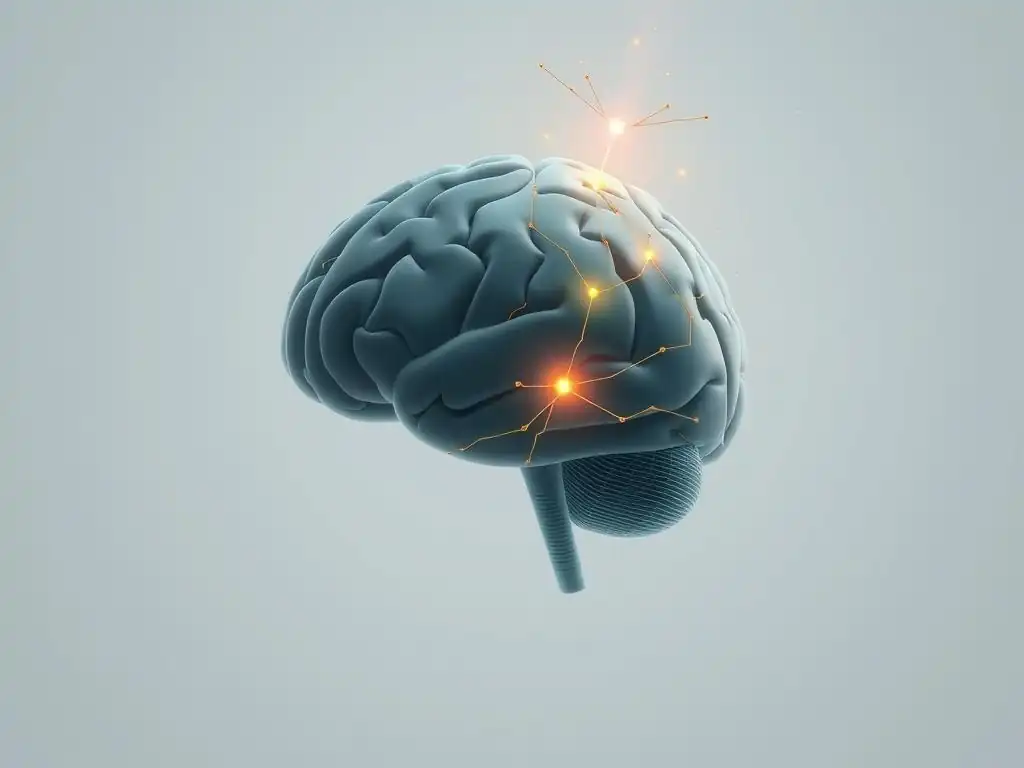
Numerous studies provide evidence supporting the idea that gaming boosts brain neuroplasticity. For example, a study published in Nature found that playing a specific 3D video game for a limited time each day increased gray matter in regions of the brain associated with spatial navigation, memory formation, and strategic planning, such as the hippocampus and prefrontal cortex. These changes were not observed in a control group or a group playing a 2D game.
Another line of research focuses on the impact of action video games. Studies have demonstrated that playing fast-paced action games can improve contrast sensitivity in vision, enhance multitasking abilities, and quicken reaction times. These improvements are attributed to neuroplastic changes in visual and attentional networks.
For instance, research from the University of Rochester showed that action gamers could make correct decisions faster than non-gamers and were better at tracking multiple moving objects, suggesting enhanced processing efficiency linked to plastic adaptations in the brain. This body of evidence strongly indicates that engaging with video games can indeed lead to measurable and positive structural and functional changes in the brain, confirming that gaming boosts brain neuroplasticity.
Types of Games and Their Specific Neuroplastic Effects: Action Games, Strategy Games, and Rhythm Games
The type of game played significantly influences the specific neuroplastic effects observed. Action games, characterized by rapid pace, complex visual stimuli, and the need for quick reflexes (e.g., first-person shooters, racing games), are particularly effective at improving attention, visual processing speed, and sensorimotor skills. They challenge the brain's ability to process information under pressure and make rapid decisions, leading to adaptations in sensory and motor cortices, as well as attentional networks.
Strategy games (e.g., real-time strategy, puzzle games), which demand planning, resource management, and abstract thinking, primarily impact the prefrontal cortex and parietal lobe, regions involved in executive functions, problem-solving, and spatial reasoning. Players must anticipate opponents' moves, manage complex systems, and adapt strategies, fostering plastic changes related to complex cognitive control.
Rhythm games, requiring precise timing and coordination between visual/auditory cues and motor responses (e.g., dance games, music games), enhance auditory-motor integration and timing mechanisms, potentially influencing cerebellar and basal ganglia circuits. Each genre offers a unique cognitive workout, illustrating how different forms of gaming boost brain neuroplasticity in distinct ways.
The Role of Dopamine and Reward Systems in Gaming-Induced Neuroplasticity
The brain's dopamine and reward systems play a crucial role in how gaming boosts brain neuroplasticity. Achieving goals, earning rewards, or progressing in a game triggers the release of dopamine, a neurotransmitter associated with pleasure, motivation, and learning. This dopaminergic activity reinforces the behaviors that led to the reward, making players more likely to repeat them. This reinforcement mechanism is fundamental to learning and skill acquisition and is a key driver of neuroplastic change.
When players successfully navigate a challenging level, solve a complex puzzle, or defeat an opponent, the reward pathway is activated. This positive feedback loop enhances synaptic plasticity, strengthening the neural connections involved in the successful actions and strategies. The anticipation of rewards can also increase dopamine levels, driving sustained engagement and motivation to overcome difficulties. This interplay between challenge, reward, and dopamine release creates a powerful environment for learning and adaptation, explaining why gaming can be so effective at inducing plastic changes in the brain's cognitive networks.
Potential Benefits of Gaming for Mental Health: A Neuroplastic Approach
Gaming as a Therapy for Cognitive Impairment: Stroke Rehabilitation, Alzheimer's Disease
Video games are showing promise as therapeutic tools for individuals with cognitive impairments, leveraging the principle that gaming boosts brain neuroplasticity. For stroke survivors, customized game-based therapies can provide engaging and repetitive exercises designed to retrain motor skills and cognitive functions affected by brain damage. For instance, games requiring players to move virtual objects using affected limbs can promote neuroplastic changes in motor cortex areas. Early trials have shown that patients using game-based rehabilitation may exhibit greater motivation and potentially better functional recovery outcomes compared to traditional methods.
In the context of Alzheimer's disease and mild cognitive impairment, games designed to challenge memory, attention, and executive functions are being explored. While not a cure, these cognitive games aim to maintain or slow the decline of cognitive abilities by stimulating brain activity and encouraging the formation of new connections. Research suggests that engaging in cognitively stimulating activities, including specific types of gaming, might help build cognitive reserve, potentially delaying the onset or mitigating the severity of symptoms. This application harnesses gaming's capacity to promote brain plasticity for therapeutic benefit.
Reducing Symptoms of Anxiety and Depression Through Gaming: The Neuroplasticity Connection
Beyond cognitive function, gaming may also offer benefits for mental health conditions like anxiety and depression, partly due to its influence on neuroplasticity and mood regulation pathways. Certain games, particularly those that are engaging and offer a sense of accomplishment, can provide a distraction from negative thought patterns and reduce rumination, a common symptom of depression. Multiplayer games can also foster social connection, combating feelings of isolation which are often associated with mood disorders.
From a neuroplasticity perspective, engaging in activities that provide positive reinforcement and social interaction can influence brain circuits involved in mood regulation, such as the prefrontal cortex and limbic system. Achieving goals in games and receiving positive feedback can boost self-esteem and a sense of competence, potentially counteracting feelings of helplessness. While gaming should not replace professional therapy, it can serve as a complementary activity that supports mental well-being by promoting positive emotional experiences and engaging relevant brain networks.
Using Video Games to Improve Focus and Attention in Individuals with ADHD
Individuals with Attention-Deficit/Hyperactivity Disorder (ADHD) often struggle with sustained attention, impulse control, and executive functions. Interestingly, certain video games, particularly those that require intense focus and rapid decision-making under pressure, have been explored as potential tools to help improve these very skills. The engaging and interactive nature of games can hold the attention of individuals with ADHD more effectively than traditional methods.
Games designed specifically for attention training utilize principles of neuroplasticity to target and strengthen the brain networks involved in focus and impulse control. These games often adapt in difficulty to keep players challenged but not overwhelmed, providing continuous feedback and rewards for maintaining attention and inhibiting impulsive responses. Preliminary studies using attention-training video games have shown promising results, with participants demonstrating improved sustained attention and reduced impulsivity in clinical assessments. This suggests that tailored gaming experiences can leverage the brain's plasticity to help individuals with ADHD develop better attentional control.
The Dark Side of Gaming: Addressing Potential Negative Impacts on Brain Plasticity
Gaming Addiction and its Effects on Brain Structure and Function
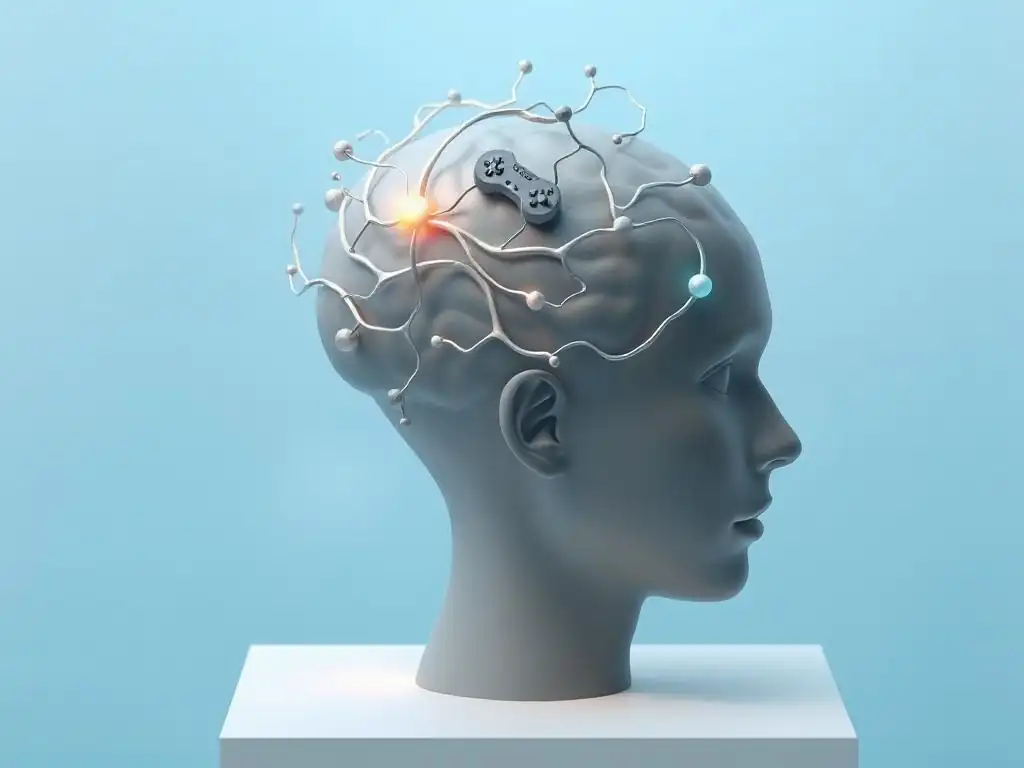
While gaming boosts brain neuroplasticity in beneficial ways under certain conditions, excessive or compulsive gaming can have negative consequences, particularly in the form of gaming addiction (Internet Gaming Disorder). This condition is characterized by a persistent or recurrent pattern of gaming behavior that results in significant impairment or distress. From a neuroplasticity standpoint, addiction involves maladaptive changes in brain reward pathways, particularly the dopamine system.
Chronic overstimulation of the reward system through excessive gaming can lead to desensitization, requiring more gaming to achieve the same level of pleasure. This can also impact areas of the prefrontal cortex responsible for impulse control and decision-making, potentially weakening the brain's ability to regulate gaming behavior. Studies comparing the brains of individuals with gaming addiction to non-addicted individuals have sometimes shown altered gray matter volume or connectivity in regions associated with reward, motivation, and executive control, highlighting the potential for negative neuroplastic adaptations.
The Impact of Violent Video Games on Aggression and Empathy: A Neuroplasticity Perspective
The debate surrounding the impact of violent video games on aggression and empathy is complex, but some research explores potential neuroplastic mechanisms. Repeated exposure to violent content, whether in games or other media, could theoretically lead to desensitization, reducing the brain's emotional response to violence. This might involve changes in areas like the amygdala (involved in processing emotions) or the prefrontal cortex (involved in regulating emotional responses).
Some studies have suggested that playing violent video games might, in the short term, reduce activity in brain regions associated with empathy. However, the long-term effects and whether these changes are permanent or translate into real-world aggressive behavior are subjects of ongoing research and considerable debate. It's crucial to note that many factors contribute to aggressive behavior, and the influence of violent video games is likely complex and varies greatly among individuals. An empathetic tone is necessary here, acknowledging the concerns while relying on current, often inconclusive, research findings regarding lasting neuroplastic changes related specifically to aggression.
Balancing Gaming with Other Activities for Optimal Brain Health
For optimal brain health and well-being, it is essential to balance gaming with a variety of other activities. While gaming boosts brain neuroplasticity in specific ways, a holistic approach to brain health involves diverse experiences. Engaging in physical exercise, for example, is known to promote neurogenesis (the birth of new neurons) and improve overall brain function, particularly in areas related to memory and learning.
Social interaction is also vital; connecting with others stimulates different brain circuits and is crucial for emotional well-being. Learning new skills outside of gaming, whether it's playing a musical instrument, learning a new language, or mastering a craft, provides distinct cognitive challenges that promote different forms of neuroplasticity. Ensuring adequate sleep, maintaining a healthy diet, and managing stress are foundational pillars of brain health. Integrating gaming mindfully within a balanced lifestyle that includes these other brain-boosting activities is key to harnessing its potential benefits while mitigating risks.
Optimizing Gaming for Neuroplasticity: Tips and Strategies
Choosing the Right Games to Stimulate Brain Growth
Not all games are created equal when it comes to stimulating beneficial neuroplasticity. To optimize gaming for brain growth, consider choosing games that challenge a variety of cognitive functions. Games that require strategic thinking, problem-solving, spatial navigation, rapid decision-making, and learning complex systems are generally more likely to promote desirable neuroplastic changes.
Examples of genres that tend to be cognitively demanding include:
- Strategy Games: Real-time strategy (RTS), turn-based strategy, grand strategy.
- Puzzle Games: Logic puzzles, complex physics puzzles, escape rooms.
- Role-Playing Games (RPGs): Especially those with complex narratives, character management, and strategic combat.
- Simulation Games: Requiring resource management and complex system understanding.
- Certain Action/Adventure Games: Those involving exploration, puzzle-solving, and strategic combat, not just repetitive actions.
Look for games that offer novelty, increasing difficulty, and require active learning and adaptation. Reading reviews and descriptions can help identify games known for their cognitive depth.
Setting Healthy Gaming Habits: Time Management and Screen Time Limits
Even beneficial activities can become detrimental in excess. Setting healthy gaming habits is crucial for leveraging gaming's potential neuroplastic benefits without falling into unhealthy patterns. Establishing clear time limits for gaming sessions is a vital first step. This could mean dedicating a specific block of time each day or week and sticking to it.
Using timers or built-in console/PC features to track playtime can be helpful. It's also important to schedule gaming around other essential activities like work, school, exercise, social engagements, and sleep. Avoid gaming late at night, as screen time can disrupt sleep patterns, negatively impacting brain health and consolidation of neuroplastic changes. Consider taking regular breaks during longer gaming sessions to rest your eyes and move your body. Prioritizing balance ensures that gaming remains a positive influence on your brain and life.
Combining Gaming with Other Brain-Boosting Activities: Exercise, Meditation, and Learning
To maximize the benefits for brain health, integrate gaming as one part of a broader regimen that includes other proven brain-boosting activities. Physical exercise, particularly aerobic activity, significantly enhances blood flow to the brain, promotes neurogenesis, and improves cognitive function. Combining regular exercise with cognitively stimulating gaming provides a powerful dual approach.
Mindfulness and meditation practices have been shown to improve attention, emotional regulation, and reduce stress, all of which support healthy neuroplasticity. Even short daily meditation sessions can complement the cognitive challenges offered by gaming. Furthermore, actively engaging in learning new skills or knowledge outside of gaming – whether through reading, taking courses, or pursuing creative hobbies – challenges the brain in different ways, fostering diverse neural connections. Think of it as building a comprehensive brain fitness program where gaming plays a specific, beneficial role alongside other essential components.
Conclusion: Gaming, Neuroplasticity, and the Future of Mental Well-being
Summarizing the Evidence: Gaming's Potential to Enhance Brain Plasticity
The evidence base is growing, suggesting that gaming boosts brain neuroplasticity in tangible ways. Studies have shown that engaging with video games can lead to measurable changes in the structure and function of key brain regions involved in attention, memory, spatial navigation, and executive functions. Different game genres appear to stimulate distinct cognitive pathways, offering varied benefits. The interactive and rewarding nature of gaming provides a powerful environment for learning and adaptation, driven in part by the brain's dopamine system, which reinforces the formation of new neural connections.
From improving visual processing speed in action gamers to enhancing strategic thinking in players of complex strategy games, the potential for gaming to positively influence cognitive abilities through neuroplasticity is becoming increasingly clear. Furthermore, researchers are actively exploring how these neuroplastic effects can be harnessed for therapeutic purposes, offering new avenues for cognitive rehabilitation and support for individuals with conditions like stroke, cognitive impairment, and potentially even ADHD.
The Importance of Responsible Gaming for Long-Term Mental Health
While the potential benefits are exciting, it is crucial to emphasize the importance of responsible gaming for long-term mental health. Excessive or compulsive gaming carries risks, including the potential for addiction, negative impacts on mood, sleep disruption, and displacement of other essential life activities like social interaction, exercise, and work/school. Responsible gaming involves setting healthy boundaries, managing screen time effectively, and ensuring that gaming remains a balanced and enriching part of life, rather than a compulsive behavior.
Understanding the potential downsides allows individuals to make informed choices about their gaming habits. It's about enjoying the cognitive challenges and social aspects games can offer while being mindful of potential negative impacts on well-being. Approaching gaming with awareness and moderation is key to harnessing its potential benefits for brain health and ensuring it contributes positively to overall mental well-being.
Future Research Directions: Exploring the Full Potential of Gaming for Neuroplasticity
The field exploring the link between gaming and neuroplasticity is still relatively young, and much remains to be discovered. Future research is needed to better understand the specific types of games and play patterns that yield the most significant and lasting neuroplastic changes. More large-scale, longitudinal studies are required to track the long-term effects of gaming on brain structure and function across different age groups, from children and adolescents whose brains are still developing to older adults seeking to maintain cognitive vitality.
There is also significant potential for developing and validating therapeutic video games specifically designed to target the neuroplasticity underlying various neurological and psychiatric conditions. Research into personalized gaming interventions, tailored to individual cognitive profiles and therapeutic needs, could unlock new possibilities for mental health support. As technology advances, exploring the role of virtual reality and augmented reality in promoting neuroplasticity through immersive gaming experiences presents another exciting frontier. The future holds promise for leveraging gaming's power to boost brain neuroplasticity in innovative ways for the benefit of mental well-being.
Frequently Asked Questions
What is neuroplasticity and why is it important?
Neuroplasticity refers to the brain's ability to reorganize itself by forming new neural connections throughout life. This is crucial for learning, adaptation, and recovery from brain injuries.
How does gaming potentially boost brain neuroplasticity, according to Mind Care Guide?
Gaming provides complex and stimulating environments that challenge the brain. This can lead to increased neural connections and improved cognitive functions, thus boosting neuroplasticity.
What types of games are most likely to enhance neuroplasticity?
Games that require strategic thinking, problem-solving, and quick decision-making, such as strategy games and puzzle games, are believed to be the most effective for enhancing neuroplasticity.
Are there any potential downsides to gaming in relation to mental well-being, as discussed by Mind Care Guide?
While gaming can offer cognitive benefits, excessive gaming can lead to addiction, social isolation, and eye strain. It's important to maintain a healthy balance and practice responsible gaming habits.
Where can I find more information and support for mental well-being, as offered by Mind Care Guide?
Mind Care Guide provides a comprehensive online platform with articles, resources, and support for various mental health challenges. You can explore the website for further information and guidance.
Final Reflection: The Evolving Landscape of Neuroplasticity and Play
The impact of video games on brain function is no longer a niche topic; it's a rapidly evolving field with profound implications for our understanding of neuroplasticity and cognitive enhancement. The research presented here demonstrates that, contrary to popular misconceptions, engaging with video games can significantly stimulate brain plasticity, leading to improvements in cognitive skills, reaction time, and problem-solving abilities. This isn't about mindless entertainment; it's about harnessing the power of interactive experiences to reshape our brains for the better.
The ongoing influence of gaming on our cultural and social landscape is undeniable, extending far beyond simple entertainment. It's shaping how we learn, interact, and even perceive the world. The very act of mastering a complex game, navigating intricate virtual worlds, and collaborating with others online fosters crucial cognitive skills applicable to countless real-world scenarios. As we continue to explore the potential of this powerful medium, we must remember the importance of mindful engagement. Play is not frivolous; it is the highest form of research.
– Albert Einstein. This quote highlights the inherent value of playful exploration, a principle that applies equally to the world of video games and the broader pursuit of knowledge.
Consider the potential within your own reach. You have the power to leverage the benefits of gaming to enhance your cognitive abilities. Don't dismiss the potential of this powerful tool. Explore different game genres, challenge yourself with progressively difficult levels, and engage in collaborative gameplay to maximize the positive impact on your brain's plasticity. The future of cognitive enhancement may well lie, in part, within the pixels of your screen. Embrace the opportunity to learn, grow, and reshape your mind through the power of play.
Unlock Your Brain's Potential: Level Up Your Cognitive Fitness!
Thanks for exploring the fascinating world of gaming and neuroplasticity with us! You've just uncovered powerful insights into how games can shape your brain. Now it's time to put that knowledge into action.
- Prioritize mindful gaming: Choose games that challenge your cognitive skills and track your progress to see how your brain adapts. This is your key to harnessing gaming's power for positive change.
- Share your gaming brainpower insights: Discuss this article with friends and family – spark a conversation about how gaming impacts our minds!
- Explore brain-boosting games: Research different game genres known for their cognitive benefits and try out some new titles that pique your interest.
Ready to level up your cognitive fitness? What brain-boosting game will you try next?