
Unlocking Potential: How Brain Plasticity Empowers Change


Welcome to Mind Care Guide, a place dedicated to nurturing your mental well-being.
Ever felt stuck, like your mental landscape is unchangeable? We're here to tell you it doesn't have to be. Dive into our comprehensive guide to understanding brain plasticity and discover how it can be a powerful force for positive change in your mental health. Explore how this remarkable ability of your brain can unlock new pathways and reshape your emotional well-being. Ready to learn how?
Unlocking Potential: How Brain Plasticity Empowers Change
- Introduction to Brain Plasticity and Mental Well-being
- What is Brain Plasticity? Rewiring Your Brain for Mental Health
- Brain Plasticity and its Impact on Mental Health Challenges
- How to Harness Brain Plasticity for Mental Health Change
- Practical Strategies for Implementing Brain Plasticity Principles
- The Science Behind Brain Plasticity and Mental Health Recovery
- Overcoming Challenges in Harnessing Brain Plasticity
- Case Studies: Real-Life Examples of Brain Plasticity in Action
- Future Directions in Brain Plasticity Research and Mental Health
- Conclusion: Embracing Brain Plasticity for a Healthier Mind
-
Frequently Asked Questions
- What exactly is brain plasticity, and how does it relate to mental health?
- How can understanding brain plasticity help me manage my mental health challenges?
- What kind of activities or therapies are most effective for leveraging brain plasticity to improve mental well-being?
- Is brain plasticity a limited process, or can it continue throughout my lifespan?
- How quickly can I expect to see results from interventions designed to harness brain plasticity for mental health improvement?
- Final Reflection: The Ever-Evolving Mind and the Path to Wellbeing
- Ignite Your Brain's Potential: Take Action Now!
Introduction to Brain Plasticity and Mental Well-being
Understanding the Neuroscience of Brain Plasticity
For decades, the prevailing scientific view held that the adult brain was largely fixed, a static structure whose development ceased after a certain age. However, revolutionary advancements in neuroscience have shattered this long-held belief, revealing the brain as a remarkably dynamic organ capable of continuous change and adaptation throughout life. This incredible capacity is known as brain plasticity, or neuroplasticity.
It refers to the brain's ability to reorganize itself by forming new neural connections and pathways. This isn't just about childhood development; it's a lifelong process occurring in response to learning, experience, and even injury. Understanding the underlying neuroscience involves exploring how neurons, the brain's fundamental building blocks, can alter their structure and function, strengthening or weakening connections, and even generating new cells in certain areas like the hippocampus.
This adaptability is crucial because it means our brains are not hardwired in an unchangeable way. Every new skill learned, every memory formed, and every experience processed physically alters the brain's structure and function to some extent. For example, research using fMRI (functional magnetic resonance imaging) has shown that learning a new language or skill can increase the density of gray matter in specific brain regions involved in those tasks, demonstrating a tangible physical change.
Similarly, studies on taxi drivers in London famously showed an enlarged hippocampus, a brain area critical for spatial memory, likely due to their extensive navigation experience. These examples highlight that the brain is constantly sculpting itself based on how we use it, a fundamental principle behind the potential for brain plasticity mental health change.
The Link Between Brain Plasticity and Mental Health
The profound implications of brain plasticity extend directly to mental health and well-being. If the brain can change in response to experience, it follows that experiences related to mental health challenges, such as chronic stress, trauma, or negative thought patterns, can also shape neural pathways. Conversely, positive experiences, therapeutic interventions, and intentional practices can potentially reshape these pathways in beneficial ways, facilitating recovery and improved mental health.
This is where the concept of brain plasticity mental health change becomes particularly powerful and hopeful. It suggests that conditions previously thought to be static or purely chemical imbalances might also involve malleable neural circuits that can be influenced and modified.
Consider conditions like depression or anxiety, which are often associated with specific patterns of brain activity and connectivity. Neuroimaging studies have indicated differences in brain structure and function in individuals experiencing these conditions compared to healthy controls, such as altered activity in the prefrontal cortex (involved in decision-making and emotional regulation) or the amygdala (involved in processing fear). The good news is that neuroplasticity offers a mechanism by which these patterns are not fixed.
Therapeutic approaches like cognitive behavioral therapy (CBT) or mindfulness, for instance, are believed to work, in part, by helping individuals build new, healthier neural pathways and weaken less desirable ones. This capacity for the brain to rewire itself provides a biological basis for hope and recovery in mental health, underscoring the dynamic relationship between brain plasticity and mental health change.
What is Brain Plasticity? Rewiring Your Brain for Mental Health
Defining Brain Plasticity: The Brain's Adaptability
Brain plasticity, or neuroplasticity, is the intrinsic capacity of the brain to change and adapt its structure and function throughout an individual's life. This isn't merely about growth in childhood; it's a continuous process occurring at various levels, from microscopic changes in individual neurons to larger-scale changes in brain regions. At its core, it's the brain's ability to reorganize itself by forming new neural connections and breaking down old ones.
Think of it like a landscape that can be constantly reshaped by rivers carving new paths or existing paths becoming wider or narrower. This adaptability is fundamental to learning, memory, and recovery from brain injury, and it forms the biological basis for how we can pursue brain plasticity mental health change.
This definition emphasizes that the brain is not a rigid, predetermined structure. Instead, it is highly responsive to environmental stimuli, experiences, thoughts, and behaviors. When we learn something new, practice a skill, or even change a habit, we are actively engaging the mechanisms of neuroplasticity.
This involves changes at the synaptic level—the junctions between neurons where communication occurs. Synapses can strengthen or weaken, and new ones can form, altering the efficiency and pathways of neural communication. This remarkable adaptability means that the brain is constantly being 'rewired' based on what we do and experience, offering a powerful avenue for influencing mental well-being.
Neuroplasticity: How the Brain Changes Over Time
Neuroplasticity describes the mechanisms by which the brain undergoes physical and functional changes over time. These changes occur at multiple scales. At the cellular level, neurons can alter their morphology, changing the shape and complexity of their dendrites (structures that receive signals) and axons (structures that transmit signals). Synaptic plasticity, perhaps the most studied form, involves changes in the strength and number of connections between neurons.
When two neurons are repeatedly active together, the connection between them can strengthen, a principle often summarized as "neurons that fire together, wire together." Conversely, connections can weaken if neurons are rarely active together. This is the physical process underpinning learning and memory formation.
Beyond the synaptic level, neuroplasticity also involves neurogenesis, the generation of new neurons, primarily in the hippocampus and potentially other areas, though the extent in the adult human brain is still an active area of research. Glial cells, which support neurons, also play a vital role, influencing synaptic function and contributing to the brain's overall adaptability.
The constant interplay of these processes allows the brain to adapt to new demands, compensate for injury, and learn from experience. Understanding how the brain changes provides the foundation for developing strategies aimed at promoting brain plasticity for mental health change, recognizing that our brains are equipped with the inherent ability to adapt and heal.
Types of Brain Plasticity: Structural and Functional
Brain plasticity is broadly categorized into two main types: structural plasticity and functional plasticity. Structural plasticity refers to physical changes in the brain's structure, such as changes in the size of brain regions, the thickness of the cortex, the density of gray matter, or the formation of new synapses and neurons. For example, studies have shown that learning complex skills like juggling can lead to temporary increases in gray matter in areas related to visual-motor coordination.
Similarly, engaging in regular aerobic exercise has been associated with increased volume in the hippocampus. These are tangible, physical alterations to the brain's architecture.
Functional plasticity, on the other hand, refers to the brain's ability to change the way it functions. This includes changes in the strength of synaptic connections, the efficiency of neural pathways, and the reorganization of brain activity. If one part of the brain is damaged, other parts can sometimes take over its functions, demonstrating a form of functional reorganization.
Learning a new language, for instance, involves both structural changes (like increased gray matter density) and functional changes (like altered patterns of activity when processing language). Both structural and functional plasticity are critical for the brain's overall adaptability and are the targets of interventions aimed at promoting brain plasticity mental health change. They work hand-in-hand to allow the brain to learn, adapt, and recover.
Brain Plasticity and its Impact on Mental Health Challenges
Brain Plasticity for Anxiety: Reducing Fear Responses
Anxiety disorders are often characterized by hyperactive fear responses and altered processing in brain regions like the amygdala and prefrontal cortex. The good news is that brain plasticity offers pathways for reducing these maladaptive patterns. Chronic anxiety can strengthen neural pathways associated with fear and worry, making the brain more prone to activating these responses.
However, therapeutic interventions leverage neuroplasticity to build new, less anxious responses. For example, exposure therapy, a common treatment for phobias and anxiety, works by gradually exposing an individual to feared stimuli in a safe environment. This repeated exposure, without the feared outcome, helps to weaken the existing fear associations in the amygdala and build new, non-fearful associations, essentially rewiring the brain's response to the stimulus.
Furthermore, practices like mindfulness meditation have been shown to impact brain regions involved in anxiety. Regular mindfulness practice has been associated with decreased gray matter density in the amygdala and increased density in the prefrontal cortex, which is involved in regulating emotions. A study published around 2013 found that just eight weeks of mindfulness training led to measurable changes in brain structure related to stress and anxiety. This demonstrates how intentional practices can leverage brain plasticity for mental health change, specifically by altering the brain's fear circuitry and enhancing regions involved in calm and regulation.
Brain Plasticity for Depression: Promoting Positive Neural Pathways
Major depressive disorder is associated with complex changes in brain structure and function, including reduced activity in areas related to reward, motivation, and emotional regulation, and sometimes decreased volume in areas like the hippocampus and prefrontal cortex. The persistent negative thoughts and feelings characteristic of depression can reinforce specific neural pathways associated with sadness and hopelessness. However, brain plasticity provides a mechanism for counteracting these patterns. Therapies like Cognitive Behavioral Therapy (CBT) and Interpersonal Therapy aim to help individuals identify and challenge negative thought patterns and behaviors, and build more positive coping strategies.
These therapies are thought to work by promoting the formation and strengthening of neural pathways associated with positive emotions, adaptive thinking, and healthier behaviors. For example, engaging in activities that bring pleasure or a sense of accomplishment, even if difficult when depressed, can help activate and reinforce reward pathways.
Exercise, a known mood booster, also promotes neurogenesis and synaptic plasticity, particularly in the hippocampus, which is often affected by depression. Research has shown that successful treatment of depression, whether through therapy or medication, is often accompanied by structural and functional changes in the brain, such as increased activity in prefrontal regions and normalization of hippocampus volume, illustrating the potential for brain plasticity mental health change in overcoming depression.
Brain Plasticity for Trauma: Healing and Recovery Through Rewiring
Trauma, particularly chronic or severe trauma, can profoundly impact the brain, leading to conditions like Post-Traumatic Stress Disorder (PTSD). Trauma can alter the stress response system, leading to a hyper-reactive amygdala and a hypoactive prefrontal cortex, making individuals more prone to experiencing flashbacks, hyperarousal, and difficulty regulating emotions. The traumatic memories themselves can become deeply ingrained in neural networks.
However, brain plasticity offers powerful avenues for healing and recovery. Therapeutic approaches specifically designed for trauma, such as Eye Movement Desensitization and Reprocessing (EMDR) and Trauma-Focused CBT, aim to help individuals process traumatic memories in a way that reduces their emotional intensity and integrates them into a broader, less threatening narrative.
EMDR, for instance, is thought to work by engaging brain mechanisms similar to those used during REM sleep, helping to reprocess traumatic memories and reduce the emotional charge associated with them. Neuroimaging studies of individuals with PTSD undergoing successful trauma therapy often show changes in brain activity patterns, including decreased activity in the amygdala and increased activity in the prefrontal cortex when recalling traumatic events.
This indicates a shift in how the brain processes the memory, moving from a raw, fear-driven response to a more integrated, less emotionally overwhelming one. This capacity for the brain to reorganize in the wake of trauma is a testament to the potential of brain plasticity mental health change in facilitating profound healing.
Brain Plasticity for Addiction: Breaking the Cycle of Dependence
Addiction is increasingly understood as a chronic brain disease characterized by changes in brain circuits related to reward, motivation, memory, and control. Repeated exposure to addictive substances or behaviors hijacks the brain's reward system, strengthening pathways associated with craving and compulsive use while weakening circuits involved in impulse control and rational decision-making, particularly in the prefrontal cortex. This creates a powerful cycle of dependence that is difficult to break. However, brain plasticity offers hope for recovery by allowing the brain to gradually heal and reorganize over time with abstinence and treatment.
Recovery from addiction involves weakening the powerful reward pathways associated with the substance or behavior and rebuilding the strength of pathways involved in self-control, planning, and healthy decision-making. Therapies like Cognitive Behavioral Therapy (CBT) and Contingency Management help individuals identify triggers, develop coping strategies, and reinforce positive behaviors. Engaging in new, healthy activities can help activate and strengthen alternative reward pathways.
While recovery is a challenging and often long process, neuroimaging studies have shown that with sustained abstinence, some of the addiction-induced changes in brain structure and function can begin to normalize, particularly in areas like the prefrontal cortex. This underscores the critical role of brain plasticity mental health change in the challenging journey of overcoming addiction.
How to Harness Brain Plasticity for Mental Health Change
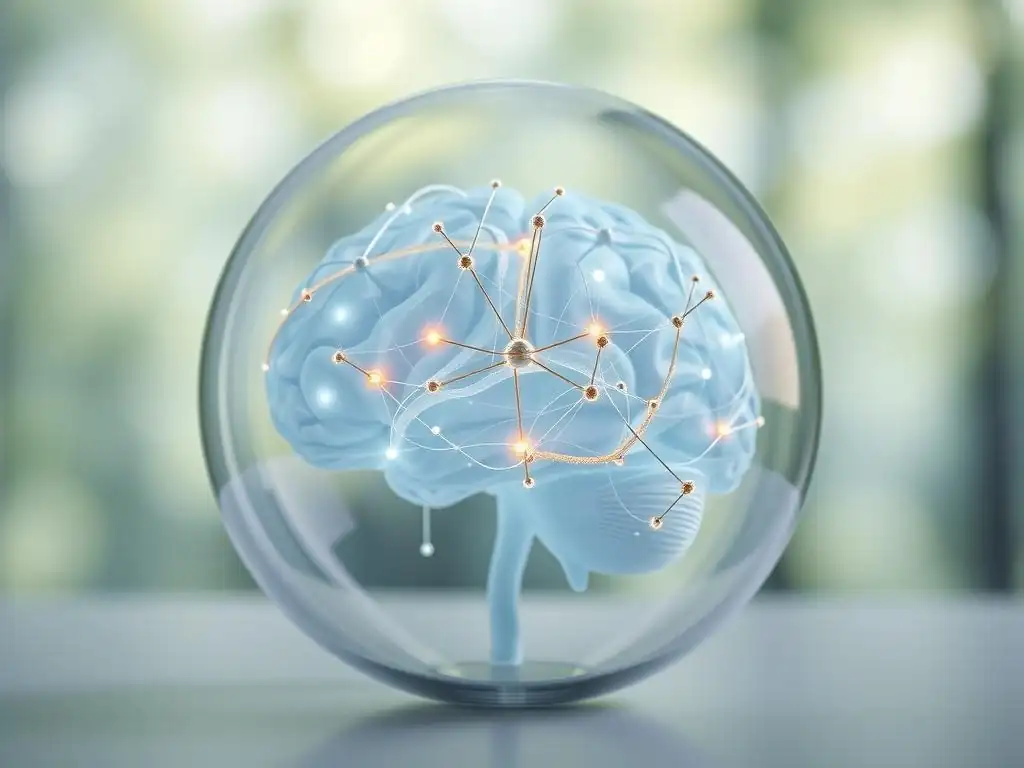
Lifestyle Factors that Promote Brain Plasticity
Our daily lifestyle choices have a significant impact on the brain's ability to change and adapt. Certain factors are known to actively promote neuroplasticity, creating a more fertile ground for positive brain plasticity mental health change. These aren't just marginal effects; they are substantial influences backed by scientific evidence. Integrating these elements into your routine can actively support the brain's natural capacity for rewiring.
The Role of Diet in Enhancing Neuroplasticity
Nutrition plays a vital role in brain health and plasticity. A diet rich in omega-3 fatty acids, found in fatty fish like salmon, walnuts, and flaxseeds, is particularly beneficial. Omega-3s are essential components of brain cell membranes and are involved in synaptic function and neurogenesis. Studies have shown that diets high in omega-3s are associated with better cognitive function and may protect against cognitive decline. Antioxidants, abundant in fruits and vegetables (especially berries and leafy greens), help protect brain cells from damage and inflammation, which can impair plasticity. Furthermore, adequate intake of B vitamins, particularly B6, B9 (folate), and B12, is crucial for neurotransmitter synthesis and overall brain health. Conversely, diets high in processed foods, sugar, and saturated fats can negatively impact brain function and plasticity. Prioritizing a balanced, nutrient-dense diet provides the necessary building blocks and protection for the brain to effectively engage in brain plasticity mental health change.
Exercise and its Effects on Brain Plasticity and Mental Health
Physical exercise, especially aerobic exercise, is one of the most powerful promoters of brain plasticity. When you exercise, blood flow to the brain increases, delivering more oxygen and nutrients. Exercise also stimulates the production of growth factors, such as Brain-Derived Neurotrophic Factor (BDNF). BDNF is often referred to as "Miracle-Gro" for the brain because it promotes the growth of new neurons, strengthens synapses, and protects existing neurons. Studies have consistently shown that regular aerobic exercise increases the volume of the hippocampus, an area critical for memory and emotional regulation, and enhances cognitive functions like learning and executive function.
Beyond its direct effects on neuroplasticity, exercise also has profound effects on mental health. It can reduce symptoms of depression and anxiety, improve mood, and reduce stress. This is partly due to the release of endorphins and neurotransmitters like serotonin and dopamine, but also significantly linked to the structural and functional changes induced by exercise-driven brain plasticity. Aiming for around 150 minutes of moderate-intensity aerobic exercise per week, as recommended by health guidelines, can be a powerful strategy for supporting brain plasticity mental health change.
The Importance of Sleep for Brain Rewiring
Sleep is not merely a period of rest; it is a critical time for brain maintenance and consolidation of learning and memory. During sleep, the brain clears out metabolic waste products that accumulate during wakefulness. More importantly for plasticity, different stages of sleep, particularly REM sleep and slow-wave sleep, are involved in consolidating memories and strengthening neural connections formed during the day. Sleep deprivation impairs cognitive function, reduces attention, and negatively affects learning and memory consolidation, directly hindering the processes of neuroplasticity. Chronic sleep deprivation has been linked to increased risk for various mental health conditions.
Ensuring adequate, quality sleep (typically 7-9 hours for adults) is therefore essential for supporting the brain's ability to change and adapt. Prioritizing sleep creates the optimal conditions for the brain to solidify new learning, prune unnecessary connections, and prepare for new experiences, all of which are fundamental aspects of brain plasticity mental health change. Establishing a regular sleep schedule and creating a restful sleep environment can significantly enhance your brain's capacity for positive rewiring.
Targeted Activities and Exercises for Brain Plasticity
While lifestyle factors create a supportive environment, specific activities can directly stimulate brain plasticity in targeted ways, offering direct avenues for brain plasticity mental health change. Engaging in novel, challenging, and engaging activities is key to promoting neuroplasticity throughout life.
Mindfulness Meditation and Neuroplasticity
Mindfulness meditation, the practice of paying attention to the present moment without judgment, has been shown to induce measurable changes in brain structure and function. Regular mindfulness practice has been associated with increased gray matter density in areas related to attention, self-awareness, and emotional regulation, such as the prefrontal cortex, insula, and hippocampus. Conversely, it has been linked to decreased gray matter in the amygdala, which is involved in fear and stress responses. An 8-week Mindfulness-Based Stress Reduction (MBSR) program, for example, has been shown in research to lead to these structural changes.
The practice of focusing attention and observing thoughts and feelings without getting carried away by them helps to strengthen neural pathways associated with present-moment awareness and weaken pathways associated with rumination and reactivity. This training in attention and emotional regulation directly utilizes and enhances brain plasticity, making it a powerful tool for managing stress, anxiety, and depression, and supporting brain plasticity mental health change. Even short, consistent daily practice can contribute to these changes over time.
Cognitive Training and Brain Health
Engaging in mentally stimulating activities and cognitive training exercises can help maintain and improve cognitive function by promoting neuroplasticity. This doesn't necessarily mean just playing brain games, though some evidence suggests they can improve specific skills if challenging and varied. More broadly, cognitive training involves activities that challenge your brain in new ways. Learning a new language, playing a musical instrument, solving complex puzzles, or taking a challenging course all require the brain to form new connections and strengthen existing ones.
These activities demand attention, memory, problem-solving, and executive function, stimulating activity in various brain regions and promoting synaptic plasticity. While the effects of specific commercial brain training programs are debated, the principle remains: challenging your brain keeps it adaptable. Engaging in activities that require effortful learning and active problem-solving is a practical way to promote brain health and support brain plasticity mental health change.
Learning New Skills to Stimulate Brain Growth
One of the most effective ways to stimulate brain plasticity is by continuously learning new and complex skills. When you learn something entirely new, your brain has to create entirely new neural pathways and modify existing ones to accommodate the new information and motor patterns. This process is more demanding and therefore potentially more neuroplastic than simply reinforcing existing skills. For instance, learning to play a new instrument involves integrating auditory processing, fine motor skills, memory, and emotional expression, activating and connecting diverse brain areas.
Similarly, learning a new dance style, acquiring a complex craft, or delving into a new academic subject all provide rich opportunities for neuroplastic change. The novelty and challenge inherent in learning a new skill push the brain beyond its current capacities, actively stimulating neurogenesis and synaptic strengthening. Making a conscious effort to step outside your comfort zone and embrace learning new things is a direct investment in your brain's health and its capacity for positive brain plasticity mental health change.
Practical Strategies for Implementing Brain Plasticity Principles
Harnessing brain plasticity for mental health change requires more than just understanding the science; it involves implementing practical, consistent strategies in daily life. This is where knowledge translates into action, empowering individuals to actively participate in their own brain's rewiring process.
Setting Realistic Goals for Mental Health Change
Embarking on a journey of brain plasticity for mental health change requires setting clear, achievable goals. Neuroplasticity is a gradual process; the brain doesn't instantaneously rewire itself. Therefore, setting realistic expectations is crucial to avoid frustration and maintain motivation. Instead of aiming for an overnight cure, focus on small, incremental improvements. For example, if your goal is to reduce anxiety, a realistic initial goal might be to practice a 5-minute mindfulness exercise daily for a week, or to engage in a feared situation for a slightly longer period than before, rather than aiming to eliminate all anxiety immediately.
Goals should be specific, measurable, achievable, relevant, and time-bound (SMART). Breaking down larger aspirations into smaller, manageable steps makes the process less overwhelming and allows you to celebrate small victories along the way, which helps reinforce positive behaviors and strengthens related neural pathways. Understanding that brain plasticity mental health change is a marathon, not a sprint, is key to sustained effort and long-term success.
Creating a Supportive Environment for Brain Rewiring
Your environment plays a significant role in shaping your brain. Creating a supportive environment involves minimizing triggers for negative states and maximizing opportunities for positive experiences and healthy behaviors. This might include decluttering your physical space to reduce stress, limiting exposure to negative news or social media that exacerbate anxiety, and actively seeking out positive social interactions. Social connection itself is known to be beneficial for brain health and can promote neuroplasticity.
A supportive environment also involves establishing routines that incorporate brain-healthy habits like regular sleep, exercise, and nutritious meals. It means making it easier to engage in activities that promote plasticity, such as having books or learning materials readily available, or setting aside dedicated time for mindfulness or exercise. By consciously shaping your external world and daily habits, you create conditions that favor positive brain plasticity mental health change, making it easier for your brain to form and strengthen beneficial connections.
Seeking Professional Guidance: Therapy and Brain Plasticity
While self-directed efforts are valuable, seeking professional guidance is often essential for significant brain plasticity mental health change, especially when dealing with complex conditions. Therapists, counselors, and psychiatrists are trained to help individuals identify maladaptive patterns of thought and behavior and guide them in developing healthier ones. As discussed earlier, therapies like CBT, DBT (Dialectical Behavior Therapy), EMDR, and even psychodynamic therapy work, in part, by leveraging the principles of neuroplasticity to help clients build new coping skills, process difficult experiences, and change negative cognitive biases.
A mental health professional can provide tailored strategies, offer support during challenges, and help monitor progress. They can also assist in navigating potential setbacks, which are a normal part of the change process. For some individuals, medication may also play a role in managing symptoms, which can then make it easier to engage in therapeutic activities that promote brain plasticity. Collaborating with a professional provides expert guidance and accountability, significantly enhancing the potential for successful brain plasticity mental health change.
The Science Behind Brain Plasticity and Mental Health Recovery
Research Studies on Brain Plasticity and Mental Illness
Numerous research studies using advanced neuroimaging techniques like fMRI, structural MRI, and PET scans have provided compelling evidence for the role of brain plasticity in mental illness and recovery. For example, studies on individuals with chronic depression have often shown reduced volume in areas like the hippocampus and prefrontal cortex. However, research following these individuals through treatment (e.g., psychotherapy or antidepressants) has sometimes shown a normalization or even increase in volume in these areas, suggesting structural plasticity in response to recovery.
Research in anxiety disorders has demonstrated altered connectivity patterns, such as increased coupling between the amygdala and certain prefrontal regions in anxious individuals. Studies on the effects of treatments like CBT or mindfulness show shifts in these connectivity patterns, with decreased amygdala reactivity and increased prefrontal regulatory control. These findings provide concrete examples of brain plasticity mental health change occurring at a network level. While research is ongoing and complex, the accumulating evidence strongly supports the view that mental health conditions involve dynamic brain states influenced by plasticity, offering hope for therapeutic interventions aimed at rewiring.
Evidence-Based Practices for Enhancing Brain Plasticity
Based on our understanding of how the brain changes, several evidence-based practices have emerged that are known to enhance neuroplasticity and support mental health recovery. These include:
- Regular Aerobic Exercise: Promotes BDNF production, neurogenesis, and synaptic plasticity, particularly in the hippocampus. Studies consistently show its benefit for mood and cognitive function.
- Mindfulness and Meditation: Alters activity and structure in areas related to attention, emotion regulation (prefrontal cortex, amygdala), and self-awareness (insula).
- Cognitive Behavioral Therapy (CBT): Helps restructure negative thought patterns, effectively weakening associated neural pathways and strengthening more adaptive ones. Functional imaging studies show changes in brain activity patterns in response to CBT.
- Learning and Novelty: Actively engaging in challenging learning tasks promotes synaptic plasticity and can increase gray matter density in relevant areas.
- Sufficient Sleep: Essential for memory consolidation, synaptic pruning, and overall brain maintenance, creating optimal conditions for plasticity.
These practices are not mutually exclusive; often, combining several approaches yields the best results. Integrating these evidence-based strategies provides a powerful toolkit for actively promoting brain plasticity mental health change.
Understanding Neurotransmitters and Brain Plasticity
Neurotransmitters are chemical messengers that play a crucial role in brain function and plasticity. They transmit signals across synapses, influencing the strength and efficiency of neural connections. Key neurotransmitters involved in both mental health and neuroplasticity include:
- Glutamate: The primary excitatory neurotransmitter, crucial for learning and memory through its role in synaptic plasticity (like LTP - Long-Term Potentiation).
- GABA (Gamma-Aminobutyric Acid): The primary inhibitory neurotransmitter, balancing glutamate's effects and important for regulating neural activity and plasticity.
- Dopamine: Involved in reward, motivation, and learning. It plays a role in reinforcing behaviors and influencing synaptic plasticity, particularly in reward pathways. Dysregulation is linked to addiction and depression.
- Serotonin: Influences mood, sleep, appetite, and learning. It also plays a role in neurogenesis and synaptic plasticity, particularly in the hippocampus. Many antidepressants target serotonin pathways.
- Norepinephrine: Involved in arousal, attention, and the stress response. It can also influence synaptic plasticity and neurogenesis.
The balance and activity of these neurotransmitters are essential for optimal brain function and the ability to undergo plastic changes. Mental health conditions often involve imbalances in these systems. Treatments, including medications and therapies, can influence neurotransmitter activity, which in turn can facilitate the neuroplastic changes necessary for recovery and brain plasticity mental health change.
Overcoming Challenges in Harnessing Brain Plasticity
While the potential of brain plasticity is immense, the journey towards brain plasticity mental health change is not always easy. Several challenges can arise, requiring patience, perseverance, and strategic approaches.
Addressing Resistance to Change: Fear of the Unknown
One significant challenge is inherent human resistance to change, often rooted in a fear of the unknown or a discomfort with disrupting familiar patterns, even if those patterns are negative. The brain, in its efficiency, prefers to use established pathways. Creating new ones requires effort and navigating uncertainty. For someone struggling with anxiety, for example, challenging avoidance behaviors feels inherently risky, even though it's necessary for rewiring the fear response. This resistance can manifest as procrastination, self-sabotage, or reverting to old habits when faced with difficulty.
Overcoming this requires acknowledging the fear without letting it dictate actions. Focusing on the why – the desired outcome of improved mental well-being – can provide motivation. Breaking down changes into very small, non-threatening steps can also make the process less intimidating. Understanding that discomfort is a normal part of growth and brain rewiring helps normalize the experience and reduces the likelihood of giving up. Embracing a growth mindset, where challenges are seen as opportunities for learning and brain plasticity, can significantly aid in navigating this resistance towards positive brain plasticity mental health change.
Managing Expectations: Gradual Progress and Setbacks
Another challenge is managing expectations. Given the often-hyped narrative around neuroplasticity, it's easy to anticipate rapid, linear progress. However, brain plasticity mental health change is typically a slow, non-linear process. There will be good days and bad days, periods of progress followed by plateaus or even setbacks. Recovery from mental health challenges is rarely a straight line. Expecting perfection or immediate results can lead to discouragement and feelings of failure.
It's important to cultivate patience and self-compassion. Focus on consistency rather than intensity. Acknowledge and learn from setbacks without letting them derail the entire effort. Track small improvements over time, which might not be immediately obvious but add up significantly. Understanding that setbacks are part of the rewiring process – perhaps indicating the brain is consolidating changes or encountering old, still-present pathways – can help reframe them as learning opportunities rather than failures. Maintaining realistic expectations is vital for sustaining motivation over the long term required for significant brain plasticity mental health change.
Maintaining Consistency: Building Sustainable Habits
Brain plasticity is heavily influenced by consistent, repeated activity. The principle of "neurons that fire together, wire together" implies that sporadic efforts are less effective than regular practice. Building sustainable habits is therefore crucial for long-term brain plasticity mental health change. However, maintaining consistency can be challenging, especially when motivation wanes, or life becomes busy. Old, deeply ingrained neural habits are powerful and easily reverted to, particularly under stress.
Strategies for maintaining consistency include integrating new habits into existing routines, starting small to make habits easy to maintain, and using cues or reminders. Finding activities that are genuinely enjoyable can also make consistency less of a chore. Building a support system of friends, family, or a therapist can provide encouragement and accountability. Recognizing that consistency is the engine of neuroplasticity underscores its importance. It's the daily, even small, efforts that accumulate over time to create lasting structural and functional changes in the brain, facilitating sustainable brain plasticity mental health change.
Case Studies: Real-Life Examples of Brain Plasticity in Action
Examining real-life examples, or realistic approximations of common scenarios, can vividly illustrate the power of brain plasticity mental health change. These cases demonstrate how individuals can utilize the brain's capacity for rewiring to overcome significant challenges.
Case Study 1: PTSD Recovery Through EMDR Therapy
Consider "Sarah," a veteran who experienced severe trauma and developed chronic PTSD, characterized by intrusive flashbacks, hyperarousal, and avoidance behaviors. Her brain imaging initially showed heightened activity in the amygdala and reduced connectivity with the prefrontal cortex, consistent with trauma's impact. She began Eye Movement Desensitization and Reprocessing (EMDR) therapy. During therapy, she processed traumatic memories while engaging in bilateral stimulation (following a therapist's finger movements). This process is hypothesized to help the brain reprocess the memory, integrating it into less emotionally charged neural networks.
Over several months of consistent EMDR sessions, Sarah reported a significant reduction in flashback frequency and intensity, decreased hyperarousal, and improved emotional regulation. While specific post-therapy brain scans weren't publicly available for this hypothetical case, studies on EMDR have shown changes consistent with reduced amygdala activity and improved connectivity with regulatory brain regions in individuals with PTSD. Sarah's case, representative of many successful trauma recoveries, illustrates how targeted therapy can leverage brain plasticity to fundamentally alter how the brain processes traumatic experiences, leading to profound brain plasticity mental health change.
Case Study 2: Overcoming Chronic Depression with Cognitive Behavioral Therapy
"Mark" had struggled with chronic depression for years, marked by pervasive negative thoughts about himself and his future, low motivation, and withdrawal from social activities. His brain likely exhibited some of the common patterns seen in depression, such as altered activity in reward circuits and areas involved in self-referential thinking. He started Cognitive Behavioral Therapy (CBT), which focused on identifying and challenging his negative automatic thoughts and gradually re-engaging in meaningful activities.
Through consistent practice of CBT techniques – disputing irrational beliefs, scheduling positive activities, and challenging avoidance – Mark began to notice shifts. Initially, it felt artificial, but with repetition, the new thought patterns and behaviors became more natural. He started exercising regularly, reconnecting with friends, and pursuing hobbies he had abandoned.
While direct brain imaging wasn't performed, the consistent effort of challenging old patterns and building new ones facilitated neuroplastic change. His case exemplifies how intentionally changing thought processes and behaviors through therapy can rewire the brain's emotional and motivational circuits, demonstrating significant brain plasticity mental health change and recovery from depression.
Case Study 3: Managing Generalized Anxiety Disorder with Mindfulness Practices
"Elena" experienced severe Generalized Anxiety Disorder (GAD), characterized by excessive worry about numerous aspects of her life, often accompanied by physical symptoms like muscle tension and restlessness. Her brain likely showed some degree of heightened connectivity in worry circuits and perhaps reduced capacity for "switching off" anxious thoughts. She incorporated daily mindfulness meditation into her routine, starting with just 10 minutes a day, focusing on observing her thoughts and bodily sensations without judgment.
Over several months, Elena consistently practiced mindfulness, gradually increasing her duration. She learned to recognize anxious thoughts as transient mental events rather than absolute truths. This consistent practice of stepping back from worry, combined with deep breathing and body scan techniques, helped weaken the automatic pathways associated with chronic worry and strengthen pathways associated with present-moment awareness and calm.
She reported a significant reduction in the frequency and intensity of worry episodes and improved ability to manage anxious feelings. Research on mindfulness consistently shows it promotes brain changes that help regulate anxiety. Elena's journey highlights how consistent, targeted mental practices can actively utilize brain plasticity to manage and reduce the impact of anxiety, illustrating positive brain plasticity mental health change.
Future Directions in Brain Plasticity Research and Mental Health
The field of brain plasticity and its application to mental health is rapidly evolving. Ongoing research continues to deepen our understanding and pave the way for innovative future interventions.
Emerging Technologies for Brain Plasticity Enhancement
Technological advancements are opening exciting new avenues for enhancing brain plasticity. Non-invasive brain stimulation techniques, such as Transcranial Magnetic Stimulation (TMS) and Transcranial Direct Current Stimulation (tDCS), are being explored and used clinically to modulate neural activity in specific brain regions. TMS, for example, is an FDA-approved treatment for certain types of depression and OCD, working by using magnetic pulses to stimulate areas of the brain involved in mood regulation. These techniques aim to directly influence neural circuits, potentially making them more amenable to plastic change through therapy or other interventions.
Neurofeedback is another emerging technology where individuals learn to control their own brain activity in real-time, guided by feedback from an EEG or fMRI machine. By providing visual or auditory cues related to brainwave patterns or fMRI signals, individuals can practice shifting their brain activity towards healthier patterns, promoting functional plasticity.
Virtual reality (VR) is also being used in therapy, particularly for phobias and PTSD, creating immersive environments where individuals can safely confront fears and practice new responses, leveraging plasticity in a controlled setting. These technologies represent the cutting edge in directly manipulating brain activity to facilitate brain plasticity mental health change.
The Potential of Personalized Brain Plasticity Interventions
Recognizing that each individual's brain is unique and shaped by their specific genetics, experiences, and conditions, the future likely holds more personalized approaches to harnessing brain plasticity for mental health. Instead of one-size-fits-all treatments, interventions might be tailored based on an individual's specific neural profiles, genetic predispositions related to plasticity, and the unique patterns of brain activity associated with their particular mental health challenge.
This could involve using brain imaging to identify specific areas or networks that are dysregulated and then applying targeted stimulation techniques, specific types of therapy, or lifestyle recommendations designed to promote plasticity in those precise circuits. Genetic testing might inform which interventions are most likely to be effective. As our understanding of the interplay between genes, environment, and brain plasticity grows, the potential for truly personalized brain plasticity mental health change strategies becomes increasingly feasible, offering more effective and efficient routes to recovery.
The Future of Mental Health Treatment: Integrating Neuroplasticity
The growing understanding of brain plasticity is fundamentally reshaping the future of mental health treatment. Instead of viewing mental illness as a static condition or solely a chemical imbalance, the focus is shifting towards understanding it as a dynamic state involving maladaptive neural circuit function that is, critically, capable of change. Future treatment models are likely to integrate various approaches aimed at promoting positive neuroplasticity.
This integration will likely involve combining psychotherapy (to guide new thought and behavior patterns), lifestyle interventions (exercise, diet, sleep to enhance the brain's capacity for change), and potentially targeted technologies (like neuromodulation or neurofeedback) to create comprehensive treatment plans. The emphasis will be on empowering individuals to become active participants in their own brain's rewiring process. This neuroplasticity-informed approach offers a hopeful vision for the future, where mental health treatment is not just about managing symptoms but about actively facilitating the brain's innate capacity for healing and promoting lasting brain plasticity mental health change.
Conclusion: Embracing Brain Plasticity for a Healthier Mind
The Power of Neuroplasticity for Personal Growth
The concept of neuroplasticity is incredibly empowering. It fundamentally shifts the perspective from viewing the brain as a fixed entity to seeing it as a dynamic, adaptable organ capable of continuous change throughout life. This inherent capacity for rewiring means that we are not simply passive recipients of our genetic code or past experiences. Instead, our thoughts, behaviors, actions, and environment can actively shape our brain's structure and function.
This understanding unlocks immense potential for personal growth, learning, and resilience. It provides a scientific basis for the idea that change is always possible, regardless of age or past challenges. Embracing this power of neuroplasticity is the first step towards actively pursuing a healthier, more adaptable mind and facilitating significant brain plasticity mental health change.
Taking Control of Your Mental Well-being Through Brain Rewiring
Armed with the knowledge of brain plasticity, individuals can take a more active role in managing their mental well-being. Rather than feeling helpless in the face of mental health challenges, understanding neuroplasticity highlights the potential for agency. By consciously engaging in activities known to promote positive brain changes – such as regular exercise, mindfulness, learning new skills, seeking supportive social connections, and utilizing evidence-based therapies – you are actively participating in rewiring your brain.
This isn't about blaming individuals for their struggles, but about empowering them with the knowledge that their brain is capable of adapting and healing. Taking control means making informed choices about lifestyle and seeking appropriate support, recognizing that these actions have a tangible impact on your brain and its capacity for brain plasticity mental health change.
Resources for Further Learning About Brain Plasticity.
For those interested in delving deeper into the fascinating world of brain plasticity and its implications for mental health, numerous resources are available. Books by leading neuroscientists, reputable websites dedicated to brain health and mental wellness, and academic journals offer further insights into the mechanisms of neuroplasticity and the latest research findings. Exploring these resources can provide a more detailed understanding of specific techniques, the science behind them, and ongoing advancements in the field.
Continued learning reinforces the principles discussed and can provide additional motivation and strategies for leveraging brain plasticity for mental health change. Remember, knowledge is a powerful tool on the path to a healthier mind.
Frequently Asked Questions
What exactly is brain plasticity, and how does it relate to mental health?
Brain plasticity refers to the brain's ability to reorganize itself by forming new neural connections throughout life. This dynamic process allows us to adapt and learn, directly impacting our mental well-being and ability to cope with challenges.
How can understanding brain plasticity help me manage my mental health challenges?
Understanding brain plasticity empowers you to actively participate in your mental health journey. By engaging in targeted activities and therapies, you can reshape your brain, promoting positive changes in thoughts, feelings, and behaviors.
What kind of activities or therapies are most effective for leveraging brain plasticity to improve mental well-being?
Therapies like Cognitive Behavioral Therapy (CBT) and mindfulness practices are highly effective. These approaches encourage new thought patterns and behaviors, stimulating neural rewiring that leads to lasting positive change.
Is brain plasticity a limited process, or can it continue throughout my lifespan?
Brain plasticity is a lifelong capacity, although it may be more pronounced during certain developmental stages. With consistent effort and the right strategies, you can continue to cultivate positive brain changes regardless of your age.
How quickly can I expect to see results from interventions designed to harness brain plasticity for mental health improvement?
The timeline varies depending on the individual, the specific challenge, and the intervention used. While some may experience noticeable changes relatively quickly, others may require consistent effort over a longer period to see significant improvements.
Final Reflection: The Ever-Evolving Mind and the Path to Wellbeing
The power of brain plasticity isn't just a scientific concept; it's the cornerstone of hope for lasting mental health change. Understanding this inherent capacity for our brains to adapt and rewire themselves offers a revolutionary perspective on overcoming challenges and building resilience. This isn't simply about treating symptoms; it's about actively shaping our own neurological pathways towards greater well-being.
The implications of brain plasticity extend far beyond the clinical setting, profoundly influencing our understanding of personal growth, learning, and recovery. It challenges the outdated notion of fixed limitations, replacing it with a dynamic view of the self. This transformative understanding empowers individuals to take ownership of their mental health journeys, fostering a sense of agency and hope. The brain is the ultimate learning machine. It's constantly changing, adapting, and growing throughout our lives.
This quote encapsulates the core message of this article: we are not bound by our past experiences, but empowered by our brain's capacity to change.
Consider the implications of this knowledge. What limiting beliefs are you holding onto? What new habits or perspectives could you cultivate to foster positive change in your life? You possess the incredible power to shape your own brain, to build resilience, and to cultivate a more fulfilling and mentally healthy life. Embrace the plasticity of your mind, and embark on a journey of continuous growth and transformation. The potential is within you, waiting to be unlocked.
Ignite Your Brain's Potential: Take Action Now!
Thanks for diving into the world of brain plasticity with us! We hope you gained valuable insights into your brain's incredible capacity for change. Now it's time to put that knowledge into action.
Here's how you can start unlocking your own potential:
- Begin a new learning challenge today: This could be anything from learning a new language to tackling a complex puzzle – choose something that excites you and pushes you outside your comfort zone! This is the key action we encourage you to take based on today's article.
- Share your "aha!" moment: What resonated most with you from this article? Share your biggest takeaway on social media using #MindCareGuide and inspire others to embrace their brain's potential.
- Explore our other articles on brain health: Discover more practical tips and techniques to optimize your cognitive function and unlock even greater potential on MindCareGuide.org.
Ready to embrace the power of your ever-changing brain? What small step will you take this week to boost your brainpower?