
Building Resilience After Trauma to Prevent or Mitigate Acute Stress Disorder


Welcome to Mind Care Guide, your compassionate companion on the path to mental well-being.
Have you ever wondered how some individuals navigate the aftermath of challenging experiences with remarkable strength? This journey towards healing begins with understanding and implementing effective trauma resilience building strategies. Join us as we delve into actionable steps that can help you not only cope, but thrive, even after experiencing trauma. Discover how building resilience can be a powerful tool to prevent or mitigate Acute Stress Disorder and unlock your inner potential for healing and growth.
- Building Resilience After Trauma: Preventing and Mitigating Post-Traumatic Stress
- The Link Between Resilience and Mitigating Post-Traumatic Impact
- Resilience Building Strategies: A Comprehensive Guide
- Practical Steps to Enhance Resilience
- Overcoming Barriers to Resilience After Trauma
- The Long-Term Benefits of Building Resilience After Trauma
- Conclusion: Embracing Resilience for a Healthier Future
-
Frequently Asked Questions
- What is trauma resilience and why is it important after experiencing a traumatic event?
- How does building resilience help prevent Acute Stress Disorder (ASD) after trauma?
- What are some key trauma resilience building strategies that "Mind Care Guide" recommends?
- Where can I find resources and support for building trauma resilience on the "Mind Care Guide" website?
- Are "Trauma resilience building strategies" always effective, and when should I seek professional help?
- Final Reflection: The Enduring Power of Resilience in the Face of Trauma
- Unleash Your Inner Strength: Start Your Resilience Journey Today!
Building Resilience After Trauma: Preventing and Mitigating Post-Traumatic Stress
Defining Trauma and its Impact on Mental Health
Trauma is defined as a deeply distressing or disturbing experience that overwhelms an individual's ability to cope, causes feelings of helplessness, diminishes their sense of self and their ability to feel a full range of emotions and sensations. It can stem from a single event, such as an accident or assault, or from prolonged exposure to adverse circumstances, like abuse or neglect. The impact of trauma is profound, affecting not just emotional and psychological states but also physical health and social functioning.
The immediate aftermath of trauma can trigger a range of acute stress responses, including intense fear, helplessness, horror, and dissociation. These responses are a normal reaction to an abnormal event. However, for some individuals, these reactions can persist and evolve into more chronic conditions like Acute Stress Disorder (ASD) or Post-Traumatic Stress Disorder (PTSD).
Research indicates that a significant percentage of people exposed to trauma will develop post-traumatic stress symptoms, highlighting the critical need for understanding and intervention. The disruption to the nervous system and brain function can lead to difficulties with memory, concentration, sleep, and emotional regulation long after the event has passed.
What is Resilience? Exploring Psychological Resilience After Trauma
Psychological resilience refers to the process of adapting well in the face of adversity, trauma, tragedy, threats, or significant sources of stress. It is not about avoiding difficulties or feeling no pain; rather, it is about the ability to bounce back, cope effectively, and maintain or regain mental well-being despite challenging circumstances. Resilience is not an inherent trait that people either have or don't have; it involves behaviors, thoughts, and actions that can be learned and developed over time.
After experiencing trauma, resilience manifests as the capacity to navigate the intense emotional and psychological aftermath without becoming permanently overwhelmed or disabled by it. It involves drawing upon internal strengths and external resources to manage distress, process the traumatic experience, and gradually reintegrate into daily life. While some individuals may appear to recover more quickly than others, everyone possesses the potential to enhance their resilience through conscious effort and the application of specific strategies. Trauma resilience building strategies help individuals harness this potential.
Post-Traumatic Challenges: Symptoms, Impact, and Relationship to Trauma
Post-traumatic challenges encompass a spectrum of difficulties that can arise following a traumatic experience. These can range from transient acute stress reactions to more enduring conditions like Acute Stress Disorder (ASD) and Post-Traumatic Stress Disorder (PTSD). ASD typically occurs within the first month after trauma exposure and involves symptoms such as intrusive memories, avoidance of reminders, negative mood, dissociation, and hyperarousal. If these symptoms persist beyond one month, a diagnosis of PTSD may be considered, which includes additional criteria related to persistent negative beliefs and changes in arousal and reactivity.
The impact of these post-traumatic challenges extends across multiple domains of life. Individuals may experience significant distress, difficulty functioning at work or school, strained relationships, and increased risk of developing other mental health conditions like depression or anxiety disorders.
The relationship between trauma and these challenges is direct: the trauma is the precipitating event that triggers the stress response, and the severity and nature of the trauma, combined with individual vulnerability and protective factors, influence the likelihood and intensity of subsequent difficulties. Understanding these challenges is the first step in applying trauma resilience building strategies help to mitigate their impact.
The Link Between Resilience and Mitigating Post-Traumatic Impact
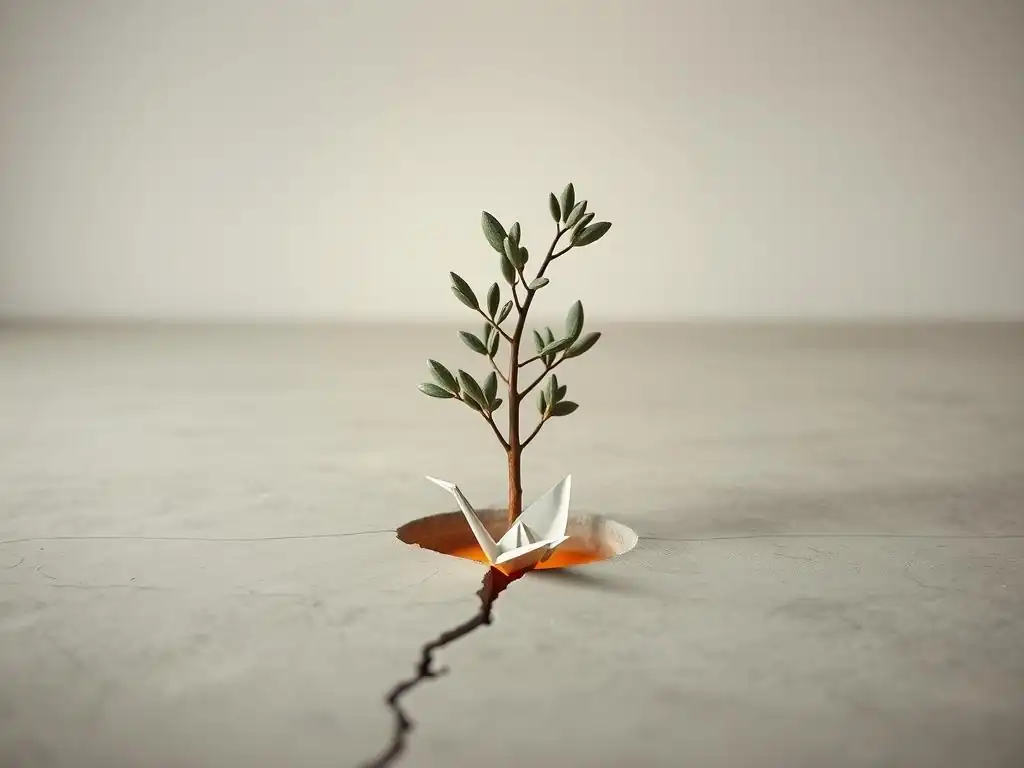
How Resilience Building Strategies Help Minimize Post-Traumatic Difficulties
Trauma resilience building strategies help individuals develop coping mechanisms and internal resources that act as a buffer against the debilitating effects of trauma. By strengthening a person's ability to regulate emotions, challenge negative thought patterns, and maintain social connections, these strategies can significantly reduce the severity and duration of post-traumatic symptoms. For example, learning effective emotional regulation techniques can help manage the intense fear or panic that often accompanies trauma memories, preventing these feelings from overwhelming the individual.
Furthermore, resilience-building focuses on fostering a sense of agency and hope, which are often shattered by trauma. Strategies that promote self-efficacy, such as setting achievable goals and mastering new skills, can counteract feelings of helplessness. Cognitive strategies that help reframe the traumatic experience and challenge maladaptive beliefs (like guilt or self-blame) can prevent the development of persistent negative self-views common in PTSD. Essentially, trauma resilience building strategies help individuals build a psychological toolkit that enables them to process the trauma in a healthier way and navigate the recovery process more effectively.
The Role of Pre-Trauma Resilience in Post-Traumatic Adjustment
An individual's level of resilience before experiencing trauma can significantly influence their capacity to adjust afterward. Factors contributing to pre-trauma resilience might include a history of effective coping with previous stressors, a strong support network, a positive self-concept, and a sense of purpose or meaning in life. People with higher levels of pre-existing resilience may possess more robust psychological defenses and a greater repertoire of coping skills to draw upon when faced with a traumatic event.
Research suggests that individuals with strong pre-trauma resilience are less likely to develop chronic post-traumatic stress symptoms. For instance, studies following first responders or military personnel often find that factors like psychological hardiness, optimism, and social connectedness prior to deployment or critical incidents correlate with lower rates of PTSD. While trauma can challenge even the most resilient individuals, a higher starting point in terms of psychological strength and resources provides a significant advantage in the recovery process.
Identifying Risk Factors and the Protective Power of Resilience
Several factors can increase an individual's vulnerability to developing significant post-traumatic challenges, including a history of prior trauma, pre-existing mental health conditions (like anxiety or depression), lack of social support, and certain personality traits (like high neuroticism). The nature and severity of the trauma itself, such as prolonged exposure or trauma inflicted by a known perpetrator, also play a significant role in increasing risk.
Conversely, resilience acts as a powerful protective factor against these risks. Even in the presence of multiple risk factors, strong resilience-building strategies help individuals navigate the aftermath more successfully. For instance, someone with a history of anxiety might be at higher risk for PTSD, but actively engaging in mindfulness and cognitive restructuring techniques can significantly lower that risk by improving their ability to manage distress and challenge anxious thought patterns. Building resilience doesn't eliminate risk, but it significantly enhances a person's capacity to withstand adversity and promote healing.
Resilience Building Strategies: A Comprehensive Guide
Cognitive Restructuring Techniques for Trauma Survivors
Challenging Negative Thoughts and Beliefs After Trauma
Trauma often distorts thinking patterns, leading to pervasive negative thoughts and beliefs about oneself, others, and the world. Common examples include "I am to blame," "The world is a dangerous place," or "I am permanently damaged." Cognitive restructuring is a core strategy where individuals learn to identify these maladaptive thoughts and systematically challenge their validity. This involves examining the evidence for and against the thought, considering alternative explanations, and recognizing cognitive distortions like overgeneralization or catastrophizing.
The process requires practice but can significantly alter how a person perceives their experience and themselves. For instance, someone blaming themselves for an assault might examine evidence showing they were not at fault and challenge the belief by asking, "Would I blame someone else in the same situation?" This technique is a fundamental component of therapies like Cognitive Behavioral Therapy (CBT) and Trauma-Focused CBT, which have demonstrated efficacy in reducing PTSD symptoms by targeting these negative cognitions. Learning to challenge these entrenched beliefs is a vital part of how trauma resilience building strategies help survivors reclaim their narrative.
Developing a More Balanced and Realistic Perspective
Beyond challenging specific negative thoughts, cognitive restructuring also involves developing a more balanced and realistic perspective on the trauma and its aftermath. This doesn't mean minimizing the horror of the event, but rather integrating the experience into one's life story without letting it define one entirely. It involves acknowledging the reality of what happened while also recognizing one's strength in surviving and the possibility of future healing and growth.
This might involve identifying areas where one did cope effectively, recognizing that not all people or situations are dangerous, and seeing oneself as a survivor rather than solely a victim. For example, someone who survived a serious accident might move from thinking "My life is ruined and I'm weak" to "That was a terrible event, but I survived, and I have the strength to rebuild my life." This balanced view fosters a sense of hope and agency, essential components of resilience.
Mindfulness Practices for Grounding and Self-Soothing
Trauma can dysregulate the nervous system, leading to intense, unpredictable emotional swings, panic, or feeling numb or disconnected. Mindfulness practices teach individuals to observe their thoughts, feelings, and bodily sensations without judgment, helping them stay present rather than being overwhelmed by intrusive memories or future anxieties. Techniques like focused breathing, body scans, and mindful observation can help ground a person when they feel overwhelmed, bringing them back to the safety of the present moment.
For example, during a flashback or intense panic attack, focusing intently on the sensation of the breath, the feeling of feet on the ground, or listing five things one can see, hear, or feel can interrupt the escalating stress response. Regular practice of mindfulness can also increase tolerance for difficult emotions, allowing individuals to experience distress without being consumed by it. This self-soothing capacity is a cornerstone of emotional resilience.
Identifying and Expressing Emotions in a Healthy Way
Trauma can make it difficult to identify and express emotions, sometimes leading to emotional numbing or explosive outbursts. Developing emotional literacy – the ability to recognize and name one's feelings – is a crucial step in healthy processing. Learning to differentiate between anger, sadness, fear, and other emotions allows for more targeted coping.
Furthermore, finding healthy outlets for emotional expression, such as talking to a trusted friend or therapist, journaling, creative arts (like painting or music), or physical activity, is vital. Suppressing emotions can prolong distress, while healthy expression allows for release and processing. Learning to assert needs and set boundaries is also part of healthy emotional expression, enabling survivors to feel safer and more in control in their relationships.
Building and Maintaining Supportive Relationships
Strong social connections are one of the most significant protective factors against the negative impacts of trauma. Supportive relationships provide emotional comfort, practical assistance, and a sense of belonging, counteracting the isolation that trauma often brings. Building and maintaining these relationships involves open communication, trust, and mutual respect. This might mean leaning on existing friends and family or actively seeking out new connections through support groups or community activities.
Research consistently shows that individuals with robust social support networks have better recovery outcomes after trauma. For example, studies on veterans often highlight the critical role of peer support in reducing PTSD symptoms. Sharing experiences with others who understand can validate feelings and reduce the sense of being alone with one's pain. Prioritizing time and effort into nurturing these connections is a key component of trauma resilience building strategies help promote healing.
Seeking Professional Help and Community Resources
While personal relationships are invaluable, professional support from therapists, counselors, or support groups specifically for trauma survivors is often essential. Mental health professionals trained in trauma-informed care can provide evidence-based therapies, teach coping skills, and guide the processing of the traumatic experience in a safe environment.
Community resources, such as local mental health clinics, non-profit organizations supporting trauma survivors (e.g., domestic violence shelters, victim advocacy groups), and online forums, also offer vital support, information, and a sense of community. Seeking help is a sign of strength, not weakness, and accessing these resources is a proactive step in building resilience and navigating the recovery journey.
Self-Care Strategies for Promoting Overall Well-being After Trauma
Prioritizing Physical Health: Sleep, Nutrition, and Exercise
Trauma significantly impacts physical health, disrupting sleep patterns, appetite, and increasing physiological stress. Prioritizing basic physical self-care is fundamental to rebuilding resilience. Aiming for consistent, adequate sleep (typically 7-9 hours per night) helps regulate mood and improves cognitive function. Eating nutritious, balanced meals supports overall physical and mental energy.
Regular physical activity is a powerful tool for managing stress and trauma symptoms. Exercise releases endorphins, reduces stress hormones like cortisol, and can help dissipate the "fight or flight" energy that can remain trapped in the body after trauma. Even moderate activities like walking, yoga, or stretching can make a significant difference in reducing anxiety and improving mood.
Engaging in Activities That Bring Joy and Relaxation
Trauma can strip life of its pleasure and meaning. Re-engaging in activities that bring joy, relaxation, and a sense of purpose is crucial for recovery and building resilience. This could involve hobbies one enjoyed before the trauma or exploring new interests. Whether it's gardening, reading, listening to music, spending time in nature, or pursuing a creative outlet, these activities provide positive experiences that counterbalance the weight of the trauma.
Scheduling time for relaxation techniques, such as deep breathing exercises, progressive muscle relaxation, or meditation (distinct from mindfulness used for grounding, this focuses on relaxation), can also help calm the nervous system and reduce overall stress levels. These self-care practices reinforce the message that one's well-being is valuable and worth nurturing.
Practical Steps to Enhance Resilience
Assessment: Identifying Current Resilience Levels
The first practical step in building resilience is to understand your current strengths and areas for growth. This isn't about formal diagnosis but about self-reflection. Consider:
- How have you coped with challenges in the past?
- What are your existing support systems?
- What are your core beliefs about yourself and your ability to handle difficulty?
- How do you typically manage stress?
- What healthy habits do you already practice?
Various self-assessment tools or questionnaires are available online or through therapists that can provide a more structured way to evaluate different facets of resilience, such as coping skills, optimism, and social support. Understanding your starting point helps tailor which trauma resilience building strategies help you most effectively.
Goal Setting: Defining Specific, Measurable, Achievable, Relevant, and Time-Bound (SMART) Goals
Building resilience is a process, and setting clear goals can provide direction and motivation. Use the SMART framework to define what you want to achieve.
- Specific: Instead of "I want to be more resilient," try "I want to practice mindfulness daily."
- Measurable: "I will meditate for 10 minutes each morning."
- Achievable: Ensure the goal is realistic for your current capacity. Starting with 2 minutes of mindfulness is more achievable than 30 if you're new to it.
- Relevant: Connect the goal to your overall aim of enhancing resilience after trauma. Does this goal help you manage stress or build coping skills?
- Time-Bound: Set a timeframe. "I will meditate for 10 minutes each morning for the next two weeks."
Setting SMART goals breaks down the larger task of building resilience into manageable steps, making the process less overwhelming.
Action Planning: Creating a Step-by-Step Plan to Implement Strategies
Once goals are set, create a concrete action plan. This involves outlining the specific steps you will take to implement your chosen resilience-building strategies.
- If your goal is to build social support, your plan might include:
- Identify one trusted person to talk to this week.
- Research local support groups.
- Schedule a weekly coffee date with a friend.
- If your goal is to improve sleep, your plan might include:
- Establish a consistent bedtime and wake-up time.
- Create a relaxing pre-sleep routine (e.g., read for 20 minutes).
- Reduce caffeine intake after 2 PM.
Write down these steps and schedule them into your daily or weekly routine. Having a written plan increases the likelihood of following through and makes the process feel less abstract.
Monitoring Progress: Tracking Progress and Making Adjustments as Needed
Regularly reviewing your progress is essential for staying motivated and making necessary adjustments. This can involve:
- Keeping a journal to track your practice of new skills (e.g., noting when you used a grounding technique and how it felt).
- Using a calendar or app to track habits (e.g., marking off days you exercised or meditated).
- Periodically reassessing your goals and plan. Are they still relevant? Are they too easy or too challenging?
Based on your monitoring, be prepared to adapt your plan. If a strategy isn't working, don't view it as a failure; view it as information. Adjust the goal, try a different technique, or seek feedback from a therapist or supportive friend. This iterative process ensures your resilience-building efforts remain effective and aligned with your needs.
- [ ] Assess current resilience levels.
- [ ] Set SMART goals for resilience building.
- [ ] Create a step-by-step action plan.
- [ ] Monitor progress regularly.
- [ ] Adjust plan based on monitoring.
Overcoming Barriers to Resilience After Trauma
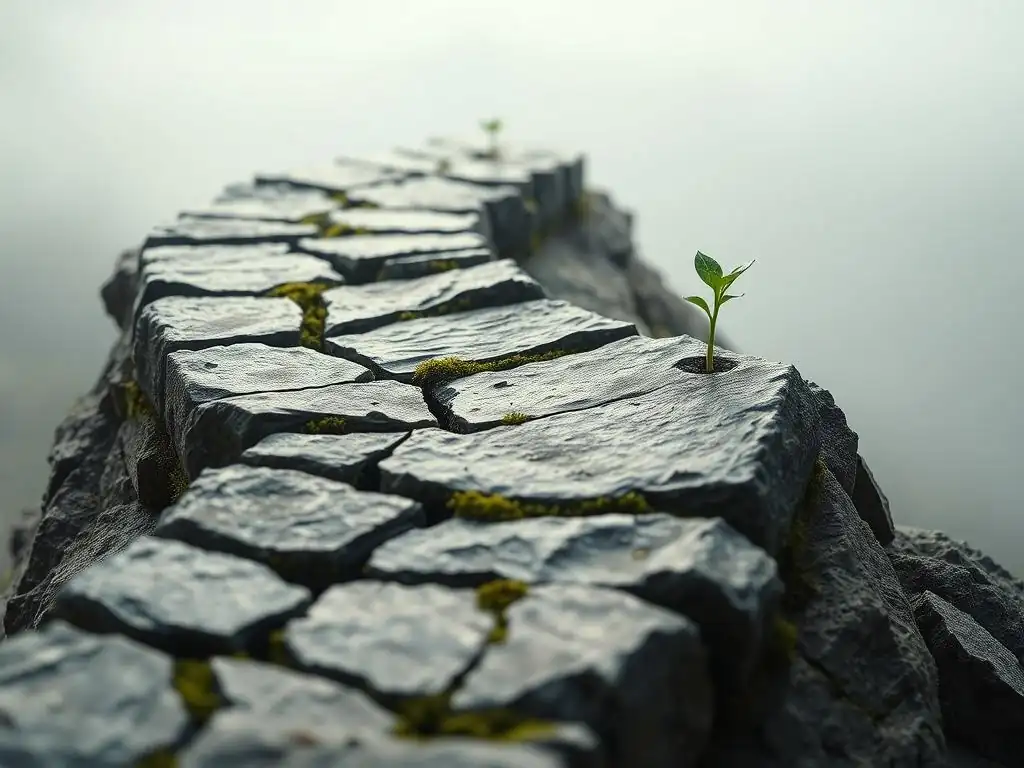
Addressing Common Challenges in the Resilience Building Process
Building resilience after trauma is rarely a linear process; setbacks and challenges are common. One significant barrier is the intensity of trauma symptoms themselves, such as flashbacks or severe anxiety, which can make it difficult to engage in coping strategies. Another challenge is the potential for feeling overwhelmed, discouraged, or lacking motivation, especially when progress feels slow or inconsistent. Negative beliefs about oneself ("I'm too broken to heal") can also undermine efforts.
Addressing these barriers requires patience, self-compassion, and persistence. Recognizing that setbacks are normal parts of healing can reduce self-criticism. Breaking down resilience-building steps into very small, manageable actions can combat feeling overwhelmed. Challenging negative self-talk through cognitive restructuring is crucial here. It's also important to acknowledge that trauma recovery takes time, and celebrating small victories along the way can help maintain momentum.
Coping with Setbacks and Maintaining Motivation
Setbacks are inevitable on the path to recovery. They might involve a temporary increase in symptoms, difficulty sticking to a plan, or facing a new stressor that triggers trauma responses. Learning to cope with setbacks without abandoning the entire process is a key aspect of resilience itself. This involves viewing setbacks not as failures, but as opportunities to learn and refine strategies.
Maintaining motivation can be difficult when feeling discouraged. Remind yourself why you are working on building resilience – for a healthier future, to regain control, to live a fuller life. Revisit your goals and perhaps adjust them if they are too ambitious. Connect with your support system for encouragement. Focus on the progress you have made, no matter how small it seems. Remember that consistent effort, even with interruptions, is more effective than giving up.
Seeking Professional Support When Needed
While self-guided resilience building strategies help, there are times when professional support is not just helpful, but necessary. If you are experiencing severe symptoms that interfere with daily life, feeling overwhelmed or hopeless, struggling with suicidal thoughts, or finding it impossible to implement coping strategies on your own, reaching out to a mental health professional is crucial.
Therapists specializing in trauma can provide tailored support, evidence-based treatments (like EMDR or specific trauma-focused therapies), and guidance in navigating complex emotional terrain. They can help address underlying issues, process the trauma safely, and teach advanced coping skills. There is no shame in needing professional help; it is a wise and courageous step towards healing and building stronger, more sustainable resilience.
The Long-Term Benefits of Building Resilience After Trauma
Enhanced Mental and Emotional Well-being
Investing in trauma resilience building strategies help leads to significant long-term improvements in mental and emotional well-being. As individuals develop better coping skills and process their trauma, they often experience a reduction in symptoms like anxiety, depression, and intrusive thoughts. Emotional regulation improves, allowing for a wider range of feelings without being overwhelmed.
Over time, resilience fosters a greater sense of internal stability and peace. Survivors may find they are better equipped to handle future stressors, not just those related to the original trauma. This leads to increased self-confidence, improved mood, and a more positive outlook on life, even while acknowledging the reality of their past experience.
Trauma can severely impact relationships due to difficulties with trust, emotional availability, or communication. Building resilience involves strengthening social connections and improving interpersonal skills. As trauma symptoms lessen and emotional regulation improves, individuals are often better able to connect with others, communicate their needs, and set healthy boundaries.
This results in more fulfilling and stable relationships with partners, family, and friends. Improved social functioning also extends to work and community settings, allowing survivors to participate more fully in life and build a supportive network that further reinforces their resilience.
Greater Sense of Purpose and Meaning in Life
One of the most profound long-term benefits of building resilience after trauma is the potential for post-traumatic growth. While not everyone experiences this, many survivors report finding new meaning, purpose, and appreciation for life after navigating their trauma journey. The process of overcoming immense difficulty can lead to a deeper understanding of one's values, strengths, and priorities.
This might manifest as a renewed sense of purpose, stronger relationships, greater compassion for others, or a clearer appreciation for the present moment. Engaging in resilience-building strategies helps individuals move beyond simply surviving to actively thriving and finding rich meaning in their lives, contributing to a lasting sense of well-being and fulfillment.
Conclusion: Embracing Resilience for a Healthier Future
The Importance of Proactive Resilience Building
Building resilience after trauma is not a passive process; it requires active engagement and commitment. Proactive application of trauma resilience building strategies help individuals not only mitigate the immediate impact of a traumatic event but also build a foundation for long-term mental and emotional health. By focusing on cognitive skills, emotional regulation, social support, and self-care, survivors equip themselves with the tools needed to navigate the complexities of recovery and future challenges.
Embracing resilience is an empowering choice that shifts focus from being defined by trauma to cultivating strength and capacity for healing and growth. It is a continuous journey that requires patience, persistence, and self-compassion, but the investment yields profound benefits for overall well-being and quality of life.
Resources for Continued Learning and Support
Embarking on the journey of building resilience is a significant step towards healing. There are numerous resources available to support this process. Seeking guidance from mental health professionals specializing in trauma is highly recommended. Exploring evidence-based therapies like Trauma-Focused CBT, EMDR, or Dialectical Behavior Therapy (DBT) can provide structured approaches to developing resilience skills and processing trauma.
Additionally, connecting with trauma survivor support groups, whether in-person or online, can offer invaluable peer support and shared understanding. Educational resources such as books, reputable websites (like the one you are reading), and workshops focused on trauma recovery and resilience building can provide further knowledge and practical tools. Remember, you do not have to navigate this path alone; support and resources are available to help you build a healthier future.
Frequently Asked Questions
What is trauma resilience and why is it important after experiencing a traumatic event?
Trauma resilience refers to the ability to bounce back from traumatic experiences. It's important because it helps prevent or mitigate Acute Stress Disorder (ASD) and promotes long-term mental well-being.
How does building resilience help prevent Acute Stress Disorder (ASD) after trauma?
Resilience building equips individuals with coping mechanisms and a stronger sense of self. This allows them to process the trauma in a healthier way, reducing the likelihood of developing ASD symptoms.
What are some key trauma resilience building strategies that "Mind Care Guide" recommends?
"Mind Care Guide" emphasizes strategies like developing a strong support system, practicing self-care activities, and engaging in mindfulness techniques to build resilience.
Where can I find resources and support for building trauma resilience on the "Mind Care Guide" website?
The website offers articles, guides, and links to external resources focused on mental well-being. Look for sections on trauma, stress management, and coping strategies.
Are "Trauma resilience building strategies" always effective, and when should I seek professional help?
While effective for many, these strategies aren't a substitute for professional help. Seek professional support if you're experiencing severe distress, persistent symptoms of ASD, or feel overwhelmed.
Final Reflection: The Enduring Power of Resilience in the Face of Trauma
The ability to build resilience after trauma is not merely a desirable trait; it's a fundamental necessity for navigating the complexities of life and preventing the debilitating effects of acute stress disorder. The strategies outlined in this article—from fostering strong social support networks to practicing mindfulness and seeking professional help—are not just theoretical concepts; they are vital tools for reclaiming agency and well-being in the aftermath of adversity. The prevalence of trauma in our world demands that we equip ourselves and others with the knowledge and skills to heal and thrive.
The journey toward resilience is deeply personal, a testament to the human spirit's capacity for growth even in the darkest of times. It's a journey I've witnessed firsthand, both in my own life and in the lives of countless others. The impact of trauma extends far beyond the immediate event; its ripples can be felt in relationships, careers, and overall mental health for years to come. The oak sleeps in the acorn; the bird waits in the egg; and in the highest vision of the soul a waking angel stirs. Dreams are the seedlings of realities.
This quote highlights the potential for growth and healing that lies dormant within us, waiting to be nurtured and brought to fruition through intentional resilience-building practices.
You are not alone in your journey. Take the time to reflect on the strategies discussed in this article. Identify one or two that resonate most deeply with you, and commit to incorporating them into your daily life. Whether it's seeking support from a trusted friend, practicing self-compassion, or engaging in a therapeutic intervention, remember that building resilience is an ongoing process, a testament to your strength and your unwavering commitment to your well-being. Embrace the power within you to heal, to grow, and to thrive.
Unleash Your Inner Strength: Start Your Resilience Journey Today!
Thanks for taking the time to learn about building resilience after trauma. You’ve gained valuable insights into protecting yourself from Acute Stress Disorder, and now it's time to put that knowledge into action.
Here's how you can begin building your resilience:
- Prioritize self-care: Identify one small act of self-compassion you can do daily – a warm bath, a mindful breathing exercise, or even just 5 minutes of quiet reflection. This is your foundational step.
- Connect with support: Reach out to a trusted friend, family member, or support group. Sharing your experiences can be incredibly powerful.
- Explore professional guidance: Consider researching local therapists specializing in trauma recovery. Learning about different approaches can be the first step towards healing.
What's one small step you can take right now to nurture your resilience? Share your thoughts below!