
Mindfulness for Beginners: Your Guide to the Concept


Welcome to Mind Care Guide, your sanctuary for cultivating inner peace and navigating life's challenges with resilience. Are you feeling overwhelmed and searching for a way to quiet the noise? You're not alone. Our Mindfulness for Beginners Guide offers a gentle introduction to this transformative practice, providing practical steps and insights to help you discover the power of presence. Curious to learn how mindfulness can reshape your perspective and bring calm to your everyday life? Let's begin your journey towards a more mindful you.
Cultivating Presence: A Beginner's Guide to Mindfulness
- Introduction to Mindfulness: A Path to Presence
- Demystifying Mindfulness: Practical Guidance
- Getting Started: Simple Mindfulness Techniques
- Integrating Mindfulness: Practical Application
- Benefits of Mindfulness: Expected Outcomes
- Overcoming Challenges: Strategies for Practice
- Advanced Practices: Expanding Mindfulness Skills
- Resources for Beginners: Further Exploration
- Conclusion: Embracing Presence for a Fulfilling Life
-
Frequently Asked Questions
- What exactly is mindfulness, and why is it important for mental well-being?
- How do I get started with mindfulness as a beginner?
- What are some common misconceptions about mindfulness?
- How can mindfulness help with specific mental health challenges like anxiety or depression?
- What resources are available to support my mindfulness practice as a beginner?
- Final Reflection: Cultivating Inner Peace in a Frantic World
- Unlock Your Inner Calm: Start Your Mindfulness Journey Today!
Introduction to Mindfulness: A Path to Presence
What is Mindfulness and Why is it Important?
Mindfulness is fundamentally about paying attention, on purpose, to the present moment, without judgment. It's a practice that helps you become more aware of your thoughts, feelings, bodily sensations, and the world around you, not as they should be, but as they are. Think of it as exercising your attention muscle – learning to direct it where you choose, rather than letting it be constantly pulled by distractions.
For anyone seeking a mindfulness for beginners guide, understanding this core concept is the essential first step on a path towards greater self-awareness and peace. It’s not about emptying your mind, but rather about changing your relationship with your thoughts and experiences.
The importance of mindfulness lies in its profound impact on mental and emotional well-being. In our fast-paced world, our minds often race ahead to the future or dwell on the past, contributing to stress, anxiety, and unhappiness. Mindfulness offers a powerful antidote by grounding us in the now.
Research over the past few decades has demonstrated its effectiveness; for example, studies have shown that regular mindfulness practice can lead to measurable changes in brain structure related to memory, empathy, and stress response, such as increased gray matter density in areas like the hippocampus, which is involved in learning and memory. This beginner's guide to mindfulness aims to illuminate how this simple practice can become a cornerstone of a healthier mind.
Core Principles: Attention, Acceptance, and Non-Judgment
At the heart of mindfulness practice are three interconnected principles: attention, acceptance, and non-judgment. Attention is the foundation – the deliberate act of focusing your awareness on the present moment, whether it's your breath, a sound, or an activity. It involves noticing where your mind goes and gently bringing it back when it wanders, which is a natural part of the process. Developing this focused attention is a key goal for anyone embarking on a mindfulness for beginners guide journey. It's not about achieving perfect concentration, but rather about the repeated intention to be present.
Acceptance and non-judgment are equally crucial. Acceptance means acknowledging your present experience, whatever it may be – comfortable or uncomfortable – without trying to change or resist it. Non-judgment involves observing your thoughts, feelings, and sensations without labeling them as "good" or "bad," "right" or "wrong." Instead of criticizing yourself for having certain thoughts or feelings, you simply notice them with curiosity and kindness. This compassionate approach is vital for beginners learning mindfulness, as it removes the pressure to perform or feel a certain way, making the practice accessible and sustainable.
Demystifying Mindfulness: Practical Guidance
Common Myths: Debunking Misconceptions About Mindfulness
One prevalent myth about mindfulness is that it's about clearing your mind completely. This is simply not true. The mind thinks; it's what it does. Mindfulness isn't about stopping thoughts, but about observing them without getting carried away.
It's like watching cars pass on a street rather than jumping into traffic. Another common misconception is that you need hours of dedicated meditation time to benefit. While formal meditation is a core practice, mindfulness can be integrated into everyday activities for just a few minutes at a time, making it accessible even for the busiest schedules, which is a key takeaway for a practical mindfulness for beginners guide.
Another myth is that mindfulness is a quick fix or a guaranteed path to perpetual happiness. While it offers significant benefits, it's a practice, not a cure-all. It requires consistent effort and patience. Some beginners might also believe they are "failing" if their mind wanders frequently during practice. On the contrary, noticing that your mind has wandered and gently bringing it back is the practice. It's the act of returning that strengthens your attention. Understanding these points is crucial for anyone starting with mindfulness for beginners, helping to set realistic expectations and avoid discouragement.
Mindfulness vs. Meditation: Exploring the Nuances
While often used interchangeably, mindfulness and meditation are related but distinct concepts. Mindfulness is the quality of present-moment awareness, which can be cultivated both formally and informally. It's the state of being aware and non-judgmental.
Meditation, on the other hand, is a practice or technique used to cultivate mindfulness. Formal meditation often involves setting aside dedicated time to focus on a specific object, such as the breath, bodily sensations, or sounds, to train attention and awareness. This distinction is helpful when exploring a mindfulness for beginners guide, as it clarifies that you can practice mindfulness even when not formally meditating.
Think of mindfulness as the destination (the state of being present and aware) and meditation as one of the primary vehicles to get there. Other vehicles include mindful walking, mindful eating, or simply paying attention to a conversation. While meditation is a powerful tool for deepening mindfulness, the goal is to bring that quality of awareness into all aspects of life. For beginners, starting with short, simple meditation exercises (like focusing on the breath for 5 minutes) can be an excellent way to build the foundation for integrating mindfulness more broadly into their daily routine.
Getting Started: Simple Mindfulness Techniques
Daily Life Exercises: Mindful Handwashing, Brushing Teeth
Mindfulness doesn't require you to sit on a cushion for hours. You can begin integrating it into simple daily activities. Mindful handwashing, for instance, involves paying full attention to the sensation of water on your hands, the smell of the soap, the sound of the running water, and the feeling of lathering and rinsing. Instead of letting your mind race through your to-do list, you focus entirely on the sensory experience of washing your hands. This brief practice, perhaps 30 seconds to a minute, helps anchor you in the present moment.
Similarly, mindful tooth brushing can transform a mundane task into an opportunity for presence. Pay attention to the feeling of the brush against your teeth and gums, the taste of the toothpaste, the sounds you make, and the movements of your hand and arm. Notice the sensations in your mouth without judgment. These small, consistent moments of mindful attention throughout the day are building blocks for developing greater overall presence, making this a practical mindfulness for beginners guide technique.
Breathing Exercises: Diaphragmatic Breathing, Alternate Nostril Breathing
Focusing on the breath is a cornerstone of many mindfulness practices because the breath is always in the present moment. Diaphragmatic (or belly) breathing involves inhaling deeply through your nose, allowing your belly to expand as your diaphragm pulls down, and exhaling slowly through your mouth. Placing one hand on your chest and one on your belly can help you feel the movement. This type of breathing activates the body's relaxation response. Practicing this for just a few minutes can significantly reduce feelings of stress, a key benefit sought by those using a mindfulness for beginners guide for anxiety.
Alternate nostril breathing (Nadi Shodhana) is another accessible technique. Sit comfortably, close your right nostril with your right thumb, and inhale slowly through your left nostril. Close the left nostril with your ring finger, release the right nostril, and exhale. Then, inhale through the right, close it, open the left, and exhale. Repeat this pattern. This exercise is known to calm the nervous system and balance energy. While it might seem complex initially, a few minutes of practice can bring a sense of calm and focus.
Body Scan Meditation: A Guided Exploration of Sensations
The body scan is a fundamental mindfulness meditation practice that involves systematically bringing attention to different parts of your body, noticing any sensations present without trying to change them. You typically lie down or sit comfortably and bring your awareness to your toes, then move up through your feet, ankles, calves, knees, and so on, all the way to the top of your head. As you focus on each area, you simply observe sensations like tingling, warmth, coolness, pressure, or the absence of sensation.
This practice helps to cultivate body awareness and teaches you to observe physical sensations with non-judgmental attention. It can be particularly helpful for reducing physical tension and stress. A typical guided body scan meditation might last anywhere from 10 to 45 minutes, but even a 5-minute scan focusing just on your feet and legs can be beneficial for beginners. It helps ground you in the physical reality of the present moment, a valuable skill for anyone following a mindfulness for beginners guide.
Mindful Walking: Paying Attention to Each Step
Mindful walking is a way to bring presence to movement. Instead of using walking solely as a means to get from point A to point B, you pay deliberate attention to the process of walking itself. This involves noticing the sensations in your feet as they make contact with the ground, the movement of your legs, the swing of your arms, and the rhythm of your breath. You can do this indoors or outdoors, walking slowly or at your normal pace.
As you walk mindfully, you might also expand your awareness to include the sights, sounds, and smells around you, noticing them without getting caught up in thoughts about them. If your mind starts planning or worrying, you gently guide your attention back to the physical sensations of walking. Even walking mindfully for 5-10 minutes can be a refreshing practice, helping to clear your head and bring a sense of calm presence, making it a practical addition to any mindfulness for beginners guide.
Integrating Mindfulness: Practical Application

Mindfulness at Work: Focused Attention During Tasks, Mindful Meetings
Bringing mindfulness into the workplace can significantly boost productivity, reduce stress, and improve communication. One simple technique is practicing focused attention during tasks. Before starting a task, take a few moments to set an intention to focus on it fully. As you work, if your mind wanders (which it will), gently notice where it went and redirect your attention back to the task at hand. This isn't about never getting distracted, but about building the capacity to return to focus more quickly. Even applying this principle for just one key task per day can make a difference.
Mindful meetings involve being fully present during discussions. Instead of planning your response while someone else is speaking, practice listening attentively to understand their perspective. When it's your turn to speak, share your thoughts concisely and intentionally. Noticing your own reactions (like impatience or frustration) without judgment can also improve your ability to respond constructively rather than react impulsively. Companies that have introduced mindfulness programs, such as Google with its "Search Inside Yourself" program, have reported benefits like improved emotional intelligence and reduced stress among employees.
Mindfulness at Home: Creating a Calm Space, Mindful Communication
Your home environment can be a supportive space for mindfulness. While you don't need a dedicated meditation room, creating a small, calm area where you can sit comfortably for a few minutes can encourage regular practice. This might be a chair by a window, a corner with a cushion, or even just ensuring one surface is clutter-free. This physical anchor can serve as a reminder to pause and be present.
Mindful communication at home involves listening fully to family members or housemates without distraction (like checking your phone). When speaking, try to express yourself clearly and kindly, paying attention to the impact of your words. Noticing your emotional state before responding to a difficult conversation can help you choose a more skillful approach. For instance, if you notice you're feeling angry, you might take a few mindful breaths before speaking, potentially preventing an argument. This empathetic approach is key to applying a mindfulness for beginners guide in personal relationships.
Mindful Eating: Savoring Flavors, Recognizing Hunger Cues
Mindful eating is a practice that transforms the act of eating from a rushed, often unconscious activity into a sensory experience. It involves paying full attention to the process of eating – noticing the appearance, smell, texture, and temperature of your food. Before taking a bite, you might pause to appreciate the meal. As you chew, pay attention to the flavors, how they change, and the sensations in your mouth. Notice the impulse to swallow and the feeling of the food moving down.
Beyond the sensory aspects, mindful eating also involves paying attention to your body's hunger and fullness cues. Eating slowly and mindfully allows you to better recognize when you are truly hungry and when you are satisfied, rather than eating until you feel overly full. This practice can not only enhance the enjoyment of your food but also support healthier eating habits. Studies have shown that mindful eating can help reduce binge eating episodes and improve overall relationship with food, making it a valuable component of a comprehensive mindfulness for beginners guide.
Benefits of Mindfulness: Expected Outcomes
Stress and Anxiety Reduction: Calming the Nervous System
One of the most widely recognized benefits of mindfulness is its ability to reduce stress and anxiety. By training your attention to the present moment, you spend less time dwelling on worries about the future or regrets about the past, which are major drivers of anxiety.
Mindfulness practices activate the parasympathetic nervous system, often referred to as the "rest and digest" system, counteracting the "fight or flight" response triggered by stress. Research consistently shows that participating in an 8-week Mindfulness-Based Stress Reduction (MBSR) program, for example, can lead to significant and lasting reductions in reported stress levels and anxiety symptoms.
Moreover, mindfulness teaches you to observe stressful thoughts and feelings without getting overwhelmed by them. Instead of being swept away by anxiety, you learn to notice it as a temporary mental or physical experience. This creates a space between you and the reaction, allowing you to respond more skillfully. Studies using fMRI scans have even shown that mindfulness practice can reduce the activity in the amygdala, the brain's fear center, while increasing connections to the prefrontal cortex, which is involved in conscious regulation and decision-making, highlighting the tangible effects for those following a mindfulness for beginners guide.
Improved Focus and Concentration: Enhancing Cognitive Function
In an age of constant digital distractions, the ability to focus is increasingly valuable. Mindfulness is essentially a training in attention. By repeatedly bringing your awareness back to a chosen anchor (like the breath) whenever your mind wanders, you strengthen your capacity for sustained attention. This improved focus isn't limited to meditation; it spills over into other areas of life, enhancing your ability to concentrate on tasks at work, listen attentively in conversations, and stay present during activities.
Research supports this benefit, showing that even short periods of mindfulness training can improve working memory and reduce mind-wandering. For students, mindfulness practices have been linked to improved academic performance and reduced test anxiety. The ability to filter out distractions and maintain focus on relevant information is a key cognitive skill enhanced by mindfulness, offering practical benefits for anyone using a mindfulness for beginners guide to improve their daily functioning.
Enhanced Emotional Regulation: Responding Instead of Reacting
Mindfulness helps you become more aware of your emotions as they arise, without immediately acting on them. You learn to recognize emotional triggers and the physical sensations associated with different feelings. This awareness creates a crucial pause between feeling an emotion and reacting to it. Instead of automatically lashing out when angry or shutting down when sad, you can choose a more intentional response.
This enhanced emotional regulation means you are less likely to be controlled by intense feelings. You develop the capacity to sit with difficult emotions, observing them with curiosity rather than fear or aversion. This skill is particularly valuable in interpersonal relationships and challenging situations. For example, instead of reacting defensively to criticism, you might mindfully notice the feeling of defensiveness and then choose to listen to the feedback with more openness. This shift from reaction to response is a powerful outcome for those practicing mindfulness for beginners.
Mental Well-being: Fostering Resilience and Self-Compassion
Beyond reducing distress, mindfulness actively promotes positive aspects of mental well-being, including resilience and self-compassion. Resilience is the ability to bounce back from adversity. By developing a non-judgmental awareness of difficult experiences, mindfulness helps you navigate challenges with greater acceptance and less resistance, making you more adaptable. It teaches you that thoughts and feelings, even unpleasant ones, are temporary and do not define you.
Self-compassion, treating yourself with the same kindness and understanding you would offer a friend, is a natural byproduct of mindfulness. As you learn to observe your inner experience without judgment, you become less critical of your perceived flaws and mistakes. This fosters a kinder, more accepting relationship with yourself, which is fundamental to lasting mental well-being. For anyone exploring a mindfulness for beginners guide, cultivating self-compassion is a gentle yet powerful aspect of the practice.
Overcoming Challenges: Strategies for Practice
Dealing with Distractions: Returning to the Present Moment
Distraction is perhaps the most common challenge faced by beginners learning mindfulness. The mind will wander – to thoughts about the past, future, or whatever is happening around you. This is not a sign of failure; it's simply the nature of the mind. The key strategy for dealing with distractions is to notice them without judgment and gently guide your attention back to your chosen anchor (like the breath). Think of it as training a puppy – you redirect it gently, not harshly.
Each time you notice your mind has wandered and bring it back, you are strengthening the "muscle" of attention. It's the process of noticing and returning that is the practice. Don't get frustrated; simply acknowledge the distraction ("Ah, thinking about dinner") and return your focus. Even experienced practitioners find their minds wander. Consistency in gently redirecting attention is far more important than achieving a perfectly still mind when starting a mindfulness for beginners guide.
Managing Difficult Emotions: Observing Without Judgment
Mindfulness can sometimes bring awareness to uncomfortable emotions you might typically avoid. When difficult feelings like sadness, anger, or fear arise during practice (or in daily life), the strategy is to approach them with curiosity and non-judgment. Instead of pushing them away or getting lost in them, you observe the emotion as a temporary experience. Notice where you feel it in your body, its intensity, and how it changes over time.
This doesn't mean you endorse or agree with the emotion, but you give yourself permission to feel it without being consumed by it. Techniques like noting ("anger," "tightness") can help create distance. Remember the principle of acceptance – acknowledge the emotion is here right now. This practice builds your capacity to tolerate discomfort and reduces the fear of feeling "negative" emotions, which is a significant step for anyone using a mindfulness for beginners guide to navigate challenging feelings.
Maintaining Consistency: Establishing a Regular Practice
Like any new skill, the benefits of mindfulness are best realized through consistent practice. Finding time can be a challenge in busy lives. The key is to start small and be realistic. Even 5-10 minutes of formal practice per day (like focused breathing or a short body scan) or intentionally incorporating mindful moments into daily routines (like mindful eating or walking) can make a significant difference over time. Don't aim for perfection; aim for consistency.
Finding a regular time that works for you, whether first thing in the morning, during a lunch break, or before bed, can help establish a habit. Using reminders, joining a group, or using guided meditations can also support consistency. Remember that some days will be easier than others. If you miss a day or several, don't get discouraged; simply start again. Patience and persistence are key companions on the path of a mindfulness for beginners guide.
Advanced Practices: Expanding Mindfulness Skills
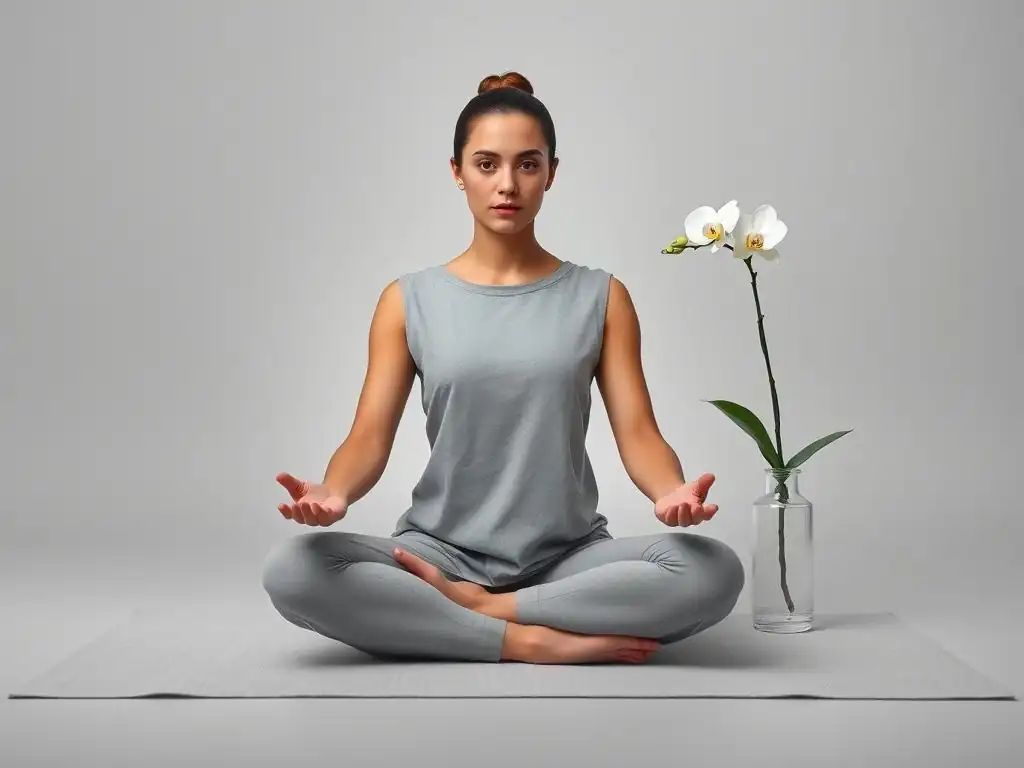
Exploring Different Meditation Styles: Vipassana, Loving-Kindness
Once comfortable with basic mindfulness techniques, beginners might explore other meditation styles that build upon these foundations. Vipassana, or "insight" meditation, involves cultivating a deeper awareness of the impermanent nature of all phenomena – thoughts, feelings, sensations. While rooted in mindfulness, it often involves longer sits and a focus on gaining insight into reality.
Loving-kindness (Metta) meditation is another powerful practice. It involves cultivating feelings of warmth, compassion, and kindness towards oneself and others. You typically begin by directing loving-kindness towards yourself, then gradually expand it to loved ones, neutral persons, difficult persons, and eventually all beings. While distinct, it complements mindfulness by actively cultivating positive emotional states alongside non-judgmental awareness. Exploring these styles offers a richer dimension beyond the initial mindfulness for beginners guide.
Deepening Understanding: Exploring Mindfulness Literature
Engaging with literature by experienced mindfulness teachers can significantly deepen your understanding of the practice, its philosophical underpinnings, and its practical applications. Books offer detailed explanations, personal anecdotes, and guidance that can clarify concepts and inspire continued practice. Reading about the experiences of others on the path can also provide valuable perspective and motivation.
Authors like Jon Kabat-Zinn, Thich Nhat Hanh, and Pema Chödrön have written extensively on mindfulness and related practices, offering insights suitable for both beginners and more experienced practitioners. Exploring their works can provide a broader context for the techniques learned in a basic mindfulness for beginners guide and help integrate the principles into a more holistic approach to life.
Resources for Beginners: Further Exploration
Recommended Books: "Wherever You Go, There You Are" by Jon Kabat-Zinn, "Mindfulness for Beginners" by Jon Kabat-Zinn
For beginners looking to deepen their understanding and practice, several books stand out. "Wherever You Go, There You Are: Mindfulness Meditation in Everyday Life" by Jon Kabat-Zinn is a classic and highly accessible guide that offers short, insightful chapters on integrating mindfulness into daily life. It's written in a gentle, encouraging tone and provides practical suggestions without being overly academic.
Another excellent starting point by the same author is "Mindfulness for Beginners: Reclaiming the Present Moment - and Your Life." This book specifically addresses the challenges and questions commonly faced by those new to the practice. It provides a clear introduction to the core concepts and includes a CD with guided meditations, making it a comprehensive resource for anyone seeking a structured mindfulness for beginners guide.
Guided Meditations: UCLA Mindful Awareness Research Center (MARC), Insight Timer
Guided meditations can be incredibly helpful for beginners, providing instruction and support as you learn to focus your attention. The UCLA Mindful Awareness Research Center (MARC) offers a collection of free guided meditations of varying lengths, led by experienced teachers. Their recordings are clear, calming, and suitable for different purposes, such as stress reduction or body scan.
Insight Timer is a popular free app that provides access to thousands of guided meditations from teachers around the world, as well as meditation timers for silent practice. It allows you to search by duration, topic (like sleep, anxiety, focus), and teacher. Its vast library makes it easy for beginners to sample different styles and find voices they resonate with, offering a flexible tool to support their mindfulness for beginners guide practice.
Mindfulness Apps: Headspace, Calm
Mindfulness apps offer structured programs and guided practices that can help beginners establish a regular routine. Headspace provides guided meditations, courses on specific topics (like stress, sleep, focus), and exercises for mindful movement and everyday activities. It uses simple language and engaging animations to explain concepts, making it very beginner-friendly.
Calm is another well-known app offering guided meditations, sleep stories, breathing programs, and calming music. It has a slightly different aesthetic and range of content compared to Headspace, but also provides comprehensive support for developing a mindfulness practice. Both apps offer free introductory content, allowing beginners to try them out before committing. They serve as convenient digital companions for those following a mindfulness for beginners guide.
Conclusion: Embracing Presence for a Fulfilling Life
Mindfulness, at its core, is a simple yet profound practice of paying attention to the present moment with openness and curiosity. As this mindfulness for beginners guide has explored, it's not about achieving a blank mind or instant serenity, but about cultivating a gentle awareness of your inner and outer experience, exactly as it is. By integrating techniques like mindful breathing, body scans, and bringing presence to daily activities, you can gradually strengthen your capacity for attention and non-judgment.
The benefits of this practice are far-reaching, impacting everything from stress levels and emotional regulation to focus and overall mental well-being. While challenges like distraction and difficult emotions will arise, they are simply opportunities to practice coming back with kindness. Embracing mindfulness is a journey, not a destination. By committing to consistent, even short, periods of practice, you are choosing to live with greater awareness, resilience, and peace, paving the way for a more fulfilling and present life.
Frequently Asked Questions
What exactly is mindfulness, and why is it important for mental well-being?
Mindfulness is the practice of paying attention to the present moment without judgment. It's important because it can help reduce stress, improve focus, and cultivate greater self-awareness.
How do I get started with mindfulness as a beginner?
Begin with short, guided meditations or simple exercises like mindful breathing. Focus on your senses and observe your thoughts without getting carried away. Consistency is more important than duration at first.
What are some common misconceptions about mindfulness?
A common misconception is that mindfulness requires clearing your mind of all thoughts. Actually, it's about observing your thoughts without judgment. It's also not just a relaxation technique, but a way to cultivate awareness.
How can mindfulness help with specific mental health challenges like anxiety or depression?
Mindfulness can help manage anxiety and depression by teaching you to observe your thoughts and feelings without reacting to them. This can lead to greater emotional regulation and a reduction in negative thought patterns.
What resources are available to support my mindfulness practice as a beginner?
Mind Care Guide offers a comprehensive guide to mental well-being. Numerous apps, books, and online courses provide guided meditations and further education on mindfulness techniques.
Final Reflection: Cultivating Inner Peace in a Frantic World
The pursuit of mindfulness, once considered a niche practice, is now a vital tool for navigating the complexities of modern life. The overwhelming pace of technology, constant connectivity, and societal pressures leave many feeling overwhelmed and disconnected. Mindfulness offers a powerful antidote, a path towards greater self-awareness and a calmer, more fulfilling existence.
The impact of mindfulness extends far beyond individual well-being; it's reshaping our understanding of stress management, mental health, and even workplace productivity. Its influence is palpable in the rise of mindfulness-based interventions in schools, workplaces, and healthcare settings. Mindfulness is simply being present, paying attention to what's happening in the moment without judgment.
This simple yet profound statement encapsulates the transformative power of this practice, a power I've personally witnessed in my own life and in the lives of those I've guided on this journey.
Now, consider your own life. Where do you feel the weight of stress and overwhelm? Where could a moment of mindful presence bring clarity and peace? I invite you to take a small step today – perhaps a few minutes of focused breathing, a mindful walk in nature, or simply paying attention to the sensations in your body. Embrace the journey, for the cultivation of mindfulness is a lifelong practice, a path towards a more compassionate and fulfilling life, one breath at a time.
Unlock Your Inner Calm: Start Your Mindfulness Journey Today!
Thanks for taking the time to explore the world of mindfulness with us! We hope this guide provided you with valuable insights into this powerful practice. Now it's time to put your newfound knowledge into action.
- Begin your daily mindfulness practice: Even 5 minutes a day can make a significant difference. Try focusing on your breath, or simply observing your thoughts and feelings without judgment. This is the key step to unlocking the benefits we've discussed.
- Share your experience: Connect with others on their mindfulness journey. Share this article with a friend or family member who might also benefit, or start a conversation in the comments below about your first experience with mindful breathing.
- Explore guided meditations: Many free apps and online resources offer guided meditations tailored to beginners. Try a few different styles to find what resonates with you and enriches your practice.
Ready to cultivate more peace and presence in your daily life? What simple step will you take today to incorporate mindfulness into your routine?