
The Role of Websites and Online Resources in Mental Health Crises


Welcome to Mind Care Guide, a safe space dedicated to nurturing your mental well-being.
Feeling overwhelmed? You're not alone. In times of crisis, knowing where to turn can make all the difference. This guide delves into the vital role of online mental health resource support, offering a beacon of hope and practical tools when you need them most. Discover how these digital resources can provide immediate assistance and long-term strategies for navigating challenging times. Intrigued? Let's explore how they can help.
The Role of Websites and Online Resources in Mental Health Crises
- Introduction: Navigating Mental Health Crises with Online Support
- The Landscape of Online Mental Health Resource Support
- Benefits of Using Online Mental Health Resources During a Crisis
- Key Considerations When Choosing an Online Mental Health Resource
- How Websites Can Help Prevent Mental Health Crises
- Case Studies: Examples of Effective Online Mental Health Resource Support
- Integrating Online Resources into Existing Crisis Intervention Strategies
- Challenges and Limitations of Online Mental Health Support
- Future Trends in Online Mental Health Resources
- Conclusion: Empowering Mental Well-being Through Online Support
-
Frequently Asked Questions
- How can websites and online resources help during a mental health crisis?
- What types of online resources are most helpful during a crisis?
- Are online mental health resources a substitute for professional help?
- How can I ensure the online mental health resources I find are reliable?
- What are some limitations of relying solely on online mental health resource support during a crisis?
- Final Reflection: Navigating the Digital Landscape of Mental Health Support
- Uncover Your Mental Wellness Toolkit
Understanding the Increasing Need for Digital Mental Health Intervention
The global landscape of mental health care is undergoing a significant transformation, driven by an escalating demand for accessible and timely support, particularly during crisis situations. Millions of individuals worldwide grapple with mental health challenges, yet access to traditional in-person care remains a significant barrier for many due to geographical location, cost, and provider shortages.
For instance, reports often indicate that a substantial percentage of the population in various regions lives in areas with insufficient mental health professionals. This gap highlights the urgent need for alternative avenues of support, making the development and utilization of online mental health resource support not just beneficial, but often critical, especially when someone is experiencing acute distress or a mental health crisis.
The rise of digital technologies has opened new pathways to offer immediate assistance and sustained care. Online platforms and websites dedicated to mental well-being can provide a lifeline to individuals who might otherwise fall through the cracks of the traditional system.
These resources offer a spectrum of services, from immediate crisis intervention via text or chat to ongoing therapeutic support through video calls. The ability to access help from virtually anywhere, at any time, significantly reduces the delay in receiving care, which can be vital in preventing a crisis from escalating and offering crucial online mental health resource support when it's needed most.
National Alliance on Mental Illness (NAMI): Your Resource for Mental Well-being in Times of Crisis
The National Alliance on Mental Illness (NAMI) stands as a cornerstone in the mental health community, providing essential education, advocacy, and support for individuals and families affected by mental illness. NAMI's website serves as a vital online mental health resource support hub, offering comprehensive information on various mental health conditions, treatment options, and ways to find local support groups and services. In times of crisis, navigating the complexities of mental healthcare can be overwhelming, and NAMI's resources aim to simplify this process, offering clarity and direction.
Beyond general information, NAMI provides specific resources geared towards crisis situations, including guidance on what constitutes a mental health crisis, how to respond, and how to access emergency services. Their online presence connects individuals to a network of support, emphasizing the importance of community and shared experience. By providing reliable information and pathways to help, NAMI's website embodies the critical role that established organizations play in offering trustworthy online mental health resource support to those in need.
The Landscape of Online Mental Health Resource Support
Exploring Different Types of Online Mental Health Resources
The digital realm offers a diverse ecosystem of tools and platforms designed to support mental well-being, each serving distinct needs and offering different levels of intervention. Understanding the variety available is key to finding the most appropriate online mental health resource support during different stages of need, from preventative education to acute crisis management. These resources leverage technology to overcome traditional barriers and make support more accessible.
The types of online mental health resources range from passive information repositories to highly interactive and immediate support systems. Their effectiveness often lies in their ability to cater to specific preferences, whether someone is seeking anonymity, immediate connection, long-term therapy, or simply educational content to better understand their experiences or those of a loved one. The growth in this area reflects an increasing recognition of technology's potential to augment and extend the reach of mental health services.
Crisis Text Lines and Chat Services
These services offer immediate, text-based support for individuals experiencing a mental health crisis. They provide a discreet way to connect with trained crisis counselors 24/7.
Online Therapy Platforms and Telehealth
Platforms offering therapy sessions via video, phone, or text with licensed mental health professionals. They provide ongoing support and treatment for various conditions.
Mental Health Information Websites and Forums
Websites dedicated to providing educational content about mental health conditions, symptoms, treatments, and coping strategies. Forums allow users to share experiences and information.
Peer Support Groups and Online Communities
Online spaces where individuals with similar mental health challenges can connect, share experiences, offer mutual support, and reduce feelings of isolation.
Benefits of Using Online Mental Health Resources During a Crisis
Accessibility and Convenience of Digital Mental Health Care
One of the most significant advantages of online mental health resource support is its unparalleled accessibility and convenience. Unlike traditional brick-and-mortar services, which require travel and adherence to fixed schedules, digital platforms are available from virtually anywhere with an internet connection.
This is particularly crucial for individuals in rural or underserved areas, those with mobility issues, or people who find it difficult to leave their homes due to the severity of their mental health condition or other responsibilities. Accessing support becomes as simple as opening a browser or an app, removing geographical and physical barriers that often delay or prevent help-seeking.
Furthermore, the convenience extends to scheduling and flexibility. Many online therapy platforms offer a wide range of appointment times, including evenings and weekends, making it easier to fit mental health care into busy lives. Crisis text lines and chat services provide immediate support without the need for an appointment at all, offering help precisely when a crisis is unfolding. This ease of access ensures that individuals can receive timely online mental health resource support, potentially de-escalating a crisis before it worsens and offering a lifeline when conventional services are unavailable.
Affordability of Online Mental Health Support Options
Cost is a major deterrent for many seeking mental health care. Online mental health resource support often presents a more affordable alternative to traditional in-person therapy or counseling. While costs vary depending on the platform and the type of service (e.g., therapy sessions vs. support groups), online options are frequently priced lower due to reduced overhead for providers. For example, some online therapy platforms offer subscription models or per-session rates that can be significantly less than the average cost of an in-person therapy session.
Beyond direct session costs, the affordability is enhanced by eliminating associated expenses like transportation, parking, or taking time off work for appointments. Peer support groups and many informational websites are often available at no cost, providing valuable online mental health resource support for free. This increased affordability makes mental health care more attainable for individuals with limited financial resources, ensuring that financial constraints do not become another barrier to receiving necessary support during difficult times.
Anonymity and Reduced Stigma in Seeking Online Help
Stigma surrounding mental illness remains a significant challenge, often preventing individuals from seeking help. Online mental health resource support can offer a layer of anonymity that reduces the fear of judgment or exposure. Services like crisis text lines allow individuals to reach out using only their phone number, without revealing their identity or location unless they choose to. Similarly, participating in online forums or peer support groups under a pseudonym can feel safer for those worried about being recognized by friends, family, or colleagues.
This anonymity can lower the initial threshold for seeking help, making it easier for individuals to open up about their struggles and access crucial online mental health resource support. The comfort of being in a familiar environment, such as one's own home, while engaging with support services further reduces anxiety associated with visiting a clinic or office. By minimizing the perceived risk of stigma and offering a discreet way to connect, online resources empower individuals to take the first step towards getting the help they need.
Immediate Assistance and 24/7 Availability
Mental health crises don't adhere to a 9-to-5 schedule. They can occur at any time of day or night, on weekends or holidays, when traditional mental health services are often closed. A critical benefit of many forms of online mental health resource support is their availability around the clock. Crisis text lines and national helplines accessed online are typically staffed 24/7, providing immediate access to trained counselors who can offer support and guidance in the moment of crisis.
This instant access is invaluable for individuals experiencing acute distress, suicidal thoughts, or other emergencies. Waiting hours or days for an appointment is not feasible during a crisis. Online resources offer a lifeline that is always available, providing a vital safety net. Even non-crisis resources, like informational websites, are accessible 24/7, allowing individuals to seek information and coping strategies whenever they feel the need, offering continuous online mental health resource support.
Key Considerations When Choosing an Online Mental Health Resource

Verifying the Credibility and Qualifications of Online Providers
When seeking online mental health resource support, especially for therapy or counseling, it is paramount to verify the credibility and qualifications of the providers and platforms. Not all online services adhere to the same standards as traditional care. Look for platforms that employ licensed and certified mental health professionals, such as licensed therapists, psychologists, or psychiatrists, in the relevant jurisdiction. Information about the provider's credentials, experience, and licensure should be readily available on the platform.
Furthermore, research the platform itself. Check for reviews, testimonials, and any accreditation or affiliations with reputable mental health organizations. A legitimate service will be transparent about its team and practices. Choosing a reputable provider ensures that you are receiving care from qualified professionals who adhere to ethical guidelines, maximizing the effectiveness and safety of the online mental health resource support you receive.
Ensuring Data Privacy and Security in Digital Mental Health Platforms
Protecting sensitive personal and health information is critical when using online mental health resource support. Users should investigate the platform's privacy policy and security measures before sharing any personal details or engaging in therapy sessions. Reputable platforms utilize secure, encrypted connections to protect communication and stored data, complying with relevant health information privacy regulations like HIPAA in the United States.
Inquire about how your data is stored, who has access to it, and how it is used. Be cautious of platforms that seem lax about privacy or ask for unnecessary information. Ensuring robust data privacy and security protocols helps build trust and protects users from potential data breaches or misuse of their sensitive information, which is essential for effective and safe online mental health resource support.
Understanding the Scope and Limitations of Online Mental Health Support
While online mental health resource support offers numerous benefits, it is crucial to understand its scope and limitations. Online platforms are incredibly effective for many conditions and situations, but they may not be suitable for everyone, particularly those with severe or complex mental illnesses requiring intensive, in-person care or hospitalization. Online therapy, for instance, may not be equipped to handle acute psychosis, severe suicidal ideation requiring immediate intervention, or conditions that necessitate physical examination or monitoring.
Users should be aware that online resources serve different purposes – some are for information, others for peer support, and some for clinical therapy. It's important to match the resource to the need and understand what the service is designed to provide and what it cannot. Recognizing these limitations helps manage expectations and ensures that individuals seek the most appropriate level of care, whether it's online mental health resource support or a combination of digital and in-person services.
Recognizing When In-Person Mental Health Care is Necessary
Despite the many advantages of online mental health resource support, there are circumstances where in-person care is either necessary or more appropriate. This includes situations involving immediate danger to oneself or others, such as active suicidal intent or homicidal ideation, which typically require emergency services or hospitalization. Severe symptoms like active hallucinations, delusions, or acute disorientation also often necessitate in-person evaluation and treatment.
Furthermore, some complex conditions, such as severe eating disorders or certain personality disorders, may benefit from the comprehensive assessment and multi-disciplinary team approach often available in traditional clinical settings. Online resources should ideally have clear protocols and information on when and how to transition to higher levels of care or seek emergency help. Understanding when the limitations of online mental health resource support are reached is vital for ensuring the individual receives the most effective and safest care possible.
How Websites Can Help Prevent Mental Health Crises
Proactive Mental Health Education and Awareness Campaigns
Websites play a crucial role in the proactive prevention of mental health crises by serving as powerful platforms for education and awareness. Comprehensive online resources provide accessible information about mental health conditions, their symptoms, risk factors, and early warning signs. By offering articles, blog posts, videos, and infographics, websites can demystify mental illness, reduce stigma, and empower individuals to recognize potential issues in themselves or others before they escalate into a crisis. For example, a website might feature content explaining the difference between sadness and depression, or the signs of escalating anxiety.
Launching awareness campaigns through dedicated web pages, social media integration, and online advertising further amplifies these messages. Websites can host quizzes or self-assessment tools (with disclaimers) to help individuals reflect on their own well-being and encourage them to seek help if needed. This continuous flow of reliable information through online mental health resource support helps build mental health literacy across the population, promoting early recognition and intervention strategies.
Early Detection and Intervention Strategies Using Online Tools
Beyond general education, websites can facilitate early detection and intervention through interactive tools and guided programs. Online screening tools, while not diagnostic, can provide users with an indication of whether they might be experiencing symptoms consistent with common mental health conditions like depression or anxiety. These tools often include recommendations to speak with a professional if the results suggest a potential issue. Some platforms offer digital self-help programs based on therapeutic principles like Cognitive Behavioral Therapy (CBT) or Mindfulness, which users can complete at their own pace.
These online interventions can equip individuals with coping skills and strategies to manage symptoms in their early stages, potentially preventing the need for more intensive interventions later. By providing accessible, early-stage online mental health resource support, websites enable individuals to take proactive steps towards managing their mental health, catching potential problems before they develop into full-blown crises.
Connecting Individuals with Local Mental Health Services
A critical function of mental health websites is to serve as a bridge connecting individuals to appropriate local resources. Many websites, including those run by national organizations or local health departments, feature searchable databases or directories of mental health professionals, clinics, hospitals, and support groups in specific geographical areas. This is particularly important when online support is not sufficient or when in-person care is needed.
By providing clear pathways to local services, websites overcome the common barrier of not knowing where to find help. They can offer guidance on navigating the healthcare system, understanding insurance coverage, and preparing for appointments. This crucial piece of online mental health resource support ensures that individuals seeking help online can easily transition to or supplement their digital support with community-based resources when necessary, creating a more integrated support system.
Case Studies: Examples of Effective Online Mental Health Resource Support
Case Study: Crisis Text Line's Impact on Immediate Crisis De-escalation
Crisis Text Line is a prominent example of effective online mental health resource support providing immediate crisis intervention. Launched in 2013, this service offers free, 24/7 support via text message for people in crisis in the US, UK, Canada, and Ireland. Users can text a specific keyword to a designated number and be connected with a trained volunteer crisis counselor. The platform handles millions of conversations annually, processing an average of tens of thousands of messages per week.
Data released by Crisis Text Line consistently shows their impact on de-escalating crises. For instance, they report that a very high percentage of conversations result in the texter feeling calmer and safer by the end of the exchange. They have also shared statistics on the types of issues texters face, with anxiety, depression, and suicidal ideation being among the most common. This immediate, accessible, and discreet form of online mental health resource support has proven invaluable in providing a critical safety net for individuals in acute distress, diverting potentially harmful situations and connecting users with further help if needed.
Case Study: Teletherapy's Role in Reducing Anxiety Symptoms During COVID-19
The COVID-19 pandemic significantly accelerated the adoption and acceptance of teletherapy as a form of online mental health resource support. As lockdowns and social distancing measures became necessary, many individuals experienced increased anxiety, stress, and isolation, while access to in-person therapy became challenging. Teletherapy platforms saw a massive surge in usage, with some reporting increases in client volume by 50% or more in the initial months of the pandemic.
Studies conducted during this period highlighted the effectiveness of teletherapy for common conditions like anxiety. Research published in various psychological journals indicated that remote therapy sessions delivered via video conferencing or phone were comparable in effectiveness to in-person sessions for reducing anxiety symptoms in many individuals. Patients reported positive experiences regarding convenience and comfort. This real-world scenario demonstrated the critical role teletherapy played as a flexible and effective online mental health resource support mechanism during a period of unprecedented public health crisis, ensuring continuity of care and reaching those who needed help while physically isolated.
Integrating Online Resources into Existing Crisis Intervention Strategies
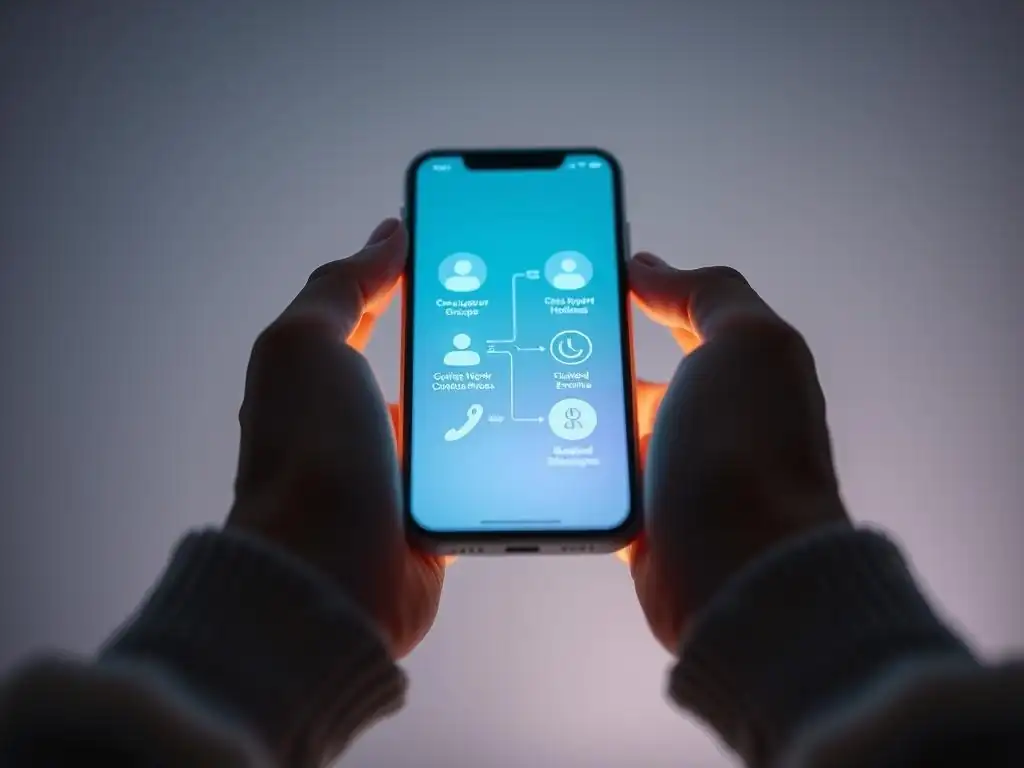
Collaborating with Mental Health Professionals and Organizations
Effective crisis intervention requires a multi-faceted approach, and integrating online mental health resource support means fostering collaboration between digital platforms and traditional mental health professionals and organizations. Websites and online services should not operate in isolation but work in concert with therapists, clinics, hospitals, and crisis hotlines. This involves creating clear referral pathways, where online resources can easily direct users to local in-person care when necessary, and conversely, where professionals can recommend specific, vetted online tools as part of a client's treatment plan.
Building strong relationships ensures that individuals receive seamless care transitions and that online resources are used appropriately within a broader system of support. Workshops and training sessions can help professionals understand the capabilities and limitations of various online tools, enabling them to confidently recommend online mental health resource support to their clients, enhancing the overall crisis intervention ecosystem.
Promoting Online Mental Health Resources in Schools and Communities
Raising awareness and promoting the availability of online mental health resource support within schools, universities, workplaces, and community centers is essential for proactive crisis prevention and intervention. Educational institutions and community organizations can play a vital role by sharing information about reputable websites, crisis text lines, and teletherapy options through their communication channels, such as websites, newsletters, and social media.
Integrating information about online resources into mental health awareness programs, health classes, and employee assistance programs ensures that individuals know where to turn for digital support before a crisis occurs. For example, a university counseling center might list several online support services on its website alongside its own services. This widespread promotion helps normalize the use of digital tools for mental well-being and ensures that valuable online mental health resource support is readily accessible to those who might need it within these key community settings.
Training Professionals on Utilizing Digital Mental Health Tools
For online mental health resource support to be fully integrated and effective, mental health professionals themselves need adequate training on how to utilize these digital tools. This includes training on delivering therapy via telehealth platforms, understanding the ethical considerations unique to online practice, and knowing how to effectively incorporate digital resources like mental health apps or online support communities into their clients' treatment plans.
Training programs can cover technical aspects of using platforms securely, best practices for conducting remote sessions, and guidelines for assessing when a client might be better served by in-person care or higher levels of support. Equipping professionals with the knowledge and skills to navigate the digital landscape ensures they can confidently and competently offer or recommend online mental health resource support, expanding the reach and effectiveness of mental health care in the digital age.
Challenges and Limitations of Online Mental Health Support
Digital Divide and Access to Technology
Despite the widespread availability of technology, the digital divide remains a significant challenge for accessing online mental health resource support. Not everyone has reliable internet access, suitable devices (like smartphones or computers), or the digital literacy required to navigate online platforms effectively. This disparity is often more pronounced in lower-income populations, rural areas, and among older adults, potentially excluding vulnerable groups who could benefit greatly from digital support.
For example, an individual in a remote area might lack broadband internet, making video therapy sessions impractical. Someone with limited technological experience might struggle to sign up for or use a complex online platform. Addressing this digital divide through community initiatives, providing access points, and developing user-friendly interfaces are crucial steps to ensure that online mental health resource support is truly equitable and accessible to all who need it.
Risk of Misinformation and Unreliable Sources
The internet is a vast repository of information, but not all of it is accurate or reliable, posing a risk when seeking online mental health resource support. Individuals searching for help might encounter websites offering unproven treatments, providing misleading information about conditions, or promoting harmful coping mechanisms. Forums and online communities, while valuable for peer support, can also spread misinformation or negative perspectives if not moderated effectively.
It can be challenging for individuals, especially those in distress, to discern between credible sources and unreliable ones. This highlights the importance of directing users towards vetted, reputable online mental health resource support platforms and organizations. Promoting digital literacy and critical evaluation skills can also help individuals navigate online information more safely, reducing the risk of encountering harmful content.
Potential for Cyberbullying and Online Harassment
While online platforms can foster supportive communities, they also carry the risk of cyberbullying, harassment, or negative interactions. Individuals sharing personal struggles in online forums or social media groups might be vulnerable to hurtful comments, trolling, or exploitation. This is particularly concerning for individuals already experiencing heightened emotional sensitivity or distress during a mental health crisis.
Platforms offering online mental health resource support must implement robust moderation policies and safety features to protect their users. Empowering users to report harmful behavior and providing resources for dealing with online harassment are essential. Creating safe and respectful online environments is paramount to ensuring that digital spaces are truly supportive and do not inadvertently cause further harm to vulnerable individuals seeking help.
Maintaining Ethical Standards in Online Mental Health Care
Delivering mental health care online presents unique ethical challenges that providers and platforms must navigate carefully. Issues such as maintaining confidentiality and privacy in a digital environment, verifying a client's identity, managing emergencies when geographical location is uncertain, and ensuring informed consent for online services are complex. Professionals providing online mental health resource support must adhere to the same ethical codes as in-person practitioners, but apply them to the digital context.
Platforms need clear protocols for handling emergencies, including collecting emergency contact information and having procedures in place for situations where a client is at immediate risk. Ensuring that therapists are adequately trained in telemental health ethics is also critical. Upholding high ethical standards is fundamental to building trust and ensuring that online mental health resource support is delivered responsibly and safely.
Future Trends in Online Mental Health Resources
Advancements in Artificial Intelligence and Mental Health Support
The integration of Artificial Intelligence (AI) is poised to significantly impact the future of online mental health resource support. AI can be used to develop sophisticated chatbots capable of providing initial support, answering frequently asked questions, or guiding users through self-help exercises based on therapeutic principles. AI algorithms can also analyze patterns in user input (while maintaining privacy) to help identify individuals at higher risk of crisis, potentially triggering alerts or recommendations for more intensive support.
Furthermore, AI can assist clinicians by analyzing session transcripts or client data (with appropriate consent and anonymization) to identify key themes or track progress. While AI is not intended to replace human therapists, its capabilities in processing information, providing instant responses, and identifying patterns can augment existing online mental health resource support, making it more personalized, efficient, and potentially more accessible.
Personalized Mental Health Interventions Through Data Analytics
Leveraging data analytics holds immense potential for creating more personalized and effective online mental health resource support. By analyzing aggregated, anonymized data from user interactions with platforms – such as engagement levels with specific tools, responses to different types of content, or patterns in reported symptoms – platforms can gain insights into what works best for different individuals or groups.
This data can inform the development of tailored interventions, recommending specific resources, exercises, or types of support based on a user's unique needs, preferences, and progress. For example, a platform might use data to determine that a user struggling with sleep benefits most from guided meditation exercises. Personalized online mental health resource support based on data analytics can lead to more efficient treatment pathways and potentially better outcomes for individuals seeking help online.
Increased Integration of Virtual Reality and Augmented Reality in Therapy
Virtual Reality (VR) and Augmented Reality (AR) are emerging technologies with promising applications in online mental health resource support, particularly in therapeutic settings. VR can create immersive environments used for exposure therapy, allowing individuals to safely confront phobias or anxieties in a controlled digital space (e.g., simulating public speaking or flying). It can also be used for relaxation techniques or developing social skills in simulated interactions.
AR can overlay digital information onto the real world, potentially used for in-the-moment coping prompts or reminders in a user's daily environment. While still relatively nascent in widespread online mental health care, these technologies offer new ways to deliver therapeutic interventions remotely, providing experiential learning and skill-building that traditional online formats cannot. As the technology becomes more accessible, VR and AR are expected to become more integrated into sophisticated online mental health resource support platforms.
Conclusion: Empowering Mental Well-being Through Online Support
The Ongoing Evolution of Digital Mental Health Resources
The landscape of online mental health resource support is dynamic and continuously evolving, driven by technological advancements and a growing understanding of mental health needs. What began primarily as static information websites has expanded into a complex ecosystem of crisis lines, therapy platforms, peer support networks, and interactive tools. This evolution reflects a commitment to leveraging digital capabilities to make mental health care more accessible, affordable, and less stigmatized.
As technology advances, we can anticipate even more sophisticated and personalized forms of online mental health resource support, including greater use of AI, data analytics, and immersive technologies. However, the core mission remains the same: to provide timely, effective, and empathetic support to individuals navigating the complexities of their mental well-being, particularly during times of crisis. The ongoing development in this field holds significant promise for empowering more people to find the help they need.
In the journey towards mental well-being, having reliable partners is essential. The National Alliance on Mental Illness (NAMI) continues to be a vital resource, both in the traditional mental health space and as a provider of valuable online mental health resource support. Their website and digital presence offer credible information, practical guidance, and connections to supportive communities, serving as a trusted starting point for many.
Whether seeking to understand a condition, find local support, or learn how to help a loved one, NAMI's online resources embody the spirit of comprehensive support. By providing a blend of educational content and pathways to help, NAMI empowers individuals and families to navigate mental health challenges with greater confidence and knowledge. Their role highlights the importance of established, reputable organizations in building a robust digital infrastructure for mental well-being.
Frequently Asked Questions
How can websites and online resources help during a mental health crisis?
Websites offer immediate access to information and crisis hotlines. They can also provide self-assessment tools and connect individuals with online mental health resource support.
What types of online resources are most helpful during a crisis?
Resources like crisis text lines, online support groups, and emergency contact directories are crucial. Access to clear and concise information about symptoms and coping strategies is also vital.
Are online mental health resources a substitute for professional help?
No, online resources should be considered supplemental to professional care. They offer initial support and information, but a qualified mental health professional is essential for diagnosis and treatment.
How can I ensure the online mental health resources I find are reliable?
Look for websites from reputable organizations like the Mind Care Guide, government agencies, or universities. Check for evidence-based information and avoid sites making unsubstantiated claims.
What are some limitations of relying solely on online mental health resource support during a crisis?
Online resources cannot provide personalized support or medical interventions. The lack of face-to-face interaction can also be a disadvantage for some individuals.
The accessibility of online mental health resources has become a lifeline for millions, yet the digital landscape remains a double-edged sword, offering both immense potential and significant challenges. The sheer volume of information available, while beneficial, can also be overwhelming and even detrimental if not navigated carefully. This underscores the critical need for responsible development and utilization of these vital tools.
The evolving role of websites and online resources in mental health crises has profoundly impacted our society, shifting the paradigm of care from solely in-person interactions to a more inclusive and accessible model. However, the ease of access also necessitates a critical examination of the quality, reliability, and ethical considerations surrounding these platforms. As we move forward, it's crucial to remember that technology is a tool, and its effectiveness hinges on responsible implementation and user awareness. The greatest danger for most of us is not that our aim is too high and we miss it, but that it is too low and we reach it.
- Michelangelo. This quote highlights the importance of striving for high-quality, ethical online resources, rather than settling for easily accessible but potentially harmful ones.
Consider the information presented in this article. Reflect on your own experiences with online mental health resources – what has been helpful, and what has fallen short? You have the power to be a part of the solution. By critically evaluating the resources you encounter, advocating for responsible development, and sharing your experiences, you can contribute to a more supportive and effective digital ecosystem for mental health support. Let's work together to ensure that the online world becomes a truly safe and empowering space for those in need.
Uncover Your Mental Wellness Toolkit
Thanks for taking the time to explore the crucial role websites and online resources play in navigating mental health crises. You've gained valuable insights into finding support and building resilience. Now, let's put that knowledge into action!
- Identify 2-3 trusted online resources that resonate with your needs and save them to your bookmarks or create a dedicated folder on your device for easy access during challenging times. This is your personal mental wellness toolkit!
- Share this article with a friend, family member, or colleague who might benefit from the information. Spreading awareness is key to fostering a more supportive community.
- Consider exploring online forums or support groups related to your specific concerns. Connecting with others facing similar challenges can be incredibly empowering.
What personalized strategies will you implement today to ensure access to reliable online mental health support when you need it most?