
Learn Stress Management at Your Pace: Finding Flexible Online Courses

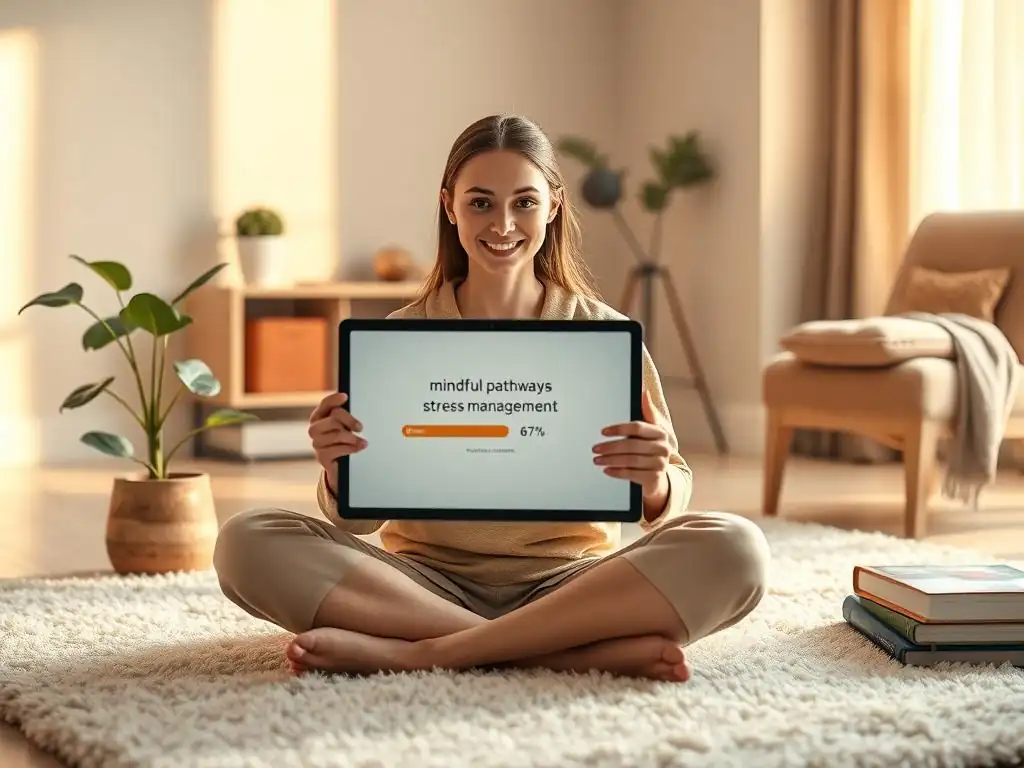
Welcome to Mind Care Guide, your trusted companion on the path to mental well-being.
Feeling overwhelmed? You're not alone. Stress can impact every aspect of our lives, and finding effective management techniques is crucial. Are you ready to take control and discover ways to navigate stress on your own terms? We understand the need for flexibility, which is why our latest guide dives into the world of stress management online courses flexible, offering options that fit seamlessly into your busy life. Explore the possibilities and unlock a calmer, more resilient you. Let's begin!
Learn Stress Management at Your Pace: Finding Flexible Online Courses
- Introduction: Why Flexible Stress Management Online Courses Are Essential for Modern Life
- Understanding Your Stress: The Foundation for Choosing the Right Course
- Key Features to Look for in Flexible Stress Management Online Courses
- Top Flexible Stress Management Online Courses: A Comparative Analysis
- Making the Right Choice: Factors to Consider Before Enrolling
- Beyond the Course: Integrating Stress Management into Your Daily Life
- Conclusion: Taking Control of Your Stress with Flexible Online Courses
-
Frequently Asked Questions
- What are the benefits of taking stress management online courses?
- How do I find flexible stress management online courses?
- What types of stress management techniques are typically taught in these courses?
- Are there any stress management online courses that are specifically designed for people with busy schedules?
- How much do stress management online courses generally cost, and are there any free options available?
- Final Reflection: Embracing the Flexible Path to Inner Peace
- Unlock Your Calm: Start Your Stress-Management Journey Today!
Introduction: Why Flexible Stress Management Online Courses Are Essential for Modern Life
In today's fast-paced world, managing stress has become more crucial than ever for maintaining overall well-being. The pressures of work, family, and daily life can accumulate, impacting both our mental and physical health. While traditional stress management workshops exist, they often require fixed schedules and locations, which can be challenging to fit into already busy lives. This is where the rise of flexible stress management online courses offers a vital solution.
Opting for flexible stress management online courses allows individuals to gain valuable coping skills without the constraints of time and place. These platforms provide the tools and knowledge needed to understand stress, identify its sources, and implement effective techniques, all accessible from the comfort of home or anywhere with an internet connection. The ability to learn at one's own pace and on a personal schedule makes these courses particularly appealing to those juggling multiple responsibilities, ensuring that essential mental wellness support is within reach when it's needed most.
Understanding Your Stress: The Foundation for Choosing the Right Course
Before embarking on a quest for the perfect flexible stress management online course, taking a moment to understand your personal relationship with stress is fundamental. Stress manifests differently in everyone, ranging from mild irritation to severe anxiety and physical symptoms. Recognizing your unique stress patterns and triggers will significantly help you select a course that addresses your specific needs and provides the most relevant strategies for your situation.
This self-awareness phase is not about diagnosing a condition but about gaining clarity on how stress impacts you personally. Are you primarily stressed by deadlines? Interpersonal conflicts? Financial worries?
Or perhaps a general feeling of being overwhelmed? Different courses might focus on different types of stressors or therapeutic approaches. A course emphasizing cognitive restructuring might be ideal for someone stressed by negative thought patterns, while a course on mindfulness could benefit someone struggling with being present and overwhelmed by future worries. Understanding your stress landscape is the first step towards finding effective stress management online courses flexible enough to meet your demands.
Identifying Your Stress Triggers: A Key Step Before Enrolling
Identifying your stress triggers is a critical preliminary step that informs your choice of stress management online courses flexible enough for your lifestyle. Triggers are specific situations, people, places, or events that provoke a stress response. For instance, public speaking might be a trigger for one person, while for another, it could be dealing with traffic or managing a large project at work. Studies suggest that chronic exposure to identified stressors is linked to increased health risks, highlighting the importance of addressing the root causes.
Journaling is a simple yet powerful technique to uncover these triggers. By noting down stressful events and your reactions over a week or two, patterns often emerge. For example, you might notice that every time you have a meeting with a particular colleague, your stress levels spike, or that planning family events consistently leads to feelings of being overwhelmed.
Understanding these specific triggers allows you to look for flexible stress management online courses that offer modules or techniques specifically designed to tackle those areas, whether it's communication skills for difficult interactions or organizational strategies for managing complex tasks. This targeted approach ensures the course content is highly relevant and actionable for your life.
Different Types of Stress Management Techniques Covered in Online Courses
Flexible stress management online courses offer a diverse array of techniques designed to combat stress from multiple angles. These methods often fall into categories such as cognitive, behavioral, physical, and mindfulness-based approaches. A comprehensive course might integrate several of these, while others specialize in one particular area. For example, many courses teach cognitive restructuring, a technique from Cognitive Behavioral Therapy (CBT), which involves identifying and challenging negative thought patterns contributing to stress. Research indicates that CBT-based interventions can significantly reduce perceived stress levels.
Another common technique found in stress management online courses flexible for busy schedules is mindfulness and meditation. These practices focus on bringing awareness to the present moment without judgment, helping to reduce rumination about the past or worry about the future. Biofeedback techniques, relaxation exercises like progressive muscle relaxation, and breathing exercises are also frequently included, offering practical ways to calm the body's physiological stress response.
Some courses might also cover time management, assertiveness training, or problem-solving skills, recognizing that external factors often contribute to stress. The variety of techniques ensures that learners can find methods that resonate with them and are practical to implement in their daily lives.
Key Features to Look for in Flexible Stress Management Online Courses

When searching for the ideal flexible stress management online course, several key features stand out as essential for maximizing effectiveness and convenience. The term "flexible" implies more than just being online; it means adapting to the learner's individual needs and schedule. Identifying these features upfront will help you filter through the numerous options available and select a program that genuinely supports your journey towards better stress management without adding more stress to your life.
Prioritizing features like round-the-clock accessibility, self-paced learning modules, diverse content formats, and access to expert guidance ensures that the investment of time and money yields tangible results. A truly flexible course empowers you to learn when and how it suits you best, making it easier to integrate stress management practices into your routine sustainably. These features collectively contribute to a learning experience that is not only effective but also accommodating of the unpredictable nature of modern life, making flexible stress management online courses a practical choice for many.
24/7 Accessibility: Learning on Your Schedule
One of the most significant advantages of flexible stress management online courses is their 24/7 accessibility. Unlike traditional classes with fixed meeting times, online courses allow you to log in and access materials whenever it is most convenient for you, day or night. This is particularly beneficial for individuals with demanding jobs, irregular hours, or significant family commitments. Imagine being able to complete a module on breathing exercises at 6 AM before work or review a lesson on cognitive reframing at 10 PM after the kids are in bed.
This constant availability ensures that learning doesn't have to be postponed due to unexpected schedule changes or time zone differences. Whether you have a sudden free hour during lunch or prefer to dedicate a block of time on a weekend morning, the course materials are always there, ready when you are. This level of access is a cornerstone of what makes stress management online courses flexible and practical for integrating new skills into a busy life, removing a common barrier to participation in mental wellness programs.
Self-Paced Learning Modules: Adjusting to Your Comfort Level
Self-paced learning modules are another crucial feature distinguishing flexible stress management online courses. This structure allows learners to progress through the course content at their own speed, rather than being tied to a group's pace. If you encounter a complex concept, you can spend extra time reviewing the material, re-watching videos, or rereading lessons without feeling rushed. Conversely, if you are already familiar with a topic, you can move through those sections more quickly.
This adaptability is vital for effective learning, especially when dealing with personal topics like stress management. It acknowledges that everyone processes information differently and that life's demands fluctuate. Some courses might offer a suggested timeline, perhaps completing a module per week, but the self-paced format means this is a guideline, not a strict deadline. This control over your learning speed reduces potential stress associated with falling behind and allows for deeper engagement with the material, making flexible stress management online courses a truly personalized learning experience.
Variety of Learning Formats: Catering to Different Learning Styles
Effective flexible stress management online courses often incorporate a variety of learning formats to cater to different learning styles. People absorb information in diverse ways – some are visual learners who benefit from videos and infographics, others are auditory learners who prefer lectures and guided meditations, and many are kinesthetic learners who learn best through practice exercises and interactive elements. A course that offers a mix of formats is more likely to engage a broader range of learners effectively.
Look for courses that include a combination of:
- Video lectures: For visual and auditory learners.
- Written materials: PDFs, articles, and transcripts for reading and review.
- Audio recordings: Guided meditations, relaxation exercises, or lectures for auditory learning and practice on the go.
- Interactive exercises: Quizzes, journaling prompts, or practical technique applications for kinesthetic learning.
- Downloadable resources: Worksheets, trackers, or quick reference guides for offline use and practice.
A rich mix of these formats ensures that you can engage with the material in ways that are most effective and enjoyable for you, reinforcing concepts and making the skills easier to apply. This multi-format approach is a hallmark of high-quality, flexible stress management online courses.
Expert Instruction and Support: Guidance from Qualified Professionals
While flexibility is key, the quality of instruction in stress management online courses flexible options is paramount. Look for courses developed and led by qualified professionals in mental health, psychology, therapy, or certified stress management coaching. Experts bring not only theoretical knowledge but also practical experience in applying these techniques and understanding the nuances of stress. Their credentials might include degrees in psychology, counseling licenses, or specific certifications in areas like mindfulness or CBT.
Beyond initial instruction, consider what kind of support is available. Some flexible stress management online courses offer Q&A sessions (live or recorded), forums for peer interaction, or even direct messaging with instructors or support staff for clarification. While not all self-paced courses include direct one-on-one coaching, access to expert insights, whether through recorded content or community interaction moderated by professionals, adds significant value. Knowing the information is accurate and backed by expertise provides confidence in the techniques you are learning and applying to manage your stress.
Top Flexible Stress Management Online Courses: A Comparative Analysis
Exploring the landscape of flexible stress management online courses reveals a variety of options, each with its unique strengths and focus areas. While specific course names and features change frequently, we can analyze representative examples based on common structures and approaches found in the market. These examples illustrate the diversity available, from programs focusing on specific therapeutic modalities to those offering broad overviews of stress reduction techniques.
When comparing flexible stress management online courses, consider the depth of content, the types of techniques taught, the format of the materials, and the level of support offered. Some courses might be short, intensive programs focusing on immediate coping skills, while others are longer, more comprehensive journeys into understanding the roots of stress and building long-term resilience. The "best" course depends entirely on your individual needs, learning preferences, and what you hope to achieve through the program.
Option 1: [Course Name]
This type of flexible stress management online course often focuses heavily on mindfulness and meditation practices. Typically structured over 6-8 weeks, with approximately 2-3 hours of content per week, these programs guide learners through various meditation techniques, body scans, and mindful movement. Data from participants in similar programs often shows a reported decrease in stress and anxiety levels by 20-30% after completion. The modules usually include guided audio meditations, video explanations of mindfulness principles, and journaling prompts to reflect on practice.
The strength of this approach lies in cultivating present moment awareness, which can help detach from stressful thoughts about the past or future. Content might include specific lessons on mindful eating, mindful communication, or integrating short mindfulness breaks into a busy workday. While self-paced, some versions might offer optional live Q&A sessions or a community forum for participants to share experiences and ask questions, fostering a sense of connection despite the online format. This type of course is ideal for those interested in a contemplative approach to stress management.
Representing another popular type of flexible stress management online course, this option might emphasize Cognitive Behavioral Therapy (CBT) techniques. These courses typically break down complex CBT principles into actionable steps over 4-6 modules, requiring perhaps 1-2 hours of engagement per week. The focus is often on identifying negative automatic thoughts, challenging cognitive distortions, and developing more balanced thinking patterns. Studies on CBT for stress often report significant reductions in perceived stress, sometimes showing effects comparable to face-to-face therapy for mild to moderate stress.
Content usually includes video lessons explaining concepts like the cognitive triangle (thoughts, feelings, behaviors), downloadable worksheets for tracking thoughts and behaviors, and exercises for practicing cognitive restructuring. Some courses might include role-playing scenarios or case studies presented via video. The flexibility comes from being able to complete these exercises and lessons whenever time permits. This type of course is highly practical and skills-based, appealing to individuals who want concrete tools to challenge stressful thinking patterns and develop more adaptive coping behaviors.
A third common type of flexible stress management online course might take a more holistic approach, combining elements from various disciplines, including physical techniques, relaxation methods, and time management skills. These programs could be structured into shorter, more frequent lessons, perhaps 15-30 minutes daily over several weeks, or longer modules completed weekly, totaling 8-12 hours of content. Data from participants in such integrated programs often indicates improvements across multiple areas, including reduced tension headaches and improved sleep quality, alongside decreased stress.
Modules might cover topics like progressive muscle relaxation, diaphragmatic breathing, gentle stretching or yoga sequences (demonstrated via video), effective time blocking strategies, and assertiveness training for managing boundaries. The emphasis is on providing a toolkit of diverse techniques that learners can choose from based on their immediate needs and preferences. This type of course is well-suited for individuals who want a broad understanding of different stress management strategies and the flexibility to experiment with various methods to see what works best for them.
Making the Right Choice: Factors to Consider Before Enrolling

Selecting the right flexible stress management online course is a personal decision that should be guided by several practical factors. Beyond the course content and features, your individual circumstances play a significant role in determining which option will be the most effective and sustainable for you. Taking the time to assess these factors upfront can prevent potential frustration and ensure that the course you choose aligns with your goals and capabilities.
Considering your budget, preferred learning style, and available time commitment are crucial steps before hitting the "enroll" button. A course might have excellent reviews and cover relevant topics, but if it's financially out of reach, requires a time commitment you cannot realistically meet, or uses a format that doesn't suit how you learn, it's unlikely to be the right fit. Thoughtful evaluation of these factors is key to finding flexible stress management online courses that truly empower you on your wellness journey.
Your Budget: Finding Affordable and Value-Driven Options
The cost of flexible stress management online courses can vary widely, from free or low-cost options to premium programs costing several hundred dollars. Determining your budget is a necessary first step. Free resources, often found on platforms like YouTube or through non-profit organizations, can provide foundational knowledge and basic techniques like guided meditations or simple breathing exercises. While they offer great accessibility, they might lack the structured curriculum and expert support found in paid courses.
Paid courses typically range from approximately $50 to $500 or more, depending on the depth of content, duration, level of instructor interaction, and platform. Look for courses that offer good value for their price – this might mean a comprehensive curriculum, high-quality video production, downloadable resources, or access to a supportive community.
Some platforms offer subscription models, providing access to multiple courses for a monthly or annual fee, which can be cost-effective if you plan to take several courses. Carefully compare the features and content offered against the price to find an option that fits your financial constraints while providing significant value.
Your Learning Style: Matching the Course Format to Your Preferences
Your personal learning style significantly impacts how effectively you will engage with and benefit from a flexible stress management online course. As discussed earlier, courses utilize various formats: video, audio, text, interactive exercises. Consider which methods you find most engaging and easiest to learn from. Do you prefer watching demonstrations, listening to lectures, reading detailed explanations, or actively participating in exercises and quizzes?
If you are a visual learner, prioritize courses with high-quality video content and clear visual aids. If you are an auditory learner, look for courses with extensive audio lectures or guided meditations. Kinesthetic learners will benefit most from courses that include practical exercises, workbooks, and opportunities to apply techniques. Many flexible stress management online courses offer preview lessons or module descriptions that can give you insight into their primary format. Matching the course's delivery method to your learning style will make the experience more enjoyable and the material easier to retain and apply.
Your Time Commitment: Assessing the Course Length and Required Effort
Even flexible stress management online courses require a certain amount of time and effort to be effective. While they offer flexibility in when you learn, you still need to dedicate some time. Before enrolling, realistically assess how much time you can consistently allocate each week or month to the course. Courses can range from short, intensive workshops of a few hours to multi-week or multi-month programs requiring several hours of study and practice weekly.
Consider not just the time spent watching videos or reading, but also the time needed for practice – applying techniques like meditation, journaling, or relaxation exercises is where real progress happens. A course might state it has 10 hours of video content, but effectively engaging with it and practicing the skills could require 20-30 hours total. Be honest about your schedule and commitments. Choosing a course with a manageable workload increases the likelihood that you will complete it and successfully integrate the learned skills into your life, making the flexibility truly work for you.
Beyond the Course: Integrating Stress Management into Your Daily Life
Completing a flexible stress management online course is a significant achievement, but it's just the beginning. The true value lies in consistently integrating the learned techniques and principles into your daily life. Stress management is not a one-time fix but an ongoing practice. The skills acquired through your online course serve as a foundation upon which you can build a more resilient and balanced lifestyle.
Making stress management a regular part of your routine requires conscious effort and commitment. It involves actively choosing to practice the techniques you've learned, even when you're not feeling particularly stressed, so they become second nature when challenging situations arise. This section explores key areas of integration, emphasizing consistent practice, physical well-being, and social connection as vital components of long-term stress management.
Practicing Mindfulness Regularly: Cultivating Present Moment Awareness
Mindfulness is a cornerstone technique taught in many flexible stress management online courses, and its power lies in regular practice. While a course might teach you how to meditate or be mindful, the benefits multiply when it becomes a daily habit. Studies suggest that just 10-15 minutes of mindfulness practice per day can lead to significant reductions in stress, improved focus, and enhanced emotional regulation over time. It's like exercising a muscle; the more you use it, the stronger it gets.
Integration can be simple: start with a few minutes of focused breathing each morning, practice mindful eating during one meal, or take a mindful walk during your lunch break. Use the guided meditations or exercises provided in your flexible stress management online course materials as a starting point, and gradually incorporate these moments of awareness throughout your day. The goal is not to eliminate thoughts but to observe them without judgment, fostering a greater sense of calm and perspective amidst life's demands.
Incorporating Physical Activity: Releasing Tension and Boosting Mood
Physical activity is a powerful stress reliever, often highlighted in comprehensive stress management online courses. Exercise helps reduce the body's stress hormones, like cortisol, and stimulates the production of endorphins, which are natural mood elevators. Finding ways to incorporate regular physical movement into your routine is essential for managing stress long-term. This doesn't mean you need to become a marathon runner; even moderate activity provides benefits.
Aim for at least 30 minutes of moderate-intensity exercise most days of the week, as recommended by health guidelines. This could be brisk walking, cycling, dancing, swimming, or engaging in gentle yoga or stretching routines learned from your course. Listen to your body and find activities you enjoy, as this makes consistency easier. Even short bursts of activity, like a 10-minute walk, can help clear your head and reduce tension. Making time for physical activity is an investment in both your physical and mental health, complementing the techniques learned in flexible stress management online courses.
Building a Supportive Network: Connecting with Others for Emotional Support
Stress can feel isolating, but connecting with others provides crucial emotional support. Many flexible stress management online courses emphasize the importance of social connections, even if they don't directly provide a community. Building and nurturing a supportive network of friends, family, or support groups offers a vital outlet for sharing feelings, gaining perspective, and receiving encouragement during challenging times.
Make an effort to spend time with people who uplift you. Share what you're learning about stress management and how it's impacting you; sometimes, simply articulating your experiences can be therapeutic. Consider joining local groups or online communities related to hobbies or interests, providing opportunities for connection beyond discussing stress. If your flexible stress management online course includes a forum or group feature, actively participate. Research consistently shows that strong social support networks are correlated with better mental health outcomes and increased resilience to stress.
Conclusion: Taking Control of Your Stress with Flexible Online Courses
Navigating the complexities of modern life often means confronting stress head-on. Fortunately, the availability of flexible stress management online courses provides an accessible and adaptable pathway to acquiring the skills needed to do just that. By offering 24/7 access, self-paced modules, varied learning formats, and expert guidance, these courses empower individuals to learn effective stress management techniques on their own terms, fitting education seamlessly into even the busiest schedules.
Choosing the right course involves understanding your personal stress triggers, identifying your learning style, assessing your budget and time, and looking for features that prioritize genuine flexibility and quality instruction. The journey doesn't end with course completion; the real work lies in consistently applying the learned techniques – practicing mindfulness, staying physically active, and nurturing social connections – to build long-term resilience. Embracing flexible stress management online courses is a proactive step towards greater well-being, equipping you with the tools to not just cope with stress, but to thrive despite it.
Frequently Asked Questions
What are the benefits of taking stress management online courses?
Online courses offer flexibility and convenience, allowing you to learn at your own pace. They also provide access to expert-led instruction and valuable resources from the comfort of your home.
How do I find flexible stress management online courses?
Search for courses that offer asynchronous learning, meaning you can access materials and complete assignments on your own schedule. Look for options with self-paced modules and no mandatory live sessions.
What types of stress management techniques are typically taught in these courses?
Courses often cover a range of techniques, including mindfulness meditation, cognitive behavioral therapy (CBT) skills, and relaxation exercises. They may also address time management and problem-solving strategies.
Are there any stress management online courses that are specifically designed for people with busy schedules?
Yes, many courses are designed with busy professionals and individuals in mind. These often feature shorter modules, bite-sized lessons, and flexible deadlines.
How much do stress management online courses generally cost, and are there any free options available?
The cost varies widely, from free introductory courses to more comprehensive programs with higher fees. Look for options that fit your budget, and consider scholarships or financial aid if needed.
Final Reflection: Embracing the Flexible Path to Inner Peace
The relentless pace of modern life demands we prioritize self-care, and finding the right tools to manage stress is no longer a luxury, but a necessity. The accessibility of flexible online stress management courses offers a powerful antidote to the overwhelming pressures we face daily, empowering individuals to take control of their well-being on their own terms.
The impact of readily available, adaptable learning resources on our collective mental health cannot be overstated. These courses are democratizing access to crucial coping mechanisms, breaking down barriers of time, location, and cost. They are fostering a culture of self-awareness and proactive mental health management, a shift that is long overdue. The greatest weapon against stress is our ability to choose one thought over another.
– William James. This quote perfectly encapsulates the power these courses offer: the ability to consciously choose healthier thought patterns and coping strategies.
Now, consider your own journey. What steps will you take to prioritize your mental well-being? Will you explore the wealth of flexible online courses available, tailoring your learning to your unique needs and schedule? Remember, investing in your mental health is not selfish; it's an act of self-love and a crucial step towards living a more fulfilling and balanced life. Take that first step today – your future self will thank you.
Unlock Your Calm: Start Your Stress-Management Journey Today!
Thanks for taking the time to explore the world of flexible online stress management courses! We hope you found valuable insights and inspiration to begin your journey towards a calmer, more balanced you. Now it's time to put that knowledge into action.
- Enroll in a stress-management course that fits your lifestyle. This is the most important step! Choose a course that fits your schedule and learning preferences. Consider exploring different teaching styles to find what resonates best.
- Share your experience with friends or family who might also benefit from learning effective stress management techniques. Starting a conversation can make a big difference.
- Explore mindful breathing exercises, even if it's just for five minutes a day. Small steps can build incredible momentum.
Ready to create a more peaceful and fulfilling life? What's the first stress-management technique you're excited to try?