
Managing Panic and Anxiety Attacks with Crisis Intervention Tech

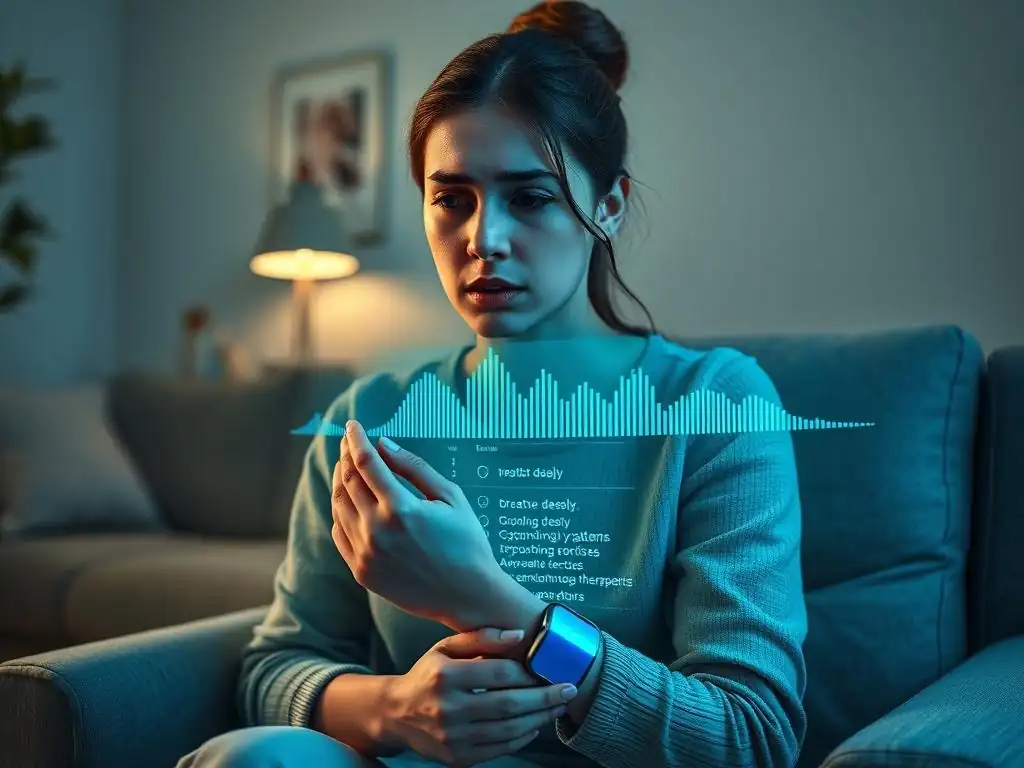
Welcome to Mind Care Guide, a safe space dedicated to understanding and nurturing your mental well-being. Are you experiencing the overwhelming grip of panic attacks and searching for effective solutions? It's okay, you're not alone. Dive into our guide on Panic Attack Crisis Intervention Tech and discover how innovative tools can provide crucial support when you need it most. Let's explore together how technology can empower you to manage anxiety and regain control.
Managing Panic and Anxiety with Technology-Assisted Crisis Intervention
- Understanding Panic and Anxiety
- Technology-Assisted Crisis Intervention: An Overview
- Top Technology Tools for Panic and Anxiety
- Utilizing Technology Effectively
- Real-World Examples: Success Stories
- The Future of Crisis Intervention Technology
- Creating a Holistic Approach
- Conclusion: Empowering Yourself with Technology
-
Frequently Asked Questions
- How can crisis intervention technology help during a panic attack?
- What types of technology are considered "Panic Attack Crisis Intervention Tech"?
- Are there privacy concerns when using crisis intervention tech for panic attacks?
- How effective is crisis intervention tech compared to traditional methods for managing panic attacks?
- Where can I find reliable information and resources about panic attack crisis intervention tech?
- Final Reflection: Reclaiming Control in the Face of Panic
- Take Control: Your Path to Calmer Moments
Understanding Panic and Anxiety
Panic Attacks: Defining the Experience
Panic attacks are sudden episodes of intense fear that trigger severe physical reactions when there is no real danger or apparent cause. These attacks can be terrifying and are often accompanied by symptoms such as a pounding heart, sweating, trembling, shortness of breath, numbness, or a feeling of impending doom. The onset is typically abrupt, reaching a peak intensity within minutes, and they can occur unexpectedly or be triggered by specific situations. The experience can feel overwhelming, leading individuals to believe they are having a heart attack, losing control, or even dying.
While a single panic attack can be frightening, recurring panic attacks, especially when coupled with persistent worry about having more attacks, can lead to panic disorder. According to the National Institute of Mental Health (NIMH), an estimated 4.7% of U.S. adults experience panic disorder at some point in their lives. These episodes can significantly impact daily functioning, causing people to avoid places or situations where attacks have occurred, such as crowded spaces, public transportation, or even leaving their homes.
Anxiety Attacks: Defining the Experience
Anxiety attacks, often referred to more broadly as severe anxiety episodes, are characterized by feelings of excessive worry, nervousness, or apprehension that build up over a period of time, from hours to days or even weeks. Unlike the sudden onset of a panic attack, anxiety typically escalates gradually and is often tied to a specific stressor or worry, such as a difficult work project, a social event, or a personal challenge. The symptoms can include restlessness, fatigue, difficulty concentrating, muscle tension, and sleep disturbances.
While the term "anxiety attack" is widely used, it's not a clinical term in the same way "panic attack" is defined in diagnostic manuals. However, it describes a very real and distressing experience for many people. These episodes can be debilitating, making it hard to manage daily responsibilities, maintain relationships, or simply find peace of mind. The persistent nature of the worry distinguishes it from the acute, intense fear of a panic attack, though both can significantly impair quality of life and benefit from effective management strategies, including innovative panic attack crisis intervention tech.
Differentiating Panic and Anxiety Attacks
Distinguishing between panic attacks and anxiety attacks is crucial for understanding and managing these conditions effectively. The primary difference lies in the intensity and onset of symptoms. Panic attacks are sudden, intense, and peak rapidly, often presenting with severe physical symptoms like palpitations, chest pain, and dizziness, frequently occurring without an obvious trigger. They are discrete episodes of acute fear.
In contrast, anxiety attacks (or severe anxiety episodes) typically develop gradually and are often linked to a specific stressor. While they share some symptoms with panic attacks, such as worry and nervousness, they generally lack the extreme physical intensity and sudden, overwhelming fear characteristic of panic attacks. Understanding this distinction helps individuals and healthcare providers choose the most appropriate interventions, including leveraging panic attack crisis intervention tech tailored to the specific nature of the distress being experienced.
The Role of Technology in Managing Anxiety and Panic
Technology has emerged as a powerful tool in the mental health landscape, offering new avenues for managing anxiety and panic. From mobile apps providing immediate coping strategies to wearable devices monitoring physiological signs, technology can offer support when traditional resources may not be immediately available. This integration provides accessible, often affordable, and discrete ways for individuals to gain control over their symptoms and build resilience.
Moreover, technology facilitates access to professional support through teletherapy and online platforms, breaking down geographical and logistical barriers. For someone experiencing a panic attack or heightened anxiety, having a tool on their smartphone or wrist that can guide them through breathing exercises or connect them to help can be a vital lifeline. This growing field of panic attack crisis intervention tech is transforming how people approach their mental well-being, offering proactive and reactive support mechanisms.
Technology-Assisted Crisis Intervention: An Overview
Defining Technology-Assisted Crisis Intervention
Technology-assisted crisis intervention refers to the use of digital tools and platforms to provide immediate support, resources, and guidance during moments of intense psychological distress, such as panic or severe anxiety attacks. This can range from mobile applications offering guided exercises and coping mechanisms to teletherapy sessions providing real-time professional support, and even wearable devices designed to detect physiological changes associated with distress.
The goal of technology-assisted crisis intervention is to bridge gaps in traditional support systems, offering accessible help 24/7. It leverages the ubiquity of personal devices to put support directly into the hands of those who need it, precisely when they need it most. This approach is particularly valuable for managing conditions like panic disorder and generalized anxiety disorder, where acute episodes require rapid, effective strategies, making panic attack crisis intervention tech a critical area of development.
How Technology is Transforming Panic and Anxiety Management
Technology is revolutionizing the management of panic and anxiety by providing tools for prevention, early detection, and immediate response. Mobile apps, for instance, offer cognitive behavioral therapy (CBT) techniques, mindfulness exercises, and guided meditations that users can access anytime, anywhere, helping to build coping skills and potentially reduce the frequency or intensity of episodes. Approximately 80% of smartphone users have at least one health-related app, and mental health apps are a rapidly growing category.
Wearable devices are beginning to offer proactive support by monitoring heart rate, sleep patterns, and other physiological indicators that might signal rising anxiety or the onset of a panic attack. Some devices are exploring features that can alert users or even initiate calming interventions. Teletherapy platforms provide a convenient and often less intimidating way for individuals to connect with licensed therapists for regular sessions or during a crisis, expanding access to professional care significantly. These technological advancements are making effective panic attack crisis intervention tech more integrated into daily life.
Benefits of Using Technology for Crisis Intervention
Utilizing technology for panic and anxiety crisis intervention offers numerous benefits. Accessibility is a major advantage; support tools are available on demand, eliminating the need to wait for appointments or travel. This is crucial during an acute episode. Technology can also provide a sense of privacy and control, allowing individuals to practice coping techniques discreetly.
Furthermore, many technology tools offer personalized experiences, tracking progress, tailoring content based on user input, and providing data that can be shared with healthcare providers to inform treatment. The cost is often lower than traditional therapy, making support more affordable. For example, a subscription to a popular mindfulness app might cost around $70 per year, significantly less than a single therapy session. This combination of accessibility, affordability, and personalization makes panic attack crisis intervention tech a valuable addition to a comprehensive management plan.
Top Technology Tools for Panic and Anxiety

Mobile Apps for Relief
Mobile apps offer a convenient and immediate resource for individuals experiencing panic or anxiety. They provide a range of tools, from guided breathing and meditation to tracking features and educational content. Their portability means help is always within reach, turning a smartphone into a personal support system.
These apps often incorporate evidence-based techniques derived from therapies like CBT and mindfulness-based stress reduction (MBSR). They empower users with practical skills to manage symptoms in the moment and build long-term resilience. The ease of access and variety of features make mobile apps a popular starting point for exploring panic attack crisis intervention tech.
Calm: Features, Benefits, and User Experience
Calm is a widely recognized app focused on meditation, sleep, and relaxation. Its features include guided meditations varying in length, sleep stories designed to help users fall asleep, breathing exercises, and calming music. For someone experiencing anxiety, the "SOS" section offers guided practices specifically designed for moments of intense distress.
The benefits of using Calm include its user-friendly interface, extensive content library, and the ability to easily find a practice suited to one's current state. Users often report finding the sleep stories particularly helpful for managing anxiety-induced insomnia, and the breathing exercises provide immediate relief during panic attacks. While a subscription is required for full access, it provides a wealth of resources for daily practice and crisis moments, making it a comprehensive tool for managing panic and anxiety.
Headspace: Features, Benefits, and User Experience
Headspace is another leading mindfulness and meditation app, known for its simple, playful interface and structured courses. It offers guided meditations, mindfulness exercises, and courses on topics like stress, anxiety, and focus. The app includes specific meditations for moments of panic or feeling overwhelmed.
Headspace's benefits lie in its step-by-step approach to teaching mindfulness, making it accessible even for beginners. Users appreciate the variety of voices and the short, manageable session lengths that can fit into a busy schedule. Like Calm, it operates on a subscription model. Many users find the structured courses help build a consistent meditation practice, which can reduce overall anxiety levels and improve coping during panic attacks. Headspace is often highlighted as effective panic attack crisis intervention tech due to its accessibility and focus on teaching foundational mindfulness skills.
Wearable Technology for Monitoring and Intervention
Wearable technology, such as smartwatches and fitness trackers, is increasingly being explored for its potential in monitoring physiological indicators related to stress, anxiety, and panic attacks. By continuously collecting data on metrics like heart rate, heart rate variability (HRV), and sleep, these devices can offer insights into an individual's stress levels and potentially predict or detect the onset of an episode.
While still an evolving area, the integration of mental wellness features into wearables holds promise for proactive management. Some devices are starting to include features like guided breathing exercises that can be initiated directly from the wrist when the device detects elevated stress or the user feels overwhelmed. This represents a fascinating frontier in panic attack crisis intervention tech.
Apple Watch: Features, Benefits, and User Experience
The Apple Watch offers several features that can be beneficial for managing anxiety and panic. Its Breathe app provides guided deep breathing exercises directly on the watch face, which can be initiated manually or through reminders. The watch monitors heart rate continuously and can alert users to unusually high or low heart rates when they appear to be inactive, which could sometimes correlate with physiological changes during anxiety or panic.
Users benefit from the convenience of having these tools on their wrist, easily accessible during moments of distress. The haptic feedback during the Breathe exercise can be particularly grounding. While the Apple Watch doesn't explicitly detect panic attacks, its monitoring capabilities and built-in mindfulness tools make it a useful piece of panic attack crisis intervention tech for many individuals, providing data and immediate coping options.
Fitbit: Features, Benefits, and User Experience
Fitbit devices track various health metrics, including heart rate, sleep stages, and activity levels. More recent models also include features like "Stress Management Score," which uses data like heart rate variability, sleep, and activity to provide an overall assessment of the body's response to stress. Guided breathing sessions are also available directly on some devices.
The benefits of Fitbit include its long battery life (often several days), detailed sleep tracking, and the Stress Management Score, which can help users identify patterns related to their stress and anxiety. The guided breathing exercises offer on-the-spot support. While its primary focus is physical health, the integration of stress tracking and breathing exercises makes Fitbit a valuable tool for monitoring overall well-being and providing basic panic attack crisis intervention tech features.
Virtual Reality (VR) for Therapy
Virtual Reality (VR) is emerging as a powerful therapeutic tool, particularly in the treatment of anxiety disorders and phobias. By creating immersive, controlled environments, VR allows individuals to confront feared situations or triggers in a safe and gradual manner. This technology is primarily used in conjunction with a therapist.
VR therapy can simulate real-world scenarios that might trigger panic or anxiety, such as public speaking, being in a crowded place, or heights. This exposure therapy in a virtual setting can help individuals build tolerance and reduce their fear response. It offers a level of control and customization that is difficult to achieve in real-life exposure, making it a promising area of panic attack crisis intervention tech used in a clinical context.
VR Exposure Therapy Programs
VR Exposure Therapy (VRET) programs are designed to systematically expose patients to anxiety-provoking stimuli within a virtual environment. For example, someone with agoraphobia might start by being in a virtual open space, then gradually progress to a virtual crowded street, and eventually a virtual public transport setting. The therapist controls the intensity and duration of the exposure.
Studies have shown promising results for VRET in treating conditions like phobias, PTSD, and social anxiety disorder. For instance, research on VRET for fear of heights has demonstrated significant reductions in anxiety levels comparable to real-life exposure therapy. The ability to repeat scenarios, pause the experience, and control variables makes VRET a flexible and effective method for reducing anxiety and panic responses in a controlled therapeutic setting.
Teletherapy and Online Support Groups
Teletherapy, or online therapy, provides mental health counseling and support via video calls, phone calls, or messaging platforms. It connects individuals with licensed therapists and counselors remotely, offering a convenient and accessible alternative to in-person sessions. This is particularly useful for people in rural areas, those with mobility issues, or during times when in-person contact is limited.
Online support groups offer a peer-based platform for individuals to share their experiences, coping strategies, and offer mutual support. These groups can provide a sense of community and reduce feelings of isolation often associated with anxiety and panic disorders. Both teletherapy and online support groups are vital components of modern panic attack crisis intervention tech, ensuring access to human connection and professional guidance regardless of physical location.
Utilizing Technology Effectively
Setting Up Your Tech Toolkit
Building a personal tech toolkit for managing panic and anxiety involves selecting a combination of tools that meet your specific needs and preferences. This might include a mobile app for daily mindfulness practice and immediate crisis support, a wearable device for monitoring, and access to a teletherapy platform for professional guidance. Start by researching options and perhaps trying free trials to see what resonates with you.
Consider your lifestyle and what technology you already use regularly. An app you forget to open won't be helpful. Ensure the tools you choose are easy to use and integrate into your routine. Don't feel pressured to use everything at once; begin with one or two tools and gradually add more as you become comfortable. A well-chosen tech toolkit can be a powerful ally in your journey towards better mental health, providing accessible panic attack crisis intervention tech when needed.
Integrating Technology into Your Management Plan
Technology should be seen as a supplement to, not a replacement for, other effective management strategies like therapy, medication (if prescribed), and lifestyle changes. Integrate your chosen tech tools into your existing mental wellness plan. For example, use your meditation app daily as part of your morning routine, check your wearable's stress score in the afternoon, and have your teletherapy app ready for scheduled sessions or urgent needs.
Discuss your use of technology with your therapist or doctor. They can offer guidance on how to best utilize these tools in conjunction with your overall treatment plan. Tracking your mood or symptoms within an app can provide valuable data to share during therapy sessions. This integrated approach ensures that technology acts as a supportive layer within a comprehensive strategy for managing panic and anxiety.
Choosing the Right Tools
Selecting the appropriate technology tools requires careful consideration of your individual symptoms, triggers, and preferences. If you primarily experience panic attacks with intense physical symptoms, a wearable device that monitors heart rate and offers immediate breathing exercises might be particularly useful. If your anxiety is more generalized and worry-based, a mindfulness app or teletherapy might be more beneficial.
Read reviews, compare features, and look for tools that are based on evidence-backed therapeutic approaches. Consider the cost – many effective apps require subscriptions, while others are free or offer limited free content. Don't be afraid to try a few different options before committing. The right tools will feel intuitive and genuinely helpful, enhancing your ability to manage your mental health effectively with panic attack crisis intervention tech.
Limitations of Technology
While technology offers significant benefits, it's crucial to be aware of its limitations in managing panic and anxiety. Technology cannot replace professional diagnosis, personalized therapy from a licensed professional, or emergency services in a severe crisis. Apps and wearables are support tools, not cures.
Issues like privacy concerns regarding health data, potential for technical glitches, and the need for self-motivation to consistently use the tools are also factors to consider. Over-reliance on technology without addressing underlying issues or seeking professional help when needed can be detrimental. Technology is a powerful aid in panic attack crisis intervention, but it must be used responsibly and in conjunction with other forms of care.
Real-World Examples: Success Stories
Case Study 1: Using a Smartwatch to Detect and Manage Panic Attacks
Sarah, a 35-year-old marketing manager, struggled with unpredictable panic attacks that made her fear social situations and public transport. She started using a smartwatch that monitored her heart rate and offered guided breathing exercises. While the watch didn't predict every attack, Sarah noticed that during moments of rising anxiety, her heart rate would often increase significantly, sometimes before she consciously registered the fear.
She configured her watch to have the breathing exercise app easily accessible. During one particularly stressful commute, she felt the familiar signs of an impending panic attack – her heart pounding, difficulty breathing. She immediately tapped her watch, launched the breathing exercise, and focused intently on the guided inhales and exhales.
She later reported that while the attack wasn't completely prevented, using the watch helped her feel more in control, significantly reduced the intensity of the physical symptoms, and shortened the duration of the episode from over 20 minutes to about 5 minutes. This experience empowered her to feel less helpless during future episodes, highlighting the practical application of panic attack crisis intervention tech.
Case Study 2: Utilizing Teletherapy for Agoraphobia
David, a 50-year-old graphic designer, developed severe agoraphobia following a series of panic attacks in public places, making it nearly impossible for him to leave his home. Traditional in-person therapy was challenging to access due to his condition. He decided to try teletherapy and connected with a therapist specializing in exposure therapy via video calls.
Through teletherapy sessions conducted from his living room, David's therapist guided him through gradual exposure exercises. Initially, this involved simply opening his front door, then stepping onto his porch, and eventually walking down his street, all while connected to his therapist via video. The therapist provided real-time coaching and support during these challenging steps. Over several months, David was able to progress from being housebound to taking short walks independently and even visiting a local park, a significant improvement in his quality of life directly facilitated by accessible panic attack crisis intervention tech through teletherapy.
The Future of Crisis Intervention Technology

Emerging Trends
The field of panic attack crisis intervention tech is constantly evolving, with several exciting trends on the horizon. One major area is the development of more sophisticated algorithms in wearables that can potentially predict anxiety or panic episodes based on a wider range of physiological and behavioral data. Think beyond just heart rate to include factors like skin conductance, body temperature, and even voice analysis.
Another trend is the integration of AI into mental wellness apps, offering more personalized and adaptive support. AI chatbots are becoming more advanced, capable of providing empathetic support and guiding users through coping strategies in real-time. The development of more immersive and accessible VR therapy applications is also expected to expand, making this powerful tool available to a broader population.
The Potential of AI
Artificial Intelligence (AI) holds immense potential in enhancing panic attack crisis intervention tech. AI can analyze vast amounts of data from user interactions, wearables, and self-reports to identify patterns and triggers specific to an individual. This personalized insight can inform more effective coping strategies and interventions delivered through apps or other platforms.
AI-powered chatbots could offer immediate, conversational support during moments of crisis, guiding users through breathing exercises, mindfulness practices, or simply providing a calm, supportive presence. While not a substitute for human connection or professional therapy, AI can act as a highly accessible first line of defense, offering support 24/7. The ability of AI to learn and adapt could lead to increasingly sophisticated and effective digital interventions for panic and anxiety.
Ethical Considerations
As technology becomes more integrated into mental health care, significant ethical considerations must be addressed. Data privacy and security are paramount; sensitive personal health information collected by apps and wearables must be protected from breaches and misuse. Users need to understand how their data is being used and have control over it.
Ensuring the efficacy and safety of technology tools is also critical. Apps and devices making therapeutic claims should be based on evidence and potentially subject to regulatory oversight. Preventing the exacerbation of anxiety through poorly designed or misleading features is essential. Furthermore, addressing the digital divide to ensure equitable access to beneficial panic attack crisis intervention tech is a crucial ethical challenge.
Creating a Holistic Approach
Therapy and Counseling
Professional therapy and counseling remain cornerstones of effective panic and anxiety management. Therapies like Cognitive Behavioral Therapy (CBT), Exposure Therapy, and Acceptance and Commitment Therapy (ACT) provide individuals with the skills and understanding needed to identify triggers, challenge negative thought patterns, and develop healthy coping mechanisms.
A therapist can provide personalized guidance, help address underlying issues contributing to anxiety and panic, and offer support in navigating challenging situations. Technology tools can complement therapy by allowing individuals to practice skills learned in sessions, track progress, and have immediate support resources available between appointments. Integrating professional care with panic attack crisis intervention tech creates a powerful synergy.
Lifestyle Changes and Self-Care
Lifestyle changes and self-care practices play a significant role in reducing overall anxiety levels and building resilience against panic attacks. Regular physical activity, maintaining a balanced diet, getting sufficient sleep (around 7-9 hours for most adults), and avoiding excessive caffeine or alcohol can all have a positive impact on mental well-being.
Stress management techniques such as mindfulness, yoga, deep breathing exercises (often available via tech), and spending time in nature are also crucial. Prioritizing activities you enjoy and maintaining social connections are vital for emotional health. Technology can support these efforts by providing guided exercises, tracking habits, and facilitating connections, acting as helpful panic attack crisis intervention tech within a broader self-care framework.
When to Seek Professional Help
It is important to recognize when professional help is needed. If panic or anxiety attacks are frequent, severe, significantly interfering with your daily life (work, relationships, social activities), or if you are experiencing persistent worry about having more attacks, it is time to consult a healthcare provider or mental health professional.
If you have thoughts of harming yourself or others, seek immediate help by contacting a crisis hotline, emergency services, or going to the nearest emergency room. Technology tools can be supportive, but they are not a substitute for professional diagnosis, treatment, or emergency care. A professional can help you develop a comprehensive treatment plan, which may include therapy, medication, and the strategic use of panic attack crisis intervention tech.
Conclusion: Empowering Yourself with Technology
Managing panic and anxiety attacks can be challenging, but the landscape of support is expanding thanks to advancements in technology. From accessible mobile apps offering immediate coping strategies to wearable devices providing physiological insights and teletherapy connecting you with professional care, technology offers powerful tools to help you understand, anticipate, and navigate moments of distress.
By strategically incorporating panic attack crisis intervention tech into a holistic mental wellness plan that includes therapy, lifestyle changes, and self-care, individuals can build resilience and regain control. While technology has limitations and is not a standalone solution, it serves as a valuable ally, offering support when and where you need it most. Embracing these tools can empower you on your journey towards greater peace of mind and well-being.
Frequently Asked Questions
How can crisis intervention technology help during a panic attack?
Crisis intervention tech, like mobile apps and wearable sensors, can provide real-time monitoring of physiological symptoms (heart rate, breathing) and deliver guided relaxation techniques or connect users with immediate support during a panic attack.
What types of technology are considered "Panic Attack Crisis Intervention Tech"?
This category includes mobile apps with features like panic buttons that alert contacts, wearable devices that detect physiological changes indicative of panic, and platforms offering virtual therapy sessions for immediate support.
Are there privacy concerns when using crisis intervention tech for panic attacks?
Yes, privacy is a crucial consideration. Users should carefully review the data collection and sharing policies of any app or device, ensuring their personal information is protected and used responsibly. Many apps offer data encryption.
How effective is crisis intervention tech compared to traditional methods for managing panic attacks?
The effectiveness varies depending on the individual and the specific technology used. While not a replacement for professional therapy, crisis intervention tech can be a valuable supplemental tool offering immediate coping strategies and reducing the severity of attacks.
Where can I find reliable information and resources about panic attack crisis intervention tech?
You can find information on websites like Mind Care Guide that offer comprehensive guides to mental well-being, consult with a mental health professional for personalized recommendations, or research peer-reviewed studies on the efficacy of specific technologies.
Final Reflection: Reclaiming Control in the Face of Panic
The integration of technology into crisis intervention for panic and anxiety attacks is no longer a futuristic concept; it's a vital tool reshaping how we respond to mental health emergencies. The accessibility and immediacy offered by these technologies are proving transformative, offering a lifeline to individuals in moments of intense distress and empowering them to regain control over their experience.
The impact of readily available panic attack crisis intervention tech extends far beyond individual relief; it's fostering a broader cultural shift in how we perceive and address mental health. We are moving away from a culture of silence and stigma towards one of proactive support and open dialogue. This shift is crucial, as it allows individuals to seek help without shame and encourages a more compassionate understanding of mental health challenges. The greatest barrier to mental health care is not the lack of resources, but the lack of access and the stigma surrounding mental illness.
This quote highlights the critical role technology plays in breaking down these barriers, making support readily available and accessible to those who need it most.
You now have the tools to navigate panic and anxiety more effectively. Consider exploring the apps and technologies discussed in this article. Don't let the fear of a panic attack control your life; take proactive steps to equip yourself with the resources to manage these challenges. Remember, seeking help is a sign of strength, not weakness, and the path to managing your mental health is a journey worth undertaking. Take that first step today.
Take Control: Your Path to Calmer Moments
Thanks for taking the time to learn about managing panic and anxiety attacks with technology. We hope you found the information helpful and empowering! Now, let's turn that knowledge into action. Here are a few ways to keep moving forward:
- Download a crisis intervention app today. Many offer breathing exercises, calming soundscapes, and even connect you with support. This is your first step towards building a personal toolkit for managing anxiety.
- Share this article with someone who might find it helpful. Knowledge is power, and spreading awareness can make a real difference in someone else's life.
- Explore additional coping strategies online. Search for guided meditations or mindfulness exercises to complement your app usage – remember self-care is a journey, not a destination!
What small step will you take today to prioritize your mental wellbeing?