
When Anxiety Lives Here: How It Changes Your Family's Daily Interactions


Welcome to Mind Care Guide, a safe space dedicated to nurturing your mental well-being.
Feeling like anxiety is casting a long shadow over your family life? You're not alone. Many families struggle with the subtle, yet profound, ways anxiety impacts their daily interactions. Dive into our article, " When Anxiety Lives Here: How It Changes Your Family's Daily Interactions," and discover practical insights and compassionate guidance to navigate these challenges and foster a more supportive and understanding home environment. Let's explore how to reclaim connection and build resilience together.
When Anxiety Lives Here: How It Changes Your Family's Daily Interactions
- Understanding Anxiety's Ripple Effect on Family Life
- The Subtle Ways Anxiety Alters Family Communication
- Anxiety's Influence on Family Roles and Responsibilities
- Childhood Anxiety and Its Effects on Parenting Styles
- The Impact of Anxiety on Couple Relationships
- Recognizing Anxiety-Related Behaviors Within the Family
- Strategies for Strengthening Family Interactions Despite Anxiety
- Building Resilience and Coping Mechanisms as a Family
- Addressing the Stigma Surrounding Anxiety in Families
-
Frequently Asked Questions
- How does anxiety in one family member typically impact the overall family dynamic?
- What are some common signs that anxiety is negatively affecting family interactions?
- What strategies can families use to improve communication when dealing with anxiety?
- How can family members support someone with anxiety without enabling their anxious behaviors?
- When should a family consider seeking professional help to address anxiety's impact on their interactions?
- Final Reflection: The Ripple Effect of Anxiety on Family Life
- Unlock Your Family's Potential: Steps to a More Peaceful Home
Understanding Anxiety's Ripple Effect on Family Life
Defining Anxiety and Its Diverse Manifestations
Anxiety is far more than just feeling stressed or worried; it's a persistent state of apprehension that can significantly impact daily life. Clinically defined, anxiety disorders encompass a range of conditions including Generalized Anxiety Disorder (GAD), Panic Disorder, Social Anxiety Disorder, and specific phobias. While occasional worry is a normal response to stressful situations, clinical anxiety is characterized by excessive, uncontrollable worry that interferes with a person's ability to function. Symptoms can be both psychological and physical, ranging from racing thoughts, difficulty concentrating, and irritability to muscle tension, fatigue, increased heart rate, and digestive issues.
These varied manifestations mean that anxiety doesn't look the same for everyone, or even within the same person over time. A parent with GAD might exhibit constant worry about their children's safety or future, leading to excessive phone calls or rule-setting. A teenager with social anxiety might withdraw from family gatherings or school events, appearing sullen or defiant when they are actually terrified.
The invisible nature of many of these symptoms means that family members may misinterpret behaviors, attributing them to personality flaws or lack of effort rather than recognizing them as expressions of anxiety. Understanding this diversity is the first step in recognizing how anxiety impacts family interactions.
How Anxiety Impacts Family Interactions: An Overview
The presence of anxiety in one family member inevitably creates a ripple effect, altering the dynamics and interactions of the entire unit. Think of a mobile – if one part is agitated, the whole structure moves. Similarly, when someone experiences significant anxiety, it can shift communication patterns, change roles and responsibilities, and even influence the emotional climate of the home. Family members may find themselves adapting, sometimes unconsciously, to the anxious person's needs or behaviors, which can lead to new, often challenging, ways of interacting.
This impact is multifaceted. On one hand, family members may step in to help the anxious person avoid triggers, inadvertently reinforcing avoidance behaviors. On the other hand, the strain of dealing with persistent worry or panic can lead to frustration, resentment, and increased conflict among family members. Studies and clinical observations consistently show that untreated anxiety in one individual can lead to higher stress levels for other family members, impacting marital satisfaction, sibling relationships, and parent-child dynamics. Recognizing this systemic impact is crucial for understanding the full scope of how anxiety impacts family interactions.
The Subtle Ways Anxiety Alters Family Communication
Anxiety-Driven Communication Patterns: Avoidance, Reassurance Seeking, Catastrophizing
Anxiety often dictates specific, often unhealthy, communication styles within a family. One common pattern is avoidance. Family members might learn to "walk on eggshells" around the anxious individual to prevent triggering their fears or worries. This can lead to important topics being skirted, feelings being suppressed, and a general lack of open, honest dialogue. Conversely, the anxious individual might avoid situations or discussions that provoke anxiety, leading to withdrawal or isolation within the home. This dynamic can create distance and a sense of emotional disconnect.
Another prevalent pattern is reassurance seeking. The anxious person may constantly ask for validation or confirmation from family members ("Are you sure it's going to be okay? ", "Do you think I did the right thing?"). While initially supportive, this can become exhausting for family members and may actually feed the anxiety loop, as the reassurance is temporary and doesn't build the anxious person's internal coping skills.
Finally, catastrophizing, or assuming the worst possible outcome, is a hallmark of anxiety that heavily influences communication. Conversations can quickly escalate from minor concerns to imagined disasters, pulling family members into the anxious person's spiral of fear and potentially leading to shared distress or attempts to "logic" them out of it, which is often ineffective. These patterns demonstrate how profoundly anxiety impacts family interactions on a verbal and emotional level.
Increased Conflict and Misunderstandings Due to Anxiety
The altered communication styles fueled by anxiety frequently lead to increased conflict and misunderstandings within the family. An anxious person might be more irritable, defensive, or withdrawn, making calm problem-solving difficult. Their worries can seem irrational or excessive to others, leading to frustration and impatience. Family members, feeling misunderstood or burdened by the anxiety, might react with criticism, detachment, or their own expressions of frustration, escalating tensions.
For example, a parent's constant worry about a child's safety might manifest as strict, seemingly arbitrary rules, which the child perceives as controlling and unfair, leading to arguments. A partner's anxiety about finances might lead to accusatory or panicked conversations about spending, even when finances are stable, causing resentment in the other partner. The emotional intensity and distorted thinking patterns often associated with anxiety can create a breeding ground for conflict, where intentions are misinterpreted and emotional needs go unmet, illustrating a significant way anxiety impacts family interactions.
The Impact of Anxiety on Active Listening within the Family
Active listening – truly hearing and understanding what another person is communicating – is a cornerstone of healthy family relationships. However, anxiety can significantly undermine this crucial skill, affecting both the person experiencing anxiety and their family members. For the anxious individual, racing thoughts, internal distress, or preoccupation with worries can make it difficult to focus on what others are saying. They might interrupt, seem distracted, or misinterpret comments through the lens of their fears.
For family members, the repetitive nature of reassurance seeking or the perceived irrationality of anxious worries can lead to listening fatigue. They might tune out, offer platitudes ("Just calm down"), or jump to problem-solving instead of simply listening and validating. This breakdown in active listening means family members may not feel heard or understood, leading to emotional distance and difficulty building empathy. The ability to listen with presence and compassion is vital, and its erosion is a clear indicator of how anxiety impacts family interactions.
Anxiety's Influence on Family Roles and Responsibilities
Shifting Family Dynamics: When Anxiety Takes Over
When anxiety becomes a dominant force in a family, it often leads to significant shifts in established roles and dynamics. The "identified patient" – the person with noticeable anxiety – may become the central focus, with family life revolving around managing their symptoms or avoiding triggers. Other family members might unconsciously take on roles to compensate: a partner might become the sole decision-maker, a child might become the "peacekeeper" or the parent's confidante, or siblings might adopt roles to either support or distance themselves from the anxious sibling.
These shifts are often not explicitly discussed or agreed upon, happening gradually as the family adapts to the presence of anxiety. While intended to help, these new roles can sometimes be detrimental in the long run. A child taking on excessive responsibility might experience their own stress and missed developmental opportunities. A partner shouldering all decision-making might feel burdened and resentful. These altered dynamics demonstrate a profound way anxiety impacts family interactions, changing the fundamental structure of the family unit.
Increased Caregiving Responsibilities for Anxious Family Members
One of the most tangible ways anxiety impacts family interactions is through the increased caregiving burden placed on other members. Depending on the severity of the anxiety, the anxious individual might struggle with tasks that were once routine, such as grocery shopping, driving, attending social events, or managing finances. Family members often step in to cover these responsibilities, sometimes out of love and support, and sometimes out of necessity or frustration.
While support is essential, this can lead to an imbalance. A partner might have to take on all errands and social planning. Older children might need to care for younger siblings more often if a parent is incapacitated by anxiety.
This added load can lead to burnout for the caregivers, resentment, and a sense of being overwhelmed. It also, inadvertently, can prevent the anxious person from confronting situations that might help them build resilience, creating a cycle where the family's increased responsibility maintains the status quo of the anxiety. This significant shift in daily tasks highlights how anxiety impacts family interactions on a practical level.
The Strain on Sibling Relationships Due to Anxiety
Sibling relationships, already complex, can face unique strains when one sibling struggles with significant anxiety. The anxious sibling may require more parental attention, resources, or accommodation, which can lead to other siblings feeling neglected, resentful, or unfairly treated. They might feel pressure to be "the good one" or "the strong one," suppressing their own needs or struggles. Alternatively, they might distance themselves from the anxious sibling, finding their anxiety too difficult to cope with or understand.
Furthermore, siblings might be drawn into the caregiving role themselves, expected to soothe, monitor, or cover for their anxious brother or sister. This can blur the lines of the sibling relationship, turning it into something more akin to a parent-child dynamic. Clinical observations suggest that siblings of children with chronic conditions, including significant anxiety, may experience higher rates of their own emotional or behavioral issues, demonstrating the pervasive way anxiety impacts family interactions across different relationships within the home.
Childhood Anxiety and Its Effects on Parenting Styles
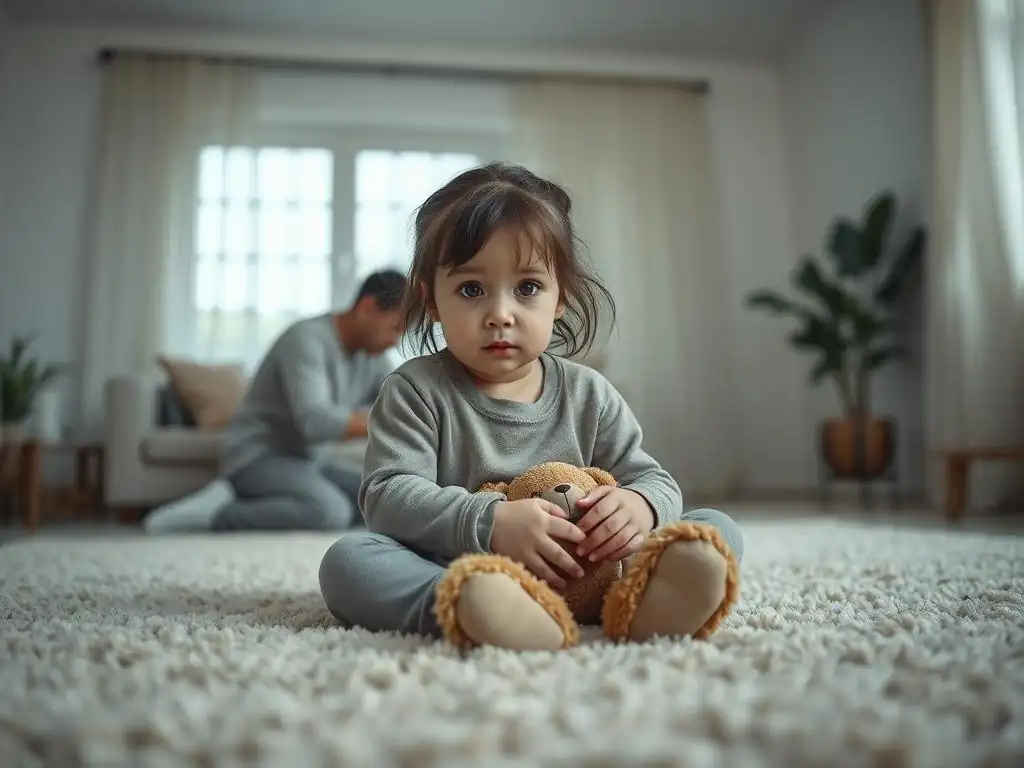
How Parental Anxiety Shapes Child-Rearing Practices
A parent's own experience with anxiety can profoundly shape their approach to child-rearing, often in subtle but significant ways. Parents who are themselves anxious may inadvertently model anxious behaviors and thought patterns for their children. They might exhibit excessive worry about their child's health, safety, or academic performance, constantly seeking reassurance or anticipating problems. This can teach children that the world is a dangerous place and that worry is the appropriate response to uncertainty.
Parental anxiety can also lead to inconsistent or overly rigid parenting. A parent might be highly controlling out of fear, or conversely, might avoid setting necessary boundaries because of anxiety about conflict or upsetting the child. This inconsistency can be confusing for children and hinder their development of a secure attachment style. Research consistently points to a correlation between parental anxiety and increased risk of anxiety in children, suggesting that the way parents manage their own anxiety directly impacts the family environment and the child's emotional development, illustrating a key way anxiety impacts family interactions across generations.
Overprotective Parenting and Its Connection to Childhood Anxiety
One common manifestation of parental anxiety is overprotective parenting. Driven by fear for their child's safety or well-being, anxious parents may restrict their child's independence, excessively monitor their activities, intervene in peer conflicts, or prevent them from engaging in age-appropriate risk-taking or challenges. While stemming from a place of love, this behavior can stifle a child's development of resilience, problem-solving skills, and confidence.
Children raised in an overly protective environment may not have the opportunity to learn how to cope with discomfort, failure, or uncertainty. They may internalize their parent's fears and develop a belief that they are incapable of handling challenges on their own, increasing their own vulnerability to anxiety. This dynamic creates a cycle where parental anxiety leads to overprotection, which in turn can exacerbate or contribute to childhood anxiety, clearly showing how anxiety impacts family interactions and child development simultaneously.
The Challenge of Setting Boundaries with Anxious Children
Setting and maintaining consistent boundaries is a vital part of effective parenting, but it becomes particularly challenging when a child experiences significant anxiety. Anxious children may resist trying new things, completing tasks, or facing feared situations, and their distress can be genuinely painful for both the child and the parent. Parents may feel immense guilt or fear that pushing the child will cause further harm, leading them to relax expectations or avoid setting firm limits.
For example, a child with separation anxiety might make leaving for school a dramatic ordeal. A parent, anxious about their child's distress (or their own guilt), might allow them to stay home, inadvertently reinforcing the avoidance behavior. While empathy and support are necessary, consistently giving in to anxiety-driven avoidance prevents the child from learning that they can tolerate discomfort and that the feared outcome often doesn't occur. Finding the balance between support and gentle encouragement to face fears is difficult and highlights the complex way anxiety impacts family interactions during parenting.
The Impact of Anxiety on Couple Relationships
Anxiety can create significant hurdles in maintaining intimacy within a couple relationship. Emotional intimacy relies on vulnerability, open communication, and feeling safe to share one's inner world. However, anxiety often makes individuals feel guarded, insecure, or preoccupied with their own worries, making it difficult to be fully present with their partner. Fear of judgment or criticism can prevent sharing feelings, leading to emotional distance.
Physical intimacy can also be affected. Symptoms like fatigue, muscle tension, or digestive issues can reduce libido or make physical closeness uncomfortable. Performance anxiety, self-consciousness about one's body, or worry about pleasing a partner can also interfere with sexual connection. When one or both partners are struggling with anxiety, navigating these challenges requires patience, understanding, and often, dedicated effort to maintain closeness, underscoring how deeply anxiety impacts family interactions at the core of the couple unit.
How Anxiety Affects Communication and Conflict Resolution in Couples
Communication within a couple can become strained when anxiety is present. As discussed earlier, patterns like reassurance seeking, avoidance, or catastrophizing can dominate interactions. The non-anxious partner might feel like they are constantly managing their partner's emotions, leading to exhaustion and resentment. The anxious partner might feel misunderstood, invalidated, or criticized, leading to defensiveness or withdrawal.
Conflict resolution becomes particularly difficult. Anxiety can make one or both partners more reactive, less able to listen, and more prone to interpreting neutral comments as threats or criticisms. Disagreements can quickly escalate into overwhelming emotional experiences rather than opportunities for problem-solving. Learning to communicate about anxiety itself, as well as navigating disagreements calmly despite its presence, is a critical skill for couples, demonstrating a key area where anxiety impacts family interactions.
Supporting a Partner with Anxiety: Strategies and Resources
Supporting a partner with anxiety is a significant role that can be both rewarding and challenging. It requires empathy, patience, and a willingness to learn about anxiety. Strategies include listening without judgment, validating their feelings ("I can see you're really scared right now"), and encouraging them to seek professional help. It's helpful to learn about their specific anxiety triggers and coping mechanisms so you can support them effectively, while also avoiding enabling avoidance behaviors.
However, it is equally important for the supportive partner to maintain their own well-being and boundaries. This is not a role to be taken on alone indefinitely. Seeking support for yourself, whether through individual therapy, support groups for partners of those with mental health conditions, or simply making time for self-care, is crucial to prevent burnout. Accessing resources together, like couples therapy or educational materials about anxiety, can strengthen the relationship and provide both partners with tools to navigate the challenges, showing how proactive support can mitigate how anxiety impacts family interactions.
Identifying Signs of Anxiety in Children, Teens, and Adults
Recognizing anxiety can be challenging because its symptoms vary widely with age and individual. In children, anxiety might manifest as irritability, clinginess, frequent stomachaches or headaches, difficulty sleeping, excessive worry about school or separation, or avoidance of social situations. They might have meltdowns over minor changes in routine or seem unusually fearful of certain objects or situations.
In teens, anxiety might look like withdrawal from friends and family, increased irritability or anger, difficulty concentrating in school, changes in eating or sleeping habits, excessive focus on social media validation, or physical complaints with no clear medical cause. Adults may exhibit more overt signs like excessive worry, restlessness, fatigue, difficulty concentrating, muscle tension, and sleep disturbances, but also subtle signs like perfectionism, procrastination (due to fear of failure), constant need for reassurance, or avoidance of situations that trigger their anxiety. Understanding these varied presentations is vital for recognizing how anxiety impacts family interactions.
Understanding the Underlying Causes of Anxious Behaviors
Anxious behaviors within a family member are rarely random; they stem from a complex interplay of underlying factors. Genetics play a role, as anxiety disorders can run in families. Environmental factors, such as stressful life events (like moving, divorce, or loss), trauma, or even chronic stress within the family system, can trigger or exacerbate anxiety. Brain chemistry and structure are also implicated, affecting how individuals process fear and stress.
Furthermore, learned behaviors contribute significantly. Growing up in an environment where anxiety is prevalent, where emotions are suppressed, or where coping skills are not taught can make individuals more susceptible to developing anxious behaviors themselves. Understanding these root causes fosters empathy and helps family members see the behavior as a symptom of a condition, rather than a deliberate choice or character flaw, which is essential for addressing how anxiety impacts family interactions constructively.
Differentiating Between Normal Worry and Problematic Anxiety
It's important to distinguish between normal, transient worry and problematic, clinical anxiety. Normal worry is typically tied to a specific situation (like a test or a job interview), is temporary, and doesn't significantly interfere with daily functioning. It might even motivate positive action. Problematic anxiety, on the other hand, is excessive, persistent, often free-floating (not tied to a specific situation), and significantly impairs a person's ability to work, socialize, or maintain relationships.
One key differentiator is the level of distress and dysfunction. Does the worry consume hours of the day? Does it prevent the person from leaving the house, going to school, or interacting with loved ones? Does it cause significant physical symptoms or emotional anguish? If the answer is yes, it's likely more than just normal worry and warrants attention. This distinction is critical for families to know when it's time to seek professional help and begin addressing the deeper ways anxiety impacts family interactions.
Strategies for Strengthening Family Interactions Despite Anxiety
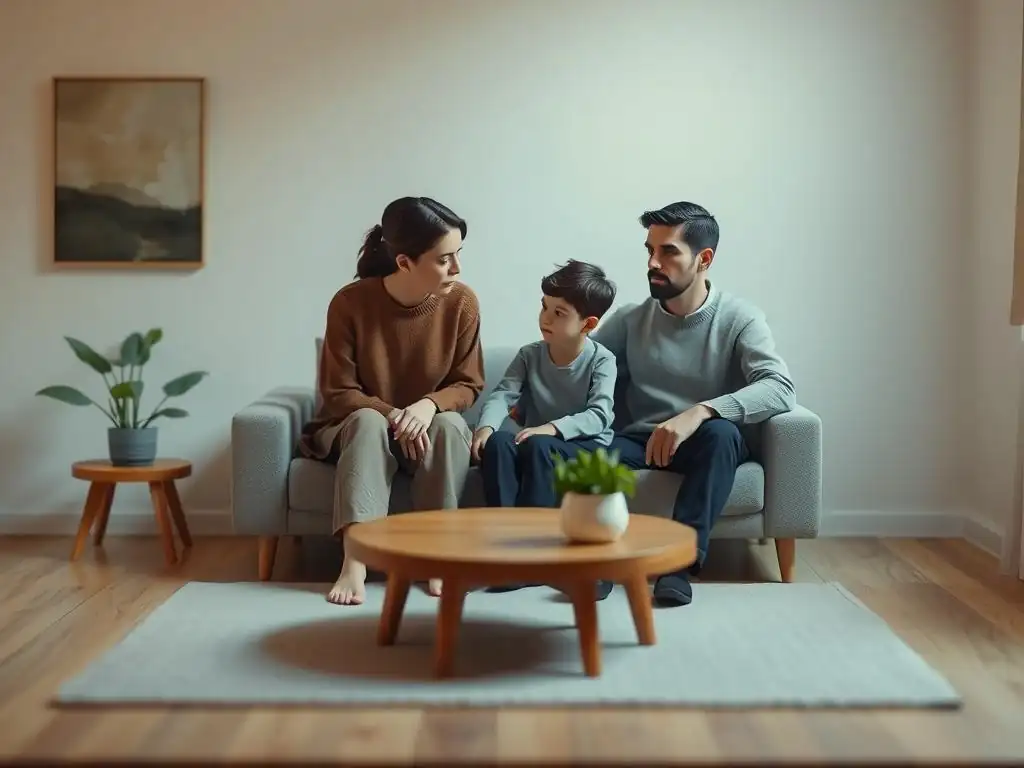
Creating a Supportive and Understanding Family Environment
Cultivating a supportive and understanding family environment is perhaps the most crucial strategy for navigating the challenges posed by anxiety. This involves fostering empathy, patience, and a non-judgmental attitude towards the family member experiencing anxiety. Educating the entire family about anxiety – what it is, how it manifests, and that it's a treatable condition – can help demystify the experience and reduce blame or frustration.
Establishing a sense of psychological safety is paramount. This means creating a space where family members feel safe to express their feelings, including their worries and frustrations, without fear of criticism or dismissal. Validating emotions, even if you don't fully understand them, helps the anxious person feel seen and supported. Simple acts like spending quality time together, offering practical help without enabling avoidance, and celebrating small victories can reinforce family bonds and mitigate some of the negative ways anxiety impacts family interactions.
Open Communication and Emotional Validation Techniques
Open and honest communication is essential, though challenging, when anxiety is present. Encourage family members to talk about their experiences with anxiety, as well as how the anxiety makes them feel. This should be done in a calm, non-confrontational setting. Using "I" statements ("I feel worried when I see you struggling") rather than "you" statements ("You make me anxious") can prevent blame.
Validation is a powerful technique. Instead of trying to "fix" the anxiety or tell the person they shouldn't feel that way, acknowledge and validate their emotional experience. Phrases like: It sounds like you're feeling really overwhelmed right now.
I can see how scary that must feel for you.
It makes sense that you'd be worried about that.
These statements show empathy and can help de-escalate distress, fostering a sense of connection. Practicing active listening, as discussed earlier, is also vital. Making a conscious effort to communicate openly and validate feelings can significantly improve how anxiety impacts family interactions.
Seeking Professional Help: Family Therapy and Individual Treatment
Addressing anxiety effectively often requires professional intervention. Individual therapy, particularly Cognitive Behavioral Therapy (CBT) or Exposure and Response Prevention (ERP) for certain types of anxiety, can equip the anxious individual with coping skills and strategies to manage their symptoms. Medication may also be a helpful tool for some individuals under the guidance of a psychiatrist.
However, because anxiety impacts family interactions so profoundly, family therapy can be incredibly beneficial. A family therapist can help the family understand the dynamics at play, improve communication patterns, establish healthier boundaries, and develop unified strategies for supporting the anxious member without enabling the anxiety. Therapy provides a safe space to process the emotions and challenges that arise when anxiety lives in the home, offering tools and perspectives to heal and strengthen the family unit.
Building Resilience and Coping Mechanisms as a Family
Implementing Stress-Reduction Techniques for the Whole Family
Anxiety thrives on stress, so incorporating stress-reduction techniques into the family's routine can benefit everyone, not just the anxious member. Simple practices can make a big difference. This might include scheduling regular family activities that are calming and enjoyable, such as family walks in nature, playing board games, or having quiet reading time together.
Mindfulness exercises, even short ones like focusing on breathing for a few minutes or mindfully eating a meal, can help family members become more present and less caught up in anxious thoughts. Physical activity is a known stress reducer, so encouraging family exercise – whether it's playing sports, dancing, or going for bike rides – can help manage tension. Making stress reduction a family priority builds a healthier environment and provides shared tools for coping with how anxiety impacts family interactions.
Fostering a Sense of Calm and Predictability at Home
Anxiety often involves a fear of the unknown and a need for control. Creating a home environment that feels calm and predictable can help reduce stress for the anxious family member and everyone else. Establishing consistent routines, especially around meals and bedtime, provides a sense of structure and security. Having clear expectations for chores, homework, and family time can also reduce uncertainty and potential conflict.
While spontaneity has its place, a foundation of predictability can be grounding. This doesn't mean avoiding all change, but rather managing transitions and unexpected events with communication and preparation where possible. For example, discussing upcoming schedule changes in advance or having a family plan for unexpected situations can help anxious individuals feel more secure. A calm and predictable home environment provides a stable base from which to navigate the challenges of how anxiety impacts family interactions.
Practical Tips for Managing Anxiety in Daily Family Routines
Integrating practical tips for managing anxiety into daily life can make a significant difference. For instance:
- Break down overwhelming tasks: If a family member is anxious about a big project, help them break it into smaller, manageable steps.
- Schedule "worry time": Designate a specific, limited time each day for the anxious person to focus on their worries, rather than letting them consume the whole day.
- Practice relaxation techniques together: Learn and practice deep breathing exercises, progressive muscle relaxation, or guided imagery as a family.
- Limit exposure to overwhelming news or media: Be mindful of how much stressful information the family, particularly children, is exposed to.
- Encourage healthy habits: Prioritize adequate sleep, balanced nutrition, and regular physical activity for all family members.
Implementing these concrete strategies can help the family proactively manage anxiety symptoms and build a more resilient foundation, lessening the disruptive effects of how anxiety impacts family interactions day-to-day.
Addressing the Stigma Surrounding Anxiety in Families
Breaking Down Misconceptions About Mental Health
Stigma surrounding mental health, including anxiety, remains a significant barrier to seeking help and open communication within families. Common misconceptions include believing that anxiety is "just in your head," a sign of weakness, something you can simply "snap out of," or that talking about it makes it worse. These beliefs are not only untrue but also deeply harmful, preventing individuals from acknowledging their struggles and seeking necessary support.
Educating the family about the biological and psychological realities of anxiety disorders is crucial for breaking down these myths. Framing anxiety as a health condition, similar to asthma or diabetes, can help shift perspective from blame to understanding. Sharing accurate information from reputable sources helps dispel misconceptions and creates a more compassionate environment, which is essential for addressing how anxiety impacts family interactions constructively.
Encouraging Open Dialogue and Reducing Shame
Creating an atmosphere where talking about feelings, including anxiety, is normalized and encouraged is vital for reducing shame. This starts with parents and caregivers modeling this behavior by talking about their own emotions (in an age-appropriate way) and responding to children's expressions of emotion with validation rather than dismissal. Scheduling regular family meetings or check-ins can provide a dedicated space for open conversation.
When a family member shares their struggles with anxiety, responding with empathy and acceptance, rather than judgment or discomfort, reinforces that it is safe to be vulnerable. Using language that separates the person from the condition ("my child is experiencing anxiety" vs. "my child is anxious") can also help reduce internalized shame. Reducing shame is critical for fostering connection and support, counteracting the isolation that often arises when anxiety impacts family interactions.
Finding Support Groups and Resources for Families Affected by Anxiety
Families navigating anxiety do not have to do it alone. Connecting with others who share similar experiences can provide invaluable support, validation, and practical advice. Support groups, whether in-person or online, offer a safe space for family members to share their challenges and triumphs, learn coping strategies from peers, and reduce feelings of isolation.
Organizations dedicated to mental health, such as the Anxiety & Depression Association of America (ADAA), the National Alliance on Mental Illness (NAMI), or local mental health associations, offer a wealth of resources including educational materials, helplines, and directories of support groups and mental health professionals. Actively seeking out and utilizing these resources empowers families with knowledge and community, providing essential tools to navigate the complex ways anxiety impacts family interactions and build a path towards healing and resilience.
Frequently Asked Questions
How does anxiety in one family member typically impact the overall family dynamic?
Anxiety can create a ripple effect, leading to increased stress and tension within the family. This often results in communication breakdowns and altered family routines to accommodate the anxious individual.
What are some common signs that anxiety is negatively affecting family interactions?
Signs include increased arguments or irritability, avoidance of certain activities or situations, and a general sense of unease. You might also notice family members walking on eggshells around the anxious individual.
What strategies can families use to improve communication when dealing with anxiety?
Open and honest communication is crucial. Families should prioritize active listening, practicing empathy, and establishing clear boundaries to manage anxiety-related behaviors effectively.
How can family members support someone with anxiety without enabling their anxious behaviors?
Support involves offering understanding and encouragement while also promoting independence. Avoid reinforcing avoidance behaviors and instead encourage seeking professional help and utilizing coping mechanisms.
When should a family consider seeking professional help to address anxiety's impact on their interactions?
If anxiety significantly disrupts daily life, causes persistent conflict, or leads to feelings of helplessness, professional intervention is highly recommended. A therapist can provide tailored strategies and support for the entire family.
Final Reflection: The Ripple Effect of Anxiety on Family Life
The pervasive nature of anxiety isn't just an individual struggle; it's a family affair. The ways anxiety manifests—from withdrawn behavior to heightened irritability—significantly alters the dynamics of family life, creating a ripple effect that touches every member. Understanding this interconnectedness is crucial for fostering healthier, more resilient family units.
The impact of anxiety on family interactions is profound and often underestimated. It subtly shifts the emotional landscape of the home, creating an environment where unspoken tensions simmer beneath the surface. This constant pressure can strain relationships, leading to misunderstandings and conflict. As one family therapist wisely noted, Anxiety doesn't just affect the individual; it changes the family system itself, demanding adaptation and resilience from everyone involved.
This quote perfectly encapsulates the systemic nature of the problem and highlights the need for collective understanding and support.
Now, consider your own family dynamics. Have you witnessed the subtle (or not-so-subtle) shifts caused by anxiety? Perhaps you've noticed increased tension, less open communication, or a change in family routines. I urge you to reflect on these observations and consider how you can create a more supportive and understanding environment for everyone. This might involve seeking professional help, practicing active listening, or simply making space for open and honest conversations about feelings. Let's work together to build families where anxiety doesn't define the interactions, but rather, where love, understanding, and support prevail.
Unlock Your Family's Potential: Steps to a More Peaceful Home
Thanks for taking the time to explore how anxiety impacts family dynamics. We hope you gained valuable insights into building stronger, more resilient relationships. Now, let's put that knowledge into action!
- Prioritize one small change: Choose just one strategy from the article – whether it's a new communication technique, a mindful activity, or a family meeting – and implement it this week. Even small steps make a big difference.
- Share your experience: Tell us (or a trusted friend) about your chosen strategy and how it’s going! Sharing your journey can help others, and you might discover new perspectives.
- Explore supportive resources: Search online for local family therapy groups or online support communities focused on anxiety management.
What small adjustment will you make today to foster a calmer, more connected family environment?