
Acupuncture for Anxiety: Exploring the Ancient Practice Through a Modern Scientific Lens

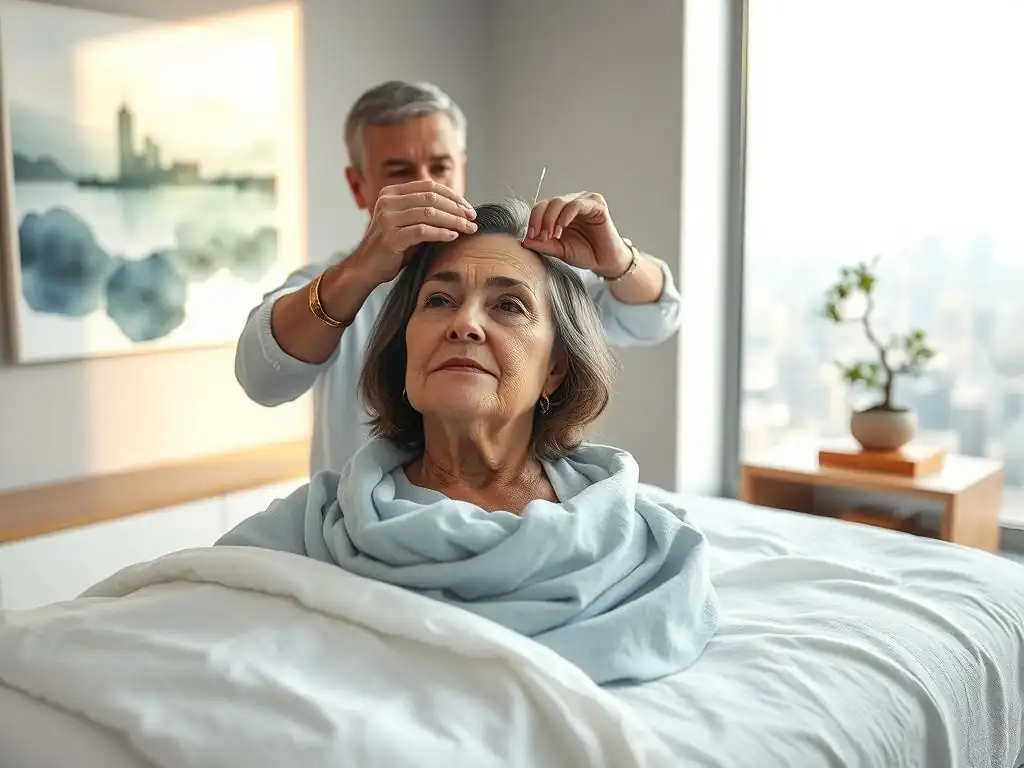
Welcome to Mind Care Guide, a space dedicated to nurturing your mental well-being.
Feeling overwhelmed by anxiety? You're not alone. In this article, we delve into the fascinating world of Acupuncture, exploring how this ancient practice may offer a path to reducing anxiety symptoms. Curious to learn more about its potential benefits and the science behind it? Let's embark on this journey together...
Acupuncture for Anxiety: Exploring the Ancient Practice Through a Modern Scientific Lens
- Understanding Anxiety and Its Impact on Mental Well-being
- Acupuncture: An Ancient Remedy for Modern Anxiety
- Does Acupuncture Reduce Anxiety? Examining the Scientific Evidence
- Acupuncture and the Brain: Exploring the Neurobiological Mechanisms
- Acupuncture for Specific Anxiety Disorders: A Targeted Approach
- Benefits of Acupuncture for Anxiety: Beyond Symptom Reduction
- What to Expect During an Acupuncture Session for Anxiety
- Integrating Acupuncture into a Holistic Anxiety Management Plan
- Acupuncture as a Complementary Treatment: A Mind Care Guide Perspective
-
Frequently Asked Questions
- ### Does acupuncture really help with anxiety, or is it just a placebo effect?
- ### How many acupuncture sessions are typically needed to see a noticeable improvement in anxiety levels?
- ### Are there any potential side effects associated with using acupuncture for anxiety?
- ### Can acupuncture be used in conjunction with other anxiety treatments, like medication or therapy?
- ### What type of acupuncture is most effective for reducing anxiety symptoms, and how does it work?
- Final Reflection: The Enduring Promise of Acupuncture for Anxiety
- Unlock Your Inner Calm: Next Steps to Anxiety Relief
Understanding Anxiety and Its Impact on Mental Well-being
The Prevalence of Anxiety Disorders in the Modern World
Anxiety disorders represent a significant public health challenge globally, affecting millions of people each year. In the United States alone, it's estimated that over 40 million adults, roughly 19.1% of the population aged 18 and older, live with an anxiety disorder in any given year. These conditions are not merely temporary worries or fears; they are persistent, excessive, and often debilitating, interfering significantly with daily life, relationships, and work. The economic burden is substantial, including direct costs for medical care and indirect costs from lost productivity.
Globally, the World Health Organization (WHO) reports that anxiety disorders are among the most common mental health conditions. The COVID-19 pandemic further exacerbated this crisis, leading to a significant surge in reported cases of anxiety and depression worldwide. This widespread impact underscores the urgent need for effective, accessible, and diverse treatment options. While conventional therapies like medication and psychotherapy are cornerstones of treatment, many individuals seek complementary approaches, exploring options such as acupuncture which some studies suggest may help reduce anxiety symptoms.
How Anxiety Manifests: Physical and Psychological Symptoms
Anxiety is a complex condition with a wide array of symptoms that can vary from person to person. Psychologically, it often manifests as persistent worry, excessive fear, difficulty concentrating, irritability, restlessness, and a sense of impending doom or danger. These mental symptoms can be constant, making it hard for individuals to relax or find peace of mind. For example, someone with generalized anxiety disorder (GAD) might spend hours each day worrying uncontrollably about everyday things like work, health, or family, even when there is little or no reason to worry.
Beyond the mind, anxiety significantly impacts the body. Physical symptoms are common and can include:
- Rapid heart rate or palpitations
- Sweating
- Trembling or shaking
- Shortness of breath or feeling smothered
- Chest pain or discomfort
- Headaches
- Muscle tension
- Stomach upset or nausea
- Difficulty sleeping (insomnia)
These physical manifestations can be alarming and sometimes mistaken for other medical conditions, further increasing distress. The interplay between the psychological and physical symptoms creates a vicious cycle, making effective management strategies, including those exploring how acupuncture reduces anxiety symptoms, crucial for improving quality of life.
Traditional Anxiety Treatments vs. Alternative Therapies
Traditional approaches to managing anxiety disorders primarily involve psychotherapy, particularly Cognitive Behavioral Therapy (CBT), and pharmacological interventions, such as selective serotonin reuptake inhibitors (SSRIs) or benzodiazepines. CBT helps individuals identify and challenge negative thought patterns and behaviors contributing to anxiety, while medications aim to regulate brain chemistry. These methods have proven effective for many, offering significant relief and enabling individuals to manage their symptoms and improve their functioning.
However, traditional treatments are not universally effective, and they can have limitations. Some individuals may not respond well to specific medications or therapies, while others may experience undesirable side effects from drugs, such as fatigue, weight gain, or dependence. Access to qualified therapists can also be a barrier for some.
Consequently, there is growing interest in complementary and alternative medicine (CAM) therapies, including practices like yoga, meditation, herbal remedies, and acupuncture, as potential adjuncts or alternatives. Many people explore these options hoping to find methods that not only reduce anxiety symptoms but also offer a more holistic approach to well-being, potentially with fewer side effects.
Acupuncture: An Ancient Remedy for Modern Anxiety
What is Acupuncture and How Does it Work?
Acupuncture is a key component of Traditional Chinese Medicine (TCM) that involves inserting very thin needles into specific points on the body. These points, known as acupoints, are believed to lie along pathways or meridians through which the body's vital energy, or Qi (pronounced "chee"), flows. According to TCM theory, illness, including anxiety, results from blockages or imbalances in the flow of Qi. Acupuncture aims to restore the harmonious flow of Qi, thereby promoting healing and restoring balance within the body and mind.
From a modern biomedical perspective, the exact mechanisms by which acupuncture exerts its effects are still being researched and debated. However, current scientific theories suggest that acupuncture may work by stimulating nerves, muscles, and connective tissue. This stimulation is thought to trigger the body's natural painkillers and increase blood flow. Research indicates that needling specific points can influence the nervous system, potentially affecting neurotransmitters and hormones involved in stress and mood regulation. Exploring how acupuncture reduces anxiety symptoms often involves investigating these neurobiological pathways.
The History and Origins of Acupuncture in Traditional Chinese Medicine
Acupuncture has a rich history spanning thousands of years, originating in China. Its roots are deeply embedded in the philosophical and medical traditions of ancient China, dating back possibly as far as the Neolithic era, with more formal documentation appearing during the Han Dynasty (206 BCE – 220 CE) in texts like The Yellow Emperor's Classic of Internal Medicine. This foundational text outlined the meridian system and the principles of Qi, Yin, and Yang, which form the theoretical basis of acupuncture practice.
Initially used to treat a wide range of ailments, from pain to internal disorders, acupuncture gradually evolved over centuries, incorporating detailed maps of acupoints and sophisticated diagnostic methods based on pulse and tongue examination. While its practice faced periods of decline, particularly in the early 20th century, it experienced a resurgence in China and began gaining recognition in the West starting in the late 20th century.
Today, it is practiced globally and is increasingly being studied through a modern scientific lens to understand its efficacy for conditions like chronic pain, nausea, and exploring how it might help reduce anxiety symptoms.
Acupuncture Points and Their Connection to Anxiety Relief
Traditional Chinese Medicine identifies hundreds of acupoints throughout the body, each believed to have specific therapeutic effects. For treating anxiety, practitioners often select points located on meridians associated with calming the mind, regulating emotions, and balancing the nervous system. Common points used for anxiety relief include:
- Yintang (EX-HN3): Located between the eyebrows, this point is often used to calm the spirit and alleviate worry and insomnia.
- Neiguan (PC6): Found on the inner forearm, this point is known for its effect on the heart and chest, helping to relieve palpitations, nausea, and anxiety-related chest discomfort.
- Shenmen (HT7): Located on the wrist crease, this point is considered a primary point for calming the mind, treating insomnia, and reducing emotional distress.
- Taichong (LR3): Situated on the top of the foot, this point is used to smooth the flow of Qi, particularly in the liver meridian, which in TCM is associated with stress and anger.
Acupuncturists typically use a combination of these and other points based on an individual's specific symptoms and diagnosis within the TCM framework. The selection of points is highly personalized, aiming to address the root cause of the anxiety imbalance as well as the presenting symptoms. Research into how stimulating these specific acupuncture points reduces anxiety symptoms is ongoing, investigating their impact on brain regions and neurochemicals involved in the stress response.
Does Acupuncture Reduce Anxiety? Examining the Scientific Evidence
Clinical Studies on Acupuncture for Anxiety Reduction: A Review
Numerous clinical studies have investigated the effectiveness of acupuncture in treating anxiety disorders. These studies employ various methodologies, including randomized controlled trials (RCTs), which compare acupuncture to sham acupuncture (needling non-acupoints or using non-penetrating needles), standard care, or no treatment. While results can sometimes be mixed due to variations in study design, sample size, and acupuncture protocols, a significant body of evidence suggests a positive effect.
For example, several studies have focused on specific anxiety disorders like Generalized Anxiety Disorder (GAD). One study involving participants with GAD found that those receiving true acupuncture experienced a greater reduction in anxiety scores, as measured by standardized scales like the Hamilton Anxiety Rating Scale (HARS), compared to a control group receiving sham acupuncture over several weeks. Another trial reported significant improvements in sleep quality and overall well-being in anxiety patients treated with acupuncture. These findings contribute to the understanding of how acupuncture reduces anxiety symptoms in a clinical setting.
Meta-Analysis of Acupuncture's Effectiveness in Managing Anxiety Symptoms
Meta-analyses, which systematically review and synthesize the findings of multiple individual studies, provide a higher level of evidence regarding acupuncture's efficacy. Several meta-analyses have been conducted to assess whether acupuncture reduces anxiety symptoms across various populations and conditions. One comprehensive review published in a peer-reviewed journal analyzed data from numerous randomized controlled trials and concluded that acupuncture appeared to be effective in reducing the severity of anxiety symptoms.
Another meta-analysis specifically looking at acupuncture for anxiety disorders found that acupuncture was associated with a statistically significant reduction in anxiety scores compared to control interventions. While some meta-analyses highlight the need for more high-quality studies with rigorous methodology, the overall trend from these reviews suggests that acupuncture holds promise as a treatment for anxiety, supporting the notion that acupuncture reduces anxiety symptoms for many individuals. These analyses often point to acupuncture being more effective than no treatment or sham acupuncture in reducing anxiety severity.
Challenges in Acupuncture Research: Blinding and Placebo Effects
Researching acupuncture presents unique methodological challenges, particularly concerning blinding and controlling for placebo effects. In a typical drug trial, participants and researchers can be "blinded" to whether they are receiving the active drug or a placebo (an inert substance). However, it is difficult, if not impossible, for a participant receiving acupuncture not to know they are being needled. While sham acupuncture techniques exist, such as using non-penetrating needles or needling non-acupoints, there is debate about whether these shams are truly inert or might still elicit some physiological response, potentially muddling the results.
The placebo effect, where a person experiences a benefit simply because they expect to feel better, is also a significant factor in treatments involving physical intervention and patient interaction. The therapeutic relationship between the acupuncturist and the patient, the ritual of the treatment session, and the patient's belief in the therapy can all contribute to positive outcomes, independent of the specific needle stimulation.
Researchers are continuously refining methodologies to better isolate the specific effects of acupuncture needling beyond these non-specific factors, acknowledging that while acupuncture reduces anxiety symptoms for many, disentangling the precise mechanisms and contributions of different factors remains complex.
Acupuncture and the Brain: Exploring the Neurobiological Mechanisms
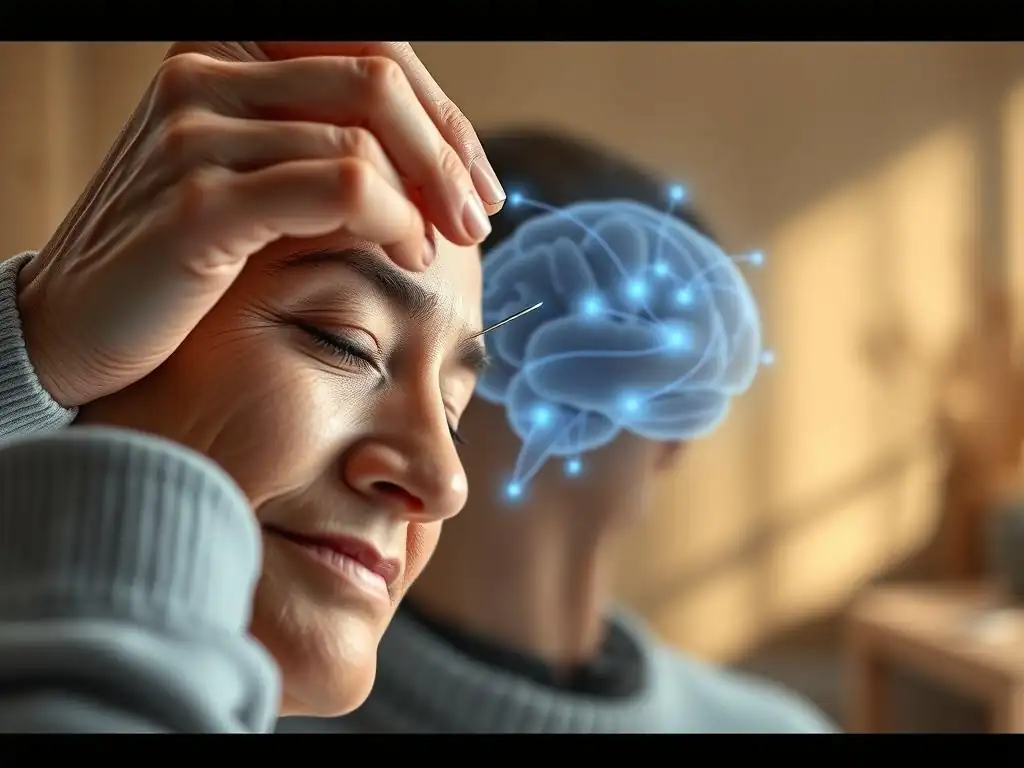
Modern research is increasingly exploring the neurobiological underpinnings of how acupuncture might reduce anxiety symptoms. Studies using functional magnetic resonance imaging (fMRI) have observed changes in brain activity patterns in individuals receiving acupuncture, particularly in areas associated with emotion regulation and stress response, such as the amygdala, prefrontal cortex, and limbic system. Stimulation of specific acupoints appears to modulate activity in these brain regions.
Furthermore, acupuncture has been shown to influence the levels of various neurotransmitters and hormones. Research suggests that acupuncture can increase the release of inhibitory neurotransmitters like gamma-aminobutyric acid (GABA), which helps calm nervous activity. It may also modulate levels of excitatory neurotransmitters and stress hormones. These changes in brain chemistry and activity provide a potential biological explanation for how acupuncture reduces anxiety symptoms by directly influencing the neural circuits involved in the anxiety response.
The Role of Endorphins and Other Pain-Relieving Substances in Anxiety Reduction
A well-established effect of acupuncture is its ability to stimulate the release of endorphins, the body's natural painkillers. While endorphins are primarily known for their analgesic properties, they also have mood-elevating and stress-reducing effects. The release of endorphins during and after an acupuncture session can contribute to a sense of relaxation and well-being, which is particularly beneficial for individuals struggling with anxiety.
Beyond endorphins, acupuncture may also influence other endogenous opioid peptides and neurochemicals that play a role in pain perception, stress response, and emotional states. By activating these internal regulatory systems, acupuncture potentially helps the body manage stress more effectively and reduces the physiological manifestations of anxiety, such as muscle tension and agitation. This neurochemical modulation is considered a key mechanism through which acupuncture reduces anxiety symptoms and promotes a state of calm.
Acupuncture's Impact on the Hypothalamic-Pituitary-Adrenal (HPA) Axis
Chronic anxiety and stress are closely linked to the dysregulation of the Hypothalamic-Pituitary-Adrenal (HPA) axis, the body's central stress response system. When activated, the HPA axis releases stress hormones like cortisol. In individuals with anxiety disorders, the HPA axis can become overactive, leading to elevated levels of cortisol, which can have detrimental effects on physical and mental health over time.
Emerging research suggests that acupuncture may help regulate the activity of the HPA axis. Studies in both animal models and humans have indicated that acupuncture can lower elevated cortisol levels and influence other components of the HPA axis, such as adrenocorticotropic hormone (ACTH). By helping to modulate this crucial stress pathway, acupuncture could potentially restore a more balanced physiological response to stress, thereby contributing significantly to how acupuncture reduces anxiety symptoms and improves overall stress resilience.
Acupuncture for Specific Anxiety Disorders: A Targeted Approach
Acupuncture for Generalized Anxiety Disorder (GAD): Evidence and Protocols
Generalized Anxiety Disorder (GAD) is characterized by excessive and persistent worry about various aspects of life. Individuals with GAD often experience chronic muscle tension, fatigue, restlessness, and difficulty concentrating. Research suggests that acupuncture can be a valuable complementary therapy for GAD. Clinical trials have shown that specific acupuncture protocols, often involving points like Yintang (EX-HN3), Shenmen (HT7), and Taichong (LR3), can lead to significant reductions in worry severity and associated physical symptoms.
One study involving a group diagnosed with GAD found that weekly acupuncture sessions over a two-month period resulted in a notable decrease in scores on the GAD-7 scale, a common measure of GAD severity, compared to a control group. The protocols used typically focus on calming the mind, strengthening the body's energy (Qi), and regulating the nervous system. This targeted approach aims to address both the psychological and physical aspects of GAD, supporting the evidence that acupuncture reduces anxiety symptoms specific to this disorder.
Acupuncture for Panic Disorder: Managing Panic Attacks and Fear
Panic disorder involves recurrent, unexpected panic attacks, which are sudden episodes of intense fear accompanied by severe physical symptoms like chest pain, palpitations, shortness of breath, dizziness, and a fear of losing control or dying. Acupuncture may offer support for individuals with panic disorder by helping to reduce the frequency and intensity of panic attacks and the anticipatory anxiety (fear of future attacks) that often accompanies the condition.
Acupuncture points commonly used for panic disorder include those that calm the heart and mind (like Shenmen HT7), regulate Qi flow to ease chest tightness (like Neiguan PC6), and ground the individual (points on the feet like Yongquan KI1). While large-scale RCTs specifically on panic disorder are less numerous than for GAD, case studies and smaller trials report that acupuncture can help reduce the physiological hyperarousal associated with panic, potentially by modulating the autonomic nervous system.
Patients often report feeling more relaxed and less prone to sudden surges of fear after a course of treatment, suggesting that acupuncture reduces anxiety symptoms related to panic episodes.
Social Anxiety Disorder (SAD), or social phobia, is characterized by intense fear of social situations, leading to avoidance and significant distress. The fear often stems from a concern about being judged, embarrassed, or humiliated. Acupuncture may help individuals with SAD by reducing the underlying anxiety and improving their ability to tolerate social discomfort.
Acupuncture protocols for SAD often focus on strengthening the individual's sense of self, calming nervous tension, and improving emotional regulation. Points on the chest (like Shanzhong CV17) to open the heart and ease emotional constriction, and points to calm the spirit (like Shenmen HT7) are frequently used.
While direct research on acupuncture for SAD is still developing, its general anxiety-reducing effects, coupled with its potential to improve confidence and reduce physical symptoms like blushing or trembling, suggest it could be a valuable adjunctive therapy. By helping to ease the core fear and physical manifestations, acupuncture reduces anxiety symptoms that hinder social interaction.
Acupuncture for Post-Traumatic Stress Disorder (PTSD): Supporting Trauma Recovery
Post-Traumatic Stress Disorder (PTSD) can develop after exposure to a traumatic event and involves symptoms like intrusive memories, avoidance, negative changes in mood and cognition, and hyperarousal (being easily startled, feeling on edge). Acupuncture is increasingly being explored as a therapy to support trauma recovery and manage PTSD symptoms, particularly anxiety, hypervigilance, and sleep disturbances.
Acupuncture treatment for PTSD often targets points that calm the nervous system, anchor the spirit, and address specific symptoms like nightmares or irritability. Points on the head (e.g., Sishencong EX-HN1) for calming the mind, points on the back to release tension, and points to regulate sleep are commonly used. Several studies, including trials with veterans, have shown that acupuncture can significantly reduce the severity of PTSD symptoms, including anxiety, depression, and hyperarousal, often showing greater improvements than control groups. This indicates that acupuncture reduces anxiety symptoms that are a core component of the PTSD experience.
Benefits of Acupuncture for Anxiety: Beyond Symptom Reduction
Improved Sleep Quality and Reduced Insomnia Through Acupuncture
Anxiety and insomnia often go hand-in-hand; worry can make it difficult to fall asleep or stay asleep, and sleep deprivation can exacerbate anxiety. Many individuals seeking acupuncture for anxiety report significant improvements in their sleep patterns. Acupuncture is traditionally used to treat insomnia by calming the mind and balancing the body's internal rhythms (Qi).
Research supports this observation, with studies showing that acupuncture can increase sleep duration and quality in individuals with anxiety-related insomnia. Proposed mechanisms include the modulation of neurotransmitters involved in sleep regulation, such as melatonin and serotonin, and the reduction of stress hormones that can interfere with sleep. By addressing the underlying anxiety and directly targeting sleep-related points, acupuncture helps break the cycle of anxiety-induced insomnia, contributing to overall well-being and demonstrating how acupuncture reduces anxiety symptoms alongside improving sleep.
Enhanced Relaxation and Stress Management with Acupuncture
One of the most commonly reported immediate effects of an acupuncture session is a profound sense of relaxation. Many patients describe feeling calm, centered, and less tense during and after treatment. This relaxation response is a critical benefit for individuals struggling with anxiety, which is often characterized by chronic tension and hyperarousal.
Acupuncture's ability to induce relaxation is thought to be mediated by its effects on the nervous system, particularly the parasympathetic nervous system, which is responsible for the "rest and digest" response. By promoting parasympathetic activity and inhibiting the sympathetic "fight or flight" response, acupuncture helps shift the body into a state of calm. Regular acupuncture treatments can help individuals develop better stress management skills and resilience, reducing their overall reactivity to stressors and further illustrating how acupuncture reduces anxiety symptoms by fostering relaxation.
Potential for Reduced Reliance on Anxiolytic Medications
While acupuncture is often used as a complementary therapy alongside conventional treatments, for some individuals, it may offer the potential to reduce reliance on or dosage of anxiolytic medications over time, under medical supervision. This is a significant benefit for those who experience side effects from medication or prefer to explore non-pharmacological options.
It is crucial to emphasize that any changes to medication should only be made in consultation with a prescribing physician. However, as acupuncture helps manage anxiety symptoms and improve overall well-being, some individuals may find they require less medication to maintain their symptom control. Studies exploring acupuncture as an adjunct treatment have sometimes noted a decrease in medication use among participants receiving acupuncture compared to control groups. This potential reduction in medication dependence highlights another valuable aspect of how acupuncture reduces anxiety symptoms and supports a more holistic approach to mental health care.
What to Expect During an Acupuncture Session for Anxiety
Finding a Qualified and Licensed Acupuncturist
The first step in pursuing acupuncture for anxiety is finding a qualified and licensed practitioner. Licensing requirements vary by location, but typically involve extensive training in both TCM theory and Western biomedical sciences, followed by certification exams and ongoing continuing education. Look for practitioners who are certified by recognized bodies, such as the National Certification Commission for Acupuncture and Oriental Medicine (NCCAOM) in the United States.
It's advisable to research practitioners in your area, check their credentials, and read reviews or testimonials if available. Consider scheduling a brief phone call or initial consultation to discuss their experience treating anxiety and ensure you feel comfortable with their approach. A qualified acupuncturist will conduct a thorough assessment before beginning treatment.
The Initial Consultation: Discussing Your Anxiety and Health History
The initial consultation is a crucial part of the acupuncture process. The acupuncturist will spend time discussing your specific anxiety symptoms, how they affect your life, and their duration and triggers. They will also inquire about your overall health history, including physical health conditions, sleep patterns, energy levels, digestion, and emotional state.
In a TCM framework, diagnosis involves observing the tongue (its color, shape, and coating) and feeling the pulse (its rate, rhythm, and quality). These diagnostic methods help the acupuncturist identify patterns of imbalance according to TCM principles, which informs the selection of acupoints and treatment strategy. This comprehensive approach ensures that the treatment plan is tailored specifically to your individual needs and presentation of anxiety.
The Acupuncture Treatment Process: Needle Placement and Duration
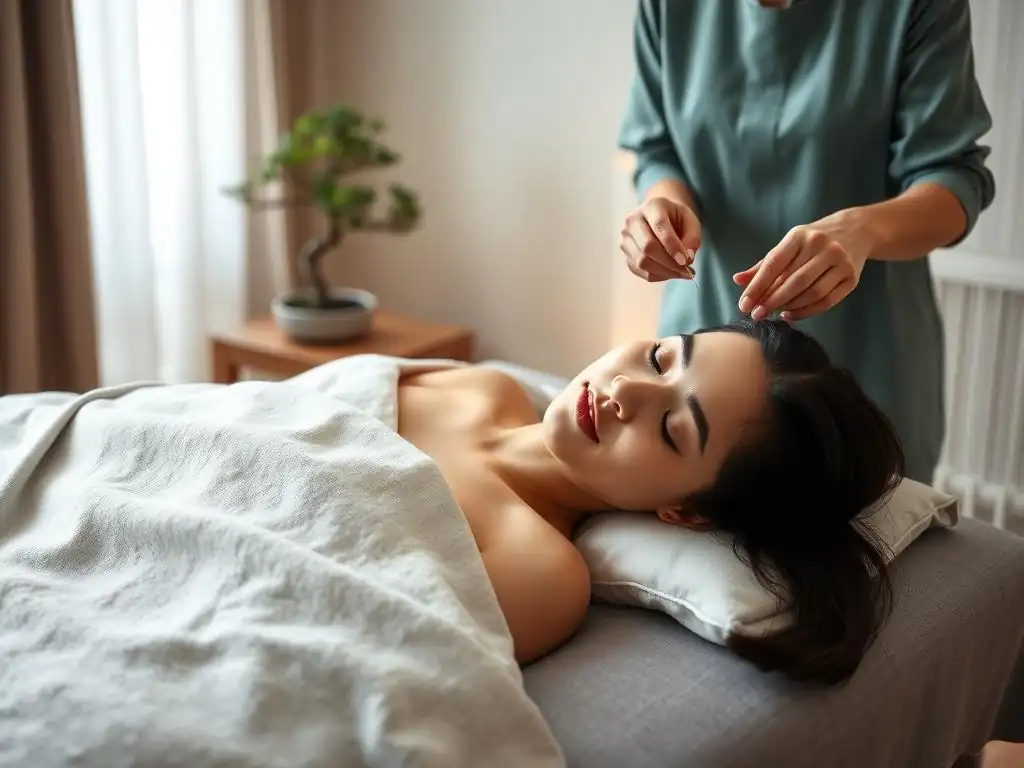
During a typical acupuncture session for anxiety, you will lie comfortably on a treatment table, usually on your back, front, or side, depending on the points being used. The acupuncturist will insert very thin, sterile, single-use needles into specific acupoints. The number of needles used can vary, but is often between 5 and 20. Insertion is usually painless, though you might feel a brief pinch or a dull ache, tingling, or heavy sensation known as "De Qi" (the arrival of Qi), which is considered a therapeutic response.
Once the needles are in place, you will typically rest for 20 to 30 minutes. Many people find this period deeply relaxing and may even fall asleep. The acupuncturist may use additional techniques like gentle manipulation of the needles or applying mild electrical stimulation (electro-acupuncture) to enhance the effect, depending on the treatment plan. After the rest period, the needles are painlessly removed. Sessions typically last between 45 and 60 minutes in total.
Potential Side Effects and Precautions
Acupuncture is generally considered safe when performed by a licensed and experienced practitioner. Serious adverse events are rare. The most common side effects are minor and temporary, such as slight bruising, bleeding, or soreness at the needle insertion sites. Some individuals may feel lightheaded, dizzy, or nauseous during or after their first few sessions, though this is uncommon and usually passes quickly.
It is important to inform your acupuncturist about any medical conditions you have, particularly bleeding disorders or if you are taking blood-thinning medications. Also, let them know if you are pregnant. While acupuncture can be safe during pregnancy, certain points are contraindicated. Always ensure your practitioner uses sterile, single-use needles to prevent infection. If you have any concerns during or after a session, communicate immediately with your acupuncturist.
Integrating Acupuncture into a Holistic Anxiety Management Plan
Combining Acupuncture with Other Therapies: CBT, Meditation, and Lifestyle Changes
For many individuals, the most effective approach to managing anxiety involves a combination of therapies. Acupuncture can serve as a valuable complementary treatment alongside conventional methods like Cognitive Behavioral Therapy (CBT) or other forms of psychotherapy. While acupuncture helps regulate physiological responses and promotes relaxation, therapy can provide tools for changing thought patterns and behaviors.
Integrating acupuncture with mind-body practices such as meditation, mindfulness, and yoga can further enhance its benefits. These practices also promote relaxation and self-awareness, complementing acupuncture's effects on the nervous system. Additionally, incorporating lifestyle changes such as regular exercise, a balanced diet, adequate sleep (which acupuncture can help with), and limiting caffeine and alcohol intake can significantly improve anxiety symptoms. A holistic plan leverages multiple strategies to support overall mental and physical well-being.
The Importance of Self-Care and Stress Reduction Techniques
Beyond formal therapies, consistent self-care and the regular practice of stress reduction techniques are vital components of managing anxiety. Self-care involves prioritizing activities that nourish your mind and body, whether it's spending time in nature, engaging in hobbies, connecting with loved ones, or simply taking time to rest.
Stress reduction techniques, such as deep breathing exercises, progressive muscle relaxation, or guided imagery, can be practiced daily to help manage moments of heightened anxiety. Learning to identify personal stressors and developing healthy coping mechanisms are crucial for long-term anxiety management. Acupuncture can support these efforts by reducing baseline stress levels and making it easier to engage in self-care practices. By helping the body and mind relax, acupuncture reduces anxiety symptoms and enhances the effectiveness of other coping strategies.
Long-Term Strategies for Maintaining Anxiety Relief with Acupuncture
While some individuals may experience significant relief from anxiety symptoms after an initial course of acupuncture treatments (often 6-12 sessions), maintaining these benefits typically requires ongoing care. The frequency of maintenance sessions varies depending on the individual and the severity of their anxiety, but many people find that receiving acupuncture every few weeks or once a month helps sustain their progress.
Long-term success also relies on continuing the integrated approach: maintaining healthy lifestyle habits, practicing stress reduction techniques, and utilizing therapeutic tools learned in psychotherapy. Regular communication with your acupuncturist and other healthcare providers is essential to adjust your treatment plan as needed. By viewing acupuncture as part of an ongoing wellness strategy rather than a one-time cure, individuals can maximize its potential to continue to reduce anxiety symptoms and support lasting emotional balance.
Acupuncture as a Complementary Treatment: A Mind Care Guide Perspective
Importance of Consulting with Healthcare Professionals
At Mind Care Guide, we emphasize the importance of informed decision-making regarding mental health treatment. While exploring complementary therapies like acupuncture is encouraged, it is crucial to do so in consultation with qualified healthcare professionals. This includes discussing your interest in acupuncture with your primary care physician or mental health provider, especially if you are currently receiving conventional treatment for anxiety.
Your healthcare team can help you understand how acupuncture might fit into your overall treatment plan, monitor your progress, and ensure that all your therapies are safe and coordinated. Acupuncture should be viewed as a complementary approach, working alongside, not necessarily replacing, evidence-based medical and psychological treatments unless specifically advised by a qualified practitioner managing all aspects of your care.
Empowering Individuals with Anxiety Through Informed Choices
Our goal is to empower individuals living with anxiety by providing accurate, evidence-based information about the range of available treatment options. Understanding the potential benefits and limitations of therapies like acupuncture, based on current scientific evidence and traditional knowledge, allows you to make informed choices that align with your personal needs and preferences.
Choosing a treatment path is a personal journey. By presenting information on how acupuncture reduces anxiety symptoms alongside details about its mechanisms, research findings, and practical considerations, we hope to equip you with the knowledge needed to discuss this option confidently with your healthcare providers and make decisions that support your journey towards greater well-being.
Resources for Finding Acupuncture Practitioners and Learning More
For those interested in exploring acupuncture for anxiety, finding a qualified practitioner is key. Resources like the websites of national professional organizations, such as the National Certification Commission for Acupuncture and Oriental Medicine (NCCAOM) in the U.S. or similar bodies in other countries, often have directories of licensed and certified practitioners.
Further reading from reputable sources, including peer-reviewed medical journals (accessible through databases like PubMed) and established organizations focused on integrative medicine, can provide deeper insights into the research and practice of acupuncture. Remember that while studies show acupuncture reduces anxiety symptoms for many, individual responses can vary, and finding a skilled practitioner is vital for a safe and effective experience.
Frequently Asked Questions
### Does acupuncture really help with anxiety, or is it just a placebo effect?
While the exact mechanisms are still being studied, research suggests acupuncture's effect on anxiety goes beyond placebo. It may involve releasing endorphins and regulating the nervous system, leading to a measurable reduction in anxiety symptoms.
### How many acupuncture sessions are typically needed to see a noticeable improvement in anxiety levels?
The number of sessions varies depending on the individual and the severity of their anxiety. However, a typical course often involves 6-12 sessions, with some people experiencing improvement after just a few.
### Are there any potential side effects associated with using acupuncture for anxiety?
Acupuncture is generally considered safe when performed by a qualified and licensed practitioner. Common side effects are usually mild, such as soreness or bruising at the needle insertion sites.
### Can acupuncture be used in conjunction with other anxiety treatments, like medication or therapy?
Yes, acupuncture can often be used as a complementary therapy alongside other treatments for anxiety. It's essential to discuss this with your doctor or therapist to ensure a coordinated and safe treatment plan.
### What type of acupuncture is most effective for reducing anxiety symptoms, and how does it work?
While different acupuncture styles exist, those focusing on points known to influence the nervous system and emotional regulation are often used for anxiety. These points are believed to help rebalance energy flow and promote relaxation.
Final Reflection: The Enduring Promise of Acupuncture for Anxiety
The ancient practice of acupuncture is experiencing a resurgence, not merely as a complementary therapy, but as a potentially powerful tool in the fight against anxiety. Its effectiveness, once relegated to anecdotal evidence, is increasingly supported by rigorous scientific studies, offering a tangible path towards relief for millions grappling with this pervasive mental health challenge. This renewed interest highlights a crucial shift: a willingness to explore holistic approaches alongside traditional Western medicine in addressing complex conditions like anxiety.
The journey through the history and science of acupuncture for anxiety has underscored for me the profound interconnectedness of mind, body, and spirit. The subtle manipulation of energy pathways, described for millennia, now finds resonance in our growing understanding of the nervous system and its intricate relationship with emotional well-being. The body keeps the score,
as Bessel van der Kolk so poignantly puts it, reminding us that trauma and anxiety are not simply mental states, but are deeply embedded in the physical experience. Acupuncture offers a pathway to address this embodied experience, potentially unlocking a more holistic and sustainable approach to anxiety management.
Consider the possibilities. Imagine a future where anxiety sufferers have access to a wider range of effective treatments, where the ancient wisdom of acupuncture complements the advancements of modern science. This isn't just about finding relief; it's about reclaiming agency over your mental health. Explore the potential of acupuncture for yourself. Research practitioners in your area, discuss the possibility with your doctor, and consider the profound impact this ancient practice might have on your journey towards a calmer, more balanced life. The path to well-being may lie in exploring both the ancient and the new.
Unlock Your Inner Calm: Next Steps to Anxiety Relief
Thanks for taking the time to explore the world of acupuncture and its potential to alleviate anxiety. We hope this article provided you with valuable insights into this ancient practice and its modern applications. Now, it's time to take the next step on your journey to a calmer you.
- Schedule a consultation with a licensed acupuncturist: This is the most crucial step in exploring acupuncture's benefits for your anxiety. Find a practitioner near you and discuss your concerns.
- Share this article with someone you know who might benefit: Help spread awareness of holistic approaches to anxiety management and support others on their healing journey.
- Try a simple self-care technique inspired by acupuncture principles: Consider mindful breathing exercises, focusing on specific acupressure points, or incorporating more movement into your day – even a short walk can make a difference.
What small step will you take today to prioritize your mental well-being and explore the possibilities of acupuncture for anxiety relief?