
Karma and Mental Wellbeing: An Eastern Philosophical View

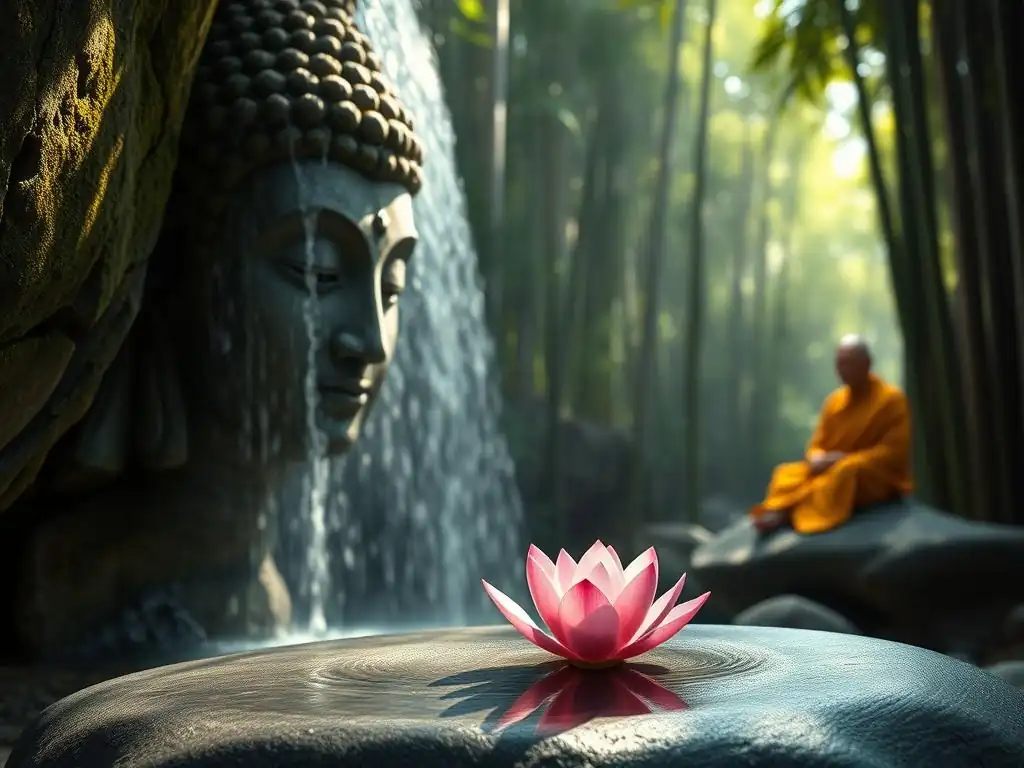
Welcome to Mind Care Guide, a space dedicated to nurturing your mental well-being.
Are you seeking a deeper understanding of how to cultivate inner peace and balance? Perhaps the answers lie in ancient wisdom. Delve into our exploration of Eastern philosophy mental wellbeing balance, and discover how concepts like karma can offer profound insights into your journey towards a healthier and happier mind. Curious to learn more? Read on to unlock the power of Eastern perspectives on mental health.
Karma and Mental Wellbeing: An Eastern Philosophical View
- Understanding Karma: A Foundation for Mental Wellbeing
- The Role of Karma in Cultivating Mental Balance
- Eastern Philosophy Mental Wellbeing Balance: Finding Harmony
- Karma and Emotional Regulation: An Eastern Perspective
- The Link Between Karma and Interpersonal Relationships
- Practical Techniques for Integrating Karma into Daily Life
- The Long-Term Benefits of a Karma-Centered Lifestyle for Mental Health
- Conclusion: Embracing Karma for a Holistic Approach to Mental Wellbeing
-
Frequently Asked Questions
- How does the concept of Karma relate to mental wellbeing, according to Eastern philosophy?
- How can understanding Karma contribute to achieving mental wellbeing balance?
- What is the role of Eastern philosophy in promoting mental wellbeing, specifically in relation to Karma?
- How can I practically apply the principles of Karma to improve my mental wellbeing?
- Are there any potential misconceptions about Karma that could hinder mental wellbeing?
- Final Reflection: Finding Balance Through Karma and Wellbeing
- Unleash Your Inner Peace: Cultivate Karma, Cultivate Wellbeing
Understanding Karma: A Foundation for Mental Wellbeing
The Core Principles of Karma in Eastern Philosophy
Karma, a fundamental concept in many Eastern traditions like Hinduism, Buddhism, Jainism, and Sikhism, translates roughly to "action," "work," or "deed." It's not merely about fate or predestination, but rather a universal principle of cause and effect. Every action, thought, or intention creates a corresponding result, or phala, which manifests either in the present moment or at a later time.
This principle operates on physical, mental, and spiritual levels, suggesting that our current experiences, including our mental state, are influenced by past actions, and our present actions are shaping our future experiences. Understanding this interconnected web is crucial for anyone exploring Eastern philosophy mental wellbeing balance.
This concept extends beyond simple cause-and-effect to include the intention behind the action. In Buddhist thought, for instance, the mental volition or intention is considered the primary driver of karmic consequences. An action performed with malice will yield negative results, while an action rooted in compassion and wisdom will generate positive outcomes.
This places significant emphasis on cultivating virtuous intentions and mindful awareness of one's inner state, recognizing that the seeds of future mental peace or suffering are sown in the present moment's thoughts and deeds. It highlights the active role an individual plays in shaping their own reality and mental landscape.
Debunking Common Misconceptions About Karma and Fate
A prevalent misconception is that karma is synonymous with fate or a rigid destiny over which one has no control. This view often leads to feelings of helplessness or resignation, which are detrimental to mental health. However, Eastern philosophy generally presents karma as a dynamic process.
While past actions influence the present circumstances (sometimes called prarabdha karma in Hinduism or the ripening of past karma in Buddhism), present actions ( kriyamana karma or sanchita karma) are continuously creating new karma, offering opportunities for change and growth. This perspective empowers individuals, emphasizing personal responsibility and the potential to mitigate negative past influences by cultivating positive present actions.
Another misunderstanding is that karma is a system of divine punishment or reward. While consequences are inherent, the focus is less on judgment and more on natural law – akin to the law of gravity. The results of actions are seen as inherent consequences, not external retribution from a deity.
This nuanced understanding encourages introspection and learning from experiences, rather than guilt or fear. It shifts the focus from external forces to internal transformation, promoting a proactive approach to mental wellbeing by recognizing the power of conscious choice in shaping one's psychological state and future experiences, fostering a sense of agency within the framework of Eastern philosophy mental wellbeing balance.
The Interconnectedness of Actions, Thoughts, and Mental Health
The principle of karma underscores the profound link between our actions, our thoughts, and our mental health. Every interaction, every decision, and even every fleeting thought contributes to our karmic ledger, influencing our internal state. Negative actions stemming from anger, greed, or ignorance are seen as creating negative karmic imprints that can manifest as stress, anxiety, or depression.
Conversely, actions rooted in compassion, generosity, and wisdom cultivate positive karmic energy, fostering feelings of peace, contentment, and joy. This framework suggests that improving mental health isn't just about managing symptoms, but about addressing the root causes through ethical living and mindful awareness of one's internal landscape.
Consider the impact of habitual negative thinking. According to karmic principles, persistent thoughts of jealousy or resentment not only cause immediate emotional distress but also lay the groundwork for future negative experiences. Similarly, engaging in dishonest actions, even small ones, can erode self-trust and contribute to underlying anxiety. Conversely, consciously choosing kindness, practicing forgiveness, and cultivating gratitude are seen as generating positive karma that nourishes the mind, promoting resilience and emotional stability. This holistic view highlights the importance of aligning one's inner world (thoughts and intentions) with their outer actions to achieve genuine Eastern philosophy mental wellbeing balance.
The Role of Karma in Cultivating Mental Balance
How Karmic Principles Promote Mindfulness and Self-Awareness
Understanding karma inherently encourages mindfulness and self-awareness. If every action and thought has a consequence, paying attention to what we are doing and thinking becomes paramount. This principle motivates individuals to observe their internal states – their emotions, intentions, and thought patterns – with greater scrutiny.
By recognizing that present actions are creating future experiences, one is prompted to pause before acting, fostering a mindful awareness of the potential impact of their choices. This practice of conscious observation is a cornerstone of many mindfulness techniques, directly linking karmic understanding to the development of present-moment awareness, vital for Eastern philosophy mental wellbeing balance.
Moreover, the cyclical nature of karma, where consequences eventually return to the doer, encourages introspection. When faced with difficult circumstances, a karmic perspective prompts the question, "What actions or thoughts might have contributed to this situation?" This isn't about self-blame but about understanding the patterns of cause and effect in one's own life.
This self-reflection cultivates deep self-awareness, helping individuals identify habitual negative tendencies and consciously work towards changing them. By understanding the link between their inner world and outer experiences through the lens of karma, individuals gain profound insights into their mental processes and develop the capacity to steer their minds towards greater balance.
Karma and the Reduction of Negative Thought Patterns
The karmic understanding that negative thoughts generate negative outcomes serves as a powerful incentive to reduce harmful thought patterns. If dwelling on anger or fear is understood to create future suffering, there is a strong motivation to train the mind to release these thoughts. This aligns with cognitive behavioral techniques but adds a philosophical dimension rooted in a universal law. Recognizing that thoughts are not merely fleeting occurrences but have energetic weight and future repercussions encourages individuals to challenge and transform negative self-talk, limiting beliefs, and judgmental attitudes towards others.
Furthermore, the concept of karma emphasizes impermanence and the non-self (in Buddhism), which can help detach from persistent negative thoughts. Thoughts are seen as arising and passing phenomena, not inherent truths about oneself or reality.
By observing negative thoughts without attachment, understanding they are products of past conditioning or present circumstances (which are also subject to change), and recognizing their potential negative karmic impact, individuals can develop the capacity to let them go more easily. This practice weakens the hold of destructive mental habits, paving the way for a more positive and resilient mental state, contributing significantly to Eastern philosophy mental wellbeing balance.
Cultivating Positive Karma for Enhanced Mental Wellbeing
Consciously cultivating positive karma is a direct path to enhancing mental wellbeing. This involves intentionally engaging in actions and thoughts that are beneficial to oneself and others. Practices like generosity (dana), ethical conduct (sila), patience (kshanti), effort (virya), meditation (dhyana), and wisdom (prajna) are considered foundational in traditions like Buddhism for generating positive karmic merit. Acts of kindness, speaking truthfully and kindly, helping those in need, and cultivating gratitude are not just moral imperatives but practical methods for sowing seeds of happiness and peace within one's own mindstream.
The positive feedback loop created by generating good karma directly impacts mental health. When we act with compassion, we often receive kindness in return, or at the very least, experience the intrinsic satisfaction of having done good. This reinforces positive emotions and strengthens a sense of connection and purpose.
For instance, volunteering time for a cause, even for a few hours a month, can significantly boost feelings of self-worth and reduce symptoms of depression, as numerous studies on altruism suggest. This practical application of karmic principles demonstrates how ethical living translates into tangible improvements in one's psychological state, embodying the pursuit of Eastern philosophy mental wellbeing balance.
Eastern Philosophy Mental Wellbeing Balance: Finding Harmony

The Concept of Balance in Eastern Thought
Balance, often symbolized by concepts like Yin and Yang in Taoism or the Middle Way in Buddhism, is a central tenet across various Eastern philosophies. It represents a state of harmony, equilibrium, and dynamic stability achieved by integrating opposing forces or avoiding extremes. This principle applies not only to the external world but critically to the internal landscape of the mind.
Mental balance, from this perspective, is not a static absence of problems but a skillful navigation of life's inherent ups and downs, maintaining equanimity amidst change and challenge. It involves finding a harmonious relationship between different aspects of the self – emotions, thoughts, physical sensations – and one's environment.
Achieving this balance requires cultivating moderation in all aspects of life – avoiding excessive indulgence or extreme asceticism, finding a middle path between attachment and aversion, and balancing effort with rest. It’s about recognizing interdependence and the dynamic nature of existence. For mental wellbeing, this means acknowledging and integrating difficult emotions rather than suppressing them, balancing periods of activity with periods of rest, and finding harmony between self-care and caring for others. This pursuit of equilibrium is fundamental to the ideal of Eastern philosophy mental wellbeing balance.
Achieving Equilibrium Through Karmic Understanding
The principle of karma provides a powerful framework for achieving mental equilibrium. By understanding that consequences arise from actions, we are encouraged to choose actions that promote balance rather than disrupt it. For example, excessive pursuit of pleasure or material gain (driven by greed) is seen as creating negative karma that leads to suffering and imbalance. Conversely, cultivating non-attachment and contentment (practices that generate positive karma) fosters inner peace and stability. Karmic awareness helps identify the roots of imbalance in one's own actions and intentions.
Furthermore, the understanding of past karma influencing present circumstances encourages acceptance of the present moment, even when difficult. This acceptance, not as resignation but as acknowledging reality, is crucial for mental balance. It allows individuals to work with their current situation skillfully, rather than expending energy resisting it.
By focusing on generating positive karma in the present – through mindful actions, ethical choices, and compassionate intentions – one actively contributes to creating a more balanced future, both externally and internally. This continuous process of cause and effect, understood through karma, guides the individual towards a state of harmonious Eastern philosophy mental wellbeing balance.
Practical Applications of Karma for a Balanced Mental State
Applying karmic principles practically involves conscious effort in daily life. One key application is practicing ethical conduct (sila), which includes abstaining from harmful actions like lying, stealing, or harming others. Living an ethical life reduces inner conflict, guilt, and fear of repercussions, fostering a clear conscience essential for mental peace. For instance, choosing honesty in interactions, even when difficult, builds trust and integrity, reducing the mental burden of deceit.
Another application is cultivating positive mental states like compassion, joy, and equanimity. By intentionally directing thoughts towards kindness and understanding, one generates positive karmic energy. This can involve simple practices like wishing well-being for others, practicing gratitude for what one has, or engaging in acts of generosity.
These actions, however small, shift the internal landscape towards positivity and resilience. For example, dedicating 10 minutes daily to a gratitude practice has been shown in various studies to reduce stress and increase feelings of happiness. This proactive cultivation of positive karma is a direct method for maintaining a balanced mental state and achieving Eastern philosophy mental wellbeing balance.
Karma and Emotional Regulation: An Eastern Perspective
Understanding the Impact of Karma on Emotional Responses
From an Eastern philosophical standpoint, our current emotional responses are not entirely random; they are influenced by accumulated karma – both past actions and present conditioning. Habitual reactions like quick anger, persistent anxiety, or deep-seated sadness can be seen as the ripening of past negative karmic seeds (actions or thoughts rooted in aversion, fear, or ignorance). Simultaneously, our present actions and thoughts are continuously shaping our emotional landscape. For example, constantly engaging in critical self-talk (a negative mental action) reinforces feelings of inadequacy and sadness.
Conversely, cultivating positive karmic habits, such as practicing patience or compassion, can gradually transform our emotional reactivity. If one habitually responds to challenges with patience and understanding, they are sowing seeds for future equanimity.
This perspective shifts the focus from merely managing emotions to understanding their karmic roots and actively working to change the underlying patterns of thought and action that give rise to them. It provides a framework for seeing difficult emotions not just as problems to be suppressed, but as indicators of karmic patterns that can be transformed through conscious effort, vital for Eastern philosophy mental wellbeing balance.
Using Karmic Awareness to Manage Stress and Anxiety
Karmic awareness offers powerful tools for managing stress and anxiety. Understanding that external events are often the result of complex causes and conditions, including past karma, can foster a sense of perspective and acceptance. While not negating the reality of suffering, this view can reduce the tendency to blame external factors or oneself excessively, which often fuels anxiety. Instead, it encourages focusing on one's response to the situation – the only aspect truly within one's control – and ensuring that response generates positive karma.
For instance, when faced with a stressful situation like a difficult deadline, a karmically aware individual might recognize the stress arising but focus on responding with diligent effort (positive action) and maintaining inner calm (positive mental state) rather than succumbing to panic or frustration (negative states that create negative karma). This focus on skillful response, rooted in the understanding of cause and effect, empowers the individual to navigate challenges with greater resilience and less emotional turmoil.
It encourages proactive engagement with stress, seeing it as an opportunity to practice patience and perseverance, thereby cultivating positive karma and fostering Eastern philosophy mental wellbeing balance.
Developing Resilience Through Acceptance and Understanding
A key aspect of karmic understanding is the concept of acceptance – not passive resignation, but an active acknowledgement of the present reality as the result of past causes and conditions. This acceptance is crucial for developing emotional resilience. When difficulties arise, seeing them through a karmic lens allows for a degree of detachment from the immediate suffering, understanding it as a temporary manifestation of a larger, dynamic process. This perspective helps individuals avoid getting stuck in cycles of blame, regret, or resistance, which drain mental energy and perpetuate suffering.
By accepting the present moment with a degree of equanimity, individuals free up mental resources to respond skillfully. This might involve taking practical steps to address the situation, seeking support, or simply cultivating patience and inner strength. The understanding that present actions create future outcomes provides hope and motivation, even in challenging times. It reinforces the belief that positive change is always possible through conscious effort and ethical conduct. This blend of acceptance of the past/present and proactive shaping of the future through conscious action builds deep inner resilience, a hallmark of Eastern philosophy mental wellbeing balance.
The Link Between Karma and Interpersonal Relationships
How Karma Influences Our Interactions with Others
Karma profoundly influences our interpersonal relationships, as every interaction is an exchange of karmic energy. The way we treat others – with kindness or cruelty, honesty or deceit, patience or impatience – creates karmic imprints that affect future interactions and our own internal state. If we consistently act with compassion towards others, we are more likely to experience positive interactions and foster harmonious relationships. Conversely, if we harbor resentment or act with aggression, we create negative karma that can lead to conflict, isolation, and suffering in our relationships.
Moreover, the concept of past karma suggests that the dynamics of our current relationships might be influenced by past actions, both within this lifetime and potentially previous ones (depending on the specific Eastern tradition). This doesn't mean blaming fate for difficult relationships, but rather recognizing that complex patterns of cause and effect are at play. This understanding encourages a mindful approach to relationships, emphasizing the importance of conscious communication, empathy, and ethical conduct as means of actively shaping positive relationship karma in the present, which is fundamental for Eastern philosophy mental wellbeing balance.
Cultivating Compassion and Empathy Through Karmic Awareness
Karmic awareness naturally cultivates compassion and empathy. By recognizing that all beings are subject to the same universal law of cause and effect and are navigating their own karmic journeys, we can develop a deeper understanding of their struggles and motivations. Seeing others' suffering as the result of their own past actions (and our own suffering as the result of ours) fosters a sense of shared human experience and interdependence. This understanding moves beyond superficial judgment and encourages empathy, recognizing that everyone is doing the best they can within their karmic conditioning.
Furthermore, the principle that positive actions towards others create positive karma for oneself provides a powerful incentive for cultivating compassion. Acts of kindness, forgiveness, and support for others are not just altruistic; they are also acts of self-care from a karmic perspective, generating positive energy that benefits the giver. This reciprocal relationship between giving and receiving, understood through karma, encourages active cultivation of compassionate states of mind and empathetic responses, enriching relationships and contributing to overall Eastern philosophy mental wellbeing balance.
Building Healthier Relationships by Applying Karmic Principles
Applying karmic principles can significantly improve the health of our relationships. One practical application is mindful communication. Before speaking, considering the karmic impact of one's words – whether they are truthful, kind, helpful, and timely – can prevent misunderstandings and hurt. Choosing to speak with honesty and kindness generates positive karma and builds trust.
Another application is practicing forgiveness. Holding onto anger or resentment towards others creates negative karma that harms oneself more than the target of the anger. Understanding that others' harmful actions may stem from their own negative karma or conditioning can facilitate forgiveness, releasing the karmic burden and freeing oneself from negative emotional ties.
This doesn't mean condoning harmful behavior, but releasing the personal suffering associated with holding onto anger. By focusing on our own actions and intentions within relationships and striving to generate positive karma, we actively contribute to creating more harmonious and fulfilling connections, embodying the principles of Eastern philosophy mental wellbeing balance.
Practical Techniques for Integrating Karma into Daily Life
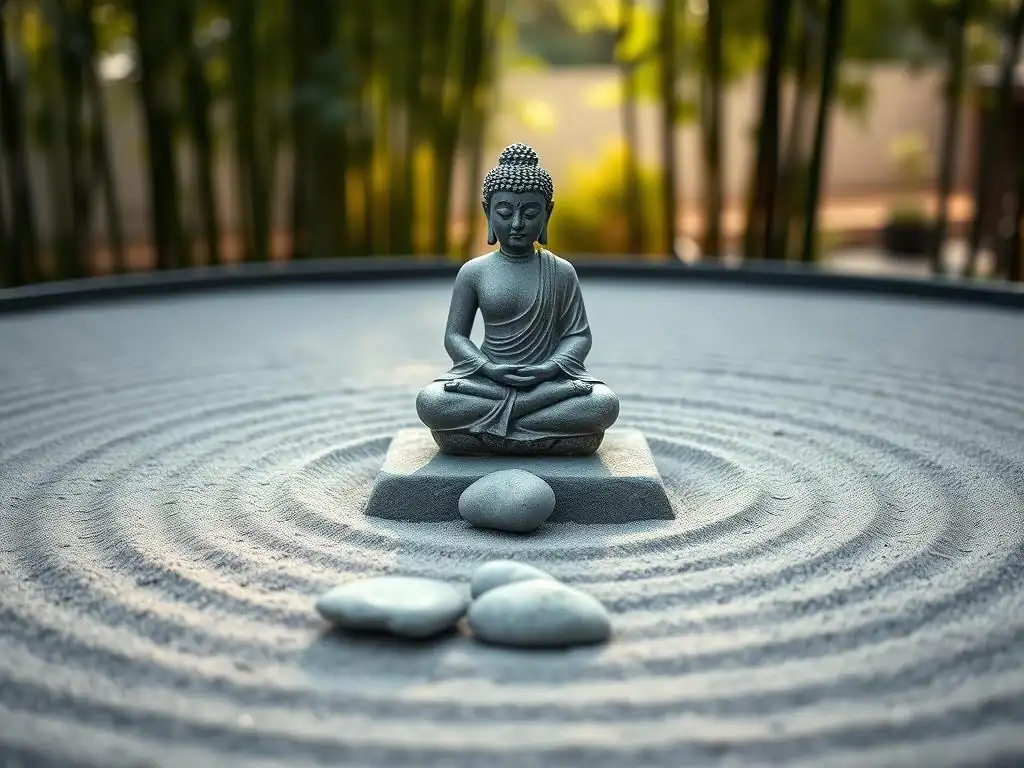
Meditation and Mindfulness Practices for Karmic Awareness
Meditation and mindfulness are essential tools for integrating karmic awareness into daily life. Practices like Vipassanā (insight meditation) or Samatha (calm abiding meditation) cultivate the ability to observe thoughts, emotions, and sensations without judgment. This heightened awareness allows individuals to become more conscious of the intentions behind their actions and the subtle ways in which their thoughts and deeds create immediate karmic ripples. Regular practice, even for 10-15 minutes daily, can significantly improve the ability to recognize negative mental patterns before they manifest as harmful actions.
Mindfulness extending beyond formal meditation involves paying conscious attention to everyday activities – eating, walking, interacting with others. By performing these actions with awareness, one can observe the motivations and feelings that arise, gaining insight into their karmic tendencies. For example, mindfully observing impatience in a queue allows one to recognize the negative karmic seed of aversion and consciously choose a different response, like cultivating patience. This continuous practice of mindful awareness strengthens the connection between internal states and external actions, deepening the understanding of karma and fostering Eastern philosophy mental wellbeing balance.
Ethical Living and the Cultivation of Positive Actions
Ethical living, guided by principles such as the Five Precepts in Buddhism (abstaining from killing, stealing, sexual misconduct, lying, and intoxicants) or similar ethical codes in other traditions, is a direct application of karmic principles. These precepts are not just moral rules but guidelines for cultivating positive karma and avoiding actions that generate suffering. Living ethically minimizes negative karmic consequences and builds a foundation of inner peace and integrity.
Beyond abstaining from harm, cultivating positive actions involves actively engaging in virtuous deeds. This can range from large acts of generosity to small acts of kindness, like offering a smile, helping a neighbor, or speaking words of encouragement. Intentionally performing these positive actions, even when inconvenient, reinforces positive karmic patterns.
For example, making a conscious effort to listen patiently to someone in distress, rather than offering quick advice or judgment, cultivates positive karma related to compassion and skillful communication. This consistent effort in ethical living and positive action is fundamental for shaping a positive karmic future and achieving Eastern philosophy mental wellbeing balance.
Practicing Gratitude and Forgiveness for Karmic Cleansing
Gratitude and forgiveness are powerful practices for working with existing karma and cultivating positive future outcomes. Practicing gratitude shifts the focus from what is lacking to what is present, generating positive emotions and counteracting negative karmic tendencies rooted in desire and dissatisfaction. Regularly reflecting on things one is grateful for, even small aspects of life, cultivates a positive mental state that attracts positive experiences according to karmic law. Maintaining a gratitude journal and writing down three things daily has been shown in some studies to increase happiness and reduce depressive symptoms.
Forgiveness, both of oneself and others, is crucial for releasing negative karmic ties. Holding onto resentment or guilt creates stagnant, negative karmic energy that burdens the mind. Understanding that forgiveness is primarily for one's own liberation from suffering aligns with karmic principles. By consciously choosing to forgive, one releases the negative emotional charge associated with past hurts, effectively clearing negative karma and creating space for positive energy. This act of letting go, whether through meditation, journaling, or direct communication, is a powerful tool for emotional healing and fostering Eastern philosophy mental wellbeing balance.
The Long-Term Benefits of a Karma-Centered Lifestyle for Mental Health
Increased Self-Esteem and Confidence
Adopting a karma-centered lifestyle significantly boosts self-esteem and confidence. By focusing on ethical conduct and cultivating positive actions, individuals develop a strong sense of integrity and moral worth. Knowing that one is actively striving to live a life that benefits oneself and others, in alignment with universal principles of cause and effect, builds inner respect. This internal validation is far more stable than self-esteem based on external achievements or the opinions of others.
Furthermore, as positive karma manifests in improved relationships, greater inner peace, and resilience in the face of challenges, individuals gain practical proof of the effectiveness of their choices. Seeing the positive results of their ethical efforts reinforces a belief in their own capacity for growth and positive change. This cycle of positive action leading to positive outcomes builds genuine self-confidence, rooted in inner strength and moral character, contributing significantly to Eastern philosophy mental wellbeing balance.
Greater Peace of Mind and Reduced Suffering
Perhaps the most profound benefit of a karma-centered lifestyle is the attainment of greater peace of mind and a reduction in suffering. By understanding the dynamic nature of karma, individuals learn to accept life's challenges with more equanimity, recognizing them as temporary conditions arising from causes. This perspective reduces resistance to difficult experiences, which is often the source of significant suffering.
Moreover, consistently cultivating positive karma through ethical living, mindfulness, and compassion gradually reduces the seeds of future suffering. As negative mental states like anger, fear, and attachment lessen through conscious effort, the mind becomes calmer and more stable. This leads to a state of inner peace that is not dependent on external circumstances, offering a reliable source of refuge amidst the unpredictability of life. This enduring peace is a core aim of Eastern philosophy mental wellbeing balance.
A Deeper Sense of Purpose and Meaning in Life
Embracing karma provides a powerful framework for finding purpose and meaning. Understanding that every action, thought, and intention contributes to a larger cosmic tapestry instills a sense of responsibility and significance. Life is seen not as a series of random events, but as an opportunity to learn, grow, and contribute positively to the world through conscious action.
The pursuit of generating positive karma and working towards liberation from suffering (a goal in many Eastern traditions) offers a compelling life purpose. This involves continuous self-improvement, ethical engagement with the world, and cultivating wisdom and compassion. This purpose transcends fleeting pleasures and external achievements, providing a deep, enduring sense of meaning that nourishes the soul and significantly enhances long-term mental wellbeing, aligning with the holistic vision of Eastern philosophy mental wellbeing balance.
Conclusion: Embracing Karma for a Holistic Approach to Mental Wellbeing
The Power of Eastern Philosophy for Modern Mental Health
Eastern philosophy, with its rich understanding of karma and interconnectedness, offers a profound and holistic framework for addressing modern mental health challenges. Unlike approaches that may focus solely on symptom management or biological factors, a karmic perspective delves into the roots of suffering in our actions, thoughts, and intentions. It empowers individuals by highlighting their agency in shaping their internal and external world through conscious choices. This ancient wisdom provides practical tools – like mindfulness, ethical living, and compassion – that are remarkably relevant and effective for cultivating mental resilience, emotional regulation, and overall wellbeing in today's complex world.
Integrating the principles of karma encourages a shift from a reactive stance towards life's difficulties to a proactive one, focused on cultivating positive causes for future happiness. It offers a path towards understanding the intricate relationship between our inner landscape and outer experiences, promoting a deeper sense of responsibility and self-awareness. This approach is not about adopting a rigid dogma but about exploring timeless principles that can illuminate the path towards a more balanced, peaceful, and purposeful life, embodying the essence of Eastern philosophy mental wellbeing balance.
Cultivating Inner Peace Through Karmic Understanding
Ultimately, the journey of understanding and integrating karma is a path towards cultivating inner peace. By recognizing the cause-and-effect relationship in our lives, we become more mindful of our actions, thoughts, and intentions, consciously choosing those that lead to positive outcomes. This process of ethical self-cultivation gradually purifies the mind, reducing the influence of negative emotions and fostering states of calm, clarity, and contentment.
Embracing karma means taking ownership of our lives, acknowledging the impact of our choices, and committing to a path of continuous growth and positive contribution. It is a dynamic process of learning, adjusting, and striving to live in alignment with universal principles of harmony and compassion. Through this ongoing effort, guided by the wisdom of Eastern philosophy mental wellbeing balance, individuals can cultivate a resilient spirit, build meaningful connections, and discover a profound and lasting sense of peace within themselves.
Frequently Asked Questions
How does the concept of Karma relate to mental wellbeing, according to Eastern philosophy?
Karma, in this context, isn't just about punishment or reward. It's about the cumulative effect of actions, thoughts, and intentions impacting our present state of mind, influencing our mental wellbeing and balance.
How can understanding Karma contribute to achieving mental wellbeing balance?
By recognizing the link between our actions and their consequences, we become more mindful. This mindfulness cultivates positive actions and thoughts, leading to improved emotional regulation and inner peace.
What is the role of Eastern philosophy in promoting mental wellbeing, specifically in relation to Karma?
Eastern philosophy emphasizes self-awareness and ethical conduct as paths to liberation. Understanding Karma within this framework encourages us to take responsibility for our mental state and cultivate positive mental habits.
How can I practically apply the principles of Karma to improve my mental wellbeing?
Start by practicing self-reflection to identify negative thought patterns or behaviors. Then, consciously choose positive actions and thoughts that promote kindness, compassion, and understanding, gradually reshaping your karma.
Are there any potential misconceptions about Karma that could hinder mental wellbeing?
It's important to avoid fatalistic interpretations. Karma isn't about predetermined destiny but about the power of choice and action. Focusing on present actions allows us to influence our future mental state positively.
Final Reflection: Finding Balance Through Karma and Wellbeing
The interconnectedness of our actions and mental wellbeing, a cornerstone of Eastern philosophy, remains profoundly relevant in today's fast-paced, often stressful world. Understanding the karmic principle – that our actions shape our experiences – offers a powerful framework for cultivating inner peace and a more balanced life. Ignoring this fundamental truth only serves to amplify the negative cycles that contribute to mental health challenges.
The exploration of karma's influence on our mental landscape has been a deeply personal journey, revealing the subtle yet significant ways in which our thoughts, words, and deeds impact our overall sense of wellbeing. It's not about a simplistic reward-and-punishment system, but rather a complex interplay of cause and effect that shapes our internal state. As the Dalai Lama wisely stated, Happiness is not ready made. It comes from your own actions.
This quote underscores the active role we play in cultivating our own happiness and mental equilibrium through mindful engagement with the karmic principle.
Consider the implications of this understanding in your own life. How can you consciously cultivate positive actions – kindness, compassion, mindfulness – to foster a more balanced and harmonious inner world? This isn't about achieving some unattainable state of perfection, but rather about embracing a path of continuous growth and self-awareness. By aligning your actions with your values and striving for mindful engagement with the world, you can harness the power of karma to cultivate lasting mental wellbeing and a deeper sense of purpose. Begin today, and watch the positive ripple effects unfold.
Unleash Your Inner Peace: Cultivate Karma, Cultivate Wellbeing
Thanks for exploring the fascinating connection between karma and mental wellbeing! We hope you gained valuable insights into how your actions shape your inner peace. Ready to take the next steps on your journey?
- Start a daily reflection practice: Spend just 5 minutes each day journaling about your intentions and actions, focusing on aligning them with your values. This simple act can dramatically shift your perspective.
- Share this wisdom: Pass on the knowledge! Discuss this article with a friend or family member – sharing these insights can deepen your understanding and strengthen your relationships.
- Explore mindful living techniques: Consider learning more about meditation, yoga, or other practices that encourage present-moment awareness. These can support you in cultivating positive karma and a sense of inner calm.
What small act of kindness or mindful choice will you make today to nurture your inner peace and positive karma?