
Short vs. Long Body Scans: Choosing the Right Technique for You

Welcome to Mind Care Guide, your haven for cultivating inner peace and understanding. Feeling overwhelmed by anxiety? You're not alone. We understand the challenges life throws your way, and we're here to guide you on your journey to mental well-being.
Have you ever wondered if the length of your meditation practice truly impacts its effectiveness? Dive into our article exploring the body scan meditation benefits anxiety, specifically comparing short and long techniques, to discover which approach best suits your needs and unlocks a deeper sense of calm. Let's explore together!
Short vs. Long Body Scans: Choosing the Right Technique for You
- Understanding Body Scan Meditation for Anxiety Relief
- Short Body Scan Meditation: A Quick Path to Mindfulness
-
Long Body Scan Meditation: Deepening Awareness and Relaxation
- What is a Long Body Scan? In-Depth Exploration
- Benefits of Long Body Scans: Achieving Profound Relaxation and Body Awareness
- How to Practice a Long Body Scan: A Detailed Walkthrough
- When to Use a Long Body Scan: Addressing Chronic Anxiety and Tension
- Time Commitment and Preparation for a Long Body Scan Session
- Short vs. Long Body Scan: A Detailed Comparison
- Choosing the Right Body Scan for Your Needs: A Personalized Approach
- Tips for Enhancing Your Body Scan Meditation Practice
- The Science Behind Body Scan Meditation and Anxiety Reduction
- Troubleshooting Common Challenges in Body Scan Meditation
- Advanced Body Scan Techniques and Variations
- Conclusion: Harnessing the Power of Body Scan Meditation for Anxiety Relief
-
Frequently Asked Questions
- What are the key differences between short and long body scan meditations?
- How can body scan meditation specifically help with anxiety?
- How do I determine if a short or long body scan is better suited for me?
- How often should I practice body scan meditation to see anxiety-reducing benefits?
- What if I find it difficult to focus during a body scan meditation due to anxiety?
- Final Reflection: Finding Your Calm Through Conscious Breathing
- Unlock Your Body's Potential: Choose Your Scan!
Understanding Body Scan Meditation for Anxiety Relief
What is Body Scan Meditation? A Beginner's Guide
Body scan meditation is a foundational mindfulness practice that involves systematically bringing your attention to different parts of your body. The goal is not to change anything you feel, but simply to notice sensations – whether they are pleasant, unpleasant, or neutral – with curiosity and non-judgment.
This practice helps anchor your awareness in the present moment, moving away from anxious thoughts about the past or future. It's often done lying down or sitting comfortably, gently guiding your attention from the toes all the way up to the crown of the head, acknowledging whatever physical sensations arise without judgment or the need to fix them.
Originating from the Mindfulness-Based Stress Reduction (MBSR) program developed by Jon Kabat-Zinn, the body scan is a key technique for developing present-moment awareness through the physical body. Unlike relaxation techniques that aim to induce a state of calm, the body scan's primary purpose is awareness. However, a natural byproduct of this heightened awareness and acceptance of physical sensations is often a profound sense of relaxation and reduced tension. For beginners, it provides a tangible way to connect with the body and understand how emotions and stress manifest physically, a crucial step in managing conditions like anxiety.
The Benefits of Body Scan Meditation for Anxiety and Stress Reduction
Body scan meditation benefits anxiety by cultivating a greater awareness of physical sensations linked to stress. When feeling anxious, many people experience physical symptoms like a racing heart, tense shoulders, or a knot in the stomach. The body scan helps individuals recognize these signals early and learn to relate to them differently, fostering a sense of acceptance rather than immediate reaction or panic. This practice can interrupt the cycle where physical symptoms trigger more anxious thoughts, and vice versa, providing a pathway to calmness.
Research supports the effectiveness of body scan meditation benefits anxiety and stress. Studies have shown that regular mindfulness practices, including body scans, can lead to measurable reductions in cortisol levels, the body's primary stress hormone. For example, a study published in Health Psychology found that participants who completed an 8-week mindfulness program, which included body scans, reported significant decreases in stress levels and improvements in mood compared to control groups. This demonstrates the tangible impact this technique can have on both the psychological and physiological aspects of anxiety and stress.
Body Scan Meditation Techniques: An Overview
While the core principle of moving attention through the body remains consistent, body scan meditation can be practiced in various ways. The most common approach involves lying down, closing the eyes, and systematically bringing awareness to different body parts, starting typically from the feet and moving upward. This can be done silently, following a guided recording, or even while sitting or walking, adapting the focus to the current posture.
Variations exist, such as focusing on the breath within each body part or exploring specific areas where tension is held. Some techniques might encourage gently softening areas of tension, while others strictly adhere to non-judgmental observation. The duration can also vary significantly, from just a few minutes to 45 minutes or longer, which is the primary distinction explored in this article between short and long body scans. Regardless of the specific technique used, the underlying intention is always to cultivate present-moment awareness through the physical body.
Short Body Scan Meditation: A Quick Path to Mindfulness
What is a Short Body Scan? Definition and Key Characteristics
A short body scan meditation is essentially a condensed version of the traditional practice, typically lasting between 3 to 10 minutes. Its defining characteristic is its brevity, making it highly accessible for integrating into busy daily schedules. While the principle of bringing awareness to the body remains the same, a short scan might move through body parts more quickly, or perhaps focus on just one or a few key areas where tension is often held, such as the shoulders, neck, or jaw.
The key characteristics include its time-efficiency and portability. It can be done almost anywhere – at your desk, on public transport, or during a short break. The focus is often on quickly grounding yourself in the present moment by connecting with physical sensations, providing an immediate respite from racing thoughts or stressful situations. It serves as a quick reset button, helping to break the cycle of rumination and bring your attention back to the here and now.
Benefits of Short Body Scans: Ideal for Busy Schedules
The primary benefit of short body scans lies in their practicality for individuals with limited time. In a world where minutes are often scarce, a 5-minute body scan is far more achievable than a 30 or 45-minute session. This accessibility increases the likelihood of regular practice, which is crucial for developing mindfulness skills over time. Even short, consistent practice can yield significant benefits for managing everyday stress and mild anxiety.
For someone feeling overwhelmed or experiencing an acute moment of anxiety, a short body scan offers a quick way to interrupt the stress response. By shifting focus from anxious thoughts to physical sensations, it can help to calm the nervous system in the moment. While it may not provide the deep, transformative insights of a longer practice, it is an excellent tool for immediate grounding and creating small pockets of mindfulness throughout the day, contributing cumulatively to better mental well-being.
How to Practice a Short Body Scan: A Step-by-Step Guide
Practicing a short body scan is straightforward. Find a comfortable position, whether sitting or standing. Close your eyes gently if comfortable, or soften your gaze. Take a few deep breaths to settle in. Then, bring your attention to your feet. Notice any sensations there – warmth, coolness, pressure, tingling – without trying to change them.
After a moment or two, gently move your attention up your body: to your legs, hips, torso, arms, hands, shoulders, neck, and head. Spend just a short time – maybe 30 seconds to a minute – on each major area or group of areas. Simply acknowledge the sensations present. You can also choose to focus only on areas where you typically hold tension. Finish by taking a final deep breath, noticing your whole body present in the space.
When to Use a Short Body Scan: Practical Applications
Short body scans are particularly useful in moments of transition or when feeling overwhelmed. They can be practiced before a stressful meeting, during a work break, while waiting in line, or before reacting to a challenging situation. If you feel anxiety starting to build, a quick scan can help you pause and ground yourself before it escalates.
They are also excellent for establishing a daily practice habit. Committing to 5 minutes each morning or evening is much easier than committing to 30 minutes, making it a sustainable starting point. Many people find success doing a short scan upon waking or before sleep. It's a versatile tool for injecting mindfulness into various parts of your day without requiring significant time commitment.
Limitations of Short Body Scans for Anxiety Management
While beneficial, short body scans may have limitations for addressing chronic or severe anxiety. Their brevity means they might not allow sufficient time to fully settle the mind or explore complex physical sensations related to deep-seated tension or trauma. The practice might feel rushed, preventing the development of profound body awareness.
For individuals seeking significant reductions in long-term anxiety levels or looking to deeply understand the mind-body connection, short scans might serve as a supplementary tool rather than the primary practice. They are excellent for momentary grounding but may not provide the sustained focus needed to rewire habitual stress responses or gain deeper insights into the roots of anxiety in the same way a longer practice can.
Long Body Scan Meditation: Deepening Awareness and Relaxation
What is a Long Body Scan? In-Depth Exploration
A long body scan meditation is a more extended and thorough practice, typically ranging from 20 to 45 minutes, or even longer. It involves a slow, deliberate process of bringing non-judgmental awareness to each part of the body, often lingering on specific areas for several minutes. The pace is unhurried, allowing ample time to notice subtle sensations, explore areas of tension or discomfort, and cultivate a deep sense of presence within the physical form.
This form of body scan is a cornerstone of formal mindfulness programs like MBSR. It is often practiced lying down to encourage deep relaxation, though it can also be done sitting. The extended duration allows for a more profound exploration of the mind-body connection, providing space to truly settle into the practice and observe the transient nature of sensations without feeling rushed.
Benefits of Long Body Scans: Achieving Profound Relaxation and Body Awareness
Long body scans offer the potential for deeper relaxation and a more profound level of body awareness compared to their shorter counterparts. The extended time allows the nervous system to settle more completely, often leading to a state of deep calm. Participants in MBSR programs frequently report significant reductions in muscle tension and a greater sense of physical ease after regular practice of the long body scan.
Furthermore, the sustained focus helps cultivate a more intimate relationship with one's physical experience. Individuals may become acutely aware of how emotions manifest physically, how tension is held in specific areas, and how sensations change over time. This heightened body awareness is invaluable for managing anxiety, as it allows one to recognize the early physical warning signs of stress and respond mindfully rather than react automatically. The practice can also help desensitize individuals to uncomfortable physical sensations associated with anxiety, reducing their power.
How to Practice a Long Body Scan: A Detailed Walkthrough
To practice a long body scan, find a quiet space where you won't be disturbed for the duration of the practice. Lie down comfortably on your back, perhaps on a mat or blanket, with your arms resting at your sides and legs uncrossed. Close your eyes gently. Take a few deep breaths to arrive.
Begin by bringing your awareness to your feet – your toes, the soles, the tops, the heels. Spend several minutes simply noticing any sensations present. Then, slowly move your attention up through your ankles, lower legs, knees, upper legs, and hips. Linger on each area, observing sensations with curiosity.
Continue this process through your torso (pelvis, lower back, abdomen, upper back, chest), your fingers, hands, wrists, forearms, elbows, upper arms, shoulders, neck, and finally your head and face. As you move, if your mind wanders, gently guide your attention back to the body part you intended to focus on. Conclude by resting your awareness on the entire body for a few minutes, noticing the overall sense of presence.
When to Use a Long Body Scan: Addressing Chronic Anxiety and Tension

Long body scans are particularly effective for individuals dealing with chronic anxiety, persistent stress, or significant physical tension. The extended duration provides the necessary time to truly settle the mind and body, allowing for deeper release and exploration of underlying physical patterns associated with anxiety.
If you find that shorter practices aren't providing sufficient relief or if you are participating in a structured mindfulness program aimed at long-term well-being, the long body scan is often recommended. It is also beneficial when you have dedicated time available and are seeking a more immersive mindfulness experience. Practicing a long body scan regularly, such as daily or several times a week, can contribute significantly to reducing baseline anxiety levels over time.
Time Commitment and Preparation for a Long Body Scan Session
A long body scan requires a significant time commitment, typically 20 to 45 minutes. This means setting aside dedicated time where you will not be interrupted. Preparation involves finding a quiet, comfortable space where you can lie down undisturbed. Ensuring you are warm and comfortable is important, as lying still for an extended period can sometimes lead to feeling cool.
It's also helpful to inform others in your household that you need quiet time. Turning off phones and other potential distractions is essential. While it requires more planning than a short scan, viewing this time as an investment in your mental and physical health can help prioritize it. The benefits derived from this deeper practice often justify the increased time commitment, especially when aiming for substantial body scan meditation benefits anxiety reduction.
Short vs. Long Body Scan: A Detailed Comparison
Key Differences in Duration and Focus
The most obvious difference between short and long body scans is duration. Short scans are typically 3-10 minutes, while long scans range from 20-45 minutes or more. This difference in time directly impacts the focus and depth of the practice. Short scans prioritize quick grounding and momentary awareness, often moving rapidly through body parts or focusing on key tension areas.
Long scans, conversely, emphasize a slow, deliberate, and thorough exploration of physical sensations throughout the entire body. The extended time allows for deeper settling, finer attention to subtle sensations, and the opportunity to patiently observe the changing landscape of physical experience. While short scans are excellent for accessibility and quick resets, long scans are designed for deeper immersion and cultivating sustained awareness.
Comparing the Benefits: Anxiety Reduction, Stress Relief, and Body Awareness
Both short and long body scans offer body scan meditation benefits anxiety and stress reduction, but they achieve these benefits through different mechanisms and to varying degrees. Short scans provide immediate grounding and can help manage acute moments of stress or anxiety by interrupting the thought cycle and bringing awareness to the present. They are excellent for building consistency and integrating mindfulness into a busy life.
Long scans, however, offer the potential for more profound and lasting effects. The extended practice allows for deeper relaxation of the nervous system, more thorough release of physical tension, and the development of a much richer body awareness. This deep connection to physical experience is often more effective in addressing chronic anxiety and fostering a fundamental shift in how one relates to stressful physical sensations over time. While a 5-minute scan can provide a quick break from stress, a 45-minute scan can help rewire your response to stress entirely.
Which Body Scan is Right for You? Factors to Consider
Choosing between a short and long body scan depends on several factors, including your time availability, your current anxiety levels, and your goals for the practice. If you are new to meditation, struggle with sitting still for long periods, or have a packed schedule, starting with short body scans is likely more sustainable and less intimidating. Consistency with short practices is generally more beneficial than infrequent attempts at long ones.
However, if you are dealing with significant or chronic anxiety, have the time available, and are seeking a deeper exploration of the mind-body connection, the long body scan offers greater potential for profound benefits. It's also worth considering your comfort level; some people find lying down for extended periods challenging initially, while others find it deeply relaxing. Ultimately, the "right" technique is the one you can and will practice regularly and which best meets your current needs.
Choosing the Right Body Scan for Your Needs: A Personalized Approach
Assessing Your Time Availability and Commitment
Realistically evaluating how much time you can consistently dedicate to practice is the first step. If finding even 10 minutes feels like a stretch on most days, committing to a 45-minute body scan is likely setting yourself up for frustration. Start with what feels manageable. For example, if you consistently have a 5-minute gap before starting work or during your commute (if not driving), a short scan fits perfectly.
Conversely, if you have weekends or evenings with larger blocks of free time, consider scheduling longer sessions then. Consistency is key to realizing body scan meditation benefits anxiety reduction, so choose a duration you can realistically stick to, even if it's just 3-5 minutes daily to start. It's better to practice a short scan daily than a long scan once a month.
Evaluating Your Anxiety Levels and Specific Needs
Consider the nature of your anxiety. If you experience frequent, acute spikes of anxiety throughout the day, short body scans are excellent for in-the-moment grounding and managing those specific episodes. They provide a quick tool you can deploy rapidly.
If your anxiety is more chronic, pervasive, and accompanied by significant physical tension or difficulty relaxing, longer body scans are likely more beneficial for addressing the underlying issues. The extended time allows for deeper release and a more thorough exploration of the physical patterns associated with chronic stress. Think about what you hope to gain: quick relief or deeper, lasting change?
Experimenting with Both Techniques: Finding What Works Best
The best way to determine which technique is right for you is to experiment. Try practicing a short body scan daily for a week and observe the effects. Do you feel more grounded? Less reactive to stressful moments? Then, try incorporating a long body scan a few times the following week. Notice the difference in how your body and mind feel during and after the practice.
Keep a simple journal or mental note of how each practice impacts you. Which one feels more accessible? Which one leaves you feeling more relaxed or more aware? Your personal experience is the most reliable guide. It's also possible that your needs will change over time, requiring an adjustment in the type or duration of practice you choose.
Combining Short and Long Body Scans for Optimal Anxiety Management
You don't have to choose one technique exclusively. Many individuals find that a combination of short and long body scans provides the most comprehensive approach to managing anxiety. Short scans can be used throughout the day for quick resets and grounding in moments of stress or transition.
Longer body scans can be scheduled perhaps once or twice a week for deeper relaxation, tension release, and cultivating sustained body awareness. This blended approach leverages the accessibility of short scans for daily maintenance and the depth of long scans for more profound therapeutic effects, maximizing the body scan meditation benefits anxiety relief offers across different situations and needs.
Tips for Enhancing Your Body Scan Meditation Practice
Creating a Comfortable and Distraction-Free Environment
Choosing the right location is vital for a successful body scan. Find a quiet space where you are unlikely to be interrupted. This might be a bedroom, a quiet corner of your living room, or even an office during a break. Ensure the temperature is comfortable – not too hot or too cold.
Wear loose, comfortable clothing that doesn't restrict your breathing or movement. If practicing a long scan lying down, use a yoga mat, blanket, or soft surface. Adjust lighting to be soft or dim, if possible. Turn off or silence your phone and any other electronic devices that could cause distractions. Creating a dedicated space, even a small one, signals to your mind and body that it's time to practice and helps minimize external interruptions.
Cultivating Patience and Non-Judgmental Awareness
Body scan meditation is a practice of being, not doing. It requires patience, especially when the mind is restless or sensations are intense. Understand that your mind will wander – this is normal. The practice isn't about having a perfectly still mind, but about noticing when your mind wanders and gently guiding it back to the intended focus (the body part).
Approach whatever you notice during the scan – thoughts, emotions, physical sensations – with an attitude of curiosity and non-judgment. There's no "right" or "wrong" way to feel. Simply observe what is present without criticizing yourself for getting distracted or for not feeling relaxed. This non-judgmental stance is fundamental to mindfulness and significantly enhances the body scan meditation benefits anxiety reduction relies on.
Using Guided Body Scan Meditations for Support
Especially when starting out, guided body scan meditations can be incredibly helpful. Available through numerous apps, websites, and recordings, a guide can lead you through the process, reminding you where to place your attention and offering gentle prompts. This frees you from having to remember the sequence or duration for each body part, allowing you to simply follow instructions and focus on the experience itself.
Guided meditations can also help maintain focus and provide structure, which is particularly useful for longer scans. Different guides have different styles and paces, so experiment to find one whose voice and approach resonate with you. Using a guide can make the practice feel less daunting and more accessible, encouraging consistent engagement.
Integrating Body Scan Meditation into Your Daily Routine for Long-Term Anxiety Relief
Consistency is the most important factor for realizing the long-term body scan meditation benefits anxiety relief offers. Rather than viewing it as an occasional activity, try to integrate it into your daily routine. This could mean a short scan upon waking, during your lunch break, or before sleep.
Treat it like brushing your teeth – a non-negotiable part of your day. Even 5-10 minutes daily can build momentum and strengthen your mindfulness muscle. Over time, this consistent practice helps to rewire your brain's response to stress, reduce overall anxiety levels, and increase your capacity to stay present and calm even in challenging situations. It's the cumulative effect of regular practice that truly makes a difference.
The Science Behind Body Scan Meditation and Anxiety Reduction
How Body Scan Meditation Impacts the Nervous System
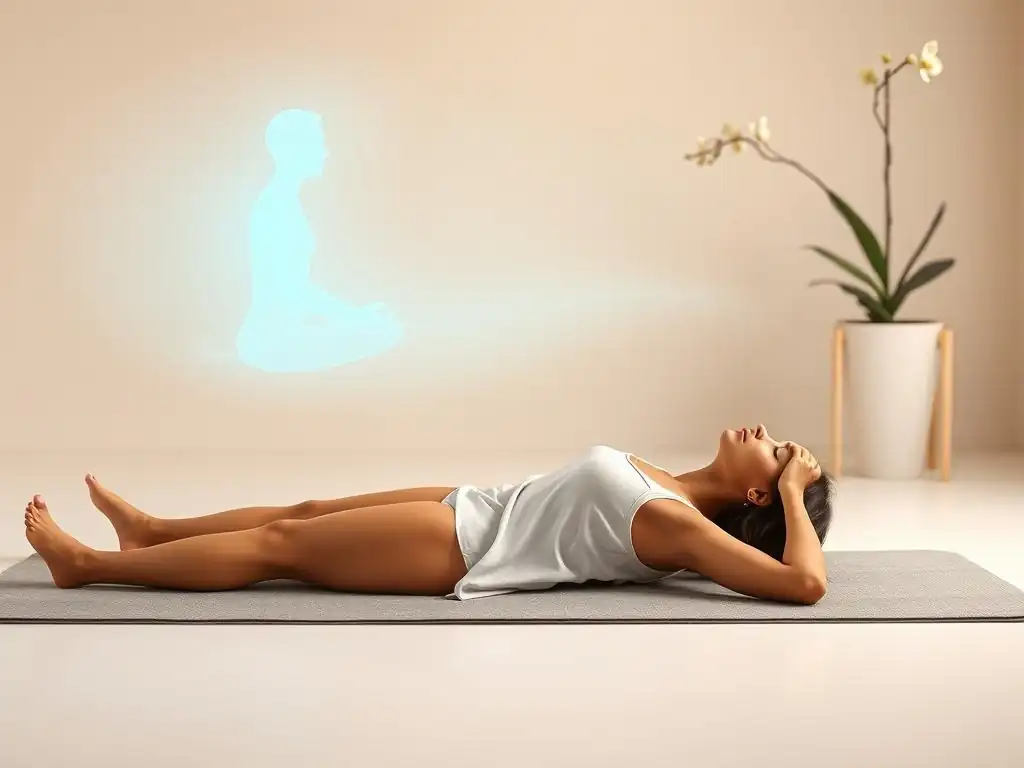
Body scan meditation influences the autonomic nervous system, which controls involuntary bodily functions like heart rate, breathing, and digestion. Anxiety often triggers the sympathetic nervous system ("fight or flight" response), leading to increased heart rate, shallow breathing, and muscle tension. Body scan meditation, by cultivating present-moment awareness and promoting relaxation, helps activate the parasympathetic nervous system ("rest and digest" response).
This shift slows down the heart rate, deepens breathing, and reduces muscle tension, counteracting the physiological symptoms of anxiety. By repeatedly bringing awareness to the body and allowing sensations to be without reacting, individuals train their nervous system to become less reactive to perceived threats, leading to a more balanced and resilient state.
Research Supporting the Benefits of Body Scan Meditation for Anxiety
Numerous studies have investigated the impact of mindfulness practices, including body scan meditation, on anxiety. A meta-analysis published in JAMA Internal Medicine in 2014 reviewed over 47 trials and found that mindfulness meditation programs led to moderate improvements in anxiety symptoms. Specific studies focusing on MBSR, where the body scan is a core component, have demonstrated significant reductions in self-reported anxiety and stress levels among participants diagnosed with conditions like Generalized Anxiety Disorder.
For instance, a study involving veterans with PTSD showed that mindfulness training, including body scans, reduced symptom severity. While specific figures vary depending on the study population and methodology, findings consistently point towards mindfulness practices positively impacting brain regions associated with anxiety regulation, such as the prefrontal cortex and amygdala, supporting the effectiveness of body scan meditation benefits anxiety reduction.
Body Scan Meditation vs. Other Mindfulness Practices for Anxiety
While many mindfulness practices can help with anxiety, the body scan offers unique benefits. Unlike sitting meditation focused solely on the breath, the body scan explicitly directs attention to physical sensations across the entire body. This can be particularly helpful for individuals whose anxiety manifests strongly in physical symptoms (e.g., stomach issues, headaches, muscle pain).
Compared to mindful movement practices like yoga or tai chi, the body scan is typically practiced in stillness, allowing for a different kind of internal exploration. It serves as a foundational practice that can enhance awareness in other forms of mindfulness. For many, the tangible focus on the body makes the body scan a more accessible starting point for mindfulness compared to practices that focus solely on abstract concepts like thought observation.
Troubleshooting Common Challenges in Body Scan Meditation
Dealing with Distractions and Wandering Thoughts
It is completely normal for your mind to wander during a body scan. Distractions, whether from external sounds or internal thoughts, are not failures but opportunities to practice bringing your attention back. When you notice your mind has drifted, simply acknowledge the thought or distraction without judgment.
Then, gently but firmly guide your attention back to the body part you were focusing on or the part you would be focusing on next in the sequence. This act of noticing and returning is the core training of mindfulness. Be patient and compassionate with yourself; the ability to refocus improves with practice. Think of it as training a puppy – you gently guide it back, again and again, without scolding.
Managing Discomfort or Sensations During the Practice
During a body scan, you might encounter uncomfortable sensations like pain, itching, restlessness, or tension. The instruction is to simply notice these sensations with curiosity, without trying to fix or change them immediately. This can be challenging, especially if the sensation is intense or linked to anxiety.
Try to approach the sensation as pure physical data – notice its location, intensity, texture, and temperature. Can you observe it without adding a story or judgment? Sometimes, simply bringing non-judgmental awareness to discomfort can lessen its intensity or change its quality. If discomfort is severe, you can gently adjust your position, but try to return to the practice afterwards, noticing the effect of the movement. If needed, you can also broaden your focus to include the area around the discomfort.
Overcoming Resistance to Body Scan Meditation
Some people experience resistance to body scan meditation, finding it boring, frustrating, or even anxiety-provoking (especially if they are highly attuned to physical symptoms of anxiety). It's important to acknowledge these feelings without self-criticism. Resistance is a common part of the process.
Try to explore the source of the resistance with curiosity. Is it the stillness? The focus on the body? Fear of what you might discover? Start with shorter durations if long scans feel too challenging. Consider using guided meditations, as a supportive voice can make the practice feel less isolating. Remember your motivation for practicing – the potential body scan meditation benefits anxiety relief offers – and gently encourage yourself to continue, perhaps starting with just a few minutes each day. Consistency with even a short, imperfect practice is more valuable than avoiding it altogether due to resistance.
Advanced Body Scan Techniques and Variations
Progressive Muscle Relaxation and Body Scan Integration
Progressive Muscle Relaxation (PMR) is a technique that involves tensing and then releasing specific muscle groups sequentially throughout the body. It is highly effective for reducing physical tension. Combining PMR with a body scan can be a powerful variation. One approach is to incorporate a brief tension-and-release cycle for each major body part before moving on to the non-judgmental observation of sensations.
For example, when focusing on the feet, you might gently tense your toes for a few seconds, release, and then bring non-judgmental awareness to the lingering sensations of relaxation or release before moving to the ankles. This integrated approach can be particularly helpful for individuals who hold significant physical tension related to anxiety, offering an active step towards release within the observational framework of the body scan.
Mindful Movement and Body Scan Combinations
Integrating body scan principles into mindful movement practices like walking, stretching, or gentle yoga can deepen the experience. Instead of lying still, you bring your awareness to the physical sensations that arise as you move. During a mindful walk, for instance, you might focus on the sensation of your feet touching the ground, the movement in your legs, or the feeling of air on your skin.
This combines the grounding aspect of the body scan with the fluidity of movement, helping to cultivate body awareness not just in stillness but in dynamic states. This can be beneficial for individuals who find sitting or lying still challenging or for those looking to extend mindfulness into their physical activities. It reinforces the connection between mind and body throughout the day.
Body Scan Meditation for Pain Management and Chronic Conditions
Body scan meditation has shown promise as a complementary technique for managing chronic pain and symptoms associated with various medical conditions. By bringing non-judgmental awareness to areas of discomfort or pain, individuals can learn to relate to these sensations differently. Instead of reacting with aversion and increasing tension, the practice encourages observing the sensation with curiosity, noticing its characteristics and how it changes.
While it doesn't eliminate pain, body scan can reduce suffering by decreasing the psychological distress associated with it. It can help individuals differentiate between the raw physical sensation and the thoughts or emotions layered upon it. Programs like MBSR, which heavily feature the body scan, have demonstrated effectiveness in improving quality of life for individuals with chronic pain, fibromyalgia, and other conditions by enhancing their ability to cope with physical symptoms and reducing associated anxiety and depression.
Conclusion: Harnessing the Power of Body Scan Meditation for Anxiety Relief
Body scan meditation, whether practiced in short bursts or longer, immersive sessions, offers a powerful pathway to greater self-awareness and reduced anxiety. By systematically bringing non-judgmental attention to physical sensations, you cultivate presence, interrupt anxious thought patterns, and learn to relate to your physical experience with greater acceptance. The body scan meditation benefits anxiety range from immediate calming to long-term resilience.
Choosing between a short or long body scan, or combining both, is a personal journey influenced by your time, needs, and preferences. Experimentation is key to finding the approach that resonates most deeply with you. Regardless of duration, consistent practice is the foundation for unlocking the transformative potential of this technique. By integrating body scan meditation into your life, you equip yourself with a valuable tool for navigating stress, reducing anxiety, and fostering a more peaceful and embodied existence.
Frequently Asked Questions
What are the key differences between short and long body scan meditations?
Short body scans typically focus on major body regions for a quicker relaxation experience. Long body scans involve a more detailed and sustained focus on each body part, potentially leading to deeper relaxation and awareness. Both aim to reduce anxiety.
How can body scan meditation specifically help with anxiety?
Body scan meditation helps with anxiety by shifting your focus from anxious thoughts to present bodily sensations. This promotes mindfulness and reduces the tendency to dwell on worries, leading to a calmer state.
How do I determine if a short or long body scan is better suited for me?
Consider your available time and experience level. Beginners or those with limited time might prefer short scans. Experienced meditators or those seeking deeper relaxation may benefit more from long scans.
How often should I practice body scan meditation to see anxiety-reducing benefits?
Consistency is key. Aim for at least 3-4 times per week, even if it's just a short body scan. Regular practice can lead to noticeable improvements in managing anxiety over time.
What if I find it difficult to focus during a body scan meditation due to anxiety?
That's normal! Gently redirect your attention back to your body sensations whenever your mind wanders. Don't judge yourself; just acknowledge the thought and return to the present moment and your body.
Final Reflection: Finding Your Calm Through Conscious Breathing
The mindful practice of body scanning, whether short or long, offers a powerful antidote to the pervasive anxiety of modern life. In a world saturated with demands and distractions, the ability to cultivate present-moment awareness through focused attention on bodily sensations is more crucial than ever. This simple yet profound technique provides a readily accessible pathway to reducing stress and fostering a sense of inner peace.
The exploration of short versus long body scans revealed not a competition between techniques, but rather a spectrum of options tailored to individual needs and preferences. The flexibility inherent in this practice allows it to seamlessly integrate into even the busiest schedules. The subtle shift in perspective, from a frantic mind to a grounded body, is a transformative experience. The body keeps the score,
as Bessel van der Kolk so aptly puts it, and learning to listen to its subtle whispers through body scanning can unlock profound healing and self-understanding. This resonates deeply with my own experience, as incorporating even short scans into my day has significantly reduced my stress levels and improved my overall well-being.
Now, consider your own relationship with anxiety. What small step can you take today to incorporate the benefits of body scanning into your life? Perhaps a five-minute scan before bed, or a quick check-in with your breath during a stressful moment. Remember, the power lies not in the length of the practice, but in the consistent intention to connect with your body and cultivate a deeper sense of self-awareness. Embrace the journey towards a calmer, more centered you, one mindful breath at a time.
Unlock Your Body's Potential: Choose Your Scan!
Thanks for taking the time to explore the world of body scans! You've now got the knowledge to unlock a deeper connection with your physical and mental well-being. Ready to put this new understanding into practice?
- Try a short 5-minute body scan today: Start small and experience the immediate benefits of mindfulness. This is your first step to a calmer, more centered you.
- Gradually increase your scan duration: Notice how your body responds to longer sessions and find the perfect length for your needs.
- Share your experience! Tell us in the comments what you discovered during your body scan – did anything surprise you?
What unique insights will your body reveal today?