
Parents and Pressure: Helping Young Athletes Cope with Anxiety

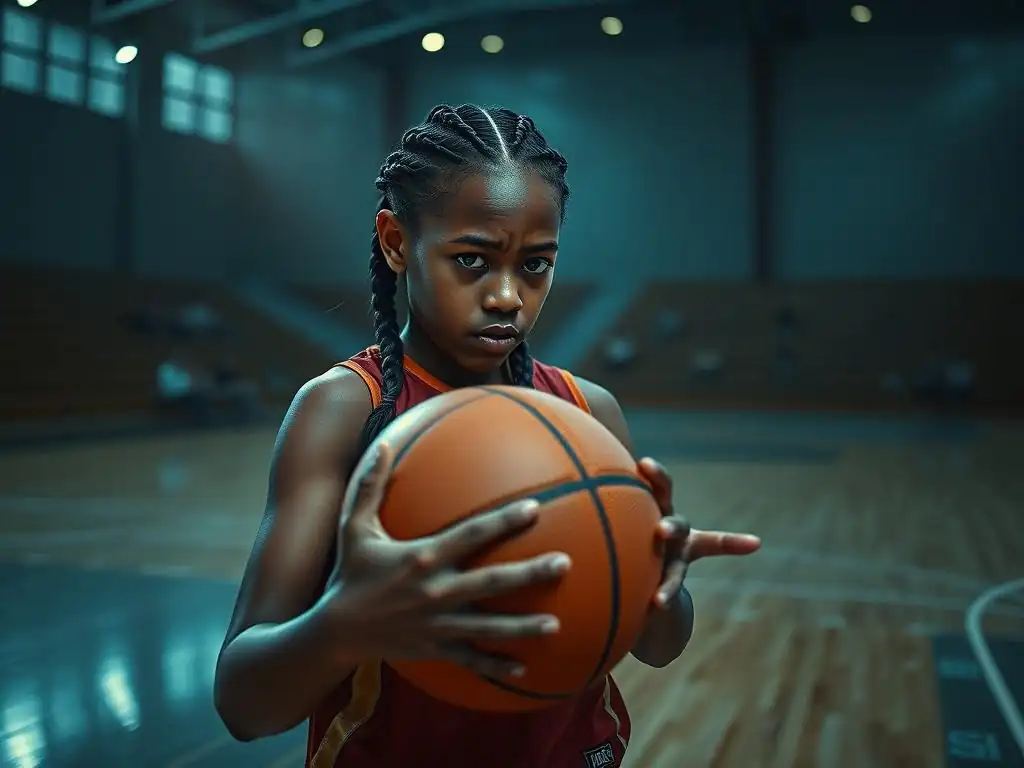
Welcome to Mind Care Guide, a place dedicated to nurturing your mental well-being.
Is your young athlete struggling under the weight of expectation? You're not alone. In this crucial guide, we delve into the pervasive issue of young athletes anxiety pressure, offering practical advice and empathetic support to help parents navigate these challenging situations. Discover how to foster a healthy environment where your child can thrive, both on and off the field. Read on to unlock actionable strategies and reclaim the joy of the game.
Parents and Pressure: Helping Young Athletes Cope with Anxiety
- Understanding Young Athletes Anxiety Pressure
- Recognizing Anxiety Symptoms in Young Athletes
- The Impact of Parental Pressure on Young Athletes' Mental Health
- Strategies for Parents to Help Young Athletes Manage Anxiety
- Creating a Supportive Environment for Young Athletes
- Addressing Performance Anxiety in Young Athletes
- Talking to Your Young Athlete About Anxiety
- When to Seek Professional Help for Your Young Athlete's Anxiety
- Long-Term Strategies for Promoting Mental Well-being in Young Athletes
-
Frequently Asked Questions
- What are the primary sources of anxiety pressure for young athletes?
- How can parents distinguish between healthy ambition and unhealthy pressure in their young athletes?
- What are some practical strategies parents can use to reduce anxiety pressure on their young athletes?
- What resources are available if a young athlete is struggling with significant anxiety related to sports pressure?
- How can coaches and parents work together to create a more positive and supportive environment for young athletes?
- Final Reflection: The Unseen Weight on Young Shoulders
- Unleash Your Child's Potential: Actionable Steps for Athletic Wellbeing
Understanding Young Athletes Anxiety Pressure
Young athletes today face an unprecedented level of pressure. The dream of collegiate scholarships, professional careers, and social media spotlight can create an environment where performance feels paramount. This intense focus on results, rather than enjoyment or personal development, is a significant contributor to the rise of anxiety among young competitors. Understanding the complex interplay between athletic pursuits and mental well-being is crucial for parents and coaches aiming to support these individuals. The unique challenges faced by young athletes dealing with anxiety pressure require empathetic awareness and practical strategies for coping.
Navigating the demands of competitive sports alongside academic and social pressures can be overwhelming for developing minds. The constant evaluation, public nature of competition, and the high stakes often associated with youth sports can amplify feelings of stress and inadequacy. Addressing young athletes anxiety pressure involves recognizing its multifaceted nature, acknowledging the specific stressors they encounter, and implementing supportive measures that prioritize their mental health above purely athletic outcomes.
The Prevalence of Anxiety in Young Athletes
Research indicates that anxiety is a significant concern among young athletes. Studies have shown that athletes, particularly at competitive levels, may experience higher rates of certain mental health challenges compared to their non-athlete peers. While exact figures vary based on age group, sport, and competitive level, some estimates suggest that anywhere from 10% to 25% of young athletes may struggle with symptoms of anxiety or depression at any given time. For instance, a 2019 study involving NCAA athletes found that 19% reported feeling so depressed it was difficult to function, and 30% reported experiencing overwhelming anxiety.
This prevalence highlights that young athletes anxiety pressure is not an isolated issue but a widespread phenomenon requiring attention. The pressure to perform, maintain a certain physique, manage demanding training schedules, and balance other life commitments can create a perfect storm for anxiety to develop. Understanding these statistics underscores the importance of proactive mental health support within youth sports communities, ensuring that anxiety is not seen as a weakness but a challenge that can be addressed with the right support and strategies.
Identifying Sources of Pressure for Young Athletes
Understanding the root causes of anxiety in young athletes is the first step toward effective support. Pressure can stem from various sources, often interacting in complex ways. While some pressure is inherent in competition, excessive or mismanaged pressure can become detrimental, leading to significant young athletes anxiety pressure. Pinpointing these specific pressures allows parents, coaches, and athletes themselves to develop targeted coping mechanisms and support systems.
These pressures can be internal, stemming from the athlete's own personality and goals, or external, originating from their environment. Recognizing the unique combination of these pressures affecting an individual athlete is key. For example, a young swimmer might feel external pressure from a parent's high expectations combined with internal pressure to achieve a personal best time, creating a significant burden of young athletes anxiety pressure.
Parental Expectations and Anxiety
Parental expectations, while often well-intentioned, can be a significant source of anxiety for young athletes. Children naturally seek their parents' approval and validation. When a parent's focus seems overly centered on winning, performance statistics, or achieving elite status, a young athlete may internalize this, fearing failure will lead to disappointment. This can manifest as intense pressure to perform perfectly, leading to significant young athletes anxiety pressure before, during, and after competition.
For example, if a parent frequently discusses college scholarships from a young age or expresses visible frustration after a loss, the athlete may start to associate their worth with their athletic success. This pressure cooker environment can erode the joy of participation and replace it with fear and stress. Approaching sports with a focus on effort, learning, and enjoyment, rather than solely on outcomes, can significantly alleviate this particular source of young athletes anxiety pressure.
The Influence of Coaches and Teammates
Coaches play a pivotal role in shaping a young athlete's experience and can either alleviate or exacerbate anxiety. A coach who uses criticism excessively, sets unrealistic expectations, or creates a high-stakes, fear-based environment can significantly increase young athletes anxiety pressure. Conversely, a supportive coach who emphasizes effort, teamwork, and skill development over winning can foster a more positive and less stressful atmosphere.
Teammates also influence a young athlete's mental state. Competitive team dynamics, fear of letting others down, or experiencing bullying or exclusion can contribute to anxiety. Positive peer relationships and a supportive team culture are vital buffers against young athletes anxiety pressure. For instance, a study might show that athletes in teams with strong social cohesion report lower levels of anxiety compared to those in less cohesive teams.
Self-Imposed Pressure and Perfectionism
Beyond external influences, young athletes often place immense pressure on themselves. This is particularly true for those with perfectionistic tendencies. They may set impossibly high standards, dwell on mistakes, and fear not meeting their own expectations. This internal drive, while sometimes motivating, can become a crippling source of young athletes anxiety pressure when it leads to constant self-criticism and fear of failure.
Perfectionism can manifest as an inability to tolerate errors, excessive worry about performance, and linking self-worth directly to athletic achievement. For example, a gymnast who falls during a routine might feel like a complete failure, despite executing the rest perfectly, due to their own perfectionistic standards. Helping young athletes develop a healthier perspective on mistakes, viewing them as learning opportunities rather than catastrophic failures, is crucial in managing this self-imposed young athletes anxiety pressure.
Recognizing Anxiety Symptoms in Young Athletes
Identifying anxiety in young athletes can be challenging, as they may not always articulate their feelings directly. Symptoms can manifest differently from person to person and may be mistaken for typical pre-competition nerves or adolescent moodiness. Parents and coaches must be observant and aware of the various ways young athletes anxiety pressure can present itself, both physically and emotionally. Early recognition allows for timely intervention and support.
It's important to look for changes in behavior, mood, or physical well-being that are out of character for the individual athlete. While a certain level of excitement or nervousness is normal before a big game or competition, persistent or debilitating symptoms that interfere with enjoyment, performance, or daily life signal a potential issue with young athletes anxiety pressure that needs attention.
Physical Symptoms of Anxiety in Young Athletes
Anxiety often has noticeable physical manifestations in young athletes. These can include symptoms that might be attributed to other causes, making careful observation important. Common physical signs of young athletes anxiety pressure include increased heart rate, rapid breathing or shortness of breath, sweating, trembling or shaking, and muscle tension.
Other physical symptoms can involve gastrointestinal issues such as stomachaches, nausea, or even vomiting before or during competition. Headaches, fatigue, and difficulty sleeping (insomnia) are also frequently reported by young people experiencing significant anxiety. For example, a young runner might complain of frequent stomach cramps before races or have trouble falling asleep the night before, signs that could point to performance-related young athletes anxiety pressure.
Emotional and Behavioral Signs of Anxiety
Beyond physical symptoms, anxiety in young athletes also presents through emotional and behavioral changes. Emotionally, they might exhibit excessive worry, fear, irritability, restlessness, or difficulty concentrating. They might seem more easily frustrated or overwhelmed than usual.
Behaviorally, signs of young athletes anxiety pressure can include avoidance of practice or competition, changes in eating habits, increased clinginess or withdrawal from social activities, difficulty making decisions, or a noticeable decrease in enjoyment of the sport they once loved. A young soccer player who suddenly starts faking injuries to avoid playing or becomes withdrawn and quiet on the bus ride to games might be showing signs of significant young athletes anxiety pressure.
Differentiating Between Normal Nerves and Anxiety Disorders
It's important to distinguish between normal pre-competition nerves and a potential anxiety disorder. Nerves are typically temporary, performance-focused, and subside once the activity begins. They might even enhance focus and performance. Anxiety disorders, however, involve persistent, excessive worry and fear that are disproportionate to the situation and significantly impact daily functioning, well-being, and athletic performance.
Anxiety related to young athletes anxiety pressure becomes problematic when it is debilitating, lasts for extended periods, occurs in non-performance situations, or leads to avoidance behaviors. If symptoms are severe, persistent (e.g., lasting for several weeks or months), and interfere with the athlete's ability to participate in or enjoy their sport, or impact other areas of their life, it may indicate a need for professional evaluation for an anxiety disorder.
The Impact of Parental Pressure on Young Athletes' Mental Health
Parental influence is one of the most powerful factors shaping a young athlete's experience. While encouragement and support are vital, excessive pressure can have detrimental effects on mental health, significantly contributing to young athletes anxiety pressure. Understanding how parental actions and words translate into pressure is essential for fostering a healthy athletic environment.
The way parents react to wins and losses, their comments during and after games, and their overall attitude towards the sport can either build resilience or fuel anxiety. When a child perceives that their parent's love or approval is conditional on their athletic success, it places an immense and unhealthy burden on their young shoulders, amplifying young athletes anxiety pressure.
How Parental Expectations Contribute to Anxiety
Unrealistic or overly demanding parental expectations are a primary driver of young athletes anxiety pressure. This can manifest in several ways: expecting a child to be the best on the team, comparing them unfavorably to others, demanding specific statistics or outcomes, or pushing them to play through pain or exhaustion to avoid missing a game. For instance, a parent insisting their 10-year-old baseball player must pitch a perfect game every time they take the mound sets an impossible standard that is guaranteed to create significant anxiety.
When a young athlete feels they constantly have to meet high, potentially unattainable expectations, they live in fear of failure. This fear can paralyze them during competition, leading to hesitant play, increased mistakes, and a cycle of poor performance reinforcing the anxiety. The child may internalize the belief that they are not good enough unless they achieve a certain level of success, directly linking their self-worth to their athletic performance under the weight of young athletes anxiety pressure.
The Role of Communication in Reducing Pressure
Effective communication is a critical tool for parents seeking to reduce young athletes anxiety pressure. Open, honest, and supportive dialogue can help athletes feel understood and less alone in their struggles. It's not just about what is said, but how it is said, and perhaps more importantly, the willingness to listen.
Asking open-ended questions like "How did that feel?" or "What did you learn today?" instead of focusing solely on the score or outcome encourages the athlete to process their experience and feelings. Validating their emotions, even if they seem disproportionate to the situation, helps them feel safe expressing their anxiety. For example, saying "It sounds like you were really nervous before that game, that's understandable" can be incredibly validating for a young athlete struggling with young athletes anxiety pressure.
Avoiding Over-Involvement: Finding the Right Balance
Over-involvement in a young athlete's sports life can inadvertently increase pressure. This can include constantly coaching from the sidelines, interfering with the coach, dictating training regimens, or making sports the sole focus of the child's life. While showing interest is good, excessive control or living vicariously through the child's athletic achievements creates an unhealthy dynamic and adds to young athletes anxiety pressure.
Finding the right balance means being supportive and interested without being controlling or overly critical. It involves allowing the child to have ownership of their sport experience, respecting the coach's role, and ensuring the child has time for other interests and activities outside of sports. A parent who understands that their role is to provide encouragement and a ride to practice, rather than to micromanage every aspect of their child's athletic development, helps alleviate undue young athletes anxiety pressure.
Strategies for Parents to Help Young Athletes Manage Anxiety

Parents are uniquely positioned to help young athletes develop coping mechanisms for anxiety. By implementing specific strategies, parents can create a supportive environment that fosters resilience and emotional regulation. These strategies focus on communication, mindset, and teaching practical skills to manage stress and anxiety.
Helping young athletes navigate the challenges of competition and performance requires patience and a proactive approach. The goal is not to eliminate all pressure, as some pressure is a natural part of growth and challenge, but to help them manage young athletes anxiety pressure in a healthy way that prevents it from becoming debilitating.
Open and Honest Communication Techniques
Establishing a foundation of open and honest communication is paramount. Create a safe space where your child feels comfortable discussing their feelings about sports, pressure, and anxiety without fear of judgment or disappointment. This means listening more than talking and validating their experiences.
Instead of asking "Why didn't you make that shot?" try "How were you feeling during that play?" Encourage them to articulate their anxieties by asking specific questions like "What worries you the most about this upcoming game?" Share your own experiences with pressure or anxiety (appropriately for their age) to normalize their feelings. Regularly check in with them, not just about their performance, but about their overall well-being and enjoyment of the sport, directly addressing potential young athletes anxiety pressure.
Fostering a Growth Mindset and Resilience
Teaching a growth mindset is a powerful strategy against young athletes anxiety pressure. This involves emphasizing that abilities can be developed through dedication and hard work, rather than being fixed. Focus on effort, learning, and improvement rather than innate talent or outcomes. Celebrate small victories and progress, not just wins.
Help them reframe mistakes as learning opportunities. Instead of saying "You failed," try "What did you learn from that?" Encourage them to embrace challenges and persist through setbacks. Building resilience means helping them bounce back from disappointments and view them as temporary hurdles, not reflections of their inherent worth as athletes or individuals struggling with young athletes anxiety pressure.
Encouraging Self-Care and Stress Management
Teaching young athletes self-care and stress management techniques provides them with practical tools to cope with young athletes anxiety pressure. This includes ensuring they prioritize adequate rest, nutrition, and opportunities for relaxation and fun outside of sports.
Empower them to recognize their own signs of stress and anxiety and have a repertoire of strategies to address them. These skills are not just beneficial for sports but are valuable life skills that promote long-term well-being beyond their athletic careers.
The Importance of Sleep and Nutrition for Young Athletes
Adequate sleep and proper nutrition are fundamental building blocks for managing anxiety and stress in anyone, especially young athletes under pressure. Sleep deprivation can exacerbate anxiety symptoms, impair focus, and negatively impact physical performance. Young athletes typically need between 8 to 10 hours of sleep per night. Establishing consistent sleep schedules is crucial.
Proper nutrition provides the energy and nutrients needed for both physical recovery and cognitive function. Skipping meals, relying on processed foods, or inadequate hydration can lead to energy crashes, mood swings, and increased irritability, all of which can worsen young athletes anxiety pressure. Educating young athletes (and ensuring they follow) healthy eating habits and prioritize sleep is a non-negotiable aspect of supporting their mental and physical health.
Promoting Relaxation Techniques and Mindfulness
Teaching relaxation techniques and mindfulness can provide young athletes with tools to calm their nervous system and manage in-the-moment anxiety. Simple techniques like deep breathing exercises can be practiced anywhere, including before or during a competition. For example, teaching the 4-7-8 breathing method (inhale for 4 counts, hold for 7, exhale for 8) can help regulate heart rate and promote relaxation.
Mindfulness involves paying attention to the present moment without judgment. This can help athletes stay focused during competition and avoid getting stuck in worries about past mistakes or future outcomes. Simple mindfulness exercises, like paying attention to the sensations of their body during warm-up or focusing on the feel of the ball/equipment, can help ground them and reduce young athletes anxiety pressure. Apps and guided meditations designed for young people can be helpful resources.
Creating a Supportive Environment for Young Athletes
Building a supportive environment involves more than just individual strategies; it requires collaboration between parents, coaches, and the team community. A unified approach that prioritizes the athlete's well-being can significantly reduce the overall burden of young athletes anxiety pressure.
This environment should emphasize development, enjoyment, and mutual support, rather than solely focusing on competitive outcomes. When the entire ecosystem surrounding the young athlete is aligned in prioritizing their mental health, the positive impact can be profound, mitigating the effects of young athletes anxiety pressure.
Working with Coaches and Teams to Reduce Pressure
Parents should strive to build a positive relationship with their child's coach and, where appropriate, engage with the team culture. Communicate your concerns about your child's anxiety with the coach privately and constructively. Discuss how you can work together to support the athlete, perhaps by identifying specific stressors or implementing strategies during practice or games.
Encourage a team environment that values effort, teamwork, and mutual support. If the coach is open to it, suggest team-building activities that foster camaraderie and reduce internal competition that could contribute to young athletes anxiety pressure. Advocate for coaches who are trained in positive coaching techniques and understand the mental health challenges faced by young athletes.
Setting Realistic Goals and Expectations
Collaborating with your child and their coach to set realistic and achievable goals is essential. Goals should focus on process and development (e.g., improving a specific skill, demonstrating good sportsmanship, maintaining effort throughout a game) rather than solely on outcomes (e.g., winning, scoring a certain number of points).
Help your child understand that progress is often non-linear and setbacks are part of the journey. Celebrating progress towards these realistic goals reinforces effort and learning, reducing the pressure to be perfect and mitigating young athletes anxiety pressure associated with unattainable standards.
Celebrating Effort and Progress, Not Just Wins
Shift the focus of praise and recognition from winning and performance statistics to effort, improvement, resilience, and positive attitude. When a young athlete knows their effort is valued more than the final score, it significantly reduces the fear of failure that fuels young athletes anxiety pressure.
After a game or practice, instead of immediately discussing the outcome or mistakes, commend their hard work, perseverance, and positive contributions to the team. Ask them what they felt they did well or what they learned. This reinforces that their value is not solely tied to their athletic achievements and helps build confidence independent of results, easing young athletes anxiety pressure.
Addressing Performance Anxiety in Young Athletes
Performance anxiety is a specific type of anxiety common among athletes, characterized by intense fear and worry about performing poorly. It can manifest just before or during competition and significantly hinder an athlete's ability to execute skills they perform effortlessly in practice. Addressing performance-specific young athletes anxiety pressure requires targeted strategies.
These strategies often involve mental techniques aimed at managing nervous thoughts and physiological responses during high-pressure situations. Learning to control the mental game is as crucial as physical training for young athletes struggling with performance-related young athletes anxiety pressure.
Cognitive Behavioral Techniques for Managing Anxiety
Cognitive Behavioral Therapy (CBT) techniques can be adapted for young athletes to help them manage anxious thoughts. This involves identifying negative or irrational thought patterns (e.g., "If I strike out, my team will lose and it will be all my fault") and challenging them with more realistic or positive thoughts (e.g., "I've practiced this pitch many times, I'll focus on executing it well. One play doesn't define the whole game").
Parents can help their children practice thought stopping or thought challenging. For example, when a child expresses an anxious thought, ask them for evidence supporting it and evidence against it. Help them develop positive self-talk phrases they can use during competition, such as "I am prepared," "Focus on the process," or "Just do my best." These techniques help athletes gain control over the mental spiral associated with young athletes anxiety pressure.
Visualization and Mental Rehearsal Strategies
Visualization, or mental rehearsal, is a powerful technique used by athletes to prepare for performance and manage anxiety. It involves mentally practicing the desired performance, engaging all senses. The athlete imagines themselves successfully executing skills, navigating challenging situations, and achieving their goals calmly and confidently.
Encourage your child to find a quiet space and visualize their upcoming game or competition. They should picture themselves performing well, handling pressure effectively, and feeling confident. This mental practice helps desensitize them to the stressful environment and builds confidence by reinforcing positive performance scenarios, reducing young athletes anxiety pressure.
Seeking Professional Help for Performance Anxiety
If performance anxiety is severe, persistent, and significantly impacting the athlete's ability to participate or enjoy their sport, seeking professional help is advisable. A sports psychologist or therapist specializing in athletes can provide targeted interventions.
These professionals can teach advanced coping strategies, address underlying issues contributing to the anxiety, and work with the athlete to develop a comprehensive plan for managing young athletes anxiety pressure. They can also help differentiate between performance anxiety and a broader anxiety disorder.
Talking to Your Young Athlete About Anxiety
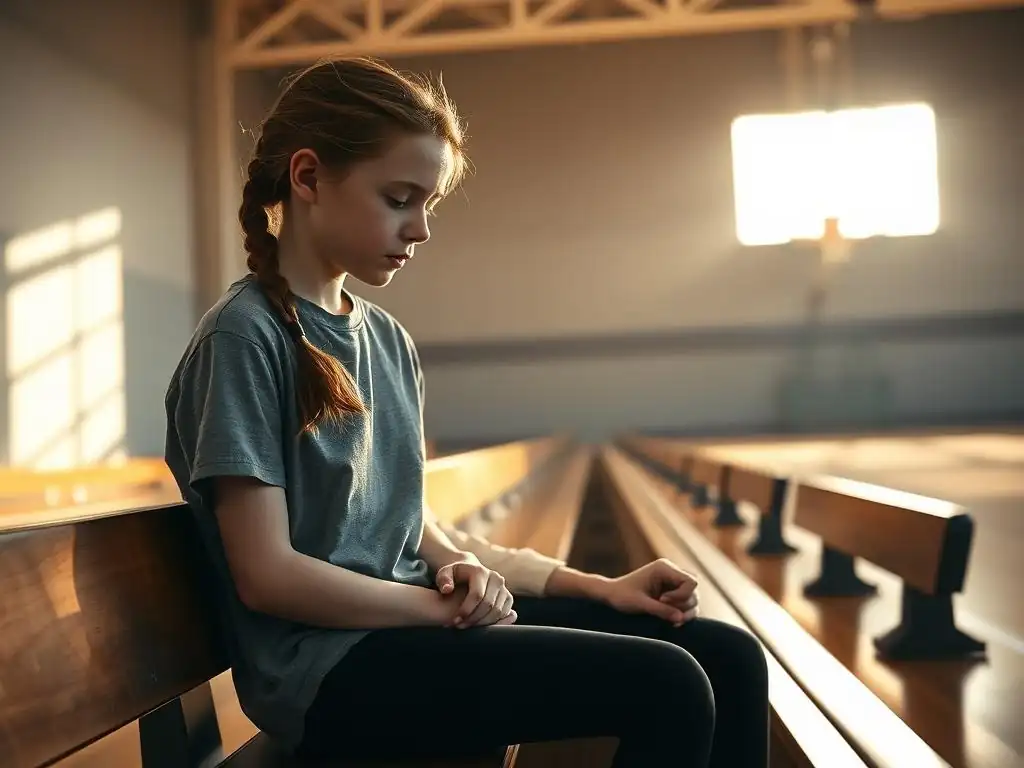
Initiating a conversation about anxiety with a young athlete requires sensitivity, empathy, and a non-judgmental approach. They may feel embarrassed, ashamed, or worried about admitting they are struggling. Creating a safe and supportive environment for this discussion is crucial.
The goal is to open the lines of communication, let them know you are there to support them, and validate their feelings. This conversation is a critical step in addressing young athletes anxiety pressure and connecting them with the help they might need.
Approaching the Conversation with Empathy and Understanding
Choose a calm, private time when you are both relaxed and not rushed. Start by expressing your observations gently, focusing on behaviors you've noticed rather than labeling them. For example, "I've noticed you seem really nervous before games lately, and you haven't been sleeping well. How are you feeling about sports right now?"
Emphasize that it's okay to feel nervous or anxious and that many athletes experience this. Share that you are not disappointed in them and that your primary concern is their well-being and happiness, not just their athletic performance. Let them know that experiencing young athletes anxiety pressure is common and manageable.
Active Listening and Validation of Feelings
Once the conversation is open, practice active listening. Give them your full attention, make eye contact, and avoid interrupting. Listen to understand, not to fix or judge. Reflect back what you hear to show you are listening, e.g., "So, it sounds like you're feeling a lot of pressure to perform well because you don't want to let the team down."
Validate their feelings by acknowledging that what they are experiencing is real and understandable. Phrases like "That sounds really tough," or "It makes sense that you would feel anxious in that situation" can be incredibly powerful. Avoid minimizing their feelings or telling them they shouldn't feel a certain way, which can shut down communication and make them feel misunderstood about their young athletes anxiety pressure.
Connecting Young Athletes with Resources and Support
Let your child know that they don't have to deal with this alone. Offer to help them find resources and support. This could include talking to their coach (if appropriate and with their permission), exploring relaxation techniques together, finding books or articles about sports psychology for young people, or considering speaking with a professional.
Empower them by giving them choices in how they want to seek support. Reassure them that seeking help is a sign of strength, not weakness. Providing tangible options and demonstrating your willingness to help them navigate finding support is a key step in addressing young athletes anxiety pressure.
When to Seek Professional Help for Your Young Athlete's Anxiety
While many young athletes experience temporary nerves or performance anxiety that can be managed with parental support and coping strategies, there are instances when the anxiety is more severe or persistent, indicating a potential need for professional intervention. Recognizing these signs is crucial for ensuring your child receives appropriate care.
Seeking help from a qualified mental health professional is a sign of proactive care, not failure. It provides the young athlete with specialized tools and support tailored to their specific needs when dealing with significant young athletes anxiety pressure.
Identifying Signs of a More Serious Anxiety Disorder
Be alert for signs that suggest anxiety is becoming more than just situational young athletes anxiety pressure. These include: anxiety that is constant or occurs in multiple areas of life (not just sports), intense worry that is difficult to control, avoidance behavior that significantly impacts daily life (e.g., refusing to go to school, avoiding social events), physical symptoms that are persistent and unexplained by a medical condition, significant changes in sleep or appetite, frequent panic attacks, or expressions of hopelessness.
If the anxiety is causing significant distress, interfering with their ability to function in school, social settings, or significantly impacting their enjoyment of life beyond sports, it's time to seek professional evaluation. Persistent anxiety that doesn't improve with initial coping strategies also warrants professional attention regarding young athletes anxiety pressure.
Finding Qualified Mental Health Professionals
Look for mental health professionals who have experience working with children, adolescents, and ideally, athletes. A child psychologist, licensed clinical social worker, or licensed professional counselor can provide effective therapy. Sports psychologists, who often have a background in clinical or counseling psychology, specialize in the mental aspects of performance and can be particularly helpful for performance-related young athletes anxiety pressure.
You can search online directories (like those for the American Psychological Association or relevant state licensing boards), ask for referrals from your pediatrician, school counselor, or coach, or check with local hospitals or mental health clinics. Ensure the professional is licensed and has experience relevant to your child's age and situation.
The Benefits of Therapy and Counseling for Young Athletes
Therapy and counseling offer numerous benefits for young athletes struggling with anxiety. A therapist can provide a safe, confidential space for the athlete to explore their feelings and fears related to young athletes anxiety pressure. They can teach evidence-based coping strategies, such as CBT, relaxation techniques, and mindfulness, in a structured way.
Therapy can also help address any underlying issues contributing to the anxiety, such as perfectionism, fear of failure, or trauma. For example, a therapist might use exposure therapy techniques gradually to help an athlete become more comfortable in situations that trigger their performance anxiety. Counseling empowers young athletes with the skills and understanding needed to manage anxiety long-term, not just in sports but throughout their lives.
Long-Term Strategies for Promoting Mental Well-being in Young Athletes
Supporting a young athlete's mental well-being is an ongoing process that extends beyond managing immediate anxiety symptoms. It involves implementing long-term strategies that build resilience, foster a positive self-image, and ensure a healthy balance in their lives. These strategies aim to prevent the recurrence of significant young athletes anxiety pressure and promote overall psychological health.
Cultivating a supportive environment and equipping young athletes with life skills are investments in their future, helping them navigate challenges both within and outside the athletic arena.
Building a Strong Support System
A strong support system is a critical buffer against young athletes anxiety pressure. This includes family, friends, coaches, mentors, and potentially mental health professionals. Encourage your child to talk to trusted adults and peers when they are struggling. Foster open communication within the family so they feel safe sharing their anxieties and challenges.
Connect with other parents to share experiences and strategies. Encourage healthy peer relationships on the team, emphasizing support over competition. Knowing they have people they can rely on and talk to reduces feelings of isolation that can exacerbate anxiety.
Encouraging a Healthy Balance Between Sports and Other Activities
While dedication to sports is important, an exclusive focus can be detrimental to a young athlete's mental health. Encourage them to pursue other interests, hobbies, and friendships outside of their sport. This helps prevent burnout, provides perspective, and ensures their identity is not solely tied to their athletic performance, reducing the intensity of young athletes anxiety pressure.
Having a life outside of sports allows for mental breaks, reduces the pressure associated with making sports the "only thing," and helps them develop a more well-rounded sense of self. Ensure they have downtime for relaxation, play, and connecting with friends in non-sports settings.
Fostering a Positive Self-Image and Self-Esteem
A strong, positive self-image is perhaps the most powerful defense against young athletes anxiety pressure. Help your child build self-esteem based on their character, effort, kindness, and other qualities, not just their athletic achievements. Praise them for who they are, not just what they do on the field or court.
Help them identify their strengths, both athletic and non-athletic. Encourage them to appreciate their unique qualities. Teach them self-compassion – the ability to be kind and understanding towards themselves, especially when they make mistakes or experience setbacks. When young athletes have a solid sense of self-worth independent of performance, they are better equipped to handle the inevitable pressures of competition.
Frequently Asked Questions
What are the primary sources of anxiety pressure for young athletes?
The primary sources often stem from parental expectations, coach demands, and the athlete's own desire for success. External pressures can heavily impact their mental well-being.
How can parents distinguish between healthy ambition and unhealthy pressure in their young athletes?
Healthy ambition is self-driven and focused on personal improvement. Unhealthy pressure manifests as fear of failure and a loss of enjoyment in the sport.
What are some practical strategies parents can use to reduce anxiety pressure on their young athletes?
Focus on effort and sportsmanship, rather than solely on outcomes. Encourage open communication and create a supportive, non-judgmental environment.
Consult with a sports psychologist or mental health professional. Organizations like Mind Care Guide provide information and support resources.
How can coaches and parents work together to create a more positive and supportive environment for young athletes?
Open communication and a shared understanding of the athlete's needs are crucial. Focus on skill development and positive reinforcement, rather than solely on winning.
Final Reflection: The Unseen Weight on Young Shoulders
The pressure cooker of youth sports is a reality for millions, and the resulting anxiety is a silent epidemic. We've explored the myriad ways parental expectations, competitive environments, and the relentless pursuit of success can negatively impact young athletes' mental well-being. This isn't just about winning or losing; it's about fostering a healthy relationship with sport and nurturing the emotional development of our children.
The pervasive influence of this pressure extends far beyond the playing field, shaping self-esteem, resilience, and even future career choices. The constant striving for perfection, often fueled by well-intentioned but misguided parental pressure, can leave lasting scars. As the saying goes, The greatest glory in living lies not in never falling, but in rising every time we fall.
But what happens when the pressure to rise becomes so overwhelming that the fear of falling paralyzes the athlete? This is the crucial question we must continue to grapple with. My own experiences coaching young athletes have underscored the importance of prioritizing mental health alongside physical performance.
You, the reader, now hold the power to make a difference. Consider your own role – as a parent, coach, or even a supportive friend – in the lives of young athletes. Are you contributing to the pressure, or are you creating a space for them to thrive, both on and off the field?
Take a moment to reflect on how you can foster a more supportive and understanding environment, one that prioritizes the athlete's well-being above all else. Let's work together to shift the narrative, ensuring that the journey of youth sports is one of growth, joy, and lasting positive impact.
Unleash Your Child's Potential: Actionable Steps for Athletic Wellbeing
Thanks for taking the time to learn about supporting young athletes and their anxieties. We hope you gained valuable insights into navigating the pressures of youth sports. Now, let's turn that knowledge into action!
- Prioritize open communication: Schedule a dedicated time this week to chat with your child about their athletic experiences – both the triumphs and the challenges. Listen actively and validate their feelings. This is the most impactful step you can take.
- Share this article with other parents: Let's build a supportive community where parents can learn from each other and advocate for their children's mental wellbeing.
- Explore resources together: Spend some time researching local mental health services or online resources dedicated to supporting young athletes. Finding the right support system is crucial.
What small step can you take today to create a more positive and supportive athletic environment for your child?