
When Your Craft Becomes a Cross: Finding Ease in the Creative Process


Welcome to Mind Care Guide, your compassionate companion on the journey to mental well-being.
Feeling creatively drained? You're not alone. Many find their passion project morphing into a source of stress. This article delves into creative process burnout relief, offering practical strategies and empathetic insights to reignite your spark and rediscover the joy in your craft. Ready to break free from the pressure and find ease again? Let's begin.
Navigating Creative Exhaustion: Reclaiming Joy in Your Art
- Understanding Creative Burnout: A Psychological Perspective
- Recognizing Creative Burnout: Self-Assessment Tools
- Identifying the Root Causes of Creative Burnout
- Strategies for Alleviating Creative Burnout: Rekindling Passion
- Seeking Professional Guidance: Recognizing When to Consult a Professional
- Long-Term Prevention: Sustainable Creative Practices
- The Story of a Graphic Designer's Journey Through Burnout
-
Frequently Asked Questions
- How can I identify if I'm experiencing creative process burnout?
- What are some common causes of creative process burnout according to Mind Care Guide?
- What strategies does Mind Care Guide recommend for Creative process burnout relief?
- How important is mindfulness in preventing creative process burnout?
- Where can I find additional resources and support for Creative process burnout relief?
- Final Reflection: Unburdening the Creative Spirit
- Unleash Your Creative Flow: Find Ease and Joy in Crafting
Understanding Creative Burnout: A Psychological Perspective
Creative work, while often deeply fulfilling, can also be intensely demanding. Unlike many other professions, the creative process taps into a unique blend of technical skill, emotional investment, and personal identity. When this delicate balance is disrupted by sustained pressure, unrealistic expectations, or a lack of support, the result can be a profound state of exhaustion known as creative burnout. Understanding this phenomenon is the first step towards finding effective creative process burnout relief. It's more than just feeling tired; it's a fundamental depletion of the resources that fuel creativity itself.
This form of burnout impacts not just productivity but also mental and emotional well-being. It can manifest as a loss of passion, a feeling of being disconnected from one's work, and a pervasive sense of inadequacy. For many creatives, their work is intrinsically linked to their self-worth, making burnout particularly damaging. It's crucial to recognize that burnout is not a personal failure but a response to chronic stress within the creative environment. Addressing it requires a holistic approach that acknowledges the psychological toll it takes.
Defining Creative Burnout: Beyond Simple Fatigue
Creative burnout is a specific type of occupational burnout characterized by exhaustion, cynicism, and reduced efficacy, particularly in fields requiring innovation and emotional investment. While simple fatigue is temporary and relieved by rest, burnout is a chronic state resulting from prolonged stress in the creative process. It erodes the very core of what makes creative work possible: inspiration, motivation, and the capacity for original thought.
This condition extends beyond physical tiredness; it involves a deep emotional and mental depletion. Creatives experiencing burnout often feel emotionally drained, unable to connect with their work or audience. They may also develop a cynical attitude towards their craft, viewing projects as tedious obligations rather than opportunities for expression. This combination severely hinders the ability to engage in the creative process effectively, making creative process burnout relief essential for sustained output and well-being.
Mental Health Challenges in Creative Professions
Individuals in creative professions are often cited as being at higher risk for various mental health challenges compared to the general population. Factors like unstable income, irregular hours, subjective evaluation of work, and the inherent vulnerability involved in sharing one's creations contribute significantly to this risk. Burnout frequently co-occurs with conditions such as anxiety, depression, and imposter syndrome, creating a complex web of challenges.
The pressure to constantly innovate and deliver original work can be immense, leading to chronic stress. A survey of creative professionals might reveal that a significant percentage, perhaps upwards of 50%, report struggling with anxiety or depression related to their work. This highlights the critical need for mental health support and strategies for creative process burnout relief tailored to the unique demands of these fields. Addressing these underlying mental health vulnerabilities is key to preventing and recovering from burnout.
The Impact of Production Pressure on Creative Stamina
The modern creative landscape often involves tight deadlines, demanding clients, and a relentless cycle of production. This constant pressure to perform and produce can severely deplete a creative's stamina. When the focus shifts from the quality and joy of the creative process to simply meeting external demands, the work can feel like a relentless treadmill rather than an act of passion.
Consider the case of a graphic designer in a fast-paced agency. They might be juggling multiple projects simultaneously, each with urgent deadlines and revisions. This environment leaves little room for reflection, experimentation, or simply recharging. Studies in high-pressure industries suggest that sustained periods of intense work without adequate recovery lead to a sharp decline in both productivity and creativity within a few months. This demonstrates how production pressure directly undermines the capacity for sustained creative output and necessitates strategies focused on creative process burnout relief.
Recognizing Creative Burnout: Self-Assessment Tools
Identifying creative burnout in yourself is crucial for seeking help and implementing strategies for recovery. It can be subtle at first, manifesting as a slight dip in enthusiasm, before escalating to more severe symptoms. Paying attention to these signs is a vital part of proactive creative process burnout relief.
Here are some common indicators of creative burnout, presented as a task list for self-reflection:
- [ ] Do I feel consistently exhausted, even after rest?
- [ ] Have I lost interest in projects I once enjoyed?
- [ ] Do I doubt my abilities or feel like a fraud?
- [ ] Am I more irritable or cynical about my work or industry?
- [ ] Am I experiencing physical symptoms like headaches or trouble sleeping?
- [ ] Is it difficult to start or finish creative tasks?
- [ ] Do I feel detached or emotionally numb towards my work?
Recognizing these signs is the first step toward addressing the issue and finding the necessary creative process burnout relief.
Emotional Depletion: Feeling Uninspired and Drained
One of the most prominent symptoms of creative burnout is a profound sense of emotional depletion. This manifests as a lack of inspiration, a feeling of being emotionally drained, and an inability to connect with the joy that once fueled the creative process. Tasks that were once exciting now feel like a chore, and the well of ideas seems to have run dry.
This isn't just a temporary creative block; it's a persistent state where the emotional energy required for creative work is simply unavailable. A writer, for instance, might sit down to work and feel a complete lack of connection to their characters or plot, finding it impossible to summon the necessary empathy or excitement. This emotional void significantly hinders the ability to engage meaningfully with one's craft, underscoring the need for effective creative process burnout relief strategies.
Reduced Sense of Accomplishment: Doubting Creative Abilities
Burnout often leads to a diminished sense of accomplishment, even when producing work. Creatives may start to doubt their abilities, feeling that their output is subpar or that they are no longer capable of producing quality work. This internal criticism can be relentless, fueling imposter syndrome and further eroding self-confidence.
Despite completing projects, the feeling of satisfaction is absent, replaced by a feeling of "just getting by" or that the work isn't good enough. A musician might finish recording an album but feel no pride in the result, constantly focusing on perceived flaws. This lack of positive reinforcement from one's own work creates a vicious cycle, making it harder to find motivation and highlighting the importance of creative process burnout relief to rebuild self-efficacy.
Cynicism Towards Work: Detachment and Negativity
A hallmark of burnout is the development of cynicism and detachment towards one's work and the industry. What was once a passion becomes a source of frustration and negativity. Creatives may start to view clients, collaborators, or projects with irritation or disdain.
This cynical perspective creates emotional distance, making it difficult to invest fully in the creative process. A filmmaker might start seeing every project solely in terms of budget constraints and logistical headaches, losing sight of the artistic vision. This detachment is a protective mechanism against further emotional investment and potential disappointment, but it ultimately suffocates creativity and indicates a deep need for creative process burnout relief.
Physical Manifestations of Stress: Headaches, Insomnia, Fatigue
Chronic stress associated with creative burnout doesn't just affect the mind; it has significant physical consequences. Common physical symptoms include persistent headaches, difficulty sleeping (insomnia), chronic fatigue that isn't alleviated by rest, muscle tension, and even digestive issues.
These physical symptoms are the body's way of signaling that it's under prolonged stress. A designer working late nights under pressure might develop chronic tension headaches, or a writer facing a deadline could experience persistent insomnia. Addressing these physical signs is an important part of a holistic approach to creative process burnout relief, as physical well-being is intrinsically linked to mental and creative health.
Identifying the Root Causes of Creative Burnout
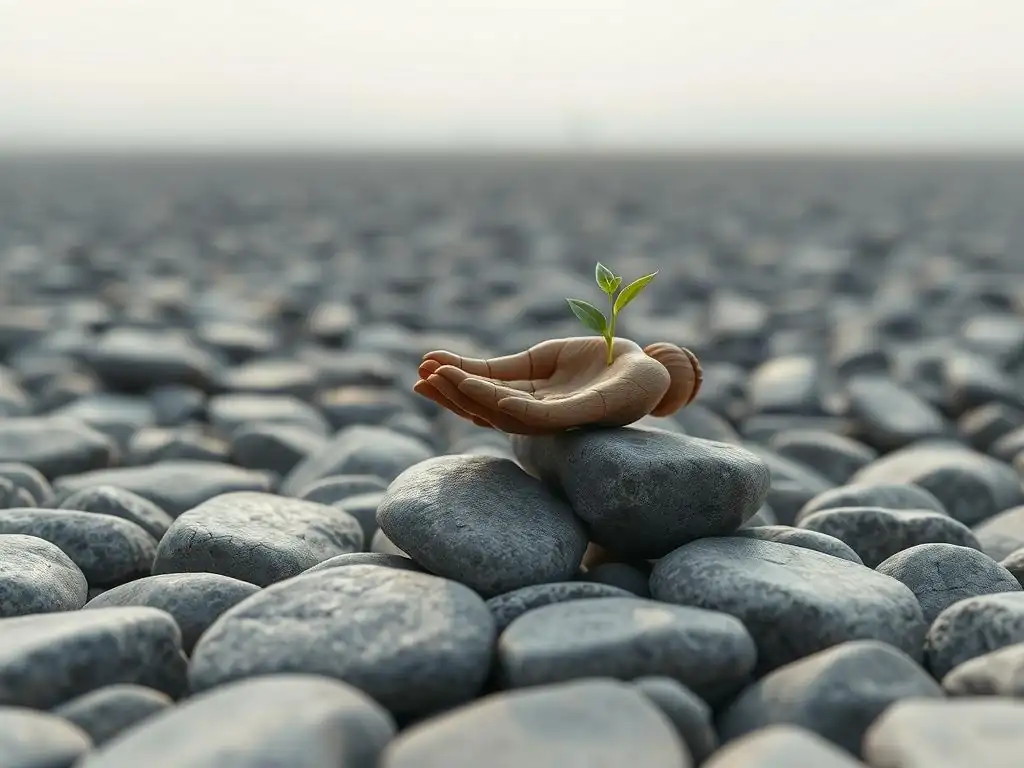
Creative burnout doesn't happen overnight; it's the cumulative result of various factors, often a combination of internal pressures and external circumstances. Pinpointing these root causes is essential for developing effective strategies for creative process burnout relief. Understanding why you're burned out allows for targeted interventions.
Common causes include perfectionism, a lack of clear boundaries between work and life, the inherent fear of failure in a subjective field, and the relentless demands of deadlines and competition. Often, it's a confluence of several of these factors that pushes a creative over the edge into burnout.
Perfectionism and Unattainable Expectations
Many creatives are driven by a desire for excellence, which can easily morph into debilitating perfectionism. Setting impossibly high standards for oneself, constantly striving for an elusive idea of "perfect," and being overly critical of one's own work are significant drivers of burnout.
This internal pressure creates a constant state of anxiety and dissatisfaction. A musician might spend countless hours tweaking a single phrase, feeling that nothing is ever quite right, leading to project delays and immense stress. This pursuit of an unattainable ideal drains energy and prevents the satisfaction that comes from completing and releasing work, underscoring how perfectionism hinders effective creative process burnout relief.
Blurred Boundaries: Work-Life Imbalance
For many creatives, especially freelancers or those deeply passionate about their work, the lines between work and personal life can become dangerously blurred. The home becomes the office, work spills into evenings and weekends, and there's no clear "off" switch.
This lack of clear boundaries prevents adequate rest and recovery, leading to chronic exhaustion. A freelance illustrator might find themselves working late every night just to keep up, unable to switch off their work brain even when trying to relax. This constant state of being "on" is a major contributor to burnout and highlights the necessity of establishing clear boundaries for creative process burnout relief.
Fear of Failure and Creative Impasse
The subjective nature of creative work means that failure is a constant possibility, whether it's a rejected pitch, a poorly received project, or simply the inability to produce work that meets internal or external standards. The fear of this failure can be paralyzing, leading to creative blocks and avoidance.
This fear can manifest as procrastination or an inability to start new projects, trapping the creative in a state of inertia. A writer might stare at a blank page, terrified that anything they write won't be good enough, leading to prolonged periods of inactivity followed by intense pressure to catch up. Overcoming this fear is a vital step towards sustainable creative process burnout relief.
External Demands: Deadlines, Criticism, Competition
Beyond internal pressures, external demands play a significant role in creative burnout. Tight deadlines, demanding clients, harsh criticism (both constructive and unconstructive), and intense competition within the industry create a high-stress environment.
Navigating client expectations, dealing with revisions that contradict the original vision, or facing public criticism can be emotionally taxing. Consider a web designer dealing with a client who constantly changes requirements late in the project, or a writer receiving scathing online reviews. These external pressures add layers of stress onto the already demanding creative process, making effective strategies for creative process burnout relief absolutely necessary.
Strategies for Alleviating Creative Burnout: Rekindling Passion
Recovering from creative burnout and preventing its recurrence requires intentional strategies focused on restoring well-being and reconnecting with the joy of creation. This isn't about working harder; it's about working smarter, setting boundaries, and prioritizing self-care. Implementing these strategies is the core of finding creative process burnout relief.
The path to recovery involves a combination of self-care practices, adjusting work habits, and shifting one's mindset. It's a process of rebuilding the foundation that supports a healthy and sustainable creative life.
Self-Care for Creative Individuals: Prioritizing Well-being
Self-care is not a luxury for creatives; it's a necessity for sustaining long-term creative output. Prioritizing physical and mental well-being directly fuels the capacity for creative work.
This involves consistent practices that recharge the mind and body, rather than viewing self-care as a reward only earned after completing work. Making time for activities that have nothing to do with your primary creative field is crucial for gaining perspective and preventing the creative process from becoming solely a source of stress.
Mindfulness and Meditation for Enhanced Focus
Mindfulness and meditation practices can be powerful tools for managing stress and enhancing focus, both of which are essential for creative process burnout relief. Even a few minutes of daily practice can help quiet the internal critic, reduce anxiety, and improve concentration.
Mindfulness involves paying attention to the present moment without judgment. For a creative, this could mean simply observing the textures and colors in their environment without immediately thinking about how to use them in a project, or focusing on the physical sensations of holding a pen or brush. Regular meditation has been shown in studies to reduce activity in the brain's "stress center" (the amygdala), leading to a calmer state conducive to creative thinking.
Physical Activity: Releasing Tension and Energizing the Mind
Engaging in regular physical activity is a highly effective way to release accumulated stress and tension, common symptoms of burnout. Exercise also increases blood flow to the brain, which can improve mood, boost energy levels, and even stimulate creative thinking.
Whether it's a brisk walk, a dance class, yoga, or hitting the gym, finding an activity you enjoy is key. A musician might find that a run clears their head and helps them work through a difficult compositional problem, or a writer might solve a plot point during a walk. Physical activity provides a much-needed break from sedentary creative work and is a vital component of creative process burnout relief.
Healthy Diet and Sleep: Fueling Creative Performance
Just like any high-performance machine, the creative mind needs proper fuel and rest to function optimally. A balanced diet provides the necessary nutrients, while adequate sleep allows the brain to consolidate information, process emotions, and prepare for the demands of the next day.
Skipping meals or relying on excessive caffeine and sugar can lead to energy crashes and mood swings, exacerbating burnout symptoms. Similarly, chronic sleep deprivation impairs cognitive function, creativity, and emotional regulation. Aiming for 7-9 hours of quality sleep per night and nourishing your body with balanced meals are fundamental steps towards sustainable creative process burnout relief.
Setting Realistic Goals and Boundaries: Protecting Time and Energy
A significant factor in creative burnout is the feeling of being overwhelmed and constantly available. Setting realistic goals and establishing clear boundaries around your work is crucial for protecting your time, energy, and mental health. This is a proactive strategy for creative process burnout relief.
This involves learning to say no, defining work hours, and structuring projects in manageable ways. It's about reclaiming control over your schedule and ensuring that your creative energy is directed effectively, rather than being spread too thin.
Breaking Down Projects into Smaller, Achievable Tasks
Large creative projects can feel daunting, contributing to feelings of overwhelm and paralysis. Breaking down these projects into smaller, more manageable tasks makes them less intimidating and provides a clearer path forward.
Instead of viewing a novel as one massive undertaking, break it down into chapters, scenes, or even word count goals for the day. A complex animation project can be divided into storyboarding, character design, rigging, animation sequences, etc. Completing these smaller tasks provides a sense of progress and accomplishment along the way, combating the feeling of being stuck and contributing to creative process burnout relief.
Assertiveness: Declining Overcommitment
Learning to say no is one of the most powerful skills for preventing burnout. Overcommitment – taking on too many projects, agreeing to unrealistic deadlines, or doing favors that stretch you too thin – quickly leads to exhaustion.
It's okay, and necessary, to decline projects or requests that don't align with your capacity or goals. This requires assertiveness and a clear understanding of your limits. Saying "no" to a new commitment means saying "yes" to your current projects, your well-being, and your capacity for sustainable creative process burnout relief.
Dedicated Workspace: Separating Work and Rest
Creating a clear physical separation between your workspace and your living/resting space can significantly help establish boundaries. Even if you work from home, designating a specific area purely for work signals to your brain when it's time to be productive and when it's time to switch off.
This prevents work materials from constantly being in your line of sight during downtime and makes it easier to transition out of work mode at the end of the day. If a separate room isn't possible, even using a specific desk or corner can help create this mental division, aiding in the crucial separation needed for creative process burnout relief.
Cultivating Self-Compassion: Overcoming Perfectionism
Perfectionism and harsh self-criticism are major internal obstacles to creative process burnout relief. Learning to treat yourself with the same kindness and understanding you would offer a friend is fundamental to overcoming these patterns.
Self-compassion involves recognizing that making mistakes is part of the creative process and that your worth is not solely tied to your output. It's about acknowledging your struggles without judgment and offering yourself support during difficult times.
Challenging Negative Self-Talk: Reframing Self-Criticism
Pay attention to the voice inside your head. Is it constantly criticizing your work, telling you it's not good enough, or that you're not talented? This negative self-talk is incredibly damaging and fuels feelings of inadequacy associated with burnout.
Actively challenge these negative thoughts. Ask yourself if they are truly accurate or if they are fueled by fear or perfectionism. Reframe criticism in a more constructive light – instead of "This is terrible," try "This is a first draft, what can I improve?" Developing a more supportive inner dialogue is a key step in finding creative process burnout relief.
Focusing on Progress: Embracing Imperfection
Shift your focus from achieving an elusive state of perfection to making consistent progress. Recognize that creative work is iterative and involves drafts, revisions, and learning from mistakes. Embracing imperfection allows you to move forward rather than getting stuck in the pursuit of an impossible standard.
Celebrate the small steps forward, the lessons learned, and the skills developed along the way. Acknowledging that a project doesn't have to be perfect to be valuable allows you to release the pressure that contributes to burnout and supports genuine creative process burnout relief.
Celebrating Achievements: Acknowledging Successes
In the rush of deadlines and the focus on the next project, creatives often fail to pause and acknowledge their accomplishments. Taking time to celebrate completed projects, positive feedback, or even just meeting a challenging deadline is vital for maintaining motivation and a sense of worth.
Whether it's a small personal ritual or sharing with a supportive friend, consciously acknowledging your successes reinforces your capabilities and provides positive energy. This counteracts the feeling of reduced accomplishment common in burnout and is an important practice for sustaining creative process burnout relief.
Reigniting Creative Spark: Rediscovering Joy in Creation
Burnout often extinguishes the joy that initially drew you to your creative field. Reigniting this spark requires intentional effort to reconnect with the playful, experimental aspects of creation, separate from the pressures of commercial work.
This involves carving out time for creative exploration without deadlines or expectations, purely for the love of the process itself. Rediscovering this intrinsic motivation is a powerful antidote to the cynicism of burnout and a key component of creative process burnout relief.
Experimenting with New Art Forms and Techniques
Stepping outside your usual medium or trying a completely new technique can shake up your routine and stimulate fresh perspectives. This kind of playful experimentation removes the pressure of performance and allows for low-stakes exploration.
A writer might try painting, a graphic designer might experiment with pottery, or a musician might try composing in a genre they've never touched before. This cross-pollination of ideas can spark new insights applicable to your main field, or simply provide a much-needed creative outlet free from professional constraints, contributing to creative process burnout relief.
Collaboration: Sharing Ideas and Inspiration
Working with others can provide fresh energy, new perspectives, and a sense of shared purpose. Collaborating on a project or simply connecting with other creatives to share ideas and challenges can combat the isolation that sometimes accompanies burnout.
Joining a critique group, working on a joint project with a peer, or attending industry meetups can provide valuable support and inspiration. Hearing how others navigate their creative process and challenges can offer new strategies and a reminder that you're not alone in seeking creative process burnout relief.
Playful Exploration: Rediscovering the Fun in Art
Remember why you started creating in the first place? Often, it was born out of curiosity, passion, and a sense of play. Reconnecting with this playful aspect of creation, free from the pressures of commercial outcome, can help rekindle your love for your craft.
Dedicate time purely for creative play – sketching without a goal, improvising music without recording, writing stream-of-consciousness prose. Focus on the process and the enjoyment of making, rather than the final product. This deliberate return to the roots of your passion is a powerful way to find creative process burnout relief.
Seeking Professional Guidance: Recognizing When to Consult a Professional
While self-help strategies are valuable, sometimes creative burnout is severe or persistent enough that professional support is necessary. Recognizing when you need to consult a therapist or counselor is a sign of strength, not weakness.
Mental health professionals, especially those familiar with the unique challenges of creative careers, can provide tailored strategies, coping mechanisms, and support to navigate the complexities of burnout and recovery.
Recognizing the Need for Professional Assistance
How do you know when it's time to seek professional help? Consider these indicators:
- Symptoms of burnout are severe and impacting daily functioning (e.g., inability to work, significant relationship strain).
- Self-help strategies are not providing sufficient relief.
- Symptoms of depression or anxiety are prominent and persistent.
- You feel overwhelmed, hopeless, or unable to cope.
- There is a history of mental health challenges that are being exacerbated.
If you find yourself consistently struggling with these issues, reaching out to a therapist or counselor is a crucial step towards effective creative process burnout relief.
Finding a Therapist Specializing in Creative Arts
Many therapists specialize in working with specific populations, including artists and creatives. These professionals understand the unique pressures, anxieties, and identity issues that can arise in creative careers.
Look for therapists who list experience with artists, performers, writers, or other creative professionals. They may be more attuned to issues like imposter syndrome, creative blocks, performance anxiety, and the specific work-life balance challenges faced by those in creative fields. Websites for professional psychological associations often have search filters for specializations, which can help you find someone who understands the nuances of seeking creative process burnout relief in your context.
Benefits of Therapy: Healing and Personal Growth
Therapy provides a safe and confidential space to explore the root causes of your burnout, develop healthier coping mechanisms, and work through underlying issues like perfectionism or fear of failure. A therapist can help you identify unhelpful thought patterns and behaviors that contribute to burnout.
Beyond just addressing burnout symptoms, therapy can support significant personal growth, helping you build resilience, improve self-compassion, and develop a more sustainable approach to your creative process. It's an investment in your long-term well-being and creative health, offering lasting creative process burnout relief.
Long-Term Prevention: Sustainable Creative Practices
Recovering from burnout is the first step; the next is establishing sustainable practices to prevent its recurrence. This involves integrating lessons learned into your daily routine and maintaining a proactive approach to your well-being.
Long-term prevention is about building resilience and structuring your creative life in a way that supports both productivity and personal health. It requires ongoing attention and adjustment, but it is essential for a fulfilling and enduring creative career.
Building a Supportive Network
Surrounding yourself with supportive people is crucial for navigating the ups and downs of a creative career. This network can include fellow creatives, mentors, friends, and family who understand and respect your work and your need for balance.
Sharing challenges with others who understand can provide validation and practical advice. A study on professional resilience might show that individuals with strong social support networks are significantly less likely to experience severe burnout. Actively nurturing these relationships is a vital part of long-term creative process burnout relief.
Regular Self-Reflection
Making time for regular self-reflection allows you to check in with yourself, identify potential stressors early, and adjust your practices before reaching a breaking point. This could involve journaling, meditation, or simply scheduling quiet time to think.
Ask yourself questions like: How am I feeling about my work this week? Am I feeling overwhelmed? Am I making time for rest? What is draining my energy? Consistent self-awareness enables you to make small adjustments along the way, preventing the accumulation of stress that leads to burnout and supporting ongoing creative process burnout relief.
Integrating Rest and Recharge
Rest is not the absence of work; it is a fundamental component of sustainable creative output. Integrating regular periods of rest and opportunities to recharge your energy is non-negotiable for preventing burnout.
This means taking regular breaks throughout the workday, scheduling days off, and taking longer vacations when possible. It also means engaging in activities that genuinely replenish you, whether it's spending time in nature, pursuing hobbies, or simply relaxing without guilt. Prioritizing rest is an active strategy for maintaining creative process burnout relief.
Maintaining Work-Life Balance
The ongoing effort to maintain a healthy work-life balance is perhaps the most critical long-term prevention strategy. This isn't a one-time fix but a continuous process of evaluating your commitments and ensuring that your work doesn't consume your entire life.
This might involve setting firm working hours, creating buffer time between projects, or even taking deliberate "sabbaticals" from intense creative periods. Acknowledging that your identity is broader than just your creative profession allows you to invest in other areas of your life, creating a more robust foundation less susceptible to the pressures that cause burnout, thereby sustaining creative process burnout relief.
The Story of a Graphic Designer's Journey Through Burnout
Real-world examples can provide valuable insight into the experience of creative burnout and the path to recovery. The story of a graphic designer, struggling under the weight of deadlines and self-doubt, illustrates many of the points discussed earlier.
This narrative highlights how the pressures of a creative career can lead to exhaustion and disillusionment, but also demonstrates that finding a path back to passion and health is possible with the right strategies and mindset shifts.
Overworked and Uninspired: A Graphic Designer's Struggle
Sarah, a talented graphic designer working at a busy agency, loved her job initially. She thrived on creative challenges and enjoyed seeing her designs come to life. However, over time, the relentless pace began to take its toll. She was consistently working 50-60 hour weeks, juggling multiple demanding clients, and facing tight turnarounds. The joy started to fade, replaced by a constant feeling of being behind and inadequate.
She found herself staring at her screen, completely uninspired. Tasks that once took an hour now took three, as she wrestled with perfectionism and a pervasive sense that her work wasn't good enough. Physical symptoms emerged – persistent tension headaches and difficulty falling asleep, her mind racing with project details. Her colleagues noticed she was quieter, less engaged in team discussions. Sarah was deep in creative burnout, desperately needing creative process burnout relief but unsure where to start.
Seeking Balance and Rekindling Passion
Recognizing she couldn't continue this way, Sarah decided to make changes. She started by setting firmer boundaries around her work hours, making a conscious effort to log off by 6 PM on most days, even if it meant leaving a task unfinished until the next morning. She also spoke to her manager about her workload, leading to a slightly better distribution of projects.
Inspired by the idea of playful exploration, she started attending a local ceramics class in the evenings, a creative outlet completely separate from her digital design work. She found that getting her hands dirty and creating something tangible without client briefs or deadlines was incredibly therapeutic. She also began incorporating short mindfulness exercises into her workday to manage stress. These small steps were the beginning of her journey towards creative process burnout relief.
Lessons Learned: Prioritizing Well-being in the Creative Process
Sarah's journey through burnout taught her invaluable lessons about the importance of prioritizing well-being alongside professional output. She realized that her capacity for creativity was not infinite and needed to be nurtured and protected.
She learned that saying "no" was a necessary boundary, not a sign of weakness. She understood that rest and hobbies outside of design weren't distractions but essential components of a sustainable creative life. Sarah's experience underscores that effective creative process burnout relief isn't just about recovering from exhaustion; it's about fundamentally reshaping your approach to work to ensure your craft remains a source of joy, not a cross to bear.
Frequently Asked Questions
How can I identify if I'm experiencing creative process burnout?
You might be experiencing creative process burnout if you feel a persistent lack of motivation, a decrease in the quality of your work, and a general sense of exhaustion related to your creative endeavors.
What are some common causes of creative process burnout according to Mind Care Guide?
Mind Care Guide suggests that common causes include unrealistic expectations, constant pressure to produce, and a lack of self-care while engaged in creative work.
What strategies does Mind Care Guide recommend for Creative process burnout relief?
Mind Care Guide recommends taking breaks from your creative work, setting realistic goals, and prioritizing self-care activities to help alleviate burnout.
How important is mindfulness in preventing creative process burnout?
Mindfulness is crucial because it helps you become aware of your stress levels, allowing you to address burnout symptoms early and cultivate a healthier relationship with your creative process.
Where can I find additional resources and support for Creative process burnout relief?
You can explore the Mind Care Guide website for articles, resources, and support networks designed to help you manage and overcome creative burnout, promoting overall mental well-being.
Final Reflection: Unburdening the Creative Spirit
The relentless pursuit of creative excellence often leads to a paradoxical outcome: burnout. We strive for mastery, yet the very act of creation can become a source of immense pressure, stifling the very flow we seek. This article explored the common pitfalls of the creative process, highlighting the importance of self-compassion, mindful practice, and strategic breaks to alleviate the burden and rediscover the joy in our work.
The struggle between passion and pressure is a universal experience for creatives, a constant tension between the desire to express ourselves authentically and the anxieties of external validation. The artist must possess the courage to break free from the chains of convention and embrace the freedom of self-expression.
This quote, though not directly from the article, encapsulates the core struggle we've examined: the need to balance the demands of the creative process with the intrinsic value of the creative act itself. The ongoing influence of this internal conflict shapes not only individual experiences but also the cultural landscape of art and innovation, constantly pushing the boundaries of what's possible while simultaneously demanding a reckoning with the human cost of such ambition.
Now, consider your own creative journey. What practices can you implement to foster a more sustainable and fulfilling creative process? Perhaps it's setting realistic goals, prioritizing self-care, or simply allowing yourself the space to experiment without judgment. Remember, the ease you seek isn't about abandoning your craft, but about cultivating a healthier relationship with it – one that nourishes your spirit and allows your creativity to flourish, not fade. Embrace the journey, and let your creative spirit soar.
Unleash Your Creative Flow: Find Ease and Joy in Crafting
Thanks for taking the time to explore the creative process with us! We hope you gained valuable insights into finding more ease and joy in your craft. Now it's time to put that knowledge into action. Here's how:
- Prioritize one small creative task today. Even 15 minutes of focused work can make a difference. Don't get bogged down in perfection; focus on the process.
- Share your experience! Tell us (or a friend!) about a small step you took towards easing your creative process. What worked well?
- Explore a new creative technique or tool – something you’ve been curious about but haven’t tried yet. Step outside your comfort zone!
What small creative step will you take today to bring more joy into your process?