
Spirituality and Trauma: Finding Meaning and Healing After Pain


Welcome to Mind Care Guide, a space dedicated to nurturing your mental well-being.
Feeling lost after trauma? This is a safe place to explore how spirituality healing trauma recovery can offer a path towards meaning and wholeness. Are you ready to discover how connecting with something larger than yourself can unlock inner strength and pave the way for a brighter future? Let's begin your journey together.
Spirituality and Trauma: Finding Meaning and Healing After Pain - Mind Care Guide
- Introduction: The Intertwined Paths of Trauma and Spirituality
- Defining Trauma and Its Impact on the Psyche
- Spirituality as a Pathway to Healing Trauma: A Comprehensive Overview
-
Key Spiritual Practices for Trauma Recovery: A Practical Guide
- Mindfulness Meditation for Trauma-Informed Healing: Cultivating Presence and Self-Awareness
- Yoga and Body-Based Practices: Releasing Trauma Held in the Body
- Nature-Based Therapies: Connecting with the Earth for Grounding and Healing
- Creative Expression and Art Therapy: Exploring Emotions Through Artistic Channels
- Rituals and Ceremony: Creating Sacred Space for Healing and Transformation
- Forgiveness and Self-Compassion: Releasing Resentment and Embracing Healing
- Reclaiming Meaning and Purpose After Trauma Through Spirituality
- Addressing Challenges and Potential Pitfalls in Spiritual Trauma Recovery
- Case Studies: Spirituality Healing Trauma Recovery in Action
- Finding Hope and Empowerment: The Transformative Potential of Spirituality After Trauma
- Conclusion: Integrating Spirituality for Lasting Trauma Recovery
-
Frequently Asked Questions
- How can spirituality help in trauma recovery?
- What are some spiritual practices that support trauma recovery?
- Is spirituality a replacement for traditional therapy in trauma recovery?
- How do I find a spiritually-informed therapist or counselor?
- What if my trauma has caused me to question my faith or spiritual beliefs?
- Final Reflection: Weaving the Threads of Healing
- Unveil Your Inner Strength: Start Your Healing Journey Today
Introduction: The Intertwined Paths of Trauma and Spirituality
Understanding the Complex Relationship Between Trauma, Spirituality, and Mental Well-being
Trauma, in its many forms, can shatter a person's sense of self, safety, and connection to the world. It often leaves individuals grappling with profound questions about life, suffering, and existence. At the same time, spirituality encompasses a search for meaning, connection to something larger than oneself, and a framework for understanding life's challenges.
The paths of trauma and spirituality are often deeply intertwined, as individuals who have experienced trauma may turn to spiritual beliefs or practices in their quest for healing and understanding, seeking spirituality healing trauma recovery. This journey is not always linear; trauma can both challenge and strengthen spiritual beliefs, sometimes leading to crises of faith while at other times providing a vital source of resilience and hope.
Exploring spirituality after trauma involves navigating complex emotional and existential terrain. For many, it becomes a crucial component of mental well-being, offering a way to process pain, find comfort, and rebuild a shattered worldview. While traditional therapeutic approaches are essential for trauma recovery, integrating spiritual practices can provide a holistic dimension, addressing not just the psychological symptoms but also the deeper existential wounds left by traumatic experiences. This integration acknowledges that healing is a multifaceted process that involves mind, body, and spirit, making spirituality healing trauma recovery a comprehensive path.
The Role of Spirituality in the Trauma Recovery Journey
Spirituality can serve as a powerful anchor during the turbulent process of trauma recovery. It can offer a sense of continuity and stability when everything else feels broken. For someone grappling with the aftermath of trauma, spiritual beliefs can provide a framework for understanding suffering, finding forgiveness (of self or others), and fostering hope for the future.
Practices such as prayer, meditation, connection with nature, or participation in a faith community can offer solace, reduce feelings of isolation, and promote emotional regulation. A study published around 2016 in the Journal of Traumatic Stress highlighted that spiritual coping mechanisms were associated with lower levels of PTSD symptoms and higher levels of post-traumatic growth in samples of trauma survivors.
Furthermore, spirituality can facilitate a shift in perspective, helping individuals move from feeling like helpless victims to empowered survivors. By connecting with a sense of purpose or a higher power, individuals can find the strength to face difficult memories and emotions. This aspect of spirituality healing trauma recovery is not about denying the pain but about finding a context for it that allows for growth and transformation. It can help individuals reclaim agency and meaning in their lives, essential steps in rebuilding a life worth living after enduring significant pain.
Defining Trauma and Its Impact on the Psyche
Different Types of Trauma: Complex Trauma, Attachment Trauma, and Intergenerational Trauma
Trauma is not a single event but a deeply distressing or disturbing experience that overwhelms an individual's ability to cope, causes feelings of helplessness, diminishes their sense of self and their ability to feel a full range of emotions and sensations. While many think of single-incident traumas like accidents or natural disasters, many individuals experience complex trauma.
This results from repeated, prolonged exposure to traumatic events, often interpersonal, such as chronic abuse or neglect, particularly during critical developmental periods. Complex trauma can profoundly impact personality development, relationships, and emotional regulation, making the journey of spirituality healing trauma recovery particularly challenging but also potentially transformative.
Another significant type is attachment trauma, which stems from disruptions in early caregiver relationships, leading to difficulties forming secure bonds and regulating emotions throughout life. This can occur due to neglect, inconsistent caregiving, or abuse in infancy and childhood. Intergenerational trauma, also known as historical trauma, refers to the transmission of trauma from one generation to the next.
This can happen through various mechanisms, including genetic changes (epigenetics), behavioral patterns, cultural narratives, and systemic oppression. Examples include the trauma experienced by descendants of Holocaust survivors, residential school attendees, or enslaved people. Understanding these different forms is crucial because each requires a nuanced approach to healing, and spirituality can play a distinct role in addressing the specific wounds left by each type.
The Psychological and Emotional Effects of Trauma: A Deeper Look
The psychological and emotional footprint of trauma is vast and varied. Common effects include symptoms of Post-Traumatic Stress Disorder (PTSD), such as intrusive thoughts, flashbacks, nightmares, avoidance of trauma-related stimuli, negative changes in mood and cognition (like distorted beliefs about oneself or the world), and alterations in arousal and reactivity (irritability, difficulty concentrating, hypervigilance). Beyond PTSD, trauma is strongly linked to increased rates of depression, anxiety disorders, substance use disorders, and dissociative disorders.
Approximately 70% of adults in the United States have experienced at least one traumatic event, and up to 20% of these individuals may go on to develop PTSD. This underscores the widespread need for effective healing modalities, including spirituality healing trauma recovery.
Emotionally, trauma can lead to a pervasive sense of fear, shame, guilt, anger, and sadness. Individuals may struggle with emotional regulation, experiencing intense mood swings or feeling numb and disconnected. Trauma can also impact identity and self-esteem, leading to feelings of worthlessness or self-blame. The constant state of hyperarousal or hypoarousal can exhaust the nervous system and make it difficult to feel safe or relaxed. These profound internal shifts highlight why healing must address the core emotional and psychological wounds, making the integration of spiritual practices a valuable avenue for finding stability and peace.
How Trauma Can Disrupt a Sense of Meaning and Purpose
Trauma can fundamentally shatter a person's core beliefs about themselves, others, and the world. It often challenges assumptions about safety, predictability, fairness, and justice. When something terrible happens, especially if it feels random or senseless, it can lead to an existential crisis, making it difficult to find meaning or purpose in life. The world can suddenly appear dangerous and untrustworthy, and past experiences or future hopes may feel irrelevant or tainted by the trauma. This disruption of meaning is a significant barrier to healing and recovery.
Furthermore, trauma can isolate individuals, making it hard to connect with others or engage in activities that once brought joy or purpose. The symptoms themselves, such as avoidance and emotional numbing, can detach a person from their values and goals. Rebuilding a sense of meaning and purpose is therefore a vital part of the healing process. Spirituality healing trauma recovery offers a unique pathway to address this, providing frameworks for understanding suffering, finding connection beyond the immediate pain, and identifying new or rediscovered sources of purpose that transcend the traumatic experience.
Spirituality as a Pathway to Healing Trauma: A Comprehensive Overview
Exploring Different Spiritual Practices for Trauma Survivors
Spirituality is a broad concept, encompassing organized religion, personal beliefs, and practices aimed at connecting with the sacred or transcendent. For trauma survivors, exploring different spiritual practices can offer diverse avenues for healing. This might involve engaging with traditional religious practices like attending services, prayer, or studying sacred texts. Alternatively, it could involve non-denominational approaches such as mindfulness meditation, yoga, spending time in nature, creative expression, or engaging in acts of service. The key is finding practices that resonate personally and feel safe and supportive.
Different practices offer unique benefits. Meditation can help cultivate present-moment awareness and emotional regulation. Yoga and body-based practices can help release somatic tension stored from trauma. Connecting with nature can offer grounding and a sense of peace. Creative expression provides a non-verbal outlet for processing difficult emotions. Rituals and ceremonies can help process transitions and create sacred space for healing. The effectiveness of spirituality healing trauma recovery often lies in the individual's ability to find practices that feel authentic and contribute to a sense of safety and connection.
The Benefits of Spiritual Exploration in the Aftermath of Trauma
Engaging in spiritual exploration after trauma can yield numerous benefits. One significant advantage is the potential reduction of symptoms associated with PTSD, anxiety, and depression. Studies have indicated that individuals with stronger spiritual coping mechanisms or higher levels of spiritual well-being tend to report fewer symptoms and better psychological adjustment post-trauma. For instance, research involving veterans has shown that spiritual practices can help reduce hyperarousal and avoidance symptoms.
Beyond symptom reduction, spirituality can foster positive psychological changes. It can enhance resilience, defined as the ability to adapt well in the face of adversity. It can facilitate post-traumatic growth, where individuals experience positive changes and personal development as a result of their struggle with trauma. This might include a greater appreciation for life, stronger relationships, increased personal strength, identification of new possibilities, and deepening of spiritual life. Spirituality healing trauma recovery is often deeply intertwined with this process of growth, offering a framework for understanding suffering and finding meaning in transformative ways.
Reconnecting with Self and Finding Inner Peace Through Spirituality
Trauma often fragments the self, leading to feelings of disconnection from one's body, emotions, and core identity. Spiritual practices can be powerful tools for reintegration and self-discovery. Practices like mindfulness and meditation encourage turning inward, observing thoughts and feelings without judgment, and reconnecting with one's inner experience. Body-based spiritual practices like yoga or contemplative movement can help individuals safely inhabit their bodies again, releasing stored tension and fostering a sense of embodiment.
Finding inner peace after trauma is a long and often challenging process. Spirituality can support this by offering tools for managing difficult emotions, cultivating self-compassion, and fostering a sense of acceptance. Connecting with a sense of the sacred or transcendent can provide a feeling of belonging and validation, counteracting the isolation and shame that trauma often brings. Through consistent spiritual practice, individuals can gradually rebuild their relationship with themselves, finding stability and a sense of inner peace that is not dependent on external circumstances, thereby facilitating deep spirituality healing trauma recovery.
Key Spiritual Practices for Trauma Recovery: A Practical Guide

Mindfulness Meditation for Trauma-Informed Healing: Cultivating Presence and Self-Awareness
Mindfulness meditation involves paying attention to the present moment with non-judgment. For trauma survivors, this practice must be approached with sensitivity and a trauma-informed lens. Unlike traditional mindfulness which might involve focusing on the breath, trauma-informed mindfulness often starts with grounding techniques, focusing on external sensations (like the feel of the chair or the sounds around you) before gently bringing awareness inward. This helps individuals build a sense of safety and control.
Regular practice, even for just a few minutes daily, can help survivors develop the capacity to tolerate difficult emotions and sensations without being overwhelmed. It teaches the ability to observe thoughts and feelings as temporary states rather than absolute truths. Research consistently shows that mindfulness-based interventions can significantly reduce symptoms of PTSD, anxiety, and depression in trauma populations. One study, for example, found that a specific mindfulness-based stress reduction program led to a notable decrease in PTSD symptom severity among veterans, highlighting its role in spirituality healing trauma recovery.
Yoga and Body-Based Practices: Releasing Trauma Held in the Body
Trauma is not just a psychological event; it is deeply stored in the body. The nervous system can get stuck in states of hyperarousal (fight/flight) or hypoarousal (freeze), leading to chronic tension, pain, and dysregulation. Yoga and other body-based practices like Qigong or Tai Chi offer gentle ways to access and release this stored trauma. Trauma-sensitive yoga, in particular, emphasizes choice, predictability, and gentle movement, allowing survivors to rebuild a sense of safety and agency within their own bodies.
These practices help individuals become more aware of their bodily sensations in a safe and controlled environment. They can help discharge excess energy from the nervous system, improve emotional regulation, and increase interoception (the ability to sense internal bodily states). A study on trauma-sensitive yoga showed a significant reduction in PTSD symptoms among women who had experienced chronic interpersonal trauma. By safely reconnecting mind and body, these practices are powerful tools in spirituality healing trauma recovery, offering a path to release physical and emotional burdens.
Nature-Based Therapies: Connecting with the Earth for Grounding and Healing
Spending time in nature can be profoundly healing for trauma survivors. The natural world often offers a sense of calm, predictability, and vastness that can be grounding and perspective-shifting. Activities like walking in a park, hiking, gardening, or simply sitting by a tree can reduce stress hormones like cortisol and lower blood pressure. Nature provides a sense of connection to something larger than oneself, which can be deeply spiritual.
Nature-based therapies can be structured, involving guided walks or therapeutic gardening, or unstructured, simply encouraging individuals to spend time outdoors. The sensory experience of nature – the smells, sounds, textures, and sights – can help regulate the nervous system and bring individuals into the present moment. For many, connecting with the cycles of nature can offer a sense of hope and renewal, mirroring the possibility of their own healing journey. This connection to the earth is a fundamental aspect of spirituality healing trauma recovery for many.
Creative Expression and Art Therapy: Exploring Emotions Through Artistic Channels
Traumatic experiences can be difficult to articulate verbally. Creative expression, through art, music, writing, dance, or drama, offers non-verbal pathways to process complex emotions and memories. Art therapy, guided by a trained therapist, provides a safe space to explore trauma through creative mediums. This can help externalize internal pain, making it more manageable and understandable.
Even without a therapist, engaging in creative activities can be a powerful spiritual practice. It allows for self-discovery, provides a sense of agency and control, and can transform pain into something tangible or beautiful. The act of creation itself can be healing, fostering resilience and a renewed connection to one's inner world. For instance, journaling can help untangle confusing thoughts, while painting or sculpting can express feelings that words cannot capture. This form of expression is integral to many people's journey of spirituality healing trauma recovery.
Rituals and Ceremony: Creating Sacred Space for Healing and Transformation
Rituals and ceremonies, whether personal or communal, can provide structure, meaning, and a sense of closure during the healing process. They create sacred space and time set apart from ordinary life, allowing for intentional processing of pain, grief, or transition. This might involve creating a personal altar, lighting candles, performing a cleansing ritual, or participating in a culturally significant ceremony.
Rituals can help individuals mark significant steps in their healing journey, process difficult memories, honor what was lost, and set intentions for the future. They can provide a sense of control and agency in the face of past powerlessness. For example, a simple ritual like writing down a painful memory and safely burning the paper can symbolize release. These practices tap into the spiritual dimension by connecting the individual to ancient traditions, archetypes, and a sense of the sacred, profoundly aiding spirituality healing trauma recovery.
Forgiveness and Self-Compassion: Releasing Resentment and Embracing Healing
Forgiveness, often understood as a spiritual practice, is not about condoning harmful behavior but about releasing the burden of resentment and anger for one's own well-being. This can involve forgiving others, but crucially for trauma survivors, it also involves cultivating self-compassion. Trauma can lead to immense self-blame and shame. Self-compassion involves treating oneself with the same kindness, understanding, and acceptance that one would offer a dear friend facing similar difficulties.
Cultivating self-compassion is a cornerstone of spirituality healing trauma recovery. It involves recognizing that suffering is part of the human experience and that one's struggles are valid. Practices might include self-compassion meditations, writing compassionate letters to oneself, or simply offering oneself gentle words and touch during moments of distress. Releasing the grip of self-blame and extending kindness inward creates space for healing and allows the individual to embrace their inherent worthiness, independent of what happened to them.
Reclaiming Meaning and Purpose After Trauma Through Spirituality
Reconstructing Identity and Self-Narrative: Finding Strength in Vulnerability
Trauma often shatters a person's identity, leaving them questioning who they are in the wake of the experience. Reclaiming meaning involves reconstructing a new sense of self that incorporates the trauma not as the defining feature, but as a part of a larger, evolving story. Spirituality can provide a framework for this reconstruction, offering narratives of resilience, transformation, and inherent worth that transcend the damage inflicted by trauma. By connecting with spiritual teachings or personal beliefs about the enduring nature of the spirit or soul, individuals can find a sense of continuity and inner strength.
This process often involves embracing vulnerability, sharing one's story (when and if it feels safe), and integrating the painful experiences into a narrative of survival and growth. Spiritual practices like journaling, reflective prayer, or engaging in sacred storytelling can help individuals articulate their new understanding of themselves and their place in the world. This active process of rewriting the self-narrative is fundamental to finding meaning and is a key element of spirituality healing trauma recovery.
Developing Resilience and Post-Traumatic Growth: Transforming Suffering into Wisdom
Resilience is the capacity to bounce back from adversity, while post-traumatic growth (PTG) describes positive psychological changes experienced as a result of struggle with highly challenging life circumstances. Spirituality is frequently cited as a significant factor contributing to both resilience and PTG. Spiritual beliefs can provide a sense of hope, purpose, and connection that fuels the ability to cope with trauma's aftermath. For instance, finding meaning in suffering, a common theme in many spiritual traditions, can transform the experience from a purely destructive event into one that, paradoxically, leads to personal wisdom and strength.
Examples of PTG facilitated by spirituality include a deeper appreciation for life, stronger relationships, increased personal strength, identifying new possibilities, and a significant deepening of one's spiritual life. A study published in Psychological Trauma: Theory, Research, Practice, and Policy found that spiritual struggle resolution was positively associated with post-traumatic growth among individuals who had experienced significant life stressors. This transformation of suffering into wisdom is a powerful testament to the potential of spirituality healing trauma recovery.
Building a Supportive Spiritual Community: Finding Connection and Belonging
Trauma often leads to isolation and a breakdown of trust in others. Reconnecting with others is vital for healing, and a supportive spiritual community can provide a safe and nurturing environment. Whether it's a faith community, a meditation group, a yoga class, or a nature-based therapy group, connecting with like-minded individuals who share similar values or are on a similar path can combat feelings of loneliness and foster a sense of belonging.
Within a spiritual community, individuals can find empathy, understanding, and practical support. Sharing experiences (when comfortable) can validate feelings and reduce shame. Participating in communal rituals or practices can foster a sense of shared humanity and connection to something larger than individual suffering. This sense of community provides a vital safety net and a source of strength, reinforcing the journey of spirituality healing trauma recovery through shared experience and mutual support.
Addressing Challenges and Potential Pitfalls in Spiritual Trauma Recovery
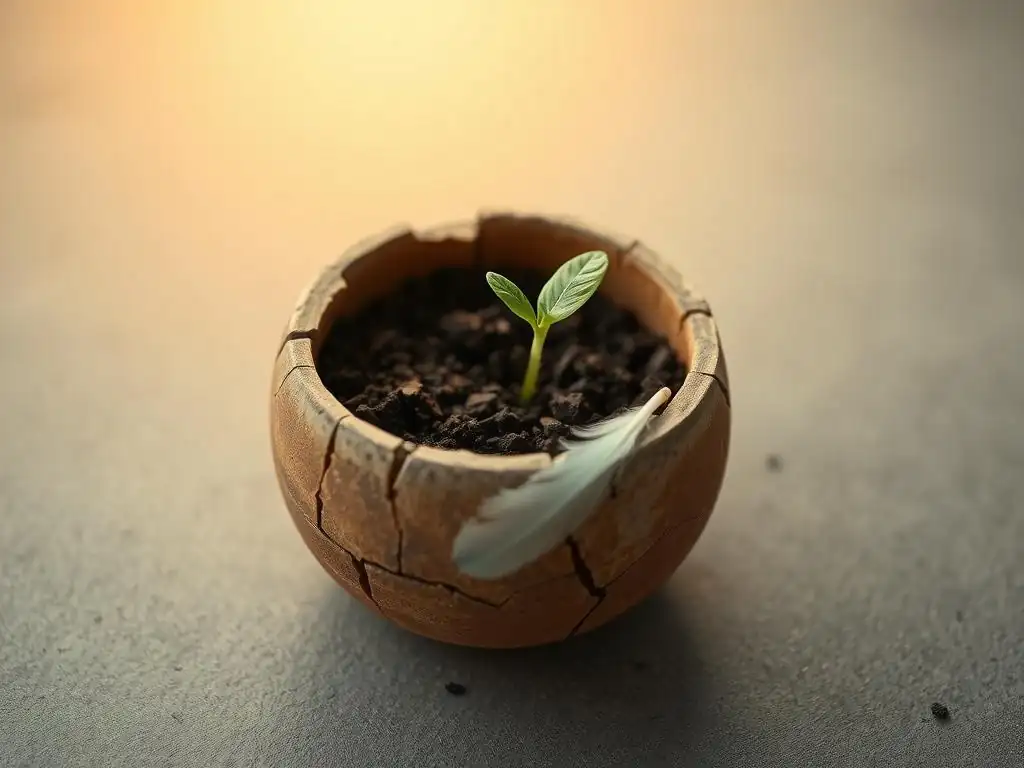
Spiritual Bypassing: Recognizing and Avoiding Escapism
While spirituality can be immensely healing, there's a potential pitfall known as spiritual bypassing. This involves using spiritual ideas and practices to avoid dealing with unresolved emotional and psychological issues. Examples include using affirmations to suppress difficult feelings, intellectualizing spiritual concepts instead of processing embodied pain, or using the idea of "everything happens for a reason" to avoid acknowledging injustice or validating one's own suffering.
Spiritual bypassing is not true spirituality healing trauma recovery; it's a form of avoidance. It can prevent genuine processing of trauma and hinder long-term healing. Recognizing spiritual bypassing involves paying attention to whether spiritual practices are being used to escape discomfort rather than to cultivate presence and honest engagement with one's experience. Genuine spiritual growth, particularly in the context of trauma, requires courageously facing pain, not avoiding it.
For some individuals, spirituality itself has been a source of trauma. This can occur within religious institutions that have been abusive, judgmental, or failed to protect individuals from harm. Religious trauma can involve experiencing spiritual abuse, being subjected to harmful doctrines, or feeling rejected by a faith community. Healing from religious trauma requires a sensitive approach that validates the pain caused by these experiences.
Navigating spirituality healing trauma recovery after religious trauma involves discerning what aspects of spirituality are healing and what are harmful. It may require grieving the loss of faith or community, deconstructing harmful beliefs, and finding new, healthier ways to connect with the spiritual dimension, perhaps outside of traditional religious structures. This journey is often complex and may require specific therapeutic support to process the layers of betrayal and hurt.
Seeking Professional Support: Integrating Spirituality with Therapy
While spirituality offers a powerful pathway for healing, it is rarely sufficient on its own for complex trauma recovery. Integrating spiritual practices with professional therapeutic support is often the most effective approach. Therapies such as Trauma-Focused Cognitive Behavioral Therapy (TF-CBT), Eye Movement Desensitization and Reprocessing (EMDR), Somatic Experiencing, and Internal Family Systems (IFS) are specifically designed to help individuals process traumatic memories and their impact.
A trauma-informed therapist can help individuals safely explore their trauma, develop coping skills, and process difficult emotions. They can also help individuals integrate their spiritual beliefs and practices into their therapeutic journey in a way that is supportive and avoids pitfalls like spiritual bypassing. Collaboration between spiritual guides or communities and mental health professionals can provide a comprehensive support system, ensuring that both psychological and spiritual needs are addressed in the journey of spirituality healing trauma recovery.
Case Studies: Spirituality Healing Trauma Recovery in Action
Integrating Breathwork and Somatic Experiencing for Trauma Resolution
Consider the case of 'Elena', who experienced significant childhood neglect and later developed complex PTSD, characterized by chronic anxiety and dissociation. Traditional talk therapy provided some insight, but she struggled to release the pervasive tension held in her body. Her therapist, trained in Somatic Experiencing (SE), suggested incorporating mindful breathwork and gentle movement, practices Elena also explored in a trauma-sensitive yoga class.
Through guided SE sessions, Elena learned to track bodily sensations related to past trauma responses, allowing small amounts of stored energy to be safely discharged. The breathwork practiced in her yoga class helped her regulate her nervous system and ground herself when anxiety flared. Over several months, this integration of somatic therapy and spiritual-adjacent body practices led to a significant reduction in her dissociation and chronic anxiety. She reported feeling more "in her body" and experiencing moments of genuine peace, demonstrating the powerful synergy of body-based spirituality healing trauma recovery and therapeutic techniques.
Finding Empowerment Through Spiritual Activism After Trauma
Take the example of 'Jamal', who survived significant community violence. He initially struggled with feelings of helplessness, anger, and a shattered worldview. Therapy helped him process his grief and fear, but he still sought a way to make sense of his experience and reclaim agency. Drawing on his faith background, Jamal began participating in community organizing initiatives focused on violence prevention and youth mentorship.
His spiritual beliefs about justice, compassion, and the inherent worth of every person became a driving force for his activism. He found purpose in advocating for others and contributing to positive change in his community. This engagement, rooted in his spirituality, provided a powerful pathway for healing by transforming his feelings of powerlessness into empowerment and connecting him with a supportive network of like-minded individuals. Jamal's story exemplifies how spirituality healing trauma recovery can extend beyond personal practice into meaningful action that benefits both the individual and the wider community.
Finding Hope and Empowerment: The Transformative Potential of Spirituality After Trauma
Embracing Self-Care and Prioritizing Well-being
The journey of spirituality healing trauma recovery is not a race; it is a process that requires patience, compassion, and consistent effort. A vital component of this journey is embracing radical self-care. Trauma depletes physical, emotional, and spiritual resources. Prioritizing well-being means making conscious choices to nourish oneself on all levels. This includes ensuring adequate sleep, nutrition, and physical activity, but also setting healthy boundaries, engaging in enjoyable activities, and consciously carving out time for rest and spiritual practice.
Self-care is not selfish; it is essential for building the resilience needed to navigate the challenges of healing. For trauma survivors, it might involve learning to say no, reducing exposure to triggers, and creating a safe and predictable daily routine. Incorporating spiritual practices like daily meditation, time in nature, or reflective journaling becomes an act of self-care, a commitment to nurturing one's inner life and supporting the body's capacity to heal.
Continuing the Journey of Healing and Growth
Healing from trauma is a lifelong journey, not a destination. There may be setbacks, difficult days, and moments when old wounds resurface. Spirituality offers a framework for navigating these challenges with grace and persistence. It can provide a sense of continuity and hope, reminding individuals that healing is possible and that growth continues even through difficult times. The spiritual path itself is often understood as a continuous process of unfolding and transformation.
Embracing this ongoing journey involves cultivating patience, self-compassion, and acceptance of where one is in the present moment. It means continuing to engage with practices that nourish the spirit, seeking support when needed, and celebrating small victories along the way. The transformative potential of spirituality healing trauma recovery lies in its capacity to provide not just coping mechanisms, but a profound sense of meaning, connection, and purpose that sustains individuals throughout their lives.
Conclusion: Integrating Spirituality for Lasting Trauma Recovery
The Importance of a Holistic Approach to Mental Health and Spirituality
Lasting trauma recovery requires a holistic approach that addresses the interconnectedness of mind, body, and spirit. Focusing solely on psychological symptoms may overlook the deeper existential and spiritual wounds left by trauma. Conversely, relying solely on spiritual practices without addressing the psychological and physiological impacts of trauma can lead to spiritual bypassing or incomplete healing. Integrating evidence-based therapies with supportive spiritual practices offers the most comprehensive path forward.
This integrated approach acknowledges the individual's unique history, beliefs, and needs. It provides a robust toolkit for navigating the complex landscape of trauma recovery, offering strategies for processing memories, regulating emotions, rebuilding a sense of self, finding meaning, and fostering connection.
By embracing both the psychological and spiritual dimensions of healing, individuals can move towards not just recovery from trauma, but towards a life characterized by greater wholeness, resilience, and a profound sense of peace. The journey of spirituality healing trauma recovery is a testament to the human capacity for resilience and the enduring power of the spirit to find light even after the deepest pain.
Frequently Asked Questions
How can spirituality help in trauma recovery?
Spirituality can offer a sense of meaning and purpose, helping individuals reframe their experiences and find hope. It provides a framework for connection and support, which can be crucial in healing.
What are some spiritual practices that support trauma recovery?
Practices like meditation, mindfulness, and prayer can help regulate emotions and promote inner peace. Connection with nature and engaging in creative expression can also be beneficial.
Is spirituality a replacement for traditional therapy in trauma recovery?
No, spirituality is not a replacement. It's often most effective when used alongside traditional therapy like Cognitive Behavioral Therapy (CBT) or Eye Movement Desensitization and Reprocessing (EMDR).
How do I find a spiritually-informed therapist or counselor?
Look for therapists who explicitly mention incorporating spiritual or existential perspectives in their practice. Websites like Psychology Today often allow you to filter by specializations and therapeutic approaches.
What if my trauma has caused me to question my faith or spiritual beliefs?
This is a common experience. It's important to allow yourself space for questioning and re-evaluation. Explore different spiritual perspectives, and focus on self-compassion and acceptance during this process.
Final Reflection: Weaving the Threads of Healing
The interconnectedness of spirituality and trauma recovery is not merely a theoretical concept; it's a vital lifeline for countless individuals navigating the complexities of pain and seeking lasting healing. The journey from trauma to wholeness is rarely linear, often demanding a multifaceted approach that acknowledges the profound impact of past experiences on our emotional, mental, and spiritual well-being. This article has explored various pathways, highlighting the power of spiritual practices to foster resilience, cultivate self-compassion, and ultimately, rediscover meaning in the face of adversity.
The exploration of spirituality in the context of trauma recovery has deeply resonated with me, underscoring the limitations of purely clinical approaches and the crucial role of inner transformation. The search for meaning and purpose, often shattered by traumatic events, becomes a central element in the healing process. As Viktor Frankl so eloquently stated, >“Between stimulus and response there is a space.
In that space is our power to choose our response. In our response lies our growth and our freedom.” This quote encapsulates the essence of spiritual healing: the ability to consciously choose our response to trauma, thereby reclaiming agency and fostering growth. This conscious choice, often facilitated through spiritual practices, allows us to move beyond simply surviving to truly thriving.
The path to healing is unique to each individual, but the underlying principles remain consistent. I invite you to reflect on your own relationship with spirituality and how it might support your journey, or the journey of someone you know, toward healing. Consider exploring practices like mindfulness, meditation, prayer, or connecting with nature – anything that fosters a sense of inner peace and connection to something larger than yourself.
Embrace the power of self-compassion, forgive yourself, and remember that healing is a process, not a destination. Your journey towards wholeness is a testament to your strength and resilience, and it is a journey worth embracing.
Unveil Your Inner Strength: Start Your Healing Journey Today
Thanks for taking the time to explore the powerful connection between spirituality and trauma healing. We hope this article has provided you with valuable insights and a renewed sense of hope. Now, it's time to take action!
- Begin your personal healing practice: Start small. Maybe it's just 5 minutes of quiet reflection each day, or exploring a new mindfulness technique. Find what resonates with you and nurture it. This is your foundation.
- Share your journey: Connect with others who understand. Perhaps you'll find a supportive online community, or consider starting a journal to document your progress and insights. Sharing strengthens your path.
- Discover a new spiritual practice: Consider exploring meditation, yoga, nature walks, or creative expression. Find activities that nurture your soul and help you connect with something greater than yourself.
What small step will you take today to honor your healing journey and embrace your inner strength?