
Rewire Your Brain for Mood Recovery: The Neuroplasticity Secret

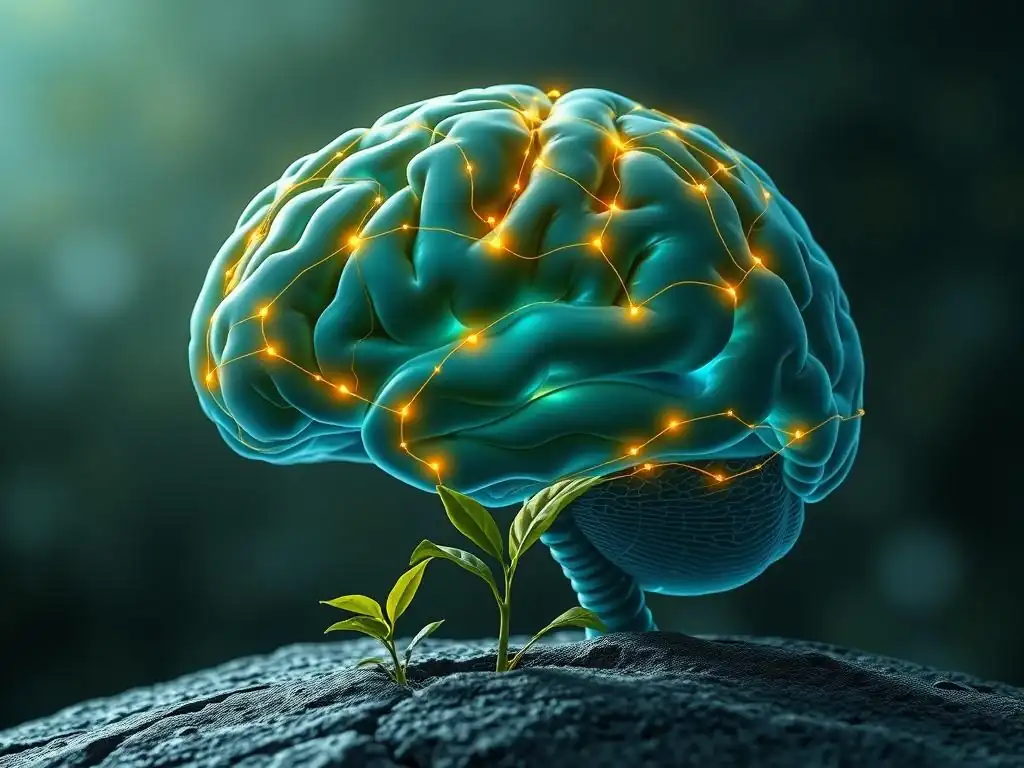
Welcome to Mind Care Guide, a sanctuary for your mental well-being.
Feeling stuck in a mood rut? What if you could actively reshape your brain to foster lasting happiness and resilience? Dive into our exploration of Neuroplasticity mood recovery strategies, uncovering the science-backed secrets to rewiring your brain and reclaiming your emotional balance. Let's embark on this journey to a brighter, more empowered you.
Rewire Your Brain for Mood Recovery: The Neuroplasticity Secret
- Understanding Neuroplasticity and its Role in Mood Regulation
- Neuroplasticity-Based Strategies for Mood Recovery
- Techniques to Stimulate Neuroplasticity for Mood Recovery
- Optimizing Your Environment
- Overcoming Challenges
- Long-Term Strategies for Maintaining Mood Stability
- The Future of Neuroplasticity Research and Mood Disorder Treatment
-
Frequently Asked Questions
- How does neuroplasticity contribute to mood recovery?
- What are some practical neuroplasticity mood recovery strategies I can use daily?
- Is neuroplasticity a quick fix for mood disorders, or does it require time and effort?
- Can neuroplasticity help with specific mental health challenges like anxiety or depression?
- Where can I find resources and support for implementing neuroplasticity mood recovery strategies?
- Final Reflection: Harnessing Neuroplasticity for a Brighter Tomorrow
- Unlock Your Brain's Amazing Power to Heal
Understanding Neuroplasticity and its Role in Mood Regulation
What is Neuroplasticity?
Neuroplasticity is the brain's remarkable ability to reorganize itself by forming new neural connections throughout life. This dynamic process allows neurons to compensate for injury and disease and to adjust their activities in response to new situations or changes in their environment. Far from being a static organ fixed after childhood, the adult brain is constantly adapting, building new pathways and weakening old ones based on experiences, thoughts, and actions. It's estimated that the human brain contains billions of neurons, each capable of forming thousands of connections, resulting in trillions of potential synapses that can be strengthened or weakened.
This continuous restructuring means that the brain is not hardwired in a rigid way, but rather is more like a highly adaptable network. Every time you learn something new, have a new experience, or even change a thought pattern, you are subtly altering the physical structure and functional organization of your brain. This capacity for change is the biological basis for learning, memory, and recovery from brain injury. Understanding this inherent flexibility is the first step in leveraging it for improved mental well-being and implementing effective neuroplasticity mood recovery strategies.
Neuroplasticity and Mood Disorders
Research increasingly shows that mood disorders such as depression and anxiety are associated with altered brain structure and function, particularly in areas involved in emotional regulation, stress response, and reward processing. While these conditions involve complex biological and environmental factors, the concept of neuroplasticity offers hope. It suggests that the brain changes associated with mood disorders are not necessarily permanent and that targeted interventions can promote positive structural and functional reorganization.
For instance, studies using fMRI have observed differences in the activity and connectivity of regions like the amygdala (involved in fear and emotion), the prefrontal cortex (involved in decision-making and emotional regulation), and the hippocampus (involved in memory and mood) in individuals with depression or anxiety compared to healthy controls. Chronic stress, often a factor in mood disorders, can even lead to a reduction in the volume of certain brain areas, such as the hippocampus.
However, neuroplasticity implies that engaging in specific activities and therapies can help rebuild these connections and potentially restore more balanced brain function, offering a pathway towards recovery.
Neuroplasticity and Neurogenesis
Neurogenesis, the process by which new neurons are generated, is a key component of adult neuroplasticity, particularly in the hippocampus. While once thought to cease after early development, we now know that new neurons are continuously born in specific brain regions throughout life. This ongoing creation of neurons is crucial for learning, memory, and mood regulation.
Factors like chronic stress and depression have been shown to suppress neurogenesis, potentially contributing to the cognitive and emotional symptoms of these conditions. Conversely, activities known to improve mood, such as physical exercise and learning, are potent stimulators of neurogenesis. For example, studies in rodents have shown that running can significantly increase the rate of neurogenesis in the hippocampus. While direct measurement in humans is challenging, indirect evidence suggests similar effects. Promoting neurogenesis through lifestyle changes and therapies is considered a vital aspect of neuroplasticity mood recovery strategies.
Neuroplasticity-Based Strategies for Mood Recovery
Emotional Well-being and Neuroplasticity
Emotional well-being is deeply intertwined with the brain's ability to adapt and change. Our emotional responses are governed by complex neural circuits, and chronic negative emotional states can reinforce specific, unhelpful pathways over time. Conversely, cultivating positive emotions and developing healthier coping mechanisms requires the brain to build and strengthen new, more adaptive circuits. This is where the power of neuroplasticity comes into play – it provides the mechanism by which we can actively shape our emotional landscape.
Engaging in activities that promote positive emotional experiences, such as practicing gratitude, pursuing enjoyable hobbies, or connecting with loved ones, doesn't just feel good in the moment; it helps to reinforce neural pathways associated with pleasure, reward, and resilience. Over time, consistently choosing behaviors and thought patterns that support emotional health can literally "rewire" the brain, making it easier to experience positive emotions and navigate challenges with greater ease. This highlights the active role individuals can play in their own neuroplasticity mood recovery strategies.
Evidence-Based Strategies for Mood Enhancement
Fortunately, a wealth of research points to specific, evidence-based strategies that effectively harness neuroplasticity to improve mood. These strategies often involve consistent practice and engagement, leveraging the principle that "neurons that fire together, wire together." By repeatedly engaging in positive behaviors and thought patterns, we strengthen the neural networks supporting them.
Examples of such strategies include regular physical exercise, which boosts neurochemicals and promotes neurogenesis; mindfulness and meditation, which can alter brain structures related to attention and emotion regulation; and cognitive behavioral therapy (CBT), which helps restructure maladaptive thought patterns. Studies have shown that practices like meditation can lead to measurable changes in brain regions like the prefrontal cortex and amygdala after just 8 weeks of consistent practice. These are powerful neuroplasticity mood recovery strategies supported by scientific evidence.
Techniques to Stimulate Neuroplasticity for Mood Recovery
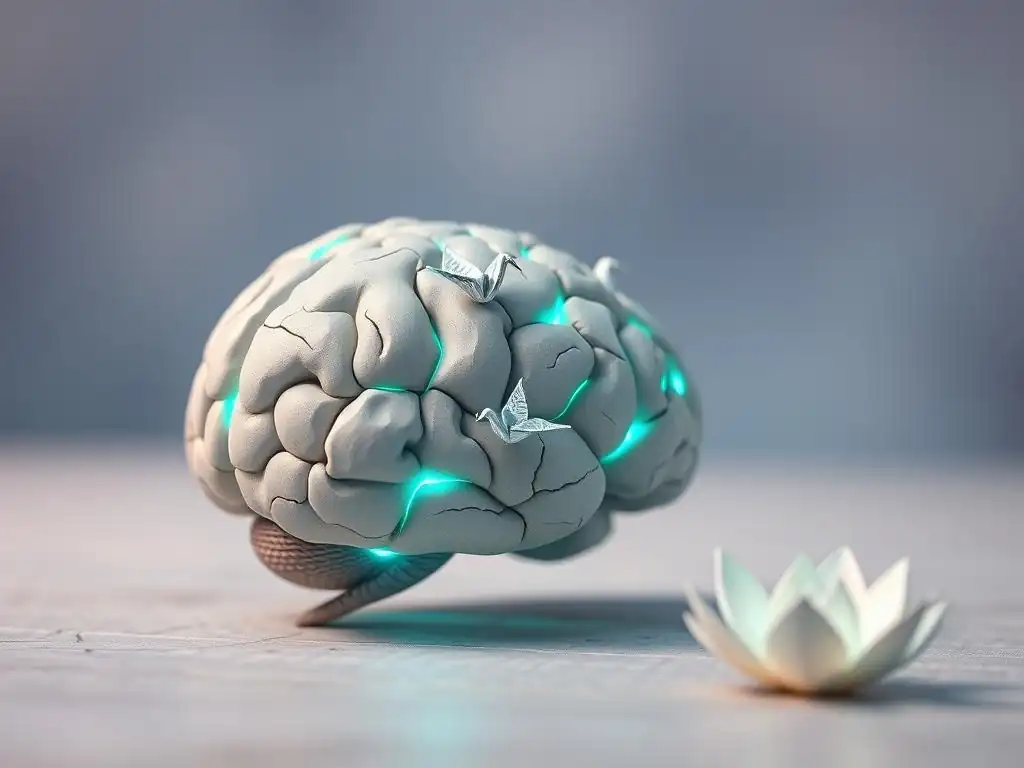
Cognitive Behavioral Therapy (CBT)
Cognitive Behavioral Therapy (CBT) is a widely recognized and effective psychotherapy for mood disorders that directly leverages neuroplasticity. The core principle of CBT is that our thoughts, feelings, and behaviors are interconnected, and by changing unhelpful thinking patterns and behaviors, we can change our feelings. This process of identifying negative automatic thoughts, challenging their validity, and replacing them with more balanced and realistic thoughts is essentially a form of cognitive retraining.
From a neuroplasticity perspective, CBT helps individuals build new neural pathways associated with healthier cognitive appraisals and emotional responses. By repeatedly practicing new ways of thinking and reacting to situations, the brain gradually weakens the old, maladaptive pathways and strengthens the new, positive ones. Research suggests that successful CBT treatment for depression can be associated with changes in activity in brain regions like the prefrontal cortex and limbic system, aligning with the expected outcomes of intentional brain rewiring.
Mindfulness and Meditation
Mindfulness and meditation practices involve paying attention to the present moment without judgment. Regular practice has been shown to induce significant structural and functional changes in the brain, making them powerful neuroplasticity mood recovery strategies. Meditation can influence areas involved in attention, self-awareness, and emotional regulation, including the prefrontal cortex, insula, and amygdala.
Studies have indicated that long-term meditators often show increased gray matter density in certain brain regions, such as the hippocampus and areas of the prefrontal cortex, compared to non-meditators. Conversely, the amygdala, which is involved in the stress response, may show reduced activity or structural changes in experienced meditators, suggesting a decreased reactivity to stress and negative emotions. Engaging in just a few minutes of mindfulness daily can begin the process of cultivating these beneficial changes.
Physical Exercise
Physical exercise is one of the most potent stimulators of neuroplasticity and neurogenesis, making it a fundamental strategy for mood recovery. Aerobic exercise, in particular, increases blood flow to the brain, which delivers essential oxygen and nutrients. More importantly, it promotes the release of neurotrophic factors, such as Brain-Derived Neurotrophic Factor (BDNF).
BDNF is often referred to as "Miracle-Gro" for the brain because it supports the growth, survival, and function of neurons and synapses. Higher levels of BDNF are associated with improved mood and cognitive function, and lower levels have been linked to depression and anxiety. Engaging in regular moderate-intensity exercise, such as 30 minutes of brisk walking most days of the week, can boost BDNF levels and stimulate neurogenesis, particularly in the hippocampus, contributing significantly to neuroplasticity mood recovery strategies.
Learning New Skills
Engaging in activities that challenge the brain and require learning new skills is an excellent way to promote neuroplasticity. When you learn something new, whether it's a language, a musical instrument, or a complex puzzle, your brain forms new neural connections and strengthens existing ones. This process enhances cognitive flexibility and can have positive spillover effects on mood.
Learning requires focused attention and effort, which activates various brain regions and promotes connectivity between them. For example, learning a musical instrument engages auditory, motor, and cognitive areas, fostering integration across these networks. This cognitive stimulation can help to build resilience in brain circuits that may be affected by mood disorders and provides a sense of accomplishment, further supporting emotional well-being.
Humans are inherently social creatures, and meaningful social connection is vital for mental health and promotes neuroplasticity. Positive social interactions stimulate the release of neurotransmitters like oxytocin and dopamine, which are associated with bonding, pleasure, and reward. These interactions help to strengthen neural circuits related to social processing, empathy, and emotional regulation.
Conversely, social isolation and loneliness have been linked to increased stress, inflammation, and negative impacts on brain health, potentially hindering neuroplasticity. Actively seeking out and nurturing positive relationships, joining groups, or engaging in community activities provides valuable social support and stimulation that can buffer against stress and promote adaptive brain changes, serving as important, albeit often overlooked, neuroplasticity mood recovery strategies.
Optimizing Your Environment
Diet and Brain Plasticity
What you eat significantly impacts the health and plasticity of your brain. A diet rich in nutrients essential for brain function can support neuroplasticity and improve mood. Omega-3 fatty acids, found in fatty fish, flaxseeds, and walnuts, are crucial components of brain cell membranes and play a role in neurotransmitter function and reducing inflammation.
Antioxidants from fruits and vegetables help protect brain cells from damage. B vitamins are essential for energy production and neurotransmitter synthesis. Studies suggest that diets like the Mediterranean diet, rich in fruits, vegetables, whole grains, lean proteins, and healthy fats, are associated with a lower risk of depression and better cognitive function, likely due to their supportive effects on brain health and plasticity. Conversely, diets high in processed foods, sugar, and unhealthy fats can contribute to inflammation and negatively impact brain function.
Sleep and Emotional Regulation
Adequate, quality sleep is absolutely critical for brain function, including neuroplasticity and emotional regulation. During sleep, the brain consolidates memories, clears metabolic waste products, and strengthens neural connections formed during the day. Chronic sleep deprivation impairs cognitive function, increases stress reactivity, and negatively impacts mood.
Poor sleep can disrupt the balance of neurotransmitters and hormones involved in mood regulation. It can also hinder the brain's ability to process emotional information effectively, making individuals more reactive to negative stimuli and less responsive to positive ones. Prioritizing 7-9 hours of quality sleep per night supports the brain's restorative processes, enhances neuroplasticity, and is a foundational element of any neuroplasticity mood recovery strategies.
Creating a Supportive Environment
Your physical and social environment plays a significant role in your mental well-being and ability to implement neuroplasticity mood recovery strategies. A chaotic, stressful, or isolating environment can exacerbate mood difficulties, while a calm, supportive, and stimulating environment can promote healing and growth.
Creating a physical space that feels safe and comfortable, reducing exposure to chronic stressors where possible, and surrounding yourself with supportive people are vital steps. Exposure to nature, even short periods, has been shown to reduce stress and improve mood. Ensuring your environment encourages healthy habits like exercise, good sleep, and social connection makes it easier to consistently engage in activities that promote positive brain change.
Overcoming Challenges

Addressing Resistance to Change
Embracing neuroplasticity mood recovery strategies often involves making significant changes to thoughts, behaviors, and daily routines, which can naturally encounter resistance. The brain, in its efficiency, tends to favor existing, well-worn pathways, even if they are maladaptive. Shifting to new patterns requires conscious effort and can feel uncomfortable or challenging initially.
Recognizing that this resistance is a normal part of the process is key. It's not a sign of failure but rather the brain's default setting. Approaching change with patience and self-compassion, breaking down large goals into smaller, manageable steps, and celebrating small victories can help overcome inertia. Understanding that you are actively working against established neural habits can empower you to persist through the initial discomfort.
Dealing with Setbacks
Recovery from mood disorders using neuroplasticity principles is rarely a linear path. Setbacks are a normal part of the process and should not be viewed as failures. They are opportunities to learn and adjust your strategies. A setback doesn't erase the progress you've made; it simply means you encountered a challenge that requires attention.
During a setback, it's helpful to reflect on what triggered it, what coping strategies were or weren't used, and what can be done differently next time. Reaching out for support from friends, family, or a therapist is crucial. Remembering the brain's capacity for change provides reassurance that you can regain momentum and continue strengthening the pathways that support well-being, reinforcing the long-term potential of neuroplasticity mood recovery strategies.
The Importance of Consistency
Consistency is the cornerstone of leveraging neuroplasticity for lasting mood recovery. Just as negative patterns were reinforced over time through repeated thoughts and behaviors, positive patterns require consistent practice to become robust and automatic. Engaging in neuroplasticity-promoting activities sporadically will yield limited results compared to incorporating them regularly into your routine.
Whether it's daily mindfulness practice, regular exercise, consistent sleep hygiene, or applying CBT techniques whenever challenging thoughts arise, repetition is key to strengthening new neural pathways. Think of it like exercising a muscle – infrequent workouts won't build strength effectively. Committing to consistent effort, even on days when motivation is low, is what ultimately drives significant and sustainable brain change.
Long-Term Strategies for Maintaining Mood Stability
Developing Sustainable Habits
Maintaining mood stability over the long term relies heavily on integrating neuroplasticity-promoting activities into sustainable daily habits. This means moving beyond viewing strategies like exercise, mindfulness, or healthy eating as temporary fixes and instead seeing them as essential components of a lifelong wellness routine. Habit formation reduces the reliance on willpower, making it easier to consistently engage in beneficial behaviors.
Focusing on small, achievable steps when building new habits is more effective than aiming for drastic overnight changes. For instance, starting with 5 minutes of mindfulness daily and gradually increasing the duration is more sustainable than attempting an hour-long session immediately. Identifying cues and rewards associated with the new habit can also help anchor it into your routine, solidifying these neuroplasticity mood recovery strategies.
Integrating Neuroplasticity Principles
A deeper understanding of neuroplasticity can empower individuals to take a more active and intentional role in managing their mood. By recognizing that thoughts, feelings, and behaviors are not fixed but are the result of dynamic neural processes, you can approach challenges with a sense of agency. You can consciously choose to engage in activities and thought patterns that you know will support positive brain change.
This integration means viewing every interaction, every thought, and every choice as an opportunity to reinforce pathways that serve your well-being. It involves cultivating self-awareness to catch unhelpful patterns early and intentionally redirecting your focus and energy towards building resilience and positive emotional states. Embracing this perspective transforms the journey from passively hoping for change to actively participating in your brain's rewiring.
Seeking Professional Support
While neuroplasticity highlights the brain's capacity for self-directed change, navigating mood recovery is often more effective and safer with professional guidance. Therapists, counselors, and psychiatrists can provide evidence-based strategies tailored to your specific needs and challenges. They can help identify maladaptive patterns, teach effective coping mechanisms, and provide support during setbacks.
Psychotherapy, such as CBT or Interpersonal Therapy, is specifically designed to leverage neuroplasticity to create positive cognitive and behavioral changes. In some cases, medication may also be a crucial part of treatment, working alongside neuroplasticity-based strategies to help restore neurochemical balance and create a better foundation for the brain to change. Professional support offers valuable expertise and a collaborative approach to implementing neuroplasticity mood recovery strategies.
The Future of Neuroplasticity Research and Mood Disorder Treatment
Emerging Therapies
The field of neuroplasticity research is rapidly evolving, leading to the development of innovative and promising therapies for mood disorders. Techniques like Transcranial Magnetic Stimulation (TMS) and Transcranial Direct Current Stimulation (tDCS) use magnetic or electrical pulses to non-invasively stimulate specific brain regions, aiming to modulate neural activity and promote plasticity in areas implicated in depression and anxiety.
Psychedelic-assisted therapy is another area gaining significant research interest. Substances like psilocybin, when administered in a controlled clinical setting with therapeutic support, appear to induce states of heightened neuroplasticity, potentially allowing individuals to break free from entrenched negative thought patterns and gain new perspectives. While still largely experimental or limited in availability, these emerging therapies represent exciting frontiers in harnessing the brain's capacity for change.
Personalized Treatment Plans
As our understanding of the brain's complexity and individual variability grows, the future of neuroplasticity-based mood disorder treatment is moving towards increasingly personalized approaches. Advances in neuroimaging, genetics, and behavioral assessments are providing deeper insights into the specific neural pathways and mechanisms involved in an individual's condition.
This allows clinicians to tailor treatment plans more precisely, selecting the combination of therapies (e.g., specific types of therapy, exercise regimens, dietary recommendations, or neuromodulation techniques) that are most likely to be effective for that person's unique brain profile and circumstances. Personalized neuroplasticity mood recovery strategies offer the potential for more efficient and successful outcomes.
Embracing Neuroplasticity
Ultimately, the secret to rewiring your brain for mood recovery lies in embracing the principle of neuroplasticity itself. It's the understanding that change is possible and that you have the power, through consistent effort and the right strategies, to influence the structure and function of your brain. This perspective shifts the focus from feeling stuck with a "broken" brain to recognizing its inherent capacity for growth and healing.
By integrating evidence-based neuroplasticity mood recovery strategies into your life – from how you manage your thoughts and emotions to how you care for your physical body and connect with others – you are actively participating in building a brain that supports greater resilience, emotional balance, and overall well-being. The journey requires patience and persistence, but the potential for profound and lasting change is real.
Frequently Asked Questions
How does neuroplasticity contribute to mood recovery?
Neuroplasticity refers to the brain's ability to reorganize itself by forming new neural connections. This means you can actively rewire your brain to overcome negative thought patterns and improve your mood.
What are some practical neuroplasticity mood recovery strategies I can use daily?
Strategies include mindfulness meditation, cognitive behavioral therapy (CBT) techniques, and engaging in novel and challenging activities. These activities stimulate brain plasticity and promote positive mood shifts.
Is neuroplasticity a quick fix for mood disorders, or does it require time and effort?
While neuroplasticity offers hope, it's not a quick fix. It requires consistent effort and dedication to implement mood recovery strategies over time to achieve lasting change.
Can neuroplasticity help with specific mental health challenges like anxiety or depression?
Yes, neuroplasticity can be beneficial for various mental health challenges. By utilizing specific neuroplasticity mood recovery strategies, individuals can learn to manage anxiety symptoms and alleviate depressive thoughts.
Where can I find resources and support for implementing neuroplasticity mood recovery strategies?
Resources can be found on websites like Mind Care Guide, which offers information, support, and guidance. Consider seeking professional help from a therapist or counselor experienced in neuroplasticity-based therapies.
Final Reflection: Harnessing Neuroplasticity for a Brighter Tomorrow
The power of rewiring your brain for mood recovery is not just a theoretical concept; it's a tangible pathway to a happier, healthier life. Understanding and actively utilizing the principles of neuroplasticity offers a profound opportunity to overcome challenges and cultivate lasting emotional well-being in a world increasingly demanding resilience. This isn't about a quick fix, but about building a stronger, more adaptable you.
The ongoing exploration of neuroplasticity has fundamentally shifted our understanding of mental health, moving away from a purely deterministic view towards one of empowerment and agency. We are not prisoners of our past experiences; we have the capacity to shape our neural pathways and, consequently, our emotional responses. This understanding has profoundly impacted my own approach to well-being, encouraging a proactive rather than reactive stance. The brain is like a muscle. We are not born with a set amount of happiness or sadness. We can train our brains to be happier.
This quote encapsulates the core message of neuroplasticity's potential for mood recovery.
Now, consider your own journey. What negative thought patterns or emotional responses do you want to reshape? What new, positive habits can you cultivate to strengthen the neural pathways associated with resilience, joy, and contentment? This article has provided you with the knowledge; the next step is yours. Embrace the incredible potential of your brain's plasticity. Commit to consistent, mindful practice of the strategies discussed, and witness the transformative power of neuroplasticity unfold in your life. Your journey to a brighter, more emotionally balanced future begins now.
Unlock Your Brain's Amazing Power to Heal
Thanks for taking the time to explore the fascinating world of neuroplasticity and its impact on mood recovery! You've now equipped yourself with powerful knowledge to change your brain, and ultimately, your life. Ready to put this into action?
- Prioritize one small, manageable change aligned with the strategies discussed: This could be as simple as starting a 5-minute gratitude journal, or scheduling a 15-minute walk each day. Small steps lead to big results.
- Share this article with someone who might benefit: Spread the word and help others discover the power of neuroplasticity. Inspire them to start their own mood recovery journey.
- Consider tracking your progress using a simple mood diary: This could be an unexpected, yet insightful way to monitor the effectiveness of your chosen strategy and celebrate your successes.
So, what small step will you take today to begin rewiring your brain for lasting mood improvement?