
Can You Do Neurofeedback at Home? Evaluating AtHome Systems

Welcome to Mind Care Guide, your trusted companion on the journey to mental well-being.
Feeling overwhelmed by the complexities of mental health? You're not alone. We understand that finding the right support can be challenging, and that's why we're here to provide clarity and guidance. This article delves into a fascinating and increasingly popular option: athome neurofeedback. Is it truly effective? What are the potential benefits? Join us as we explore the science and practicalities of athome neurofeedback effectiveness benefits, uncovering whether it could be the missing piece in your mental wellness puzzle. Intrigued? Let's find out more...
At-Home Neurofeedback: Benefits, Risks, and Effectiveness
- Introduction to Neurofeedback at Home
- Evaluating the Efficacy of At-Home Neurofeedback
- Potential Advantages of At-Home Neurofeedback
- Potential Risks and Drawbacks of At-Home Neurofeedback
- Key Features to Consider in At-Home Systems
- Popular At-Home Neurofeedback Devices: A Comparison
- Suitability: Who Can Benefit from At-Home Neurofeedback?
- Getting Started: A Guide to At-Home Neurofeedback
- Optimizing At-Home Neurofeedback Results
- The Future of Neurofeedback Technology
- Conclusion: Weighing the Benefits and Risks
-
Frequently Asked Questions
- Is at-home neurofeedback as effective as in-clinic neurofeedback?
- What are the potential benefits of using at-home neurofeedback systems for mental well-being?
- Are at-home neurofeedback systems safe to use?
- What types of mental health challenges can at-home neurofeedback potentially help with?
- How do at-home neurofeedback systems work, and what does a typical session involve?
- Final Reflection: The Evolving Landscape of At-Home Neurofeedback
- Unlock Your Brain's Potential: Take Control of Your Mind
Introduction to Neurofeedback at Home
Understanding Neurofeedback and its Application
Neurofeedback, also known as EEG biofeedback, is a type of biofeedback that measures brain activity, typically using electroencephalography (EEG), and provides real-time feedback to the user. The goal is to train individuals to self-regulate specific brainwave patterns associated with different mental states. For example, increasing alpha waves might be associated with relaxation, while increasing beta waves could relate to focused attention.
This non-invasive technique has been explored for various applications, including helping individuals manage symptoms related to attention-deficit/hyperactivity disorder (ADHD), anxiety, sleep issues, and even peak performance training. The underlying principle is operant conditioning: desired brainwave patterns are rewarded, encouraging the brain to produce them more frequently.
Traditionally, neurofeedback training is conducted in a clinical setting under the supervision of a trained professional. Sensors are placed on the scalp to monitor electrical activity, and the data is displayed on a screen, often as a game or video. The user learns to alter their brain activity based on the feedback received. This process requires skilled interpretation of EEG data and the ability to tailor training protocols to the individual's specific needs and brainwave patterns. The clinical environment provides a controlled setting and immediate expert guidance, which are considered crucial for effective training and safety.
The Growing Popularity of At-Home Neurofeedback Devices
In recent years, there has been a significant surge in the availability and popularity of consumer-grade neurofeedback devices designed for home use. These systems typically consist of a simplified EEG headset and accompanying software or mobile application. The appeal is clear: they promise the potential at-home neurofeedback effectiveness benefits without the need for regular clinic visits, offering greater convenience and potentially lower costs over time. This accessibility has opened up neurofeedback to a wider audience, allowing individuals to explore brain training from the comfort of their own homes.
The market for these devices is expanding rapidly, driven by technological advancements that make EEG sensors more affordable and user-friendly. Many devices offer gamified training experiences, guided meditations incorporating biofeedback, and tracking features to monitor progress.
While these systems aim to replicate the core principle of neurofeedback – providing real-time feedback on brain activity – they differ significantly from clinical setups in terms of hardware sophistication, software complexity, and, crucially, the absence of direct professional oversight. The growing interest highlights a desire for accessible tools to support mental well-being, but it also raises important questions about the actual at-home neurofeedback effectiveness benefits and potential limitations.
Considerations for Accessible Neurofeedback Options
The move towards more accessible neurofeedback options, like at-home systems, reflects a broader trend in mental wellness towards self-management tools. For many, the barriers to accessing traditional clinical neurofeedback, such as geographical location, scheduling conflicts, and high costs, can be prohibitive. At-home devices lower these barriers, making brain training a more realistic option for individuals seeking alternative or supplementary approaches to managing their mental health or improving cognitive function. This accessibility is a significant advantage, allowing consistent practice which is key to neurofeedback's potential success.
However, accessibility must be weighed against effectiveness and safety. While the at-home neurofeedback effectiveness benefits are a primary driver for adoption, it's critical to understand that these systems are not substitutes for professional medical advice or treatment. They are often marketed as wellness or performance enhancement tools rather than medical devices. Therefore, individuals considering these options must navigate marketing claims carefully and understand the potential differences in quality and efficacy compared to clinical-grade systems. The ease of access should encourage exploration, but it also necessitates a cautious and informed approach.
Evaluating the Efficacy of At-Home Neurofeedback
Effectiveness of At-Home Neurofeedback: A Critical Review
Evaluating the at-home neurofeedback effectiveness benefits requires a critical look at the available evidence, which is currently more limited than for clinical neurofeedback. Most research on neurofeedback has focused on studies conducted in supervised, clinical environments using medical-grade equipment. While some studies on specific at-home devices exist, they often involve smaller sample sizes or lack rigorous control groups.
Preliminary findings from some studies suggest potential improvements in areas like focus or stress reduction for certain users, aligning with the goals of at-home training. For instance, a study involving users of a popular at-home device reported reduced perceived stress levels after a period of consistent training, though the mechanism and long-term impact require further investigation.
The core challenge in definitively stating the at-home neurofeedback effectiveness benefits lies in the variability of devices and training protocols. Unlike standardized clinical procedures, at-home systems vary widely in their sensor quality, the specific brainwave frequencies they target, and the algorithms used for feedback. This makes it difficult to generalize findings across different devices.
Furthermore, the lack of professional guidance means users may not be following protocols correctly or may be using the device for conditions where neurofeedback is not typically indicated or requires expert oversight. While user testimonials often highlight positive experiences, these are subjective and not a substitute for empirical evidence.
Comparing At-Home and Clinical Neurofeedback
The fundamental difference between at-home and clinical neurofeedback lies in the level of sophistication, supervision, and customization. Clinical systems use medical-grade EEG equipment with multiple sensor channels (often 19 or more) to provide a detailed map of brain activity. This allows clinicians to identify specific areas and frequencies for targeted training based on a comprehensive assessment, including a quantitative EEG (qEEG) analysis. Clinical protocols are highly individualized and adjusted based on the client's real-time response and progress monitored by a trained professional.
In contrast, at-home devices typically use headsets with a limited number of sensors (e.g., 1-4 channels), providing a much less detailed picture of brain activity. The training protocols are often pre-set and generic, based on general principles rather than an individual's specific brain map. While some apps offer slight adjustments, they lack the dynamic, expert-driven customization of clinical sessions.
Therefore, while at-home devices offer accessibility, they generally do not provide the same depth of assessment, precision in training, or expert oversight that contribute to the established at-home neurofeedback effectiveness benefits observed in clinical settings for certain conditions. This difference in precision and guidance is a critical factor when comparing potential outcomes.
Research on At-Home Neurofeedback: Analysis and Findings
Current research specifically on consumer-grade at-home neurofeedback devices is an emerging field. Much of the available information comes from studies conducted by the companies producing the devices or from smaller, independent research efforts.
Some studies have explored the use of devices like Muse or Myndlift for improving focus or reducing anxiety, often showing modest positive outcomes in specific user groups. For example, one pilot study on an at-home system for ADHD symptoms in children reported some reduction in inattentive behaviors, though the effect size was smaller than typically seen in clinical trials and the study had limitations regarding sample size and control.
Interpreting the findings requires caution. Results suggesting at-home neurofeedback effectiveness benefits in research often come from studies that are preliminary, lack robust control groups, or rely heavily on self-report measures. There is a significant need for independent, large-scale, placebo-controlled trials comparing at-home systems to both clinical neurofeedback and control interventions across various populations and conditions.
Until more rigorous research is available, it is challenging to make definitive claims about the consistent and widespread at-home neurofeedback effectiveness benefits across different individuals and therapeutic goals. Consumers should approach these devices with realistic expectations and understand that the scientific evidence supporting their efficacy as standalone treatments is still developing.
Potential Advantages of At-Home Neurofeedback
Convenience and Accessibility: Neurofeedback on Your Schedule
One of the most compelling at-home neurofeedback effectiveness benefits is the unparalleled convenience and accessibility it offers. Unlike clinical neurofeedback, which requires scheduling appointments and traveling to a clinic, at-home systems allow users to train whenever and wherever it fits their schedule. This flexibility is particularly valuable for individuals with busy lives, mobility issues, or those living in areas without access to local neurofeedback practitioners. A user can integrate short training sessions into their daily routine, perhaps in the morning before work, during a lunch break, or in the evening.
This ease of access facilitates consistency, which is widely considered crucial for achieving the potential at-home neurofeedback effectiveness benefits. Regular, frequent training sessions are often recommended over less frequent ones, and the home environment makes it easier to commit to a consistent schedule. For someone aiming to improve focus, for instance, being able to practice a few times a week without leaving their home removes a significant logistical hurdle. This convenience factor alone makes at-home neurofeedback an attractive option for many seeking to explore brain training.
Cost Considerations: Comparing At-Home and Clinic Costs
Cost is another significant factor where at-home neurofeedback effectiveness benefits become apparent for many users. A full course of clinical neurofeedback typically involves 20-40 sessions or more, with each session potentially costing between $100 and $200 or even higher depending on location and practitioner. This can amount to a total cost ranging from $2,000 to $8,000 or more, which is often not covered by health insurance. This substantial investment can be a major barrier for many individuals.
At-home neurofeedback systems have a different cost structure. They usually involve an upfront purchase price for the hardware, which can range from around $200 to $1,000 or more, plus a potential ongoing subscription fee for the software/app, which might be $10 to $50 per month. While the initial hardware cost exists, the total expenditure over several months of training is often significantly lower than the cost of a comparable number of clinical sessions. For someone committed to long-term training or exploring neurofeedback, the potential cost savings contribute significantly to the perceived at-home neurofeedback effectiveness benefits from a financial perspective.
Personalization: Tailoring Neurofeedback Training
While clinical neurofeedback offers deep personalization based on qEEG and expert assessment, some at-home systems are beginning to offer limited forms of personalization, adding to their potential at-home neurofeedback effectiveness benefits. Basic systems might allow users to choose between protocols aimed at "focus" or "calm." More advanced home systems, like Myndlift, incorporate a brief initial assessment phase and allow users to select specific training protocols targeting different brain areas and frequencies based on their goals (e.g., improving attention, reducing stress).
This level of personalization, though not as comprehensive as a full clinical assessment, allows users some degree of tailoring their training experience to their specific needs. Some apps also adapt the difficulty of the training based on the user's performance, providing a dynamic challenge. While it doesn't replace the expertise of a clinician in designing and adjusting protocols, the ability to select goals and have the system respond to performance contributes to the user's engagement and the potential for achieving desired at-home neurofeedback effectiveness benefits by focusing on relevant brain states.
Potential Risks and Drawbacks of At-Home Neurofeedback
The Importance of Professional Guidance and Supervision
One of the most significant drawbacks of at-home neurofeedback is the lack of professional guidance and supervision. Clinical neurofeedback practitioners are trained to conduct thorough assessments, including detailed history and potentially a qEEG, to determine if neurofeedback is appropriate and to design a personalized training plan. They monitor the client's progress, adjust protocols as needed, and are equipped to handle any unexpected responses or side effects. This expert oversight is crucial for ensuring the training is safe, effective, and targeted correctly.
Without this professional layer, users of at-home systems are essentially self-administering brain training based on generic protocols. They may misinterpret their experiences, choose inappropriate training goals, or continue training despite lack of progress or the emergence of adverse effects. While the potential at-home neurofeedback effectiveness benefits are marketed, the absence of a clinician means there's no one to diagnose underlying conditions, determine if neurofeedback is the right approach, or provide therapeutic support alongside the training. This lack of expert guidance is a major limitation compared to the clinical model.
Accuracy and Reliability of Consumer-Grade Devices
The accuracy and reliability of consumer-grade EEG headsets used in at-home neurofeedback systems are generally lower than those of clinical-grade equipment. Clinical EEG systems use multiple highly sensitive sensors placed precisely on the scalp according to standardized international protocols (like the 10-20 system). They are designed to minimize noise and artifact interference (like muscle movements, eye blinks, or electrical interference) to capture clean, reliable brainwave data.
At-home headsets typically use fewer sensors, often positioned on the forehead or behind the ears, which are less ideal locations for capturing signals from deeper brain structures. The sensors themselves may be less sensitive, and the devices may be more susceptible to noise from movement or the environment. While they can capture basic brainwave activity, the data may be less precise and reliable than that from clinical systems. This reduced data quality can impact the accuracy of the feedback provided by the software, potentially diminishing the actual at-home neurofeedback effectiveness benefits by training on noisy or inaccurate signals.
Safety Protocols and Training Guidelines
Another concern with at-home neurofeedback is the potential lack of clear safety protocols and training guidelines provided to the user, or the user's adherence to them. In a clinical setting, practitioners follow established safety protocols, are trained to recognize contraindications (conditions for which neurofeedback might be harmful), and adjust training intensity and duration based on the individual's response. While neurofeedback is generally considered safe, improper application can potentially lead to side effects such as fatigue, headaches, irritability, or anxiety, especially if protocols are too intense or inappropriate.
At-home systems typically come with general instructions, but they cannot replicate the nuanced guidance of a professional. Users might overtrain, use the device for too long, or choose protocols that exacerbate symptoms instead of improving them. Without a professional monitoring for adverse reactions and guiding the process, the risk of negative outcomes, though generally mild, is higher than in a supervised setting. Users are responsible for their own safety, which underscores the need for caution and potentially consulting with a healthcare provider before starting at-home neurofeedback effectiveness benefits training.
Key Features to Consider in At-Home Systems
EEG Headset Technology and Signal Quality
When evaluating at-home neurofeedback systems, the quality of the EEG headset is paramount as it directly impacts the data the system receives. Look for devices that specify the number of sensors and their placement.
While clinical systems have many, a home system with at least a few well-placed sensors (e.g., on the forehead and potentially behind the ears or on the temporal lobes) can capture more data than a single-sensor device. Consider the type of sensors used; some use dry sensors which are convenient but can be more prone to noise, while others use wet sensors requiring a conductive gel for better contact and signal quality.
The system's ability to filter out artifacts (noise) is also critical. Although consumer devices are limited compared to clinical ones, better systems will have algorithms designed to minimize interference from eye blinks, muscle movements, and electrical noise. Check if the device or app provides any indication of signal quality during a session. A system that helps the user achieve and maintain good contact for clearer signals will likely offer more reliable feedback, contributing more genuinely to potential at-home neurofeedback effectiveness benefits. User reviews regarding signal dropout or connectivity issues can be informative.
Software and Training Program Features
The software or mobile application accompanying the headset is where the user interacts with the neurofeedback training. Key features to consider include the variety of training protocols offered, the clarity and engagement of the feedback mechanism, and ease of use. Does the app offer different programs targeting specific goals like focus, calm, or sleep? Are the feedback visuals (e.g., games, sounds, guided meditations) engaging and easy to understand? Some apps use simple progress bars, while others incorporate complex games that require the user to maintain a desired brain state to succeed.
Look for apps that provide clear instructions on how to use the device and perform the training. Features like guided setup, tutorials, and explanations of what different brainwave states represent can significantly enhance the user experience and understanding. The quality and variety of the training programs directly influence how effectively a user can engage with and potentially benefit from the system, impacting the overall at-home neurofeedback effectiveness benefits they might experience. Consider whether the software offers any form of personalization or adaptation based on your performance.
Customization Options and Feedback Mechanisms
While full clinical customization is not expected, some at-home systems offer basic customization options that can enhance the at-home neurofeedback effectiveness benefits. This might include the ability to select specific training protocols, adjust the duration of sessions, or set personal goals within the app. More advanced systems might allow users to choose which brain regions or frequencies are being targeted, although this is less common in basic consumer devices.
The feedback mechanism is how the system communicates your brain activity to you in real-time. This could be visual (a game slows down or speeds up, an image becomes clearer), auditory (a tone changes pitch, music fades in or out), or even haptic (a vibration). The effectiveness of the feedback mechanism lies in its clarity and immediacy – the user must be able to quickly understand when their brain activity is moving towards or away from the desired state.
Engaging and responsive feedback is crucial for the learning process central to neurofeedback. Consider if the system offers different feedback options to suit your preferences.
Data Tracking and Progress Analysis
Effective at-home neurofeedback should ideally include features for tracking progress over time, which can help users understand the at-home neurofeedback effectiveness benefits they are gaining. Look for systems that record session data, such as the duration of training, the brainwave patterns achieved, and potentially subjective user reports on how they felt during and after the session. Some apps provide graphical representations of progress, showing trends in targeted brainwave frequencies over weeks or months.
The ability to review past sessions and analyze trends can be motivating and help users identify what types of training or times of day seem most effective for them. While these systems do not provide the in-depth quantitative analysis of a clinical qEEG, basic data tracking offers valuable insights into consistency and potential changes. Consider what kind of data the app collects and how it is presented. Does it offer summaries, charts, or benchmarks? Data tracking enhances the user's ability to monitor their journey towards achieving potential at-home neurofeedback effectiveness benefits.
Popular At-Home Neurofeedback Devices: A Comparison
Muse 2: Features, Benefits, and User Feedback
Muse is one of the most widely recognized names in consumer neurofeedback, often marketed as a meditation aid with biofeedback. The Muse 2 headset typically features multiple sensors on the forehead and behind the ears. Its primary focus is on providing feedback related to mental state during meditation, categorized into "calm," "neutral," and "active" based on brainwave activity (primarily alpha and theta waves). The app provides auditory feedback, often using nature sounds, where stillness in brain activity is rewarded with quieter sounds, and mental wandering increases the sound intensity.
User feedback on Muse 2 is generally positive, particularly regarding its ease of use and ability to make meditation practice more engaging and measurable. Many users report feeling more relaxed and focused after using the device for meditation sessions. While not a clinical neurofeedback system, some users report experiencing at-home neurofeedback effectiveness benefits related to stress reduction and improved ability to enter a calm state.
However, it's important to note that Muse is primarily designed for meditation enhancement rather than targeted training for specific clinical conditions. Its protocols are less about specific frequency training and more about general state regulation.
Myndlift: Features, Benefits, and User Feedback
Myndlift is an at-home neurofeedback system that aims to provide a more targeted training experience than basic meditation aids. It uses a headset (often a simplified version of a research-grade headset like the Muse, or its own hardware) and a mobile app that offers various training protocols presented as games or videos. Myndlift includes an initial assessment phase to help determine appropriate training areas and frequencies, and the protocols are designed to target specific brain regions and brainwave patterns (e.g., increasing SMR for focus, decreasing theta for attention).
User feedback on Myndlift often highlights its more clinical approach compared to devices focused solely on meditation. Users report experiencing at-home neurofeedback effectiveness benefits related to improved focus, reduced anxiety, and better sleep, aligning with the system's more targeted training protocols. The platform also offers optional remote guidance from a certified neurofeedback practitioner, adding a layer of professional oversight that is often missing in other home systems. However, the effectiveness still depends on consistent use and the individual's response, and professional remote guidance adds to the cost.
FocusCalm: Features, Benefits, and User Feedback
FocusCalm is another at-home neurofeedback system designed to help users improve focus and reduce stress. It uses a single-sensor headset worn on the forehead and an app with various guided exercises and games. The system primarily focuses on training the user to increase alpha brainwave activity, which is often associated with states of relaxed focus. The app provides real-time feedback through scores and visuals, guiding the user towards achieving and maintaining the desired "calm and focused" state.
User feedback for FocusCalm often points to its simplicity and ease of integration into a daily routine. Many users report feeling calmer and more able to concentrate after using the system regularly. The gamified approach is frequently mentioned as motivating. Like Muse, FocusCalm focuses on training a specific brain state (relaxed focus via alpha waves) rather than a wide range of targeted protocols for different conditions. Users seeking at-home neurofeedback effectiveness benefits related specifically to stress management and focus may find this system appealing due to its straightforward approach and positive user reports in these areas.
Suitability: Who Can Benefit from At-Home Neurofeedback?
Ideal Candidates for Self-Administered Neurofeedback
Individuals who are potentially ideal candidates for self-administered at-home neurofeedback are typically those seeking general wellness improvements, stress reduction, or enhanced focus and performance, rather than treatment for severe clinical conditions. These might include students looking to improve concentration for studying, professionals aiming to manage work-related stress, athletes seeking peak performance training, or individuals interested in exploring meditation or mindfulness with objective feedback.
The potential at-home neurofeedback effectiveness benefits are most likely to be realized by users who are highly motivated, disciplined, and comfortable with technology. They should have realistic expectations and understand that these devices are tools for self-improvement and not medical treatments. Individuals who are generally healthy but looking for supplementary ways to support their mental well-being or cognitive function may find at-home systems a convenient entry point into neurofeedback.
When Professional Neurofeedback is Necessary
Professional, clinical neurofeedback is generally necessary and strongly recommended for individuals seeking treatment for diagnosed clinical conditions such as moderate to severe ADHD, anxiety disorders, depression, PTSD, epilepsy, or traumatic brain injury (TBI). These conditions often require a comprehensive assessment, including a qEEG, to identify specific brainwave dysregulation patterns that need targeted training.
A trained clinician can develop personalized protocols, monitor progress effectively, integrate neurofeedback with other therapies (like counseling or medication management), and adjust the training as needed. The complexity of these conditions and the need for precise, individualized intervention mean that the potential at-home neurofeedback effectiveness benefits from generic, self-administered systems are unlikely to be sufficient or appropriate. Attempting to treat serious conditions solely with an at-home device without professional guidance can be ineffective and potentially delay appropriate treatment.
Consulting with Healthcare Professionals
Before starting any form of neurofeedback, especially if you have a pre-existing health condition or are taking medication, it is highly advisable to consult with a healthcare professional. This could be your primary care physician, a psychiatrist, a psychologist, or a neurologist. They can help determine if neurofeedback is a suitable option for your specific needs and circumstances.
Discuss your interest in at-home neurofeedback with them. They can provide guidance on whether it's appropriate given your health status, potential interactions with medications, and whether a clinical evaluation might be more beneficial. While exploring the potential at-home neurofeedback effectiveness benefits, professional medical advice ensures that you are making informed decisions about your health and not relying on self-treatment for conditions that require clinical expertise. A professional can also help set realistic expectations about what at-home neurofeedback can and cannot achieve.
Getting Started: A Guide to At-Home Neurofeedback
Setting Up Your System and Preparing for Training
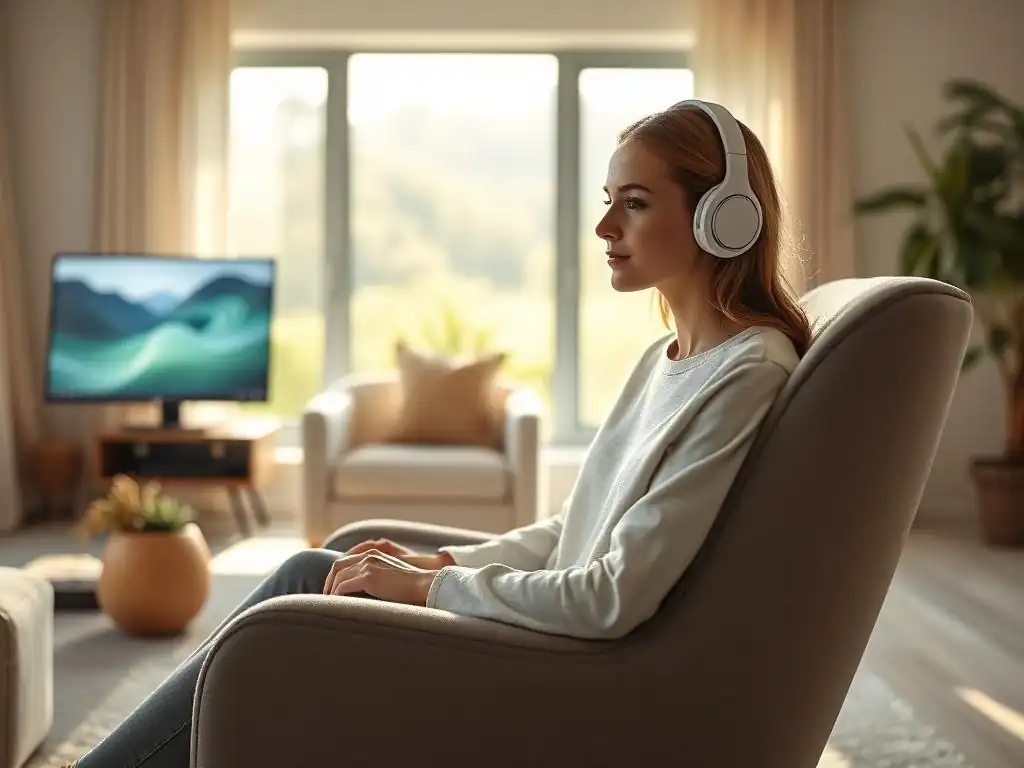
Getting started with at-home neurofeedback typically involves a few key steps. First, unbox your chosen device and follow the manufacturer's instructions for charging and pairing the headset with your smartphone or tablet. Most systems require downloading a dedicated app from the App Store or Google Play. Ensure your device meets the minimum software requirements.
Next, find a quiet, comfortable place where you can sit undisturbed for the duration of your training session. Clean the skin where the sensors will be placed according to the instructions – this is crucial for getting a good signal. Position the headset correctly on your head, ensuring good contact with the skin. The app will usually guide you through a signal check to confirm the sensors are picking up clear brainwave activity. Take a few moments to relax and settle in before starting your first training session. Proper setup is foundational for achieving potential at-home neurofeedback effectiveness benefits.
Understanding Training Protocols and Techniques
Once your system is set up, familiarize yourself with the training protocols offered by the app. Different protocols are designed to target different brainwave frequencies or states (e.g., increasing alpha for relaxation, increasing gamma for focus, decreasing theta for attention). Read the descriptions for each protocol to understand its intended purpose and how it relates to your goals. For instance, if your goal is to reduce stress, you might choose a protocol focused on alpha or theta wave training.
During a session, the app will provide real-time feedback based on your brain activity. Your task is to learn how to influence this feedback by adjusting your mental state. This isn't about consciously "thinking" your brainwaves into a certain pattern, but rather about observing the feedback and noticing what mental states or feelings correspond to the desired outcome in the app (e.g., the game moving forward, the sounds becoming calmer).
Experiment with different techniques like focusing your attention, letting thoughts pass, or deep breathing, and see how they affect the feedback. Consistency in practice is key to learning this self-regulation skill and realizing at-home neurofeedback effectiveness benefits.
Monitoring Progress and Making Adjustments
Regularly monitoring your progress is an important part of the at-home neurofeedback journey. Most apps provide dashboards or reports that show your performance over time. Look at metrics like your score in games, the percentage of time spent in the target brain state, or trends in specific brainwave frequencies. Pay attention not only to the data but also to your subjective experience outside of training sessions. Are you noticing improvements in focus, calmness, sleep, or whatever your initial goal was?
Based on your observations and the app's data, you might consider making adjustments. This could involve trying a different training protocol if the current one doesn't seem effective, adjusting the session duration, or changing the time of day you train. While at-home systems lack the dynamic adjustments a clinician would make, being mindful of your experience and the available data can help you optimize your training approach and potentially enhance the at-home neurofeedback effectiveness benefits you gain. If you hit a plateau or experience negative effects, it's wise to take a break or consult with a professional.
Optimizing At-Home Neurofeedback Results
Integrating Neurofeedback with Complementary Therapies
To potentially maximize the at-home neurofeedback effectiveness benefits, consider integrating your training with complementary therapies or practices. Neurofeedback is often more effective when used as part of a holistic approach to mental well-being. For example, if you are using neurofeedback to manage stress, combining it with mindfulness meditation, yoga, or deep breathing exercises can reinforce the skills learned during training. If you are working on focus, pairing neurofeedback with cognitive training exercises or time management techniques might yield better results.
Therapy, such as cognitive behavioral therapy (CBT) or dialectical behavior therapy (DBT), can also be highly complementary. A therapist can help you address underlying issues, develop coping strategies, and provide a supportive environment that can enhance the effects of neurofeedback. Discuss your neurofeedback practice with your therapist or counselor; they may be able to offer insights or suggestions on how to best integrate it into your overall wellness plan. This multi-modal approach often leads to more significant and lasting changes than relying on a single technique.
The Impact of Lifestyle on Neurofeedback Outcomes
Your general lifestyle significantly impacts your brain health and, consequently, the potential at-home neurofeedback effectiveness benefits. Factors such as sleep, nutrition, exercise, and stress levels play a crucial role in brain function. Lack of sleep, a poor diet high in processed foods, sedentary behavior, and chronic stress can all negatively affect brainwave activity and potentially hinder your progress with neurofeedback.
Ensuring adequate, quality sleep (aiming for 7-9 hours per night for most adults), maintaining a balanced diet rich in omega-3 fatty acids, fruits, and vegetables, engaging in regular physical activity (like aerobic exercise or strength training), and actively managing stress through techniques like meditation or spending time in nature can create a more favorable environment for brain training. Addressing these lifestyle factors can enhance neuroplasticity and make your brain more receptive to the changes encouraged by neurofeedback, thus amplifying potential at-home neurofeedback effectiveness benefits.
Consistency, Patience, and Long-Term Commitment
Achieving noticeable and lasting at-home neurofeedback effectiveness benefits requires consistency, patience, and a long-term commitment. Neurofeedback is a learning process for the brain, and like learning any new skill, it takes time and repeated practice. Short, frequent sessions (e.g., 20-30 minutes, several times a week) are generally more effective than infrequent long sessions.
It's important to be patient and not expect immediate dramatic results. While some users report feeling different after just a few sessions, for many, significant changes may take several weeks or even months of consistent training. There might be plateaus or periods where progress seems slow. Committing to a regular training schedule, even when you don't feel like it, is crucial. View neurofeedback as a marathon, not a sprint. The brain needs time and consistent reinforcement to create new, stable patterns. Long-term commitment is key to consolidating the learned skills and maintaining the at-home neurofeedback effectiveness benefits over time.
The Future of Neurofeedback Technology
Technological Advancements in At-Home Devices
The field of at-home neurofeedback is rapidly evolving, driven by continuous technological advancements. Future devices are likely to feature more sophisticated EEG sensors that are smaller, more comfortable, and capable of capturing higher-quality data with fewer artifacts, even with fewer channels. Improvements in wireless connectivity and battery life will also enhance usability.
We can also anticipate more advanced signal processing within the devices or their accompanying apps, allowing for more accurate identification and targeting of specific brainwave patterns. Miniaturization and integration into wearables beyond simple headsets (e.g., headbands, earbuds) could make neurofeedback training even more seamless and integrated into daily life. These hardware improvements have the potential to bridge some of the gaps between consumer and clinical systems, enhancing the potential at-home neurofeedback effectiveness benefits by providing cleaner data and more reliable feedback.
The Potential of AI in Neurofeedback Customization
Artificial intelligence (AI) holds significant potential to revolutionize the personalization of at-home neurofeedback. Currently, most at-home systems rely on pre-set protocols. However, future systems could use AI algorithms to analyze a user's initial brain activity patterns (even with limited sensors) and performance data over time to automatically suggest or adapt training protocols.
AI could potentially identify subtle patterns in brainwave responses that are not obvious to the user and tailor the feedback or difficulty level in real-time. This could lead to more optimized training for each individual, moving closer to the personalized approach of clinical neurofeedback. AI could also help in identifying potential issues or suggesting when professional consultation might be necessary based on user data. This AI-driven personalization could significantly enhance the potential at-home neurofeedback effectiveness benefits by making the training more responsive and tailored to individual needs.
Improving Access and Affordability
The future of neurofeedback technology is likely to continue focusing on improving both access and affordability. As production scales increase and technology becomes more refined, the cost of consumer-grade neurofeedback devices is expected to decrease, making them accessible to a broader population. Subscription models for software may become more flexible or offer tiered options.
Furthermore, advancements might lead to the development of simpler, more intuitive interfaces and training programs that require less technical understanding from the user. Increased awareness and education about neurofeedback, combined with more accessible technology, could help demystify the process and empower more individuals to explore it. The ongoing drive for greater access and lower costs is a key factor in making the potential at-home neurofeedback effectiveness benefits available to more people seeking tools for mental wellness and cognitive enhancement.
Conclusion: Weighing the Benefits and Risks
Making Informed Decisions About At-Home Neurofeedback
Deciding whether at-home neurofeedback is right for you involves carefully weighing the potential at-home neurofeedback effectiveness benefits against the inherent risks and limitations. The primary benefits include convenience, accessibility, and potential cost savings compared to clinical neurofeedback. These factors make brain training a possibility for individuals who might otherwise be unable to access it. For those seeking general wellness improvements, stress reduction, or enhanced focus, at-home systems can be a valuable tool when used consistently and correctly.
However, it is crucial to be aware of the drawbacks. At-home systems lack the professional assessment, personalized protocols, and expert supervision that are hallmarks of clinical neurofeedback. The accuracy and reliability of consumer-grade devices are generally lower than medical equipment. These limitations mean that at-home systems are not suitable for treating serious clinical conditions and should not be seen as a replacement for professional medical or psychological care. Making an informed decision requires understanding what these devices can and cannot do and having realistic expectations.
Resources for Learning More About Neurofeedback
To deepen your understanding of neurofeedback, both clinical and at-home applications, seek out reliable resources. Organizations like the International Society for Neuroregulation & Research (ISNR) and the Association for Applied Psychophysiology and Biofeedback (AAPB) provide scientific information, research findings, and directories of qualified practitioners. Their websites often contain educational materials explaining the principles of neurofeedback and its various applications.
Look for peer-reviewed scientific articles on neurofeedback efficacy, distinguishing between studies on clinical systems and those specifically evaluating consumer devices. Be critical of marketing claims and testimonials, and seek out independent reviews and comparisons of different at-home systems. Consulting with healthcare professionals knowledgeable about neurofeedback is also an invaluable step. Educating yourself thoroughly will empower you to make the best choice for your personal goals and health needs when considering the potential at-home neurofeedback effectiveness benefits.
Frequently Asked Questions
Is at-home neurofeedback as effective as in-clinic neurofeedback?
While at-home neurofeedback shows promise, its effectiveness compared to in-clinic sessions is still being actively researched. Factors like professional guidance and equipment accuracy can influence results.
What are the potential benefits of using at-home neurofeedback systems for mental well-being?
Potential benefits include increased accessibility, convenience, and the ability to practice neurofeedback more frequently. This could lead to improved focus, reduced anxiety, and better sleep.
Are at-home neurofeedback systems safe to use?
Generally, at-home neurofeedback is considered safe when used as directed, but it's crucial to choose FDA-cleared devices and follow the manufacturer's instructions carefully. Consulting with a mental health professional is highly recommended.
What types of mental health challenges can at-home neurofeedback potentially help with?
At-home neurofeedback is being explored for conditions like ADHD, anxiety, and sleep disorders. However, it's not a replacement for traditional treatments, and its effectiveness varies depending on the individual and the specific mental health challenge.
How do at-home neurofeedback systems work, and what does a typical session involve?
These systems use sensors to monitor brainwave activity and provide real-time feedback. A session typically involves wearing a headset and engaging in activities designed to train specific brainwave patterns, often through visual or auditory cues.
Final Reflection: The Evolving Landscape of At-Home Neurofeedback
The accessibility of at-home neurofeedback systems is rapidly changing the landscape of mental wellness, offering a potentially transformative tool for individuals seeking improved brain health and cognitive function. This accessibility, however, necessitates a critical understanding of the technology's capabilities and limitations, as explored throughout this article. The benefits are real, but responsible use and realistic expectations are crucial.
The journey of neurofeedback, from its clinical origins to its burgeoning presence in the home, reflects a broader societal shift towards personalized and accessible healthcare. This shift empowers individuals to take a more active role in their mental well-being, but also underscores the importance of informed decision-making. The potential benefits, as highlighted in our review of various at-home systems, are significant, but it's crucial to remember that neurofeedback isn't a magic bullet. The mind is not a vessel to be filled, but a fire to be kindled.
- Plutarch. This quote reminds us that neurofeedback is a tool to support and enhance, not replace, other crucial aspects of mental and physical health.
Consider the information presented in this article as a starting point for your own exploration. Don't hesitate to consult with healthcare professionals before embarking on an at-home neurofeedback program. Research the different systems available, understand their limitations, and carefully consider your individual needs and goals. By approaching at-home neurofeedback with informed curiosity and a commitment to self-care, you can harness its potential to unlock greater cognitive clarity, emotional resilience, and overall well-being. Your journey towards a healthier brain begins with informed choices and a proactive approach to your mental health.
Unlock Your Brain's Potential: Take Control of Your Mind
Thank you for taking the time to explore the world of at-home neurofeedback with us! We hope this article provided valuable insights into the possibilities and considerations surrounding this exciting technology. Now it's time to take the next step on your journey to improved mental well-being.
- Begin your personalized neurofeedback exploration: Research different at-home systems to find one that best suits your needs and budget. Consider factors like ease of use, features, and price points. This is the crucial first step towards achieving better mental clarity and focus.
- Share your thoughts and experiences: Have you tried at-home neurofeedback? We’d love to hear about your journey, successes, or challenges in the comments below. Sharing your story helps others learn and embark on their own path.
- Dive deeper into the research: Explore reputable sources and studies on neurofeedback to further enhance your understanding. This will empower you to make informed choices about your mental health journey.
Ready to unlock your brain's potential? What's your biggest question about taking control of your mental well-being through neurofeedback?