
The Role of Early Life Stress in Rewiring the Brain for Mental Health Issues


Welcome to Mind Care Guide.
Have you ever wondered how experiences in your early years can shape your mental landscape? Unraveling the intricate connection between childhood adversity and long-term well-being is crucial for understanding mental health. Explore the fascinating science behind "early life stress brain rewiring" and discover how these neurological shifts can impact your life, and what steps you can take to foster resilience. Are you ready to delve deeper into the neuroscience of mental health and understand how your brain adapts and heals?
The Role of Early Life Stress in Rewiring the Brain for Mental Health Issues
- Introduction: Understanding Early Life Stress and its Impact on Brain Development
- How Early Life Stress Shapes Brain Structure and Function
- Brain Rewiring: Adaptive or Maladaptive Responses to Early Adversity?
- Early Life Stress and the Development of Specific Mental Health Conditions
- Genetic Predisposition and Environmental Interaction in ELS-Related Brain Changes
- Identifying and Assessing Early Life Stress Exposure
-
Interventions and Strategies to Mitigate the Effects of Early Life Stress
- Therapeutic Approaches: Trauma-Focused Cognitive Behavioral Therapy (TF-CBT)
- Therapeutic Approaches: Attachment-Based Therapy
- Therapeutic Approaches: Eye Movement Desensitization and Reprocessing (EMDR)
- The Role of Supportive Relationships and Social Support
- Mindfulness and Stress Reduction Techniques for Managing ELS-Related Symptoms
- Building Resilience After Early Adversity: Promoting Mental Well-being
- Future Directions in Research: Unraveling the Complexities of ELS and Brain Rewiring
- Conclusion: Empowering Individuals Affected by Early Life Stress
-
Frequently Asked Questions
- What is meant by "early life stress" in the context of brain development?
- How does early life stress lead to "brain rewiring"?
- What specific mental health issues are linked to early life stress and brain rewiring?
- Can the effects of early life stress on the brain be reversed or mitigated?
- Where can I find more information and support regarding early life stress and mental well-being?
- Final Reflection: The Enduring Impact of Early Life Stress
- Unlock Your Brain's Resilience: Take Charge of Your Mental Wellbeing
Introduction: Understanding Early Life Stress and its Impact on Brain Development
Defining Early Life Stress (ELS) and its Prevalence
Early life stress (ELS) encompasses a range of adverse experiences occurring during critical developmental periods, typically from conception through adolescence. These experiences can include neglect, abuse (physical, emotional, or sexual), household dysfunction (such as parental mental illness, substance abuse, or domestic violence), poverty, and exposure to community violence. Unlike transient stressors, ELS is often chronic, unpredictable, and severe, overwhelming a child's coping resources and significantly impacting their physiological and psychological development.
Research from the Adverse Childhood Experiences (ACEs) study, involving over 17,000 participants, revealed that nearly two-thirds of adults reported experiencing at least one ACE, and more than one in five reported three or more ACEs. This widespread prevalence highlights the significant public health challenge posed by ELS.
The profound impact of ELS stems from its timing during crucial phases of brain maturation. A child's brain is rapidly developing and highly malleable, making it particularly susceptible to environmental influences, both positive and negative. Chronic stress during these years can dysregulate the body's stress response system, leading to lasting changes in brain architecture and function.
These neurobiological alterations lay the groundwork for increased vulnerability to a wide array of physical and mental health problems later in life. Understanding the nature and prevalence of ELS is the first step in recognizing its long-term consequences on mental well-being and the importance of addressing its effects.
The Critical Period of Brain Development: Vulnerability to Stress
The brain undergoes rapid and complex development throughout childhood and adolescence, with specific regions maturing at different rates. This period, often referred to as a critical or sensitive period, is characterized by extensive neurogenesis (creation of new neurons), synaptogenesis (formation of connections between neurons), and synaptic pruning (elimination of less-used connections). These processes are highly influenced by environmental input, including experiences of stress.
During infancy and early childhood, areas like the amygdala (involved in fear and emotional processing) and the hippocampus (crucial for memory and learning) are particularly sensitive. Later in adolescence, the prefrontal cortex, responsible for executive functions like planning, decision-making, and emotional regulation, continues its significant development.
Exposure to chronic stress during these vulnerable periods can disrupt these intricate developmental processes. For instance, excessive levels of stress hormones like cortisol can impair the growth of neural circuits in the hippocampus, affecting memory and learning abilities. Simultaneously, the amygdala might become hyper-responsive, leading to heightened fear and anxiety responses.
The developing prefrontal cortex can also be compromised, impacting impulse control, risk assessment, and emotional regulation. This disruption in the typical trajectory of brain maturation is a key mechanism by which early life stress brain rewiring occurs, shifting the balance towards vulnerability to mental health challenges rather than robust resilience.
The Impact of Childhood Trauma on Mental Well-being
Childhood trauma, a significant form of early life stress, involves experiences that are emotionally painful or distressing and that overwhelm a child's ability to cope. This can include physical or sexual abuse, severe neglect, witnessing violence, or experiencing natural disasters or war. The impact of such trauma on mental well-being is profound and multifaceted, often leading to complex and persistent psychological difficulties throughout life. Studies consistently show a strong correlation between childhood trauma and increased risk for numerous mental health conditions.
For example, individuals who experienced severe childhood trauma are estimated to be several times more likely to develop disorders such as PTSD, depression, anxiety disorders, and substance use disorders compared to those without such experiences. The sustained activation of the stress response system and the resulting changes in brain structure and function contribute significantly to this heightened vulnerability.
The traumatic experiences can essentially "rewire" the developing brain to be in a perpetual state of alert, making it difficult to feel safe, regulate emotions, and form healthy relationships. Addressing childhood trauma is therefore critical for preventing and treating long-term mental health issues.
How Early Life Stress Shapes Brain Structure and Function
Neurobiological Mechanisms: The Stress Response System (HPA Axis)
The primary neurobiological pathway involved in responding to stress is the hypothalamic-pituitary-adrenal (HPA) axis. When a stressor is perceived, the hypothalamus releases corticotropin-releasing hormone (CRH), which signals the pituitary gland to release adrenocorticotropic hormone (ACTH). ACTH then travels to the adrenal glands, prompting the release of stress hormones, primarily cortisol. Cortisol mobilizes energy resources and modulates the immune system, preparing the body to deal with the threat. Normally, once the stressor is removed, a negative feedback loop involving the hippocampus shuts down the HPA axis, returning hormone levels to baseline.
However, chronic or severe early life stress can dysregulate this system. Constant exposure to stressors can lead to persistent activation of the H HPA axis, resulting in chronically elevated levels of cortisol. This prolonged exposure to high cortisol is toxic to developing neural circuits, particularly in areas like the hippocampus and prefrontal cortex, which are involved in regulating the stress response itself.
The negative feedback loop can become impaired, leading to a state of HPA axis dysfunction, which can manifest as either hypersensitivity or hyposensitivity to stress later in life. This disruption in the body's primary stress response system is a core mechanism underlying early life stress brain rewiring and increased vulnerability to mental health disorders.
The Impact of ELS on Key Brain Regions: Amygdala and Emotional Regulation
The amygdala is a small, almond-shaped structure deep within the temporal lobe that plays a crucial role in processing emotions, particularly fear and threat detection. In response to stressful or threatening stimuli, the amygdala becomes highly active, triggering the "fight or flight" response. During critical periods of brain development, early life stress can significantly alter the structure and function of the amygdala. Studies using neuroimaging techniques have shown that adults exposed to ELS often exhibit an enlarged amygdala and increased amygdala activity in response to emotional stimuli compared to those without such a history.
This heightened reactivity of the amygdala can contribute to difficulties in emotional regulation. Individuals with a history of ELS may experience emotions more intensely, have difficulty interpreting social cues, and struggle to calm down after becoming upset. The constant state of vigilance and exaggerated fear responses driven by an overactive amygdala can manifest as symptoms of anxiety disorders, phobias, and difficulty managing interpersonal relationships. This altered amygdala function is a key component of the early life stress brain rewiring process, contributing directly to emotional dysregulation and vulnerability to mood and anxiety disorders.
The Impact of ELS on Key Brain Regions: Hippocampus and Memory Formation
The hippocampus, located near the amygdala, is vital for learning, memory formation (especially contextual and autobiographical memory), and regulating the HPA axis. Unlike the amygdala, which can become hyperactive in response to ELS, the hippocampus is often negatively impacted by chronic stress exposure, particularly by high levels of cortisol. Research indicates that early life stress can impair neurogenesis in the hippocampus and lead to reduced hippocampal volume in adulthood. For instance, studies on adults with PTSD linked to childhood trauma have shown significant reductions in hippocampal size, sometimes by as much as 10-15% compared to control groups.
These structural and functional changes in the hippocampus have significant implications for cognitive function and mental health. Impaired hippocampal function can affect the ability to form new memories, recall past events accurately, and distinguish between safe and threatening contexts. This can contribute to symptoms seen in PTSD, such as intrusive memories and difficulty differentiating between current safety and past danger.
Furthermore, the hippocampus's role in regulating the stress response means that damage to this area can perpetuate HPA axis dysregulation, creating a vicious cycle. The impact on the hippocampus is a critical aspect of how early life stress brain rewiring affects memory, learning, and stress management.
The Impact of ELS on Key Brain Regions: Prefrontal Cortex and Executive Function
The prefrontal cortex (PFC), located at the front of the brain, is the seat of higher-level cognitive functions, collectively known as executive functions. These include planning, decision-making, working memory, impulse control, attention, and the ability to regulate complex emotions and social behavior. The PFC is one of the last brain regions to fully mature, continuing its development into the early to mid-twenties. This prolonged developmental trajectory makes it particularly susceptible to the effects of early life stress during adolescence and young adulthood.
Chronic stress experienced during these critical periods can impair the development of the PFC, leading to reduced volume and altered connectivity with other brain regions, such as the amygdala and hippocampus. This impaired PFC function can manifest as difficulties with impulse control, poor decision-making, problems with attention and focus, and challenges in regulating emotions and social interactions.
For example, individuals with a history of ELS may struggle with planning for the future, resisting risky behaviors, or managing strong emotional reactions. The disruption of PFC development is a key aspect of early life stress brain rewiring, contributing to difficulties in executive function and increasing the risk for conditions like ADHD, substance use disorders, and personality disorders.
Brain Rewiring: Adaptive or Maladaptive Responses to Early Adversity?
Neuroplasticity and the Brain's Response to ELS
Neuroplasticity refers to the brain's remarkable ability to change and adapt in response to experience. This capacity is most pronounced during critical developmental periods but continues throughout life. Neuroplasticity involves changes at various levels, including the formation of new neurons (neurogenesis), the strengthening or weakening of synaptic connections, and the reorganization of neural circuits.
In the context of early life stress, neuroplasticity is the fundamental mechanism underlying the brain's response. The brain attempts to adapt to the environment in which it is developing, and if that environment is characterized by chronic threat and unpredictability, the brain "wires" itself to survive in such conditions.
This rewiring is an adaptive response in the immediate context of a dangerous childhood environment – for example, developing a hypervigilant amygdala might increase survival chances by being constantly on alert for danger. However, these adaptations, while potentially beneficial in the short term during adversity, can become maladaptive when the individual is no longer in that environment.
The brain structure and function shaped by early stress may not be well-suited for navigating a safer, more stable adult world, leading to persistent difficulties with emotional regulation, social interaction, and stress management. Understanding neuroplasticity is key to grasping how early life stress brain rewiring occurs and how interventions might leverage this capacity for positive change.
Maladaptive Brain Rewiring: Increased Risk for Mental Health Disorders
When the brain adapts to a chronically stressful early environment, the resulting changes can be considered maladaptive in the long term, significantly increasing vulnerability to mental health disorders. This maladaptive early life stress brain rewiring involves structural and functional alterations that perpetuate states of heightened anxiety, emotional dysregulation, and difficulty with cognitive control. For instance, the persistent hyperactivation of the amygdala and hypoactivation of the prefrontal cortex create a neural imbalance that makes individuals more prone to experiencing intense negative emotions and less able to regulate them effectively.
Furthermore, changes in the hippocampus can impair memory processing, leading to difficulties distinguishing between past trauma and present safety, a hallmark of PTSD. The dysregulated HPA axis can result in chronic inflammation and hormonal imbalances that impact mood and energy levels, contributing to depression and anxiety. This constellation of neurobiological changes represents a brain wired for survival in a threatening world, but ill-equipped for thriving in a safe one. The maladaptive consequences of this early life stress brain rewiring underscore the critical need for targeted interventions.
Adaptive Brain Rewiring: Resilience and Protective Factors
While early life stress significantly increases vulnerability, it does not inevitably lead to severe mental health issues. The concept of resilience highlights the fact that some individuals exposed to adversity manage to cope effectively and develop into well-adjusted adults. This suggests that alongside maladaptive responses, adaptive early life stress brain rewiring is also possible, often facilitated by protective factors. These protective factors can include a secure attachment figure, supportive relationships, positive peer interactions, access to resources, and inherent individual characteristics like a positive temperament or problem-solving skills.
These positive experiences and resources can buffer the impact of stress and promote neuroplasticity towards more adaptive pathways. For example, a supportive caregiver can help a child regulate their stress response, potentially mitigating the dysregulating effects of cortisol on the developing brain. Positive social interactions can foster the development of healthy social circuits.
Learning effective coping strategies can strengthen prefrontal cortex function related to emotional regulation. While severe or prolonged ELS can make adaptive rewiring more challenging, the brain's capacity for plasticity means that positive experiences and interventions at any stage of life can potentially foster resilience and promote more adaptive neural pathways.
Early Life Stress and the Development of Specific Mental Health Conditions
ELS and Increased Risk of Anxiety Disorders
Exposure to early life stress, particularly experiences of threat, unpredictability, or separation, is a well-established risk factor for the development of anxiety disorders. The maladaptive early life stress brain rewiring, characterized by an overactive amygdala and impaired regulation by the prefrontal cortex, creates a neurobiological predisposition for heightened fear and anxiety responses. For example, studies have shown that individuals with a history of childhood trauma have a significantly higher lifetime prevalence of generalized anxiety disorder, panic disorder, and social anxiety disorder.
The constant state of vigilance learned during childhood adversity can persist into adulthood, leading to chronic worry, hyperarousal, and avoidance behaviors. An estimated 40-50% of adults diagnosed with anxiety disorders report experiencing some form of early life trauma or significant stress. The brain's altered threat detection system makes individuals overly sensitive to perceived dangers, even in safe environments, fueling the core symptoms of anxiety disorders. Addressing the underlying impact of ELS is often crucial for effective treatment of chronic anxiety.
ELS and Increased Risk of Depressive Disorders
Early life stress is also strongly associated with an increased risk for major depressive disorder and persistent depressive disorder (dysthymia). The mechanisms linking ELS to depression are complex but involve the dysregulation of the HPA axis, changes in neurotransmitter systems (like serotonin and norepinephrine), and alterations in brain regions involved in mood regulation, such as the hippocampus and prefrontal cortex. Chronic stress can impair the function of neural circuits supporting positive mood and motivation.
Individuals with a history of ELS often experience more severe and recurrent episodes of depression, and may respond less effectively to standard antidepressant treatments. Research suggests that childhood adversity increases the risk of depression by approximately two to three times in adulthood. The chronic physiological stress response and the impact on brain areas governing emotional processing and reward pathways contribute to the persistent feelings of sadness, hopelessness, and lack of motivation characteristic of depression. The link between early life stress brain rewiring and depressive vulnerability highlights the importance of considering developmental history in understanding and treating mood disorders.
ELS and Increased Risk of Post-Traumatic Stress Disorder (PTSD)
While PTSD can result from trauma at any age, trauma experienced during early life is particularly impactful and increases the likelihood of developing complex PTSD, which includes difficulties with emotional regulation, self-concept, and relationships in addition to core PTSD symptoms. Early life stress brain rewiring, specifically the hyperactive amygdala, reduced hippocampal volume, and impaired prefrontal cortex control, creates a neurobiological vulnerability that makes individuals more susceptible to developing PTSD symptoms after a traumatic event.
Estimates suggest that individuals exposed to multiple forms of childhood trauma are at a significantly higher risk of developing PTSD, with some studies indicating rates as high as 30-50% in certain populations compared to much lower rates for single adult traumas. The brain's altered stress response system makes it difficult to process traumatic memories effectively, leading to re-experiencing symptoms like flashbacks and nightmares. The hypervigilance and avoidance behaviors seen in PTSD are also consistent with a brain wired for survival in a dangerous environment.
ELS and Increased Risk of Borderline Personality Disorder (BPD)
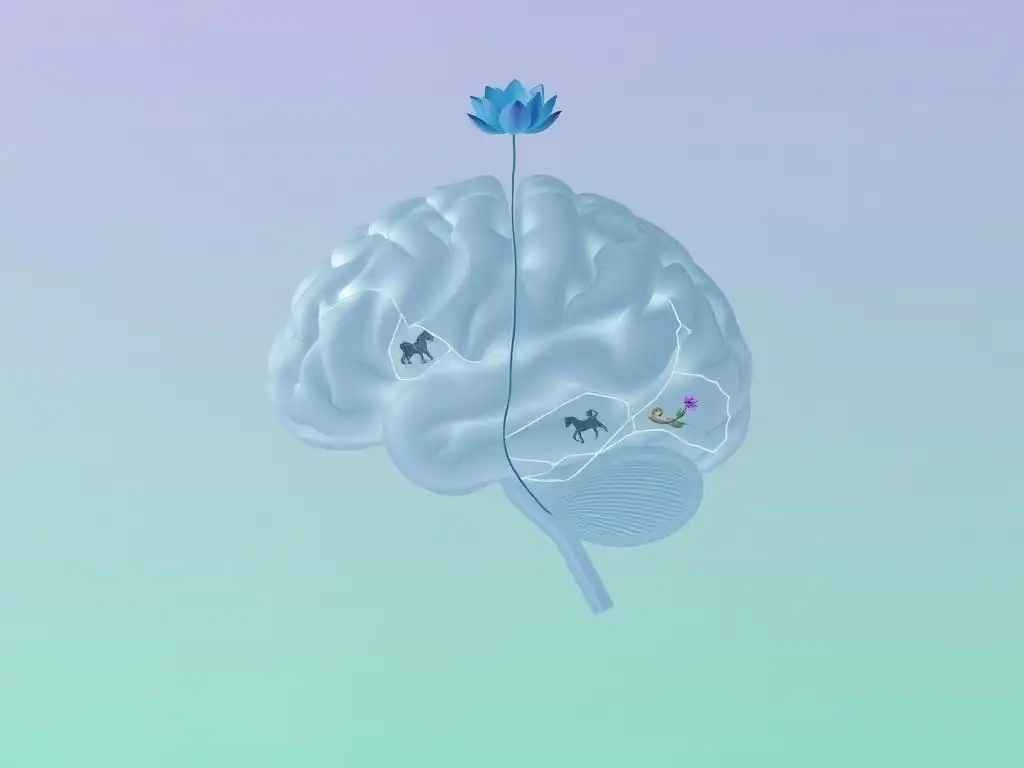
Early life stress, particularly experiences of abuse and neglect, is a major contributing factor to the development of Borderline Personality Disorder (BPD). BPD is characterized by difficulties with emotional regulation, unstable relationships, identity disturbance, impulsive behavior, and a fear of abandonment. These symptoms align closely with the known neurobiological consequences of early adversity, particularly the impact on the amygdala (emotional intensity), prefrontal cortex (impulse control, emotional regulation), and the development of secure attachment patterns.
Studies indicate that a high percentage, often cited as 70-80%, of individuals diagnosed with BPD report a history of significant childhood trauma, including abuse or neglect. The early life stress brain rewiring in BPD is thought to involve a heightened sensitivity to emotional stimuli and a reduced capacity to regulate intense emotions, leading to the characteristic affective instability and difficulty in relationships. Understanding the link between ELS and BPD is crucial for developing effective, trauma-informed treatment approaches.
ELS and Increased Risk of Substance Use Disorders
The connection between early life stress and substance use disorders (SUDs) is strong and well-documented. Individuals who experienced significant adversity in childhood are at a substantially increased risk of developing problems with alcohol, drugs, or other addictive behaviors later in life. This link is mediated by several factors, including the impact of ELS on brain reward pathways, executive function, and emotional regulation. The altered brain chemistry and structure resulting from early life stress brain rewiring can make individuals more susceptible to the rewarding effects of substances and less able to control impulsive behavior.
Furthermore, individuals with a history of ELS may use substances as a way to cope with the intense emotional pain, anxiety, or depression stemming from their past experiences. The impaired prefrontal cortex function can also make it harder to resist cravings and make healthy decisions. Research consistently shows that the number and severity of adverse childhood experiences correlate with the likelihood of developing SUDs and experiencing more severe addiction. For example, individuals with four or more ACEs are estimated to be significantly more likely to develop alcohol or drug dependence.
Gene-Environment Interactions: The Role of Genetic Vulnerability
While early life stress has a powerful impact on brain development, genetic factors also play a significant role in determining an individual's vulnerability or resilience to adversity. Gene-environment interaction refers to how an individual's genetic makeup influences their sensitivity to environmental factors, including stress. Certain genetic variations can make some people more susceptible to the negative effects of ELS, while others might be more buffered. For instance, variations in genes involved in regulating the HPA axis or neurotransmitter systems (like the serotonin transporter gene) have been studied in relation to stress sensitivity.
Research suggests that individuals carrying certain genetic variants may be more likely to experience significant neurobiological changes and develop mental health disorders in response to ELS compared to individuals with different variants, even when exposed to similar levels of stress. This doesn't mean ELS is solely determined by genes or environment, but rather that the combination of specific genetic predispositions and early stressful experiences shapes the trajectory of brain development and mental health outcomes. Understanding these gene-environment interactions is key to predicting vulnerability and developing personalized interventions.
Epigenetic Modifications: How ELS Alters Gene Expression
Beyond changes in the DNA sequence itself, early life stress can lead to epigenetic modifications – changes in gene expression that do not involve alterations to the underlying genetic code. These modifications, such as DNA methylation or histone modification, act like switches or dimmers that can turn genes on or off or alter the level at which they are expressed. Epigenetic changes are influenced by environmental factors and can be relatively stable, potentially even passed down through generations (though the evidence for transgenerational human inheritance is still evolving).
Early life stress can induce epigenetic changes in genes critical for brain development, stress response, and emotional regulation. For example, studies have shown that ELS can lead to increased methylation of genes involved in the HPA axis, such as the gene for the glucocorticoid receptor (which helps shut down the stress response). This epigenetic alteration can impair the negative feedback loop, leading to a persistently dysregulated stress response system. These epigenetic modifications are a crucial mechanism by which early life stress brain rewiring becomes embedded at a molecular level, influencing brain function and behavior throughout life.
The Importance of Considering Both Nature and Nurture
The interplay between genetic predisposition ("nature") and environmental experiences ("nurture") is fundamental to understanding the impact of early life stress on brain development and mental health. It is not simply a matter of genes or environment, but how they interact. An individual's genetic background can influence how they perceive, respond to, and are affected by early adversity. Conversely, early environmental experiences, particularly stress, can alter how genes are expressed through epigenetic mechanisms, thereby influencing brain development and function.
Recognizing the importance of both nature and nurture means that interventions need to consider both biological vulnerabilities and environmental factors. While we cannot change an individual's genetic code, understanding genetic predispositions can inform targeted prevention or treatment strategies. More importantly, focusing on creating supportive environments, providing nurturing relationships, and implementing therapeutic interventions can positively influence brain plasticity and epigenetic patterns, mitigating the negative effects of early life stress brain rewiring and promoting resilience.
Identifying and Assessing Early Life Stress Exposure
Methods for Assessing ELS: Questionnaires and Interviews
Accurately assessing exposure to early life stress is crucial for understanding its potential impact on an individual's mental health. One common method involves using standardized questionnaires or checklists designed to capture various types of adverse childhood experiences (ACEs). The original ACEs questionnaire, for example, asks about physical, emotional, and sexual abuse, neglect, and household challenges like parental separation, substance abuse, or mental illness. Other questionnaires are more comprehensive, covering a wider range of stressors. These tools provide a quantifiable measure of cumulative childhood adversity.
Another important method is through structured or semi-structured clinical interviews. Interviews allow for a more detailed exploration of specific traumatic events and chronic stressors, including the context, severity, duration, and the child's subjective experience. While questionnaires offer ease of administration and scoring, interviews can provide richer qualitative data and are less susceptible to misinterpretation or underreporting, particularly for sensitive topics. Combining both approaches often provides the most comprehensive picture of an individual's early life stress exposure.
Recognizing the Signs and Symptoms of ELS in Children and Adults
The signs and symptoms of early life stress can manifest differently depending on the child's age, the type and severity of the stressor, and individual factors. In young children, symptoms might include developmental delays, difficulty with attachment, increased irritability, changes in eating or sleeping patterns, or regressive behaviors. Older children and adolescents might exhibit behavioral problems, academic difficulties, withdrawal, anxiety, depression, risk-taking behaviors, or physical complaints. Recognizing these signs requires careful observation and consideration of the child's environment and history.
In adults, the long-term effects of ELS often present as chronic mental health conditions, as discussed previously (anxiety, depression, PTSD, BPD, SUDs). However, they can also manifest as difficulties in relationships, problems with trust and intimacy, chronic physical health issues, difficulties with emotional regulation, or a persistent sense of shame or worthlessness. Recognizing these patterns in adults and exploring their childhood history can be critical for accurate diagnosis and effective treatment. Acknowledging the potential link between current struggles and past adversity is an important step towards healing.
The Importance of Early Detection and Intervention
Given the profound and lasting impact of early life stress on brain development and mental health, early detection and intervention are paramount. Identifying children or families experiencing significant stress or adversity allows for timely support and resources to mitigate the negative effects. Interventions implemented during critical developmental periods have the potential to positively influence neuroplasticity, potentially buffering the maladaptive early life stress brain rewiring and promoting healthier developmental trajectories.
Early intervention can take many forms, including providing safe and stable environments, supporting caregivers, offering access to mental health services for children and families, and implementing trauma-informed practices in schools and communities. The goal is to reduce the child's exposure to stress, enhance protective factors, and support healthy brain development. While intervention is beneficial at any age, intervening during childhood offers the greatest potential to prevent the cascade of negative outcomes associated with chronic ELS.
Interventions and Strategies to Mitigate the Effects of Early Life Stress
Therapeutic Approaches: Trauma-Focused Cognitive Behavioral Therapy (TF-CBT)
Trauma-Focused Cognitive Behavioral Therapy (TF-CBT) is an evidence-based psychotherapy specifically designed to help children and adolescents process traumatic experiences and address the resulting emotional and behavioral difficulties. It is typically delivered to the child and their non-offending caregiver together, recognizing the importance of the parent-child relationship in healing. TF-CBT includes several components: psychoeducation about trauma and its effects, relaxation techniques, affect regulation skills, cognitive processing of traumatic beliefs, trauma narrative development (a structured way to talk about the trauma), in vivo exposure (gradual exposure to trauma reminders), and enhancing safety.
Studies have shown TF-CBT to be highly effective in reducing symptoms of PTSD, depression, anxiety, and behavioral problems in children exposed to various forms of trauma, including abuse and neglect. For example, research indicates that children receiving TF-CBT show significant reductions in PTSD symptoms compared to control groups, with large effect sizes often reported. By helping children and caregivers process the trauma and develop coping skills, TF-CBT aims to promote more adaptive brain functioning and mitigate the long-term negative consequences of early life stress brain rewiring.
Therapeutic Approaches: Attachment-Based Therapy
Attachment-based therapy approaches focus on the quality of the child's relationship with their primary caregiver, recognizing that secure attachment is a powerful buffer against the effects of early life stress and a foundation for healthy emotional and social development. These therapies work with both the child and the caregiver to repair ruptures in the attachment relationship, enhance parental sensitivity and responsiveness, and promote consistent, nurturing interactions. Examples include Circle of Security Parenting and Attachment-Based Family Therapy.
For children who have experienced neglect or inconsistent care, these therapies aim to help the child feel safe and secure in the relationship, which can positively influence the development of brain regions involved in emotional regulation and social bonding, such as the amygdala and prefrontal cortex. By fostering a more secure attachment, these therapies can help counteract some of the maladaptive early life stress brain rewiring, promoting a sense of safety and stability that supports healthier emotional and behavioral development.
Therapeutic Approaches: Eye Movement Desensitization and Reprocessing (EMDR)
Eye Movement Desensitization and Reprocessing (EMDR) is a psychotherapy approach used to treat trauma and other distressing life experiences. While initially developed for adults, adapted versions are used with children and adolescents. EMDR involves recalling distressing memories while simultaneously engaging in bilateral stimulation, such as side-to-side eye movements, taps, or sounds. The theory is that this process helps the brain reprocess the traumatic memory, reducing its emotional intensity and allowing for integration into a more adaptive memory network.
EMDR is recognized as an evidence-based treatment for PTSD and has shown effectiveness in reducing symptoms associated with early life trauma. By helping individuals process and desensitize to traumatic memories, EMDR can potentially influence the neural pathways involved in fear responses and memory processing, including the amygdala and hippocampus. This reprocessing can lead to a reduction in the intrusive symptoms and hyperarousal often linked to early life stress brain rewiring.

Beyond formal therapy, supportive relationships and social support are critical protective factors that can mitigate the negative effects of early life stress and promote resilience. Having at least one stable, nurturing relationship with a caregiver, mentor, or other trusted adult during childhood can make a significant difference in buffering the impact of adversity on brain development. These relationships provide a sense of safety, validation, and emotional regulation support that counteracts the dysregulating effects of stress.
In adulthood, strong social connections and supportive relationships continue to be vital for individuals with a history of ELS. They provide a sense of belonging, reduce feelings of isolation, offer practical and emotional support, and can help regulate stress responses. Engaging in supportive social interactions can also promote the release of oxytocin, a hormone associated with bonding and stress reduction, which may have positive effects on brain function. Fostering and maintaining healthy relationships is an important strategy for navigating the challenges associated with early life stress brain rewiring.
Mindfulness and other stress reduction techniques can be valuable tools for individuals managing the ongoing effects of early life stress. Practices like mindfulness meditation, deep breathing exercises, yoga, and progressive muscle relaxation can help regulate the nervous system, reduce hyperarousal, and improve emotional regulation. Mindfulness, in particular, involves paying attention to the present moment without judgment, which can help individuals detach from distressing thoughts and feelings related to past trauma or chronic stress.
Regular practice of these techniques has been shown to influence brain regions affected by ELS, such as increasing activity in the prefrontal cortex (improving attention and emotional regulation) and potentially reducing activity in the amygdala (reducing fear responses). By enhancing self-awareness and providing tools to manage physiological and emotional responses to stress, these techniques can empower individuals to cope more effectively with the legacy of early life stress brain rewiring and improve overall well-being.
Building Resilience After Early Adversity: Promoting Mental Well-being
Fostering Secure Attachment in Childhood
Fostering secure attachment is one of the most powerful ways to build resilience against the negative effects of early life stress. A secure attachment relationship provides a safe base from which a child can explore the world and a haven to return to for comfort and support. This consistent, responsive caregiving helps the child develop a healthy stress response system and promotes the optimal development of brain regions involved in emotional regulation and social bonding. Interventions that support parents and caregivers in developing sensitive and responsive caregiving skills are crucial for promoting secure attachment.
Even if early attachment was insecure due to adversity, it is possible to develop earned security later in life through corrective experiences in relationships, including therapeutic relationships. Helping individuals understand their attachment patterns and develop the capacity for secure connection is a vital component of healing from early life stress and promoting long-term mental well-being.
Developing Coping Mechanisms and Emotional Regulation Skills
Learning effective coping mechanisms and emotional regulation skills is essential for individuals navigating the challenges posed by early life stress brain rewiring. Early adversity often impairs the natural development of these skills. Therapeutic interventions like TF-CBT, DBT (Dialectical Behavior Therapy, often used for BPD), and general CBT teach specific strategies for identifying and managing intense emotions, challenging negative thought patterns, and developing healthy ways to cope with distress instead of relying on maladaptive behaviors like substance use or self-harm.
Developing skills such as identifying emotions, understanding their triggers, tolerating distress, and using healthy coping strategies (e.g., exercise, hobbies, social connection) can empower individuals to navigate difficult feelings and situations more effectively. This skill development can strengthen prefrontal cortex function and improve the ability to regulate the stress response, counteracting some of the negative impacts of early life stress brain rewiring.
Creating a Supportive and Nurturing Environment
Creating and maintaining a supportive and nurturing environment is crucial for promoting resilience and ongoing mental well-being after early adversity. For children currently experiencing stress, this means ensuring safety, stability, and access to caring relationships and resources. For adults with a history of ELS, it involves building a supportive network of friends, family, or support groups, and seeking out environments (work, community) that are validating and safe.
A supportive environment can buffer against current stressors and provide opportunities for positive experiences that promote adaptive neuroplasticity. Feeling safe, understood, and supported can help regulate the nervous system and counteract the hypervigilance associated with early life stress brain rewiring. Access to education, economic stability, and healthcare are also environmental factors that contribute to overall well-being and resilience.
Future Directions in Research: Unraveling the Complexities of ELS and Brain Rewiring
Investigating Novel Therapeutic Targets
Future research aims to delve deeper into the specific neurobiological mechanisms underlying early life stress brain rewiring to identify novel therapeutic targets. This includes exploring the role of specific genes, neurotransmitters, and neural circuits that are most impacted by ELS. For example, research is ongoing into the potential of interventions that target specific neurotransmitter systems known to be affected by stress, or treatments that promote neurogenesis in the hippocampus.
There is also growing interest in interventions that directly address epigenetic modifications induced by ELS. While still largely experimental, research is exploring whether pharmacological agents or behavioral interventions could potentially reverse or modify maladaptive epigenetic patterns, thereby influencing gene expression and promoting more adaptive brain function. Identifying these specific targets could lead to more precise and effective treatments for the long-term consequences of early adversity.
Understanding the Long-Term Effects of ELS on Brain Health
While we have a growing understanding of how ELS impacts brain development in childhood and its links to mental health in adulthood, research continues to explore the very long-term effects, including the risk for neurodegenerative diseases and cognitive decline later in life. Chronic stress and the resulting physiological changes, such as inflammation and HPA axis dysfunction, are thought to potentially contribute to age-related cognitive impairment.
Longitudinal studies tracking individuals exposed to ELS over decades are crucial for understanding the full trajectory of brain health and cognitive function. This research will help clarify whether early life stress brain rewiring increases vulnerability to conditions like Alzheimer's disease or other forms of dementia and inform strategies for promoting brain health across the lifespan for individuals with a history of adversity.
Promoting Prevention Strategies and Early Intervention Programs
A major focus of future efforts is on preventing early life stress and expanding effective early intervention programs. This involves research into the most effective ways to support vulnerable families, reduce child maltreatment, and create safe and nurturing communities. Prevention strategies might include home visiting programs for new parents, parenting education classes, and policies aimed at reducing poverty and increasing access to resources.
Research is also needed to identify which early intervention programs are most effective for different types of ELS and for children of different ages. Understanding the critical windows for intervention and the specific components of programs that lead to positive, lasting changes in brain development and mental health outcomes is vital. The ultimate goal is to shift from treating the consequences of early life stress brain rewiring to preventing it from occurring in the first place.
Conclusion: Empowering Individuals Affected by Early Life Stress
The Importance of Understanding the Link Between ELS and Mental Health
Understanding the profound link between early life stress and the "rewiring" of the brain for mental health issues is empowering. It shifts the perspective from viewing mental health struggles as purely individual failures to recognizing them as often being understandable, albeit complex, responses to challenging developmental environments. This knowledge helps reduce self-blame and stigma for individuals affected by ELS and highlights the neurobiological basis of their difficulties.
For clinicians and support systems, understanding this link is essential for providing trauma-informed care that acknowledges the impact of past adversity on present functioning. Recognizing that the brain has adapted to survive stress can inform therapeutic approaches aimed at promoting new, more adaptive pathways. The concept of early life stress brain rewiring provides a scientific framework for understanding vulnerability and the potential for change.
Resources and Support for Individuals Affected by ELS
For individuals who recognize that early life stress may have impacted their development and mental health, seeking support is a crucial step. Numerous resources are available, including mental health professionals specializing in trauma, support groups for survivors of abuse or neglect, and organizations dedicated to raising awareness about ACEs and their impact. Therapeutic approaches like TF-CBT, EMDR, DBT, and others can provide effective ways to process past experiences and develop coping skills.
It is important to find a therapist or support system that feels safe and validating. Connecting with others who have similar experiences can reduce feelings of isolation and shame. Accessing resources focused on building resilience, such as mindfulness training or stress reduction programs, can also be beneficial. Help is available, and taking the step to reach out is a sign of strength.
Hope for Recovery and Resilience After Early Adversity
Despite the significant challenges posed by early life stress and its impact on brain development, there is substantial hope for recovery and resilience. The brain's capacity for neuroplasticity means that change is possible throughout the lifespan. Positive experiences, supportive relationships, and effective interventions can promote adaptive early life stress brain rewiring, helping individuals develop new coping mechanisms and build healthier neural pathways.
Many individuals with a history of significant early adversity go on to lead fulfilling lives, demonstrating remarkable resilience. Healing is a process, not a destination, and it often involves navigating ongoing challenges. However, with understanding, support, and effective strategies, individuals can mitigate the effects of early life stress, build resilience, and cultivate mental well-being. The journey towards recovery is possible, and the brain's inherent capacity for change offers a powerful basis for hope.
Frequently Asked Questions
What is meant by "early life stress" in the context of brain development?
Early life stress refers to adverse experiences occurring during infancy and childhood. These experiences can include neglect, abuse, or significant family dysfunction, which can impact brain development.
How does early life stress lead to "brain rewiring"?
Exposure to chronic stress during early development can alter the brain's structure and function. This "rewiring" affects areas involved in stress response, emotion regulation, and cognitive function.
What specific mental health issues are linked to early life stress and brain rewiring?
Early life stress is associated with an increased risk of developing various mental health issues, including anxiety disorders, depression, and post-traumatic stress disorder (PTSD).
Can the effects of early life stress on the brain be reversed or mitigated?
While early life stress can have lasting effects, interventions like therapy and supportive relationships can help mitigate the negative consequences and promote resilience, leading to positive changes in brain function.
Where can I find more information and support regarding early life stress and mental well-being?
Mind Care Guide offers a comprehensive guide to mental well-being. You can find information, support, and resources related to early life stress and its impact on mental health on their website's dedicated sections.
Final Reflection: The Enduring Impact of Early Life Stress
The pervasive effects of early life stress on brain development are not merely a theoretical concept; they are a stark reality shaping the mental health landscape of our world today. Understanding this rewiring process is crucial, not only for comprehending the origins of various mental health disorders, but also for developing effective preventative measures and targeted interventions. The implications are far-reaching, impacting individuals, families, and society as a whole.
The exploration of this topic has profoundly impacted my understanding of the intricate relationship between our early experiences and our adult mental well-being. It highlights the critical need for supportive and nurturing environments during childhood, emphasizing the long-term consequences of adversity. The vulnerability of the developing brain underscores the importance of early intervention and preventative strategies. As the renowned psychiatrist, Dr. Gabor Maté, eloquently stated: Trauma is not what happens to you, but what happens inside you as a result of what happens to you.
This quote encapsulates the core message of this article – it's not just the event itself, but the brain's response to it that shapes the trajectory of mental health.
Consider the impact of early life stress on your own life, and the lives of those around you. Are you actively seeking to create supportive and nurturing environments for yourself and others? This article serves as a call to action – to foster resilience, promote early intervention programs, and advocate for policies that support the well-being of children and families. Let us move forward with a renewed commitment to understanding and addressing the profound impact of early life stress, paving the way for a healthier and more compassionate future.
Unlock Your Brain's Resilience: Take Charge of Your Mental Wellbeing
Thanks for taking the time to explore the impact of early life stress on mental health. We hope you gained valuable insights into how our brains adapt and the pathways to resilience. Now, let's turn this knowledge into action!
- Prioritize self-compassion: Take a moment today to practice self-kindness and acknowledge your unique experiences. This is the crucial first step towards building mental resilience.
- Explore mindfulness techniques: Even 5 minutes of daily mindfulness can make a significant difference in managing stress and fostering emotional regulation. Try a guided meditation or simply focus on your breath.
- Share your thoughts: Engage in the discussion below! Share your experiences or resources that have helped you build resilience. Let's build a supportive community together.
What small step will you take today to nurture your brain's resilience and enhance your mental wellbeing?