
Sleep Deeply: Qigong Techniques for Overcoming Insomnia and Restoring Calm


Welcome to Mind Care Guide.
Are you tossing and turning, longing for a peaceful night's sleep? We understand the frustration and exhaustion that insomnia brings. Here, you'll find compassionate guidance and practical tools to reclaim your rest. Dive into our article on Qigong for insomnia relief and discover how gentle movements and mindful breathing can unlock a natural path to deeper, more restorative sleep. What if you could finally silence the racing thoughts and drift off with ease? Let's explore the possibilities together.
Sleep Deeply: Qigong Techniques for Overcoming Insomnia and Restoring Calm
- Introduction to Qigong for Insomnia Relief: A Holistic Approach
- Qigong Principles for Promoting Restful Sleep
- Specific Qigong Exercises for Insomnia
- Creating a Bedtime Qigong Routine for Deep Sleep
- Troubleshooting Common Challenges in Qigong for Sleep
- Qigong and Long-Term Sleep Health
- Conclusion: Embracing Qigong for a Restful Night and a Calmer Mind
-
Frequently Asked Questions
- How does Qigong help with insomnia?
- What specific Qigong techniques are most effective for insomnia relief?
- How long does it typically take to see results from using Qigong for insomnia?
- Is Qigong safe for everyone, and are there any precautions to consider?
- Where can I find resources to learn Qigong for insomnia relief?
- Final Reflection: Cultivating the Stillness Within for a Restful Tomorrow
- Unlock Your Deepest Rest: Start Your Qigong Journey Today!
Introduction to Qigong for Insomnia Relief: A Holistic Approach
Understanding Insomnia and its Impact on Overall Health
Insomnia is a pervasive sleep disorder characterized by difficulty falling asleep, staying asleep, or experiencing non-restorative sleep. Millions of people worldwide grapple with this challenge, which significantly impacts their daily lives. Beyond the immediate fatigue, chronic insomnia can contribute to a host of health issues, including impaired cognitive function, mood disturbances like anxiety and depression, weakened immune response, and an increased risk of chronic diseases such as heart disease and diabetes. The constant struggle with sleep creates a cycle of stress and worry, further exacerbating the problem and highlighting the need for effective, accessible interventions.
The impact of poor sleep extends beyond physical health, profoundly affecting mental and emotional well-being. Individuals with insomnia often report reduced productivity, difficulty concentrating, and irritability. The inability to achieve restful sleep disrupts the body's natural restorative processes, hindering emotional regulation and resilience.
This underscores the importance of addressing insomnia not just as a sleep problem, but as a critical component of overall health, requiring a holistic approach that considers the interconnectedness of mind, body, and spirit. Seeking effective strategies, such as Qigong for insomnia relief, can be a vital step towards reclaiming restful nights and improving quality of life.
How Qigong Can Address Sleep Disturbances: An Overview
Qigong, an ancient Chinese mind-body practice, offers a gentle yet powerful approach to addressing sleep disturbances. It involves slow, deliberate movements, focused breathing, and meditation, all aimed at cultivating and balancing Qi (vital energy) within the body. Unlike more vigorous exercises that might be counterproductive before bed, Qigong promotes relaxation and calms the nervous system, creating a conducive state for sleep. The practice helps to release physical tension, quiet the racing mind, and regulate emotional states often associated with sleeplessness.
The effectiveness of Qigong for promoting better sleep lies in its ability to influence the body's stress response. Chronic stress is a major contributor to insomnia, keeping the body in a state of hyperarousal. Qigong techniques, particularly the emphasis on deep, rhythmic breathing and gentle movements, activate the parasympathetic nervous system, often referred to as the "rest and digest" system.
This counteracts the "fight or flight" response, lowering heart rate, reducing muscle tension, and decreasing levels of stress hormones like cortisol. Regular Qigong practice for insomnia can help retrain the body to enter a relaxed state more easily, paving the way for deeper, more restorative sleep.
Qigong Principles for Promoting Restful Sleep
The Role of Qi (Energy) in Sleep Quality
In Traditional Chinese Medicine (TCM) and Qigong philosophy, Qi is the vital life force that flows through the body along specific pathways called meridians. Optimal sleep quality is believed to depend on the smooth and balanced flow of Qi. Stagnation or depletion of Qi, often caused by stress, emotional imbalance, poor diet, or lack of exercise, can disrupt the body's natural rhythms, including the sleep-wake cycle. For example, excess energy rising to the head might lead to a restless mind, while insufficient energy in the lower body could cause feelings of being ungrounded and anxious, both detrimental to sleep.
Qigong techniques are designed to clear blockages, nourish deficient areas, and regulate the overall circulation of Qi. By engaging in specific movements and breathing exercises, practitioners can help guide energy to where it is needed, promoting a sense of calm and balance throughout the system. This focus on energetic harmony is central to using Qigong for insomnia relief. When Qi flows smoothly, the body and mind can relax more readily, allowing the natural transition into sleep to occur without resistance. Cultivating healthy Qi flow supports the body's innate ability to rest and regenerate during the night.
Balancing Yin and Yang for a Harmonious Sleep Cycle
Another fundamental principle in Qigong and TCM is the balance of Yin and Yang. These two opposing yet complementary forces represent duality in the universe and within the body. Yang is associated with activity, light, heat, and the daytime, while Yin is associated with rest, darkness, coolness, and the nighttime. A harmonious sleep cycle relies on the smooth transition from the active Yang state of the day to the passive Yin state required for sleep. Insomnia is often seen as a disruption in this balance, perhaps an excess of Yang energy preventing the body from settling into Yin.
Qigong practices aimed at promoting sleep often focus on cultivating Yin energy, helping to ground the body, calm the spirit, and prepare for rest. Gentle, slow movements, deep, quiet breathing, and introspective meditations are all Yin-nourishing practices. By consciously shifting from a Yang-dominant, active state to a more Yin-receptive, quiet state through dedicated Qigong techniques for sleep, individuals can help restore the natural rhythm of their internal clock. This intentional cultivation of Yin facilitates the body's ability to wind down and embrace the stillness necessary for deep, restorative sleep.
The Importance of Mind-Body Connection in Qigong for Sleep
Qigong is inherently a mind-body practice, emphasizing the inseparable connection between our mental state and our physical well-being. Insomnia is often a clear manifestation of this connection, where stress, worry, and a busy mind directly interfere with the body's ability to relax and sleep. Qigong addresses this by training the practitioner to bring gentle, non-judgmental awareness to their physical sensations, breath, and thoughts. This cultivates mindfulness, reducing the tendency to get caught in anxious thought loops that prevent sleep.
Through consistent Qigong practice for insomnia, individuals learn to observe their internal state without reacting to it. This detachment from racing thoughts and physical discomfort (like tension) is crucial for falling asleep. The movements and breathing techniques act as anchors, bringing attention back to the present moment and away from worries about the past or future. This integrated approach, working simultaneously with the physical body and the mental landscape, is why Qigong can be so effective in helping people quiet their minds and prepare their bodies for a peaceful night's sleep.
Specific Qigong Exercises for Insomnia
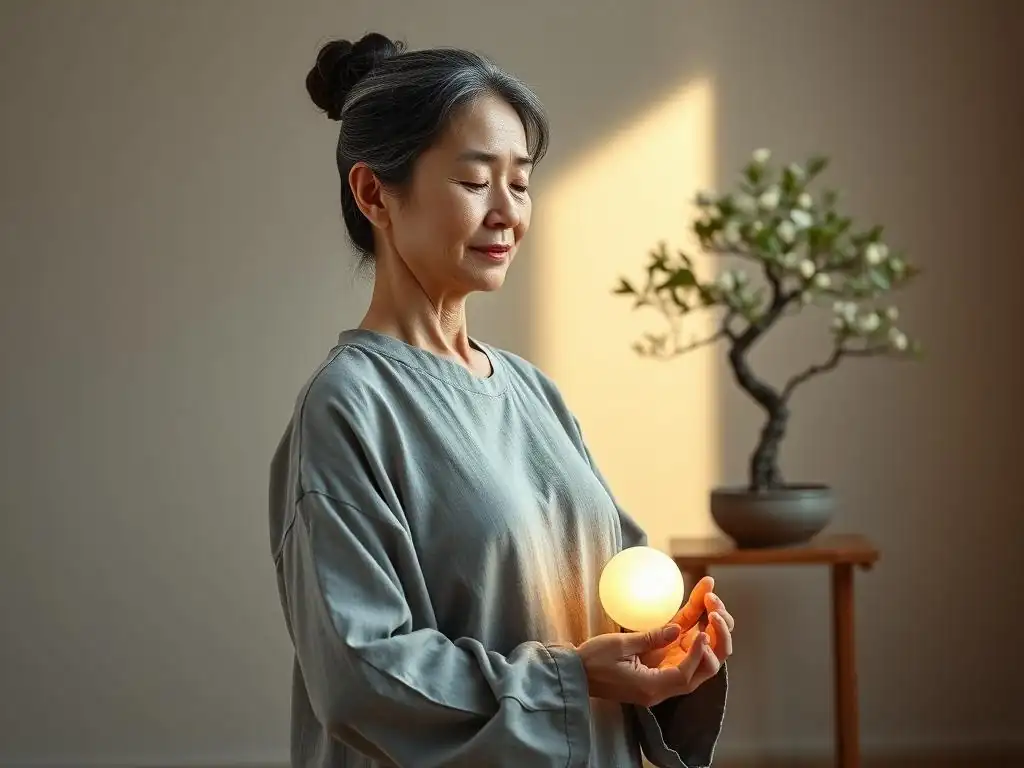
Breathing Techniques: A Foundation for Sleep Qigong
Abdominal Breathing for Calming the Nervous System
Abdominal breathing, also known as diaphragmatic breathing, is a cornerstone of Qigong and an incredibly effective tool for calming the nervous system and preparing for sleep. Unlike shallow chest breathing, which can signal stress, abdominal breathing engages the diaphragm, allowing for deeper, fuller breaths. This deep inhalation and slow exhalation stimulates the vagus nerve, which plays a key role in activating the parasympathetic nervous system, promoting relaxation.
To practice abdominal breathing for sleep, find a comfortable position, either sitting or lying down. Place one hand on your chest and the other just below your rib cage on your abdomen. Inhale slowly through your nose, feeling your abdomen rise as your lungs fill with air. Keep your chest relatively still.
Exhale slowly through your mouth, gently drawing your abdomen inward as the air leaves your lungs. Focus on making the exhalation longer than the inhalation, perhaps counting to four on the inhale and six or eight on the exhale. Repeat this for several minutes, allowing your breath to become smooth and rhythmic. This simple technique is a powerful first step in a Qigong routine for insomnia relief.
Reverse Abdominal Breathing for Grounding
Reverse abdominal breathing is a slightly more advanced Qigong technique that can be particularly useful for grounding and settling scattered energy before sleep. While conventional abdominal breathing expands the abdomen on the inhale, reverse breathing gently draws the abdomen inward on the inhale and expands it slightly on the exhale. This method is believed to help draw energy downwards, anchoring it in the lower Dantian (energy center) located a few inches below the navel.
To practice reverse abdominal breathing, sit or lie comfortably. As you inhale through your nose, gently draw your lower abdomen inward. As you exhale slowly through your mouth, allow your abdomen to gently release or slightly expand.
The movement is subtle, not forced. Focus your awareness on the lower abdomen, feeling a sense of centering and grounding with each breath cycle. This technique helps to calm an overactive mind by bringing awareness and energy away from the head and down into the core, supporting the aim of using Qigong for insomnia relief by promoting a sense of stability and ease.
Qigong Movements for Relaxation and Sleep Induction
Cloud Hands for Releasing Tension
Cloud Hands is a fundamental Qigong movement found in many styles, known for its gentle, flowing nature and its ability to release tension in the shoulders, arms, and upper back – common areas where stress accumulates. The continuous, circular motion of the hands and torso promotes smooth energy flow and calms the mind through repetitive, meditative movement.
To perform Cloud Hands, stand with your feet shoulder-width apart, knees slightly bent. Let your arms hang naturally. Begin by slowly shifting your weight to one foot. As you shift, one hand (say, the right) rises in front of your body, palm facing inward towards your chest, while the other hand (left) lowers towards your hip, palm facing down.
Your torso gently turns in the direction of the hand that is lowering. As you shift weight to the other foot, the hands switch roles – the left hand rises, and the right hand lowers, with the torso turning the other way. The movement is smooth, coordinated with your breath, and continuous, like turning a large, invisible wheel. Focusing on the gentle, circulating motion helps to melt away physical and mental tension, making it a valuable Qigong technique for sleep.
Spinal Cord Breathing
Spinal Cord Breathing is a simple yet effective Qigong exercise that focuses on gently flexing and extending the spine in coordination with the breath. This movement is believed to stimulate the nervous system along the spine, improve circulation to the back muscles, and release accumulated tension that can interfere with relaxation and sleep. A flexible spine is often associated with vitality and ease.
To practice Spinal Cord Breathing, sit comfortably on a chair or the floor with your spine relatively straight. Place your hands lightly on your knees or thighs. As you inhale slowly through your nose, gently arch your back slightly, lifting your chest and looking slightly upward (a gentle extension). As you exhale slowly through your mouth, gently round your back, tucking your chin towards your chest (a gentle flexion).
Coordinate the movement with your breath, making it fluid and relaxed. Repeat this gentle undulation of the spine for several minutes. This rhythmic movement helps to soothe the nervous system and release physical stiffness, contributing to effective Qigong for insomnia relief.
Kidney Nourishing Exercise
In TCM, the Kidneys are associated with vitality, stored energy (Jing), and the body's fundamental Yin and Yang balance. They are also linked to the fear response and can be weakened by chronic stress and lack of rest, contributing to insomnia. Kidney nourishing exercises in Qigong aim to strengthen and balance the energy of the Kidneys, which can have a profound calming and grounding effect, beneficial for sleep.
A simple Kidney Nourishing exercise involves gentle tapping and massage. Stand or sit comfortably. Gently cup your hands and lightly tap the area of your lower back where your kidneys are located (just above your waistline, on either side of the spine) for a minute or two. Follow this with gentle rubbing of the same area with your palms, creating warmth. Another technique involves standing with feet shoulder-width apart, knees slightly bent.
Place your hands on your lower back, palms facing inward. Gently circle your hands on your lower back while breathing deeply into the abdomen. Visualize sending warm, nourishing energy to this area. This practice helps to settle the spirit and ground the energy, supporting the goal of using Qigong for insomnia relief.
Qigong Meditations for Quieting the Mind
Inner Smile Meditation for Sleep
The Inner Smile is a powerful Qigong meditation practice that involves directing a gentle, loving smile inward to the internal organs and different parts of the body. This practice cultivates positive emotions and a sense of warmth and acceptance within, counteracting the stress and anxiety that often accompany insomnia. By consciously generating feelings of peace and gratitude, the Inner Smile helps to calm the nervous system and prepare the mind for rest.
To practice the Inner Smile for sleep, find a comfortable lying down position in bed. Close your eyes and take a few deep, calming breaths. Bring your awareness to your eyes, and imagine your eyes are smiling. Feel this gentle, warm energy spreading. Then, direct this inner smile to your face, feeling the muscles relax.
Continue directing the smile downwards through your neck, shoulders, arms, chest (smiling to your heart and lungs), abdomen (smiling to your digestive organs), and down to your lower abdomen (Dantian) and kidneys. Finally, smile down your legs to your feet. Linger in areas where you feel tension or discomfort, sending warmth and acceptance there. This practice shifts your focus from external worries to internal peace, a key element of Qigong techniques for sleep.
Standing Meditation for Relaxation
Standing Meditation, or Zhan Zhuang (pronounced Jan Jong), is a foundational Qigong practice that involves holding simple standing postures for extended periods. While it may seem static, it is a dynamic internal exercise that builds physical strength, promotes energy circulation, and, crucially for insomnia, cultivates stillness and mental calm. Standing with relaxed awareness helps to release deep-seated physical tension and train the mind to be present without restlessness.
To practice Standing Meditation for relaxation before bed, stand with your feet parallel, about shoulder-width apart. Soften your knees slightly, ensuring they are not locked. Allow your arms to hang naturally or assume a simple posture like holding your hands in front of your abdomen as if holding a ball. Ensure your spine is comfortably aligned, neither rigidly straight nor slumped. Relax your shoulders and jaw.
Close your eyes or soften your gaze. The goal is not to hold a perfect posture rigidly, but to find a state of relaxed presence. Notice sensations in your body without judgment. If your mind wanders, gently bring your awareness back to your posture and breath. Even just 5-10 minutes of relaxed standing can help ground your energy and quiet your mind, supporting your efforts in using Qigong for insomnia relief.
Creating a Bedtime Qigong Routine for Deep Sleep
Designing a Personalized Qigong Practice
Creating a personalized Qigong routine for sleep involves selecting the techniques that resonate most with you and address your specific challenges. Consider what keeps you awake: Is it a racing mind? Physical tension? Anxiety? Choose practices accordingly. A routine might start with gentle breathwork to calm the nervous system, move into simple, flowing movements like Cloud Hands or Spinal Cord Breathing to release physical tension, and conclude with a calming meditation like the Inner Smile or a period of quiet Standing Meditation.
Keep the routine manageable, especially when starting. Even 10-15 minutes of focused practice can be beneficial. It's better to do a short routine consistently than a long one sporadically. Experiment with different techniques and observe how your body and mind respond. A journal can be helpful to track which practices seem most effective for you in promoting relaxation and easing the transition to sleep. Tailoring your Qigong practice for insomnia ensures it fits your needs and lifestyle, making it sustainable.
The Ideal Timing and Environment for Qigong Before Bed
The ideal timing for your bedtime Qigong routine is typically in the hour or two before you plan to go to sleep. This allows sufficient time for the calming effects of the practice to settle in before you get into bed. Avoid practicing immediately after a heavy meal or vigorous activity. Choose a quiet, peaceful environment where you won't be interrupted. This could be your bedroom, a quiet corner of your living room, or even outdoors if weather permits, provided it's calm and private.
Ensure the lighting is soft and soothing. Dim lights signal to your body that it's time to wind down. Wear comfortable, loose clothing that doesn't restrict movement or breathing. If practicing standing or moving Qigong, ensure you have enough space. For seated or lying down practices, use a mat, cushion, or your bed to be comfortable. Creating a dedicated space and time for your Qigong techniques for sleep helps establish a consistent cue for your body and mind to prepare for rest.
Combining Qigong with Other Sleep Hygiene Practices
While Qigong is a powerful tool for promoting sleep, it is most effective when combined with good sleep hygiene practices. These are habits that support healthy sleep patterns. This includes maintaining a consistent sleep schedule, even on weekends, to regulate your body's internal clock. Avoid caffeine and alcohol in the hours leading up to bedtime, as they can disrupt sleep architecture. Limit exposure to screens (phones, tablets, TVs) in the hour before bed, as the blue light can interfere with melatonin production.
Ensure your bedroom environment is conducive to sleep – dark, quiet, and cool. Use your bed only for sleep and intimacy to strengthen the mental association between your bed and rest. If you can't fall asleep after 20 minutes, get out of bed and do a quiet activity (like gentle Qigong or reading in dim light) until you feel sleepy, then return to bed. Integrating your Qigong for insomnia relief practice into a broader framework of healthy sleep habits maximizes its potential to help you achieve deep, restorative sleep.
Troubleshooting Common Challenges in Qigong for Sleep
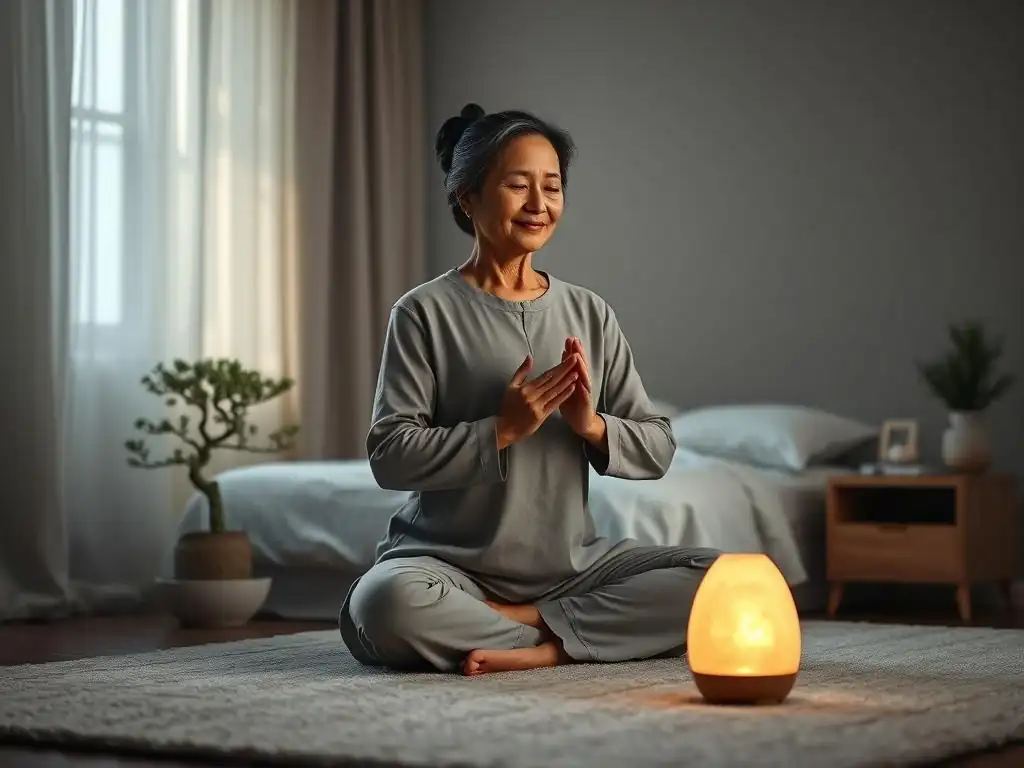
What to do When You Can't Quiet Your Mind
One of the most common challenges when practicing Qigong for sleep is a restless or racing mind. It's important to understand that the goal of Qigong meditation is not to stop thinking, but to become more aware of your thoughts without getting caught up in them. Trying too hard to force your mind to be quiet can create frustration, which is counterproductive to sleep.
When your mind is busy, gently acknowledge the thoughts without judgment. Imagine them like clouds floating by in the sky. Bring your attention back to your breath, the sensations in your body, or the slow, deliberate movements. Focus on the physical aspect of the practice as an anchor. Techniques like Abdominal Breathing or gentle Standing Meditation can be particularly helpful for grounding a busy mind. Remember that consistency is key; with regular practice, your ability to observe thoughts without being consumed by them will improve, enhancing the effectiveness of Qigong for insomnia relief.
Addressing Physical Discomfort During Practice
Sometimes, physical discomfort can arise during Qigong practice, especially if you are holding a posture for a while or if you have pre-existing physical issues. It's crucial to listen to your body and modify practices as needed. Qigong should feel gentle and nurturing, not painful.
If a movement or posture causes discomfort, explore variations that are more comfortable. For standing practices, you can lean against a wall or sit down. If a sitting posture is uncomfortable, try lying down. For specific movements, reduce the range of motion or the duration. Pain is a signal to stop or modify. Focus on relaxation and ease rather than pushing through discomfort. Modifying your Qigong techniques for sleep to suit your physical condition ensures the practice remains supportive and relaxing, rather than becoming another source of stress or distraction before bed.
Adjusting Your Routine Based on Your Individual Needs
Your needs for sleep and relaxation can vary from night to night depending on your stress levels, physical fatigue, and overall state of being. It's beneficial to be flexible with your Qigong routine rather than adhering rigidly to the same set of exercises every single night. On nights when your mind is particularly restless, you might focus more on breathing techniques and meditation. On nights when you feel physically tense, more emphasis on gentle movements might be helpful.
Pay attention to how you feel before you start your practice and select the techniques that seem most appropriate for that specific moment. Some nights, a shorter, simpler routine might be all you need, while other nights you might benefit from a more extended practice. Being responsive to your body's signals and adjusting your Qigong practice for insomnia accordingly makes the routine a more intuitive and effective part of your bedtime ritual.
Qigong and Long-Term Sleep Health
Integrating Qigong into Your Daily Life for Sustainable Sleep Improvement
While a dedicated bedtime Qigong routine is excellent for immediate sleep preparation, integrating Qigong principles and short practices throughout your day can lead to more sustainable, long-term sleep improvement. Short Qigong breaks during the workday can help manage stress accumulation. Simple abdominal breathing exercises at your desk or during a commute can prevent tension from building up. A few minutes of gentle stretching or movement can release physical stiffness.
Practicing Qigong regularly, not just when you're struggling to sleep, helps to cultivate a baseline level of calm and balanced energy. This makes you less susceptible to the stress and tension that often trigger insomnia in the first place. Consistency is key; even 5-10 minutes of Qigong practice once or twice during the day can make a significant difference in your overall stress levels and energy regulation, providing lasting support for your efforts in using Qigong for insomnia relief.
The Benefits of Regular Qigong Practice Beyond Insomnia Relief
The benefits of regular Qigong practice extend far beyond improving sleep. Consistent practice can enhance overall physical health by improving circulation, flexibility, balance, and immune function. It can significantly reduce stress and anxiety, improve mood, and increase energy levels during the day. Many practitioners report improved focus, mental clarity, and emotional resilience.
Regular Qigong cultivates a deeper connection with your body and its subtle energy, leading to increased self-awareness. This heightened awareness can help you recognize early signs of stress or imbalance before they manifest as significant problems like insomnia. By addressing the root causes of imbalance and promoting overall well-being, regular Qigong practice provides a holistic foundation for not only achieving restful sleep but also enhancing nearly every aspect of your physical and mental health. Embracing Qigong for insomnia relief can be the gateway to a more balanced and vibrant life.
Resources for Further Learning About Qigong for Sleep
For those interested in deepening their understanding and practice of Qigong for sleep, numerous resources are available. Many qualified Qigong instructors offer classes, workshops, or private sessions, providing personalized guidance and correction. Books and reputable online platforms offer instructional videos and detailed explanations of various Qigong forms and principles.
Seeking guidance from an experienced teacher is highly recommended, especially when starting, as they can help ensure you are performing the movements correctly and safely, and can offer specific insights based on your individual needs. Exploring different styles of Qigong might also be beneficial, as some forms are particularly well-suited for relaxation and sleep promotion. Engaging with these resources can empower you to develop a more profound and effective Qigong practice for insomnia relief and overall well-being.
Conclusion: Embracing Qigong for a Restful Night and a Calmer Mind
Insomnia can feel like an insurmountable challenge, disrupting not just our nights but our entire lives. However, ancient practices like Qigong offer a gentle, holistic path towards restoring restful sleep and cultivating inner calm. By understanding the principles of Qi and Yin-Yang balance, and by incorporating specific breathing techniques, gentle movements, and calming meditations, individuals can learn to quiet the racing mind, release physical tension, and prepare the body for deep, restorative sleep.
Embracing Qigong for insomnia relief is more than just adding another item to a checklist; it's about cultivating a deeper connection with yourself and fostering a state of balance that supports well-being around the clock. While consistency and patience are key, the potential rewards – peaceful nights and calmer days – make the journey well worth taking. By making Qigong a regular part of your self-care routine, you can unlock your body's innate ability to rest, restore, and thrive.
Frequently Asked Questions
How does Qigong help with insomnia?
Qigong utilizes gentle movements, controlled breathing, and focused intention to calm the nervous system and reduce stress. This can help regulate sleep cycles and promote relaxation, leading to better sleep quality.
What specific Qigong techniques are most effective for insomnia relief?
Techniques focusing on grounding and relaxation, such as Standing Meditation and Abdominal Breathing, are particularly helpful. These practices aim to reduce mental chatter and ease tension in the body.
How long does it typically take to see results from using Qigong for insomnia?
Results vary, but many people experience initial improvements within a few weeks of consistent practice. Long-term benefits require sustained effort and dedication to the practice.
Is Qigong safe for everyone, and are there any precautions to consider?
Qigong is generally safe, but individuals with pre-existing health conditions should consult a healthcare professional before starting. Listen to your body and avoid pushing yourself too hard, especially when starting out.
Where can I find resources to learn Qigong for insomnia relief?
Mind Care Guide offers articles, videos, and guided practices specifically designed for using Qigong to combat insomnia. You can also find qualified instructors in your local area for personalized guidance.
Final Reflection: Cultivating the Stillness Within for a Restful Tomorrow
The pervasive nature of insomnia in our modern, hyper-stimulated world demands a deeper approach than simply counting sheep. The techniques of Qigong, as explored in this article, offer a powerful pathway to reclaiming restful sleep and cultivating a profound sense of inner calm, a necessity for thriving in today's demanding environment. This isn't just about getting more sleep; it's about restoring balance to the body and mind, creating a foundation for greater well-being.
The gentle movements and mindful breathing of Qigong have profoundly impacted my own relationship with sleep, shifting my perspective from a frantic struggle for rest to a conscious cultivation of stillness. The body benefits from movement, and the mind benefits from stillness.
This quote, while not directly about Qigong, perfectly encapsulates the essence of its restorative power. The practice isn't just about physical exercises; it's a journey inward, a process of connecting with the body's innate wisdom and allowing the mind to quiet its incessant chatter. The ripple effect extends beyond sleep, impacting focus, creativity, and overall emotional resilience.
You, too, can embark on this journey. Begin by incorporating even a few minutes of Qigong practice into your daily routine. Experiment with the techniques outlined in this article, and notice the subtle shifts in your body and mind. Don't be discouraged by initial challenges; consistency is key. Embrace the process of self-discovery and allow the gentle wisdom of Qigong to guide you towards a deeper, more restorative sleep, and ultimately, a more peaceful and fulfilling life. The journey to a calmer, more restful you begins with a single breath.
Unlock Your Deepest Rest: Start Your Qigong Journey Today!
Thanks for taking the time to explore the world of Qigong and its power to overcome insomnia! We hope you gained valuable insights into finding calm and restoring your sleep. Now it's time to put these techniques into practice.
Here's how you can start your journey towards deeper, more restorative sleep:
- Begin with a 5-minute Qigong practice: Choose one of the exercises we highlighted and dedicate just 5 minutes to it tonight before bed. Even a small amount of practice can make a big difference.
- Share your experience: Tell us (or a friend!) about your experience with Qigong. Did you feel calmer? Did you sleep better? Sharing your progress can inspire others and solidify your commitment.
- Explore the Mind Care Guide resources: We have more articles and resources to help you deepen your practice. Explore our website and discover other helpful techniques for improved well-being.
Ready to experience the transformative power of Qigong? What small step will you take tonight to prioritize your sleep and well-being?