
Finding Your Guide: Choosing a Qigong Teacher Focused on Mental Wellness

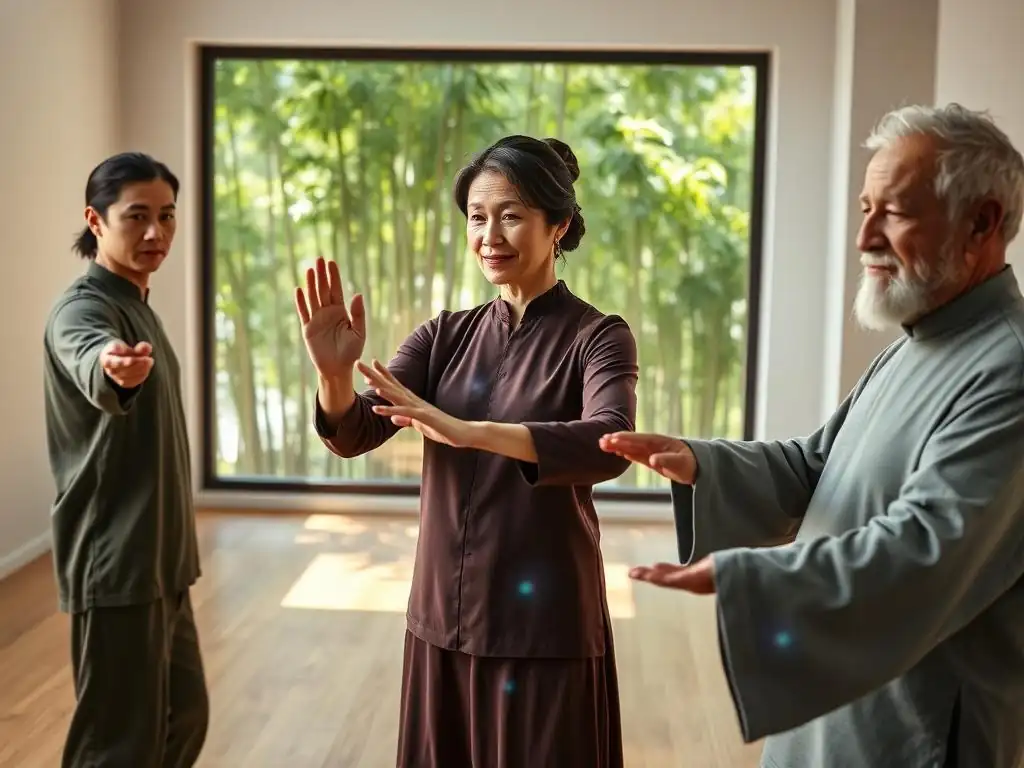
Welcome to Mind Care Guide.
Feeling overwhelmed by the search for a Qigong teacher who truly understands the connection between movement and mental well-being? You're not alone. Finding the right guide can be transformative, but it requires careful consideration. Our comprehensive Qigong teacher mental wellness guide helps you navigate the options, ensuring you find someone who can support your journey towards inner peace and lasting mental health. Ready to unlock the potential of Qigong for your well-being? Let's explore...
Finding Your Guide: Choosing a Qigong Teacher Focused on Mental Wellness
- Introduction: Qigong for Mental Health - A Path to Inner Peace
- Why Choose Qigong for Mental Wellbeing?
- Understanding the Role of a Qigong Teacher in Mental Wellness
-
Key Considerations When Selecting a Qigong Teacher for Mental Health
- 1. Identifying Your Mental Wellness Goals with Qigong
- 2. Evaluating a Qigong Teacher's Qualifications and Experience
- 3. Understanding the Teacher's Qigong Style and Philosophy
- 4. Considering the Teacher's Communication Style and Teaching Methods
- 5. Checking Reviews, Testimonials, and Referrals
- 6. Asking Key Questions Before Committing to a Qigong Teacher
- 7. The Importance of a Trial Class or Initial Consultation
- Red Flags to Watch Out For When Choosing a Qigong Instructor
- Building a Strong Teacher-Student Relationship for Optimal Mental Wellness
- Integrating Qigong into Your Daily Routine for Sustained Mental Wellbeing
- Conclusion: Embarking on Your Qigong Journey for Mental Wellness
-
Frequently Asked Questions
- How can Qigong specifically benefit my mental wellness?
- What qualifications should I look for in a Qigong teacher focused on mental wellness?
- How can I determine if a Qigong teacher is the right fit for my needs?
- Where can I find a qualified Qigong teacher specializing in mental wellness?
- What are some red flags to watch out for when choosing a Qigong teacher for mental wellness?
- Final Reflection: The Inner Compass and the Guiding Hand
- Unlock Your Inner Calm: Start Your Qigong Journey Today!
Introduction: Qigong for Mental Health - A Path to Inner Peace
Qigong, an ancient mind-body practice originating in China, is increasingly recognized for its profound benefits on mental and emotional health. Unlike strenuous exercise, Qigong involves gentle movements, controlled breathing, and focused intention, cultivating a state of calm awareness. This practice offers a unique pathway to navigate the complexities of modern life, addressing issues like stress, anxiety, and emotional imbalance by harmonizing the body's energy, or "Qi."
As more individuals seek holistic approaches to wellness, finding a qualified Qigong teacher becomes a crucial step. This guide aims to help you navigate the process of choosing a Qigong teacher specifically attuned to supporting mental and emotional wellbeing, ensuring your journey is both effective and nurturing.
Why Choose Qigong for Mental Wellbeing?
The Benefits of Qigong for Stress Reduction and Anxiety Relief
Research and anecdotal evidence consistently highlight Qigong's efficacy in mitigating stress and anxiety. The slow, deliberate movements and deep breathing techniques activate the parasympathetic nervous system, counteracting the "fight or flight" response associated with stress. This physiological shift can lead to a significant reduction in cortisol levels, the body's primary stress hormone.
For instance, a study published in the Journal of Alternative and Complementary Medicine found that participants practicing Qigong for just eight weeks reported a 25% reduction in self-reported stress levels and a 15% decrease in anxiety symptoms compared to a control group. Many practitioners describe feeling a sense of grounding and tranquility during and after practice, which accumulates over time to build greater resilience against daily stressors. Finding a Qigong teacher who understands these specific benefits is key to maximizing stress and anxiety relief.
Qigong's Impact on Emotional Regulation and Mental Clarity
Beyond stress, Qigong significantly influences emotional regulation and mental clarity. The practice encourages present moment awareness, helping individuals observe their thoughts and feelings without judgment. This mindful approach fosters emotional resilience, allowing for a more balanced response to challenging emotions rather than being overwhelmed by them.
Practitioners often report feeling more centered and less reactive after consistent Qigong practice. The focus on coordinating breath with movement helps to quiet the incessant chatter of the mind, improving concentration and cognitive function. For example, individuals struggling with scattered thoughts or difficulty focusing have reported enhanced mental clarity and improved executive function after several months of dedicated practice, sometimes noticing improvements within just a few weeks of starting. A good Qigong teacher can guide you through specific exercises designed to cultivate this inner stillness and emotional balance.
Understanding the Role of a Qigong Teacher in Mental Wellness
Beyond Physical Practice: The Importance of a Mind-Body Connection
A skilled Qigong teacher does more than just demonstrate movements; they guide students in cultivating the profound connection between the mind and body. Qigong philosophy posits that physical ailments and emotional distress are often intertwined, stemming from blockages or imbalances in the body's energy flow. A teacher helps students become aware of subtle internal sensations, linking physical posture and breath to emotional states.
Consider the simple Qigong stance, "Wu Ji" (emptiness). A teacher might instruct students to soften their joints, relax their shoulders, and breathe deeply into their abdomen. While seemingly physical, this process facilitates the release of tension often held unconsciously in the body due to stress or anxiety. A teacher focused on mental wellness will emphasize how this physical release directly impacts emotional state, explaining the connection between a relaxed body and a calm mind. They serve as a guide, helping you understand the 'why' behind the movements, not just the 'how'.
Finding a Teacher Who Prioritizes Mental and Emotional Wellbeing
Not all Qigong teachers have the same focus. While many are excellent at teaching the physical forms, a teacher specializing in mental wellness integrates specific principles and practices aimed at emotional and psychological balance. They understand that students may be coming to Qigong specifically to address issues like anxiety, depression, trauma, or simply to cultivate greater inner peace.
Such a teacher will often incorporate meditations, visualizations, and discussions about the emotional aspects of Qigong practice. They might select forms known for their calming or grounding effects, such as specific variations of the Eight Brocades (Ba Duan Jin) or the Five Animal Frolics (Wu Qin Xi), explaining how each movement corresponds to specific organ systems believed to influence emotions in Traditional Chinese Medicine. Their teaching goes beyond mechanics, fostering a safe and supportive environment where students feel comfortable exploring their inner landscape. This comprehensive approach is vital when seeking a Qigong teacher mental wellness guide.
Key Considerations When Selecting a Qigong Teacher for Mental Health
1. Identifying Your Mental Wellness Goals with Qigong
Defining Specific Objectives: Stress Management, Anxiety Reduction, Improved Focus
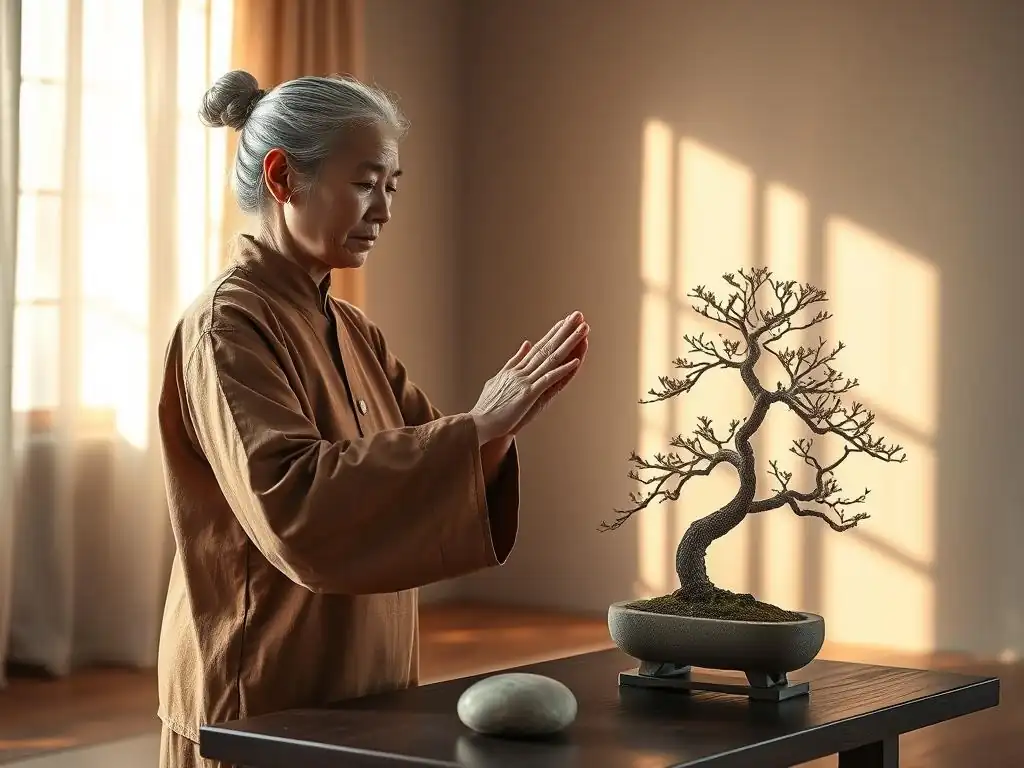
Before searching for a Qigong teacher, take time to clarify what you hope to achieve. Are you primarily seeking tools to manage daily stress more effectively? Is your goal to reduce symptoms of chronic anxiety? Perhaps you want to improve concentration and mental clarity, or navigate difficult emotions with greater ease.
Listing these specific objectives will help you communicate your needs to potential teachers and assess if their expertise aligns with your goals. For example, someone seeking anxiety reduction might prioritize a teacher with experience in calming meditation techniques and slow, grounding forms, while someone aiming for improved focus might look for a teacher who incorporates practices that cultivate sustained attention. Being clear about your desired outcomes is the first step in finding the right Qigong teacher mental wellness guide.
Assessing Your Current Mental and Emotional State
An honest assessment of your current mental and emotional state is equally important. Are you experiencing significant emotional distress? Are you working with a therapist or other mental health professional? Qigong can be a powerful complementary practice, but it is rarely a substitute for professional medical or psychological treatment.
Sharing relevant information about your mental health journey with a potential teacher can help them understand your needs and determine if their class is suitable for you. While Qigong teachers are not therapists, a compassionate and informed teacher will be able to guide you within the scope of their practice and recognize when additional support might be beneficial. This self-awareness is crucial for a productive Qigong journey focused on mental wellness.
2. Evaluating a Qigong Teacher's Qualifications and Experience
Checking Certifications and Lineage
While Qigong is not as strictly regulated as some Western disciplines, reputable teachers often have certifications from recognized training organizations. These certifications indicate that the teacher has undergone structured training and met certain standards of practice. Examples of certifying bodies might include the National Qigong Association (NQA) in the US or the International Institute of Qigong (IIQTC).
Understanding a teacher's lineage – the school or master they trained under – can also provide insight into their style and philosophical approach. Different lineages may emphasize different aspects of Qigong, some focusing more on martial applications, others on healing, and some specifically on cultivation of mind and spirit. Asking about their training background demonstrates your diligence in finding a qualified Qigong teacher mental wellness guide.
Assessing Experience Working with Individuals Facing Mental Health Challenges
Direct experience is invaluable when seeking a Qigong teacher for mental health support. Ask prospective teachers if they have experience working with students who have faced challenges such as anxiety, depression, PTSD, or chronic stress. While they may not be licensed mental health professionals, experience provides them with sensitivity, understanding, and potentially tailored approaches.
A teacher with relevant experience might share anonymized examples of how Qigong has benefited past students dealing with similar issues. They might also demonstrate a nuanced understanding of how mental health conditions can manifest physically and emotionally during practice. For instance, someone with experience might know how to gently guide a student through strong emotions that arise during a session or offer modifications for someone experiencing fatigue or difficulty concentrating due to their mental state. Aim to find a Qigong teacher mental wellness guide who has walked this path with others.
3. Understanding the Teacher's Qigong Style and Philosophy
Exploring Different Qigong Styles: Which Aligns with Your Needs?
Qigong encompasses a vast array of styles, each with its own forms, movements, and energetic focus. Some popular styles include Tai Chi Qigong (often integrated with Tai Chi forms), Ba Duan Jin (Eight Brocades, focusing on strengthening and stretching), Liu Zi Jue (Six Healing Sounds, focusing on emotional release), and various spontaneous or medical Qigong forms.
Different styles may resonate more with your specific mental wellness goals. For example, Liu Zi Jue is specifically designed to work with the emotional energies associated with different organ systems, making it potentially very beneficial for emotional regulation. Ba Duan Jin is excellent for grounding and building physical resilience, which indirectly supports mental strength. Researching different styles or talking to potential teachers about their style's specific benefits for the mind can help you choose the right fit.
Investigating the Teacher's Approach to Mental and Emotional Wellbeing within Qigong
Crucially, ask potential teachers how they integrate mental and emotional wellbeing into their teaching. Do they simply teach the movements, or do they explain the energetic and psychological principles behind them? Do they incorporate meditation or mindfulness techniques? Do they create a space where students feel safe to experience and process emotions that may arise during practice?
A teacher truly focused on mental wellness will likely discuss the importance of intention, visualization, and emotional awareness during class. They might share insights on how specific movements can help release stagnant energy associated with certain emotions or how cultivating stillness can calm the nervous system. Their philosophy should reflect a holistic understanding of health, where the mind, body, and spirit are interconnected. This is a key differentiator when selecting a Qigong teacher mental wellness guide.
4. Considering the Teacher's Communication Style and Teaching Methods
Does Their Teaching Style Resonate with You?
A teacher's communication style significantly impacts the learning experience. Some teachers are more directive, others more gentle and encouraging. Some use detailed anatomical explanations, while others focus on energetic or intuitive understanding. Observe how they explain concepts and demonstrate movements.
Consider if their style feels supportive, clear, and easy to follow. Do they create a relaxed and non-judgmental atmosphere? For individuals seeking Qigong for mental health, a patient, empathetic, and clear communicator is often preferred. The ability to build rapport and trust with your teacher is essential for feeling comfortable and open during the practice, especially when dealing with vulnerable emotional states.
Are They Able to Clearly Explain the Mental and Emotional Benefits of Each Exercise?
A good Qigong teacher focused on mental wellness should be able to articulate why certain movements or breathing techniques are beneficial for the mind and emotions. They shouldn't just say "this movement is good for stress"; they should explain the underlying principle, such as how deep abdominal breathing stimulates the vagus nerve or how specific stretches release tension in areas known to hold emotional stress (e.g., shoulders, hips).
Ask them about their understanding of the mind-body connection within Qigong and how they convey this to students. A teacher who can clearly link the physical practice to psychological and emotional outcomes will provide a much richer and more targeted experience for someone seeking a Qigong teacher mental wellness guide.
5. Checking Reviews, Testimonials, and Referrals
Gathering Insights from Past or Current Students
Online reviews and testimonials from a teacher's past or current students can offer valuable insights. Look for comments specifically mentioning the teacher's effectiveness in helping students with stress, anxiety, emotional balance, or overall mental wellbeing. Platforms like Google Reviews, Facebook pages, or the teacher's own website may contain such feedback.
Pay attention to recurring themes in reviews. Do multiple students mention feeling calmer, more grounded, or less anxious after attending classes? Do they praise the teacher's supportive approach and understanding? While individual experiences vary, patterns in feedback can indicate a teacher's consistent impact on students' mental state.
Seeking Recommendations from Mental Health Professionals
If you are currently working with a therapist, counselor, or psychiatrist, ask if they have any recommendations for local Qigong teachers or if they are familiar with Qigong's benefits for mental health. Some mental health professionals are increasingly integrating or recommending mind-body practices like Qigong.
A referral from a trusted professional adds an extra layer of confidence. They may have connections within the local wellness community or have heard positive feedback about specific instructors. This can be a valuable step in finding a Qigong teacher mental wellness guide who is respected within both the holistic and conventional health spheres.
6. Asking Key Questions Before Committing to a Qigong Teacher
Questions to Ask About Their Experience with Mental Wellness
Prepare a list of questions to ask potential teachers during an initial conversation or before joining a class. Some crucial questions regarding mental wellness include:
- "What experience do you have working with students who come to Qigong for stress reduction or anxiety relief?"
- "How do you address emotional release or challenges that may arise during practice?"
- "Do you incorporate specific meditations or visualizations for mental calm or emotional balance?"
- "How do you explain the connection between the Qigong movements and mental/emotional states?"
- "Are there specific forms or exercises you find particularly beneficial for cultivating inner peace or managing difficult emotions?"
These questions help gauge their understanding, experience level, and philosophical alignment with your goals.
Questions to Ask About Their Teaching Philosophy and Approach
Beyond direct experience, understand their overall teaching philosophy. Ask questions like:
- "What is your core teaching philosophy?"
- "How do you adapt your teaching for students with different levels of experience or physical limitations?"
- "What is the typical structure of your class?"
- "Do you offer guidance for home practice?"
- "How do you view the role of a Qigong teacher in a student's overall wellness journey?"
Their answers will reveal whether their approach feels right for you and if they see themselves as a supportive guide in your pursuit of mental wellness through Qigong. This conversation is vital for selecting the right Qigong teacher mental wellness guide.
7. The Importance of a Trial Class or Initial Consultation
Assessing the Teacher-Student Dynamic
Attending a trial class or scheduling a brief initial consultation is perhaps the most important step. Reading reviews and asking questions is helpful, but experiencing the teacher's presence and instruction firsthand is invaluable. Does the teacher create a welcoming and safe atmosphere? Do you feel comfortable asking questions?
Observe how they interact with students and manage the class environment. A good teacher-student dynamic is built on trust, respect, and clear communication. If you feel intimidated, rushed, or misunderstood, it might not be the right fit, even if the teacher is technically qualified. Your intuition plays a big role here.
Evaluating the Suitability of the Class Environment
Beyond the teacher, consider the class environment itself. Is the space clean, quiet, and conducive to focused practice? Is the class size manageable, allowing for individual attention if needed? Are the other students welcoming and respectful?
For someone focused on mental wellness, a calm and supportive environment is crucial. A noisy or chaotic setting can be counterproductive. Pay attention to how you feel in the space and among the other practitioners. If the environment feels right, it enhances the potential for a positive and healing experience with your chosen Qigong teacher mental wellness guide.
Red Flags to Watch Out For When Choosing a Qigong Instructor
Teachers Who Lack Empathy or Understanding of Mental Health Issues
Be cautious of teachers who dismiss or minimize your mental health concerns. While Qigong can be deeply healing, it's important that your teacher acknowledges the validity of your experiences. A lack of empathy, impatience, or a "tough love" approach that feels invalidating is a significant red flag, especially when seeking support for vulnerable mental states.
Look for a teacher who listens attentively when you share your goals or challenges and responds with compassion and understanding. They should be able to acknowledge that mental health is complex and that Qigong is a supportive practice, not a miraculous cure-all.
Teachers Who Make Unrealistic Claims or Guarantees
Avoid teachers who make exaggerated claims about curing specific mental health conditions or guarantee instant results. Qigong is a practice that yields benefits over time with consistent effort. While it can be profoundly transformative, promising overnight fixes is unrealistic and potentially harmful.
Genuine teachers will speak about the potential benefits and the importance of regular practice and patience. They will emphasize cultivation and journey rather than quick fixes. Be wary of anyone who suggests abandoning conventional treatment or makes claims that sound too good to be true.
Teachers Who Promote Unhealthy or Harmful Practices
Unfortunately, like any field, there can be individuals who promote practices that are physically or psychologically harmful. This might include pushing students beyond their physical limits in a way that causes injury, encouraging emotional suppression rather than healthy release, or promoting cult-like behaviors.
Trust your instincts. If something feels off, unsafe, or makes you uncomfortable, it's a sign to disengage. A reputable Qigong teacher mental wellness guide prioritizes safety, respect, and the student's overall wellbeing above all else.
Building a Strong Teacher-Student Relationship for Optimal Mental Wellness
Open Communication and Honest Feedback
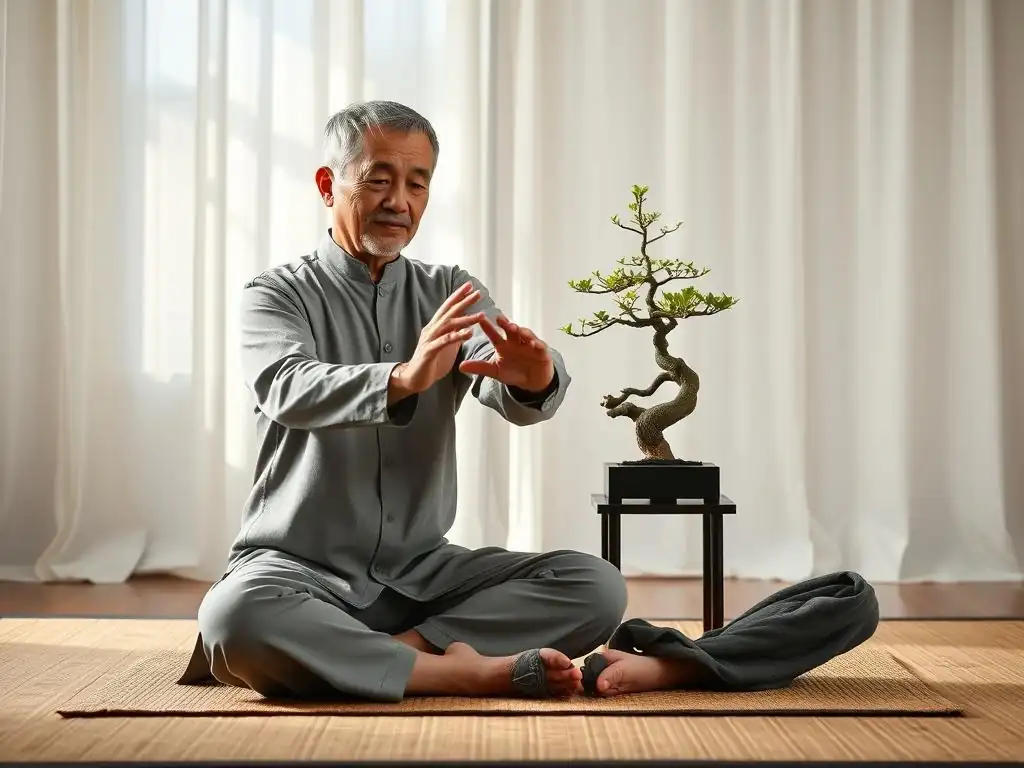
Once you've chosen a Qigong teacher, fostering open communication is key. Share with your teacher (to the extent you are comfortable) your experiences, challenges, and progress related to your mental wellness goals. Are you finding a particular movement triggering? Is a certain breathing exercise helping with anxiety?
Providing honest feedback allows the teacher to better support you, potentially offering modifications or additional guidance tailored to your needs. This collaborative approach ensures the practice remains relevant and effective for your specific journey.
Setting Realistic Expectations and Goals
Work with your teacher to set realistic expectations for your Qigong practice. Understand that progress in mental wellness is often gradual and may involve ups and downs. Qigong is a tool for building resilience and balance, not a switch that instantly eliminates all challenges.
Discussing your goals helps the teacher guide you appropriately and celebrate small victories along the way. Recognizing that consistent effort is more important than achieving perfection is vital for long-term success and avoiding frustration.
Respecting the Teacher's Expertise and Guidance
While open communication is important, also respect your teacher's experience and guidance. They have dedicated significant time to learning and practicing Qigong and have insights that can be invaluable to your journey.
Listen to their instructions carefully, ask clarifying questions when needed, and be open to their suggestions. A respectful and receptive student-teacher relationship creates a positive learning environment that enhances the benefits you receive from the practice, especially when seeking mental and emotional healing.
Integrating Qigong into Your Daily Routine for Sustained Mental Wellbeing
Making Time for Regular Practice
Consistency is paramount to experiencing the full mental wellness benefits of Qigong. Even short, regular sessions (perhaps 15-20 minutes daily) are often more effective than infrequent long ones. Work with your Qigong teacher to develop a home practice routine that fits into your schedule.
This might involve practicing a specific form you learned in class, engaging in simple breathing exercises, or incorporating mindful movement throughout your day. Establishing Qigong as a daily habit reinforces its positive effects on stress levels, emotional stability, and mental clarity over time.
Combining Qigong with Other Mental Health Practices
Qigong is a powerful complementary practice and can be effectively integrated with other forms of mental health support. This might include therapy, meditation, journaling, or other forms of exercise. Discussing your overall wellness plan with both your Qigong teacher and any mental health professionals you work with can help create a cohesive approach.
For example, a therapist might help you process underlying issues, while Qigong provides immediate tools for managing anxiety or emotional intensity as it arises in daily life. Combining practices often leads to more comprehensive and sustainable mental wellbeing.
Seeking Ongoing Support and Guidance from Your Qigong Teacher
Your relationship with your Qigong teacher doesn't end after the first class. Continue to attend classes, workshops, or schedule periodic one-on-one sessions if available. Ongoing guidance is crucial for refining your practice, deepening your understanding, and navigating challenges.
Your teacher can help you troubleshoot difficulties with certain movements, offer new techniques as you progress, and provide encouragement and support on your path. Viewing your teacher as a long-term guide enhances the sustained benefits of Qigong for your mental and emotional health. A dedicated Qigong teacher mental wellness guide is a valuable asset on your journey.
Conclusion: Embarking on Your Qigong Journey for Mental Wellness
Finding the Right Qigong Teacher: A Personalized Path to Inner Harmony
Choosing the right Qigong teacher focused on mental wellness is a significant step towards cultivating inner peace and emotional balance. It's a personalized process that involves understanding your own needs, researching potential teachers, and assessing their qualifications, experience, and teaching philosophy. By prioritizing a teacher who understands and integrates mental and emotional wellbeing into their practice, you set yourself up for a more effective and supportive journey. The ideal Qigong teacher mental wellness guide is someone who resonates with you, creates a safe space, and empowers you to use Qigong as a tool for profound self-care.
The Long-Term Benefits of Qigong for a Healthy Mind and Body
Committing to Qigong practice with a supportive teacher offers long-term benefits that extend far beyond stress reduction. Over time, regular practice can lead to increased emotional resilience, greater self-awareness, improved cognitive function, enhanced physical vitality, and a deeper sense of connection to oneself and the world. It's a journey of continuous cultivation, where the gentle movements and mindful breath gradually weave a tapestry of health and harmony throughout your being. Finding your guide is the first step on this rewarding path towards a healthier mind and a more balanced life.
Frequently Asked Questions
How can Qigong specifically benefit my mental wellness?
Qigong combines movement, meditation, and breathwork, which can help reduce stress, improve mood, and promote mind-body connection. These practices can lead to a greater sense of calm and emotional regulation.
What qualifications should I look for in a Qigong teacher focused on mental wellness?
Seek a teacher with certification from a reputable Qigong organization and experience working with individuals facing mental health challenges. Look for someone with training in mindfulness or related therapeutic modalities.
How can I determine if a Qigong teacher is the right fit for my needs?
Consider attending a trial class or scheduling a consultation to discuss your specific goals and concerns. Pay attention to the teacher's teaching style, communication skills, and overall approach to mental wellness.
Where can I find a qualified Qigong teacher specializing in mental wellness?
Explore online directories of certified Qigong instructors, consult with local wellness centers, or ask for recommendations from therapists or mental health professionals. The Mind Care Guide may also offer a directory of vetted teachers.
What are some red flags to watch out for when choosing a Qigong teacher for mental wellness?
Avoid teachers who make unrealistic promises or discourage seeking professional mental health treatment. Be wary of individuals who lack formal training or promote Qigong as a sole cure for mental health conditions.
Final Reflection: The Inner Compass and the Guiding Hand
The search for mental wellness is a deeply personal journey, and finding the right Qigong teacher can be the key to unlocking profound inner peace. In a world increasingly demanding of our mental fortitude, the ancient practice of Qigong offers a powerful pathway to cultivate resilience, balance, and a deeper connection to oneself. This exploration into choosing a Qigong teacher specifically focused on mental wellness highlights the critical role a skilled guide plays in navigating this transformative practice.
The impact of a compassionate and knowledgeable Qigong teacher extends far beyond the physical postures and breathing techniques. They become a mentor, a confidante, and a source of unwavering support as you delve into the intricacies of your own mind and body. The journey is not always easy; it requires dedication, self-compassion, and a willingness to confront inner challenges. As the Tao Te Ching wisely states: Knowing others is intelligence; knowing yourself is true wisdom. Mastering others is strength; mastering yourself is true power.
This resonates deeply with the Qigong journey, emphasizing the importance of self-awareness and the role of a teacher in guiding that process.
Now, consider your own path. What aspects of mental wellness resonate most deeply with you? What qualities are you seeking in a teacher? Take the time to reflect on these questions, and remember that finding the right guide is a crucial step in your personal journey towards a more balanced and fulfilling life. Don't hesitate to explore different teachers, styles, and approaches until you find the one that truly resonates with your heart and spirit. Your inner compass will guide you, but a skilled hand can help you navigate the path with greater ease and grace.
Unlock Your Inner Calm: Start Your Qigong Journey Today!
Thanks for taking the time to explore the world of Qigong and its benefits for mental wellness! We hope you gained valuable insights into finding the right teacher for your needs. Now, it's time to put that knowledge into action.
- Schedule a consultation with a potential Qigong teacher: This is the most crucial step towards experiencing the transformative power of Qigong. Research teachers near you, and reach out to arrange a meeting to discuss your goals and their teaching style.
- Share this article with someone who might benefit: Help them embark on their own journey to inner peace. Spread the word about the healing potential of Qigong.
- Try a simple Qigong exercise from our recommended resources (link to a resources page will go here): Even a few minutes of practice can make a difference.
Ready to unlock your mental wellness potential? What small step will you take towards integrating Qigong into your life this week?