
Ketogenic Diet for Mental Health: What Emerging Research Reveals


Welcome to Mind Care Guide.
Are you seeking a path to improved mental well-being through innovative approaches? We understand that navigating mental health challenges can feel overwhelming. That's why we're here to offer guidance and support. In this article, we delve into the intriguing connection between diet and mental health, specifically exploring the ketogenic diet's potential mental health benefits. Could this dietary approach be a missing piece in your journey to a healthier mind? Read on to uncover what emerging research reveals and discover if this could be right for you...
Ketogenic Diet for Mental Health: What Emerging Research Reveals - Mind Care Guide
- Introduction: Exploring the Ketogenic Diet for Mental Well-being
- Understanding the Ketogenic Diet and Ketosis
- Ketogenic Diet Mental Health Benefits: Emerging Research and Evidence
- Potential Mechanisms Behind Ketogenic Diet's Impact on Mental Health
- Implementing a Ketogenic Diet for Mental Health: A Practical Guide
- Potential Risks and Considerations of the Ketogenic Diet for Mental Health
- Case Studies: Ketogenic Diet and Mental Well-being
- Combining Ketogenic Diet with Other Mental Health Therapies
- Future Directions in Ketogenic Diet and Mental Health Research
- Conclusion: The Potential of Ketogenic Diet for Mental Health
-
Frequently Asked Questions
- What exactly is the ketogenic diet, and how does it relate to mental health?
- What are some of the specific mental health conditions that the ketogenic diet is being explored for?
- How might the ketogenic diet impact the brain to potentially improve mental well-being?
- Are there any risks or side effects associated with using the ketogenic diet for mental health purposes?
- Where can I find more reliable information and support on the ketogenic diet and mental health, according to Mind Care Guide?
- Final Reflection: Unlocking the Mind's Potential Through Keto
- Unlock Your Brain's Potential: Take the Next Step
Introduction: Exploring the Ketogenic Diet for Mental Well-being
The Growing Interest in Nutritional Psychiatry and Mental Health
Nutritional psychiatry is an increasingly recognized field exploring the profound connection between diet and mental health. For decades, the focus was primarily on pharmacological interventions and psychotherapy, but emerging evidence highlights how the food we eat can significantly impact our brain function and emotional state. Researchers are uncovering complex pathways involving inflammation, gut microbiota, and neurotransmitter synthesis that link dietary patterns to conditions like depression, anxiety, and cognitive decline. This growing body of knowledge suggests that nutritional interventions, including specific dietary approaches like the ketogenic diet, could play a complementary or even therapeutic role in mental health care.
The shift towards nutritional psychiatry is driven by compelling research demonstrating that poor dietary habits, characterized by high intake of processed foods, sugar, and unhealthy fats, are associated with an increased risk of mental health disorders. Conversely, diets rich in whole foods, fruits, vegetables, lean proteins, and healthy fats appear to offer protective effects.
This paradigm shift encourages a more holistic view of mental wellness, acknowledging that what we consume is not just fuel for the body, but potent modulators of brain chemistry and mental resilience. The exploration of specific diets, such as the ketogenic diet, within this field represents an exciting frontier in understanding and improving mental well-being.
Mind Care Guide's Perspective on Holistic Mental Health
At Mind Care Guide, we advocate for a comprehensive and integrated approach to mental wellness that extends beyond traditional clinical treatments. We believe that true mental health is nurtured through a combination of evidence-based therapies, supportive social connections, lifestyle choices, and significantly, nutrition. Our perspective is rooted in the understanding that the mind and body are inextricably linked, and optimizing physical health, including dietary habits, is a crucial component of achieving and maintaining psychological well-being.
We view the exploration of dietary interventions like the ketogenic diet not as a standalone cure, but as a potential tool within a broader holistic strategy. Our aim is to provide accessible, informative, and empathetic guidance based on the latest emerging research. We recognize that every individual's journey to mental health is unique, and while the potential ketogenic diet mental health benefits are promising, they must be considered alongside individual needs, professional medical advice, and other therapeutic modalities. Our commitment is to empowering our readers with knowledge to make informed decisions about their health journey.
Understanding the Ketogenic Diet and Ketosis
What is the Ketogenic Diet? A Beginner's Guide
The ketogenic diet, often referred to simply as "keto," is a very low-carbohydrate, high-fat diet that shifts the body's metabolic state. Unlike typical dietary patterns where glucose from carbohydrates is the primary fuel source, the ketogenic diet drastically restricts carbohydrate intake, usually to below 50 grams per day, and sometimes as low as 20-30 grams. This forces the body to seek an alternative fuel source, primarily fats. The diet emphasizes healthy fats like avocados, nuts, seeds, olive oil, and fatty fish, moderate protein, and very limited carbohydrates found in grains, sugars, and most fruits.
This dietary shift is designed to induce a metabolic state called ketosis. Historically, the ketogenic diet has been used clinically for nearly a century, most notably as an effective treatment for drug-resistant epilepsy in children, demonstrating its significant impact on brain activity. While it has gained popularity more recently for weight loss, its therapeutic applications, particularly in neurological and mental health contexts, are gaining renewed attention from researchers. Understanding the strict macronutrient ratios required is key to successfully entering and maintaining ketosis.
How Ketosis Works: Fueling Your Brain with Ketones
When carbohydrate intake is severely restricted, the body begins to break down fats for energy. In the liver, fats are converted into molecules called ketones, specifically beta-hydroxybutyrate (BHB), acetoacetate, and acetone. These ketones are then released into the bloodstream and can be used by various tissues, including the brain, as an alternative fuel source to glucose. The brain, which is a highly energy-demanding organ, can efficiently utilize ketones, especially BHB, for up to 70% of its energy needs when glucose is scarce.
This metabolic shift into ketosis is not immediate and typically takes several days to a week of strict carbohydrate restriction. As ketone levels in the blood rise, the body adapts to burning fat for fuel. This process not only provides an alternative energy substrate for the brain but also triggers a cascade of physiological changes that are being investigated for their potential therapeutic effects. The sustained presence of ketones in the bloodstream is the defining characteristic of nutritional ketosis.
Key Components of a Ketogenic Diet: Macronutrient Ratios
Achieving and maintaining ketosis requires adherence to specific macronutrient ratios, which can vary slightly depending on individual needs and goals, but generally follow a pattern distinct from standard diets. A typical ketogenic diet comprises approximately 70-80% of daily calories from fat, 15-20% from protein, and only 5-10% from carbohydrates. For someone consuming 2000 calories per day, this translates to roughly 155-178 grams of fat, 75-100 grams of protein, and only 25-50 grams of carbohydrates.
Maintaining these ratios is crucial because consuming too much protein can trigger gluconeogenesis (the conversion of protein to glucose), which can prevent or disrupt ketosis. Similarly, exceeding the carbohydrate limit will quickly shift the body back to using glucose for fuel. Foods emphasized include non-starchy vegetables (leafy greens, broccoli, cauliflower), healthy fats (olive oil, coconut oil, avocados, butter, nuts, seeds), moderate amounts of protein (meat, fish, eggs, cheese), and excluding high-carb items like bread, pasta, rice, sugar-sweetened beverages, and most fruits.
Ketogenic Diet Mental Health Benefits: Emerging Research and Evidence
Ketogenic Diet and Mood Disorders: Investigating the Link
Emerging research suggests a potential link between the ketogenic diet and improvements in mood disorders, although large-scale, controlled studies are still needed. Preliminary findings from animal models and small human studies indicate that the metabolic changes induced by ketosis may influence brain pathways involved in mood regulation. For instance, some studies have observed reductions in depressive-like behaviors in rodents following a ketogenic diet intervention.
While direct evidence in humans is limited, anecdotal reports and pilot studies have described individuals experiencing improvements in mood stability and reductions in symptoms associated with conditions like bipolar disorder. The proposed mechanisms for these potential ketogenic diet mental health benefits include enhanced mitochondrial function, reduced inflammation, and altered neurotransmitter levels, all of which are implicated in the pathophysiology of mood disorders. Researchers are actively exploring these connections to understand the extent and nature of this potential therapeutic effect.
Ketogenic Diet for Anxiety: Can it Help Reduce Symptoms?
The potential role of the ketogenic diet in managing anxiety symptoms is another area of active investigation within nutritional psychiatry. Anxiety disorders are often characterized by heightened neuronal excitability and imbalances in neurotransmitter systems. The ketogenic diet, particularly through the action of ketones like BHB, is thought to have calming effects on the brain. BHB has been shown to interact with GABA receptors, the primary inhibitory neurotransmitter system in the brain, potentially leading to reduced neuronal firing and a calming effect.
Furthermore, the ketogenic diet's ability to reduce neuroinflammation and improve mitochondrial function may also contribute to anxiety relief. Chronic inflammation and impaired energy metabolism are increasingly linked to anxiety. While robust clinical trials specifically on the ketogenic diet for anxiety are still relatively scarce, the theoretical basis and preliminary observations are promising. Individuals exploring ketogenic diet mental health benefits for anxiety should do so under professional guidance, as dietary changes can also initially induce stress.
Ketogenic Diet and Cognitive Function: Focus, Memory, and Clarity
Beyond mood and anxiety, the ketogenic diet's impact on cognitive function is a significant area of interest, particularly regarding focus, memory, and mental clarity. The brain readily uses ketones for fuel, and some individuals report experiencing enhanced cognitive performance, reduced "brain fog," and improved concentration once they are fully adapted to ketosis. This subjective experience is supported by research exploring the neuroprotective and energy-boosting effects of ketones.
Studies have shown that ketones can provide a more stable and efficient energy source for neurons compared to glucose spikes and dips. Additionally, the reduction in neuroinflammation and oxidative stress associated with ketosis may protect brain cells and support optimal cognitive processing. While much of the cognitive research has focused on neurodegenerative diseases like Alzheimer's, where cognitive decline is a major symptom, the findings suggest potential benefits for general cognitive enhancement and clarity, contributing to the growing interest in ketogenic diet mental health benefits.
Ketogenic Diet for Depression: Promising Initial Studies
Research into the ketogenic diet as a potential intervention for depression is gaining traction, building on the observed links between metabolism, inflammation, and mood. Depression is a complex disorder often associated with energy dysregulation in the brain, mitochondrial dysfunction, and chronic low-grade inflammation. The metabolic shifts induced by the ketogenic diet directly address these pathways. Ketones provide an alternative, potentially more efficient, energy source for brain cells, and the diet is known to have anti-inflammatory properties.
Pilot studies and case series have reported improvements in depressive symptoms in some individuals following a ketogenic diet. For example, a small study involving participants with bipolar disorder found that adherence to a ketogenic diet was associated with significant improvements in both depressive and manic symptoms. While these findings are preliminary and require confirmation through larger, randomized controlled trials, they highlight the potential of dietary interventions like keto to influence the underlying biological mechanisms implicated in depression, offering a novel perspective on potential ketogenic diet mental health benefits.
Potential Mechanisms Behind Ketogenic Diet's Impact on Mental Health
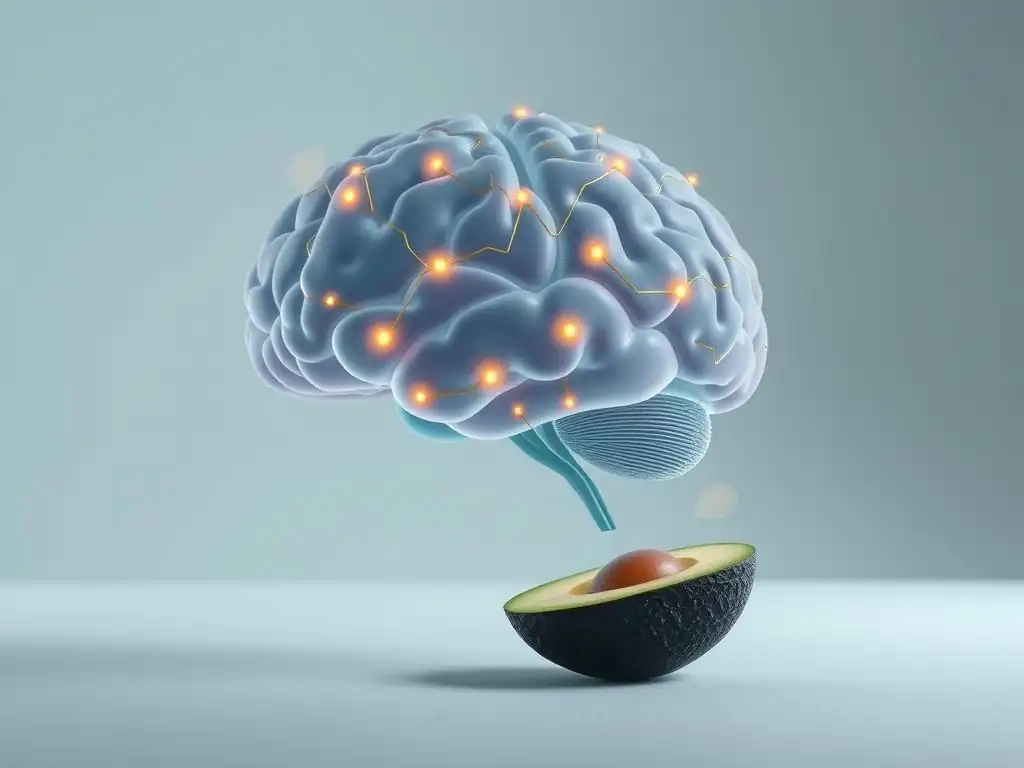
The Role of Ketones in Brain Health
Ketones, particularly beta-hydroxybutyrate (BHB), are not merely alternative fuel molecules; they also act as signaling molecules that can influence gene expression and cellular function in the brain. BHB can inhibit histone deacetylases (HDACs), enzymes involved in regulating gene expression. This inhibition can lead to increased production of brain-derived neurotrophic factor (BDNF), a protein crucial for neuronal growth, survival, and plasticity. Higher levels of BDNF are associated with improved mood and cognitive function and are often deficient in individuals with depression and other mental health conditions.
Furthermore, ketones can enhance mitochondrial function and biogenesis, essentially making the brain's energy factories more efficient and numerous. This improved energy production is vital for the highly demanding processes of neuronal communication and function. The multifaceted role of ketones as both an energy source and signaling molecule underscores their potential to exert significant positive effects on brain health and contribute to the observed ketogenic diet mental health benefits.
Ketogenic Diet and Neuroinflammation: Reducing Inflammation in the Brain
Neuroinflammation, or inflammation within the brain, is increasingly recognized as a key contributor to various mental health disorders, including depression, anxiety, and neurodegenerative conditions. The standard Western diet, high in refined sugars and unhealthy fats, is known to promote systemic inflammation, which can cross the blood-brain barrier and trigger neuroinflammatory processes. The ketogenic diet, in contrast, appears to have potent anti-inflammatory effects.
One mechanism involves the inhibition of the NLRP3 inflammasome, a key component of the innate immune system that triggers inflammatory responses. BHB, a primary ketone body, has been shown to directly inhibit the NLRP3 inflammasome, thereby reducing the release of pro-inflammatory cytokines in the brain. By dampening neuroinflammation, the ketogenic diet may help to protect neurons, improve synaptic function, and alleviate symptoms associated with inflammatory-driven mental health conditions, offering a significant pathway for ketogenic diet mental health benefits.
Gut-Brain Axis and Ketogenic Diet: Improving Gut Health for Mental Well-being
The gut-brain axis, a bidirectional communication pathway between the gut microbiota and the central nervous system, plays a critical role in mental health. Imbalances in gut bacteria (dysbiosis) can contribute to inflammation, alter neurotransmitter production, and impact mood and behavior. The ketogenic diet can significantly alter the composition and function of the gut microbiota. While research in this area is still evolving, initial findings suggest that the shift to a high-fat, low-carbohydrate diet can increase the diversity of certain beneficial bacterial species.
For example, some studies indicate that a ketogenic diet can increase the abundance of bacteria that produce short-chain fatty acids (SCFAs) like butyrate. Butyrate is a primary energy source for colon cells and has anti-inflammatory properties, as well as direct effects on brain function and behavior. By positively influencing the gut microbiome, the ketogenic diet may indirectly support mental well-being through the gut-brain axis, adding another layer to the potential ketogenic diet mental health benefits.
Ketogenic Diet and Neurotransmitters: Impact on Serotonin, Dopamine, and GABA
Neurotransmitters like serotonin, dopamine, and GABA are crucial for regulating mood, motivation, and anxiety. Imbalances in these chemical messengers are central to many mental health conditions. The ketogenic diet appears to influence the synthesis, release, and metabolism of these neurotransmitters, although the exact mechanisms are complex and still being elucidated. For instance, the diet may enhance GABAergic signaling, leading to increased inhibitory activity in the brain, which could explain some of its anti-anxiety and anti-seizure effects.
Changes in amino acid availability due to dietary shifts can also impact neurotransmitter synthesis. Furthermore, the diet's effects on mitochondrial function and inflammation can indirectly influence neurotransmitter balance. While the precise interplay is still under investigation, the emerging evidence suggests that the ketogenic diet's impact on key neurotransmitter systems contributes significantly to its potential therapeutic effects on mood, anxiety, and overall brain function, offering another angle on ketogenic diet mental health benefits.
Implementing a Ketogenic Diet for Mental Health: A Practical Guide
Consulting with Healthcare Professionals: Importance of Medical Supervision
Embarking on a ketogenic diet, especially for managing mental health conditions, should always begin with consulting healthcare professionals. This includes your primary care physician, a psychiatrist, and potentially a registered dietitian or nutritionist with experience in ketogenic diets. Mental health conditions are serious and require professional diagnosis and treatment. A healthcare team can assess your individual health status, potential risks, current medications, and whether a ketogenic diet is appropriate or safe for you.
Medical supervision is crucial for monitoring your progress, addressing any side effects, and ensuring the diet is implemented correctly to maximize potential ketogenic diet mental health benefits while minimizing risks. Self-treating serious mental health conditions with diet alone is not recommended. Professionals can help integrate the diet with other necessary therapies and track its impact on both your mental and physical health markers.
Planning Your Ketogenic Diet: Food Choices and Meal Prep
Successful implementation of a ketogenic diet requires careful planning, particularly regarding food choices and meal preparation. Given the strict carbohydrate limit, it's essential to become familiar with the carbohydrate content of various foods. Focus on whole, unprocessed foods:
- Healthy fats: Avocados, olive oil, coconut oil, butter, ghee, nuts, seeds, fatty fish (salmon, mackerel).
- Moderate protein: Meat, poultry, fish, eggs, cheese.
- Low-carb vegetables: Leafy greens (spinach, kale, lettuce), broccoli, cauliflower, zucchini, bell peppers (in moderation), asparagus.
- Beverages: Water, black coffee, unsweetened tea.
Meal prepping can be invaluable for staying on track and avoiding high-carb temptations. Planning meals and snacks in advance ensures you have compliant options readily available. Reading food labels carefully to check carbohydrate and sugar content is also vital. Transitioning to a ketogenic diet requires commitment and often involves significant changes to established eating habits.
Monitoring Ketone Levels: Ensuring You're in Ketosis
To achieve the potential ketogenic diet mental health benefits, it's important to confirm that your body is actually in a state of ketosis. This involves monitoring ketone levels. There are three primary ways to measure ketones:
- Urine strips: These are the simplest and least expensive method, but they only measure excess ketones being excreted and are less accurate as you become fat-adapted.
- Breath meters: These measure acetone in your breath and provide a more real-time indication than urine strips.
- Blood meters: Measuring beta-hydroxybutyrate (BHB) in the blood is considered the most accurate method for determining nutritional ketosis. Optimal levels for therapeutic ketosis are often cited as 1.5-3.0 mmol/L, though this can vary.
Consistent monitoring, especially in the initial weeks, helps ensure you are successfully adhering to the macronutrient ratios needed to maintain ketosis. Working with a healthcare provider can help you understand what ketone levels are appropriate for your specific goals.
Electrolyte Balance on a Ketogenic Diet: Avoiding Deficiencies
One common challenge when starting a ketogenic diet is maintaining electrolyte balance, particularly sodium, potassium, and magnesium. As carbohydrate intake is drastically reduced, insulin levels drop. Lower insulin levels signal the kidneys to excrete more sodium and water, which can lead to electrolyte imbalances. Symptoms of electrolyte deficiency can include fatigue, headaches ("keto flu"), muscle cramps, and even heart palpitations.
To prevent deficiencies, it's often recommended to consciously increase intake of these minerals. This can involve adding extra salt to food, consuming electrolyte-rich foods like avocados, leafy greens, nuts, and seeds, and potentially using electrolyte supplements (sugar-free options are crucial). Staying well-hydrated is also essential. Addressing electrolyte balance proactively is key to managing initial side effects and safely pursuing ketogenic diet mental health benefits.
Potential Risks and Considerations of the Ketogenic Diet for Mental Health
Keto Flu: Understanding and Managing Initial Side Effects
The transition period into ketosis, often called the "keto flu," is a common experience characterized by a cluster of temporary symptoms. These symptoms typically appear within a few days of drastically reducing carbohydrate intake and can include headache, fatigue, irritability, nausea, difficulty concentrating, and muscle cramps. These are largely attributed to the body adapting from burning glucose to fat for fuel, coupled with electrolyte imbalances and dehydration.
While uncomfortable, the keto flu is usually short-lived, lasting from a few days to a couple of weeks. Managing symptoms involves staying well-hydrated, ensuring adequate electrolyte intake (especially sodium, potassium, and magnesium), getting enough rest, and being patient as your body adapts. Understanding that this is a temporary phase can help individuals persevere through the initial discomfort while pursuing potential ketogenic diet mental health benefits.
Long-Term Safety of Ketogenic Diet: What the Research Says
The long-term safety of maintaining a ketogenic diet, particularly in the context of mental health, is an area where more research is needed. While the diet has a long history of use for epilepsy, its widespread adoption for other conditions is relatively recent. Concerns sometimes raised include potential impacts on cholesterol levels, nutrient deficiencies if not well-planned, and kidney stone risk in susceptible individuals.
Current research on long-term effects is somewhat mixed and often depends on the specific composition of the diet (e.g., source of fats). Studies on therapeutic keto for epilepsy show it can be maintained for years under medical supervision. For mental health applications, long-term data is still emerging. It is crucial that anyone undertaking a ketogenic diet for mental health reasons does so under continuous medical care to monitor for any potential adverse effects and ensure nutritional adequacy, balancing the pursuit of ketogenic diet mental health benefits with safety.
Ketogenic Diet and Specific Mental Health Conditions: Cautions and Contraindications
While research into ketogenic diet mental health benefits is promising, the diet is not suitable or safe for everyone, particularly those with certain pre-existing conditions or specific mental health diagnoses. Individuals with a history of disordered eating, such as anorexia nervosa or bulimia, should generally avoid restrictive diets like keto, as they can exacerbate unhealthy eating patterns.
Certain medical conditions, such as pancreatitis, liver conditions, fat metabolism disorders, or primary carnitine deficiency, are contraindications for the ketogenic diet. For individuals with complex mental health profiles or co-occurring physical health issues, a thorough medical evaluation is essential before considering this dietary approach. The decision to implement a ketogenic diet must be made collaboratively with a healthcare team who can assess the specific risks and benefits in the context of your unique health situation.
Ketogenic Diet and Medication Interactions: Important Considerations
Individuals taking medications for mental health conditions or other health issues must consider potential interactions when starting a ketogenic diet. Dietary changes can affect how medications are absorbed, metabolized, or excreted, potentially altering their effectiveness or increasing side effects. For example, changes in body weight or electrolyte balance induced by keto could impact the dosage requirements of certain psychiatric medications, such as lithium.
It is absolutely critical to inform all prescribing physicians about the decision to start a ketogenic diet. Medications should never be adjusted or discontinued without consulting the prescribing doctor. Close monitoring by a healthcare professional is necessary to ensure the safety and efficacy of both the diet and any ongoing medication regimens, carefully navigating potential interactions while exploring ketogenic diet mental health benefits.
Case Studies: Ketogenic Diet and Mental Well-being

Bipolar Disorder and Ketogenic Diet
Research exploring the ketogenic diet for bipolar disorder stems from the observation that this condition shares some underlying mechanisms with epilepsy, where keto is a known treatment. Both conditions involve neuronal hyperexcitability and potential mitochondrial dysfunction. Case studies and pilot trials have investigated the impact of ketogenic diet in individuals with bipolar disorder who have not fully responded to conventional treatments.
Reported findings in these studies have included observations of mood stabilization, reduced frequency and severity of both manic and depressive episodes, and improvements in energy levels and clarity of thinking. For instance, one small study tracked participants with bipolar disorder on a ketogenic diet and noted significant reductions in scores on mood rating scales. These findings suggest that metabolic interventions like keto may influence the neurobiological underpinnings of bipolar disorder, offering a novel avenue for exploration regarding ketogenic diet mental health benefits in this population.
Schizophrenia and Ketogenic Diet
Schizophrenia is another complex psychiatric disorder where researchers are investigating the potential therapeutic role of the ketogenic diet. Similar to other mental health conditions, schizophrenia is associated with altered brain metabolism, inflammation, and neurotransmitter imbalances. The anti-inflammatory and neuroprotective effects of ketosis, as well as its potential to modulate neurotransmitter systems, are of particular interest in this context.
Preliminary reports and case studies have described individuals with schizophrenia experiencing improvements in symptoms such as hallucinations, delusions, and disorganized thinking while adhering to a ketogenic diet. For example, one case report detailed a patient with chronic schizophrenia who experienced significant symptom reduction and improved functioning after implementing a ketogenic diet. While these are early findings and rigorous clinical trials are needed, they suggest that metabolic interventions could potentially impact the complex neurobiological pathways involved in schizophrenia, contributing to the broader understanding of ketogenic diet mental health benefits.
Combining Ketogenic Diet with Other Mental Health Therapies
Integrating Ketogenic Diet with Therapy and Counseling
The ketogenic diet should be viewed as a potential complementary strategy, not a replacement for established mental health therapies like psychotherapy and counseling. Integrating dietary changes with therapeutic approaches can offer a more comprehensive path to wellness. Therapy provides essential tools for coping with stress, managing emotions, addressing underlying psychological issues, and building healthy behavioral patterns, all of which are vital for long-term mental health.
Working with a therapist while implementing a ketogenic diet allows individuals to process the challenges and adjustments associated with significant dietary changes. It also ensures that psychological factors contributing to mental health issues are addressed alongside potential biological interventions. A collaborative approach between the individual, their therapist, and their medical team is key to harnessing potential ketogenic diet mental health benefits within a supportive framework.
Ketogenic Diet and Medication: A Complementary Approach?
For many individuals with mental health conditions, medication is a crucial component of their treatment plan. The question of whether the ketogenic diet can complement psychiatric medication is an active area of research and clinical discussion. As noted earlier, any consideration of dietary changes while on medication requires strict medical supervision due to potential interactions and the need to monitor effects.
In some cases, under careful medical guidance, dietary interventions might potentially help optimize the effectiveness of medications or, in select circumstances, allow for dosage adjustments over time, but this must only be done under the strict supervision of a prescribing physician. The goal is typically a synergistic approach where diet supports brain health and metabolic function alongside the pharmacological effects of medication, working towards improved outcomes and enhanced ketogenic diet mental health benefits.
The Importance of a Holistic Approach to Mental Wellness
Ultimately, the most effective path to mental wellness involves a holistic approach that considers the interconnectedness of mind, body, and lifestyle. While the emerging research on ketogenic diet mental health benefits is exciting, it is just one piece of the puzzle. Alongside nutrition, factors such as regular exercise, adequate sleep, stress management techniques (like mindfulness or meditation), strong social connections, and engaging in meaningful activities all play vital roles.
Adopting a ketogenic diet for mental health should be part of a broader commitment to a healthy lifestyle. It requires consistency, patience, and a willingness to adapt. Focusing solely on diet without addressing other contributing factors may limit potential improvements. A truly holistic approach leverages multiple strategies to build resilience, support brain health, and foster overall well-being.
Future Directions in Ketogenic Diet and Mental Health Research
Areas for Further Investigation: Clinical Trials and Longitudinal Studies
Despite the promising initial findings, the field of ketogenic diet and mental health is still in its early stages. Much more rigorous research is needed to fully understand its efficacy, safety, and optimal application. Key areas for future investigation include large-scale, randomized controlled trials to compare the ketogenic diet against standard treatments or control groups for specific mental health conditions like major depressive disorder, generalized anxiety disorder, bipolar disorder, and schizophrenia.
Longitudinal studies are also crucial to assess the long-term effects and sustainability of the ketogenic diet for mental health outcomes. Researchers need to explore different variations of the diet, identify which individuals are most likely to benefit, and delve deeper into the underlying mechanisms in humans. Understanding the interplay between genetics, gut microbiome composition, and response to a ketogenic diet is also a critical area for future research to personalize dietary recommendations for mental health.
The Future of Nutritional Psychiatry: Ketogenic Diet as a Potential Treatment Option
The growing body of evidence on the link between diet and mental health points towards a future where nutritional psychiatry plays a more prominent role in clinical care. As research continues to uncover the mechanisms by which diet, including the ketogenic diet, impacts brain health and mental well-being, dietary interventions may become more widely accepted and integrated into standard treatment protocols.
The ketogenic diet, given its significant metabolic effects and historical use in neurological conditions, holds potential as a therapeutic option, particularly for individuals who may not fully respond to conventional treatments or who experience significant metabolic dysfunction alongside their mental health condition. However, it is likely to be used as part of a multimodal treatment plan, complementing psychotherapy, medication (when necessary), and other lifestyle interventions. The future of nutritional psychiatry is bright, offering hope for new strategies to improve mental health outcomes, with the ketogenic diet being a notable area of exploration for its mental health benefits.
Conclusion: The Potential of Ketogenic Diet for Mental Health
Summarizing the Current Evidence and Future Prospects
Emerging research offers a compelling glimpse into the potential ketogenic diet mental health benefits. Studies and clinical observations suggest positive impacts on mood disorders, anxiety, cognitive function, depression, bipolar disorder, and schizophrenia, although the evidence is still considered preliminary and requires further validation. The proposed mechanisms, including enhanced brain energy metabolism via ketones, reduced neuroinflammation, positive modulation of the gut-brain axis, and influence on neurotransmitter systems, provide a strong scientific rationale for these potential effects.
While the initial findings are promising, it is crucial to reiterate that the ketogenic diet is a significant dietary intervention with potential risks and requires careful implementation under medical supervision. The field of nutritional psychiatry is rapidly evolving, and future large-scale clinical trials are needed to solidify the evidence base and determine the optimal use of the ketogenic diet in various mental health contexts. The potential for dietary interventions to complement traditional treatments represents an exciting frontier.
Mind Care Guide's Commitment to Providing Evidence-Based Information on Ketogenic Diet and Mental Health.
At Mind Care Guide, we are dedicated to providing our readers with accurate, evidence-based information on topics relevant to mental well-being, including the emerging research on the ketogenic diet mental health benefits. We understand that navigating dietary approaches for health can be confusing, and our goal is to present the current understanding in an informative and empathetic manner.
We will continue to monitor and report on the latest research developments in this field, ensuring that our content reflects the most current scientific understanding. We emphasize the importance of professional medical guidance and a holistic approach to mental health, encouraging readers to consult with qualified healthcare providers before making significant dietary changes. Our commitment is to empower you with reliable knowledge to support your journey towards improved mental wellness.
Resources for Further Learning about Ketogenic Diet and Mental Health.
For those interested in delving deeper into the topic of the ketogenic diet and its potential implications for mental health, numerous resources are available. These include academic databases where you can find published research studies (e.g., PubMed), reputable mental health organizations that may provide information on diet and lifestyle, and books written by researchers or clinicians in the field of nutritional psychiatry.
Additionally, registered dietitians or nutritionists specializing in therapeutic diets can provide personalized guidance. Exploring these resources can offer a more in-depth understanding of the science, practical implementation strategies, and ongoing research in this fascinating area. Remember to always seek information from credible sources and discuss what you learn with your healthcare team.
Frequently Asked Questions
What exactly is the ketogenic diet, and how does it relate to mental health?
The ketogenic diet is a high-fat, very low-carb diet that forces the body into a state of ketosis. Emerging research suggests it may have potential benefits for mental health by impacting brain function. It's not a cure, but a possible tool.
What are some of the specific mental health conditions that the ketogenic diet is being explored for?
Studies are exploring the ketogenic diet's impact on conditions like depression, anxiety, and schizophrenia. The Mind Care Guide highlights the need for further research and caution.
How might the ketogenic diet impact the brain to potentially improve mental well-being?
The ketogenic diet produces ketone bodies, which can serve as an alternative fuel source for the brain. This may improve brain cell function and reduce inflammation, factors linked to mental health.
Are there any risks or side effects associated with using the ketogenic diet for mental health purposes?
Yes, the ketogenic diet can have side effects like the "keto flu," which includes fatigue and headaches. It's crucial to consult with a healthcare professional before starting, especially with pre-existing conditions.
Where can I find more reliable information and support on the ketogenic diet and mental health, according to Mind Care Guide?
Mind Care Guide offers comprehensive information, support, and resources related to mental well-being. Always consult with a qualified healthcare provider for personalized guidance and treatment options.
Final Reflection: Unlocking the Mind's Potential Through Keto
The ketogenic diet's impact on mental health is no longer a fringe concept; it's a rapidly evolving field with significant implications for millions struggling with neurological and psychiatric conditions. Emerging research suggests a powerful connection between metabolic health and brain function, offering a potential pathway to improved cognitive performance and mental well-being for a wide range of individuals. This isn't just about weight loss; it's about unlocking the brain's inherent capacity for resilience and optimal function.
The journey through this exploration of the ketogenic diet and its mental health benefits has underscored the profound interconnectedness of our physical and mental states. We've seen how dietary choices can directly influence brain chemistry, impacting everything from mood and focus to the severity of neurological disorders. This understanding challenges the traditional separation of body and mind, highlighting the importance of a holistic approach to well-being. The mind is its own place, and in itself can make a heaven of hell, a hell of heaven.
– John Milton. This quote, while not directly about keto, speaks to the power of our internal landscape, a landscape profoundly shaped by what we consume.
Consider the implications of this research for your own life. Are you ready to explore the potential of the ketogenic diet as a tool for enhancing your mental clarity, emotional stability, and overall cognitive health? This isn't about a quick fix, but about a mindful approach to nutrition that empowers you to take control of your well-being. Begin by researching the diet thoroughly, consulting with healthcare professionals, and making informed choices that align with your individual needs and goals. The journey towards a healthier mind and body begins with a single, conscious step.
Unlock Your Brain's Potential: Take the Next Step
Thanks for exploring the fascinating link between the ketogenic diet and mental well-being with us! We hope you found the research insights valuable and inspiring. Now it's time to put that knowledge into action.
- Start your personalized keto journey: Begin tracking your food intake and planning your keto-friendly meals. Even small changes can make a big difference. This is your first and most important step.
- Share your experience: Connect with others on our Mind Care Guide community forum and share your thoughts and experiences with the ketogenic diet. Let's learn and grow together!
- Explore our curated keto recipes: Discover delicious, brain-boosting meals to make your keto journey both rewarding and enjoyable.
Ready to unlock the potential of a sharper, healthier mind? What's the first small step you'll take today to incorporate keto principles into your lifestyle?