
The Role of Community: Shared Spirituality and Finding Collective Meaning

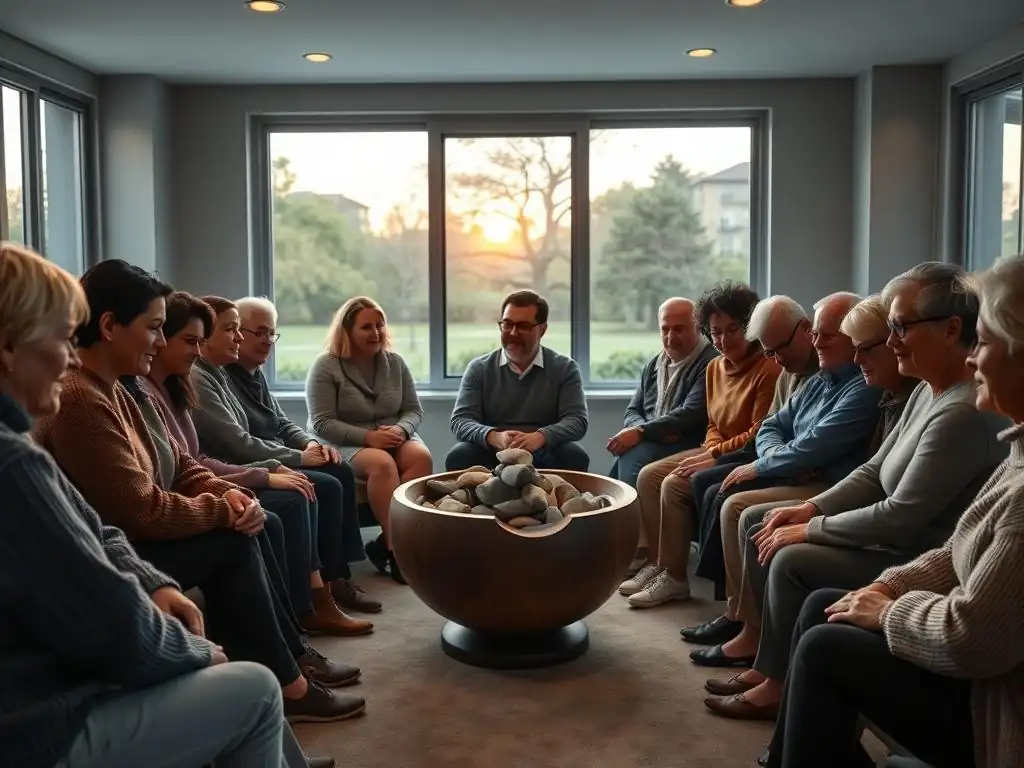
Welcome to Mind Care Guide, a space designed for your well-being.
Feeling lost or alone in your mental health journey? You're not. Discover how shared experiences and collective meaning can be a powerful antidote to isolation. This article explores the vital role of community support for mental health, specifically within the context of mental health and spirituality. Intrigued? Let's delve into how connecting with others can transform your path to healing and a more fulfilling life.
The Role of Community: Shared Purpose and Collective Well-being
- Introduction: The Power of Community Support
- Defining Community: Shared Interests and Values
- Shared Purpose: Finding Connection and Motivation
- Building a Supportive Community
- Practical Ways Community Enhances Well-being
- The Impact of Shared Purpose on Resilience
- Community Support for Specific Needs
- Overcoming Barriers to Community Engagement
- Examples of Thriving Communities
- Nurturing Your Own Sense of Community
- Conclusion: The Importance of Community in Well-being and Purpose
-
Frequently Asked Questions
- How does community support specifically benefit mental health?
- What are some examples of "community support for mental health" mentioned in the article?
- Why is "finding collective meaning" so important for mental well-being?
- How can someone find a community that aligns with their mental health needs?
- What if someone feels intimidated or anxious about joining a new community?
- Final Reflection: Weaving the Tapestry of Shared Support
- Unlock Your Collective Potential: Join the Conversation
Introduction: The Power of Community Support
Understanding the Link Between Community and Well-being
Human beings are inherently social creatures, and our connections with others play a profound role in our overall well-being, including our mental health. The feeling of belonging to a group, sharing experiences, and receiving support significantly impacts our emotional stability and resilience. Research consistently shows that strong social ties are correlated with lower rates of anxiety and depression.
For instance, studies have indicated that individuals with robust community support networks report higher levels of life satisfaction and are better equipped to navigate stressful life events. This fundamental link highlights why cultivating a sense of community is not merely a social preference but a vital component of mental wellness.
Moreover, the absence of meaningful connections, often termed social isolation, is a significant risk factor for various mental health challenges. Loneliness can exacerbate symptoms of depression and anxiety and has even been linked to cognitive decline in later life. Conversely, engagement in supportive communities provides a buffer against these negative outcomes. It offers a sense of security, validation, and shared identity, which are crucial for maintaining psychological balance. Effective community support for mental health creates environments where individuals feel seen, heard, and valued, fostering a sense of stability in an often unpredictable world.
Beyond simply being together, sharing a common goal or purpose within a community adds another layer of depth and benefit to individual well-being. When people work towards a collective aim, whether it's volunteering for a local cause, pursuing a shared hobby, or supporting each other through a common challenge, it imbues their interactions with meaning and direction. This shared purpose provides motivation, reduces feelings of aimlessness, and can significantly boost self-esteem as individuals contribute to something larger than themselves. The collaborative effort fosters a sense of accomplishment that is distinct from individual achievements.
A sense of shared purpose also strengthens the bonds within a community. It creates opportunities for mutual reliance and cooperation, building trust and empathy among members. For someone navigating mental health challenges, contributing to a group's purpose can provide a powerful antidote to feelings of helplessness or worthlessness. It shifts focus outwards, offers a sense of agency, and reinforces the individual's value within the group. This type of engagement is a powerful form of community support for mental health, offering not just comfort but also empowerment and a renewed sense of direction.
Types of Communities That Foster Well-being
Communities that positively impact well-being come in many forms, extending far beyond geographical proximity. They are typically groups united by shared interests, values, beliefs, or experiences. One common type is the interest-based community, centered around hobbies like gardening, book clubs, or gaming, which provide low-pressure environments for connection. Another is the values-based community, often found in faith groups, philosophical societies, or ethical movements, where shared beliefs create a strong foundation for mutual support and understanding. These groups often provide a framework for finding meaning and collective purpose.
Experience-based communities are particularly potent for mental health support. These include support groups for specific conditions (e.g., anxiety, depression, addiction), survivor networks, or groups for people navigating similar life transitions like parenting or retirement. In these settings, shared experiences foster deep empathy and reduce feelings of isolation. Members can offer practical advice, emotional support, and a sense that "you are not alone." These diverse types of communities highlight the many avenues available for finding effective community support for mental health, each offering unique benefits depending on individual needs and preferences.
Identifying and Joining Supportive Groups
Finding a supportive community requires introspection and proactive effort. The first step is often identifying your own interests, values, and needs. Ask yourself:
- What activities do I enjoy?
- What causes do I care about?
- What challenges am I facing where peer support would be helpful?
- What kind of people do I feel comfortable around?
Based on these reflections, you can begin your search. Local community centers, libraries, and online platforms are good starting points. Many cities have community boards listing local groups. Websites like Meetup.com organize groups by interest, and social media platforms host numerous interest-specific or support-oriented groups. When exploring a potential community, pay attention to how members interact.
Do they seem welcoming? Is communication open and respectful? Does the group's purpose resonate with you? A supportive community for mental health is one where you feel safe, accepted, and encouraged to be yourself. Don't be discouraged if the first group isn't the right fit; finding your place can take time and exploration.
The Role of Purpose-Driven Groups in Well-being
Purpose-driven groups, whether formal organizations or informal collectives, play a significant role in enhancing well-being by providing individuals with a clear mission and opportunities for meaningful contribution. Engaging in activities like volunteering for an environmental cleanup, participating in a community garden project, or collaborating on a local art initiative offers a tangible way to make a positive impact.
This sense of contribution is a powerful motivator and can combat feelings of apathy or hopelessness that sometimes accompany mental health struggles. For example, individuals involved in a local initiative to reduce homelessness might find that their efforts, even small ones, create a sense of agency and connection that significantly boosts their mood and overall outlook.
Furthermore, working towards a shared goal necessitates collaboration and communication, strengthening interpersonal skills and building deeper relationships. As group members rely on each other to achieve their objective, trust and mutual respect grow. This shared endeavor creates a strong bond, transforming a collection of individuals into a cohesive unit. The collective energy and focus on a positive outcome can be incredibly uplifting and provide a sense of momentum. This dynamic is a vital aspect of effective community support for mental health, offering a framework for structured interaction and shared achievement that benefits everyone involved.
Exploring Different Avenues for Purpose and Their Impact
Purpose can be found in various avenues, each offering unique benefits for well-being. Civic engagement, such as participating in local government meetings or organizing community events, provides a platform for individuals to influence their environment and feel connected to their locality. Creative pursuits, like joining a community theater group or a writing workshop, allow for self-expression and shared artistic goals, fostering creativity and connection. Advocacy groups focused on social justice or specific health issues empower individuals to work towards systemic change, channeling personal experiences into collective action.
The impact of these diverse avenues on well-being is profound. For someone recovering from a period of isolation, joining a purpose-driven group offers a gentle re-entry into social interaction with a clear, non-threatening focus. The shared commitment provides structure and routine, which can be particularly helpful for managing symptoms of depression or anxiety. Participating in a group working towards a tangible goal, like building a community playground, offers visible results that reinforce the value of collective action and individual contribution. This tangible outcome provides a sense of progress and hope, essential elements in navigating mental health challenges.
Engaging in shared activities and working towards common goals within a community offers a multitude of benefits for mental and emotional health. Primarily, these activities provide regular opportunities for social interaction, directly counteracting feelings of loneliness and isolation. Participating in a weekly choir practice or a monthly trail cleanup creates predictable social engagements that individuals can look forward to, building routine and reducing anxiety about social situations.
Beyond simple interaction, shared goals foster a sense of mutual accountability and support. When facing challenges within the group's purpose, members rely on each other, offering encouragement, practical help, and shared problem-solving. This collaborative spirit builds resilience, both individually and collectively. For example, if a community garden faces a pest problem, members work together to find solutions, sharing knowledge and workload.
This shared experience of overcoming adversity strengthens bonds and reinforces the power of collective action. Furthermore, achieving a shared goal, no matter how small, provides a collective sense of accomplishment and celebration, boosting group morale and individual self-esteem. These shared positive experiences are invaluable components of community support for mental health.
Building a Supportive Community
Creating Spaces for Open Communication
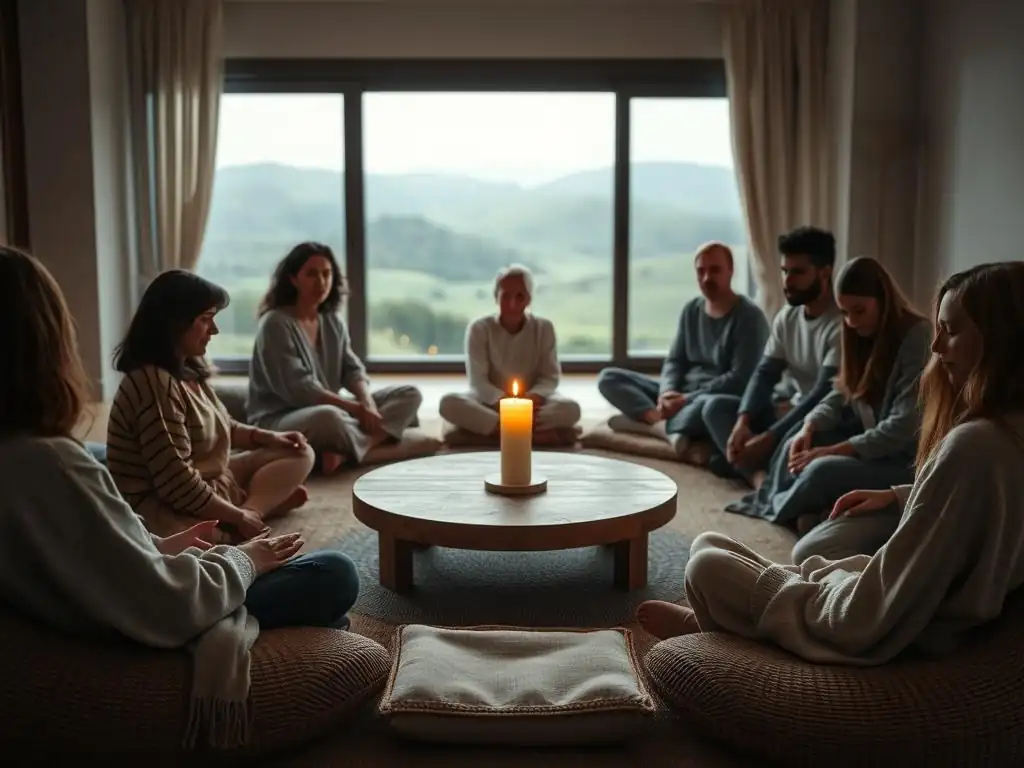
Building a truly supportive community hinges on establishing environments where open and honest communication is not just allowed but actively encouraged. This means creating spaces—whether physical meeting rooms, online forums, or even just regular coffee meetups—where members feel safe to express their thoughts, feelings, and concerns without fear of judgment or ridicule. Facilitating this requires active listening skills among members and, often, a designated moderator or leader who can guide discussions and ensure respectful interaction. Simple ground rules, like "listen to understand, not just to respond" or "respect differing opinions," can significantly impact the quality of communication.
Open communication also involves creating avenues for feedback and addressing conflicts constructively. Communities thrive when members feel their voices are heard and that they have a stake in the group's dynamics. Regularly scheduled check-ins, anonymous suggestion boxes, or dedicated time during meetings for open floor discussions can help identify issues early and prevent misunderstandings from escalating. When challenges or disagreements arise, a supportive community approaches them with empathy and a focus on finding solutions that respect everyone involved. This commitment to open dialogue is fundamental to providing effective community support for mental health, ensuring members feel safe and connected.
Fostering Empathy and Mutual Support
Empathy and mutual support are the bedrock of any truly supportive community. Fostering these qualities involves encouraging members to actively listen to each other's experiences, try to understand different perspectives, and respond with compassion. This doesn't necessarily mean always agreeing, but it does mean acknowledging and validating others' feelings. Simple acts of kindness, offering a listening ear, or providing practical help during difficult times are powerful expressions of mutual support. For instance, if a member is going through a personal crisis, other community members might coordinate meals, offer help with chores, or simply check in regularly.
Building a culture of empathy can be encouraged through shared activities that promote understanding, such as storytelling sessions where members share personal journeys or workshops focused on active listening. It also involves leadership modeling empathetic behavior. When community leaders demonstrate care and understanding, it sets the tone for the entire group.
Mutual support is about recognizing that everyone faces challenges and that lending a hand, offering encouragement, or simply being present can make a significant difference. This reciprocal giving and receiving of support strengthens bonds and builds resilience within the group, making it a powerful source of community support for mental health.
Promoting Understanding and Acceptance
A key element in building a supportive community is the active promotion of understanding and acceptance of all members, embracing diversity in backgrounds, perspectives, and experiences, including varying mental health journeys. This means creating an environment where differences are not just tolerated but valued. It involves challenging biases and stereotypes, both explicit and implicit, and educating members about different life experiences or conditions. For example, a community might host a session on mental health awareness to help members better understand conditions like anxiety or depression, reducing stigma and fostering more informed interactions.
Acceptance means creating a space where individuals feel they can be their authentic selves without fear of judgment. It's about belonging unconditionally. This is particularly crucial for individuals who may have felt marginalized or misunderstood in other social settings. A community that practices true acceptance provides a sense of psychological safety, allowing members to be vulnerable, share their struggles, and receive support without feeling the need to hide parts of themselves. This level of acceptance is fundamental to creating a safe and effective source of community support for mental health, enabling individuals to connect deeply and heal.
Practical Ways Community Enhances Well-being
Reducing Isolation Through Connection
One of the most direct benefits of community involvement is the significant reduction of feelings of isolation and loneliness. Regular interaction with others provides a consistent source of social connection, filling the void that isolation creates. Simply having people to talk to, share a meal with, or participate in an activity alongside can dramatically improve mood and reduce the psychological distress associated with being alone. For someone struggling with social anxiety, even a single, predictable community event each week can be a lifeline, offering a low-pressure opportunity to connect.
These connections build a social safety net. Knowing there are people you can reach out to in times of need provides a sense of security and reduces the burden of feeling like you have to face everything on your own. A study involving older adults, for instance, found that those participating in community groups reported significantly lower levels of loneliness compared to those who were isolated.
This underscores the power of even simple regular connections in combating a pervasive issue that negatively impacts mental health. Community support for mental health is often as straightforward as providing consistent, positive social interaction.
Communities often serve as valuable hubs for sharing resources and knowledge. Members bring diverse skills, experiences, and information, which can be incredibly beneficial to others in the group. This might involve sharing practical tips for managing daily life, recommending helpful services, or providing information about local resources. For example, a parenting support group might share advice on navigating school systems, recommend affordable childcare options, or discuss strategies for managing parental stress.
Beyond practical information, communities facilitate the sharing of lived experience, which can be profoundly validating and informative, particularly within support groups. Hearing how others have navigated similar challenges, what strategies worked for them, and learning from their experiences provides valuable insights and hope. This collective wisdom empowers members to make informed decisions and feel less overwhelmed by their circumstances. This shared knowledge base is a powerful, often underestimated, aspect of community support for mental health.
Opportunities for Personal and Collective Growth
Engaging in a community provides numerous opportunities for both personal and collective growth. On a personal level, interacting with diverse individuals challenges perspectives, builds social skills, and can expose you to new ideas and activities. Taking on roles within the community, whether leading a small project or simply contributing ideas, can boost confidence and develop leadership skills. For example, organizing a community fundraiser requires planning, communication, and coordination, offering practical skill development in a supportive environment.
Collectively, communities grow by working together, learning from challenges, and adapting over time. Achieving shared goals fosters a sense of collective efficacy – the belief that the group can succeed together. This collective growth creates a positive feedback loop, making the community stronger and more capable of supporting its members. Participating in this shared journey of growth provides individuals with a sense of purpose and belonging, contributing significantly to their overall well-being and acting as a powerful form of community support for mental health.
Finding Strength in Common Goals
Working towards common goals within a community significantly enhances individual and collective resilience. When individuals face challenges, whether personal or related to the group's objective, the shared commitment provides a source of strength and motivation. Knowing that others are invested in the same outcome creates a sense of mutual responsibility and encouragement. For instance, if a community garden faces a challenging season with poor yield, the shared goal of providing food for the community motivates members to problem-solve together, share resources, and support each other through the disappointment, rather than giving up individually.
This shared pursuit reframes obstacles as collective problems to be solved, rather than individual burdens. The energy and determination of the group can propel individuals forward even when their personal motivation wanes. This collective drive builds a powerful form of resilience, demonstrating that setbacks are temporary and can be overcome through collaboration. This dynamic is essential for maintaining momentum and hope, particularly important for individuals navigating the ups and downs often associated with managing mental health conditions.
Overcoming Challenges Collaboratively
Collaborative problem-solving is a core component of resilience within a community setting. When challenges arise, pooling diverse perspectives, skills, and resources often leads to more effective and innovative solutions than an individual might find alone. Whether it's navigating bureaucratic hurdles for a community project or supporting a member through a personal crisis, the group's collective intelligence and capacity are brought to bear. For example, a neighborhood watch group dealing with increased crime might combine different members' knowledge of security systems, legal rights, and community organizing to develop a comprehensive safety plan.
The process of overcoming challenges together also strengthens the bonds between community members. Shared struggles and triumphs create powerful narratives and reinforce the interdependence of the group. Successfully navigating a difficult situation as a unit builds confidence in the group's ability to handle future adversity. This experience of collective resilience is incredibly empowering and contributes significantly to the sense of security and stability that a supportive community provides. This collaborative approach is a vital form of community support for mental health, teaching adaptive coping strategies and reinforcing that help is available.
Building a Sense of Belonging and Identity
Shared purpose is instrumental in building a strong sense of belonging and identity within a community. As individuals contribute to a common goal, they become integral parts of the group's story and mission. This shared identity transcends individual differences and creates a powerful unifying force. For example, members of an environmental advocacy group might identify strongly as "conservationists" or "stewards of the earth," with this shared identity shaping their perspective and connecting them deeply to fellow members.
This sense of belonging is fundamental to human well-being. It satisfies the innate need to feel connected and valued within a social context. For individuals who may feel isolated or lack a strong sense of identity elsewhere, finding a place where they are accepted and contribute to a meaningful purpose can be transformative. This feeling of being part of something larger than oneself provides a stable anchor and reinforces self-worth. It's a crucial element of community support for mental health, offering a foundation of acceptance and identity upon which individuals can build resilience.
Community Support for Specific Needs
Groups Focused on Specific Interests or Hobbies
Communities centered around specific interests or hobbies provide a relaxed and enjoyable entry point into social connection. Whether it's a photography club, a hiking group, or a knitting circle, these communities bring together people with a shared passion, creating an immediate common ground. The focus on the activity itself can reduce social pressure, making it easier for individuals who might feel anxious in more open-ended social settings to connect with others. For instance, someone passionate about birdwatching can join a local ornithology group and instantly have conversation starters and planned activities centered around their interest.
These groups offer more than just a shared pastime; they provide opportunities for learning, skill-sharing, and mutual encouragement related to the hobby. Members can exchange tips, celebrate successes (like spotting a rare bird or finishing a complex knitting project), and support each other through challenges (like a failed attempt at a new technique).
This shared experience and mutual support within the context of an enjoyable activity contribute positively to mental well-being by fostering connection, providing a sense of accomplishment, and reducing stress. This type of community support for mental health is accessible and often less intimidating than traditional support groups.
Mentorship Programs for Skill Development
Mentorship programs within a community context offer a unique form of support focused on personal and professional growth. These programs pair individuals with more experienced members who provide guidance, share knowledge, and offer support in developing specific skills or navigating particular challenges. This could range from a senior member of a community garden teaching a newcomer about soil preparation to an experienced professional in a coding collective guiding a junior member on a complex project.
Receiving mentorship provides individuals with valuable learning opportunities and personalized guidance, which can boost confidence and competence. It also creates a strong one-on-one connection, fostering trust and a sense of being invested in. For mentors, the act of sharing their knowledge and supporting another person's growth can be incredibly fulfilling and reinforce their own sense of purpose and value within the community. This reciprocal relationship strengthens community bonds and contributes to the overall well-being of both parties. These programs represent a structured way communities can provide skill-building and personal development support.
Communities formed around initiatives for social change and advocacy provide a powerful avenue for channeling passion into collective action. Groups focused on issues like environmental protection, human rights, or access to mental healthcare empower individuals to work towards a better future. Engaging in advocacy can be deeply meaningful, providing a sense of purpose and agency, particularly for those who have personal experience with the issues they are addressing. For example, individuals who have navigated the mental healthcare system might join a group advocating for improved access and resources.
Working on social change initiatives often involves planning events, engaging with policymakers, raising awareness, and mobilizing community members. These activities require collaboration, communication, and resilience. The shared commitment to a cause creates strong bonds among members and provides a sense of solidarity in the face of challenges. Achieving even small victories can be incredibly motivating and reinforces the power of collective action. These purpose-driven communities offer a dynamic form of community support for mental health by providing a platform for meaningful engagement, empowerment, and hope.
Overcoming Barriers to Community Engagement
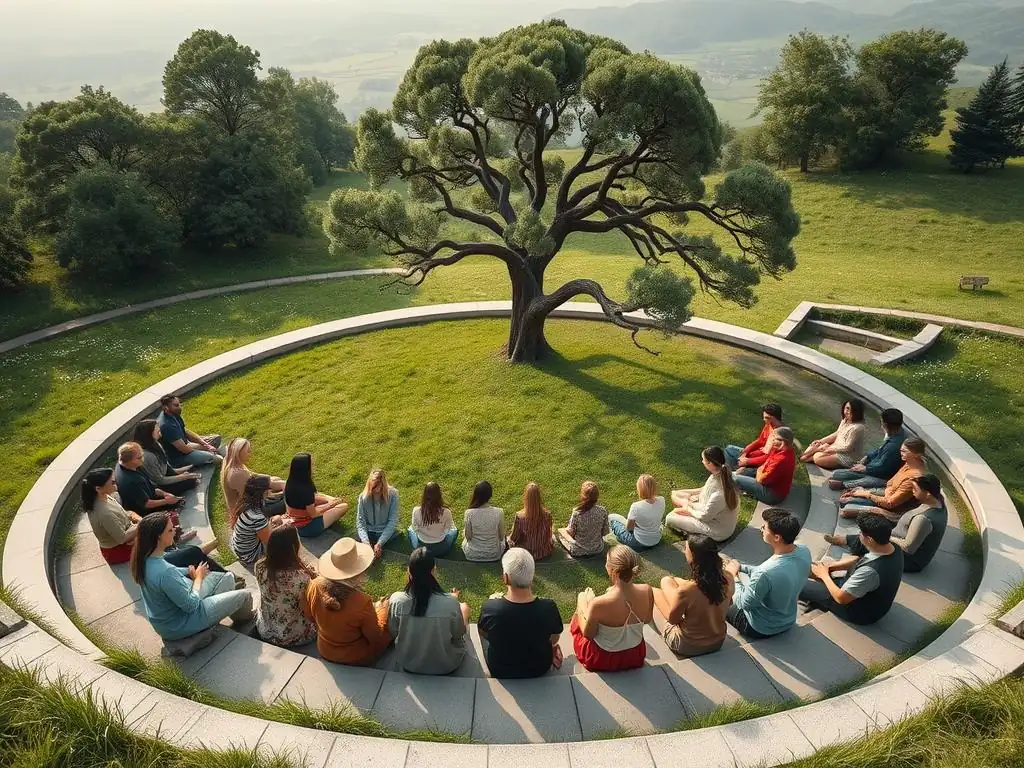
Many individuals face significant barriers when it comes to engaging with communities, often stemming from social discomfort, anxiety, or a fear of not fitting in due to perceived differences. These feelings can be particularly challenging for those already struggling with mental health issues. Addressing this requires both individual courage and intentional community effort.
On an individual level, starting small can be helpful – attending a single event, introducing yourself to one person, or joining an online group before a physical one. Recognizing that vulnerability is okay and that most people feel some level of initial awkwardness can ease the pressure.
From the community's perspective, creating a welcoming and inclusive environment is paramount. This involves actively reaching out to newcomers, clearly communicating group norms and expectations, and providing structured opportunities for interaction, such as icebreaker activities or buddy systems. Highlighting shared interests or values immediately can help bridge perceived differences. A community that proactively addresses potential discomfort and celebrates diversity is far more likely to attract and retain members, thereby providing effective community support for mental health for a wider range of individuals.
Prioritizing Community Involvement
In today's busy world, finding time and energy for community involvement can feel like another chore on an already packed schedule. Prioritizing community engagement requires a conscious decision to allocate time and energy to these connections, recognizing their value for well-being. This might mean saying "no" to other commitments or intentionally scheduling community activities into your week. Viewing community involvement not as an optional add-on but as a vital investment in your mental and emotional health is key.
Starting small and consistently engaging with just one or two communities can be more sustainable than trying to do too much at once. Even dedicating an hour a week to a community activity or online interaction can make a difference. Reflecting on the positive impact community has on your mood, stress levels, and sense of connection can reinforce the importance of prioritizing it. Making community involvement a non-negotiable part of your routine is a proactive step towards ensuring consistent community support for mental health.
Creating Inclusive and Accessible Communities
For communities to truly be supportive, they must be inclusive and accessible to everyone, regardless of background, ability, or circumstance. Inclusivity means actively welcoming people from all walks of life, celebrating diversity, and ensuring that all voices are heard and valued. This might involve providing translation services, using accessible language, or creating space for different cultural norms. Accessibility means removing practical barriers to participation. This could include ensuring physical meeting spaces are wheelchair accessible, offering hybrid or online participation options, scheduling events at various times to accommodate different schedules, or providing childcare during meetings.
Actively seeking feedback from members, particularly those from marginalized groups, is crucial for identifying and addressing barriers to participation. A truly supportive community for mental health understands that accessibility goes beyond physical ramps; it includes creating an environment where everyone feels psychologically safe and capable of participating fully. Communities that prioritize inclusivity and accessibility are stronger, more vibrant, and better equipped to provide meaningful support to all their members.
Examples of Thriving Communities
Case Studies of Successful Community Initiatives
Examining real-world examples provides tangible insight into the power of community. While specific data points can vary, the impact is consistently positive. Consider the example of "The Friendship Bench" in Zimbabwe. This initiative trains community grandmothers to provide basic talk therapy on park benches.
Launched in 2007 to address the significant mental health treatment gap, the program has expanded significantly. While precise numbers fluctuate, reports indicate that tens of thousands of individuals have received care through this program, with studies showing a notable reduction in depression and anxiety symptoms among participants compared to control groups. This demonstrates how leveraging existing community structures and trust can create highly effective, accessible mental health support.
Another case can be seen in the growth of online peer support forums for chronic illnesses. While specific user numbers are often proprietary, major forums host hundreds of thousands, sometimes millions, of posts covering a vast range of conditions.
A qualitative look at these communities reveals individuals sharing coping strategies, celebrating small victories, offering emotional support during setbacks, and providing practical advice on navigating healthcare systems. The sheer volume of interaction and the depth of shared experience highlight how virtual communities can effectively provide consistent, accessible community support for mental health and physical well-being, reaching individuals who might be geographically isolated or face mobility issues.
A Local Environmental Conservation Group
A local environmental conservation group provides a clear example of a thriving, purpose-driven community. Imagine a group focused on restoring a local park or riverbank. They might meet weekly for cleanups, organize educational workshops on native plants, and advocate for local environmental policies. Their shared purpose – protecting and improving the local environment – unites diverse individuals: retirees, students, families, and working professionals. Over time, they might track metrics like the amount of trash removed (e.g., hundreds of pounds annually), the number of trees planted (perhaps dozens each season), or the increase in local wildlife sightings.
Participating in this group offers tangible benefits. Members engage in physical activity during cleanups, reducing stress. They learn new skills related to ecology and conservation. They build relationships with fellow volunteers through shared labor and conversation. The visible improvements to the park or riverbank provide a collective sense of accomplishment and pride. For individuals seeking connection and a sense of making a difference, this type of community offers a powerful combination of purpose, activity, and social support, demonstrating effective community support for mental health through meaningful action.
A Coding Collective for Open Source Projects
Consider a coding collective focused on contributing to open-source software projects. Members, often geographically dispersed, collaborate online using platforms for code sharing and communication. Their shared purpose is to develop and improve software that is freely available to the public. They might work on specific features, fix bugs, write documentation, or mentor new contributors. While specific project metrics vary wildly, successful projects often have thousands of contributors globally and are downloaded millions of times.
This type of community fosters intellectual stimulation, skill development, and a strong sense of contributing to a global resource. Members learn from each other, receive feedback on their work, and build reputations within the tech community. The collaborative nature of open-source development encourages problem-solving and mutual support. For individuals who thrive on technical challenges and intellectual connection, this collective provides a powerful sense of belonging and purpose, offering a distinct form of community support for mental health by engaging cognitive skills and fostering a sense of global contribution.
Nurturing Your Own Sense of Community
Participating in Local Events and Initiatives
A simple yet effective way to nurture your sense of community is by actively participating in local events and initiatives. This could involve attending a neighborhood festival, volunteering at a local library event, joining a town hall meeting, or participating in a community garden workday. These activities provide low-pressure opportunities to meet people who live nearby and share an interest in the local area. While you might not form deep connections immediately, showing up consistently makes you a recognizable face and opens the door for future interactions.
Local participation helps you feel more connected to the place where you live, transforming it from just a location into a vibrant community you are part of. It provides a sense of belonging to a physical place and its people. Even small acts, like supporting local businesses or attending a high school play, contribute to the fabric of community life and reinforce your connection to it. This engagement is a foundational step in building your personal network of community support for mental health.
Seeking out and connecting with individuals who share your interests and passions is a powerful way to build meaningful community ties. Whether your passion is painting, playing a sport, discussing philosophy, or advocating for a specific cause, finding others who feel the same way creates an immediate bond. These shared interests provide a natural starting point for conversation and activities, making it easier to form connections. Look for local clubs, online forums, workshops, or classes related to your interests.
Engaging with people who share your passions allows you to feel understood and validated in areas that are important to you. It provides opportunities to share enthusiasm, learn from others, and collaborate on projects related to your interests. These connections are often deeply fulfilling and can become a significant source of support and joy in your life. Building these interest-based connections is a direct route to finding supportive community for mental health.
Contributing Your Skills and Expertise
Contributing your unique skills and expertise to a community effort is a rewarding way to deepen your engagement and strengthen your sense of belonging. Every individual has something valuable to offer, whether it's practical skills like organizing, writing, or gardening, or personal qualities like empathy, patience, or leadership. Offering your help to a community group, project, or initiative allows you to make a tangible contribution and see the positive impact of your efforts.
Volunteering your time and skills not only benefits the community but also boosts your own self-esteem and sense of purpose. It provides opportunities to utilize your strengths, learn new things, and connect with others through collaborative work. Knowing that you are valued for what you bring to the group reinforces your sense of worth and belonging. Actively contributing is a key step in transforming from a passive participant into an integral part of a supportive community, enhancing your access to community support for mental health.
Conclusion: The Importance of Community in Well-being and Purpose
Embracing Collective Action for a Better Future
The evidence is clear: community plays an indispensable role in both individual well-being and the pursuit of collective purpose. Engaging in communities provides vital social connection, combating isolation and fostering a sense of belonging that is fundamental to mental health. Beyond simply connecting, shared purpose within a community imbues life with meaning, provides motivation, and builds resilience in the face of challenges.
By working together towards common goals, individuals find strength, support, and a powerful sense of contributing to something larger than themselves. Embracing collective action is not just about achieving external goals; it's about nurturing the internal landscape of purpose and well-being through shared experience.
Building and nurturing supportive communities requires intentional effort – creating space for open communication, fostering empathy, promoting acceptance, and actively working to overcome barriers to engagement. Whether through interest groups, advocacy initiatives, or simple local participation, finding and contributing to a community can significantly enhance quality of life. The benefits of community support for mental health are profound, offering a buffer against stress, a source of strength during difficult times, and a platform for personal and collective growth. Investing in community is investing in a healthier, more connected, and more purposeful future for ourselves and others.
Resources for Finding or Building Your Community
Finding the right community might seem daunting, but numerous resources exist to help you connect. Start by exploring local options: community centers often list groups and events, libraries host book clubs and workshops, and places of worship offer faith-based communities. Online platforms like Meetup.com allow you to search for groups based on specific interests or locations. Social media sites host countless groups dedicated to hobbies, support for specific conditions, or shared causes. Consider volunteering for a local non-profit organization that aligns with your values – this is a direct way to engage in a purpose-driven community.
If you can't find a community that meets your needs, consider starting one yourself. Identify a shared interest or need in your area or online and reach out to others who might be interested. Starting small, perhaps with just a few individuals, can lead to the growth of a vibrant and supportive community over time.
Remember that building community is an ongoing process, requiring participation, patience, and a willingness to connect with others. Taking the step to find or create your community is a powerful act of self-care and a vital step towards enhancing your mental well-being through shared purpose and collective support.
Frequently Asked Questions
How does community support specifically benefit mental health?
Community support fosters a sense of belonging and connection, which combats loneliness and isolation. This then reduces stress and improves overall psychological well-being.
What are some examples of "community support for mental health" mentioned in the article?
The article focuses on shared spirituality and finding collective meaning as key aspects. This could involve participation in religious groups, volunteer organizations, or shared interest groups.
Why is "finding collective meaning" so important for mental well-being?
Shared values and purpose provide a sense of direction and significance. This contributes to increased self-esteem and resilience, helping individuals cope with adversity.
How can someone find a community that aligns with their mental health needs?
Consider your personal interests and values. Explore local support groups, online forums, or volunteer opportunities that resonate with you.
What if someone feels intimidated or anxious about joining a new community?
Start small by attending a single event or meeting. Remember that many others may feel similarly and that building connections takes time and patience.
The urgent need for accessible and effective mental health support is undeniable, and the power of community in addressing this crisis is increasingly recognized. Building strong, supportive communities isn't just a feel-good initiative; it's a vital strategy for fostering resilience and well-being, particularly in the face of rising rates of anxiety and depression. This article has explored how shared spirituality and the pursuit of collective meaning can significantly bolster these community-based support systems.
The exploration of shared spirituality within community contexts revealed a profound and often overlooked resource for mental health. It's not simply about religious affiliation, but about the sense of belonging, purpose, and shared values that such communities provide. The best way to find yourself is to lose yourself in the service of others.
- Mahatma Gandhi. This quote speaks to the transformative power of collective action and the inherent self-care found in supporting others within a shared spiritual framework. The impact of this shared experience extends beyond individual healing, shaping a culture of empathy and understanding that benefits the entire community.
Now, consider your own community. What resources are available? How can you contribute to building a stronger network of support for those around you who may be struggling? Perhaps it's volunteering your time, offering a listening ear, or simply extending a hand of friendship. The creation of a supportive community is a collective endeavor, and your participation, no matter how small, can make a world of difference. Let us all strive to weave a richer, more resilient tapestry of shared support, one thread of empathy at a time.
Unlock Your Collective Potential: Join the Conversation
Thanks for exploring the power of shared spirituality and finding collective meaning with us! We hope you gained valuable insights into how community fosters a deeper sense of belonging and purpose. Now, let's put that knowledge into action:
- Join our online forum: Share your personal experiences with finding meaning through community and connect with like-minded individuals. This is your chance to contribute to a vibrant space of shared growth and inspiration.
- Explore related resources on MindCareGuide.org: Delve deeper into topics that resonated with you – from mindfulness practices to spiritual growth journeys. We have a wealth of information waiting for you!
- Share this article: Inspire others to discover the transformative power of community by sharing this article with friends and family who might benefit from it. Let's spread the message together!
Ready to nurture your spiritual growth within a supportive community? What unique contribution do you bring to shared spiritual experiences?