
How Connecting with Nature Can Deepen Your Spiritual Meaning


Welcome to Mind Care Guide.
Feeling disconnected? Perhaps the answer lies closer than you think. We often forget the profound connection between our mental well-being and the natural world. In this article, we delve into Nature’s impact on spirituality, exploring how immersing ourselves in its beauty can unlock deeper meaning and inner peace. Are you ready to discover how a simple walk in the woods can transform your perspective? Let's begin this journey of self-discovery together.
How Connecting with Nature Can Deepen Your Spiritual Meaning
- Introduction: Exploring Nature's Impact on Spirituality and Mental Well-being
- Understanding the Interconnection: Nature, Spirituality, and Mental Health
- Nature as a Spiritual Teacher: Lessons Learned from the Natural World
-
Practical Ways to Connect with Nature for Spiritual Enrichment
- Mindful Nature Walks: Cultivating Presence and Awareness
- Nature Meditation: Finding Inner Peace in Natural Settings
- Forest Bathing (Shinrin-Yoku): Immersing Your Senses in the Woods
- Gardening and Cultivating Life: Connecting with the Earth's Rhythms
- Observing Wildlife: Appreciating the Interconnectedness of All Living Things
- Overcoming Barriers to Nature Connection: Practical Tips for Busy Lives
- The Profound Impact of Nature on Spiritual Meaning: Real-Life Examples
- Conclusion: Embracing Nature as a Path to Deeper Spiritual Fulfillment
-
Frequently Asked Questions
- How does spending time in nature affect our sense of spirituality?
- What are some specific activities in nature that can promote spirituality?
- Can nature help individuals who don't identify with traditional religions find spiritual meaning?
- What scientific evidence supports the connection between nature and spirituality?
- Are there any potential downsides to relying solely on nature for spiritual fulfillment?
- Final Reflection: Finding the Divine in the Natural World
- Unveil Your Inner Peace: Connect Deeper with Nature
Introduction: Exploring Nature's Impact on Spirituality and Mental Well-being
In our increasingly fast-paced and technologically driven world, many individuals find themselves searching for deeper meaning and connection beyond the surface level. This quest often leads to an exploration of spirituality, which is a deeply personal journey that can manifest in various forms, distinct from organized religion for many. Simultaneously, the pressures of modern life can take a significant toll on mental well-being, leading to increased stress, anxiety, and feelings of disconnection.
Amidst this search for meaning and the challenges to mental health, there is a growing recognition of the profound role that nature can play. Connecting with the natural world offers a unique pathway to both enhance mental resilience and explore spiritual dimensions.
This article delves into the intricate relationship between nature, spirituality, and mental health, exploring how spending time outdoors can serve as a powerful catalyst for personal growth and the discovery of deeper spiritual meaning. We will examine the various ways nature acts as a teacher, provides solace, and helps us reconnect with ourselves and the wider world, ultimately highlighting nature's impact on spirituality in a tangible and empathetic way.
The Growing Need for Spiritual Connection in Modern Life
Modern life, characterized by constant digital noise, urban environments, and demanding schedules, can often leave individuals feeling fragmented and searching for something more substantial. This yearning for spiritual connection is not necessarily about adopting religious dogma, but often involves seeking a sense of purpose, belonging, inner peace, and a connection to something larger than oneself. The rapid pace of change and increasing social isolation in many communities further amplifies this need for anchors that provide stability and meaning.
This inherent human desire for transcendence and connection is a fundamental aspect of well-being. Research suggests that individuals who report a strong sense of spirituality often exhibit greater resilience to stress, have a more positive outlook on life, and experience lower rates of depression and anxiety. The search for spiritual meaning can take many forms, from contemplative practices to engagement with community, and increasingly, through interaction with the natural world, recognizing nature's impact on spirituality as a vital pathway.
Why Nature is a Powerful Catalyst for Spiritual Growth
Nature possesses an intrinsic ability to quiet the mind, awaken the senses, and foster a sense of awe and wonder. Unlike the constructed environments of human society, the natural world operates on ancient, universal rhythms and cycles, offering a sense of stability and perspective that can be deeply grounding. When we step outside, away from screens and deadlines, we open ourselves to experiences that can shift our focus from internal worries to the vastness and intricate beauty of the world around us.
Moreover, nature provides a direct, unfiltered experience of life in its most fundamental forms – growth, decay, interconnectedness, and resilience. Observing a tree reaching for the sky, the persistent flow of a river, or the delicate structure of a spiderweb can inspire reflection on our own lives and place within the larger ecosystem. This connection can bypass intellectual barriers and touch us on a deeper, emotional, and spiritual level, making nature's impact on spirituality a tangible and accessible phenomenon for many.
Understanding the Interconnection: Nature, Spirituality, and Mental Health
The relationship between nature, spirituality, and mental health is deeply interwoven. Spending time in natural environments has well-documented benefits for psychological well-being, and these benefits often create fertile ground for spiritual exploration and growth. When our minds are calmer and our bodies are relaxed, we are more open to introspection, reflection, and experiencing moments of profound connection.
Furthermore, many spiritual traditions throughout history and across cultures have revered nature as sacred, a source of wisdom, and a place of healing. This ancient recognition of nature's power speaks to its enduring ability to nourish not just the body and mind, but the spirit as well. Understanding this interconnection allows us to intentionally harness the power of nature to support our journey towards both mental wellness and deeper spiritual meaning.
Defining Spirituality Beyond Religion: A Personal Journey
Spirituality, in the context of mental well-being and nature connection, is often understood as a personal search for meaning, purpose, and connection to something transcendent or greater than oneself. It is not limited to religious affiliation and can encompass a wide range of beliefs and practices. For some, it might be a sense of interconnectedness with all living things; for others, it could be finding meaning in acts of compassion or experiencing moments of deep awe.
This personal journey of spirituality is unique to each individual. It involves exploring one's core values, understanding one's place in the world, and cultivating inner peace and wisdom. Nature provides a non-judgmental and ever-present space for this exploration. The quiet solitude of a forest or the expansive view from a mountaintop can encourage introspection and facilitate insights into one's personal spiritual path, highlighting nature's impact on spirituality as a supportive force.
The Psychological Benefits of Spending Time in Nature
Extensive research has demonstrated the significant psychological benefits of spending time in natural environments. Studies have shown that exposure to nature can reduce levels of cortisol, the primary stress hormone, leading to decreased feelings of stress and anxiety. For instance, research from institutions like Stanford University has indicated that a 90-minute walk in a natural setting decreases activity in the part of the brain associated with rumination and negative thought patterns, compared to walking in an urban environment.
Beyond stress reduction, nature exposure is linked to improved mood, increased feelings of happiness, and enhanced cognitive function, including improved attention span and creativity. A meta-analysis pooling data from multiple studies found that spending time in green spaces is associated with a lower risk of mental health problems such as depression and anxiety disorders. These psychological benefits create a foundation of mental calm and openness that is conducive to spiritual reflection and experiencing nature's impact on spirituality.
The Symbiotic Relationship: How Nature Nurtures Our Inner Selves
The relationship between humans and nature is a symbiotic one, where tending to the natural world can simultaneously nurture our inner selves. Just as plants need sunlight and water to grow, our spirits and minds seem to flourish when exposed to natural elements. This connection isn't merely passive observation; actively engaging with nature, whether through gardening, hiking, or simply sitting quietly by a tree, fosters a sense of belonging and connection that combats feelings of isolation.
This nurturing process is often described as biophilia, an innate human tendency to connect with nature and other living systems. When this innate need is met, it contributes to a sense of wholeness and vitality. The rhythmic sounds of waves, the scent of pine needles, or the feeling of soil between one's fingers can be profoundly therapeutic, calming the nervous system and opening pathways for deeper emotional and spiritual experiences, underscoring nature's impact on spirituality as a deeply personal and healing connection.
Nature as a Spiritual Teacher: Lessons Learned from the Natural World

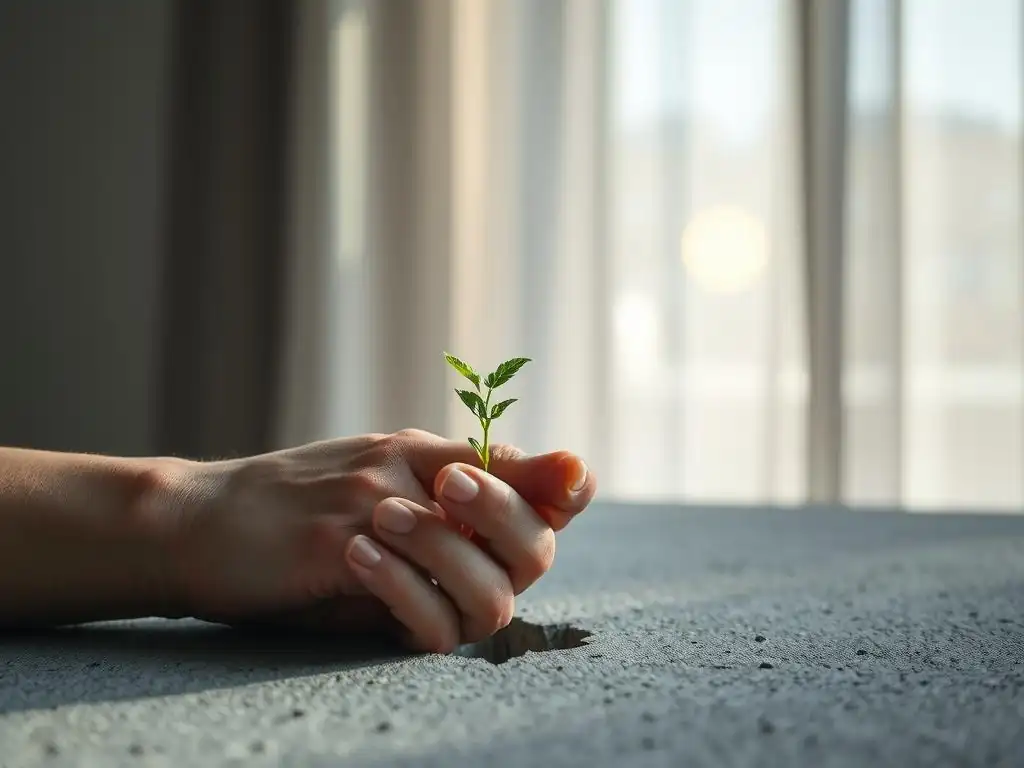
Nature serves as a powerful teacher, offering timeless lessons about life, death, resilience, and interconnectedness. By observing the natural world with an open heart and mind, we can gain profound insights that inform our spiritual understanding and personal growth. The cycles of seasons, the persistence of a plant growing through concrete, or the intricate balance of an ecosystem all hold wisdom if we take the time to listen and learn.
This wisdom is not delivered through lectures or texts, but through direct experience and quiet contemplation. Nature invites us to slow down, pay attention, and recognize patterns and principles that are often obscured by the complexities of human society. Engaging with nature as a teacher allows us to see the world, and ourselves, through a different lens, fostering a deeper appreciation for the intricate web of life and our place within it, thereby revealing nature's impact on spirituality through lived lessons.
Observing Nature's Cycles: Finding Meaning in Change and Impermanence
One of the most fundamental lessons nature teaches is about cycles and impermanence. The turning of the seasons, the life cycle of a butterfly, the ebb and flow of the tides – all demonstrate that change is constant and inevitable. Spring growth gives way to summer abundance, which transitions to autumn decay, followed by winter rest, only for the cycle to begin anew.
This observation can be incredibly insightful for our spiritual journey. It helps us understand that challenges and difficulties, like the harshness of winter, are often temporary phases. It also reminds us to appreciate moments of beauty and joy, like the blooming of spring flowers, knowing they are fleeting. Embracing the concept of impermanence, as taught by nature, can reduce our resistance to change and help us find peace in the natural rhythm of life, highlighting nature's impact on spirituality by providing a framework for understanding life's flow.
The Wisdom of the Wild: Tapping into Intuition and Inner Guidance
Wild spaces, free from human manipulation, operate according to their own ancient wisdom. Observing the resilience of plants in harsh conditions, the instincts of animals navigating their environment, or the quiet strength of ancient trees can inspire us to trust our own inner wisdom and intuition. In the stillness of nature, away from external distractions, it becomes easier to hear the quiet voice of our inner guidance.
Spending time in the wild encourages us to rely on our senses and instincts in a way that structured environments often suppress. This reconnection with our primal selves can unlock intuitive insights and strengthen our connection to our deepest values and desires. The wisdom of the wild teaches self-reliance, adaptability, and the power of simply being present, further illustrating nature's impact on spirituality by fostering a deeper connection to our inner knowing.
Finding Awe and Wonder: Reconnecting with a Sense of Something Greater
Nature is replete with moments that inspire awe and wonder – the vastness of the night sky, the power of a thunderstorm, the intricate details of a single leaf, or the breathtaking view from a mountain peak. These experiences can lift us out of our everyday concerns and connect us to a sense of something magnificent and mysterious, something greater than ourselves.
Experiencing awe has been shown in psychological studies to promote feelings of humility, interconnectedness, and generosity. It can shift our perspective, making our personal problems seem smaller in the face of the universe's grandeur. This sense of awe is a powerful pathway to spiritual experience, opening us to possibilities beyond our ordinary perception and reinforcing nature's impact on spirituality as a source of profound inspiration and connection.
Practical Ways to Connect with Nature for Spiritual Enrichment
Connecting with nature for spiritual enrichment doesn't necessarily require embarking on a wilderness expedition. There are many practical and accessible ways to integrate nature into your life, even if you live in an urban area. The key is to engage with intention and openness, allowing yourself to fully experience the natural world through your senses.
Starting small and consistently is often more effective than attempting grand gestures sporadically. Find activities that resonate with you and fit into your lifestyle. Whether it's a few minutes each day or dedicated time on weekends, making a conscious effort to connect with nature can yield significant benefits for your spiritual journey and mental well-being.
Mindful Nature Walks: Cultivating Presence and Awareness
A mindful nature walk is different from simply exercising outdoors. It involves engaging all your senses and paying deliberate attention to the sights, sounds, smells, textures, and even tastes (if safe and appropriate) of the natural environment. Instead of focusing on distance or speed, focus on the experience itself. Notice the way the light filters through the leaves, the scent of damp earth after rain, the sound of birdsong, or the feeling of bark against your hand.
This practice cultivates presence and awareness, drawing your mind away from worries and into the present moment. It allows you to observe the subtle details and intricate beauty of nature, fostering a sense of peace and connection. Even a short 15-minute mindful walk can be deeply grounding and open you to moments of spiritual insight, demonstrating a simple way to experience nature's impact on spirituality.
Nature Meditation: Finding Inner Peace in Natural Settings
Meditating in nature combines the benefits of meditation with the calming influence of the natural world. Find a quiet spot – under a tree, by a stream, or on a park bench – and simply sit, allowing yourself to relax and become aware of your surroundings. You can focus on your breath, a specific natural sound (like wind in the leaves), or simply rest your awareness on the entirety of the natural scene before you.
The sounds and sights of nature can act as gentle anchors for your attention, helping to quiet the mental chatter that often arises during meditation. Being surrounded by nature's tranquility can deepen your sense of inner peace and facilitate a more profound connection with yourself and the world around you. This practice underscores nature's impact on spirituality by providing an ideal setting for contemplative practice.
Forest Bathing (Shinrin-Yoku): Immersing Your Senses in the Woods
Originating in Japan, Shinrin-yoku, or "forest bathing," is not about hiking or exercise, but about mindfully immersing yourself in the atmosphere of the forest. It involves walking slowly and deliberately, opening your senses to experience the forest environment. Breathe deeply, notice the colors and textures of the trees and plants, listen to the sounds of the forest, and feel the air on your skin.
Studies conducted in Japan have shown that forest bathing can lower blood pressure, reduce stress hormones, and boost immune function (specifically increasing the activity of natural killer cells). Beyond these physical benefits, the practice is deeply restorative for the mind and spirit, fostering a sense of calm, connection, and presence. It's a powerful way to experience nature's impact on spirituality by allowing the forest's energy to soothe and revitalize you.
Gardening and Cultivating Life: Connecting with the Earth's Rhythms
Engaging in gardening provides a direct, hands-on connection with the earth and its life cycles. Planting seeds, nurturing seedlings, tending to growing plants, and harvesting fruits or vegetables connects you to the fundamental processes of life, growth, and decay. It requires patience, observation, and a willingness to work with the natural world.
Gardening can be deeply meditative and rewarding. It teaches lessons about resilience (plants surviving pests or weather), abundance (the bounty of a harvest), and surrender (accepting that some things are beyond our control). The act of cultivating life can foster a profound sense of connection to the earth and a deeper appreciation for the interconnectedness of living things, highlighting nature's impact on spirituality through active co-creation.
Observing Wildlife: Appreciating the Interconnectedness of All Living Things
Taking time to observe the wildlife around you, whether it's birds in your backyard, squirrels in a park, or insects on a plant, can be a source of wonder and a reminder of the vast web of life. Pay attention to their behaviors, their interactions, and their place within the ecosystem. This observation can foster a sense of connection and empathy towards other living beings.
Witnessing the intricate behaviors and survival strategies of animals can inspire awe and respect for the natural world. It reminds us that we are just one part of a much larger, complex system. This appreciation for the interconnectedness of all life is a key aspect of many spiritual paths and is easily accessible through observing wildlife, showcasing nature's impact on spirituality by revealing the harmony of the ecosystem.
Overcoming Barriers to Nature Connection: Practical Tips for Busy Lives
In today's busy world, finding time and opportunity to connect with nature can feel challenging. Urban living, demanding jobs, and family responsibilities can all act as barriers. However, even small, consistent efforts can make a significant difference in experiencing nature's impact on spirituality and mental well-being. The key is to be intentional and creative in integrating nature into your life.
It's important not to view nature connection as another chore on a long to-do list. Instead, see it as an essential practice for nurturing your soul and supporting your mental health. By finding ways to overcome common barriers, you can ensure that nature remains a vital source of peace, inspiration, and spiritual growth in your life.
Integrating Nature into Your Daily Routine: Small Steps, Big Impact
You don't need hours of free time to benefit from nature. Look for opportunities to weave nature moments into your daily routine. This could be as simple as having your morning coffee by a window overlooking trees, taking a slightly longer walk during your lunch break through a nearby park, or spending 10 minutes sitting outside in the evening.
- [ ] Drink morning beverage near a window with a view of nature.
- [ ] Take a short walk in a park during lunch.
- [ ] Sit outside for 10-15 minutes in the evening.
- [ ] Bring a potted plant into your workspace.
- [ ] Listen to nature sounds while working or relaxing.
Even these brief interactions can help lower stress levels and provide moments of calm reflection throughout the day, contributing to your overall sense of well-being and openness to nature's impact on spirituality. Consistency is more important than duration when building a habit.
Finding Nature in Urban Environments: Parks, Gardens, and Green Spaces
Even concrete jungles often have pockets of green. Seek out local parks, community gardens, botanical gardens, nature reserves within city limits, or even tree-lined streets. These urban green spaces offer refuge from the built environment and provide opportunities to connect with plants, trees, birds, and insects.
Many cities are increasing their green infrastructure, creating more accessible nature experiences. Utilize online maps or local guides to find nearby parks or trails you may not be aware of. A small patch of grass or a single tree can still offer a moment of respite and connection if you approach it with mindfulness, allowing you to experience nature's impact on spirituality even amidst urban life.
Creating a Nature-Inspired Sanctuary at Home: Bringing the Outdoors In
If getting outside regularly is difficult, you can bring elements of nature into your home to create a calming, nature-inspired sanctuary. Fill your living space with houseplants; studies show that indoor plants can improve air quality and reduce stress. Use natural materials in your decor like wood, stone, and cotton. Incorporate natural scents from essential oils like pine or lavender.
Even simple things like opening windows to let in fresh air and natural sounds, or ensuring you have good natural light, can make a difference. Creating a space that feels connected to the natural world can provide a sense of peace and serve as a reminder of the beauty and tranquility found outdoors, helping maintain a connection to nature's impact on spirituality even when indoors.
The Profound Impact of Nature on Spiritual Meaning: Real-Life Examples
The connection between nature and spiritual meaning is not just theoretical; it is a lived experience for countless individuals. Real-life examples demonstrate how interacting with the natural world can facilitate healing, foster resilience, and lead to profound insights about oneself and the universe. These stories highlight the tangible ways nature's impact on spirituality manifests in people's lives, offering solace, strength, and a renewed sense of purpose.
From finding comfort in grief to managing chronic anxiety, the natural world provides a unique form of support and guidance. These examples underscore the accessibility and power of nature as a resource for mental and spiritual well-being, proving that the journey towards deeper meaning can often begin with a step outside.
Finding Resilience After Loss Through Hiking and Nature Observation
Consider the experience of someone navigating grief after the loss of a loved one. For many, the overwhelming emotions and sense of emptiness can feel unbearable. Turning to nature, perhaps through regular hikes on a local trail, can offer a unique pathway to healing. The physical activity itself releases endorphins, which can improve mood. More profoundly, the consistent presence of the natural world – the enduring mountains, the resilient trees, the cyclical return of seasons – can provide a silent, steady presence that offers comfort and perspective.
Observing nature's own processes of decay and regeneration can mirror the internal process of grief and eventual healing. Finding a sense of connection to something larger and more enduring than personal pain can foster resilience. Reports from individuals who have used hiking or spending time in nature to cope with loss often describe finding moments of peace, clarity, and a renewed sense of strength they couldn't access elsewhere, illustrating nature's impact on spirituality as a source of profound comfort and endurance during difficult times.
Overcoming Anxiety and Depression with Daily Walks in Green Spaces
For individuals struggling with anxiety and depression, the simple act of daily walks in green spaces can be a powerful therapeutic tool. While not a replacement for professional care, incorporating nature into a treatment plan can significantly improve outcomes. Anecdotal evidence and preliminary studies suggest that spending even 20-30 minutes in a park or natural setting can reduce symptoms of anxiety and lift mood. The rhythmic motion of walking combined with exposure to natural light and calming scenery helps regulate the nervous system.
Many people who have incorporated daily nature walks into their routine report feeling less overwhelmed, more present, and experiencing a reduction in intrusive negative thoughts. The sensory experience of nature provides a distraction from internal worries and fosters a sense of connection to the external world, combating feelings of isolation often associated with depression. This consistent engagement with nature demonstrates its impact on spirituality by providing a tangible pathway towards mental and emotional stability, which in turn supports a more positive outlook and openness to deeper meaning.
Discovering Inner Peace and Purpose Through Environmental Volunteering
Engaging in environmental volunteering, such as participating in park clean-ups, planting trees, or restoring habitats, offers a different kind of nature connection – one rooted in service and action. This hands-on involvement with the natural world can foster a deep sense of purpose and belonging. Working collaboratively to protect and nurture the environment connects individuals to a cause greater than themselves and provides a tangible way to contribute positively to the world.
Volunteers often speak of the satisfaction derived from seeing the direct impact of their efforts, whether it's a cleaner park or a thriving habitat. This work can be incredibly grounding and provides a sense of community with like-minded individuals. For many, this active stewardship of the earth becomes a spiritual practice, reinforcing their values and providing a clear sense of meaning and connection, showcasing nature's impact on spirituality through acts of care and contribution.
Conclusion: Embracing Nature as a Path to Deeper Spiritual Fulfillment
Connecting with nature offers a rich and accessible pathway to deepen your spiritual meaning and enhance your mental well-being. From the quiet lessons learned from observing natural cycles to the profound sense of awe inspired by the wilderness, nature provides a constant source of wisdom, solace, and inspiration. It encourages presence, fosters interconnectedness, and reminds us of our place within the vast and intricate web of life.
By intentionally integrating nature into your life, whether through mindful walks, meditation, gardening, or simply observing the world around you, you open yourself to transformative experiences. These practices not only support your mental health by reducing stress and improving mood but also create fertile ground for spiritual growth and the discovery of deeper purpose. Embracing nature's impact on spirituality is an ongoing journey, one that promises continuous learning, healing, and fulfillment.
Nurturing Your Relationship with Nature for Long-Term Well-being
Like any meaningful relationship, the connection with nature requires nurturing and consistent effort. Make time for nature a priority, not an afterthought. Experiment with different ways of connecting – walking, sitting, gardening, observing – to find what resonates most deeply with you. Allow your relationship with the natural world to evolve as you do.
This ongoing engagement provides a stable anchor in a changing world. Nature's resilience, beauty, and wisdom are always available, offering comfort and perspective. By consistently returning to nature, you reinforce its positive impact on your mental health and continue to uncover layers of spiritual meaning, creating a foundation for long-term well-being.
The Ongoing Journey: Continually Seeking Spiritual Meaning in the Natural World
The search for spiritual meaning is a lifelong journey, and nature serves as an enduring companion and guide along the way. There is always more to observe, more to learn, and more to experience in the natural world. As you deepen your connection, you may find that your understanding of spirituality expands and transforms.
Stay curious, remain open, and continue to seek moments of awe and connection outdoors. The natural world is a vast and generous teacher, constantly offering lessons that can enrich your life and deepen your understanding of yourself and the universe. Embracing nature's impact on spirituality is an invitation to a lifelong adventure of discovery, peace, and profound connection.
Frequently Asked Questions
How does spending time in nature affect our sense of spirituality?
Being in nature can foster a sense of awe and wonder, which can lead to a deeper connection with something larger than oneself, thus enhancing spiritual experiences. This can involve feeling connected to the earth, the universe, or a higher power.
What are some specific activities in nature that can promote spirituality?
Activities like meditation in a forest, mindful walking on a beach, or simply observing a sunset can promote spiritual reflection. These activities encourage present moment awareness and appreciation for the beauty of the natural world.
Can nature help individuals who don't identify with traditional religions find spiritual meaning?
Yes, nature can provide a spiritual outlet for those who don't subscribe to organized religion. It offers a sense of connection and purpose based on personal experience and observation, rather than dogma.
What scientific evidence supports the connection between nature and spirituality?
Studies suggest that spending time in nature can reduce stress hormones and increase feelings of well-being and connectedness. These physiological changes can create a more receptive state for spiritual experiences.
Are there any potential downsides to relying solely on nature for spiritual fulfillment?
While beneficial, relying solely on nature may not address all aspects of spiritual and emotional needs. A balanced approach that includes community, introspection, and self-care is generally recommended for overall well-being.
Final Reflection: Finding the Divine in the Natural World
The yearning for spiritual connection is a fundamental human experience, and our modern, increasingly urbanized lives often leave us feeling disconnected from something larger than ourselves. This disconnection, however, can be profoundly healed by re-engaging with the natural world. The power of nature to nurture our souls is not a new concept, but its relevance today, in a time of unprecedented environmental challenges and societal fragmentation, is more critical than ever.
The impact of nature on our spiritual well-being is multifaceted and deeply personal. It's not simply about picturesque landscapes; it's about the quiet awe inspired by a sunrise, the humbling vastness of the ocean, the intricate detail of a single leaf. These experiences foster a sense of wonder and humility, reminding us of our place within the larger ecosystem. Look deep into nature, and then you will understand everything better.
- Albert Einstein. This quote encapsulates the profound interconnectedness that nature reveals, a connection that resonates deeply with our spiritual selves, fostering a sense of belonging and purpose beyond the confines of our daily routines.
Consider the ways nature has touched your own life. Recall a moment of profound peace experienced amidst a natural setting, a time when you felt truly connected to something greater than yourself. Let that memory serve as a reminder of the inherent power of the natural world to nourish your spirit.
Make a conscious effort to incorporate more nature into your life – a daily walk in the park, a weekend hike in the mountains, even simply observing the changing seasons from your window. Embrace the opportunity to reconnect with the natural world and rediscover the profound spiritual meaning it holds.
Unveil Your Inner Peace: Connect Deeper with Nature
Thanks for taking the time to explore the profound connection between nature and spiritual well-being! We hope you gained valuable insights into how the natural world can enrich your life. Now, it's time to put these insights into action.
- Spend 15 minutes mindfully in nature today: Notice the sights, sounds, and smells around you. Let go of distractions and simply be present. This is your primary step towards cultivating a deeper connection.
- Share your nature experience: Tell a friend or family member about your mindful nature time. Inspire them to join you in connecting with the natural world!
- Explore a new natural space: Challenge yourself to visit a park, forest, or even your own backyard with fresh eyes and a renewed sense of wonder. Discover something new about nature's beauty and your place within it.
What small step will you take today to cultivate a more meaningful relationship with the natural world?