
Beyond Drugs: Dopamine's Role in Behavioral Addictions


Welcome to Mind Care Guide, a space dedicated to understanding and nurturing your mental well-being.
Ever wondered why some habits, even seemingly harmless ones, can feel so compelling, so difficult to break? We delve into the fascinating, and sometimes unsettling, world of dopamine, exploring how its influence extends far beyond drugs and into everyday behavioral patterns. Discover how dopamine drives us, and learn to recognize the signs of potential addiction in our main article: "Beyond Drugs: Dopamine's Role in Behavioral Addictions." Are you ready to understand the neuroscience behind your behaviors and take control? Dive in and let's explore this together.
Beyond Drugs: Dopamine's Role in Behavioral Addictions - Mind Care Guide
- Understanding Dopamine and Addiction: An Introduction
- Dopamine Addiction Behavioral Patterns: The Core Mechanism
- Specific Behavioral Addictions and Dopamine Pathways
- The Long-Term Effects of Dopamine-Related Behavioral Addictions
- Breaking the Cycle: Strategies for Managing Behavioral Addictions
- Dopamine Regulation: A Holistic Approach to Mental Well-being
-
Frequently Asked Questions
- What are some common examples of dopamine-driven behavioral addictions discussed in the article?
- How does the article define "Dopamine addiction behavioral patterns"?
- Does the article suggest that behavioral addictions are as serious as drug addictions?
- What are some signs that someone might be developing a dopamine-driven behavioral addiction?
- What kind of support or resources does "Mind Care Guide" offer for those struggling with behavioral addictions, according to the article's theme?
- Final Reflection: Reframing Addiction: Beyond the Dopamine Rush
- Unlock Your Brain's Potential: Take Control of Your Dopamine
Understanding Dopamine and Addiction: An Introduction
Dopamine: The Neurotransmitter of Reward and Motivation
Dopamine is a crucial neurotransmitter in the brain, often referred to as the "feel-good" chemical, but its role is far more complex. It is a key player in the brain's reward pathway, a network of structures including the ventral tegmental area (VTA), nucleus accumbens (NAcc), and prefrontal cortex. When we experience something pleasurable or rewarding, dopamine neurons in the VTA are activated, releasing dopamine into the NAcc. This surge signals to the brain that the activity is important and worth repeating, driving motivation and reinforcing behaviors essential for survival, like eating and reproduction.
Beyond simple pleasure, dopamine is intimately involved in motivation, learning, and goal-directed behavior. It helps us predict rewards and motivates us to seek them out. For instance, the mere anticipation of a reward can trigger dopamine release, propelling us towards action. This system evolved to guide us towards beneficial activities, but its power makes it susceptible to being hijacked by addictive substances and behaviors, leading to the development of complex dopamine addiction behavioral patterns.
What are Behavioral Addictions? Definition and Examples
Behavioral addictions, unlike substance addictions, involve compulsive engagement in a behavior that is rewarding but ultimately harmful, despite negative consequences. These are not simply bad habits; they are characterized by a loss of control, continued engagement despite harm, and often significant distress or impairment in daily life. The Diagnostic and Statistical Manual of Mental Disorders (DSM-5) currently recognizes Gambling Disorder as the only official behavioral addiction, placing it alongside substance-related disorders due to shared underlying neurobiological mechanisms.
However, research and clinical experience point to several other behaviors exhibiting addictive patterns. Common examples include excessive internet use (particularly social media, online gaming, and cybersex), compulsive shopping, food addiction, and sex addiction. While not all are formally classified as addictions in the DSM-5, they often involve similar dopamine-driven reinforcement loops and can lead to significant personal, social, and financial problems, exhibiting clear dopamine addiction behavioral patterns.
The Neuroscience of Addiction: Beyond Substance Use
The prevailing view in neuroscience is that addiction, whether to substances or behaviors, involves fundamental changes in the brain's reward system, primarily centered around dopamine pathways. While drugs of abuse directly flood the brain with dopamine or mimic its effects, addictive behaviors trigger dopamine release through rewarding experiences. This activation recruits the same neural circuits involved in processing natural rewards.
Chronic engagement in either substance use or addictive behaviors leads to neuroadaptations. These include changes in dopamine receptor sensitivity, alterations in synaptic plasticity, and structural changes in areas like the prefrontal cortex, which governs impulse control and decision-making. These changes contribute to the compulsive nature of addiction, making it difficult to stop despite a desire to do so, and underpin the observable dopamine addiction behavioral patterns. The brain becomes rewired to prioritize the addictive behavior, diminishing the response to natural rewards and weakening executive control.
Dopamine Addiction Behavioral Patterns: The Core Mechanism
Dopamine's Release in Response to Behavioral Rewards
Engaging in naturally rewarding behaviors, such as eating a delicious meal, achieving a goal, or social interaction, triggers a release of dopamine in the brain's reward pathway. This release is a signal that the behavior is pleasurable and beneficial, reinforcing the likelihood that the behavior will be repeated in the future.
In the context of behavioral addictions, activities like winning at gambling, receiving 'likes' or comments on social media, reaching a new level in a video game, or consuming highly palatable food similarly activate these dopamine circuits, often to a greater degree or with greater frequency than typical natural rewards.
The intensity and predictability of the dopamine release can vary. For instance, the intermittent reinforcement found in gambling (not knowing when the next win will occur) can actually lead to higher dopamine release than predictable rewards, making the behavior particularly addictive. Similarly, the variable nature of social media notifications or game achievements can create a powerful pull, establishing strong dopamine addiction behavioral patterns as the individual repeatedly seeks out these unpredictable bursts of reward.
How Behavioral Addictions Hijack the Dopamine System
Behavioral addictions effectively "hijack" the brain's natural reward system by providing intense, often easily accessible, and sometimes unpredictable dopamine surges. Repeatedly engaging in these behaviors at high frequency or intensity leads to significant neuroadaptations. One key change is the desensitization or downregulation of dopamine D2 receptors in the striatum. This means the brain becomes less responsive to dopamine, requiring more of the addictive behavior to achieve the same level of reward or pleasure.
Simultaneously, the reward pathway can become sensitized to cues associated with the addictive behavior. Seeing a gambling advertisement, hearing a notification sound from a phone, or walking past a favorite fast-food restaurant can trigger intense cravings and a surge of dopamine anticipation, even if the actual pleasure from the behavior has diminished. This creates a powerful drive to engage in the behavior, contributing to the compulsive nature and the persistent dopamine addiction behavioral patterns observed in individuals struggling with these issues.
The Role of Dopamine in Reinforcement Learning and Habit Formation
Dopamine plays a critical role in reinforcement learning, the process by which we learn to associate specific actions with rewards. When a behavior is followed by a dopamine release, the brain strengthens the neural connections associated with that behavior in that context. This makes it more likely that the behavior will be repeated when the same context or cues are encountered again. Initially, this is a conscious, goal-directed process: "If I do X, I get Y reward."
Over time, as the behavior is repeated and reinforced by dopamine, it can transition from a deliberate action to an automatic habit. This shift involves a change in brain circuitry, moving from the prefrontal cortex (involved in decision-making) to the striatum (involved in habits). The behavior becomes less about seeking pleasure and more about performing an ingrained routine, often triggered by environmental cues. Dopamine continues to play a role, particularly in cue-triggered cravings and maintaining the habit loop, solidifying the dopamine addiction behavioral patterns even when the behavior is no longer pleasurable.
Specific Behavioral Addictions and Dopamine Pathways
Gambling Addiction: A Dopamine-Driven Pursuit of Chance
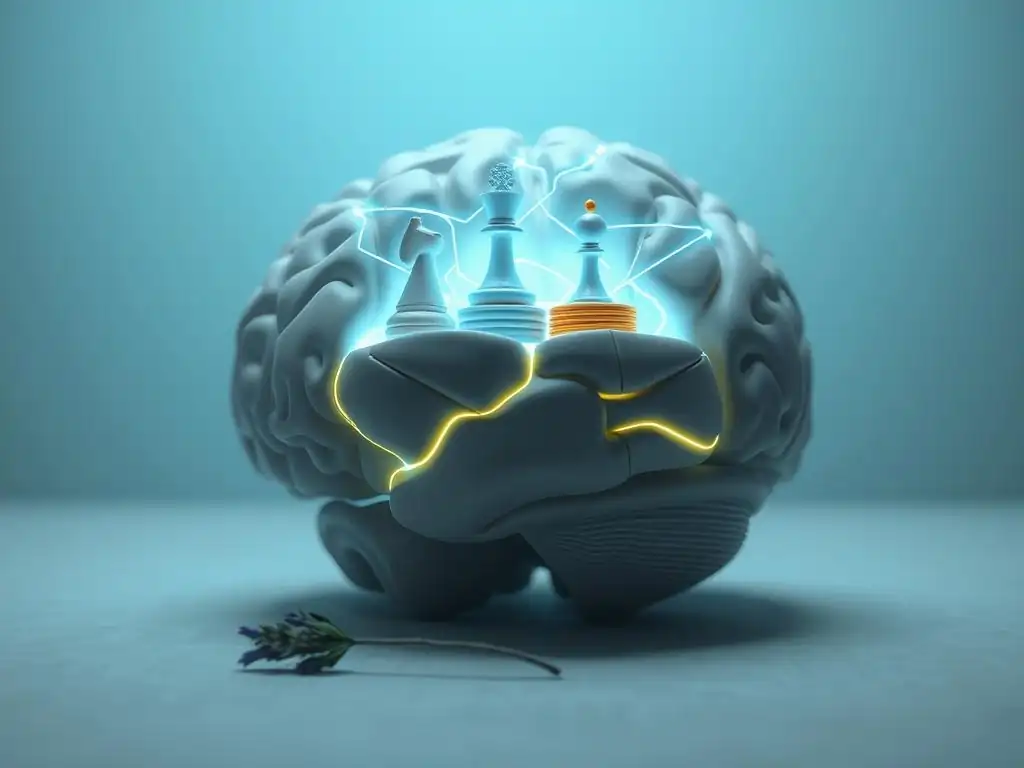
Gambling addiction, or Gambling Disorder, is the most recognized behavioral addiction, largely due to compelling evidence of its impact on the dopamine system. The unpredictable nature of wins provides intermittent reinforcement, which is known to be highly effective in conditioning behavior and triggering robust dopamine release. Studies using neuroimaging have shown increased activity in the brain's reward areas, including the striatum, in response to gambling cues and outcomes in individuals with this addiction.
Research suggests that individuals with gambling disorder may have altered dopamine receptor sensitivity or function. Some studies indicate lower baseline dopamine D2 receptor availability in the striatum, potentially leading these individuals to seek stronger rewards to achieve normal levels of pleasure or excitement. This dysregulation contributes significantly to the compulsive drive to gamble, demonstrating specific dopamine addiction behavioral patterns tied to chance and reward anticipation.
The Role of Dopamine in Risk-Taking and Impulsivity in Gambling
Dopamine is also involved in modulating risk assessment and impulsive decision-making, functions that are often impaired in gambling addiction. The anticipation of a potential win, even with high odds of losing, triggers dopamine release, which can override the brain's inhibitory control mechanisms located in the prefrontal cortex. This imbalance between the hyperactive reward system and weakened executive control contributes to the difficulty individuals have in resisting the urge to gamble, even when it is clearly harmful.
Studies using tasks that simulate real-life decision-making under uncertainty have shown that pathological gamblers exhibit heightened neural responses in reward-related areas when faced with risky choices compared to healthy controls. This suggests that the potential reward is disproportionately weighted due to dopamine system dysregulation, making impulsive, risky decisions more likely. Understanding these dopamine-driven mechanisms is key to addressing the underlying vulnerability to specific dopamine addiction behavioral patterns like compulsive gambling.
Excessive and compulsive internet use, encompassing activities like social media scrolling, online gaming, and viewing online pornography, represents another domain where dopamine plays a significant role in driving addictive behaviors. The internet provides an endless stream of novel stimuli and opportunities for reward, from social validation to game achievements. These digital rewards trigger dopamine release, reinforcing the online behavior and contributing to the formation of problematic habits.
The design of many online platforms and games utilizes principles of variable reinforcement, similar to gambling, to keep users engaged. Notifications, 'likes', comments, and loot boxes in games are delivered unpredictably, making checking for them a highly reinforcing behavior. This constant potential for a dopamine hit creates a powerful loop that can lead to excessive time online, neglect of real-world responsibilities, and the development of clear dopamine addiction behavioral patterns related to digital interaction.
Dopamine Release Associated with Online Rewards and Validation
Receiving positive feedback online, such as 'likes', shares, or approving comments, activates the same reward pathways in the brain that respond to natural rewards like food or social connection. Research using fMRI has shown increased activity in the nucleus accumbens when social media users receive positive social feedback. This dopamine surge reinforces the behavior of posting, sharing, and seeking validation online.
Similarly, achievements, virtual rewards, and progression within online games trigger significant dopamine release. Game developers often design mechanics specifically to exploit these reward pathways, providing frequent, albeit small, rewards or the promise of larger, unpredictable ones. This creates a powerful motivational loop that can lead to excessive gaming, sometimes for many hours daily, driven by the brain's pursuit of these digital dopamine boosts and solidifying dopamine addiction behavioral patterns centered around online engagement.
Food Addiction: The Dopamine-Food Connection
Food, particularly highly palatable options rich in sugar, fat, and salt, has a potent effect on the brain's reward system, involving dopamine. These foods are often engineered to be hyper-rewarding, triggering a stronger dopamine release than less processed or natural foods. This powerful signal can override satiety cues and contribute to compulsive overeating in vulnerable individuals, leading to behaviors that share characteristics with substance addiction, often referred to as food addiction.
The dopamine response to palatable food is not just about the taste but also the anticipation and the context. Seeing, smelling, or even thinking about a favorite treat can trigger dopamine release, driving cravings. This system evolved to ensure we sought out calorie-dense foods when they were scarce, but in an environment of abundance, it can contribute to problematic eating patterns and obesity, demonstrating dopamine addiction behavioral patterns specifically tied to certain types of food.
How Highly Palatable Foods Trigger Dopamine Release
When highly palatable foods are consumed, they activate taste receptors which send signals to the brain, leading to a rapid release of dopamine in the nucleus accumbens. This response can be even more robust than the dopamine release triggered by less rewarding foods. The combination of sensory pleasure and the post-ingestive metabolic effects of sugar and fat creates a powerful reinforcing signal.
Chronic consumption of these hyper-rewarding foods can lead to changes in the dopamine system similar to those seen in substance addiction. Studies in animals have shown that prolonged access to highly palatable food can lead to a decrease in dopamine D2 receptor availability, suggesting a desensitization of the reward pathway. This can result in needing to eat more food, or food that is even more rewarding, to achieve the same level of satisfaction, contributing to compulsive eating and observable dopamine addiction behavioral patterns related to food.
Sex Addiction: Dopamine's Role in Sexual Desire and Compulsion
Sexual behavior is a natural and rewarding activity that involves the release of dopamine, which contributes to feelings of pleasure, motivation, and bonding. Dopamine pathways, particularly those connecting the VTA to the nucleus accumbens and prefrontal cortex, are activated during sexual arousal and activity. This system helps ensure the continuation of the species by reinforcing sexual behavior.
In individuals with compulsive sexual behavior, often referred to as sex addiction, this natural reward system appears to become dysregulated. The pursuit of sexual activity becomes compulsive, characterized by intense cravings, loss of control, and continuation despite negative consequences, reflecting specific dopamine addiction behavioral patterns. While the exact neurobiological mechanisms are still being researched, dopamine is believed to play a central role in driving the compulsive pursuit and repetition of sexual behaviors.
Understanding Dopamine's Influence on Sexual Arousal and Reward
Dopamine is involved in the anticipation of sexual activity and the motivational drive to seek it out. It is released during sexual arousal and contributes to the rewarding feelings associated with orgasm. This reinforces the behavior, making it more likely to be pursued in the future. In compulsive sexual behavior, this system may become overly sensitized or dysregulated, leading to an excessive focus on sexual cues and an inability to resist urges.
Some research suggests that individuals with compulsive sexual behavior may exhibit altered dopamine receptor sensitivity or connectivity in brain regions involved in reward processing and impulse control. The powerful dopamine release associated with certain sexual activities, particularly those involving novelty or intensity (like viewing pornography or engaging in risky sexual encounters), can contribute to the rapid development of compulsive patterns. These behaviors become strongly linked to dopamine surges, reinforcing the cycle and manifesting as clear dopamine addiction behavioral patterns.
Neuroplasticity and Changes in Brain Structure
Chronic engagement in behavioral addictions, driven by dopamine dysregulation, can lead to significant and potentially long-lasting changes in brain structure and function, a phenomenon known as neuroplasticity. Key areas affected include the prefrontal cortex, which is responsible for executive functions, decision-making, and impulse control, and the striatum, involved in habit formation and reward processing.
Studies using neuroimaging techniques like MRI have shown structural differences in the brains of individuals with behavioral addictions compared to healthy controls. For example, some research on gambling disorder has indicated reduced gray matter volume in areas of the prefrontal cortex. These structural changes are believed to contribute to the impaired decision-making, increased impulsivity, and diminished ability to regulate behavior that are hallmarks of addiction, solidifying ingrained dopamine addiction behavioral patterns.
Dopamine Receptor Sensitivity and Tolerance
A common neuroadaptation in addiction is the alteration of dopamine receptor sensitivity. Chronic overstimulation of the dopamine system by addictive behaviors can lead to a decrease in the number or sensitivity of dopamine D2 receptors, particularly in the striatum. This downregulation contributes to tolerance, meaning the individual needs to engage in the behavior more frequently or intensely to achieve the same level of reward or satisfaction they once experienced.
While tolerance to the rewarding effects occurs, the brain pathways involved in craving can become sensitized. This means that cues associated with the addictive behavior trigger an exaggerated dopamine response related to anticipation and motivation, even if the actual behavior is no longer as pleasurable. This combination of tolerance to reward and sensitization to cues creates a powerful drive towards the addictive behavior, making it incredibly difficult to stop and reinforcing persistent dopamine addiction behavioral patterns.
The Impact on Cognitive Function and Decision-Making
The neurobiological changes, particularly in the prefrontal cortex and its connections to the reward system, have a profound impact on cognitive function and decision-making in individuals with behavioral addictions. Executive functions, such as planning, working memory, and inhibitory control, are often impaired. This makes it harder for individuals to resist urges, think through the consequences of their actions, and make rational choices.
Impulsivity is a hallmark symptom, driven by the weakened ability of the prefrontal cortex to regulate the hyperactive reward signals. Individuals may act on sudden urges to engage in the addictive behavior without considering the negative outcomes. This impaired decision-making extends beyond the addictive behavior itself, often affecting other areas of life, such as finances, relationships, and work, perpetuating the cycle of dopamine addiction behavioral patterns and their devastating consequences.
Breaking the Cycle: Strategies for Managing Behavioral Addictions
Therapy and Counseling Approaches
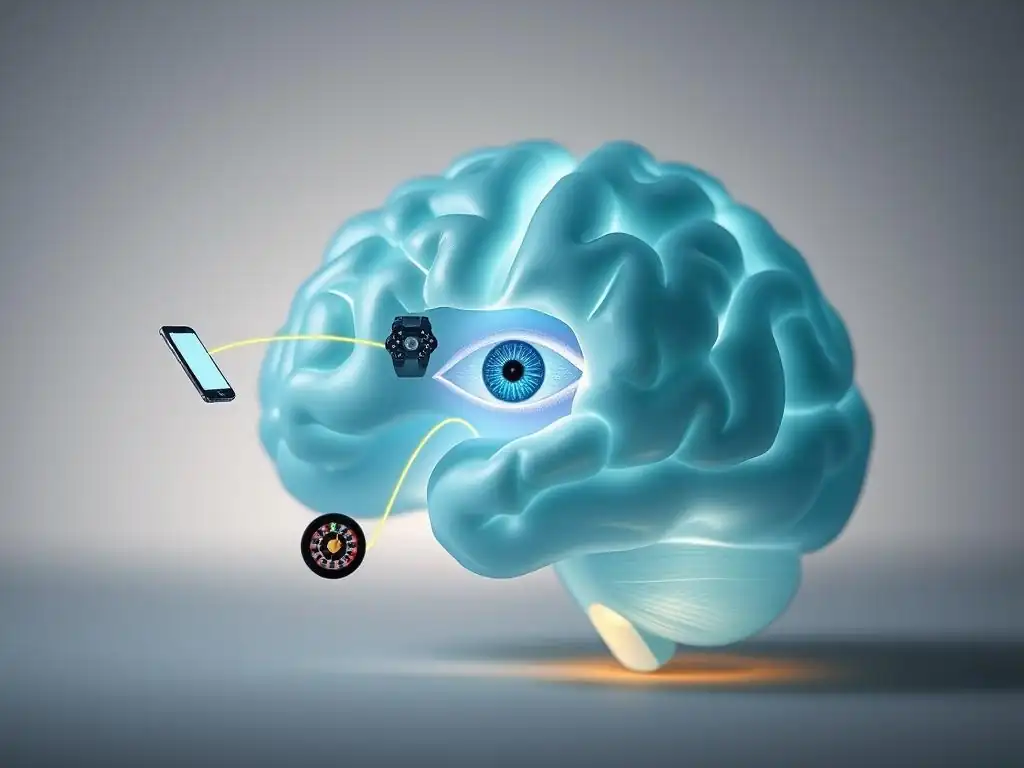
Therapy and counseling are cornerstone treatments for behavioral addictions, providing individuals with the tools and support needed to understand and change their dopamine addiction behavioral patterns. These approaches help individuals identify the root causes of their addiction, develop coping mechanisms, and build a support network. Treatment is often tailored to the specific type of behavioral addiction but shares common principles aimed at interrupting the addictive cycle and promoting healthier behaviors.
Therapeutic interventions can take place individually or in group settings. They focus on helping individuals recognize triggers, manage cravings, address underlying psychological issues such as anxiety or depression, and develop strategies for preventing relapse. The goal is not just to stop the behavior but to build a fulfilling life free from the compulsion, addressing the complex interplay of psychology and the dopamine addiction behavioral patterns.
Cognitive Behavioral Therapy (CBT) for Addiction
Cognitive Behavioral Therapy (CBT) is one of the most widely used and effective therapeutic approaches for treating behavioral addictions. CBT helps individuals identify and challenge distorted thoughts and beliefs that contribute to their addictive behavior (e.g., "I can't cope unless I gamble," "One more like will make me feel better"). By changing these maladaptive thought patterns, individuals can learn to respond differently to triggers and cravings.
CBT also focuses on developing practical coping skills, such as identifying high-risk situations, developing alternative activities, and learning relaxation techniques to manage stress and urges. Through structured sessions and homework assignments, individuals learn to break the link between triggers, thoughts, feelings, and the addictive behavior, gradually dismantling the ingrained dopamine addiction behavioral patterns. Studies have shown CBT to be effective in reducing gambling behavior and improving outcomes in internet addiction.
Motivational Interviewing (MI) for Behavioral Change
Motivational Interviewing (MI) is another valuable therapeutic approach, particularly useful for individuals who are ambivalent about changing their addictive behavior. Rather than confronting the individual, MI uses a collaborative and empathetic style to explore their reasons for change and help them resolve their mixed feelings. The therapist acts as a guide, helping the individual articulate their own arguments for change and build self-efficacy.
MI helps individuals explore the discrepancy between their current dopamine addiction behavioral patterns and their broader goals and values. By strengthening their intrinsic motivation to change, MI can help individuals move towards commitment and action. This approach is often used in the early stages of treatment to help individuals decide to pursue recovery and can be integrated with other therapies like CBT.
Lifestyle Modifications to Regulate Dopamine Levels
While professional help is crucial, certain lifestyle modifications can support recovery by promoting healthier dopamine function and overall well-being. These strategies focus on establishing routines, engaging in naturally rewarding activities, and managing stress, which can all influence the brain's reward system and help regulate dopamine release in a balanced way, counteracting problematic dopamine addiction behavioral patterns.
Incorporating regular physical activity, maintaining a balanced diet, ensuring sufficient sleep, and practicing mindfulness or meditation can all contribute to a healthier brain environment. These activities provide natural rewards and reduce the reliance on the artificial, intense dopamine surges sought in behavioral addictions. Building a lifestyle that supports mental and physical health is a key component of sustainable recovery.
Exercise, Nutrition, and Mindfulness Practices
Regular physical exercise is known to increase dopamine levels and improve mood, offering a healthy alternative to addictive behaviors. Engaging in activities like running, swimming, or team sports can provide a natural sense of accomplishment and well-being, contributing to healthy dopamine regulation. Aiming for at least 30 minutes of moderate exercise most days of the week can be beneficial.
Nutrition also plays a role; a balanced diet rich in protein, healthy fats, and complex carbohydrates supports overall brain health and neurotransmitter function. Avoiding excessive sugar and processed foods can help prevent the extreme dopamine spikes and crashes associated with food addiction. Mindfulness and meditation practices can help individuals become more aware of their thoughts, feelings, and cravings without acting on them, improving impulse control and helping manage the urges driven by dopamine addiction behavioral patterns.
The Role of Support Groups and Community
Joining support groups, such as those based on the 12-step model or other peer-led programs, can be a vital part of recovery from behavioral addictions. These groups provide a sense of community, reduce feelings of isolation and shame, and offer a safe space to share experiences and coping strategies. Hearing from others who understand the struggle with dopamine addiction behavioral patterns can be incredibly validating and motivating.
Support groups offer practical advice and emotional encouragement from peers who are navigating similar challenges. They provide accountability and a network of support outside of formal therapy sessions. Building healthy connections and engaging in supportive relationships can also contribute to positive feelings and natural dopamine release, counteracting the isolation often associated with addiction.
Dopamine Regulation: A Holistic Approach to Mental Well-being
Understanding Individual Vulnerabilities to Addiction
It's important to recognize that vulnerability to behavioral addictions is not uniform; it arises from a complex interplay of genetic, environmental, and psychological factors. Some individuals may have a genetic predisposition affecting their dopamine system or impulse control. Environmental factors like early life stress, trauma, or exposure to addictive behaviors in the family or peer group can also increase risk.
Psychological factors, such as co-occurring mental health conditions (anxiety, depression, ADHD), personality traits (impulsivity, novelty-seeking), and difficulties with emotional regulation, can also heighten vulnerability. Acknowledging these individual differences is crucial for developing personalized treatment plans that address the specific factors contributing to an individual's dopamine addiction behavioral patterns. Recovery is not a one-size-fits-all journey.
Promoting Healthy Dopamine Release: Alternatives to Addictive Behaviors
A key aspect of managing behavioral addictions and promoting long-term well-being is finding healthy, natural ways to stimulate the brain's reward system and regulate dopamine. Engaging in activities that provide a sense of accomplishment, connection, or pleasure in a balanced way can help restore healthy dopamine function and reduce the reliance on addictive behaviors.
This might include pursuing hobbies, learning new skills, spending time in nature, engaging in creative activities, volunteering, setting and achieving realistic goals, and nurturing supportive relationships. These activities provide sustainable sources of reward and fulfillment, helping individuals build a life where healthy behaviors are naturally reinforced, gradually replacing the problematic dopamine addiction behavioral patterns.
The Future of Research: Targeting Dopamine Pathways for Addiction Treatment
Research into the neuroscience of behavioral addictions continues to evolve, offering hope for more targeted and effective treatments. Understanding the specific ways in which different behaviors dysregulate dopamine pathways is leading to the exploration of novel interventions. While pharmacological treatments are more common for substance addictions, research is exploring if certain medications that modulate dopamine or related neurotransmitters could potentially help reduce cravings or impulsivity in behavioral addictions, though this is still an area of active investigation and requires careful consideration due to potential side effects.
Beyond medication, future research is likely to focus on refining behavioral therapies, developing new digital interventions, and exploring neuromodulation techniques (like TMS or tDCS) that might help restore healthy brain function. The goal is to develop comprehensive approaches that address the underlying neurobiological changes, psychological factors, and environmental influences that contribute to dopamine addiction behavioral patterns, offering individuals a path towards lasting recovery and improved mental well-being.
Frequently Asked Questions
What are some common examples of dopamine-driven behavioral addictions discussed in the article?
The article focuses on how behaviors like gambling, social media use, and excessive gaming can trigger dopamine release and lead to addictive patterns. These activities can become compulsive, similar to drug addiction.
How does the article define "Dopamine addiction behavioral patterns"?
The article defines it as a compulsive engagement in activities that release dopamine, leading to loss of control and negative consequences despite awareness. It's about the brain's reward system hijacking behavior.
Does the article suggest that behavioral addictions are as serious as drug addictions?
The article implies that, while the substances differ, the underlying neurological mechanisms and the resulting impact on life can be equally severe in both behavioral and drug addictions.
What are some signs that someone might be developing a dopamine-driven behavioral addiction?
Key signs include increased preoccupation with the activity, withdrawal symptoms when unable to engage, and neglecting responsibilities to pursue the behavior. These patterns reflect a loss of control.
What kind of support or resources does "Mind Care Guide" offer for those struggling with behavioral addictions, according to the article's theme?
Based on the Mind Care Guide theme, readers can find information, support resources, and guidance on managing mental health challenges, including behavioral addictions. It aims to provide a comprehensive approach to well-being.
Final Reflection: Reframing Addiction: Beyond the Dopamine Rush
The pervasive influence of dopamine on our behavior extends far beyond substance abuse; understanding its role in behavioral addictions is crucial for navigating the complexities of modern life. The sheer number of readily available addictive behaviors in our digitally saturated world—from social media scrolling to compulsive online gaming—highlights the urgent need to move beyond simplistic views of addiction. We are not merely victims of our neurochemistry; we are active participants in shaping our own reward pathways.
The exploration of dopamine's role in shaping our behavioral patterns has profoundly impacted my understanding of addiction, shifting it from a purely chemical imbalance to a complex interplay of neurobiology, psychology, and environment. The brain is plastic. It changes in response to experience. This means that we have the power to change our brains and our behaviors.
This quote underscores the empowering potential of understanding the mechanisms of addiction, allowing us to consciously intervene and reshape our habits. The ongoing societal struggle with behavioral addictions necessitates a deeper understanding of the underlying neurochemical processes, paving the way for more effective prevention and treatment strategies.
Consider the power you hold. You are not simply a passive recipient of dopamine's influence. By understanding how this neurotransmitter shapes your choices, you can consciously cultivate healthier habits and redirect your reward pathways towards activities that nurture your well-being. Take a moment to reflect on your own behaviors: Where might dopamine be driving patterns that aren't serving you? What steps can you take to cultivate more mindful engagement with technology and other potentially addictive activities? The journey towards a healthier relationship with dopamine begins with self-awareness and a commitment to positive change.
Unlock Your Brain's Potential: Take Control of Your Dopamine
Thanks for diving deep into the fascinating world of dopamine and behavioral addictions! We hope you gained valuable insights into how you can better understand and manage your own reward pathways. Now it's time to put that knowledge into action.
Here's how to start making a positive change:
- Identify your potential behavioral addictions: Take some time for honest self-reflection. Consider your daily habits and identify any activities that might be impacting your well-being negatively, even if they don't involve substances. This is the crucial first step.
- Explore healthier dopamine-boosting activities: Consider incorporating activities like exercise, meditation, spending time in nature, or pursuing creative hobbies into your routine. These offer sustainable reward without the negative consequences.
- Share your thoughts: Help others by sharing this article with someone who might benefit from understanding dopamine's role in their life.
What healthy dopamine-boosting activity are you most excited to try today?