
Blended Families: Navigating Complex Communication Challenges

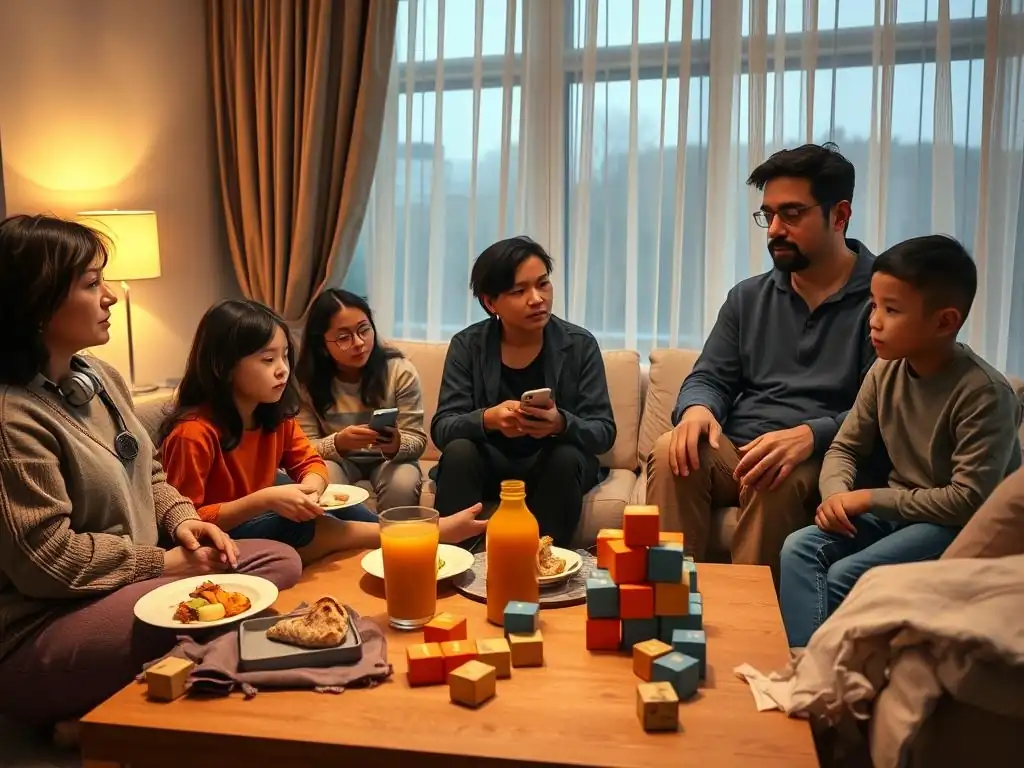
Welcome to Mind Care Guide, a space dedicated to nurturing your mental well-being.
Are you part of a blended family feeling the strain? Understandably, navigating the complexities of communication within these unique family structures can be challenging. In this article, we delve into blended family communication difficulties, offering practical strategies and empathetic insights to help you foster stronger, healthier connections. What if you could unlock a more harmonious and understanding home life? Let's explore how.
Blended Families: Navigating Complex Communication Challenges
- Understanding Communication Dynamics in Blended Families
- Identifying Communication Difficulties in Your Blended Family
- Strategies for Improving Blended Family Communication
- Conflict Resolution Strategies for Blended Families
- Building Stronger Relationships Through Effective Communication
- Communication and Step-Parenting in Blended Families
- Communication and Co-Parenting with Ex-Partners
- Resources for Blended Families Facing Communication Challenges
- Overcoming Blended Family Communication Difficulties: A Path to Harmony
-
Frequently Asked Questions
- What are some common communication difficulties faced by blended families?
- How can open and honest communication be fostered in a blended family environment?
- What role does professional counseling play in addressing communication issues within blended families?
- How can parents in blended families help children navigate communication challenges with stepparents or stepsiblings?
- What are some practical tips for improving day-to-day communication in a blended family setting?
- Final Reflection: Bridging the Gaps in Blended Family Communication
- Unlock Your Blended Family's Potential!
Understanding Communication Dynamics in Blended Families
What is a Blended Family and Why Communication Matters?
A blended family, often referred to as a stepfamily, is formed when one or both partners in a new relationship have children from a previous relationship. This structure brings together individuals with different histories, rules, traditions, and expectations under one roof. Unlike first families where relationships develop organically over time from shared experiences, blended families often merge existing, established relationships with newly formed ones.
This inherent complexity means that effective communication isn't just important; it's the foundational pillar for building trust, fostering connection, and navigating the unique landscape of stepfamily life. Without clear and open dialogue, misunderstandings can quickly escalate, leading to significant blended family communication difficulties.
The success and well-being of a blended family heavily rely on how well its members communicate. Studies and anecdotal evidence consistently show that communication breakdowns are among the most significant stressors in stepfamilies, often contributing to conflict, resentment, and a lack of cohesion.
For instance, research suggests that blended families face a higher likelihood of divorce than first families, and communication issues are frequently cited as a primary factor. Learning to articulate needs, listen actively, and manage conflict constructively is therefore paramount for creating a stable and supportive environment for everyone involved, especially when facing the common difficulties in blended family communication.
Common Communication Challenges Specific to Blended Families
Blended families encounter a unique set of communication hurdles that differ from those in nuclear families. One prevalent challenge is the presence of multiple parenting styles and rules. When children move between households with different expectations regarding chores, homework, or screen time, it can create confusion and tension if parents and step-parents don't communicate effectively about these discrepancies.
For example, a child might exploit differing rules, leading to conflict between the adults. Another significant issue is the potential for triangulation, where children or adults communicate indirectly through a third party, often an ex-partner or another family member, rather than addressing issues directly with the person involved.
Loyalty conflicts also pose substantial blended family communication challenges. Children may feel disloyal to a biological parent if they openly connect with a step-parent, or they might struggle to communicate their feelings about the new family structure for fear of upsetting one or both sets of parents. Step-parents, in turn, may find it challenging to establish open communication with stepchildren who are resistant or withdrawn.
Furthermore, communication about finances, holidays, and future plans can be fraught with difficulty due to the involvement of multiple households and the need to balance the needs and traditions of different family branches. These complex dynamics require intentional and often challenging conversations to overcome the inherent difficulties in blended family communication.
The Impact of Past Relationships on Current Communication
The ghosts of past relationships, particularly previous marriages and co-parenting dynamics with ex-partners, cast a long shadow over communication within a new blended family. Unresolved conflicts, lingering resentments, or ongoing power struggles with an ex-partner can easily spill over into the current family system, creating tension and undermining the new relationship.
For instance, if a biological parent is constantly battling with their ex over child-related issues, this stress and negativity can impact their communication style within the blended home, making them more reactive or withdrawn. Children also bring the communication patterns and emotional baggage from their previous family experiences into the new structure, which can influence how they interact with step-parents and stepsiblings.
Moreover, the communication style established in the previous marriage can unconsciously be carried into the new one. If a partner came from a relationship characterized by avoidance, passive-aggression, or explosive arguments, they may struggle to adopt healthier communication habits in the blended family context. This can lead to repeating old patterns, creating familiar but destructive blended family communication difficulties. Addressing these past influences, acknowledging their impact, and consciously working to develop new, healthier ways of interacting are crucial steps in mitigating the difficulties in blended family communication and building a more positive future.
Identifying Communication Difficulties in Your Blended Family
Recognizing Signs of Poor Communication in Blended Families
Identifying poor communication is the first step toward addressing blended family communication difficulties. Signs can manifest in various ways among different family members. For adults, indicators might include frequent arguments that don't get resolved, a lack of open discussion about important decisions (like finances or discipline), feeling unheard or misunderstood by a partner or stepchildren, or resorting to silence or passive-aggression instead of direct conversation. For children and adolescents, signs could include withdrawal, increased conflict with siblings or step-parents, behavioral problems, difficulty expressing feelings, or constantly complaining about unfairness.
Other red flags for poor communication in blended families include consistent misunderstandings about expectations or rules, a lack of shared family time or conversation during meals, and the formation of "us vs. them" dynamics (e.g., "my kids" vs. "your kids"). When communication is poor, it often leads to a lack of emotional connection and trust within the family unit. Family members may feel isolated, resentful, or insecure in their roles. Recognizing these signs early is vital, as unaddressed blended family communication challenges tend to worsen over time, creating deeper rifts and making future resolution more difficult.
Common Communication Pitfalls to Avoid in Blended Families
Navigating the complexities of blended family communication requires awareness of common pitfalls. One major pitfall is assuming everyone is on the same page without explicit discussion. Given the diverse backgrounds and expectations, assumptions about roles, rules, and routines are almost guaranteed to lead to misunderstandings.
For example, a step-parent might assume they have equal disciplinary authority, while the biological parent or child believes otherwise, leading to conflict when discipline is attempted. Another pitfall is speaking negatively about an ex-partner in front of the children. This puts children in an uncomfortable position and undermines their relationship with their other parent, creating significant loyalty conflicts and communication barriers.
Failing to prioritize the couple's relationship is another common mistake that impacts family communication. The strength of the partnership between the adults is the bedrock of a successful blended family. If the couple struggles to communicate effectively with each other, it's highly likely they will face significant blended family communication difficulties with the children and extended family members.
Furthermore, trying to force instant closeness or a "first family" dynamic too quickly can backfire. Blended families need time to bond, and pressuring relationships can lead to resentment and resistance, hindering open and honest communication. Avoid comparing family members or treating children differently based on biological ties, as this erodes trust and fosters division.
Assessing Your Blended Family's Communication Style
Understanding your blended family's current communication style is a crucial step in addressing blended family communication difficulties. Is communication typically direct and open, or indirect and avoidant? Do family members listen actively, or are conversations frequently interrupted or dismissed? Consider how conflicts are handled: are disagreements discussed calmly and collaboratively, or do they escalate into yelling, blaming, or silent treatment? Pay attention to who talks to whom and about what topics. Are certain topics off-limits? Do children feel comfortable approaching both parents and step-parents with concerns?
A simple way to assess communication is to observe interactions during everyday activities like dinner or car rides. Are people engaged in conversation, or are they withdrawn? You can also use informal check-ins or even questionnaires (adapted from communication assessment tools) within the family to gauge how different members feel about the current communication patterns. For instance, asking questions like "Do you feel heard in this family?"
or "What makes it hard to talk about difficult things?" can provide valuable insights. Identifying whether the dominant style is passive, aggressive, passive-aggressive, or assertive is key. Moving towards a more assertive and open style is essential for overcoming the inherent difficulties in blended family communication.
Strategies for Improving Blended Family Communication
Establishing Clear Communication Rules and Expectations
Setting clear communication rules and expectations is fundamental to reducing blended family communication difficulties. This involves the adults in the partnership agreeing on how they will communicate with each other, with the children, and with ex-partners. For example, rules might include: "We will not yell during disagreements," "We will listen without interrupting," or "We will discuss important decisions together before announcing them to the children." It's also beneficial to establish expectations around privacy, confidentiality, and how sensitive information is shared within the family and with outside parties (like extended family or friends).
Involving older children in the process of creating some family communication guidelines can also increase buy-in and understanding. For instance, a family meeting might establish a rule like "Everyone gets a turn to speak without interruption during family discussions." Clearly defining roles and responsibilities regarding communication with schools, doctors, or extracurricular activities can also prevent confusion and conflict. Documenting these rules, perhaps in a simple family agreement or on a visible chart, can serve as a helpful reminder and reference point when blended family communication challenges arise. Consistency in upholding these rules is key to building trust and predictability.
Active Listening Techniques for Blended Families
Active listening is a powerful tool for improving blended family communication, especially when navigating sensitive topics and potential blended family communication difficulties. It involves fully concentrating on, understanding, responding to, and remembering what is being said. This goes beyond simply hearing the words; it requires empathy and a genuine effort to see the speaker's perspective. Techniques include maintaining eye contact, nodding or using other non-verbal cues to show engagement, and avoiding formulating your response while the other person is still speaking.
Paraphrasing or summarizing what you've heard ("So, if I understand correctly, you're saying...") can help ensure you've understood correctly and shows the speaker you were paying attention. Asking clarifying questions ("Could you tell me more about that?") encourages deeper explanation. Importantly, active listening requires withholding judgment and resisting the urge to jump in with solutions or counter-arguments immediately. By practicing active listening, family members, particularly parents and step-parents, can model respectful communication, build stronger connections with stepchildren, and de-escalate potential blended family communication challenges by validating others' feelings and experiences.
The Importance of Empathy and Understanding in Blended Family Interactions
Empathy and understanding are cornerstones of healthy blended family communication. Empathy is the ability to understand and share the feelings of another. In a blended family, this means trying to see the situation from the perspective of your partner, your stepchildren, your biological children, and even your ex-partner, recognizing that everyone is adjusting to significant changes. Children, in particular, may be dealing with complex emotions related to loss, change, and loyalty. Approaching their communication with empathy helps create a safe space for them to express themselves, reducing potential blended family communication difficulties.
Understanding goes hand-in-hand with empathy. It involves acknowledging the different histories, traditions, and expectations that each person brings to the blended family. For example, understanding that a stepchild's reluctance to participate in a new family tradition might stem from loyalty to their other parent, rather than personal rejection, can shift the communication approach from frustration to compassion. When family members feel understood and validated, even if their perspective isn't fully shared, it fosters trust and encourages more open and honest dialogue. Cultivating empathy and understanding actively combats the isolation and resentment that can fuel blended family communication challenges.
Conflict Resolution Strategies for Blended Families
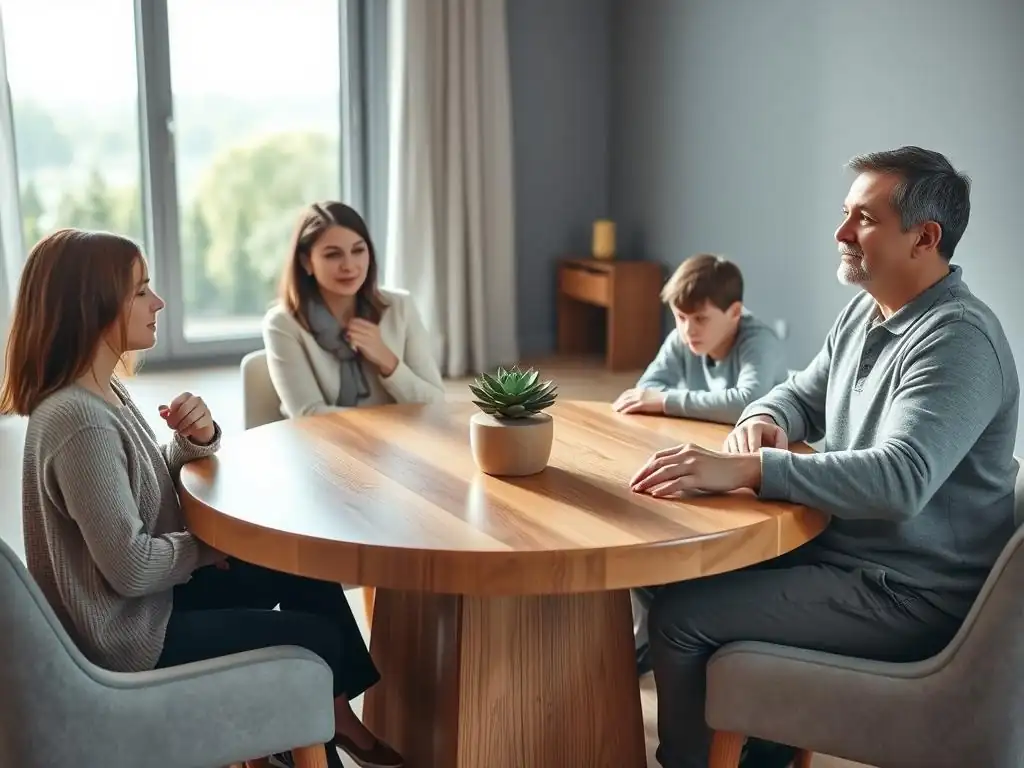
Addressing Conflict Constructively in Blended Families
Conflict is inevitable in any family, but how it's addressed makes all the difference, especially in blended families prone to unique blended family communication difficulties. Constructive conflict resolution focuses on finding solutions and strengthening relationships rather than winning arguments or assigning blame. The first step is to address conflict directly and relatively early, before it festers. Establish a process for disagreements: agree to take a break if emotions are running high, set a time to revisit the issue when calm, and agree to focus on the specific problem rather than launching personal attacks.
Using "I" statements ("I feel frustrated when...") instead of "You" statements ("You always...") helps express feelings without making the other person defensive. Focus on the behavior or situation, not the person's character. Encourage all relevant family members to participate in finding solutions, especially when the conflict impacts them. For example, if the conflict is about chore distribution, involve the children in brainstorming a fair system. The goal is collaborative problem-solving. Successfully navigating conflict constructively is vital for overcoming blended family communication challenges and building resilience as a family unit.
Mediation and Negotiation Techniques for Blended Families
When direct discussion is difficult, mediation and negotiation techniques can be invaluable tools for resolving blended family communication difficulties. Mediation involves a neutral third party (sometimes a parent acting neutrally between children, or ideally, a professional mediator) who helps facilitate communication and guide the parties toward a resolution. The mediator doesn't take sides but helps ensure everyone has a chance to speak and be heard, clarifies misunderstandings, and helps identify common ground.
Negotiation techniques can be used by the adults in the partnership or with older children. This involves identifying each person's underlying needs and interests, not just their stated positions. For example, a child's resistance to visiting a grandparent might stem from a need for predictability or feeling overwhelmed, not necessarily dislike for the grandparent.
Negotiation seeks win-win solutions where possible, or at least compromises that everyone can live with. Techniques like brainstorming multiple options and evaluating them together can lead to creative solutions. Learning these skills empowers blended families to tackle complex issues like holiday schedules, financial agreements, or discipline approaches effectively, mitigating significant blended family communication challenges.
When to Seek Professional Help for Blended Family Communication Issues
While many blended family communication difficulties can be addressed internally, there are times when professional help is necessary and highly beneficial. Consider seeking support from a therapist or counselor specializing in blended families if:
- Communication is consistently hostile, involves yelling, name-calling, or silent treatment.
- Conflict is chronic and unresolved, leading to ongoing stress and unhappiness for family members.
- Children are exhibiting significant behavioral or emotional problems linked to family tension.
- The couple's relationship is severely strained by blended family issues.
- Attempts to improve communication on your own have failed.
- There are significant difficulties communicating with an ex-partner that negatively impact the children or the blended family.
A qualified therapist can provide a safe, neutral space for family members to express themselves, identify underlying issues, teach effective communication and conflict resolution skills, and help the family develop strategies tailored to their unique situation. They can also help navigate complex dynamics like loyalty conflicts or step-parent roles. Investing in professional help is a proactive step towards building a healthier, more harmonious blended family and overcoming persistent blended family communication challenges.
Building Stronger Relationships Through Effective Communication
Fostering Positive Communication Patterns in Blended Families
Moving from identifying problems to building positive communication patterns is key to overcoming blended family communication difficulties. This involves conscious effort and consistent practice. Start by focusing on increasing positive interactions. Aim for a higher ratio of positive comments, affirmations, and expressions of appreciation compared to criticisms or negative remarks. Simple things like saying "please" and "thank you," offering genuine compliments, or expressing gratitude can significantly shift the family atmosphere.
Encourage open expression of feelings, both positive and negative, in a respectful manner. Create opportunities for lighthearted conversation and shared laughter. Positive communication also means celebrating successes, big or small, as a family. This could be acknowledging improved communication during a difficult discussion or celebrating a stepchild's achievement. Consistently reinforcing positive communication behaviors helps to build trust, strengthen bonds, and create a more resilient family unit capable of navigating future blended family communication challenges more effectively.
Creating Opportunities for Open and Honest Dialogue
Creating dedicated time and space for open and honest dialogue is vital for addressing blended family communication difficulties proactively. This doesn't always have to be a formal meeting; it could be during shared meals, car rides, or designated check-in times. The key is to make these times non-judgmental and safe for everyone to share their thoughts and feelings without fear of immediate criticism or dismissal. Adults should model vulnerability and honesty within appropriate boundaries.
For children and adolescents, one-on-one time with each parent and step-parent can provide a more comfortable setting for expressing concerns they might not voice in a group setting. Asking open-ended questions ("How are you feeling about school this week?" instead of "Is school okay?") can encourage deeper conversation. Be prepared to listen more than you talk, especially when children are sharing. Making these opportunities a regular part of family life helps to build a culture of trust and transparency, essential for effectively managing blended family communication challenges as they arise.
The Role of Family Meetings in Improving Blended Family Communication
Family meetings are a structured and effective way to improve blended family communication and address ongoing blended family communication difficulties. They provide a regular forum for discussing important family matters, resolving conflicts, planning activities, and allowing everyone to have a voice. Meetings can be held weekly or bi-weekly, depending on the family's needs and schedule. Establishing a clear agenda beforehand can help keep the meeting focused.
During the meeting, each person can have a turn to share thoughts or concerns without interruption. Topics might include coordinating schedules, discussing household rules, planning upcoming events, addressing specific conflicts, or simply checking in with how everyone is feeling. Collaborative problem-solving should be a key component, with the goal of reaching agreements that everyone can support. Family meetings foster a sense of shared responsibility and belonging, giving family members agency in the functioning of the household and providing a dedicated space to work through blended family communication challenges together.
Communication and Step-Parenting in Blended Families
The communication dynamic between step-parents and stepchildren is one of the most sensitive areas in a blended family and a common source of blended family communication difficulties. Unlike biological parent-child relationships which develop from birth, step-parent relationships are formed later in a child's life, often after experiences of loss or change. Step-parents cannot simply step into the role of a biological parent immediately; trust and rapport must be built over time. Communication should initially focus on building a friendly connection rather than immediately trying to assert parental authority.
Listen more than you talk, show genuine interest in their lives, and respect their relationship with their biological parents. Avoid trying to force affection or demanding to be called "Mom" or "Dad." Instead, find a name that is comfortable for the child.
Discipline is a particularly challenging area; it's often recommended that the biological parent takes the lead on discipline for their children, especially in the early stages, while the step-parent supports the biological parent's rules. Clear communication between the couple about discipline approaches is paramount to avoid undermining each other and creating confusion for the children, which exacerbates blended family communication challenges.
Establishing Boundaries and Respect in Step-Parent Relationships
Establishing clear boundaries and mutual respect is critical for healthy step-parent/stepchild communication and navigating potential blended family communication difficulties. Boundaries define acceptable behavior and interactions within the relationship. For a step-parent, this might mean respecting a stepchild's need for privacy or space, or understanding that they may not want to confide in you about certain things right away. For stepchildren, boundaries involve treating the step-parent with respect, even if they don't view them as a parent figure.
Openly discussing boundaries (in an age-appropriate way) between the adults and potentially with older children helps manage expectations. For example, the couple might agree that the step-parent will not act as a go-between for the child and their biological parent in the other household. Respect in this dynamic is two-way.
Step-parents must respect the child's feelings and history, while children should respect the step-parent's role in the household and their relationship with the biological parent. Modeling respect in all interactions, including how the adults communicate with each other and with ex-partners, sets a positive example that helps mitigate significant blended family communication challenges.
Addressing Loyalty Conflicts and Sibling Rivalry
Loyalty conflicts and sibling rivalry are common sources of tension and blended family communication difficulties in stepfamilies. Children may feel caught in the middle, believing that showing affection or loyalty to a step-parent or stepsibling is a betrayal of their biological parent or siblings in the other household. This can manifest as resistance, withdrawal, or overt conflict. It's crucial for parents and step-parents to reassure children that it's okay to love and connect with people in both households. Avoid putting children in a position where they have to choose sides.
Sibling rivalry can intensify when stepsiblings are brought together, competing for parental attention, resources, or space. Communication is key to managing this. Encourage stepsiblings to talk about their feelings and frustrations in a structured way, perhaps during family meetings. Avoid comparing siblings, whether biological or step. Create opportunities for positive interaction and shared experiences that foster bonding. Acknowledging the difficulty of these adjustments and validating children's feelings empathetically helps to ease loyalty conflicts and reduce rivalry, paving the way for improved blended family communication.
Communication and Co-Parenting with Ex-Partners

Maintaining Healthy Communication with Ex-Partners for the Benefit of the Children
Effective co-parenting communication with ex-partners is fundamental to reducing blended family communication difficulties within the new household, especially when children are involved. While the relationship dynamic has changed, maintaining a civil and cooperative connection regarding the children's needs is paramount for their well-being. This involves communicating directly about schedules, school events, health issues, and significant decisions. Ideally, communication should be business-like, focused on the children, and free from emotional baggage from the past relationship.
Agreements on how and when to communicate (e.g., via email for non-urgent matters, phone for emergencies) can help manage expectations and reduce conflict. Avoid using children as messengers or interrogating them about what happens in the other household. Sharing information proactively (like a child's upcoming doctor's appointment or a school project deadline) prevents last-minute stress and potential misunderstandings. While challenging, prioritizing healthy communication with an ex-partner directly benefits the children by providing consistency and minimizing exposure to adult conflict, which significantly reduces blended family communication challenges.
Strategies for Effective Co-Parenting in Blended Family Situations
Effective co-parenting in blended families requires intentional strategies to minimize conflict and ensure consistency for the children. One key strategy is establishing consistent rules and expectations between households where possible, particularly regarding things like homework, bedtime, and discipline philosophy. This doesn't mean rules have to be identical, but alignment on core values and approaches reduces confusion for the children. Regular, scheduled communication between co-parents is crucial, perhaps a brief call or email exchange weekly or bi-weekly to touch base on the children's lives.
Using co-parenting apps or shared online calendars can help coordinate schedules and share information efficiently, reducing the need for frequent direct contact if the relationship is strained. Decisions regarding the children should ideally be made jointly or through a previously agreed-upon process outlined in a parenting plan.
Involving the new partner (step-parent) in discussions about the children should be done carefully and respectfully, often with the biological parent acting as the primary communicator with the ex-partner. Navigating this requires clear boundaries and communication within the blended family itself about the step-parent's role in co-parenting discussions to avoid creating new blended family communication difficulties.
Minimizing Conflict Between Households
Minimizing conflict between the biological parents' households is essential for reducing blended family communication difficulties and protecting children from caught-in-the-middle syndrome. High-conflict co-parenting is detrimental to children's emotional and psychological well-being. Strategies for minimizing conflict include keeping communication child-focused and brief, avoiding discussing adult relationship issues, and refraining from criticizing the other parent or their household to the children or within earshot of the children in the blended home.
If direct communication is too difficult or escalates into conflict, consider using communication intermediaries like email or a co-parenting app that logs exchanges. In cases of high conflict, parallel parenting, where parents have minimal direct contact and manage their time with the children independently according to a strict schedule, might be necessary. Seeking professional mediation can also help resolve persistent disputes without resorting to litigation. Protecting the blended family from the fallout of high conflict co-parenting by maintaining clear boundaries and minimizing exposure to the conflict is vital for its internal harmony and reducing significant blended family communication challenges.
Resources for Blended Families Facing Communication Challenges
Books and Articles on Blended Family Communication
Numerous valuable resources exist to help blended families navigate blended family communication difficulties. Books by authors specializing in stepfamily dynamics, such as Patricia Papernow, Ron Deal, or Emily Visher and John Visher, offer deep insights and practical strategies. Titles like "The Stepfamily Handbook" or "The Smart Stepfamily" often dedicate significant sections to communication skills, common pitfalls, and building stronger relationships.
Online articles and blogs from reputable sources like psychology websites, family counseling centers, and non-profit organizations dedicated to stepfamilies also provide accessible information and tips. Searching for topics like "effective communication in stepfamilies," "managing conflict in blended families," or "blended family communication difficulties" can yield helpful guidance. These resources offer different perspectives and actionable advice that can be applied to specific blended family communication challenges.
Support Groups and Organizations for Blended Families
Connecting with other blended families can provide invaluable support, understanding, and shared strategies for tackling blended family communication difficulties. Support groups, whether in-person or online, offer a space to share experiences, challenges, and successes with others who truly understand the unique dynamics of stepfamily life. Organizations like the Step Family Foundation or local community centers sometimes offer programs or groups specifically for blended families.
Online forums and social media groups dedicated to blended families also provide a platform for asking questions, seeking advice, and finding solidarity. Hearing how other families have successfully navigated similar blended family communication challenges can be empowering and provide new ideas for improving your own family's interactions. Sharing your own experiences can also be therapeutic and helpful to others.
Finding a Therapist or Counselor Specializing in Blended Family Issues
For blended families facing significant or persistent blended family communication difficulties, seeking professional help from a therapist or counselor specializing in blended family dynamics is highly recommended. These professionals have specific training and experience in the complex issues inherent in stepfamilies, including navigating relationships between partners, step-parents and stepchildren, stepsiblings, and co-parenting with ex-partners.
You can find a therapist through referrals from friends, doctors, or by searching online directories of mental health professionals. Look for therapists who list "blended families," "stepfamilies," "family therapy," or "co-parenting" as areas of expertise. A therapist can provide a neutral space for guided conversations, teach specific communication skills, help identify and change negative interaction patterns, and support the family in building stronger, healthier relationships. Investing in therapy is a proactive step towards long-term family well-being and effectively resolving blended family communication challenges.
Overcoming Blended Family Communication Difficulties: A Path to Harmony
Long-Term Strategies for Maintaining Healthy Communication
Overcoming blended family communication difficulties is not a one-time fix but an ongoing process that requires commitment and consistent effort. Long-term strategies for maintaining healthy communication involve making communication a priority in family life. This means continuing to hold regular family meetings or check-ins, even when things are going well. It also means consistently practicing active listening and empathy in daily interactions.
Another key strategy is to regularly check in with your partner about the state of your communication as a couple and within the broader family unit. Are there new tensions arising? Are old patterns resurfacing? Being proactive in identifying potential blended family communication challenges before they escalate is crucial. Continuously educating yourselves about stepfamily dynamics and communication strategies through reading or workshops can also provide fresh insights and tools for navigating future issues. Building a strong, communicative partnership between the adults is the most effective long-term strategy for the success of the blended family.
Celebrating Successes and Learning from Challenges
The journey of overcoming blended family communication difficulties will have its ups and downs. It's important to acknowledge and celebrate the successes along the way, no matter how small they seem. Did a difficult conversation go better than expected? Did family members handle a conflict constructively? Did a step-parent and stepchild have a positive interaction? Recognizing these moments reinforces positive behaviors and provides encouragement to keep trying.
Equally important is learning from the challenges and setbacks. Communication breakdowns will happen. Instead of dwelling on blame, try to understand what went wrong and what could be done differently next time. Did someone feel unheard? Was the timing poor for a sensitive discussion? Viewing challenges as learning opportunities rather than failures helps build resilience and refine communication skills over time. This reflective process is essential for continuous improvement in navigating blended family communication challenges.
Embracing the Unique Strengths of Your Blended Family
Finally, embracing the unique strengths that your blended family possesses can significantly contribute to overcoming blended family communication difficulties and fostering a sense of belonging. Blended families often bring together diverse perspectives, traditions, and skills. Children gain exposure to different ways of doing things and learn flexibility and adaptability. Step-parents can bring new energy and positive influences into children's lives. The family unit itself has the opportunity to create new, shared traditions and a unique identity that honors everyone's background.
Focusing on these strengths and celebrating the richness that diversity brings can shift the focus away from the challenges and towards the positive aspects of blended family life. Encourage open communication about what everyone appreciates about the family and how they feel they contribute. Building on these strengths fosters a positive family culture where communication is valued and difficulties are viewed as hurdles to overcome together, ultimately leading to greater harmony and connection despite the inherent blended family communication challenges.
Frequently Asked Questions
What are some common communication difficulties faced by blended families?
Blended families often struggle with established communication patterns that clash, loyalty conflicts, and difficulty in establishing clear roles and expectations.
How can open and honest communication be fostered in a blended family environment?
Creating a safe space for vulnerable sharing is crucial. Regular family meetings and active listening skills help build trust and understanding.
What role does professional counseling play in addressing communication issues within blended families?
Counseling provides a neutral platform to address underlying issues, learn effective communication strategies, and mediate conflicts constructively.
Encourage empathy and understanding between children and step-relatives. Parents should model respectful communication and address concerns directly.
What are some practical tips for improving day-to-day communication in a blended family setting?
Establish clear ground rules for communication, practice active listening, and make time for individual and family activities to build connections.
Final Reflection: Bridging the Gaps in Blended Family Communication
The challenges of communication in blended families are not merely familial hurdles; they are societal reflections of our evolving family structures. These complexities, often unspoken, impact the emotional well-being of children and adults alike, demanding a more nuanced and empathetic approach than traditional family models. Understanding these intricacies is crucial for fostering healthy, thriving blended families in today's world.
The impact of effective (or ineffective) communication in blended families reverberates throughout generations, shaping individual identities and familial bonds. The pressure to create a harmonious unit, often amidst pre-existing loyalties and emotional baggage, is immense. The family you are born into is not the only family you have.
This quote highlights the fluidity of modern family structures and the need for adaptable communication strategies. My own research into this topic has underscored the importance of patience, understanding, and a willingness to redefine "family" in a way that embraces the unique dynamics of blended family life.
You, the reader, now hold the key to fostering healthier communication within your own blended family or supporting those who navigate this complex terrain. Consider the strategies discussed within this article – active listening, clear boundaries, and open dialogue – and actively incorporate them into your interactions. Don't underestimate the power of empathy and understanding; they are the cornerstones of building a strong and loving blended family. Embrace the journey, for it is in navigating these challenges that the true strength and resilience of blended families are revealed.
Unlock Your Blended Family's Potential!
Thanks for taking the time to explore the unique communication challenges—and triumphs—of blended families. You've gained valuable insights into fostering connection and understanding within your own unique family dynamic. Now it's time to put these insights into action!
- Prioritize one small, positive communication shift this week. Focus on actively listening to one family member, even if it's just for five minutes. This small act can make a big difference.
- Share this article with another blended family you know; you might be surprised at the shared experiences and mutual support you discover.
- Consider joining a local support group or online forum. Connecting with others navigating similar challenges can be incredibly empowering and provide practical solutions.
What's one small change you can make today to improve communication within your blended family?