
Rewire Your Brain for Calm: Neuroscience Insights into Mindfulness Practice

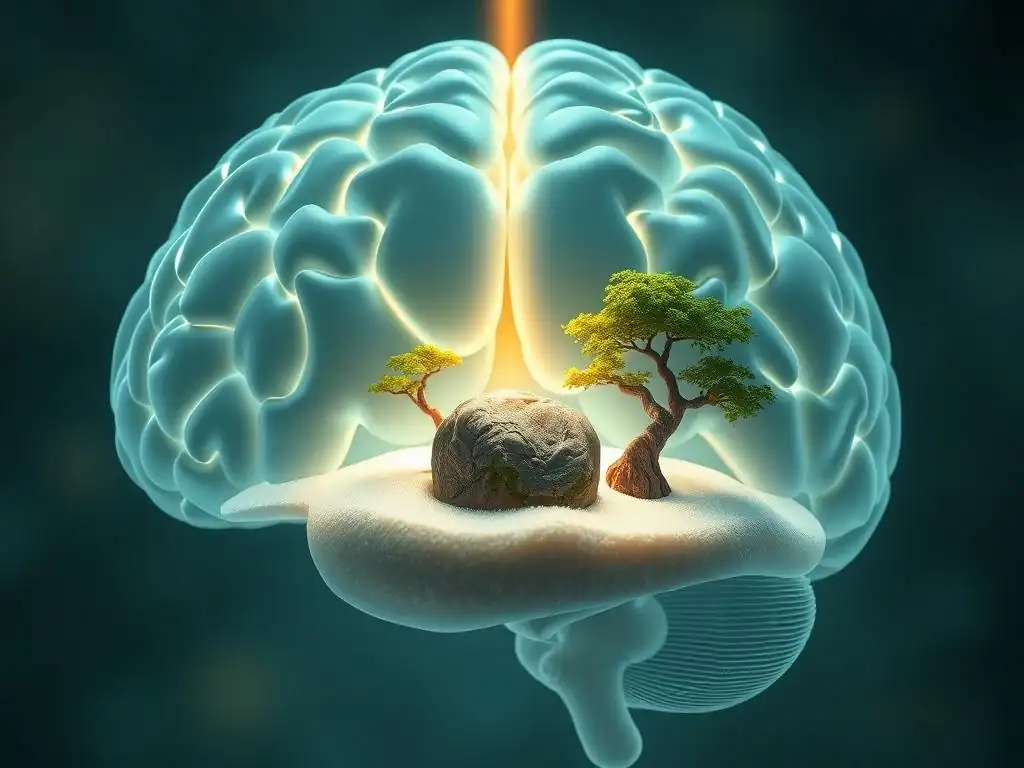
Welcome to Mind Care Guide, your sanctuary for nurturing a healthier mind.
Feeling overwhelmed by anxiety? You're not alone. We understand the challenges, and we're here to help you discover practical strategies for finding inner peace. Dive into "Rewire Your Brain for Calm: Neuroscience Insights into Mindfulness Practice" and explore how mindfulness for anxiety reduction can be a powerful tool in reclaiming your well-being. Ready to learn how simple practices can make a profound difference? Let's begin your journey towards a calmer, more centered you.
Rewire Your Brain for Calm: Neuroscience Insights into Mindfulness Practice
- Understanding Mindfulness and Anxiety Reduction: A Neuroscientific Perspective
- How Mindfulness Changes the Brain: The Neuroscience of Calm
- Mindfulness Techniques for Anxiety Reduction: Practical Applications
- The Science-Backed Benefits of Mindfulness on Mental Well-being
- Integrating Mindfulness into Daily Life: Practical Tips for Sustained Calm
- Mindfulness for Anxiety Reduction: Long-Term Brain Changes and Well-being
- Conclusion: Embracing Mindfulness for a Calmer, More Resilient Brain
-
Frequently Asked Questions
- How does mindfulness specifically help reduce anxiety, according to neuroscience?
- What are some concrete examples of mindfulness exercises recommended for anxiety reduction?
- How long does it typically take to experience noticeable anxiety reduction benefits from consistent mindfulness practice?
- Is mindfulness a suitable replacement for traditional anxiety treatments, like therapy or medication?
- What are some common misconceptions about mindfulness that might deter people from trying it for anxiety?
- Final Reflection: Cultivating Inner Peace in a Turbulent World
- Unlock Your Inner Calm: Start Practicing Mindfulness Today!
Understanding Mindfulness and Anxiety Reduction: A Neuroscientific Perspective
The Growing Need for Mindfulness-Based Anxiety Relief
Anxiety is a pervasive challenge in modern society, affecting millions globally. The World Health Organization estimated that in 2019, nearly 300 million people were living with an anxiety disorder. This widespread impact highlights a significant need for effective and accessible strategies to manage anxious feelings and chronic worry. While traditional treatments like therapy and medication are vital, many individuals are seeking complementary approaches that empower them to cultivate inner calm and resilience. Mindfulness for anxiety reduction has emerged as a powerful, evidence-based option gaining increasing recognition for its potential to alleviate distress.
The demand for non-pharmacological interventions has driven extensive research into the mechanisms behind practices like mindfulness. Studies consistently demonstrate that engaging in regular mindfulness practice can lead to measurable reductions in anxiety symptoms across diverse populations, from students facing exam stress to individuals with diagnosed anxiety disorders. This growing body of evidence, particularly from neuroscience, underscores the legitimacy and efficacy of using mindfulness to calm anxiety and improve overall mental well-being, making it a crucial area of exploration for those seeking relief.
Defining Mindfulness: A Brain-Based Approach
Mindfulness, in essence, is the practice of paying attention to the present moment, deliberately and non-judgmentally. It involves observing thoughts, feelings, bodily sensations, and the surrounding environment without getting carried away by them. From a neuroscientific perspective, this practice is not merely a passive state but an active training of the brain. It involves cultivating specific attentional skills and emotional regulation capacities through repeated mental exercises, much like physical exercise strengthens muscles.
This definition emphasizes the trainable nature of mindfulness, viewing it as a skill set that can be developed over time, leading to structural and functional changes in the brain. The ability to observe internal and external experiences with equanimity is believed to interrupt the automatic, often negative, thought patterns characteristic of anxiety. By shifting focus from rumination about the past or worry about the future to the direct experience of the present, mindfulness practice effectively redirects neural resources and pathways, laying the groundwork for significant mindfulness for anxiety reduction.
The Link Between Anxiety and Brain Activity
Anxiety is deeply rooted in the way our brains process threats and manage uncertainty. Key brain regions involved in the fear response, such as the amygdala, become hyperactive in anxious states, triggering the fight-or-flight response even in the absence of real danger. Simultaneously, areas responsible for higher-level cognitive functions like the prefrontal cortex may show reduced activity, impairing our ability to regulate emotions, make rational decisions, and shift attention away from perceived threats.
Furthermore, chronic anxiety can lead to changes in brain structure and function over time. Prolonged stress exposure can shrink the hippocampus, a region crucial for memory and regulating the stress hormone cortisol. This intricate interplay of neural activity and structure contributes to the vicious cycle of anxiety, where the brain becomes wired to be more reactive to stressors and less effective at calming itself down. Understanding these neural correlates is fundamental to appreciating how using mindfulness to calm anxiety can intervene and promote healthier brain function.
How Mindfulness Changes the Brain: The Neuroscience of Calm
Neuroplasticity and Mindfulness: Rewiring for Resilience
The brain possesses a remarkable ability to reorganize itself throughout life, forming new neural connections and pathways in response to experiences. This phenomenon, known as neuroplasticity, is the fundamental basis upon which mindfulness practice exerts its effects. Engaging in mindful awareness repeatedly strengthens neural circuits associated with attention, emotional regulation, and self-awareness, while potentially weakening pathways linked to mind-wandering, worry, and reactivity.
Regular mindfulness practice acts as a form of targeted mental training that actively reshapes the brain's architecture and function. It's akin to exercising specific brain "muscles" to build resilience against stress and anxiety. This rewiring process is not instantaneous but occurs gradually over weeks and months of consistent practice. The brain becomes more adept at shifting out of reactive states and into a mode of calm, present-moment awareness, fundamentally altering how an individual experiences and responds to potential stressors, thereby significantly enhancing mindfulness for anxiety reduction.
Specific Brain Regions Affected by Mindfulness Practice
Mindfulness practice has been shown through neuroimaging studies (like fMRI and structural MRI) to impact several key brain areas involved in anxiety and emotional regulation. The changes observed often include alterations in activity levels, connectivity between regions, and even gray matter volume. Understanding these specific regional effects provides a clearer picture of the neural mechanisms underlying the benefits of mindfulness for mental well-being.
The consistent findings across numerous studies highlight how dedicated mindfulness training can lead to tangible neurological changes that support reduced anxiety and improved emotional stability. These changes are not uniform across all individuals but demonstrate a general pattern of increased activity and connectivity in areas associated with calm and control, alongside decreased activity in areas linked to fear and rumination, directly contributing to the efficacy of mindfulness for anxiety reduction.
The Amygdala: Reducing Fear and Anxiety
The amygdala is a pair of almond-shaped structures deep within the brain, often referred to as the brain's "fear center." It plays a crucial role in detecting threats and triggering the stress response. In individuals with anxiety disorders, the amygdala tends to be hyper-responsive, reacting strongly to even minor stressors or perceived dangers. This heightened activity contributes significantly to feelings of fear, panic, and worry.
Neuroscience research using fMRI scans has demonstrated that regular mindfulness practice can lead to a reduction in the amygdala's reactivity to negative stimuli. Some studies have even shown a decrease in gray matter density in the amygdala after several weeks of intensive mindfulness training, such as an 8-week MBSR program. This suggests that mindfulness helps to dampen the brain's automatic fear response, allowing individuals to experience potentially anxiety-provoking situations with greater calm and less automatic reactivity, a core mechanism of mindfulness for anxiety reduction.
The Prefrontal Cortex: Enhancing Emotional Regulation
The prefrontal cortex (PFC), particularly the medial and lateral areas, is the brain's executive control center, responsible for complex cognitive behaviors like decision-making, planning, working memory, and emotional regulation. It helps us to assess situations rationally, inhibit impulsive reactions, and regulate our emotional responses. In anxious states, the connection and communication between the PFC and the amygdala can be impaired, leading to difficulty in managing fear and worry.
Mindfulness practice has been shown to increase activity and strengthen connections within the prefrontal cortex, as well as improve its functional connectivity with the amygdala. This enhanced communication allows the PFC to exert greater top-down control over the amygdala's fear signals. Essentially, the brain becomes better equipped to process emotional information in a more balanced way, reducing reactivity and promoting more considered, less anxious responses to challenging situations. This strengthening of the PFC is a key component in how mindfulness techniques contribute to calming anxiety.
The Hippocampus: Improving Memory and Stress Response
The hippocampus is a brain structure vital for learning, memory formation, and regulating the body's stress response system (the hypothalamic-pituitary-adrenal or HPA axis). Chronic stress and anxiety can negatively impact the hippocampus, potentially leading to reduced volume and impaired function, which in turn can worsen memory problems and make the stress response system more dysregulated.
Research indicates that mindfulness practice can have a protective effect on the hippocampus. Studies have found increased gray matter volume in the hippocampus in experienced meditators compared to non-meditators. Furthermore, mindfulness training has been linked to improved regulation of the HPA axis, leading to lower levels of stress hormones like cortisol. By supporting the health and function of the hippocampus, mindfulness helps to improve memory, enhance learning, and foster a more balanced and resilient response to stress, contributing to long-term mindfulness for anxiety reduction.
Mindfulness Techniques for Anxiety Reduction: Practical Applications
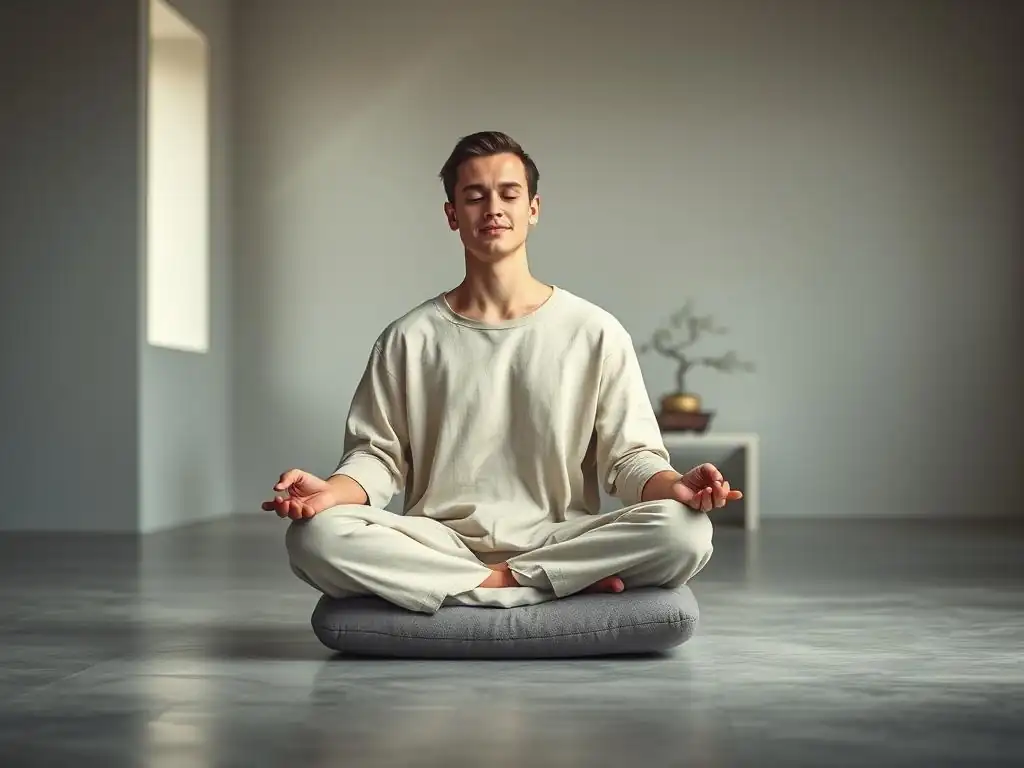
Integrating mindfulness into daily life doesn't require hours of silent meditation. Various techniques can be practiced to cultivate present-moment awareness and leverage the brain's neuroplasticity for calming anxiety. These methods vary in focus but share the common goal of bringing non-judgmental attention to one's experience.
Focused Attention Meditation: Training the Mind
Focused attention meditation involves directing one's awareness to a single object, such as the breath, bodily sensations, or a sound. When the mind inevitably wanders (which it will), the practice involves gently noticing the distraction and bringing the attention back to the chosen object. This technique is fundamental in training the brain's ability to sustain attention and resist distraction, skills often impaired in anxiety.
Regular practice of focused attention helps to strengthen the neural networks involved in attention control, primarily within the prefrontal and parietal cortices. By repeatedly redirecting attention away from anxious thoughts and back to the present moment anchor, individuals build the capacity to disengage from rumination. This training improves mental clarity and reduces the likelihood of getting caught in cycles of worry, making it a powerful tool for using mindfulness to calm anxiety. Even a few minutes of daily practice can begin to cultivate this crucial attentional skill.
Open Monitoring Meditation: Cultivating Awareness
Open monitoring meditation involves a broader, non-judgmental awareness of whatever arises in the present moment – thoughts, feelings, sounds, sensations – without focusing on any one thing in particular. The practitioner observes the flow of experience without getting caught up in or reacting to it. This practice cultivates insight into the transient nature of thoughts and emotions.
This technique encourages the development of a metacognitive perspective – the ability to observe one's thoughts and feelings as mental events rather than absolute truths. Research suggests that open monitoring activates brain regions associated with self-awareness and perspective-taking, such as the insula and specific areas of the prefrontal cortex. By fostering acceptance and non-reactivity to internal experiences, this practice helps to reduce the intensity and impact of anxious thoughts, supporting mindfulness for anxiety reduction by changing the relationship with internal states.
Body Scan Meditation: Connecting with the Present Moment
Body scan meditation involves systematically bringing mindful attention to different parts of the body, noticing physical sensations without judgment. Starting from the toes and moving up to the head, the practitioner observes tingling, pressure, warmth, coolness, or absence of sensation. This practice helps to ground awareness in the physical present moment and can reveal areas of tension often held unconsciously due to stress and anxiety.
This technique enhances interoceptive awareness – the ability to perceive internal bodily states. The insula, a brain region involved in processing bodily sensations and emotions, shows increased activity and connectivity with other brain areas after body scan practice. By cultivating a deeper connection with the physical body, individuals can become more aware of the physical manifestations of anxiety (like muscle tension or rapid heartbeat) without immediately reacting to them. This increased awareness allows for a more regulated response and helps to release physical tension, contributing to the overall goal of using mindfulness to calm anxiety.
Mindfulness-Based Stress Reduction (MBSR): A Structured Approach
Mindfulness-Based Stress Reduction (MBSR) is an intensive, evidence-based program typically delivered over eight weeks, consisting of weekly group sessions and daily home practice. Developed by Jon Kabat-Zinn, it integrates various mindfulness techniques, including sitting meditation, body scan, and gentle yoga, alongside group discussions and psychoeducation about stress and mindfulness. MBSR is one of the most widely researched mindfulness interventions.
Studies on MBSR have consistently shown significant reductions in anxiety, depression, and stress levels, accompanied by observable changes in brain structure and function, such as decreased amygdala reactivity and increased prefrontal cortex activity. Participating in a structured program like MBSR provides comprehensive training and support, making it a highly effective pathway for individuals seeking a dedicated approach to mindfulness for anxiety reduction and overall well-being.
The Science-Backed Benefits of Mindfulness on Mental Well-being
The benefits of mindfulness extend beyond simply feeling calmer in the moment. Neuroscientific research provides compelling evidence that regular practice leads to enduring changes in brain function that support improved mental health and resilience. These changes underpin the observed clinical benefits in reducing anxiety and enhancing emotional regulation.
Reducing Anxiety Symptoms: Evidence from Neuroimaging Studies
Numerous studies have utilized neuroimaging techniques to investigate the impact of mindfulness on anxiety disorders and symptoms. For example, randomized controlled trials comparing MBSR to control groups have consistently shown statistically significant reductions in self-reported anxiety scores. Neuroimaging data from these studies often reveals correlated changes, such as decreased gray matter density in the amygdala and altered functional connectivity between the amygdala and the prefrontal cortex, indicating reduced threat reactivity and enhanced regulatory control.
A meta-analysis published in 2014 examining numerous studies on mindfulness interventions found that they were effective in reducing symptoms of anxiety, depression, and stress, with effect sizes comparable to other evidence-based psychological interventions. This robust body of evidence, supported by objective brain data, solidifies the role of mindfulness for anxiety reduction as a legitimate and powerful therapeutic approach. The observed neural changes provide a biological basis for the subjective experience of decreased worry and fear.
Improving Emotional Regulation: A Neuroscience Perspective
Emotional regulation is the ability to manage and respond to an emotional experience appropriately. Individuals with anxiety often struggle with this, experiencing intense emotions that feel overwhelming and difficult to control. Mindfulness enhances emotional regulation by promoting awareness, acceptance, and a non-reactive stance towards feelings.
Neuroscience suggests this improvement is linked to increased activity and connectivity in brain regions like the prefrontal cortex and anterior cingulate cortex (ACC), which are involved in monitoring conflict, detecting errors, and regulating emotional responses. Mindfulness training appears to strengthen the pathways that allow these executive control regions to modulate activity in emotional centers like the amygdala. This results in the ability to observe emotions without being immediately consumed by them, allowing for a more considered and less reactive response – a critical skill for using mindfulness to calm anxiety.
Enhancing Focus and Attention: Strengthening Neural Networks
Anxiety often disrupts focus and attention, making it difficult to concentrate and leading to increased mind-wandering, particularly towards negative thoughts. Mindfulness practice, especially focused attention techniques, directly targets and strengthens the neural networks responsible for attention control.
Studies show that regular meditators exhibit greater activity in brain regions associated with sustained attention, such as the dorsolateral prefrontal cortex and parietal lobe, and better performance on attention tasks. Furthermore, mindfulness training can improve the ability to disengage from distracting stimuli, including intrusive anxious thoughts. This enhanced attentional capacity not only helps in daily tasks but also directly supports mindfulness for anxiety reduction by making it easier to redirect the mind away from worry and towards the present moment.
Promoting Stress Resilience: Adapting to Challenges with Calm
Stress resilience is the ability to adapt well in the face of adversity, trauma, tragedy, threats, or significant sources of stress. Mindfulness helps build resilience by altering how the brain and body respond to stressors. Instead of triggering an immediate, intense fight-or-flight response, mindfulness cultivates a more measured and adaptive reaction.
This is partly achieved through improved regulation of the HPA axis, leading to a less pronounced cortisol response to stress. Neuroimaging studies also suggest that changes in the connectivity between the prefrontal cortex and the amygdala allow for a more regulated appraisal of stressors, reducing the likelihood of perceiving non-threatening situations as dangerous. This fundamental shift in stress processing, supported by neural changes, is key to how mindfulness practice fosters long-term calm and resilience, making it an effective tool for navigating life's challenges with less anxiety.
Integrating Mindfulness into Daily Life: Practical Tips for Sustained Calm

Making mindfulness a consistent part of your routine is key to experiencing its lasting benefits for anxiety reduction. It doesn't require a complete overhaul of your lifestyle, but rather finding small, manageable ways to incorporate mindful moments throughout your day.
Start Small: Building a Consistent Mindfulness Practice
Trying to meditate for an hour right away can be overwhelming. Begin with just a few minutes each day, perhaps 3-5 minutes of focused attention on your breath. Consistency is far more important than duration, especially when starting out.
- Choose a specific time each day: Morning or evening can work well.
- Set a timer: This allows you to focus on the practice without worrying about the time.
- Don't judge your performance: Some days will feel easier than others. The goal is just to show up and practice.
Building a small, consistent habit makes it more likely to stick and allows the brain to gradually adapt to the practice. This gentle introduction makes the journey towards using mindfulness to calm anxiety feel accessible and sustainable.
Find a Quiet Space: Creating a Calm Environment
While you can technically practice mindfulness anywhere, especially as you become more experienced, finding a quiet space free from distractions can be very helpful, particularly in the beginning.
- Choose a comfortable, undisturbed spot in your home.
- Turn off notifications on your phone and computer.
- Let others in your household know you need a few minutes of quiet time.
Creating a dedicated space, even if it's just a corner of a room, signals to your brain that it's time to shift into a more mindful state. This helps establish a routine and reduces external obstacles to practice, supporting your efforts towards mindfulness for anxiety reduction.
Utilize Mindfulness Apps and Resources: Guided Support
Many excellent apps and online resources offer guided meditations, timers, and educational content that can support your practice. These can be particularly helpful for beginners or for exploring different techniques.
- Explore popular apps like Calm, Headspace, or Insight Timer.
- Look for guided meditations specifically for anxiety or stress.
- Consider online courses or local classes if you prefer structured learning.
Using guided resources can make the practice feel less daunting and provide valuable instruction and encouragement. They offer a convenient way to access support and deepen your understanding of how to effectively use mindfulness to calm anxiety.
Be Patient and Persistent: The Journey of Rewiring
Remember that neuroplasticity and habit formation take time. You won't feel completely calm after just one session. There will be days when your mind feels particularly busy or resistant. This is normal.
- Acknowledge challenging days without self-criticism.
- Celebrate small successes, like simply showing up to practice.
- Remind yourself why you are practicing – for greater calm and well-being.
Patience and persistence are crucial. The benefits of mindfulness for anxiety reduction accumulate over time with consistent effort. View it as a long-term commitment to your brain health and mental resilience.
Mindfulness for Anxiety Reduction: Long-Term Brain Changes and Well-being
The long-term impact of mindfulness practice on the brain is significant, contributing to sustained reductions in anxiety and enhanced overall mental well-being. It's not just a temporary fix but a pathway to cultivating a more resilient and calm internal state over time.
Maintaining Mindfulness Habits: Preventing Anxiety Relapse
Consistent, long-term mindfulness practice is key to maintaining the neural changes associated with reduced anxiety and preventing relapse. Just as physical fitness requires ongoing exercise, mental fitness through mindfulness needs regular engagement.
Studies following individuals months or even years after completing mindfulness programs like MBSR have shown that continued practice is associated with sustained reductions in anxiety and stress. The neural pathways strengthened during initial training remain more active and resilient when the practice is maintained. This ongoing engagement reinforces the brain's capacity for emotional regulation and stress response, making it a powerful strategy for long-term mindfulness for anxiety reduction and stability.
The Cumulative Effect of Mindfulness: Long-Term Brain Health
The brain changes observed with mindfulness are cumulative. The longer and more consistently someone practices, the more pronounced and enduring the structural and functional alterations tend to be. This contributes to long-term brain health beyond just managing anxiety.
Research suggests that long-term meditators may exhibit greater gray matter volume in areas associated with attention, self-awareness, and compassion, and potentially slower age-related decline in certain brain regions. This cumulative effect means that mindfulness practice isn't just addressing current anxiety but is also building a foundation for greater cognitive and emotional resilience throughout life, promoting overall brain well-being alongside mindfulness for anxiety reduction.
Further Research and Future Directions in Mindfulness Neuroscience
The field of mindfulness neuroscience is rapidly evolving. Researchers continue to explore the precise mechanisms by which different mindfulness techniques impact specific brain circuits and how these effects vary across individuals and different conditions.
Future research aims to understand optimal "dosages" of practice, identify biomarkers that predict responsiveness to mindfulness interventions, and explore its potential in treating a wider range of mental health challenges. As technology advances, new neuroimaging techniques may provide even deeper insights into the subtle ways mindfulness reshapes the brain. This ongoing scientific inquiry will further refine our understanding and application of mindfulness for anxiety reduction and broader mental health benefits.
Conclusion: Embracing Mindfulness for a Calmer, More Resilient Brain
Frequently Asked Questions
How does mindfulness specifically help reduce anxiety, according to neuroscience?
Mindfulness practices like meditation can rewire the brain by strengthening the prefrontal cortex (responsible for rational thought) and weakening the amygdala (the brain's fear center). This leads to a more balanced emotional response.
What are some concrete examples of mindfulness exercises recommended for anxiety reduction?
Common examples include mindful breathing exercises, focusing on the present moment through body scan meditations, and observing thoughts and feelings without judgment. These help anchor you in the present.
How long does it typically take to experience noticeable anxiety reduction benefits from consistent mindfulness practice?
While individual results vary, many people report experiencing initial benefits within a few weeks of consistent practice. Long-term benefits require sustained effort and integration into daily life.
Is mindfulness a suitable replacement for traditional anxiety treatments, like therapy or medication?
Mindfulness can be a valuable complementary tool for anxiety management. However, it's not always a replacement for professional help. Consult a mental health professional for personalized advice.
What are some common misconceptions about mindfulness that might deter people from trying it for anxiety?
Some believe mindfulness requires emptying the mind entirely, which is incorrect. It's about observing thoughts without judgment. Others think it's a quick fix, when it truly needs consistent practice for lasting results.
Final Reflection: Cultivating Inner Peace in a Turbulent World
The science of mindfulness is no longer a niche interest; it's a vital tool for navigating the anxieties of modern life. The overwhelming pace of our digital age, coupled with global uncertainties, leaves many feeling overwhelmed and stressed. This article explored the neurological mechanisms behind mindfulness practices, demonstrating how these techniques can literally rewire our brains for greater calm and resilience. Understanding this connection empowers us to take proactive steps towards managing our mental wellbeing.
The impact of mindfulness extends far beyond individual stress reduction; it's a ripple effect influencing our relationships, our communities, and ultimately, the collective consciousness. As we cultivate inner peace, we become more compassionate, empathetic, and better equipped to handle challenges with grace. Mindfulness isn't about escaping life's difficulties; it's about finding peace within them.
This quote perfectly encapsulates the transformative power of this practice, shifting our focus from avoidance to acceptance and understanding.
You now hold the key to unlocking a more peaceful and present existence. Consider incorporating even a few minutes of mindful practice into your daily routine – a mindful walk, deep breathing exercises, or simply paying attention to the sensations in your body. Don't underestimate the profound impact these small changes can have on your overall well-being. Begin your journey towards rewiring your brain for calm today. The path to inner peace begins with a single, mindful breath.
Unlock Your Inner Calm: Start Practicing Mindfulness Today!
Thanks for taking the time to explore the power of mindfulness with us! We hope you gained valuable insights into how to rewire your brain for a calmer, more focused you. Ready to put your new knowledge into action?
- Begin your mindful journey: Start with a simple 5-minute guided meditation today. Even a short practice can make a difference!
- Share your experience: Tell us about your first meditation session in the comments below – what surprised you? What challenges did you encounter?
- Explore further: Dive deeper into our library of resources on mindfulness techniques and neuroscience research to find what resonates with you.
So, what small step will you take towards a more mindful, peaceful you today?