
ScienceBacked Gifts to Improve Your Sleep Naturally


Welcome to Mind Care Guide, a sanctuary for your mental well-being.
Feeling exhausted even after a full night? We understand. In a world that never sleeps, prioritizing rest is crucial. Dive into our guide, "Science-Backed Gifts to Improve Your Sleep Naturally," where we explore sleeppromoting natural gifts ideas proven to help you (or a loved one) unlock the restorative power of sleep. Discover how these thoughtful presents can gently nudge you toward a more peaceful and rejuvenating night. Let's explore how small changes can make a big difference in your sleep and overall mental health.
Science-Backed Gifts to Improve Your Sleep Naturally: Mind Care Guide
- Sleep-Promoting Natural Gifts Ideas: A Guide to Better Rest
-
Top Science-Backed Natural Gifts for Sleep Enhancement
- 1. Weighted Blankets: The Comfort of Calm
- 2. Essential Oil Diffusers and Calming Aromatherapy
- 3. Blackout Curtains: Blocking Out the World for Deeper Sleep
- 4. White Noise Machines: Creating a Sound Oasis for Sleep
- 5. Sleep Masks: Personalized Darkness for Optimal Rest
- 6. Herbal Teas for Relaxation: A Soothing Bedtime Ritual
- 7. Blue Light Blocking Glasses: Shielding Your Eyes Before Bed
- Integrating Natural Gifts into a Sleep Hygiene Routine
- Conclusion: Investing in Sleep, Investing in Mental Well-being
- Frequently Asked Questions
- Final Reflection: Cultivating the Gift of Restful Sleep
- Unlock Your Best Sleep Yet!
Sleep-Promoting Natural Gifts Ideas: A Guide to Better Rest
Why Sleep Matters for Mental Well-being
Sleep is not merely a period of rest for the body; it is a fundamental pillar supporting cognitive function, emotional regulation, and overall mental health. During sleep, the brain processes information, consolidates memories, and clears out waste products.
Chronic sleep deprivation has been linked to a heightened risk of developing various mental health conditions, including anxiety disorders, depression, and even more severe issues. Studies have indicated that individuals who consistently get less than seven hours of sleep per night are significantly more likely to report feelings of distress and poor mental health outcomes compared to those who achieve sufficient rest.
Furthermore, the intricate connection between sleep and mood is well-documented. Lack of sleep can lead to increased irritability, difficulty concentrating, and a reduced ability to cope with stress. Prioritizing sleep is therefore an essential component of a holistic approach to mental wellness. Exploring effective sleeppromoting natural gifts ideas can be a practical step towards improving sleep quality and, consequently, fostering better emotional and psychological resilience in daily life. These thoughtful gifts offer natural avenues to support the body's innate sleep mechanisms.
Understanding the Science Behind Sleep-Promoting Gifts
The effectiveness of certain natural gifts in promoting sleep is often rooted in their ability to influence physiological and psychological processes that regulate the sleep-wake cycle. Many of these items work by addressing common barriers to sleep, such as excessive light exposure, disruptive noise, physical discomfort, or mental overstimulation. For example, items that create a calming sensory environment can reduce anxiety and promote relaxation, signaling to the body that it's time to wind down.
From modulating the body's natural production of melatonin through light control to leveraging the calming effects of certain scents or sounds on the nervous system, these sleeppromoting natural gifts ideas utilize various scientific principles. They often tap into our sensory pathways—sight, sound, touch, and smell—to create conditions more conducive to falling asleep and staying asleep. Understanding these mechanisms helps appreciate how simple, natural items can have a significant impact on our ability to achieve restful and restorative sleep.
Top Science-Backed Natural Gifts for Sleep Enhancement

1. Weighted Blankets: The Comfort of Calm
Weighted blankets provide a unique sensation often described as a comforting hug, utilizing deep pressure stimulation to promote relaxation. This form of tactile input can have profound effects on the nervous system, helping to reduce feelings of anxiety and stress that often interfere with sleep onset. The gentle, even pressure across the body can help ground individuals, making them feel more secure and calm as they prepare for rest.
These blankets are not just about physical comfort; their impact is supported by research into the physiological responses triggered by deep pressure. For someone seeking effective sleeppromoting natural gifts ideas, a weighted blanket offers a tangible way to apply a therapeutic technique widely used in occupational therapy for its calming benefits. Choosing the right weight and material is key to maximizing comfort and ensuring the blanket enhances, rather than hinders, sleep.
How Weighted Blankets Improve Sleep Quality: Science Explained
The science behind weighted blankets centers on deep pressure stimulation (DPS). This type of pressure is thought to increase the release of neurotransmitters like serotonin, which is a precursor to melatonin, the hormone that regulates sleep. By potentially boosting serotonin levels, DPS helps promote feelings of calm and well-being. Additionally, DPS can reduce the levels of cortisol, the stress hormone, which is often elevated in individuals struggling with sleep.
The proprioceptive input from the blanket also helps the body become more aware of its position and boundaries, which can be particularly soothing for those who experience restlessness or sensory processing sensitivities. While research is ongoing, existing studies, including those involving individuals with anxiety or sensory processing issues, suggest that weighted blankets can decrease physiological arousal markers like heart rate and blood pressure, creating a more relaxed state conducive to sleep.
A meta-analysis published in a 2022 journal, for instance, reviewed multiple studies and found promising results regarding the reduction of anxiety and improvement in sleep measures in various populations using weighted blankets.
Recommended Weighted Blanket: Gravity Blanket - Available on Amazon
Weighted Blanket Considerations: Weight, Material, and Size
Selecting the appropriate weighted blanket requires careful consideration of several factors. The most critical is weight: generally, a blanket that is about 10% of the user's body weight is recommended, though personal preference plays a significant role. Using a blanket that is too heavy can be uncomfortable or even restrictive, while one that is too light may not provide sufficient deep pressure stimulation to be effective.
Material is another important factor for comfort and temperature regulation. Options range from cotton and bamboo, which are often more breathable, to minky or flannel fabrics, which provide extra warmth and softness. The filling material (glass beads, plastic pellets) also affects the blanket's feel and washability. Finally, size should match the user's height and intended use (covering just the body or the entire bed) to ensure even pressure distribution.
2. Essential Oil Diffusers and Calming Aromatherapy
Essential oil diffusers disperse fine mists of scented oils into the air, creating an aromatic environment. Certain essential oils are renowned for their relaxing and sedative properties, making diffusers a popular choice among sleeppromoting natural gifts ideas. The act of setting up the diffuser and choosing a calming scent can also become a soothing part of a bedtime ritual, signaling to the brain that it's time to transition from the day's activities to rest.
The olfactory system, responsible for our sense of smell, is directly connected to the limbic system in the brain, which plays a key role in emotions, memory, and mood. This direct pathway is why scents can have such a powerful and immediate impact on our emotional state and physiological responses, including those related to stress and relaxation. Utilizing specific aromas known for their sleep-inducing qualities via a diffuser offers a non-invasive, natural method to influence the brain and body towards a state conducive to sleep.
The Power of Aromatherapy for Sleep: Lavender, Chamomile, and More
Aromatherapy for sleep primarily leverages the calming effects of certain plant compounds on the nervous system. Lavender oil is perhaps the most widely studied and used for sleep; research, including a 2015 study published in the Journal of Alternative and Complementary Medicine, has shown that inhaling lavender scent can improve sleep quality and duration, reduce anxiety, and promote relaxation. It's believed to interact with GABA neurotransmitter systems, similar to some sedative medications, but in a milder, natural way.
Other oils frequently used for sleep include chamomile, known for its gentle calming properties, and valerian, which has a stronger sedative effect (though its aroma is less universally appealing). Bergamot and sandalwood are also sometimes used for their stress-reducing qualities. These oils contain volatile organic compounds that, when inhaled, can influence brain wave patterns and reduce cortisol levels, making them effective sleeppromoting natural gifts ideas.
Best Essential Oil Diffusers for Sleep: Vitruvi Stone Diffuser - Shop Now on Vitruvi.com
Safe Essential Oil Practices for Sleep: Dilution and Usage Tips
While essential oils are natural, they are highly concentrated and should be used safely, especially in the context of sleep. When using a diffuser, ensure the room is well-ventilated, and avoid continuous diffusion throughout the entire night, particularly in small or unventilated spaces. Intermittent diffusion (e.g., for 30-60 minutes before bedtime) is often sufficient and safer.
It's crucial to use only high-quality, pure essential oils and follow dilution guidelines if applying them topically (though for sleep, diffusion is often preferred). Keep essential oils out of reach of children and pets. Individuals with respiratory sensitivities, allergies, or certain medical conditions should consult a healthcare professional before using essential oils. Always research the specific oil you plan to use, as properties and safety guidelines vary.
3. Blackout Curtains: Blocking Out the World for Deeper Sleep
Blackout curtains are specifically designed to block out exterior light, creating a dark environment crucial for optimal sleep. In our modern world, ambient light from streetlights, electronic screens, and early morning sun can penetrate bedrooms and disrupt the body's natural sleep cycle. Effective light control is a simple yet powerful strategy in the arsenal of sleeppromoting natural gifts ideas.
By minimizing light exposure, blackout curtains help reinforce the body's internal clock, known as the circadian rhythm. This rhythm dictates when we feel alert and when we feel sleepy, largely influenced by light and darkness cues. A truly dark room signals to the brain that it is nighttime, facilitating the transition to sleep and helping maintain deeper stages of sleep throughout the night, free from light-induced awakenings.
Light Pollution and Sleep Disruption: The Science of Darkness
Exposure to light, especially blue light emitted from screens and some LED lighting, suppresses the production of melatonin, the hormone critical for regulating the sleep-wake cycle. Even dim light during sleep can disrupt melatonin secretion and negatively impact sleep architecture, reducing the amount of time spent in restorative slow-wave and REM sleep. Studies have shown that exposure to light during the night can increase the risk of sleep disorders and associated health problems.
Blackout curtains create an environment of artificial darkness that mimics the natural conditions under which humans evolved to sleep. This helps ensure that melatonin production remains robust throughout the night, promoting sleep onset and maintenance. By effectively eliminating light pollution from the bedroom, blackout curtains are a science-backed tool for anyone looking to optimize their sleep environment and support their circadian rhythm, making them practical sleeppromoting natural gifts ideas.
Top-Rated Blackout Curtains: Nicetown Blackout Curtains - Check Price on Amazon
Choosing the Right Blackout Curtains: Material, Color, and Installation
When selecting blackout curtains, the primary factor is their ability to block light. Look for curtains labeled as "blackout" that feature a dense weave or a specific blackout lining, often made of acrylic foam or polyester. The color of the fabric facing the room can be anything, but the lining color (often black or white) is what provides the light-blocking property. Some materials also offer thermal insulation and noise reduction benefits.
Proper installation is key to achieving maximum darkness. Ensure the curtains extend beyond the window frame on all sides and consider using a wrap-around rod or a valance to prevent light leakage from the top and sides. Measuring your window accurately is crucial to select curtains of the right width and length to provide adequate coverage and effectively block out unwanted light.
4. White Noise Machines: Creating a Sound Oasis for Sleep
White noise machines produce a consistent, ambient sound designed to mask sudden or disruptive noises that can interrupt sleep. Unlike silence, which can make sudden sounds like traffic or footsteps seem louder and more jarring, white noise creates a constant sound floor that helps these disturbances blend into the background. This makes white noise machines effective sleeppromoting natural gifts ideas for those living in noisy environments or who are easily startled awake.
The science behind white noise is its ability to create a broader spectrum of frequencies, essentially "filling in" the auditory landscape. This masking effect reduces the perceived contrast between the ambient sound and sudden spikes in noise, making the sleep environment more stable and less likely to trigger awakenings. Beyond white noise, many machines offer other soundscapes like pink noise, brown noise, or natural sounds (waves, rain) which have similar masking properties and can also be calming.
The Science of White Noise: Masking Disruptive Sounds
The auditory system is sensitive to changes in sound levels. A sudden increase in noise, even during sleep, can activate the brain and pull a person towards wakefulness. White noise works by providing a consistent background sound that is less jarring than silence broken by unexpected noises. It raises the overall noise floor, so that the difference between a sudden sound (like a door slamming) and the ambient noise is significantly reduced, making the sudden sound less likely to trigger an arousal response.
Studies have shown that white noise can decrease the time it takes to fall asleep and reduce nighttime awakenings, particularly in noisy environments. For example, research conducted in hospital settings, where noise levels are high, has indicated that white noise can improve sleep quality for patients. By creating a more stable auditory environment, white noise machines support continuous, uninterrupted sleep, which is essential for the restorative processes that occur during the night.
Highly-Rated White Noise Machines: LectroFan Classic - Get Yours Today on Amazon
White Noise Machine Settings: Finding the Perfect Soundscape
Most white noise machines offer a variety of sounds and volume levels. Experimentation is often needed to find the soundscape that is most effective and comfortable for the individual. Some people prefer pure white noise, while others find variations like pink noise (which has lower frequencies emphasized, sounding deeper) or brown noise (even lower frequencies) more soothing. Natural sounds like rain or ocean waves are also popular alternatives.
The volume level is crucial. It should be loud enough to effectively mask disruptive sounds but not so loud that it becomes a distraction itself or potentially harmful to hearing over extended use. The goal is to create a gentle, consistent backdrop that fades into the background. Many machines offer timers, allowing the sound to turn off after a set period once the user has fallen asleep, though some prefer it to run all night.
5. Sleep Masks: Personalized Darkness for Optimal Rest
Sleep masks provide a simple yet effective way to create total darkness directly over the eyes, regardless of the ambient light in the room. This is particularly useful for travelers, shift workers, or anyone whose bedroom isn't completely dark. As a practical option among sleeppromoting natural gifts ideas, a comfortable sleep mask offers a portable solution for ensuring the eyes perceive darkness, which is a key signal for the body to prepare for and maintain sleep.
By blocking out light, sleep masks help support the body's natural production of melatonin. Even small amounts of light perceived by the eyes can suppress melatonin levels, making it harder to fall asleep and stay asleep. A good quality sleep mask ensures that this critical light signal is effectively blocked, promoting a more natural and potentially deeper sleep cycle, even in suboptimal lighting conditions.
The Benefits of Total Darkness for Melatonin Production
The pineal gland, located in the brain, produces melatonin in response to darkness and decreases production when exposed to light. This hormone is vital for regulating the circadian rhythm, signaling to the body when it's time to sleep and wake. Exposure to light during sleep, even brief flashes or dim light from electronics or outside sources, can disrupt this process, leading to reduced melatonin levels and poorer sleep quality.
Creating an environment of total darkness around the eyes with a sleep mask ensures that the light-sensing cells in the retina are not stimulated, allowing melatonin production to proceed naturally throughout the night. This can help align the body's internal clock with the desired sleep schedule, facilitating faster sleep onset and reducing nighttime awakenings caused by light intrusion. It's a direct, science-based method to leverage the body's hormonal response to light-dark cycles.
Comfortable Sleep Masks: Alaska Bear Natural Silk Sleep Mask - Buy Now on Amazon
Sleep Mask Materials: Silk vs. Cotton and Other Considerations
The material of a sleep mask significantly impacts comfort, breathability, and effectiveness. Silk is a popular choice due to its smooth texture, which is gentle on the skin and less likely to cause creases or absorb moisture. It's also relatively breathable. Cotton masks are often soft and breathable as well, though they may not feel as luxurious as silk. Other materials include satin, memory foam, and various synthetic blends.
Beyond material, consider the mask's design and fit. It should be large enough to block light effectively without being overly bulky or putting uncomfortable pressure on the eyes or face. Adjustable straps are beneficial for ensuring a snug but not too tight fit. Contoured masks that cup around the eyes can be more comfortable for some, preventing pressure on the eyelids and allowing for blinking. The mask should be lightweight and breathable to avoid overheating.
6. Herbal Teas for Relaxation: A Soothing Bedtime Ritual
Incorporating a warm cup of herbal tea into a bedtime routine is a time-honored practice for promoting relaxation and preparing the body for sleep. Certain herbal teas contain compounds that have calming effects on the nervous system, making them gentle yet effective sleeppromoting natural gifts ideas. The ritual of slowly sipping a warm beverage can also be inherently soothing, helping to quiet a busy mind before bed.
Unlike caffeinated teas, herbal infusions are typically caffeine-free and specifically chosen for their properties that encourage rest. They offer a natural, ingestible way to access the benefits of plants known for their sedative or anxiety-reducing qualities. Choosing the right blend and preparing it mindfully can become a powerful signal to the body that it is time to transition into a state of rest and recovery.
The Science of Herbal Teas: Chamomile, Valerian Root, and Lemon Balm
The sleep-promoting effects of certain herbal teas are attributed to specific active compounds within the plants. Chamomile, for instance, contains apigenin, an antioxidant that may bind to certain receptors in the brain that decrease anxiety and initiate sleep. Studies, including a 2011 study on postpartum women, have suggested that chamomile tea can improve sleep quality and reduce symptoms of depression.
Valerian root is known for its stronger sedative properties and is often used for insomnia. It's believed to increase levels of GABA (gamma-aminobutyric acid), a neurotransmitter that inhibits nerve activity, leading to feelings of calmness and reduced anxiety, similar to the action of some prescription sleep medications. Lemon balm is another herb used for its calming effects and ability to reduce stress and improve sleep, possibly by interacting with GABA receptors as well. While the effects can be subtle compared to pharmaceuticals, they offer a gentle, natural approach suitable for regular use as part of a sleep hygiene routine.
Recommended Sleep Tea Blends: Celestial Seasonings Sleepytime Tea - Try It Today at Target
Preparing the Perfect Sleep Tea: Brewing Tips and Timing
To maximize the benefits of sleep-promoting herbal teas, proper brewing is important. Use hot, but not necessarily boiling, water to steep the herbs, typically for 5-10 minutes, depending on the specific tea and desired strength. Covering the mug while steeping helps keep the volatile oils, which contain many of the active compounds, from escaping with the steam.
Timing is also key. It's generally recommended to drink herbal tea about 30-60 minutes before bedtime. This allows time for the calming effects to take hold and also minimizes the likelihood of needing to wake up during the night to use the restroom. Avoid adding sugar, which can be stimulating, and consider incorporating the tea into a consistent wind-down routine to enhance its effectiveness as a sleep cue.
7. Blue Light Blocking Glasses: Shielding Your Eyes Before Bed
In our digital age, exposure to blue light from screens (phones, tablets, computers, TVs) in the hours leading up to bedtime is a significant disruptor of sleep. Blue light has a short wavelength that is particularly effective at suppressing melatonin production. Blue light blocking glasses are designed to filter out this specific spectrum of light, offering a modern and effective option among sleeppromoting natural gifts ideas for those who use screens in the evening.
By wearing these glasses, individuals can continue to use their devices or watch television without sending the strong "wake up" signal to their brain that blue light provides. This allows the body's natural melatonin production to increase as evening progresses, facilitating the transition to sleep. It's a practical solution for mitigating the negative impact of technology on our circadian rhythms and sleep quality.
Blue Light and Sleep Disruption: The Digital Age Problem
Blue light wavelengths (around 450-495 nanometers) are most effective at stimulating photosensitive cells in the retina that communicate with the part of the brain controlling the circadian clock. Exposure to blue light, especially in the evening, tells the brain it is daytime, suppressing melatonin production and shifting the body's internal clock later. This can make it harder to fall asleep at a desired time and can impact the timing and quality of sleep cycles.
Studies have shown that using electronic devices emitting blue light before bed can delay sleep onset and reduce REM sleep. Blue light blocking glasses with amber or orange lenses are particularly effective because they block a broader spectrum of blue and green light wavelengths known to impact melatonin. By filtering out this disruptive light, these glasses help preserve the natural increase in melatonin needed for timely sleep, making them a scientifically relevant tool for sleep health.
Effective Blue Light Blocking Glasses: Felix Gray Blue Light Glasses - Shop on Felixgray.com
When and How to Use Blue Light Blocking Glasses for Optimal Sleep
For optimal sleep benefits, blue light blocking glasses should be worn in the hours leading up to bedtime. The exact timing can vary, but typically putting them on 1-2 hours before planning to go to sleep is recommended, especially if you will be looking at screens or exposed to bright indoor lighting. Consistency in usage during this pre-sleep window is key to allowing melatonin levels to rise naturally.
Choose glasses with lenses that filter a significant percentage of blue light, ideally those with amber or orange tints for maximum effectiveness in the evening. Clear blue light glasses may offer some protection, but often don't block enough of the critical wavelengths to significantly impact melatonin production. Ensure the glasses are comfortable to wear for extended periods. While they don't replace good sleep hygiene practices, they are a valuable aid for managing modern light exposure.
Integrating Natural Gifts into a Sleep Hygiene Routine
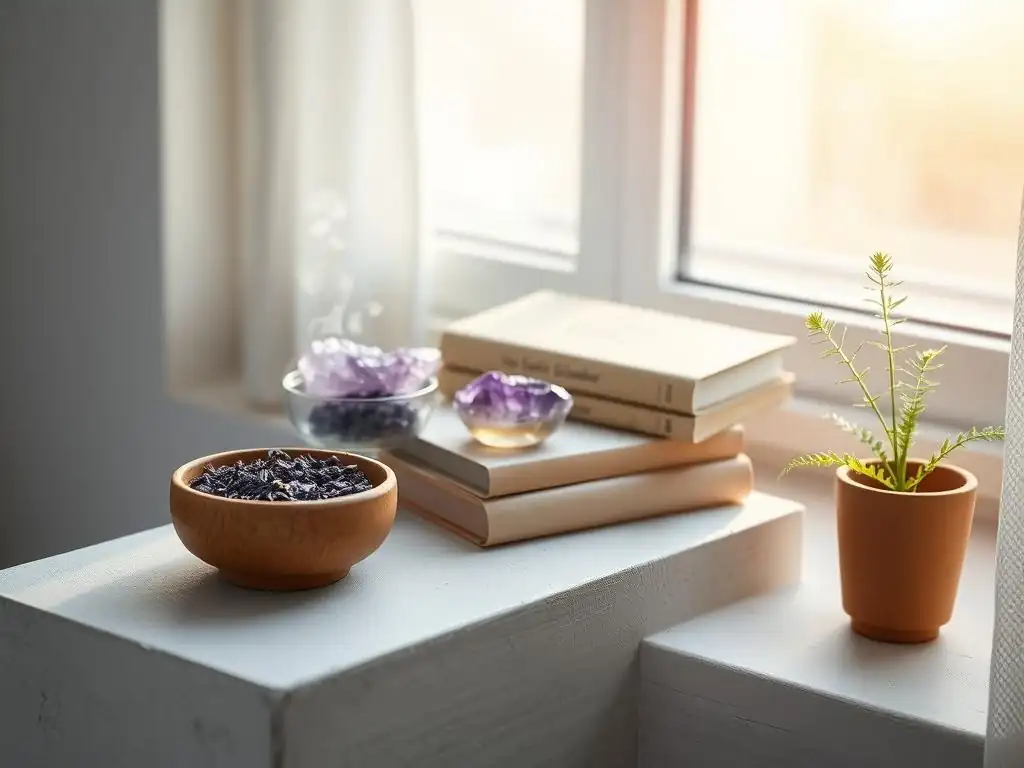
Creating a Personalized Sleep Sanctuary
Building a personalized sleep sanctuary involves consciously designing your bedroom environment to be as conducive to sleep as possible. This goes beyond just having a comfortable bed; it includes controlling light, sound, temperature, and even scent. Integrating sleeppromoting natural gifts ideas into this space is key to creating a truly restorative haven. Imagine a room where blackout curtains ensure complete darkness, a white noise machine provides a calming soundscape, and a diffuser subtly fills the air with relaxing aromas.
The goal is to create an environment that signals relaxation and safety to your brain, minimizing external stimuli that can interfere with sleep. This might involve decluttering the space, ensuring a comfortable temperature (often cooler is better, around 60-67°F or 15-19°C), and removing electronic devices or covering indicator lights. Each element, from the color of the walls to the texture of the bedding, contributes to the overall atmosphere. A sleep sanctuary is a dedicated space where the sole purpose is rest, free from the distractions and stresses of daily life, supported by thoughtful natural aids.
Combining Gifts for Enhanced Sleep: A Holistic Approach
While each of the sleeppromoting natural gifts ideas discussed can offer benefits individually, combining them can create a powerful, synergistic effect, addressing multiple barriers to sleep simultaneously. For example, using blackout curtains and a sleep mask ensures maximum darkness, while a white noise machine and an essential oil diffuser create a calming sensory environment. A weighted blanket adds physical comfort and reduces anxiety, and a cup of herbal tea completes the wind-down ritual.
Approaching sleep improvement holistically, by integrating several natural aids into a consistent bedtime routine and optimizing the sleep environment, often yields better results than relying on a single solution. This layered approach acknowledges that sleep difficulties can have multiple contributing factors. By addressing light, sound, comfort, and relaxation through a combination of these natural gifts, individuals can build a comprehensive strategy tailored to their specific needs, fostering deeper, more restorative sleep and supporting their mental well-being.
Conclusion: Investing in Sleep, Investing in Mental Well-being
Prioritizing sleep is a critical investment in overall health, particularly mental well-being. The profound connection between consistent, quality sleep and cognitive function, emotional stability, and resilience cannot be overstated. When sleep is compromised, the ripple effects can impact mood, productivity, and the ability to cope with daily stressors. Fortunately, there are many effective and natural ways to support better sleep hygiene.
Exploring sleeppromoting natural gifts ideas offers tangible and science-backed methods to enhance your nighttime routine and optimize your sleep environment. From the calming embrace of a weighted blanket and the sensory comfort of aromatherapy and white noise to the essential light control provided by blackout curtains and sleep masks, and the soothing ritual of herbal teas, these gifts provide natural avenues to support your body's innate ability to rest.
By incorporating these thoughtful items into a personalized sleep sanctuary and consistent routine, you are not just giving gifts; you are investing in the priceless gift of improved sleep and, consequently, a stronger foundation for mental wellness.
Frequently Asked Questions
How can natural gifts promote better sleep?
Natural gifts like weighted blankets and essential oil diffusers can promote relaxation and reduce anxiety, leading to improved sleep quality. They offer a drug-free alternative to traditional sleep aids.
What are some science-backed sleep-promoting natural gifts?
Science supports the use of items like blue light blocking glasses to regulate melatonin, white noise machines to mask disruptive sounds, and aromatherapy diffusers with lavender oil to promote relaxation.
Are there specific plants that can improve sleep quality?
Yes, certain plants like lavender, snake plant, and peace lily can improve air quality and create a calming environment, potentially leading to better sleep.
How effective are sleep masks for improving sleep?
Sleep masks are effective because they block out light, which can disrupt your natural sleep cycle and melatonin production. This creates a darker environment conducive to deeper sleep.
What are the benefits of using a weighted blanket for sleep?
Weighted blankets can provide a sense of security and comfort, reducing anxiety and promoting relaxation. This can lead to improved sleep onset and better sleep duration, especially for individuals with anxiety or sensory processing issues.
Final Reflection: Cultivating the Gift of Restful Sleep
The pursuit of better sleep isn't a luxury; it's a fundamental need impacting every facet of our well-being. Ignoring the science behind sleep hygiene is akin to neglecting our physical and mental health, leading to decreased productivity, impaired cognitive function, and a diminished quality of life. This article explored natural, science-backed gifts that can significantly improve sleep quality, offering practical solutions to a widespread problem.
The impact of sleep deprivation on our modern, fast-paced society is undeniable. We live in a culture that often glorifies "hustle" and prioritizes productivity above rest, a dangerous trend that perpetuates a cycle of exhaustion. Sleep is the golden chain that ties health and our bodies together.
This quote, while not attributed to a specific source, perfectly encapsulates the vital role sleep plays in our overall health. The gifts discussed – from weighted blankets to aromatherapy diffusers – offer tangible ways to counteract this pervasive societal pressure and prioritize self-care. They represent a shift towards a more holistic approach to wellness, recognizing the profound connection between sleep and our physical, mental, and emotional states.
Now, consider your own sleep habits. Are you prioritizing rest? Are you actively seeking ways to improve your sleep quality? This article isn't just a list of gift ideas; it's a call to action. I encourage you to reflect on your current sleep routine and identify areas for improvement. Choose one of the gifts discussed, or find a similar solution that resonates with you, and make a conscious effort to incorporate it into your life. Invest in your sleep – invest in yourself. The rewards, both immediate and long-term, will be immeasurable.
Unlock Your Best Sleep Yet!
Thanks for taking the time to explore science-backed ways to improve your sleep naturally! We hope you found valuable insights to help you drift off easier and wake up feeling refreshed. Ready to put this knowledge into action?
- Prioritize your sleep hygiene: Start by implementing just one of the sleep improvement strategies from the article tonight – even a small change can make a big difference.
- Share your sleep wins (or challenges!): Let us know in the comments what you’re trying, and what’s working (or not!) – we’d love to hear your experiences.
- Explore further: Consider browsing our other articles on natural wellness for even more tips to boost your overall wellbeing.
What's one small step you'll take tonight to improve your sleep?