
Spotting the Unseen: Subtle Signs Your Child Might Be Struggling Mentally


Welcome to Mind Care Guide, a sanctuary for understanding and nurturing mental well-being. Are you worried that your child might be facing challenges they're not openly expressing? Spotting the Unseen: Subtle Signs Your Child Might Be Struggling Mentally delves into the often-missed cues that can indicate a child's inner turmoil. Let's explore these delicate signals together, empowering you to provide the support they need. Curious to learn how to recognize these vital signs?
Recognizing Early Signs of Mental Health Challenges in Children
- Why Early Identification is Crucial
- Subtle Signs of Mental Health Struggles
- Less Common Indicators
- Taking Action and Seeking Support
- Resources for Parents and Caregivers
- Conclusion: Early Intervention and Ongoing Support
-
Frequently Asked Questions
- How can I detect child's subtle mental health struggles when they are good at hiding their feelings?
- What are some common subtle signs a child might be experiencing anxiety or depression?
- Is it normal for children to have mood swings, or should I be concerned about child’s subtle mental health struggles?
- Where can I find resources to help me understand and support my child's mental well-being if I suspect they are struggling?
- What should I do if I notice several of these subtle signs in my child, indicating potential mental health issues?
- Final Reflection: Unveiling the Silent Struggles of Our Children
- Unlock Your Child's Well-being: Take the Next Step
Why Early Identification is Crucial
Long-Term Impact of Untreated Mental Health Issues
When a child is experiencing mental health challenges, and these issues are not identified and addressed early, the consequences can ripple throughout their development. Research indicates that approximately 50% of all lifetime mental illnesses begin by age 14, and 75% begin by age 24. This highlights a critical window in childhood and adolescence where intervention can significantly alter a life trajectory.
Without support, what might start as subtle signs of mental health struggles can escalate into more severe conditions, impacting academic success, social relationships, and overall well-being well into adulthood. Studies have shown that children with untreated anxiety disorders, for example, are at a much higher risk of developing major depression or substance use disorders later in life compared to their peers who received timely help.
Furthermore, the academic and social costs are substantial. Children grappling with unaddressed mental health issues often face significant difficulties concentrating in school, leading to lower grades and increased truition rates. Socially, they may struggle to form or maintain friendships, leading to isolation and exacerbating feelings of loneliness or worthlessness.
A 2019 report noted that students with mental health conditions miss significantly more school days than their peers, impacting not just their learning but also their sense of belonging and routine. Recognizing a child’s subtle mental health struggles early is not just about addressing current distress; it's a crucial investment in their future health, resilience, and potential.
Subtle Signs of Mental Health Struggles
Sleep Pattern Changes
Sleep is foundational to a child's physical and mental health. Subtle changes in sleep patterns can often be among the first, quiet indicators that a child is experiencing underlying stress, anxiety, or other mental health challenges. It's not just about getting less sleep; significant deviations from their usual routine warrant attention.
For instance, a child who previously slept soundly through the night might suddenly begin waking frequently, experiencing nightmares, or having difficulty settling down for bed. These shifts can reflect an inability to quiet a racing mind or process difficult emotions experienced during the day, pointing towards potential anxiety or worry that they are struggling to manage.
Conversely, an increase in sleepiness or fatigue during the day can also be a subtle signal. While growth spurts or temporary illness can cause this, persistent and unexplained tiredness, even after what seems like adequate sleep, might indicate depression or other mood disorders.
A child who once had energy for play and activities but now seems lethargic and unmotivated might be experiencing the physical toll of emotional distress. Parents observing these kinds of sustained changes in their child's sleep habits should consider them as potential indicators of a child’s subtle mental health struggles, prompting closer observation and potentially professional consultation.
Difficulty Falling Asleep or Staying Asleep
One common manifestation of a child's subtle mental health struggles related to sleep is insomnia or disrupted sleep. A child might lie awake for hours, unable to fall asleep, or wake up multiple times during the night, struggling to return to sleep. This difficulty is often fueled by worries, fears, or intrusive thoughts that become more prominent in the quiet of the night. For a child dealing with anxiety, bedtime can become a period of heightened stress, where their minds replay events or anticipate future problems, making relaxation impossible.
Persistent trouble staying asleep can also be a sign. Waking up frequently, sometimes accompanied by physical symptoms like a racing heart or stomach discomfort, can point towards underlying panic or anxiety. For example, a child might wake up repeatedly due to nightmares related to trauma or ongoing stress. While occasional restless nights are normal, a consistent pattern of difficulty falling asleep or staying asleep, lasting for more than a couple of weeks and impacting their daytime functioning, is a significant indicator that a child might be silently struggling.
Increased Sleepiness or Fatigue
On the other end of the spectrum, excessive sleepiness or chronic fatigue can be a subtle but significant sign of mental health issues, particularly depression. A child who previously had typical energy levels might start seeming constantly tired, struggling to wake up in the morning, or needing frequent naps. This isn't just about feeling a bit sleepy; it's a pervasive lack of energy that impacts their ability to participate in school, hobbies, and social interactions.
This fatigue can manifest physically as lethargy, but it stems from the emotional and psychological burden the child is carrying. Depression can drain a child's energy reserves, making even simple tasks feel overwhelming. If a child is sleeping more than usual, yet still appears exhausted and lacks motivation, it's a strong signal that warrants investigation. This increased need for sleep or pervasive fatigue, when not linked to a clear physical cause, is often one of the child’s subtle mental health struggles that parents should be aware of.
Changes in Eating Habits
Just like sleep, eating habits are closely tied to emotional well-being. Noticeable shifts in how a child eats can be a subtle, yet telling, sign of underlying mental health challenges. These changes aren't always about drastic weight loss or gain; they can be more nuanced, reflecting a child's internal state. For instance, a child might suddenly lose interest in their favorite foods, or conversely, start eating significantly more than usual, often seeking comfort in food. These variations can be linked to stress, anxiety, depression, or the beginnings of an eating disorder.
Furthermore, the relationship a child has with food can change. They might become secretive about eating, skip meals, or develop unusual rituals around food. These behaviors can stem from feelings of lack of control in other areas of their life, body image issues, or anxiety about food itself. Parents observing these kinds of sustained changes in their child's eating patterns should consider them potential indicators of a child’s subtle mental health struggles, prompting closer observation and potentially professional consultation.
Noticeable Increase or Decrease in Appetite
A significant change in a child's appetite is a common, though often overlooked, sign of emotional distress. Some children react to stress or sadness by losing interest in food entirely. They might skip meals, eat only tiny portions, or complain that they aren't hungry, even when they haven't eaten in hours. This decrease in appetite can lead to weight loss and nutritional deficiencies if prolonged. For example, a child experiencing anxiety about school might consistently refuse breakfast or lunch.
Conversely, other children may experience an increase in appetite, sometimes referred to as "stress eating" or "emotional eating." They might seek out comfort foods, eat large quantities in one sitting, or seem constantly hungry, even shortly after a meal. This can lead to weight gain and potential health issues.
A child struggling with boredom or loneliness due to depression might turn to food as a coping mechanism. Observing either extreme—a marked increase or decrease in how much or how often a child eats—when not explained by illness or a growth spurt, can be a key among the child’s subtle mental health struggles.
Fixation on Body Image or Weight
A particularly concerning change in eating habits involves a developing fixation on body image, weight, or dieting, especially in younger children where this is less typical. While some body consciousness is normal in adolescence, an intense preoccupation, restrictive dieting not recommended by a doctor, excessive exercise, or expressing negative feelings about their body can signal the presence of or risk for an eating disorder or body dysmorphia. This can start subtly, with comments like "I feel fat" or "I don't like my legs," even if their weight is healthy.
This fixation often stems from deeper issues related to self-esteem, control, or anxiety about fitting in. A child might start comparing themselves negatively to peers or images in media, leading to restrictive behaviors around food or compulsive exercise. These behaviors are often secretive. For instance, a child might hide food, lie about what they've eaten, or exercise in their room. If a child is showing an unusual or intense focus on their body or weight, it is a strong indicator of potential child’s subtle mental health struggles that requires immediate and sensitive attention.
Behavioral Shifts
Changes in a child's typical behavior are often the most visible, though sometimes misinterpreted, indicators of underlying mental health challenges. These shifts can range from becoming more withdrawn and quiet to exhibiting increased irritability or risk-taking behaviors. It's important to consider the duration and intensity of these changes; temporary moodiness is normal, but persistent and significant deviations from a child's usual personality and actions are red flags. These behavioral shifts are often a child's way of communicating distress when they lack the words or understanding to express their feelings directly.
These changes can impact various aspects of a child's life, including their interactions with family, friends, and performance at school. A child who was once outgoing might become clingy or fearful of separation, while another might start pushing boundaries and acting out in ways they never did before. Parents and caregivers should pay close attention to these deviations, as they are crucial among the child’s subtle mental health struggles that signal a need for support.
Increased Irritability and Outbursts
While mood swings are a normal part of childhood development, a noticeable and sustained increase in irritability, frustration, or angry outbursts can signal deeper issues. This isn't just occasional defiance; it's a pervasive negative mood and a lower threshold for frustration that leads to frequent meltdowns or angry reactions to minor issues. A child who was typically easygoing might become easily annoyed, argumentative, or seem constantly on edge.
These angry outbursts can be a manifestation of underlying anxiety, depression, or difficulty regulating emotions. The child may feel overwhelmed, misunderstood, or simply unable to cope with their feelings, leading to explosive reactions. For example, a child struggling with undiagnosed anxiety might lash out when faced with a task they find daunting, as the anger temporarily distracts from the fear. If a child's temper seems significantly shorter than usual, or if they are having frequent, intense outbursts that are out of character, this is a key indicator of potential child’s subtle mental health struggles.
Withdrawal from Social Activities and Friends
One of the most heartbreaking subtle signs is when a child begins to withdraw from activities they once loved and from their friends. A child who was previously social, enjoyed playing with peers, or participated enthusiastically in clubs or sports might start making excuses to avoid these interactions. They might spend more time alone in their room, show little interest in connecting with friends, or seem distant even when physically present with others.
This withdrawal can stem from various issues, including social anxiety, depression, or feeling overwhelmed. A child with social anxiety might fear judgment or rejection, leading them to avoid social situations altogether. A child with depression might lack the energy or motivation to engage with others and may feel isolated even when not alone. This pulling away from social connections is a significant indicator among the child’s subtle mental health struggles, as social support is vital for healthy development.
Increased Anxiety or Nervousness
While some degree of worry is normal, a noticeable increase in anxiety or nervousness can be a clear sign that a child is struggling. This might manifest as excessive worrying about future events (like school or social situations), needing constant reassurance, or exhibiting physical symptoms of anxiety such as stomachaches or headaches when faced with perceived stressors. A child might become unusually clingy, fearful of being alone, or resistant to new experiences.
This heightened anxiety can impact their daily life, making it difficult for them to participate in school, activities, or even simple outings. They might express fears that seem disproportionate to the situation or struggle to calm down once they become worried. For example, a child might become excessively worried about getting sick or about a parent being late. These persistent worries and nervous behaviors are often key among the child’s subtle mental health struggles that require attention.
Academic Performance Decline

A noticeable and sustained drop in academic performance is frequently one of the first indicators that something is amiss in a child's life, including potential mental health challenges. This isn't just about getting a lower grade on one test; it's a pattern of declining performance across subjects, difficulty keeping up with assignments, or losing interest in schoolwork altogether. These academic struggles often stem from underlying issues like difficulty concentrating, lack of motivation due to depression, or anxiety related to school pressures.
Mental health issues can significantly impair a child's cognitive functions necessary for learning. Anxiety can make it hard to focus in class or during tests, while depression can sap the energy and motivation needed to complete homework. Furthermore, issues like ADHD, often co-occurring with other mental health conditions, directly impact attention and executive function. For instance, a child struggling with anxiety might perform poorly on tests despite knowing the material due to test anxiety, or a child with depression might simply lack the energy to complete assignments, leading to incomplete work and falling grades.
Difficulty Focusing and Completing Assignments
A common thread among children struggling with mental health issues is significant difficulty with focus and task completion. This can manifest as daydreaming excessively in class, being easily distracted, or struggling to organize thoughts and materials needed for schoolwork. What might appear as laziness or defiance could actually be a symptom of conditions like anxiety, which makes it hard to concentrate on one thing, or depression, which reduces cognitive speed and motivation.
Completing assignments can become a major struggle. Tasks that were once manageable now seem overwhelming, leading to procrastination or leaving work incomplete. A child might spend hours on homework but accomplish very little, or avoid starting assignments altogether.
This difficulty isn't necessarily about intelligence; it's about the mental energy and focus required, which is compromised by their emotional state. For example, a child experiencing significant stress at home might find it nearly impossible to concentrate on schoolwork, leading to a pile-up of incomplete assignments. This struggle with focus and completion is a key indicator among the child’s subtle mental health struggles impacting their education.
Increased Avoidance of School
School avoidance or refusal is a strong signal that a child is experiencing significant distress, often linked to mental health issues. This can range from feigning illness to avoid going to school to outright refusal to attend. The underlying reasons are varied but often include anxiety (such as separation anxiety, social anxiety, or generalized school-related worries), depression (leading to lack of motivation and energy), or difficulty coping with school stressors like bullying or academic pressure.
A child might complain of physical symptoms like stomachaches or headaches that conveniently appear before school, or they might become tearful or defiant when it's time to leave for school. Persistent school avoidance, especially when not tied to a clear physical illness, is a major red flag. It signifies that something about the school environment or the act of attending school is causing significant distress for the child, pointing towards potential child’s subtle mental health struggles that need to be addressed.
Physical Symptoms
It's crucial to remember that emotional distress often manifests physically in children. They might not have the vocabulary to express feeling sad or anxious, so their bodies communicate the struggle through physical complaints. These physical symptoms are not fabricated; they are real bodily responses to stress, anxiety, or other mental health challenges. This mind-body connection is particularly strong in children.
Parents should be attentive when physical complaints become frequent, persistent, and lack a clear medical explanation. While a doctor should always rule out physical causes first, recurring symptoms like headaches, stomachaches, or fatigue, especially those that seem to worsen in specific situations (like before school or social events), are often key indicators of a child’s subtle mental health struggles.
Frequent Headaches or Stomachaches
Among the most common physical manifestations of a child's subtle mental health struggles are recurrent headaches and stomachaches. A child experiencing anxiety might complain of a persistent stomach ache, sometimes described as "butterflies" or a general feeling of unease in their gut, particularly in situations that trigger their anxiety, such as before a test or a social gathering. This is due to the physiological response of the digestive system to stress hormones.
Similarly, tension headaches are frequently linked to stress and anxiety in children. A child might complain of headaches that seem to occur during or after stressful situations, like a busy school day or a conflict at home. While a medical evaluation is necessary to rule out other causes, if these physical complaints are frequent, lack a clear medical explanation, and seem tied to periods of stress or emotional difficulty, they are strong indicators that a child might be struggling with their mental health.
Less Common Indicators
Heightened Sensitivity to Criticism
Some children struggling with their mental health may exhibit an unusually heightened sensitivity to criticism, rejection, or perceived failure. While nobody enjoys being criticized, these children might react with intense sadness, anger, or withdrawal to even mild feedback. This sensitivity can be a subtle sign of underlying issues like depression, anxiety, or low self-esteem. They might interpret constructive criticism as a personal attack or a confirmation of their own negative self-worth.
This extreme reaction can make it difficult for them to learn from mistakes, accept guidance, or cope with setbacks. They might avoid trying new things for fear of failure or criticism, limiting their experiences and growth opportunities. For instance, a child might burst into tears or become defensive if a teacher suggests they revise a piece of work, seeing it not as an opportunity to improve but as proof that they are not good enough. This pronounced sensitivity is a less obvious but important sign among the child’s subtle mental health struggles.
Difficulty Managing Emotions
Another less common but significant indicator is a child's difficulty regulating their emotions in ways that are unexpected for their age. This doesn't just mean occasional tantrums; it refers to persistent challenges in calming down once upset, expressing emotions in extreme ways, or having disproportionate emotional reactions to situations. They might struggle to identify their feelings, articulate them, or find healthy ways to cope with them.
This difficulty in emotional regulation can manifest as frequent meltdowns, intense sadness that lasts for long periods, excessive worry that they cannot shake off, or difficulty bouncing back from disappointment. For example, a child might become overwhelmingly sad about a minor change in plans or excessively angry about a small disagreement with a friend, and these strong feelings linger for a long time. This struggle with managing the intensity and duration of emotions can be a key among the child’s subtle mental health struggles.
Negative Self-Talk and Low Confidence
Listening to how a child talks about themselves can provide crucial insights into their mental state. Frequent negative self-talk, expressions of worthlessness, or persistently low confidence are significant, though sometimes quiet, indicators of potential mental health struggles, particularly depression or anxiety. They might say things like "I'm stupid," "I can't do anything right," or "Nobody likes me," even when evidence suggests otherwise.
This internal narrative reflects deeper feelings of inadequacy, hopelessness, or fear of failure. Low confidence can prevent a child from trying new things, participating in class, or engaging with peers. They might avoid challenges, give up easily, or constantly seek external validation. For instance, a child might refuse to try out for a school play they are interested in because they are convinced they are not talented enough, despite having relevant skills. This pattern of negative self-talk and pervasive low confidence is a significant aspect of a child’s subtle mental health struggles.
Increased Need for Reassurance
While children naturally seek reassurance, an increased and persistent need for it can signal underlying anxiety or insecurity. A child might constantly ask "Am I doing this right? ", "Do you still love me? ", or repeatedly seek validation for their actions or feelings. This isn't just occasional questioning; it's a constant craving for affirmation that seems insatiable.
This behavior often stems from a deep-seated fear of making mistakes, not being good enough, or being abandoned. The child uses reassurance as a way to temporarily soothe their anxiety, but it doesn't address the root cause. For example, a child might ask multiple times if they locked the door or if they did their homework correctly, even after being told yes, because the reassurance doesn't fully quell their internal worry. This heightened need for external validation is a subtle but important clue among the child’s subtle mental health struggles.
Taking Action and Seeking Support
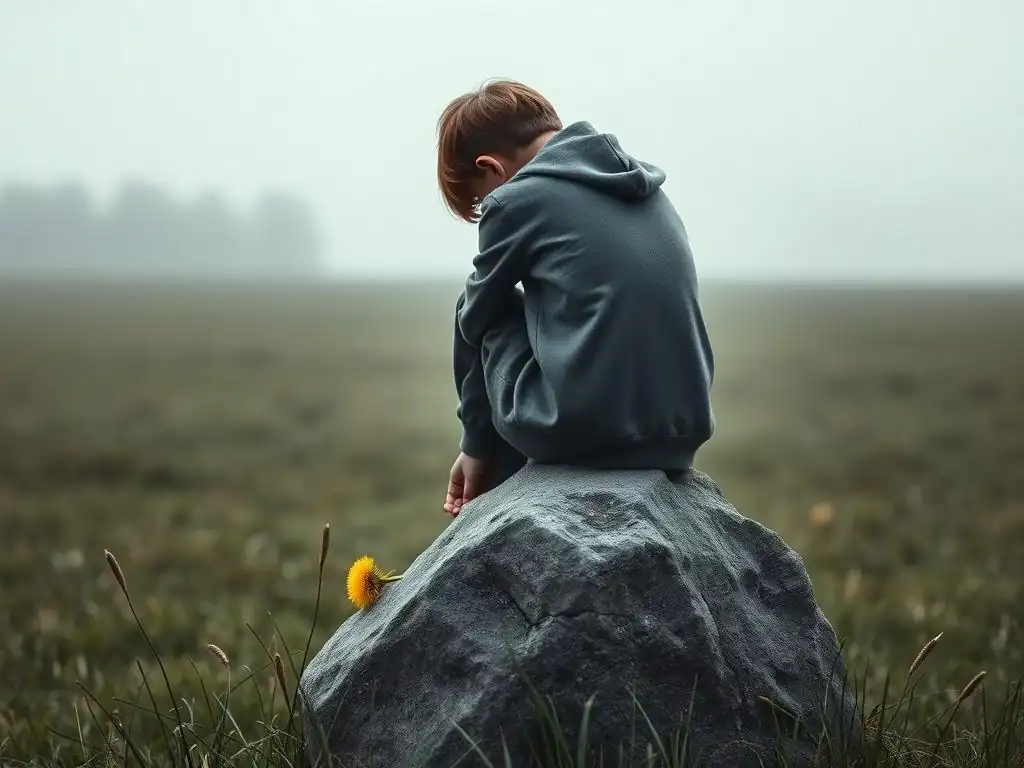
When parents or caregivers notice several of these subtle signs of mental health struggles in their child, it's crucial to take action. Ignoring the signs or hoping they will disappear on their own is not an effective strategy. Early intervention is key to preventing issues from escalating and helping the child develop healthy coping mechanisms. Taking action involves a combination of open communication, seeking professional guidance, and fostering a supportive environment at home. Remember, seeking help is a sign of strength, both for the parent and the child.
The first step is often observation and documentation – noting specific behaviors, when they occur, and what might trigger them. This information can be invaluable when speaking with professionals. It's also important for parents to manage their own stress and anxiety, as children often pick up on the emotional states of their caregivers. Prioritizing self-care allows parents to be more present and available to support their child through challenging times.
Open Communication
Creating an environment where a child feels safe to express their feelings is paramount. This involves initiating open, non-judgmental conversations about how they are feeling, what they are thinking, and any challenges they might be facing. It's important to listen actively and empathetically, without interrupting or immediately trying to fix the problem. Sometimes, simply feeling heard can make a significant difference for a child experiencing subtle signs of mental health struggles.
Use age-appropriate language and be patient. For younger children, this might involve asking about their day using simple terms or using play to help them express emotions. For older children and teenagers, it's about being available, respecting their space, and letting them know you are there when they are ready to talk. Avoid accusatory language and focus on observing behaviors ("I've noticed you've been spending more time alone") rather than making assumptions ("You seem sad"). Maintaining this open line of communication is fundamental in addressing a child’s subtle mental health struggles.
Seeking Professional Help
If you have concerns about your child's mental well-being based on observed subtle signs, seeking professional help is a vital step. Mental health professionals have the training and expertise to accurately assess a child's needs, diagnose conditions if necessary, and recommend appropriate interventions. Waiting too long can delay crucial support and treatment that could significantly improve a child's outcome.
Don't hesitate to reach out to your child's pediatrician first. They can rule out any physical causes for symptoms and can often provide referrals to mental health specialists who work with children. School counselors are also valuable resources and can offer support within the school setting or connect families with external services. Seeking professional guidance is not a reflection of parental failure; it's a proactive and responsible approach to supporting your child's health.
Child Psychologists and Psychiatrists
Child psychologists and psychiatrists are specialists trained to assess, diagnose, and treat mental health conditions in children and adolescents. A child psychologist typically provides therapy, using evidence-based approaches like Cognitive Behavioral Therapy (CBT) or play therapy, tailored to the child's age and needs. They can help children understand and manage their emotions, develop coping skills, and address behavioral issues stemming from mental health challenges.
A child psychiatrist is a medical doctor who can prescribe medication if necessary, in addition to offering therapy. Medication is often considered for more severe or persistent conditions, such as significant depression, anxiety disorders, or ADHD, when symptoms are significantly impacting a child's functioning. Working with either or both specialists can provide a comprehensive approach to addressing a child’s subtle mental health struggles, ensuring they receive the specific support they need.
School Counselors
School counselors play a crucial role in supporting children's mental well-being within the educational environment. They are trained to provide short-term counseling, crisis intervention, and support for students facing social, emotional, or behavioral challenges. They can offer a listening ear, help children develop coping strategies, and mediate conflicts with peers or teachers.
School counselors also serve as valuable liaisons between home and school. They can observe a child's behavior in the school setting, offer insights to parents and teachers, and help implement strategies to support the child academically and socially. While they may not provide long-term therapy, they are often the first point of contact in identifying and addressing a child’s subtle mental health struggles within the school context and can provide referrals to external mental health services when needed.
Supporting Mental Well-being at Home
Creating a nurturing and supportive home environment is fundamental to a child's overall mental well-being and can significantly help when they are experiencing subtle signs of mental health struggles. The home should be a safe space where a child feels loved, accepted, and understood, regardless of the challenges they are facing. This involves consistent routines, emotional validation, and opportunities for positive connection.
Simple actions like having family meals together, spending dedicated one-on-one time with your child, and ensuring they get adequate sleep and nutrition can have a profound positive impact. Reducing household stress where possible and modeling healthy coping mechanisms are also important. A supportive home environment doesn't replace professional help when needed, but it provides a crucial foundation for a child's resilience and recovery.
Promoting Healthy Habits and Routines
Establishing and maintaining healthy habits and routines is incredibly beneficial for a child's mental health. Consistent sleep schedules, balanced nutrition, regular physical activity, and limited screen time all contribute to better mood regulation, improved focus, and reduced stress levels. For a child experiencing subtle signs of mental health struggles, the predictability and stability of routines can provide a sense of security and control.
Encourage activities that promote physical and mental health, such as playing outdoors, engaging in hobbies, and spending time in nature. Ensure meals are nutritious and regular, and that your child is getting enough sleep for their age (e.g., 9-12 hours for 6-12 year olds, 8-10 hours for teenagers). These healthy habits are not a cure-all, but they provide a strong foundation for managing stress and improving overall well-being, supporting the child as they navigate their subtle mental health struggles.
Encouraging Open Expression of Feelings
Teaching children to identify and express their feelings in healthy ways is a critical life skill. This involves providing them with the vocabulary to name emotions (e.g., "sad," "angry," "frustrated," "anxious") and validating their feelings without judgment ("It's okay to feel angry sometimes"). Create opportunities for them to talk about their day, their worries, and their joys.
This might involve setting aside dedicated time to talk, using emotion charts or feeling thermometers for younger children, or simply being available to listen when they initiate conversation. Encourage journaling, drawing, or other creative outlets for expressing emotions. When a child feels safe and equipped to communicate their internal state, it becomes easier to identify and address their subtle mental health struggles before they escalate.
Creating a Safe and Supportive Environment
Above all, the home environment should be a place where a child feels safe, loved, and unconditionally accepted. This means minimizing conflict where possible, providing consistent discipline that is firm but fair, and ensuring the child knows they can come to you with any problem without fear of punishment or ridicule. Build strong, positive relationships with your child based on trust and respect.
Celebrate their strengths and efforts, not just their achievements. Let them know that it's okay to struggle and that you are there to support them. A child who feels safe and supported at home is better equipped to cope with challenges they face outside the home and is more likely to open up about their subtle mental health struggles when they occur. This secure base is invaluable for their emotional development and resilience.
Resources for Parents and Caregivers
Navigating a child's mental health challenges can be overwhelming, but parents and caregivers are not alone. Numerous organizations and resources are available to provide information, support, and guidance. These resources can help parents better understand mental health conditions, learn effective coping strategies, and connect with support networks. Utilizing these resources is a proactive step in supporting both the child and the caregiver.
Seeking information from reputable sources can empower parents with knowledge and reduce feelings of helplessness. Support groups, whether online or in person, can connect parents with others facing similar challenges, providing a sense of community and shared understanding. Remember that taking care of your own mental and emotional health is also essential, as caregiver well-being directly impacts the ability to support a child.
Organizations Dedicated to Children's Mental Health
Several national and international organizations are dedicated to supporting children's mental health and providing resources for families. These organizations often offer extensive information on various mental health conditions, symptoms to look for (including child’s subtle mental health struggles), treatment options, and tips for parents.
Examples include the National Alliance on Mental Illness (NAMI), the Child Mind Institute, and the American Academy of Child and Adolescent Psychiatry (AACAP). These organizations typically have websites with articles, guides, helplines, and directories of mental health professionals specializing in children. Consulting these resources can be a valuable first step in understanding and addressing concerns about a child's mental well-being.
Websites with Helpful Information and Support
Beyond dedicated organizations, many reputable websites offer valuable information and support for parents concerned about a child's subtle mental health struggles. These websites may provide articles on specific symptoms, age-appropriate coping strategies, parenting tips for supporting a child with mental health challenges, and guidance on how to talk to children about difficult topics.
Look for websites affiliated with major hospitals, universities, or recognized mental health associations. These sites often provide evidence-based information and practical advice. Many also offer forums or communities where parents can connect with each other, share experiences, and find peer support. Accessing these online resources can provide accessible information and a sense of community for parents navigating complex issues.
Prioritizing Self-Care for Caregivers
Supporting a child with mental health challenges can be emotionally and physically demanding. It is absolutely essential for parents and caregivers to prioritize their own well-being. Burnout is a real risk, and a caregiver who is overwhelmed or depleted is less able to provide the consistent support their child needs. Self-care is not selfish; it is necessary.
This includes ensuring you get enough sleep, eating nutritious food, engaging in regular physical activity, and making time for activities you enjoy. It also means seeking support for yourself, whether through talking to a trusted friend, joining a support group, or seeking therapy for your own stress or challenges. Caring for yourself allows you to be a more patient, resilient, and effective caregiver for your child as they work through their subtle mental health struggles.
Conclusion: Early Intervention and Ongoing Support
Recognizing the subtle signs of mental health struggles in children is the critical first step toward providing timely and effective support. These quiet indicators, often overlooked, can signal underlying distress that, if left unaddressed, can impact a child's development and well-being for years to come. By paying close attention to changes in sleep, eating habits, behavior, academic performance, and physical complaints, parents and caregivers can identify potential issues early.
Taking action involves fostering open communication, seeking professional guidance when needed, and creating a supportive home environment. Remember that resources are available, and you don't have to navigate these challenges alone. Early intervention, combined with ongoing support and a focus on overall well-being, provides children with the best opportunity to overcome challenges, build resilience, and thrive.
Frequently Asked Questions
How can I detect child's subtle mental health struggles when they are good at hiding their feelings?
Look for changes in behavior, like sudden withdrawal from activities, increased irritability, or changes in sleep or eating patterns. These subtle shifts can indicate underlying distress.
What are some common subtle signs a child might be experiencing anxiety or depression?
Increased clinginess, frequent complaints of physical ailments (like stomach aches or headaches) without a medical cause, and difficulty concentrating can be red flags.
Is it normal for children to have mood swings, or should I be concerned about child’s subtle mental health struggles?
Occasional mood swings are normal, but persistent or extreme shifts in mood, especially if accompanied by other concerning behaviors, warrant further investigation. Seek professional guidance if worried.
Where can I find resources to help me understand and support my child's mental well-being if I suspect they are struggling?
The Mind Care Guide website offers a wealth of information and support resources specifically designed to address various mental health challenges in children.
What should I do if I notice several of these subtle signs in my child, indicating potential mental health issues?
Consult with a mental health professional or your child's pediatrician for a thorough assessment. Early intervention is crucial for positive outcomes.
Final Reflection: Unveiling the Silent Struggles of Our Children
The subtle signs of childhood mental health struggles are not merely whispers; they are cries for help masked in everyday behaviors. Ignoring these signals can have devastating consequences, leaving children to navigate their internal turmoil alone. Early intervention is crucial, and recognizing these subtle cues is the first, vital step towards providing the support our children deserve.
The impact of childhood mental health issues extends far beyond the individual child; it ripples through families, schools, and communities. The stigma surrounding mental health continues to hinder open conversations and timely interventions. The greatest barrier to mental health care is not the lack of resources, but the lack of awareness and understanding.
This quote underscores the importance of continued education and open dialogue about mental health, not just within families, but within society as a whole. My own journey in researching this topic has profoundly impacted my understanding of the challenges faced by children and the vital role we all play in creating a supportive environment.
You, the reader, now hold the power to make a difference. Take a moment to reflect on the children in your life – your own, your nieces and nephews, the children in your community. Are there subtle signs you might have overlooked? Don't hesitate to reach out for help if you have concerns. A simple conversation, a listening ear, or a referral to a professional can be the lifeline a struggling child needs. Let's work together to create a world where every child feels seen, heard, and supported.
Unlock Your Child's Well-being: Take the Next Step
Thanks for taking the time to learn about the subtle signs of mental health struggles in children. We hope this article equipped you with valuable insights to better understand and support your little one. Now, let's turn that knowledge into action.
- Prioritize a conversation: Schedule some dedicated, uninterrupted time to talk with your child. Create a safe and comfortable space for open communication. Even if you don't see immediate signs, a proactive chat can strengthen your bond and encourage them to seek help if needed.
- Explore additional resources: Dive deeper into relevant support networks and educational materials available online or within your community. Search for local mental health organizations or family support groups.
- Share this article: Help other parents by sharing this article on social media or within your parent networks. Spreading awareness can make a huge difference.
What small step will you take today to nurture your child's mental well-being?