
Comfort and Cozy Gifts: Creating a Sanctuary for Restoring a Caregiver's Mind

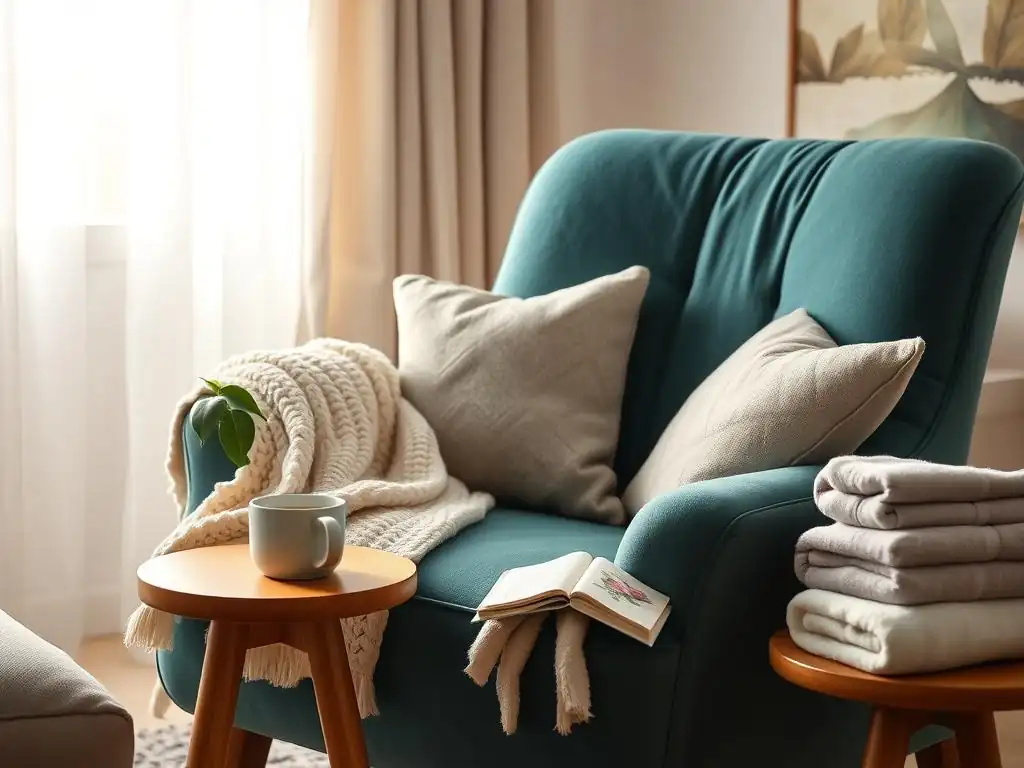
Welcome to Mind Care Guide, a sanctuary dedicated to nurturing your mental well-being. We understand the immense dedication and strength it takes to be a caregiver. This month, we're shining a light on those unsung heroes with our guide to Caregiver’s mental wellbeing gifts. Feeling overwhelmed or depleted? Discover thoughtful and comforting gifts designed to create moments of peace and restoration. Let's explore practical ways to support the incredible individuals who give so much, and find some ideas to help them cultivate a more peaceful mind. Intrigued? Let's dive in!
Comfort and Cozy Gifts: Creating a Sanctuary for Restoring a Caregiver's Mind
- Understanding the Importance of Caregiver Mental Wellbeing Gifts
- Buying Guide: Choosing the Best Caregiver Mental Wellbeing Gifts
-
The Best Comfort and Cozy Gifts for Restoring a Caregiver's Mind: Top Options
- 1. Weighted Blanket: The Ultimate Comfort for Anxious Minds
- 2. Aromatherapy Diffuser with Essential Oils: Creating a Calming Atmosphere
- 3. Noise-Cancelling Headphones: Escape the Chaos and Find Peace
- 4. Subscription Box for Self-Care: A Monthly Dose of Relaxation and Wellbeing
- 5. High-Quality Herbal Tea Set: A Soothing Ritual for Mindful Moments
- 6. Comfortable Loungewear Set: Embracing Comfort and Relaxation at Home
- Real-Life Examples: How These Gifts Have Helped Caregivers
- Conclusion: Investing in Caregiver's Mental Wellbeing through Thoughtful Gifts
-
Frequently Asked Questions
- How can Comfort and Cozy Gifts specifically benefit a caregiver's mental wellbeing?
- What types of gifts are considered most effective for promoting a caregiver's mental wellbeing?
- Why is prioritizing a caregiver's mental wellbeing so important?
- Where can I find resources and support specifically designed for caregivers?
- How often should caregivers prioritize their mental wellbeing and seek moments of rest?
- Final Reflection: Nurturing the Soul: The Enduring Power of Self-Care for Caregivers
- Unwind and Recharge: Your Sanctuary Awaits
Understanding the Importance of Caregiver Mental Wellbeing Gifts
The Stresses Faced by Caregivers and the Need for Self-Care
Caregiving is a profoundly rewarding role, yet it often comes with significant emotional, physical, and financial stress. Studies indicate that a substantial percentage of caregivers report high levels of stress and burnout. For instance, research from the National Alliance for Caregiving and AARP found that about 40% of family caregivers report high levels of physical strain, and a similar number report high emotional stress.
This constant pressure can lead to exhaustion, anxiety, and even depression, underscoring the critical need for strategies and support systems focused on preserving caregiver mental wellbeing. Without adequate self-care, caregivers risk compromising their own health, which in turn can impact the quality of care they provide.
The demands on a caregiver's time and energy are immense. Daily tasks can include managing complex medical schedules, assisting with personal care, handling household finances, and providing emotional support, often with little to no respite. This relentless pace leaves minimal time for personal needs or relaxation, making intentional self-care incredibly challenging. Recognizing this reality is the first step in understanding why thoughtful interventions, such as caregiver’s mental wellbeing gifts that encourage rest and comfort, are not luxuries but essential tools for sustaining the caregiver's ability to function effectively and maintain their own health.
Why Gifts Focused on Comfort and Relaxation are Crucial for Caregiver Mental Health
Gifts centered on comfort and relaxation serve as tangible reminders to caregivers that their wellbeing matters. In the midst of overwhelming responsibilities, a gift designed to promote peace can provide a much-needed pause. Unlike practical items related to caregiving tasks, these gifts are solely for the caregiver's personal rejuvenation, offering a moment of escape and solace. They acknowledge the unseen burden carried by caregivers and validate their need for rest and emotional replenishment, directly supporting their mental health.
Providing caregiver’s mental wellbeing gifts that foster relaxation can help mitigate the cumulative effects of stress. Simple acts like wrapping oneself in a soft blanket, inhaling a calming aroma, or enjoying a quiet cup of tea can activate the parasympathetic nervous system, helping to lower heart rate and blood pressure, and reducing the body's stress response. These aren't just pleasantries; they are small but powerful interventions that can help restore a sense of calm and control in a life often dictated by the needs of others.
The Link Between a Relaxing Environment and Improved Mental Wellbeing for Caregivers
Creating a relaxing environment is fundamental to supporting caregiver mental health. The home, often the primary setting for caregiving, can become a source of stress due to its association with demanding tasks and responsibilities. Transforming even a small corner into a sanctuary of comfort can provide a vital escape hatch, a place where the caregiver can momentarily step away from their duties and simply be. This dedicated space, enhanced by items that promote relaxation, signals to the caregiver that they are permitted, even encouraged, to prioritize their own peace.
A calming environment can significantly impact a caregiver's mood, sleep quality, and overall resilience. When stress levels are high, the body remains in a state of alert, making it difficult to relax and leading to poor sleep, increased irritability, and reduced coping capacity. By incorporating elements like soft lighting, soothing scents, comfortable textures, and minimal noise, a caregiver can actively counteract these stressors. This intentional creation of a peaceful atmosphere is a direct investment in their mental and emotional stability, proving that caregiver’s mental wellbeing gifts are not just items, but components of a larger strategy for resilience.
Buying Guide: Choosing the Best Caregiver Mental Wellbeing Gifts
Key Considerations When Selecting Gifts to Support Caregiver Mental Health
Choosing the right caregiver’s mental wellbeing gifts requires thoughtful consideration beyond just picking something nice. The most impactful gifts are those that genuinely contribute to stress reduction, relaxation, and a sense of being cared for. It's essential to select items that align with the caregiver's specific situation and preferences while prioritizing functionality and long-term value in supporting their mental health journey. A well-chosen gift acknowledges their unique challenges and offers practical support for their self-care efforts.
Focusing on gifts that encourage relaxation and provide a break from the caregiving routine is paramount. Think about items that promote comfort, create a calming atmosphere, or offer a brief escape. The goal is to provide tools that help the caregiver de-stress and recharge, reinforcing the message that their wellbeing is important. Considering the gift's practicality and how easily it can be incorporated into a busy schedule is also crucial; a complex self-care ritual might be overwhelming, while a simple, accessible item for relaxation can be a daily comfort.
Understanding the Caregiver's Specific Needs and Preferences
Every caregiver's situation is unique. Some may be dealing with physical strain, while others face significant emotional burdens or sleep deprivation. Taking the time to understand the specific challenges and preferences of the caregiver is key to selecting a truly impactful gift. Do they enjoy reading, baths, listening to music, or simply quiet time? Are there any physical limitations or sensitivities to consider, such as allergies to scents?
A gift that resonates deeply with the individual's personal needs and tastes will be far more appreciated and utilized than a generic item. For example, a caregiver who struggles with sleep might benefit greatly from a weighted blanket, while one who feels overwhelmed by noise might find solace in noise-cancelling headphones. Tailoring caregiver’s mental wellbeing gifts to the individual shows genuine care and understanding.
Prioritizing Gifts That Promote Relaxation and Stress Reduction
The primary purpose of these gifts is to support mental health by promoting relaxation and reducing stress. Therefore, prioritize items known for their calming properties. This could include things that engage the senses in a soothing way – soft textures, calming scents, gentle sounds, or warm beverages. The aim is to help the caregiver transition from a state of high alert to one of ease and peace.
Consider gifts that facilitate specific relaxation techniques, such as meditation aids, journals for reflective writing, or items for a relaxing bath routine. The most effective caregiver’s mental wellbeing gifts are those that actively help the recipient unwind and de-stress, providing tangible support for managing the pressures of their role.
Considering Practicality and Longevity of the Gift
While comfort is key, practicality is also important. A gift that is difficult to use, requires significant setup, or takes up too much space might add to a caregiver's burden rather than alleviate it. Choose items that are easy to incorporate into a busy routine, require minimal maintenance, and can be enjoyed repeatedly over time.
Durability and quality are also factors to consider. A well-made item will provide comfort and support for longer, offering sustained benefits for the caregiver's mental wellbeing. Investing in a quality product ensures that the gift continues to serve its purpose as a tool for relaxation and self-care for months or even years to come.
The Best Comfort and Cozy Gifts for Restoring a Caregiver's Mind: Top Options
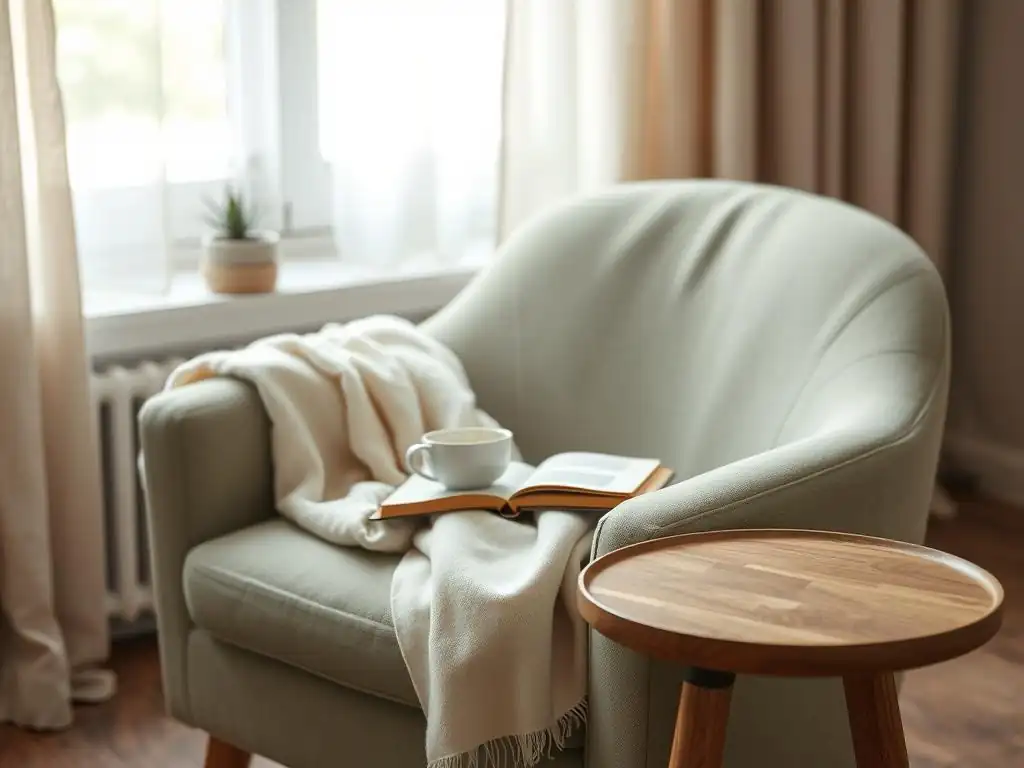
1. Weighted Blanket: The Ultimate Comfort for Anxious Minds
Weighted blankets have gained significant popularity for their therapeutic benefits, particularly in reducing anxiety and improving sleep quality. Filled with glass beads or plastic pellets, these blankets apply gentle, even pressure across the body, simulating the feeling of being hugged or held. This sensation, known as deep pressure stimulation (DPS), has a calming effect on the nervous system, making them excellent caregiver’s mental wellbeing gifts. The weight typically ranges from 5 to 25 pounds, with recommendations often suggesting a blanket that is about 10% of the user's body weight.
The deep pressure provided by a weighted blanket can help lower cortisol levels (the stress hormone) and increase the production of serotonin and melatonin (hormones associated with mood and sleep). For caregivers who often experience heightened stress and disrupted sleep patterns, a weighted blanket can be a powerful tool for finding relief. It provides a tangible sense of security and containment, helping to quiet racing thoughts and promoting a state of relaxation conducive to falling asleep and staying asleep.
Features of a High-Quality Weighted Blanket: Deep Pressure Stimulation for Relaxation
High-quality weighted blankets are typically constructed with durable fabrics like cotton, bamboo, or minky, often featuring quilted compartments to ensure the weight is evenly distributed. The filling material, such as fine glass beads, contributes to the even weight and quiet usage. Look for features like breathable materials to prevent overheating and secure stitching to keep the weight contained. Some blankets come with removable, washable covers for easy cleaning, a practical consideration for busy caregivers.
The core feature is the deep pressure stimulation provided by the weight. This gentle, firm pressure is thought to activate the parasympathetic nervous system, which is responsible for the body's "rest and digest" state. By promoting this state, the blanket helps to counteract the "fight or flight" response often triggered by chronic stress, offering a profound sense of calm and relaxation.
Benefits of a Weighted Blanket for Reducing Anxiety and Improving Sleep in Caregivers
For caregivers grappling with anxiety, a weighted blanket can provide immediate comfort and a sense of groundedness. The pressure helps to calm the nervous system, reducing feelings of restlessness and worry. Many users report feeling more relaxed and secure when using one, which can be particularly beneficial during moments of overwhelm or before sleep. This reduction in anxiety directly supports caregiver mental wellbeing.
Improved sleep is another significant benefit. Caregivers frequently suffer from sleep deprivation due to demanding schedules, nighttime duties, and stress that makes it hard to switch off. By promoting relaxation and reducing anxiety, a weighted blanket can make it easier to fall asleep and achieve deeper, more restorative sleep. Better sleep is fundamental to managing stress and maintaining overall mental and physical health.
2. Aromatherapy Diffuser with Essential Oils: Creating a Calming Atmosphere
An aromatherapy diffuser disperses fine particles of essential oils into the air, filling a space with natural scents. When used with calming oils like lavender, chamomile, or bergamot, a diffuser can transform a room into a tranquil oasis, providing a sensory escape for a stressed caregiver. These diffusers range from simple ultrasonic models that use water and vibrations to nebulizing diffusers that use air pressure, offering various ways to enjoy aromatic benefits.
Incorporating aromatherapy into a daily routine can be a simple yet effective way to support caregiver mental wellbeing. The olfactory system is directly linked to the brain's limbic system, which controls emotions and memory. Inhaling certain aromas can trigger physiological responses that promote relaxation, reduce stress, and improve mood. A beautiful and functional diffuser paired with a selection of therapeutic-grade essential oils makes for a thoughtful and effective gift.
Features of a Premium Aromatherapy Diffuser: Design and Effective Aromatherapy
Premium aromatherapy diffusers often feature aesthetically pleasing designs that blend seamlessly into home decor, made from materials like ceramic, glass, or wood. Ultrasonic diffusers are common, offering quiet operation and often including features like ambient lighting or automatic shut-off timers. Nebulizing diffusers, while sometimes louder, use no water and provide a more intense, pure aroma experience.
Effective aromatherapy relies on using high-quality, pure essential oils. Look for diffusers that handle various oil types well and are easy to clean. Features like adjustable mist intensity or interval settings allow for customized diffusion throughout the day or night, ensuring a consistent calming atmosphere to support caregiver mental wellbeing.
Essential Oils for Caregiver Wellbeing: Lavender, Chamomile, and Eucalyptus
Certain essential oils are particularly renowned for their calming and stress-reducing properties, making them ideal companions for a diffuser intended for a caregiver. Lavender is perhaps the most well-known, widely used for its ability to promote relaxation, reduce anxiety, and improve sleep. Studies have shown that inhaling lavender oil can decrease heart rate and blood pressure.
Chamomile is another gentle oil known for its soothing effects, often used to calm nerves and promote rest. Eucalyptus, while also known for respiratory benefits, can have a clearing and refreshing effect that helps reduce feelings of congestion often associated with stress or fatigue. Other beneficial oils include bergamot (uplifting), frankincense (grounding), and ylang-ylang (calming). A selection of these oils provides versatility for different moods and needs, enhancing the value of the caregiver’s mental wellbeing gift.
How Aromatherapy Can Improve Mood and Reduce Stress (Scientific Backing)
The therapeutic effects of aromatherapy are supported by a growing body of research. When essential oils are inhaled, olfactory receptors send signals to the limbic system, impacting areas involved in emotion, memory, and stress response. For example, a study published in the Journal of Alternative and Complementary Medicine found that inhaling lavender oil reduced anxiety in dental patients. Another study indicated that aromatherapy could lower cortisol levels.
By influencing these brain regions, aromatherapy can help to interrupt the stress cycle. The pleasant scents can distract from negative thoughts, induce feelings of comfort and nostalgia, and trigger the release of neurotransmitters that promote relaxation and improve mood. For a caregiver, incorporating aromatherapy into their environment offers a simple, non-invasive method to actively combat stress and support their mental health throughout the day.
3. Noise-Cancelling Headphones: Escape the Chaos and Find Peace
Noise-cancelling headphones are a powerful tool for creating a personal zone of quiet amidst a potentially noisy caregiving environment. They use active noise control technology to electronically cancel out ambient sounds, significantly reducing the intrusion of household noise, medical equipment sounds, or external distractions. This allows the caregiver to find moments of peace and quiet, essential for rest and mental clarity.
For caregivers who are constantly "on alert" and exposed to sensory overload, the ability to simply block out disruptive noise can be incredibly restorative. These headphones enable them to create a personal sanctuary, whether for listening to calming music, guided meditations, audiobooks, or simply enjoying silence. This ability to control their auditory environment is a direct support for caregiver mental wellbeing.
Features of High-End Noise-Cancelling Headphones: Superior Noise Cancellation and Comfort
High-end noise-cancelling headphones excel in their ability to reduce a wide range of frequencies, effectively muting or significantly lowering background noise like traffic, conversations, and appliance hums. They also prioritize comfort for extended wear, featuring plush earcups, adjustable headbands, and lightweight designs. Battery life is another key feature, with premium models offering many hours of noise cancellation on a single charge.
Look for features like adjustable noise cancellation levels, ambient sound modes (to hear surroundings when needed), and intuitive controls. Sound quality is also important if the caregiver plans to listen to audio. The combination of superior noise blocking and comfortable fit makes these headphones a valuable investment in a caregiver's peace of mind and overall mental wellbeing.
Benefits of Noise-Cancelling Headphones for Reducing Sensory Overload in Caregivers
Caregiving environments can be unpredictable and often noisy, leading to sensory overload, which exacerbates stress and fatigue. Noise-cancelling headphones provide a crucial barrier against this constant barrage of sound. By reducing auditory input, they help to lower cognitive load and allow the caregiver's nervous system to calm down. This is particularly beneficial during moments when the caregiver needs to focus, rest, or simply decompress.
The ability to control one's auditory environment offers a sense of agency in a role where control is often limited. Donning noise-cancelling headphones can be a deliberate act of self-care, signaling a boundary that allows for mental respite. This simple action can significantly reduce irritability and improve focus, directly contributing to better caregiver mental wellbeing.
Using Noise-Cancelling Headphones for Meditation, Relaxation, and Focus
Noise-cancelling headphones are versatile tools that can facilitate various self-care practices. They create an ideal environment for guided meditation or mindfulness exercises by eliminating external distractions. Listening to calming music or nature sounds becomes a more immersive and relaxing experience when background noise is removed.
Furthermore, these headphones can aid focus during tasks that require concentration, providing a quiet space for managing paperwork, making important calls, or even enjoying a hobby. For a caregiver, finding moments of quiet focus or deep relaxation is vital, and noise-cancelling headphones make these moments more accessible and effective, serving as excellent caregiver’s mental wellbeing gifts.
4. Subscription Box for Self-Care: A Monthly Dose of Relaxation and Wellbeing
A self-care subscription box is a curated package delivered regularly, typically monthly, containing a selection of products designed to promote relaxation, mindfulness, and personal wellbeing. These boxes often include items such as bath bombs, skincare products, journals, herbal teas, scented candles, mindfulness prompts, or small comforting accessories. Receiving a new box each month provides an ongoing source of positive reinforcement and reminds the caregiver to prioritize their own needs.
The surprise element and curated selection make these boxes feel like a special treat, distinct from everyday necessities. For a caregiver whose life revolves around meeting the needs of others, a gift box focused solely on their comfort and pleasure can be incredibly uplifting. It's a consistent reminder that self-care is important and provides the tools to engage in it without the need for planning or shopping.
Features of a Curated Self-Care Subscription Box: Products for Mind and Body
High-quality self-care subscription boxes feature a thoughtful mix of items that nurture both the mind and body. They often include products for relaxation rituals, such as luxurious bath items or soothing aromatherapy, alongside items that encourage mental wellbeing, like guided journals, inspirational books, or mindfulness activity cards. The products are typically from reputable brands, often organic or ethically sourced, adding to the feeling of receiving something special and beneficial.
The curation is key; the items should complement each other and offer a varied experience each month. Some boxes cater to specific needs, like stress relief or sleep improvement, while others offer a general mix of comforting items. The presentation is also part of the appeal, with items often beautifully packaged, enhancing the unboxing experience and making it feel like a personal gift each time.
What to Expect in a Self-Care Subscription Box: Examples of Included Items
The contents of a self-care subscription box vary widely depending on the provider and theme. Common items include artisanal soaps, lotions, or body scrubs; scented candles or wax melts; various types of herbal tea or gourmet coffee; healthy snacks; small journals or notebooks; pens; eye masks; sheet masks; essential oil rollerballs; calming room sprays; or small pieces of comforting decor.
Some boxes might include items related to specific activities, such as materials for a simple craft, a short meditation guide, or prompts for reflection. The value often exceeds the subscription cost, providing an affordable way to sample various self-care products and discover new favorites that support caregiver mental wellbeing.
The Benefits of Regular Self-Care Reminders for Busy Caregivers
One of the biggest challenges for caregivers is finding the time and motivation for self-care amidst overwhelming demands. A monthly subscription box serves as a consistent, gentle nudge to pause and prioritize their own wellbeing. The arrival of the box acts as a built-caregiver’s mental wellbeing gifts reminder, providing both the permission and the necessary items to engage in a relaxing activity.
This regular reinforcement helps to normalize self-care as an essential part of the caregiving routine, rather than a luxury. By providing new items to try each month, the box can also help prevent self-care from feeling monotonous, encouraging exploration and making the practice more enjoyable and sustainable over the long term.
5. High-Quality Herbal Tea Set: A Soothing Ritual for Mindful Moments
A premium herbal tea set offers more than just a beverage; it provides an opportunity for a calming ritual. Selecting, brewing, and slowly savoring a cup of herbal tea can be a simple yet profound act of mindfulness, forcing a pause in a busy day. High-quality sets typically include a selection of organic or ethically sourced herbal blends known for their relaxing or restorative properties, along with perhaps a beautiful mug or infuser.
Herbal teas are naturally caffeine-free and contain compounds that can have soothing effects on the body and mind. Creating a dedicated tea time encourages the caregiver to step away from their responsibilities, even for just 10-15 minutes, and focus on a simple, comforting activity. This intentional break is vital for managing stress and supporting caregiver mental wellbeing.
Features of a Premium Herbal Tea Collection: Organic and Delicious Herbal Blends
A premium herbal tea collection distinguishes itself through the quality and variety of its blends. Look for sets featuring organic ingredients, ethically sourced herbs, and unique flavor combinations beyond standard offerings. The packaging is often aesthetically pleasing, making the act of choosing a tea feel special. Included blends might target specific needs, such as sleep support (like valerian or passionflower), stress relief (like lemon balm or holy basil), or simply general relaxation (like chamomile or peppermint).
The quality of the herbs directly impacts the flavor and therapeutic benefits. A set with a diverse range of high-quality blends allows the caregiver to choose a tea that suits their mood and needs on any given day, enhancing the personalized aspect of this caregiver’s mental wellbeing gift.
The Benefits of Herbal Tea for Relaxation and Stress Reduction
Many herbal teas have been traditionally used for their calming and medicinal properties, benefits increasingly supported by research. Chamomile, for instance, contains apigenin, an antioxidant that may bind to certain receptors in the brain that reduce anxiety and initiate sleep. Lemon balm has been shown to reduce stress and improve mood and cognitive function.
The simple act of sipping a warm beverage is inherently comforting. Combined with the specific properties of relaxing herbs, a cup of tea can help to lower cortisol levels, ease muscle tension, and quiet a restless mind. This makes a high-quality herbal tea set a practical and effective gift for promoting relaxation and supporting caregiver mental wellbeing.
Creating a Mindful Tea Ritual for Caregivers: Slowing Down and Savoring the Moment
The true benefit of a tea set lies in the ritual it encourages. Instead of rushing, the caregiver is invited to slow down. The process of boiling water, selecting a blend, steeping the tea, and holding a warm mug can become a meditative practice. Encouraging the caregiver to pay attention to the aroma, the warmth, and the taste transforms a simple drink into a mindful moment.
This dedicated "tea time" provides a structured break, a small pocket of peace in a demanding schedule. It's a tangible way for the caregiver to practice self-compassion and prioritize a moment of calm, reinforcing the importance of their own mental health and making this a valuable caregiver’s mental wellbeing gift.
6. Comfortable Loungewear Set: Embracing Comfort and Relaxation at Home
Comfortable loungewear is more than just clothing; it's an embrace of relaxation and a signal to the body and mind that it's time to unwind. A luxurious, soft loungewear set provides physical comfort that can significantly impact a caregiver's mood and ability to relax at home. After a long day of demanding tasks, slipping into something soft and cozy can feel like a reward and a permission to rest.
Wearing comfortable clothing can help shift a caregiver's mindset from "task-oriented" to "rest-oriented." It creates a physical distinction between the demands of the day and the need for personal downtime. A high-quality loungewear set is a practical yet deeply comforting caregiver’s mental wellbeing gift, promoting relaxation and a sense of ease within their own home.
Features of Luxurious Comfortable Loungewear: Comfort and Easy Care
Luxurious comfortable loungewear is characterized by soft, breathable fabrics like modal, bamboo blends, high-quality cotton, or soft knits. Features often include relaxed fits that allow for ease of movement, soft waistbands that don't dig in, and thoughtful details like pockets or adjustable drawstrings. Durability and easy care are also important, as caregivers need practical clothing that can withstand regular washing.
The feel of the fabric against the skin is paramount for comfort. Look for sets that are not only soft but also maintain their shape and softness after washing. A well-made set feels special and provides consistent comfort, making it a reliable tool for relaxation and supporting caregiver mental wellbeing.
The Importance of Comfortable Clothing for Relaxation and Mental Wellbeing
Our clothing choices can influence our psychological state. Stiff, restrictive, or uncomfortable clothing can contribute to feelings of tension and stress. Conversely, soft, comfortable loungewear promotes a sense of ease and physical relaxation, which in turn supports mental unwinding. It's a simple way to create a more comfortable physical environment, directly impacting mental comfort.
For a caregiver who might spend long hours in functional clothing or even their daytime clothes, changing into dedicated loungewear can act as a psychological transition, marking the shift from work mode to rest mode. This ritual helps the mind and body prepare for relaxation, contributing positively to their mental health.
Choosing the Right Loungewear Set for Different Seasons and Preferences
When selecting a loungewear set as a gift, consider the climate and the caregiver's personal preferences. Lighter, more breathable fabrics are suitable for warmer seasons or climates, while thicker knits or fleece are perfect for cooler weather. Think about their style – do they prefer classic solids, fun patterns, pants sets, or shorts sets?
Considering the caregiver's home environment is also helpful. If they keep their home cool, a warmer set might be appreciated regardless of the season. The goal is to choose a set they will genuinely love wearing and find comfortable, ensuring it becomes a go-to item for relaxation and a consistent support for their caregiver mental wellbeing.
Real-Life Examples: How These Gifts Have Helped Caregivers

Case Study 1: The Impact of a Weighted Blanket on Sleep Quality for Caregivers
Sarah, a caregiver for her elderly mother with dementia, struggled with chronic insomnia and anxiety. She reported waking up frequently during the night, her mind racing with worries about her mother's health and her own ability to cope. On average, she was getting only four to five hours of fragmented sleep per night, leading to exhaustion and increased stress during the day. Her doctor had suggested various strategies, but nothing seemed to provide consistent relief.
A friend gifted Sarah a 15-pound weighted blanket. Initially skeptical, she started using it nightly. Within the first week, she noticed a significant difference. The deep pressure helped quiet her anxious thoughts, making it easier to fall asleep.
She also found herself waking up less frequently during the night. After a month, Sarah reported consistently getting six to seven hours of more restful sleep. She felt less irritable, more focused during the day, and better equipped to handle the challenges of caregiving. The weighted blanket became an indispensable part of her nightly routine, a tangible tool supporting her crucial caregiver mental wellbeing.
Case Study 2: The Use of Aromatherapy for Stress Management for Caregivers
David cares for his wife, who has a chronic illness requiring constant attention. The constant demands and unpredictable nature of her condition left David feeling perpetually stressed and overwhelmed. He found it difficult to relax even when he had a rare moment of free time, his mind constantly replaying potential scenarios or worrying about future needs. His stress levels were impacting his patience and overall mood.
His sister gave him an aromatherapy diffuser and a set of essential oils, including lavender, frankincense, and bergamot. David placed the diffuser in the living room and began using lavender oil in the evenings. He found that the subtle, calming scent helped create a more peaceful atmosphere in the home.
He started a small ritual of turning on the diffuser and sitting quietly for fifteen minutes each evening. This simple act, combined with the aroma, helped him feel more grounded and less anxious. He reported feeling a noticeable reduction in his overall stress levels and a greater ability to switch off from caregiving concerns during his limited downtime, directly supporting his caregiver mental wellbeing.
Case Study 3: The Benefits of a Self-Care Subscription Box for Caregivers
Maria is a full-time caregiver for her young son with complex medical needs. Her days are packed with appointments, therapies, and medical routines, leaving virtually no time for herself. She felt guilty thinking about spending money on non-essential items and often neglected her own needs, leading to feelings of burnout and isolation.
A friend gifted her a year-long subscription to a self-care box specifically curated for busy women. Each month, a box arrived containing items like bath bombs, a calming candle, a face mask, gourmet tea, and a small journal. Maria initially felt she didn't have time for the items, but the consistent arrival of the box served as a regular reminder that she deserved to take care of herself.
She started setting aside ten minutes in the evening to use a face mask or make a special cup of tea. The journal provided a simple outlet for her thoughts. Receiving the box each month felt like a personal act of kindness and encouraged her to integrate small moments of self-care into her routine, significantly boosting her morale and supporting her caregiver mental wellbeing.
Conclusion: Investing in Caregiver's Mental Wellbeing through Thoughtful Gifts
The Long-Term Benefits of Supporting Caregiver Mental Health
Investing in caregiver mental health through thoughtful gifts has profound long-term benefits, not only for the caregiver but also for the person receiving care. A caregiver who is well-rested, less stressed, and emotionally supported is better equipped to provide consistent, compassionate care. Reduced caregiver burnout leads to fewer hospitalizations for the care recipient and better overall health outcomes for both individuals. Studies have shown that supporting caregivers can even delay institutionalization for those with chronic conditions like dementia.
Furthermore, prioritizing caregiver wellbeing sets a positive example and helps normalize the importance of self-care in demanding roles. It combats the often-internalized belief that caregivers must sacrifice their own needs entirely. By providing tools and encouragement for relaxation and stress reduction, we contribute to the sustainability of the caregiving relationship and help ensure that caregivers can continue their invaluable work without sacrificing their own health and happiness. These caregiver’s mental wellbeing gifts are an investment in resilience.
Encouraging Caregivers to Prioritize Self-Care and Seek Support
Thoughtful gifts focused on comfort and relaxation serve as powerful messages encouraging caregivers to prioritize their own wellbeing. In a role where self-neglect is common, receiving a gift specifically designed for their comfort provides validation and permission to take a break. It opens the door for conversations about the challenges they face and the importance of seeking support, whether from friends, family, support groups, or professional services like therapy or respite care.
The act of giving these caregiver’s mental wellbeing gifts should be accompanied by words of encouragement and recognition for their tireless efforts. Let them know that their wellbeing is important and that using the gift to relax is not selfish, but necessary. This encouragement helps to dismantle the barriers of guilt and obligation that often prevent caregivers from engaging in self-care.
Final Thoughts on Choosing the Perfect Comfort and Cozy Gifts
When selecting caregiver’s mental wellbeing gifts, remember that the most valuable aspect is often the message behind the gift: "I see you, I appreciate you, and your wellbeing matters." Whether it's the deep comfort of a weighted blanket, the calming aroma from a diffuser, the peace offered by noise-cancelling headphones, the consistent reminder of a self-care box, the soothing ritual of a tea set, or the simple luxury of comfortable loungewear, each gift offers a unique way to support a caregiver's mental health.
Consider the individual caregiver's personality, challenges, and what might bring them the most genuine comfort and relief. These gifts are not just material items; they are tools for creating moments of peace, fostering relaxation, and building resilience in the face of significant demands. By choosing gifts that promote comfort and cozy relaxation, we help caregivers create a sanctuary for restoring their mind, enabling them to continue their essential work with greater strength and wellbeing.
Frequently Asked Questions
How can Comfort and Cozy Gifts specifically benefit a caregiver's mental wellbeing?
Comfort and Cozy Gifts offer a much-needed break from the demanding role of caregiving. They help create a sanctuary for relaxation and promote restoration of the mind, crucial for preventing burnout.
What types of gifts are considered most effective for promoting a caregiver's mental wellbeing?
Effective gifts include items that encourage self-care and relaxation, such as weighted blankets for reducing anxiety, aromatherapy diffusers for creating a calming atmosphere, and subscriptions to mindfulness apps.
Why is prioritizing a caregiver's mental wellbeing so important?
Caregivers often neglect their own needs while focusing on others, leading to increased stress and burnout. Prioritizing their mental wellbeing is essential for their overall health and their ability to continue providing quality care.
Where can I find resources and support specifically designed for caregivers?
Resources are available through organizations like the Family Caregiver Alliance and the National Alliance for Caregiving. The Mind Care Guide also offers information and support dedicated to caregiver mental health.
How often should caregivers prioritize their mental wellbeing and seek moments of rest?
Ideally, caregivers should incorporate daily moments of rest and relaxation into their routine. Regular breaks, even short ones, can significantly improve their mental state and prevent chronic stress.
Final Reflection: Nurturing the Soul: The Enduring Power of Self-Care for Caregivers
The relentless demands of caregiving often leave those who give so much feeling depleted and overlooked. The simple act of gifting comfort and coziness isn't just about material items; it's a powerful acknowledgment of the immense emotional labor involved in caregiving and a vital step towards prioritizing mental wellbeing. This is more crucial now than ever, as caregiver burnout continues to rise at an alarming rate.
The impact of chronic stress on caregivers is profound, affecting not only their mental health but also their physical wellbeing and overall quality of life. The subtle shift towards recognizing the importance of self-care within the caregiving community is a beacon of hope. Self-care is not selfish. You cannot serve from an empty vessel.
This quote perfectly encapsulates the necessity of prioritizing one's own needs, not as a luxury, but as a fundamental requirement for sustained caregiving. The journey towards acknowledging this truth is ongoing, but the growing awareness is undeniably encouraging.
Consider the gifts discussed in this article – a weighted blanket, a soothing aromatherapy diffuser, a cozy pair of socks – as more than just presents. They are symbols of support, reminders to pause, breathe, and replenish. You, the caregiver, deserve this sanctuary. Take a moment today to reflect on your own needs. What small act of self-care can you incorporate into your routine? What gift, big or small, might help you create your own haven of peace and restoration? Begin building your sanctuary, one comforting item at a time.
Unwind and Recharge: Your Sanctuary Awaits
Thanks for taking the time to explore ways to create a comforting space for caregivers. We hope you gained valuable insights into the power of self-care. Now, it's time to put those ideas into action!
- Prioritize one self-care activity from the article this week. Even 15 minutes dedicated to yourself can make a huge difference. Which small act of self-compassion will you choose?
- Share this article with a fellow caregiver. Let's build a supportive community where everyone feels seen and understood.
- Explore creative ways to personalize your sanctuary. What small changes can you make today to transform your space into a haven of peace and tranquility?
What small step will you take today to nurture your mind and body?