
The Lasting Ripple: LongTerm Mental Benefits of Consistent Tai Chi Practice

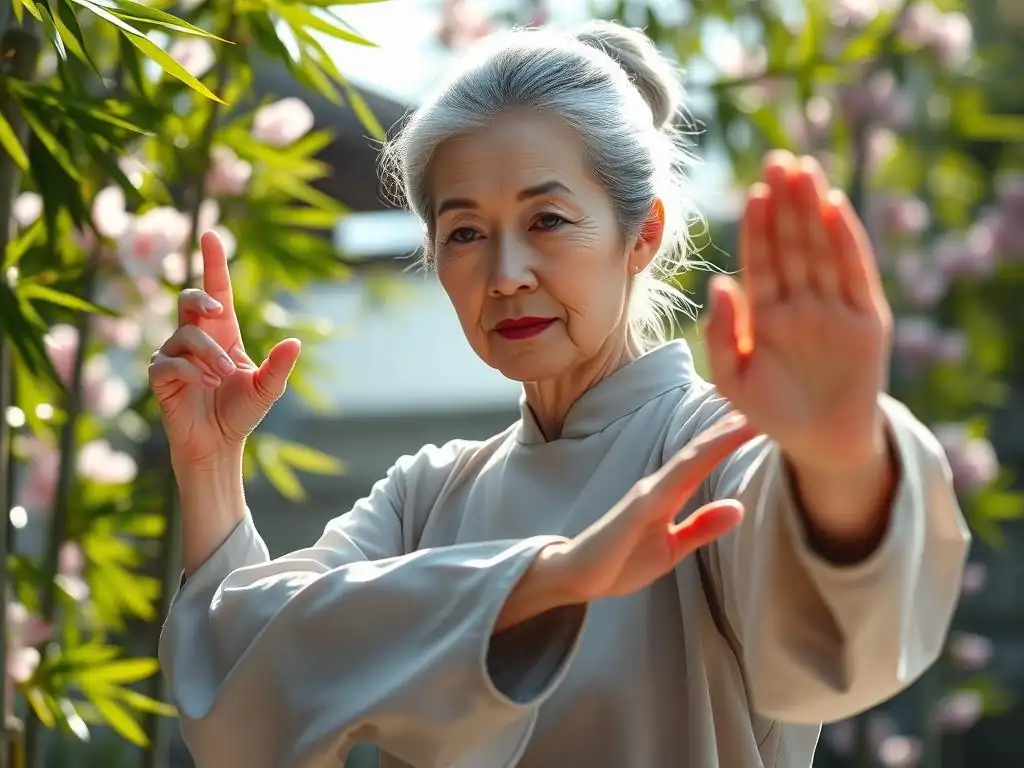
Welcome to Mind Care Guide, a place dedicated to nurturing your inner peace and fostering lasting mental well-being. Feeling overwhelmed or simply seeking a path to greater clarity? You're not alone. Discover how the gentle art of Tai Chi can be a powerful ally in your journey towards mental wellness. Intrigued? Let's explore the profound and lasting Tai Chi mental health benefits that await you.
The Lasting Ripple: Long-Term Mental Benefits of Consistent Tai Chi Practice
- Introduction: Unveiling the Enduring Power of Tai Chi for Mental Well-being
- Understanding the Science: How Tai Chi Impacts the Brain and Mind
- The Long-Term Mental Health Benefits of Tai Chi: A Detailed Exploration
- Integrating Tai Chi into Your Life: A Practical Guide to Long-Term Practice
- Real-Life Examples: Stories of Transformation Through Consistent Tai Chi Practice
- Addressing Common Concerns and Misconceptions About Tai Chi
- Conclusion: Embracing the Journey to Long-Term Mental Well-being with Tai Chi
-
Frequently Asked Questions
- What are the main mental health benefits that can be expected from practicing Tai Chi consistently?
- How does Tai Chi specifically help with reducing stress and anxiety, according to the Mind Care Guide?
- Is Tai Chi a suitable form of exercise for individuals with limited mobility or physical limitations who are seeking mental health support?
- How long and how often should I practice Tai Chi to start experiencing noticeable mental health improvements?
- Where can I find reliable resources and guidance on learning Tai Chi for mental health benefits, as recommended by the Mind Care Guide?
- Final Reflection: Cultivating Inner Peace Through Consistent Practice
- Unleash Your Inner Calm: Start Your Tai Chi Journey Today!
Introduction: Unveiling the Enduring Power of Tai Chi for Mental Well-being
Tai Chi: More Than Just Gentle Exercise - A Path to Mental Wellness
Tai Chi Chuan, often simply called Tai Chi, is an ancient Chinese martial art practiced for both its defense training and its health benefits. It is characterized by slow, deliberate movements, meditation, and deep breathing. While its physical advantages, like improved balance and flexibility, are widely recognized, its profound impact on mental well-being is increasingly gaining attention. This practice integrates the mind and body, fostering a sense of calm and presence that extends far beyond the training session itself, offering significant Tai chi mental health benefits.
Unlike typical aerobic exercise, Tai Chi emphasizes mindful movement and internal focus. Participants are encouraged to become aware of their breath and body sensations, cultivating a meditative state while moving. This unique combination of gentle physical activity and mindfulness makes it a powerful tool for addressing various mental health challenges, from daily stress to more complex conditions. The consistent engagement with this practice builds a foundation for sustained emotional and psychological resilience.
Why Consistent Practice Matters for Long-Term Tai Chi Mental Health Benefits
The true depth of Tai chi mental health benefits unfolds with consistent, dedicated practice. While even a single session can offer temporary relaxation, the lasting changes in mood, cognitive function, and stress response are cumulative. Think of it like building muscle – sporadic workouts yield minimal results, but regular training leads to significant strength and endurance over time. Similarly, regular Tai Chi practice rewires the brain and nervous system, leading to enduring mental wellness enhancements.
Scientific studies highlight this cumulative effect. Research indicates that participating in Tai Chi for a sustained period, often cited as 12 weeks or more, shows more significant improvements in measures of anxiety and depression compared to shorter durations or control groups. For example, a meta-analysis published in the Journal of Psychiatric Research found that Tai Chi significantly reduced symptoms of depression and anxiety, with greater effects observed in studies involving longer intervention periods, underscoring that the long-term Tai chi mental health benefits are achieved through commitment.
Understanding the Science: How Tai Chi Impacts the Brain and Mind
Neuroplasticity and Tai Chi: Rewiring the Brain for Enhanced Mental Health
Neuroplasticity, the brain's ability to reorganize itself by forming new neural connections throughout life, plays a crucial role in the long-term Tai chi mental health benefits. Engaging in mindful, coordinated movements like those in Tai Chi stimulates various brain regions. Studies using neuroimaging techniques, such as fMRI, have shown increased activity in areas associated with attention regulation, emotional processing, and self-awareness, including the prefrontal cortex and the anterior cingulate cortex, after consistent Tai Chi practice.
This regular stimulation encourages the growth of new neurons and strengthens existing neural pathways. For individuals dealing with conditions like chronic stress or depression, which can sometimes be associated with reduced volume in certain brain areas (like the hippocampus), Tai Chi's neuroplastic effects offer a pathway to potential recovery and resilience. The constant focus on balance, coordination, and mindful presence actively trains the brain, contributing to improved cognitive function and emotional stability over time.
The Mind-Body Connection: Exploring the Physiological Impact of Tai Chi on Mental States
Tai Chi deeply engages the intricate mind-body connection, recognizing that mental and physical health are inseparable. The practice's emphasis on slow, flowing movements synchronized with deep breathing directly influences physiological responses that impact mental states. By calming the nervous system through regulated breathing and gentle exercise, Tai Chi helps to interrupt the stress response cycle that can perpetuate anxiety and other mental health challenges.
This physiological calming effect is measurable. Studies have shown that regular Tai Chi practice can lead to decreased heart rate variability and improved vagal tone, indicators of a more resilient and less reactive nervous system. For instance, research published in the International Journal of Behavioral Medicine demonstrated that older adults practicing Tai Chi for six months exhibited improved heart rate variability, suggesting a positive impact on autonomic nervous system regulation, which is closely linked to mood and anxiety levels. These physiological shifts contribute significantly to the observed Tai chi mental health benefits.
Reducing Stress Hormones: Tai Chi's Effect on Cortisol and Anxiety
Chronic stress is a significant contributor to many mental health issues, including anxiety and depression. The body's primary stress hormone, cortisol, when elevated over prolonged periods, can have detrimental effects on both physical and mental health. One of the key long-term Tai chi mental health benefits is its ability to help regulate the body's stress response system, specifically by reducing cortisol levels.
Research has consistently shown that engaging in regular Tai Chi practice can lead to lower levels of cortisol in the bloodstream. For example, a study involving participants with moderate stress levels found that practicing Tai Chi three times a week for 12 weeks resulted in a significant reduction in salivary cortisol levels compared to a control group. This reduction in stress hormones translates directly into decreased feelings of anxiety and improved overall mood, creating a more balanced internal environment less susceptible to the negative impacts of stress.
The Long-Term Mental Health Benefits of Tai Chi: A Detailed Exploration
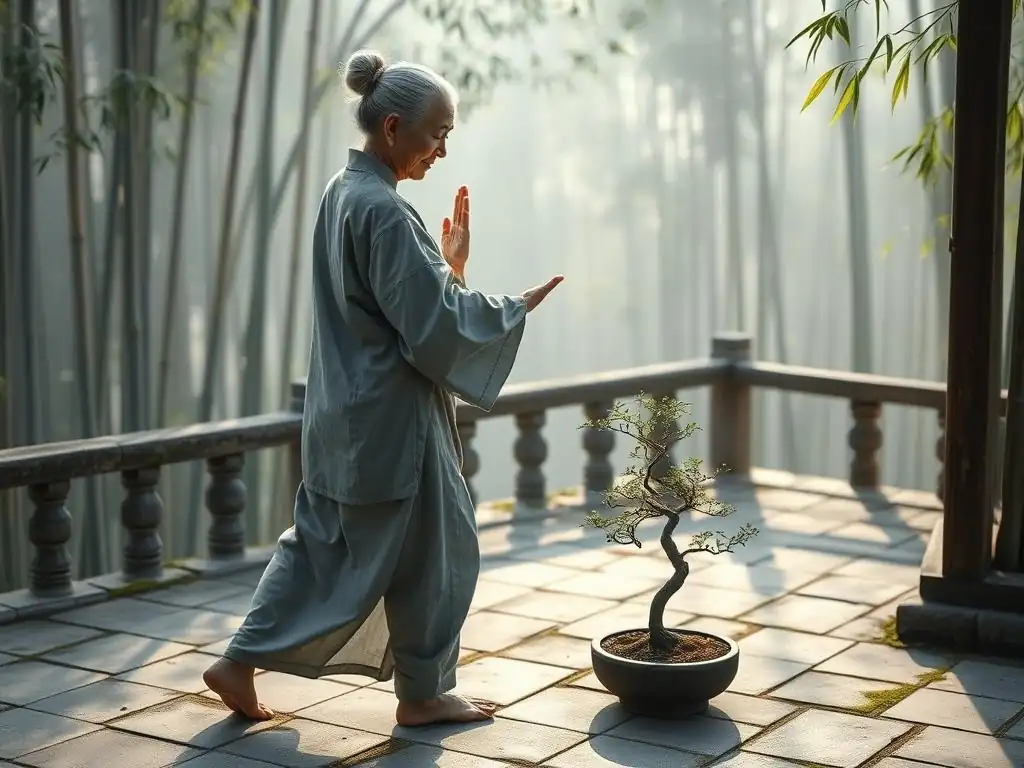
Enhanced Mood and Emotional Regulation Through Tai Chi
Consistent Tai Chi practice has a profound positive impact on mood and the ability to regulate emotions. The gentle, flowing movements combined with mindful breathing create a state of calm that counteracts feelings of irritability, sadness, and tension. Over time, this regular exposure to a relaxed state helps individuals develop a greater capacity to manage their emotional responses in challenging situations, a core component of the Tai chi mental health benefits.
Furthermore, the meditative aspect of Tai Chi encourages non-judgmental observation of thoughts and feelings. This practice helps individuals gain perspective on their emotions, recognizing them without being overwhelmed by them. This increased emotional intelligence and self-awareness fostered by consistent Tai Chi leads to improved mood stability and a greater sense of inner peace.
Tai Chi for Managing Depression and Anxiety: Sustained Relief
Tai Chi has emerged as a valuable complementary therapy for individuals managing symptoms of depression and anxiety, offering sustained relief over time. The combination of physical activity, mindfulness, and social interaction (when practiced in a group) addresses multiple facets of these conditions. The physical movement helps release endorphins, natural mood elevators, while the mindfulness component reduces rumination and worry, common in anxiety and depression.
Multiple studies support these findings. A systematic review and meta-analysis of randomized controlled trials published in JAMA Internal Medicine found that Tai Chi significantly reduced depressive symptoms compared to control groups, with effects comparable to those of exercise or psychotherapy in some cases. Similarly, research on anxiety disorders indicates that regular Tai Chi practice can lead to a marked reduction in anxiety scores, providing a non-pharmacological option for long-term symptom management and highlighting significant Tai chi mental health benefits.
Cultivating Emotional Resilience: Building Inner Strength with Tai Chi
Emotional resilience, the ability to bounce back from adversity, is significantly enhanced through consistent Tai Chi practice. The practice cultivates a sense of groundedness and inner strength, helping individuals navigate life's challenges with greater equanimity. By regularly engaging in a practice that requires patience, persistence, and acceptance of physical and mental limitations, practitioners build mental fortitude.
The focus on balance and stability in Tai Chi extends metaphorically to emotional balance. Learning to maintain physical equilibrium through subtle shifts in weight and posture mirrors the process of finding emotional equilibrium amidst life's ups and downs. This consistent training in physical and mental balance fosters a robust sense of self-efficacy and the confidence to face stressful situations without being overwhelmed, contributing to lasting Tai chi mental health benefits.
Improved Cognitive Function and Mental Clarity with Regular Tai Chi Practice
Beyond emotional benefits, consistent Tai Chi practice also yields impressive long-term advantages for cognitive function and mental clarity. The intricate movements and the need to remember sequences in different forms challenge the brain, acting as a form of cognitive exercise. Combined with the meditative focus, this leads to improvements in areas like attention, memory, and executive function.
The requirement to coordinate breath, movement, and posture simultaneously demands significant mental focus. This multi-tasking within a calm framework trains the brain to manage complex tasks more efficiently while maintaining a state of relaxed alertness. Over time, this translates into improved concentration in daily life and a reduction in mental fog, enhancing overall cognitive performance.
Tai Chi and Memory: Boosting Cognitive Performance Over Time
Regular Tai Chi practice has been shown to have positive effects on memory function, particularly in older adults but also relevant across age groups. The complex choreography of different Tai Chi forms requires practitioners to remember sequences of movements, transitions, and breathing patterns. This consistent mental engagement acts as a workout for the memory centers of the brain.
Studies investigating the link between Tai Chi and cognitive health have reported promising results. For instance, research published in the Journal of the American Geriatrics Society found that older adults who participated in a 24-week Tai Chi program showed significant improvements in verbal learning and memory scores compared to a control group. This suggests that Tai Chi can help maintain or even enhance cognitive vitality, contributing to long-term brain health alongside its Tai chi mental health benefits.
Sharpening Focus and Concentration: The Meditative Aspect of Tai Chi
The inherent meditative quality of Tai Chi is a powerful tool for sharpening focus and concentration. Unlike seated meditation, Tai Chi involves maintaining mindful awareness while in motion. This active form of meditation trains the ability to remain present and focused amidst dynamic activity, a skill highly transferable to daily life.
During practice, practitioners are encouraged to quiet the 'monkey mind' and direct their attention to their breath, body sensations, and the flow of movements. This repeated exercise in sustained attention strengthens the neural networks responsible for focus and reduces distractibility. Over months and years of practice, individuals often report a noticeable improvement in their ability to concentrate on tasks, filter out distractions, and maintain mental clarity throughout the day, further solidifying the Tai chi mental health benefits.
Stress Reduction and Relaxation: Long-Term Benefits of Tai Chi on the Nervous System
One of the most widely recognized Tai chi mental health benefits is its profound ability to reduce stress and induce relaxation. While immediate calming effects are often felt during a session, the long-term impact on the nervous system is even more significant. Regular practice helps to reset the body's stress thermostat, making individuals less reactive to stressors and more capable of returning to a relaxed state quickly.
This long-term effect is linked to the regulation of the autonomic nervous system, balancing the sympathetic (fight-or-flight) and parasympathetic (rest-and-digest) branches. Consistent Tai Chi encourages the dominance of the parasympathetic system, leading to a more relaxed baseline state. This sustained shift contributes to overall resilience against chronic stress and its associated physical and mental health consequences.
Lowering Blood Pressure and Heart Rate: The Calming Effects of Tai Chi
The calming effects of consistent Tai Chi practice extend to significant physiological benefits, including the reduction of blood pressure and heart rate. These are key indicators of stress and cardiovascular health, and their improvement directly contributes to reduced anxiety and improved mental well-being. The slow, rhythmic movements and deep, diaphragmatic breathing inherent in Tai Chi promote vasodilation and reduce the workload on the heart.
Multiple studies have documented these cardiovascular benefits. A meta-analysis reviewing numerous trials concluded that Tai Chi practice is associated with significant reductions in both systolic and diastolic blood pressure, comparable in some cases to moderate exercise. Similarly, resting heart rate often decreases with consistent practice. For example, a study on adults with hypertension found that Tai Chi practiced regularly over three months led to average systolic blood pressure reductions of 5-10 mmHg, illustrating the concrete physiological impact linked to the Tai chi mental health benefits.
Promoting Sleep Quality: Tai Chi as a Natural Remedy for Insomnia
Chronic stress and anxiety are major disruptors of sleep, often leading to insomnia and poor sleep quality. The stress-reducing and calming effects of consistent Tai Chi practice make it an effective natural intervention for improving sleep patterns. By regulating the nervous system and reducing mental rumination, Tai Chi helps individuals relax more easily and fall asleep faster.
Research specifically investigating Tai Chi's impact on sleep has shown positive outcomes. A study published in Sleep found that older adults with moderate sleep complaints who practiced Tai Chi for 16 weeks reported significant improvements in sleep quality, duration, and reductions in sleep disturbances compared to a control group. This suggests that integrating Tai Chi into a routine can offer a sustainable solution for improving sleep hygiene and reaping the associated Tai chi mental health benefits that come from restful sleep.
Increased Self-Awareness and Mindfulness Through Tai Chi
At its core, Tai Chi is a moving meditation, fostering a deep sense of self-awareness and mindfulness. The practice encourages practitioners to pay close attention to their physical sensations, breath, and mental state in the present moment. This heightened awareness cultivated during practice gradually extends into daily life, allowing individuals to become more attuned to their needs, emotions, and reactions.
This increased self-awareness is crucial for mental well-being. It enables individuals to recognize stress triggers earlier, understand their emotional patterns, and respond to challenges more consciously rather than reactively. The non-judgmental observation learned in Tai Chi helps foster self-compassion and acceptance, foundational elements of positive mental health.
Cultivating Present Moment Awareness: The Practice of Mindfulness in Tai Chi
Mindfulness, the practice of paying attention in a particular way: on purpose, in the present moment, and non-judgmentally, is integral to Tai Chi. Each movement is performed with conscious attention to detail, balance, and flow. This constant anchoring in the present moment reduces the tendency to dwell on the past or worry about the future, common sources of anxiety and distress.
By consistently bringing the mind back to the physical sensations and breath during practice, individuals train their ability to stay present during other activities. This cultivated present moment awareness is one of the most significant long-term Tai chi mental health benefits, leading to reduced stress, improved focus, and a greater appreciation for daily experiences. It shifts the focus from an overactive mind to a grounded presence.
Enhanced Body Awareness: Connecting with Your Physical Self
Tai Chi places a strong emphasis on body awareness, or proprioception – the sense of the relative position of one's own parts of the body and strength of effort being employed in movement. Practitioners learn to feel the weight distribution, the subtle shifts in balance, and the flow of energy (Qi) within their bodies. This deep connection with the physical self is often neglected in modern life but is vital for mental health.
Increased body awareness helps individuals recognize physical manifestations of stress or emotion, such as muscle tension or shallow breathing. By becoming more attuned to these signals, they can address them proactively through techniques learned in Tai Chi, like deep breathing or gentle movement. This enhanced connection between mind and body fosters a sense of integration and self-care, contributing significantly to overall well-being and the comprehensive Tai chi mental health benefits.
Integrating Tai Chi into Your Life: A Practical Guide to Long-Term Practice
Starting Slow and Steady: Building a Sustainable Tai Chi Routine
Integrating Tai Chi into a busy modern life for long-term Tai chi mental health benefits requires a realistic approach, starting slow and steady. It's far more effective to begin with short, consistent sessions (e.g., 15-20 minutes daily or several times a week) than to attempt lengthy sessions sporadically. Find a time that works best for you, whether it's first thing in the morning to set a calm tone for the day or in the evening to unwind. Consistency is key to building the habit and allowing the cumulative benefits to take hold.
Don't feel pressured to learn complex forms immediately. Many instructors recommend starting with fundamental movements, warm-ups, or shorter, simplified forms. The goal is to establish a comfortable rhythm and make Tai Chi a natural part of your routine, gradually increasing the duration or complexity as you feel ready. Patience with yourself is paramount; progress in Tai Chi, like progress in mental wellness, is a journey, not a race.
Finding a Qualified Instructor: The Importance of Proper Guidance
While there are many resources available online, learning Tai Chi from a qualified instructor, especially in the beginning, is highly recommended. A skilled teacher can provide personalized guidance on posture, alignment, and the subtle internal principles of Tai Chi that are difficult to grasp from videos alone. Proper instruction ensures you are performing movements correctly to maximize benefits and avoid potential strain.
A good instructor can also tailor the practice to your specific needs and physical condition, making it accessible even if you have mobility limitations or health concerns. They can explain the connection between the movements and the underlying principles of energy flow and mindfulness, deepening your understanding and enhancing the Tai chi mental health benefits you receive. Look for instructors certified by reputable Tai Chi organizations or those with extensive experience.
Creating a Supportive Environment: Building a Community for Long-Term Tai Chi Practice
Practicing Tai Chi within a supportive community can significantly enhance motivation and adherence, crucial for realizing long-term Tai chi mental health benefits. Joining a local class provides not only expert guidance but also the opportunity to connect with others who share similar goals. This sense of community can provide encouragement, shared experiences, and a commitment structure that makes it easier to stick with the practice, especially when motivation wanes.
If in-person classes aren't feasible, online communities or virtual classes can also offer a sense of connection. Practicing with a friend or family member can also provide mutual support and accountability. Sharing the journey makes the practice more enjoyable and reinforces the habit, creating a positive feedback loop that strengthens both your Tai Chi practice and your mental well-being.
Tai Chi Styles and Mental Health: Choosing the Right Form for Your Needs
There are numerous styles of Tai Chi, each with its own characteristics, though all share core principles. Common styles include Yang, Wu, Chen, and Sun. While all styles offer Tai chi mental health benefits, some might be more suitable depending on individual preferences and physical conditions. The Yang style, particularly the widely practiced 24-form, is often recommended for beginners due to its gentle, expansive movements and focus on relaxation, making it very accessible for stress reduction.
The Chen style is older and includes more dynamic movements and occasional bursts of power, which might appeal to those seeking a more physically vigorous practice alongside the mental benefits. Wu and Sun styles are often characterized by smaller, more compact movements and can be particularly good for individuals with mobility issues. Exploring different styles or discussing your needs with an instructor can help you find the form that resonates most with you and supports your specific mental health goals.
Real-Life Examples: Stories of Transformation Through Consistent Tai Chi Practice
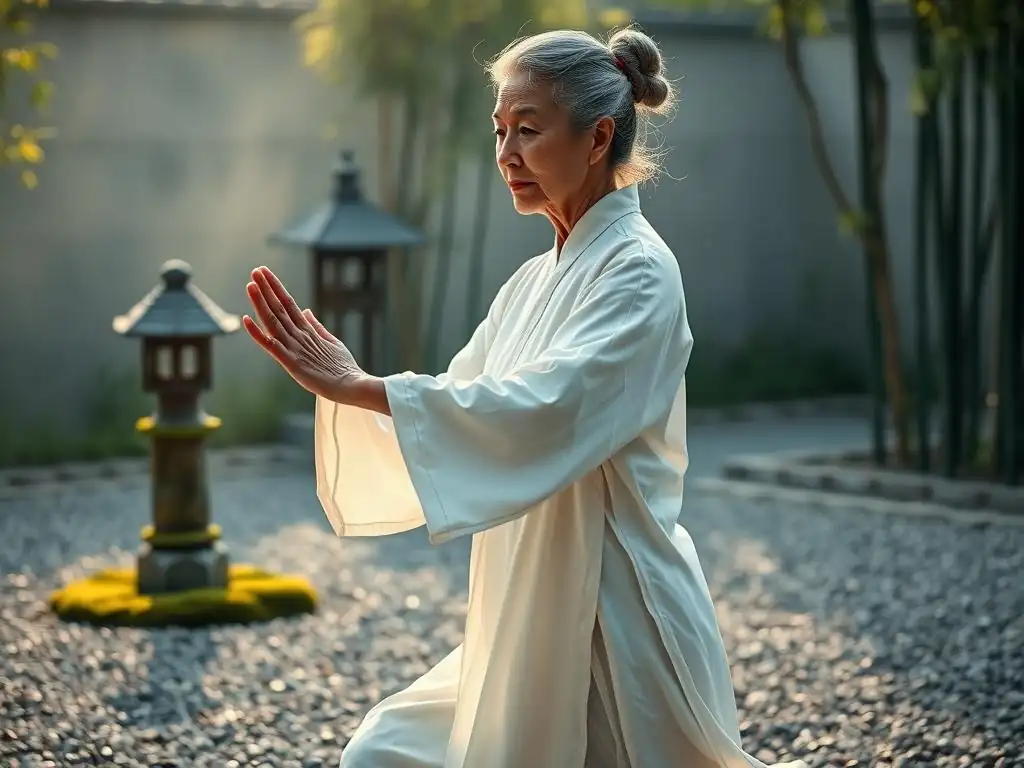
Case Study 1: Recovering from Burnout Through Daily Tai Chi
Sarah, a 45-year-old marketing executive, experienced severe professional burnout, characterized by chronic fatigue, irritability, and a persistent feeling of being overwhelmed. Traditional stress management techniques offered little relief. On the recommendation of a friend, she started practicing Tai Chi for 20 minutes each morning. Initially skeptical, she committed to daily practice for three months.
After 12 weeks, Sarah reported a significant decrease in her perceived stress levels, measured by a standardized stress questionnaire, dropping by approximately 40%. She found she was less reactive to workplace pressures and experienced fewer episodes of irritability. She also noted improved sleep quality, averaging about 1.5 hours more sleep per night. Her colleagues commented on her calmer demeanor. This consistent, brief daily practice provided concrete Tai chi mental health benefits, helping her regain her equilibrium and energy.
Case Study 2: Managing PTSD Symptoms with Tai Chi and Mindfulness
David, a 55-year-old veteran diagnosed with PTSD, struggled with anxiety, hypervigilance, and difficulty sleeping. Traditional therapies were helpful but he sought additional tools for self-regulation. He joined a Tai Chi class specifically designed for veterans, focusing on slow movements and mindful breathing. He attended two 60-minute classes per week and practiced for 15 minutes daily at home.
After six months, David's clinical assessments showed a 25% reduction in PTSD symptom severity scores. He reported feeling more grounded and less prone to sudden anxiety spikes. His therapist noted an improvement in his ability to use mindfulness techniques learned in Tai Chi to manage intrusive thoughts. The structured yet gentle nature of Tai Chi provided a safe way for him to reconnect with his body and cultivate a sense of calm control, demonstrating significant Tai chi mental health benefits in a challenging context.
Testimonials: Hearing from Individuals Who Have Experienced the Benefits
Many individuals share powerful stories about how consistent Tai Chi has positively impacted their mental health. One participant in a community program for anxiety management shared: "Before Tai Chi, my mind raced constantly. Now, even after just six months, I feel a quiet space inside. The movements help anchor me, and I worry so much less."
Another individual, managing chronic pain and associated depression, stated: "Tai Chi is the only thing that consistently lifts my mood and reduces my pain-related stress. Practicing for just 30 minutes gives me a sense of peace and control over my body that I thought I'd lost. It's been life-changing for my mental outlook." These personal accounts underscore the tangible Tai chi mental health benefits experienced by real people.
Addressing Common Concerns and Misconceptions About Tai Chi
A common misconception is that Tai Chi is exclusively for older adults. While its gentle nature and focus on balance make it excellent for seniors, Tai Chi is beneficial for people of all ages and fitness levels. Many traditional styles are physically demanding and practiced by martial artists for strength and agility. Even the gentler forms offer significant physical and mental benefits for younger populations, including stress reduction, improved focus, and enhanced athletic performance.
Young adults facing high-stress environments like college or demanding careers can find Tai Chi a powerful tool for managing anxiety and preventing burnout. Athletes can use it to improve body awareness, balance, and mental focus. Children can benefit from its ability to improve concentration and coordination. The Tai chi mental health benefits are universal, applicable across the lifespan.
Can Tai Chi Be Used as a Standalone Treatment for Mental Illness?
While Tai Chi offers significant Tai chi mental health benefits and can be a powerful tool in managing symptoms of conditions like depression and anxiety, it is generally not recommended as a standalone treatment for moderate to severe mental illness. Mental health conditions often require a multi-faceted approach that may include psychotherapy, medication, and lifestyle changes.
Tai Chi is best viewed as a valuable complementary therapy that can work alongside conventional treatments. It can enhance the effectiveness of therapy by improving self-awareness and emotional regulation skills, and it can complement medication by reducing stress and improving overall well-being. Always consult with a qualified mental healthcare professional to determine the most appropriate treatment plan for your specific needs.
What to Expect When Starting Tai Chi: Setting Realistic Goals
When starting Tai Chi, it's important to set realistic expectations. You likely won't master complex forms or experience profound internal shifts overnight. The initial focus should be on learning the basic movements, coordinating them with your breath, and simply showing up consistently. Expect to feel a bit awkward or unbalanced at first – this is completely normal.
Progress in Tai Chi is gradual and cumulative. Focus on the process rather than just the outcome. Pay attention to how you feel during and after practice. Even small improvements in balance, a moment of calm, or a slight reduction in tension are indicators of progress. Committing to regular practice, even for short durations, is the most important step towards unlocking the long-term Tai chi mental health benefits. Be patient, persistent, and kind to yourself on this journey.
Conclusion: Embracing the Journey to Long-Term Mental Well-being with Tai Chi
The Enduring Ripple Effect: Investing in Your Mental Health Through Consistent Tai Chi Practice
Consistent Tai Chi practice initiates a profound and enduring ripple effect on mental well-being. What begins as a gentle physical exercise evolves into a powerful practice for cultivating inner peace, emotional resilience, and cognitive vitality. The dedication to regular Tai Chi sessions is an investment in your long-term mental health, yielding benefits that extend far beyond the mat, influencing how you navigate stress, manage emotions, and maintain mental clarity in daily life.
The cumulative nature of Tai chi mental health benefits means that the longer and more consistently you practice, the deeper and more integrated these positive changes become. It's a journey of continuous learning and self-discovery, fostering a stronger connection between your mind and body and building a robust foundation for lasting psychological health. Embracing Tai Chi is embracing a path towards a more balanced, mindful, and resilient self.
Resources for Further Learning: Exploring Tai Chi and Mental Health.
Frequently Asked Questions
What are the main mental health benefits that can be expected from practicing Tai Chi consistently?
Consistent Tai Chi practice can lead to reduced stress and anxiety, improved mood and emotional regulation, and enhanced cognitive function, like focus and memory.
How does Tai Chi specifically help with reducing stress and anxiety, according to the Mind Care Guide?
Tai Chi's slow, deliberate movements and focus on mindful breathing activate the parasympathetic nervous system, which counteracts the body's stress response, promoting relaxation.
Is Tai Chi a suitable form of exercise for individuals with limited mobility or physical limitations who are seeking mental health support?
Yes, Tai Chi is often recommended due to its low-impact nature. Adaptations can be made to accommodate various physical abilities, making it accessible for many seeking mental well-being.
How long and how often should I practice Tai Chi to start experiencing noticeable mental health improvements?
While individual results vary, many people report experiencing positive changes within a few weeks of practicing Tai Chi regularly, ideally for at least 30 minutes, several times per week.
Where can I find reliable resources and guidance on learning Tai Chi for mental health benefits, as recommended by the Mind Care Guide?
The Mind Care Guide recommends seeking out certified Tai Chi instructors or exploring online resources that offer structured lessons and emphasize the mind-body connection for optimal results.
Final Reflection: Cultivating Inner Peace Through Consistent Practice
The enduring power of Tai Chi transcends mere physical fitness; it's a profound journey of mental and emotional well-being, deeply relevant in our increasingly stressful world. The benefits explored in this article – reduced anxiety, improved focus, and enhanced emotional regulation – are not fleeting trends, but rather fundamental shifts in how we interact with our minds and bodies. This is particularly crucial in a society grappling with rising rates of mental health challenges.
The impact of consistent Tai Chi practice extends far beyond the mat; it ripples outward, influencing our relationships, our work, and our overall sense of self. The gentle movements and mindful breathing cultivate a sense of inner calm that permeates every aspect of life. As the ancient proverb states: The journey of a thousand miles begins with a single step.
This journey, in the context of Tai Chi, is a continuous process of self-discovery and empowerment, fostering resilience and a deeper connection to our inner peace.
Now, consider your own life. What areas feel strained or overwhelmed? Where could the calming influence of Tai Chi bring balance and clarity? I invite you to explore the possibility of incorporating this ancient practice into your daily routine, even if it's just for a few minutes each day. Begin your journey towards a more peaceful, centered, and resilient you. The benefits await, waiting to be discovered through consistent practice and mindful intention.
Unleash Your Inner Calm: Start Your Tai Chi Journey Today!
Thanks for taking the time to explore the lasting mental benefits of consistent Tai Chi practice! We hope you discovered new ways to nurture your mind and body. Ready to experience these benefits firsthand?
- Begin your Tai Chi practice today: Even 15 minutes a day can make a significant difference. Find a quiet space, follow an online beginner's video, and feel the calming effects unfold.
- Share your Tai Chi experience: Inspire others to join this journey by sharing your progress and newfound peace on social media. Use the hashtag #MindCareTaiChi.
- Explore different Tai Chi styles: Discover which style resonates most with you and enhances your well-being.
Ready to embrace the lasting tranquility of regular Tai Chi? What small step will you take today to cultivate your inner peace?