
The Power of the Pause: Integrating MicroMoments of Mindfulness

Welcome to Mind Care Guide, your trusted companion on the path to mental well-being.
Feeling overwhelmed? You're not alone. In today's fast-paced world, stress can feel like an unavoidable constant. But what if I told you there's a powerful, accessible tool you already possess? We're diving deep into Mindfulness for everyday stress relief, exploring how even micro-moments of mindful awareness can dramatically shift your perspective and calm the chaos. Curious to discover how to harness The Power of the Pause and integrate it into your daily routine? Let's begin...
- Cultivating Calm: Integrating Mindfulness Micro-Practices for Daily Stress Management
- Identifying Stress Triggers and Integrating Micro-Practices
- Practical Mindfulness Exercises for Quick Stress Relief
- Integrating Mindfulness into Your Daily Routine
- Overcoming Challenges in Maintaining Mindfulness Practice
- Long-Term Benefits of Regular Mindfulness for Stress
- Advanced Mindfulness Practices for Deeper Stress Relief
- Resources for Continued Learning
-
Frequently Asked Questions
- What exactly is mindfulness, and how does it relate to stress relief?
- How can I integrate micro-moments of mindfulness into my busy daily routine?
- What are some practical techniques for practicing mindfulness that don't require a lot of time?
- How does Mind Care Guide support individuals looking to incorporate mindfulness into their lives?
- Is mindfulness a cure for stress, or is it more of a management tool?
- Final Reflection: The Ripple Effect of the Pause
- Unlock Your Inner Calm: Start Practicing Mindfulness Today!
Cultivating Calm: Integrating Mindfulness Micro-Practices for Daily Stress Management
Defining Mindfulness: Present Moment Awareness
Mindfulness is fundamentally about bringing one's attention fully to the present moment, without judgment. It involves noticing thoughts, feelings, bodily sensations, and the surrounding environment as they arise, simply observing them without getting caught up in them or trying to change them. This practice is not about emptying the mind or achieving a state of perpetual bliss, but rather about developing a greater awareness of one's internal and external experiences from moment to moment.
This heightened awareness serves as a foundation for responding to life's challenges more skillfully. Instead of reacting habitually based on past conditioning or future worries, mindfulness allows for a pause, creating space to choose a response that is more aligned with one's values and needs. This capacity to observe without immediate reaction is particularly powerful when navigating stress, providing a buffer against the overwhelming nature of difficult emotions and circumstances. It's a core component of Mindfulness for everyday stress relief.
The Neuroscience of Mindfulness: Calming the Amygdala
Research into the effects of mindfulness on the brain has provided compelling evidence for its stress-reducing benefits. One key area impacted is the amygdala, often referred to as the brain's "fear center," which plays a crucial role in processing emotions like fear and anxiety and triggering the body's fight-or-flight response. Chronic stress can lead to an overactive amygdala.
Studies utilizing fMRI scans have shown that regular mindfulness practice can lead to a reduction in amygdala activity and even changes in its structure over time. For instance, some studies suggest a decrease in amygdala volume or density after just eight weeks of consistent meditation practice. Simultaneously, areas associated with higher-order cognitive function, such as the prefrontal cortex (responsible for planning, decision-making, and emotional regulation), show increased activity and connectivity. This neurological shift enhances the brain's ability to manage stress responses and promotes greater emotional resilience, making Mindfulness for everyday stress relief a scientifically supported approach.
Mindfulness as a Tool for Everyday Stress Reduction
In the context of daily life, stress often arises from perceived threats, whether they are real or imagined, and our reaction to them. These reactions can be automatic, leading to feelings of overwhelm, anxiety, and physical tension. Mindfulness offers a direct countermeasure by training the mind to observe these stressors and reactions without immediate engagement.
By practicing mindfulness, even for brief periods, individuals can interrupt the automatic stress cycle. They learn to notice the early signs of stress – a tightening in the chest, racing thoughts, irritability – and choose a different path than the usual reactive one. This might involve taking a few deep breaths, acknowledging the feeling without judgment, or shifting attention to a simple sensory experience. This conscious pausing is the essence of using Mindfulness for everyday stress relief, allowing for a more measured and less intense response to daily pressures.
Identifying Stress Triggers and Integrating Micro-Practices
Recognizing Your Personal Stress Responses
Becoming adept at using Mindfulness for everyday stress relief begins with self-awareness, particularly recognizing how stress manifests in your unique experience. Stress isn't just a mental state; it has physical, emotional, and behavioral symptoms that vary from person to person. Common physical signs include headaches, muscle tension (especially in the neck and shoulders), fatigue, digestive issues, and shallow breathing.
Emotionally, stress can show up as irritability, anxiety, feeling overwhelmed, sadness, or difficulty concentrating. Behaviorally, you might notice changes in sleep patterns, appetite, increased use of substances, or withdrawal from social interactions. Paying close attention to these signals throughout your day provides valuable clues about when and where stress is building, highlighting moments ripe for a mindfulness micro-practice. Keeping a simple journal or mental note of these patterns can be highly informative.
Common Stressors: Work, Finances, Relationships
While individual triggers vary, certain areas of life are common sources of stress for many people. Work-related stress, stemming from deadlines, workload, difficult colleagues, or job insecurity, is a prevalent issue, impacting a significant portion of the adult population. Financial worries, including debt, budgeting, or unexpected expenses, are another major contributor to chronic stress and anxiety.
Relationships, whether with partners, family, or friends, can also be sources of tension, involving conflicts, communication challenges, or unmet expectations. Recognizing these common stressor categories helps contextualize your own experiences and provides a framework for anticipating stressful situations. Being aware that you often feel stressed before a team meeting or after reviewing bank statements allows you to proactively plan to use Mindfulness for everyday stress relief in those specific moments.
Identifying Opportunities for Micro-Practices Throughout the Day
Integrating mindfulness doesn't require setting aside large blocks of time; it's about weaving brief moments of awareness into the fabric of your day. These "micro-moments" or "micro-practices" can be as short as 10 to 60 seconds. The key is to identify existing routine activities that can serve as triggers or opportunities for a pause.
Consider moments like waiting in line, the first sip of your morning coffee, transitioning between tasks, brushing your teeth, or walking from your car to a building. Each of these offers a natural break point where you can consciously shift your attention to the present moment. By linking a mindfulness practice to these regular occurrences, you create anchors throughout the day, making Mindfulness for everyday stress relief an accessible and sustainable habit.
Practical Mindfulness Exercises for Quick Stress Relief
Box Breathing: A Simple Technique for Immediate Calm
Box breathing, also known as square breathing, is a simple yet powerful technique that can quickly calm the nervous system. It involves inhaling, holding the breath, exhaling, and holding the breath again, all for equal counts, typically four. This structured breathing pattern helps regulate the autonomic nervous system, shifting dominance from the sympathetic (fight-or-flight) to the parasympathetic (rest-and-digest) branch.
To practice box breathing:
- Exhale completely, getting all the air out of your lungs.
- Inhale slowly through your nose for a count of four.
- Hold your breath at the top of the inhale for a count of four.
- Exhale slowly through your mouth for a count of four.
- Hold your breath at the bottom of the exhale for a count of four.
Repeat this cycle several times. This technique is particularly effective in moments of acute stress or panic, offering immediate Mindfulness for everyday stress relief by grounding you in the physical sensation of breathing.
Body Scan: Releasing Physical Tension Quickly
Stress often manifests as physical tension held unconsciously in the body. A brief body scan involves quickly bringing awareness to different parts of the body to notice and release tension. This isn't a full, lengthy body scan typically done in longer meditations, but a condensed version perfect for a micro-moment.
Start by taking a deep breath and exhaling slowly. Then, quickly bring your attention to your feet, notice any sensations, and consciously relax them. Move your awareness up your legs, hips, abdomen, back, chest, arms, hands, neck, shoulders, and finally your face and head. As you focus on each area, simply notice any tension without judgment and invite that area to soften or release. Even a 30-second scan can help you identify and alleviate stored stress, making it a practical tool for Mindfulness for everyday stress relief.
Mindful Observation: Engaging Senses to Anchor in the Present
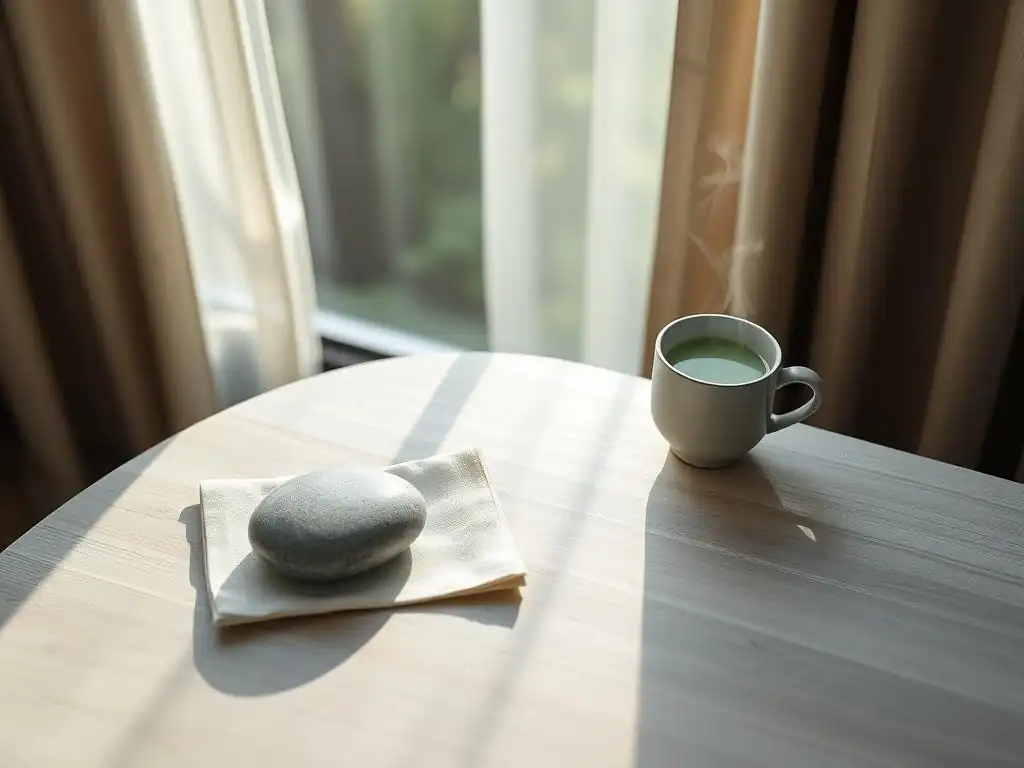
Our senses are powerful anchors to the present moment. When feeling overwhelmed by thoughts or emotions, shifting attention to sensory input can quickly pull you out of your head and into the here and now. This micro-practice involves deliberately noticing what you can see, hear, smell, touch, or taste.
For example, take a moment to really look at an object nearby – notice its color, texture, shape, how light reflects off it. Or focus on the sounds around you – distinguish individual sounds, their distance, their quality. Feel the texture of the chair you're sitting on or the clothes on your skin. This simple act of sensory engagement interrupts the stress response by redirecting cognitive resources away from worrying thoughts and towards concrete, present-moment reality, providing immediate Mindfulness for everyday stress relief.
Grounding: Connecting to the Earth for Stability
Grounding techniques are particularly helpful when feeling anxious, overwhelmed, or disconnected. They involve bringing your awareness to your physical connection with the earth or the surface supporting you. This practice helps stabilize your mind and body by anchoring you firmly in the present moment and your physical reality.
A simple grounding exercise can involve focusing on the sensation of your feet on the floor. Notice the pressure, the texture, the temperature. Wiggle your toes inside your shoes. Feel the solid support beneath you. If sitting, focus on the feeling of the chair supporting your body. You can also press your feet firmly into the ground. This physical connection serves as a reminder that you are safe and supported in the present, offering a quick dose of Mindfulness for everyday stress relief when you feel like you're spinning out of control.
[ ] Practice Box Breathing for 1 minute today
[ ] Perform a quick Body Scan before your next meeting
[ ] Use Mindful Observation during your lunch break
[ ] Try a Grounding exercise when you feel overwhelmed
Integrating Mindfulness into Your Daily Routine
Start Small: One Intention at a Time
Successfully integrating Mindfulness for everyday stress relief into a busy life doesn't require a complete overhaul. The most effective approach is to start small and build gradually. Choose just one or two micro-practices that resonate with you and identify specific times or triggers during your day when you will practice them. For instance, you might decide to do 60 seconds of box breathing before checking email in the morning, or a quick body scan while waiting for coffee to brew.
Focusing on one small change at a time makes the habit formation process less daunting and more sustainable. Once you feel comfortable with these initial practices and they start to feel natural, you can gradually add more micro-moments throughout your day. This iterative process builds confidence and makes mindfulness a regular, integrated part of your routine rather than another task on your to-do list.
Leveraging Technology: Apps for Guided Practice
In today's digital age, technology can be a valuable ally in establishing and maintaining a mindfulness practice. Numerous smartphone apps offer guided meditations, timers, reminder features, and tracking capabilities that can support your journey. Many provide short, targeted practices specifically designed for moments of stress or specific activities like walking or eating.
While not a replacement for dedicated practice or professional guidance, these apps can serve as accessible tools for quick moments of Mindfulness for everyday stress relief. They offer structure and guidance, which can be particularly helpful when starting out or when you feel too stressed to remember how to practice on your own. Setting reminders on your phone can also prompt you to take those valuable micro-pauses throughout the day.
Mindful Consumption: Paying Attention to Food and Drink
Eating and drinking are activities we engage in multiple times a day, offering perfect, built-in opportunities for micro-moments of mindfulness. Instead of rushing through meals or mindlessly snacking while distracted, try bringing your full attention to the experience of eating or drinking for a brief period.
Notice the appearance of the food or drink, its colors and textures. As you eat or drink, pay attention to the smells. Chew slowly and mindfully, noticing the taste, temperature, and texture in your mouth. Observe the sensations as you swallow. Even taking a few mindful sips of water or paying attention to the first few bites of a meal can ground you in the present moment and provide a calming pause, contributing to Mindfulness for everyday stress relief throughout your day.
Mindful Movement: Walking with Awareness
Incorporating mindfulness into physical activity, even simple acts like walking, can transform a mundane task into a stress-reducing practice. Mindful walking involves paying attention to the physical sensations of walking – the feeling of your feet hitting the ground, the swing of your arms, the rhythm of your breath, and the movement of your body through space.
You can practice mindful walking whether you're walking down a hallway, across a parking lot, or on a dedicated walk. Bring your attention to the sensation of lifting one foot, moving it forward, and placing it back down. Notice the subtle shifts in weight. Expand your awareness to include the sights and sounds around you, simply observing them without getting lost in thought about them. Even a short, five-minute mindful walk can refresh your mind and body, offering an active way to practice Mindfulness for everyday stress relief.
Overcoming Challenges in Maintaining Mindfulness Practice
Managing Distractions During Practice
One of the most common challenges in mindfulness practice, whether micro-moments or longer sessions, is dealing with distractions. The mind is naturally prone to wandering, and thoughts, sounds, and bodily sensations can easily pull your attention away from your intended focus. It's important to understand that getting distracted is not a failure of mindfulness; it's simply what minds do.
The practice lies not in eliminating distractions, but in noticing when your mind has wandered and gently, without judgment, guiding your attention back to your chosen anchor (like the breath, bodily sensations, or sensory input). Think of it like training a puppy – it will wander off, and your job is to patiently bring it back. This repeated process of noticing and returning is the core workout for building attention and focus, skills essential for effective Mindfulness for everyday stress relief. Be patient and compassionate with yourself when your mind drifts.
Addressing Resistance: Common Concerns and Solutions
Many people encounter internal resistance when trying to establish a regular mindfulness practice. Common concerns include feeling like they "can't clear their mind," believing they "aren't doing it right," or thinking they "don't have enough time." These thoughts can become significant barriers to consistency.
I just can't stop thinking. Mindfulness isn't for me.
- A common misconception.
Mindfulness is not about stopping thoughts, but about changing your relationship to your thoughts. You learn to observe them as temporary mental events rather than absolute truths you must engage with. If you feel you don't have time, remember that micro-practices are designed for busy schedules – 30 seconds is often all you need. If you feel you're not doing it right, release the idea of a perfect practice; any moment of bringing gentle awareness is a success. Acknowledging these concerns with empathy and reminding yourself of the benefits of Mindfulness for everyday stress relief can help overcome resistance.
Building a Sustainable Habit: Consistency and Flexibility
Creating a sustainable mindfulness habit requires a balance of consistency and flexibility. Aim for regularity, even if it's just a few micro-moments each day, as frequent, short practices can be more impactful than infrequent, long ones when starting out. Try linking practices to existing habits (habit stacking), like taking three mindful breaths before opening your laptop or after closing your car door.
However, also allow for flexibility. Life happens, and there will be days when your planned practice doesn't happen. Instead of feeling discouraged or giving up, simply acknowledge the missed practice without judgment and recommit to practicing when the next opportunity arises. Being kind to yourself and adapting your practice to fit your real-life circumstances is crucial for long-term adherence and reaping the full benefits of Mindfulness for everyday stress relief.
Long-Term Benefits of Regular Mindfulness for Stress

Improved Emotional Regulation and Resilience
Consistent mindfulness practice significantly enhances your ability to manage your emotions and bounce back from challenging experiences. By regularly observing thoughts and feelings without getting swept away by them, you develop a greater capacity to tolerate difficult emotions. You learn that emotions are temporary states, not permanent aspects of yourself.
This detachment allows you to respond to emotional triggers with more intention and less reactivity. Instead of getting stuck in a spiral of anger or anxiety, you can notice the feeling, understand its source (if possible), and choose a helpful response, such as taking a break, talking to someone, or engaging in self-care. This improved emotional regulation builds resilience, making you better equipped to navigate future stressors. Research, for example, suggests an improvement in self-reported emotional regulation scores among individuals practicing mindfulness regularly.
Enhanced Focus and Cognitive Clarity
In an age of constant distractions, the ability to focus is a valuable asset, particularly when dealing with complex tasks or stressful situations. Mindfulness practice trains the attentional muscle, improving your ability to concentrate on the present task and reducing mind-wandering, which is often a source of everyday stress (e.g., worrying about incomplete tasks while working on another).
Studies have indicated that mindfulness training can lead to improvements in working memory, attention span, and cognitive flexibility. For instance, some corporate wellness programs incorporating mindfulness have reported increased employee focus and productivity. By regularly bringing your attention back to an anchor like the breath, you strengthen the neural pathways associated with attention, leading to greater cognitive clarity and efficiency, thereby reducing stress caused by feeling scattered or overwhelmed. This enhanced focus is a direct benefit of using Mindfulness for everyday stress relief.
Reduced Anxiety and Depressive Symptoms
Perhaps the most widely studied benefit of mindfulness is its positive impact on mental health conditions like anxiety and depression. Mindfulness-Based Stress Reduction (MBSR) programs, typically eight weeks long, have shown significant reductions in symptoms for individuals with clinical or sub-clinical anxiety and depression.
The mechanism involves reducing rumination (getting stuck in negative thought loops), decreasing reactivity to negative thoughts and feelings, and promoting a sense of acceptance towards difficult internal experiences. While mindfulness is not a cure and should complement professional treatment for clinical conditions, incorporating Mindfulness for everyday stress relief into daily life can significantly lower overall stress levels, which are often a contributing factor to anxiety and depressive episodes. Meta-analyses of multiple studies consistently show a moderate to large effect size for mindfulness interventions in reducing these symptoms.
Improved Sleep Quality
Stress is a major disruptor of sleep, leading to insomnia and poor sleep quality, which in turn exacerbates stress and negatively impacts overall health. Mindfulness can help break this cycle by calming the nervous system and reducing the mental chatter that often keeps people awake at night.
Practices like body scans or focusing on the breath can relax the body and mind, making it easier to fall asleep. Furthermore, by training the mind to observe thoughts without judgment, mindfulness helps individuals detach from worries that might arise at bedtime. Research suggests that individuals who practice mindfulness report improved sleep quality, including reduced time to fall asleep and fewer awakenings during the night. Integrating Mindfulness for everyday stress relief throughout the day can therefore contribute to more restful nights.
Advanced Mindfulness Practices for Deeper Stress Relief
Loving-Kindness: Cultivating Compassion and Connection
Loving-kindness meditation (Metta) is a practice focused on cultivating feelings of warmth, compassion, and kindness towards oneself and others. While not strictly focused on present-moment sensory awareness, it is considered a core mindfulness practice as it involves intentional, non-judgmental attention to emotional states. It can be a powerful antidote to stress that arises from difficult relationships, self-criticism, or feelings of isolation.
The practice typically involves silently repeating phrases wishing well-being, happiness, and freedom from suffering, first towards oneself, then towards loved ones, neutral persons, difficult persons, and finally towards all beings. This practice shifts focus from stress and negativity towards positive emotional states, fostering a sense of connection and empathy. Regular practice can soften the harsh internal dialogue often associated with stress and cultivate a more compassionate outlook, enhancing Mindfulness for everyday stress relief by addressing its emotional roots.
Mindful Movement: Yoga and Qigong for Stress Reduction
Beyond simple mindful walking, practices like yoga and Qigong offer structured forms of mindful movement that integrate physical postures, breath awareness, and focused attention. These ancient disciplines emphasize the connection between mind and body, using movement as a vehicle for present-moment awareness.
Yoga combines physical poses (asanas), breathing techniques (pranayama), and meditation. Practicing yoga mindfully involves paying close attention to bodily sensations, the breath coordinated with movement, and the mental state throughout the practice. Qigong involves gentle movements, breath work, and meditation to cultivate and balance energy (Qi). Both practices help release physical tension stored in the body due to stress and calm the nervous system. They offer a dynamic form of Mindfulness for everyday stress relief, promoting flexibility, strength, and a deep sense of tranquility.
Vipassana Meditation: Insight Through Observation
Vipassana, meaning "to see things as they really are," is a form of meditation that focuses on developing insight into the true nature of reality through sustained, non-judgmental observation of the constantly changing physical and mental phenomena within oneself. It typically begins with focusing on the breath and then expands to noticing all sensations in the body and the arising and passing of thoughts and feelings.
This practice cultivates deep awareness of impermanence and non-self, which can fundamentally change one's relationship to suffering and stress. By observing difficult sensations or emotions without reacting or identifying with them, one learns that they are temporary. While often taught in intensive retreat formats, the principles of Vipassana – observing reality without judgment – can be integrated into daily life and micro-practices, offering a path to profound and lasting Mindfulness for everyday stress relief by addressing the root causes of suffering.
Resources for Continued Learning
Recommended Reading on Mindfulness and Stress
For those wishing to deepen their understanding of mindfulness and its application for stress relief, numerous books offer guidance and insights. These resources often delve into the philosophy and science behind mindfulness, provide detailed instructions for various practices, and share personal stories or case studies.
Look for books by pioneering figures in the field as well as contemporary authors who offer practical, accessible approaches. Reading can help solidify your understanding, provide motivation, and offer variations on practices you may already be exploring. Exploring different perspectives can enrich your personal practice of Mindfulness for everyday stress relief.
Online Guided Meditations and Courses
The digital landscape offers a wealth of resources for guided mindfulness practice. Many websites and platforms host extensive libraries of guided meditations varying in length and focus, from short body scans to longer loving-kindness practices. These guided sessions can be invaluable, especially when starting out, as the instructor's voice helps keep you anchored and provides direction.
Additionally, online courses are available that offer structured learning paths, often covering the principles and practices of mindfulness over several weeks. These courses can provide a deeper dive than individual meditations and connect you with a curriculum designed for progressive learning. Finding a reputable source for guided practices can significantly support your journey with Mindfulness for everyday stress relief.
Mindfulness-Based Stress Reduction (MBSR) Programs
Mindfulness-Based Stress Reduction (MBSR) is an evidence-based, structured group program typically taught over eight weeks. Developed by Jon Kabat-Zinn, it introduces participants to various mindfulness meditation practices, gentle yoga, and mindful awareness in daily life, providing tools to cope more effectively with stress, pain, and illness.
Participating in an MBSR program offers a comprehensive and supportive way to learn and integrate mindfulness. The group setting can provide encouragement and shared experience, while the structured curriculum ensures a thorough grounding in the core principles and practices. While it requires a greater time commitment than micro-practices, an MBSR program can lay a strong foundation for sustained Mindfulness for everyday stress relief and overall well-being.
Frequently Asked Questions
What exactly is mindfulness, and how does it relate to stress relief?
Mindfulness is paying attention to the present moment without judgment. It helps with stress relief by allowing you to observe your thoughts and feelings rather than being overwhelmed by them, fostering a sense of calm and control.
How can I integrate micro-moments of mindfulness into my busy daily routine?
Micro-moments involve incorporating small pauses throughout the day for mindful awareness. Examples include mindful breathing during a commute or savoring a single bite of food, offering quick stress relief.
What are some practical techniques for practicing mindfulness that don't require a lot of time?
Simple techniques include focused breathing, body scan meditations, and mindful walking. These can be done anywhere, anytime, to quickly reduce stress and improve focus.
How does Mind Care Guide support individuals looking to incorporate mindfulness into their lives?
Mind Care Guide provides resources such as guided meditations, articles on mindfulness techniques, and information on connecting with mental health professionals who specialize in mindfulness-based therapies.
Is mindfulness a cure for stress, or is it more of a management tool?
Mindfulness is primarily a stress management tool, not a cure. It helps individuals develop coping mechanisms and build resilience to better handle stress in their daily lives.
Final Reflection: The Ripple Effect of the Pause
The relentless pace of modern life demands a counterbalance, and that counterbalance is found in the seemingly insignificant, yet profoundly powerful, micro-moments of mindfulness. The ability to pause, even for a few breaths, is not a luxury; it's a necessity for navigating the daily stressors that threaten to overwhelm us. This article has explored practical techniques for integrating these pauses into our routines, transforming them from sources of anxiety into opportunities for calm and clarity.
The impact of cultivating mindfulness, even in its smallest forms, is far-reaching. It's not just about stress reduction; it's about cultivating a deeper awareness of ourselves and our surroundings, fostering greater self-compassion, and improving our relationships. Mindfulness is simply being present; being aware of what is happening right now without wishing it were different; enjoying the simple things.
This quote encapsulates the essence of the power we unlock when we choose to pause and truly be present. The shift in perspective, the increased self-awareness, and the resulting emotional regulation have a ripple effect, positively impacting every aspect of our lives.
Now, consider your own life. Where can you integrate these micro-moments of mindfulness? Perhaps it's a mindful breath before responding to an email, a moment of appreciation for the beauty of nature during your commute, or a conscious pause to savor a cup of tea. Start small, be consistent, and witness the transformative power of the pause unfold in your own experience. Embrace the opportunity to cultivate inner peace and resilience, one mindful breath at a time.
Unlock Your Inner Calm: Start Practicing Mindfulness Today!
Thanks for taking the time to explore the power of mindful pauses! We hope you gained valuable insights into how even small moments of stillness can dramatically improve your well-being. Now, let's put that knowledge into action:
- Prioritize your first micro-moment: Identify one area of your day where you can easily incorporate a 1-minute mindfulness exercise. This could be during your commute, before a meeting, or while enjoying your morning coffee.
- Share your experience: Tell us about your first mindful pause! What did you notice? How did it make you feel? Share your reflections in the comments below to inspire others.
- Explore a guided meditation: Many free guided meditations are available online. Try one and see how it enhances your mindful practice!
Ready to make mindful pausing a regular part of your day? What's the first small step you'll take to cultivate more inner peace?