
Simple Hacks for Instant Calm: Quick Stress Relief Anytime, Anywhere

Welcome to Mind Care Guide, a supportive space dedicated to your mental well-being. Feeling overwhelmed? You're not alone. We understand the toll stress can take, and that's why we're diving into instant stress relief techniques in this article. Discover simple, actionable hacks you can use anytime, anywhere to reclaim your calm and navigate life's challenges with greater ease. Ready to find your inner peace, even in the midst of chaos? Let's begin...
Simple Hacks for Instant Calm: Quick Stress Relief Anytime, Anywhere
- Understanding the Need for Instant Stress Relief Techniques
-
Top Instant Stress Relief Techniques You Can Use Anywhere
- Breathing Exercises for Immediate Calm: The Power of Diaphragmatic Breathing
- Mindfulness Meditation for On-the-Go Stress Relief
- Progressive Muscle Relaxation (PMR) for Instant Tension Release
- The Power of Visualization for Rapid Stress Reduction
- Grounding Techniques: Connecting with the Present Moment for Calm
- Practical Tips for Integrating Instant Calm Hacks into Your Routine
- The Science Behind Instant Stress Reduction Methods
- Beyond Instant Relief: Building Long-Term Stress Resilience
- Conclusion: Embracing Instant Calm for a Healthier Mind
-
Frequently Asked Questions
- How quickly can these instant stress relief techniques work?
- Are these techniques suitable for chronic stress or just occasional stressful situations?
- Do I need any special equipment or training to use these techniques?
- How many times a day can I use these stress relief techniques?
- What if these techniques don't work for me? Are there alternatives?
- Final Reflection: Cultivating Calm in a Chaotic World
- Unlock Your Inner Calm: Start Practicing Today!
Understanding the Need for Instant Stress Relief Techniques
The Modern Stress Epidemic and Its Impact on Mental Well-being
In today's fast-paced world, stress has become an almost constant companion for many. Reports from various health organizations consistently show that a significant percentage of the global population experiences moderate to high levels of stress regularly. For instance, surveys often indicate that over 70% of adults report feeling stressed on a daily basis, with common sources including work pressure, financial worries, and personal relationships.
This pervasive stress isn't just an uncomfortable feeling; it has profound and detrimental effects on both physical and mental health. Chronic stress is linked to a higher risk of conditions like heart disease, digestive issues, and a weakened immune system.
Beyond physical ailments, the impact of stress on mental well-being is particularly significant. Sustained stress can exacerbate existing mental health conditions such as anxiety disorders and depression, and it can also trigger their onset. It can lead to feelings of overwhelm, irritability, difficulty concentrating, and sleep disturbances.
The constant activation of the body's stress response system keeps the mind in a state of alert, making it challenging to relax, focus, or experience joy. This underscores the urgent need for effective strategies to manage stress, especially instant stress relief techniques that can interrupt this cycle before it takes too great a toll.
Why Quick Stress Relief Methods Matter in Daily Life
While long-term strategies like regular exercise, healthy eating, and therapy are crucial for building overall resilience, daily life is full of moments where stress can spike unexpectedly – a sudden deadline, an argument, frustrating traffic, or overwhelming news. In these instances, waiting for a scheduled therapy session or a gym visit isn't feasible. This is where instant stress relief techniques become invaluable. These are simple, accessible tools you can deploy immediately, often in just a few minutes or even seconds, to lower your stress levels in the moment.
The power of quick stress relief methods lies in their ability to interrupt the acute stress response. When you feel overwhelmed, your body releases stress hormones like cortisol and adrenaline. Instant techniques can help signal to your nervous system that the immediate "threat" has passed, allowing your body and mind to begin calming down. Mastering just a few of these instant stress relief techniques provides you with a portable toolkit to navigate daily challenges more smoothly, preventing smaller stressors from escalating into major crises and helping you maintain a greater sense of control and calm throughout your day.
Recognizing Your Stress Triggers for Effective Management
Effectively applying instant stress relief techniques begins with self-awareness, specifically recognizing what situations, people, or thoughts tend to trigger your stress response. Stressors are highly individual; what causes one person significant anxiety might barely affect another. Common triggers include public speaking, tight deadlines, financial instability, conflict, or even seemingly small things like being late or dealing with technology issues. Paying attention to your physical and emotional reactions in different situations is key to identifying your unique patterns.
Keeping a stress journal, even for just a week or two, can provide valuable insights. Note down when you feel stressed, what you were doing, who you were with, and how you felt physically and emotionally. Reviewing these entries can help you pinpoint recurring triggers.
Once you know your triggers, you can anticipate stressful situations and proactively use instant stress relief techniques before you become fully overwhelmed. For example, if you know presentations stress you, you can practice a quick breathing exercise or visualization technique in the minutes leading up to it. This proactive approach is significantly more effective than trying to manage stress only after it has peaked.
Top Instant Stress Relief Techniques You Can Use Anywhere
Breathing Exercises for Immediate Calm: The Power of Diaphragmatic Breathing
Breathing is fundamental to life, but conscious, controlled breathing is a powerful tool for instant stress relief. Diaphragmatic breathing, also known as deep belly breathing, activates the body's relaxation response, counteracting the shallow, rapid breathing often associated with stress and anxiety. This technique increases oxygen supply, slows the heart rate, and can significantly reduce the levels of stress hormones circulating in your body within minutes.
Numerous studies have shown that even a few minutes of deep, slow breathing can lower blood pressure and heart rate. For example, research published in journals like Frontiers in Psychology has demonstrated the immediate physiological benefits of diaphragmatic breathing on reducing stress markers. It's one of the most accessible instant stress relief techniques because it requires no special equipment and can be done discreetly in almost any situation – in a meeting, on public transport, or before a difficult conversation.
How to Perform Diaphragmatic Breathing for Stress
To perform diaphragmatic breathing, find a comfortable position, either sitting or lying down. Place one hand on your chest and the other just below your rib cage, on your abdomen. Inhale slowly and deeply through your nose, feeling your abdomen rise as your lungs fill with air. Your chest hand should remain relatively still, while your belly hand moves outward. Exhale slowly through pursed lips, gently pressing the air out from your abdomen.
Repeat this process for several breaths, focusing solely on the sensation of your breath moving in and out and the rise and fall of your abdomen. Aim for longer exhalations than inhalations, perhaps counting to four on the inhale and six or eight on the exhale. Even just 1-2 minutes of this focused, deep breathing can provide notable instant stress relief.
Benefits of Deep Breathing for Anxiety Reduction
The benefits of deep breathing for anxiety reduction are well-documented. By stimulating the vagus nerve, which runs from the brainstem to the abdomen, diaphragmatic breathing helps regulate the parasympathetic nervous system – the part of your nervous system responsible for relaxation. This activation counteracts the "fight or flight" response triggered by the sympathetic nervous system during stress.
Regular practice of deep breathing as one of your go-to instant stress relief techniques can lower baseline stress levels over time, in addition to providing immediate relief during stressful moments. It helps calm a racing mind, reduces muscle tension, and promotes a sense of groundedness. For someone experiencing acute anxiety, taking just three conscious, deep breaths can significantly shift their physiological state towards calm.
Mindfulness Meditation for On-the-Go Stress Relief
Mindfulness is the practice of being present and fully engaged with the current moment, without judgment. While traditional mindfulness meditation often involves longer seated sessions, the principles can be adapted into powerful instant stress relief techniques applicable anywhere, anytime. The goal isn't to empty your mind, but to gently observe your thoughts and feelings without getting carried away by them.
Brief moments of mindfulness can break the cycle of worry or rumination that often accompanies stress. By shifting your attention to your immediate experience – your breath, sounds, or physical sensations – you pull your mind away from stressors and anchor it in the present. Even 60 seconds of focused presence can significantly reduce feelings of overwhelm and bring a sense of calm.
Mini-Meditations: Finding Calm in Short Bursts
Mini-meditations are abbreviated mindfulness practices designed for instant stress relief. These can be as short as 30 seconds to 3 minutes. One simple mini-meditation is the "3-Breath Space." Take three conscious breaths. On the first breath, notice what's happening in your mind (thoughts, worries). On the second, notice what's happening in your body (sensations, tension). On the third, notice what's happening around you (sights, sounds).
Another quick practice is a body scan focusing on just one part of your body, like your hands or feet, for 1-2 minutes. Simply bring your attention to the sensations in that area – warmth, tingling, pressure – accepting whatever you notice without trying to change it. These brief practices are excellent instant stress relief techniques you can deploy before a challenging meeting, during a commute, or whenever you feel tension building.
Focusing on Your Senses: A Simple Mindfulness Exercise
A particularly effective mindfulness exercise for instant stress relief involves engaging your senses to ground you in the present moment. This is sometimes incorporated into grounding techniques but stands alone as a quick mindfulness practice. Take a moment to deliberately notice:
- 3 things you can see.
- 3 things you can hear.
- 3 things you can feel (e.g., the texture of your clothes, the chair beneath you, the temperature of the air).
This simple exercise redirects your attention away from internal worries and towards the external, tangible reality around you. It requires minimal time and can be done discreetly, making it a perfect instant stress relief technique for moments of acute stress or anxiety.
Progressive Muscle Relaxation (PMR) for Instant Tension Release
Stress often manifests as physical tension in the body – tight shoulders, clenched jaw, knotted stomach. Progressive Muscle Relaxation (PMR) is a technique that involves tensing and then releasing different muscle groups in the body to achieve deep relaxation. While a full PMR session can take 15-20 minutes, a shortened version can be used for instant stress relief.
Practicing PMR helps you become more aware of where you hold tension in your body and provides a method to actively release it. By consciously tensing and then relaxing muscles, you create a noticeable contrast that helps your body let go of built-up stress. It's a physical pathway to mental calm, making it a valuable addition to your repertoire of instant stress relief techniques.
PMR Explained: Tensing and Releasing Muscle Groups
The core principle of PMR is to focus on one muscle group at a time. First, you deliberately tense the muscles in that area, holding the tension for about 5-10 seconds. The tension should be firm but not painful. Then, you rapidly release the tension completely, noticing the feeling of relaxation that washes over the muscles. You typically work through different muscle groups, starting from your feet and moving up to your head, or vice versa.
For example, you might tense the muscles in your feet, hold, and release. Then move to your calves, tense, hold, and release. This systematic process helps you recognize the difference between tension and relaxation.
A Quick PMR Routine for Stress Reduction
For instant stress relief, you don't need to go through every muscle group. A quick PMR routine might involve focusing on just a few key areas where you typically hold tension, such as:
- Shoulders/Neck: Shrug your shoulders up to your ears, hold for 5 seconds, then drop them completely. Repeat 2-3 times.
- Hands/Arms: Clench your fists tightly, hold for 5 seconds, then release and let your hands go limp. Repeat 2-3 times.
- Jaw/Face: Clench your jaw and squint your eyes, hold for 5 seconds, then release all tension in your face. Repeat 2-3 times.
Even this abbreviated routine, taking just a couple of minutes, can significantly reduce physical tension and contribute to instant stress relief.
The Power of Visualization for Rapid Stress Reduction
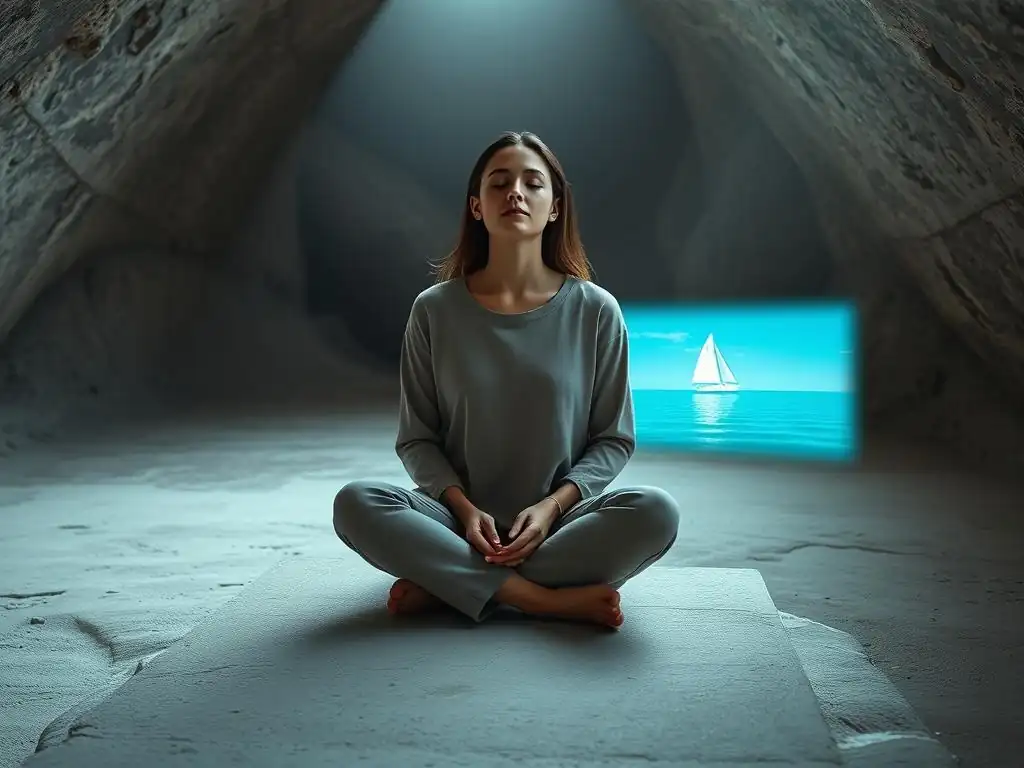
Visualization, or guided imagery, is a technique that uses the power of your imagination to create calming mental images and scenarios. By mentally escaping to a peaceful place or imagining a positive outcome, you can distract your mind from stressors and induce a state of relaxation. Your brain can respond to imagined experiences almost as strongly as real ones, making visualization a potent instant stress relief technique.
This method allows you to consciously shift your focus away from negative thoughts or stressful external circumstances. It engages different parts of your brain than those associated with worry, providing a mental break and promoting feelings of peace and safety. It's a versatile technique that can be adapted to individual preferences and used in various settings.
Creating a Mental Sanctuary: Your Safe Place
One common visualization technique for instant stress relief is creating a mental "safe place" or sanctuary. Close your eyes and imagine a place where you feel completely calm, safe, and relaxed. This could be a real place you've visited (like a beach or a forest) or an entirely imaginary one. Engage all your senses: what do you see, hear, smell, feel, and perhaps even taste in this place?
Focus on the details – the warmth of the sun, the sound of waves, the scent of pine trees, the feeling of soft sand or cool grass. Spend a few minutes vividly imagining this place, allowing yourself to feel the peace and security it offers. This mental retreat can quickly lower your heart rate and bring a sense of calm, making it an effective instant stress relief technique when you feel overwhelmed.
Using Visualization to Shift Your Focus Away From Stressors
Beyond a safe place, visualization can be used more directly to shift your focus. If you're worried about a specific event, you can visualize yourself successfully navigating it with calm and confidence. Or, if you're feeling overwhelmed by tasks, you can visualize yourself completing them one by one, feeling a sense of accomplishment with each step.
Another simple technique is visualizing stress as a physical object or color and imagining it leaving your body with each exhale. For example, visualize stress as a dark cloud or heavy weight, and see it dissipating or floating away as you breathe out. This symbolic act can help create emotional distance from the stressor and provide instant stress relief.
Grounding Techniques: Connecting with the Present Moment for Calm
When stress or anxiety hits, it's common for the mind to race with worries about the future or regrets about the past. Grounding techniques are designed to pull your attention back to the present moment, anchoring you in your current physical reality. They use sensory input or simple cognitive exercises to interrupt the cycle of anxious thoughts and provide instant stress relief.
These techniques are particularly helpful during moments of panic, dissociation, or intense worry. By focusing on tangible aspects of your immediate environment or your own body, you create a mental anchor that prevents your mind from spiraling. Grounding is a practical and accessible set of instant stress relief techniques that can be used discreetly and effectively.
The 5-4-3-2-1 Grounding Exercise
The 5-4-3-2-1 technique is a popular and effective grounding exercise for instant stress relief. It involves using your five senses to connect with the present moment:
- 5: Name 5 things you can see around you.
- 4: Name 4 things you can touch or feel right now.
- 3: Name 3 things you can hear.
- 2: Name 2 things you can smell.
- 1: Name 1 thing you can taste (or something you like to taste, like your favorite drink).
Go through the list slowly, taking a moment to truly notice each item. This exercise forces your mind to focus on the external environment rather than internal anxieties, providing a quick shift in perspective and helping you feel more present and calm.
Using Sensory Input to Anchor Yourself in the Present
Beyond the 5-4-3-2-1 method, you can use any strong sensory input to ground yourself. This could involve:
- Holding a piece of ice and focusing on the sensation of cold.
- Splashing cold water on your face.
- Focusing intently on the texture of an object you hold, like a stone or a piece of fabric.
- Listening carefully to a specific sound, like the ticking of a clock or distant traffic.
- Mindfully eating or drinking something, focusing on the taste and texture.
These simple sensory anchors can quickly interrupt overwhelming thoughts or feelings, providing instant stress relief by bringing your awareness back to your physical body and immediate surroundings.
Practical Tips for Integrating Instant Calm Hacks into Your Routine
Identifying Opportunities for Quick Stress Relief Throughout the Day
Integrating instant stress relief techniques effectively requires identifying specific moments in your day when stress is likely to arise or when you have a few free minutes. Look for transition times or predictable stressors. For instance, consider practicing a 60-second breathing exercise before checking emails, doing a quick PMR scan during your commute, using visualization before a phone call you anticipate being difficult, or using a grounding technique during a break.
Think about your typical daily structure. Are there points where you often feel rushed, anxious, or overwhelmed? These are prime opportunities to pause and apply an instant technique. Even waiting in line, sitting in traffic, or having a few minutes before a meeting starts can be used for a mini-meditation or a few deep breaths. Proactively identifying these moments increases the likelihood that you'll actually use the techniques when you need them most for instant stress relief.
Creating a Personalized Stress Relief Toolkit
Not every instant stress relief technique works for everyone, and what works one day might not work the next. Creating a personalized toolkit means experimenting with different methods and identifying the ones that resonate most with you and are easiest to use in your typical environments. Your toolkit might include:
- A specific breathing pattern (e.g., 4-7-8 breathing).
- A favorite visualization scene.
- One or two key muscle groups for quick PMR.
- A go-to grounding object or sensory focus.
- A short mantra or affirmation.
Keep a mental or physical list of your preferred instant stress relief techniques. This way, when stress hits, you don't have to think about how to calm down; you can quickly select a tool from your ready-made kit. Having several options ensures you're prepared for different situations and levels of stress.
Combining Techniques for Maximum Impact
For moments of higher stress, combining two or more instant stress relief techniques can be particularly effective. For example, you might start with a few rounds of deep breathing to regulate your physiology, then immediately transition into a quick grounding exercise or a short visualization. The synergy between techniques can enhance their overall calming effect.
Consider pairing a physical technique with a mental one. Deep breathing (physical) combined with focusing on your senses (mental/sensory) can be very powerful. Or using a quick PMR sequence followed by a brief visualization of your safe place. Experiment with different combinations to see what provides you with the most significant and rapid instant stress relief. The goal is to find combinations that feel natural and effective for you.
The Science Behind Instant Stress Reduction Methods
How Breathing Exercises Affect the Nervous System
The scientific basis for why breathing exercises provide instant stress relief lies primarily in their effect on the autonomic nervous system (ANS). The ANS controls involuntary bodily functions like heart rate, digestion, and breathing, and it has two main branches: the sympathetic nervous system (responsible for the "fight or flight" response) and the parasympathetic nervous system (responsible for the "rest and digest" or relaxation response). Stress activates the sympathetic nervous system, leading to increased heart rate, rapid breathing, and muscle tension.
Deep, slow breathing, especially diaphragmatic breathing, stimulates the vagus nerve, which is a major component of the parasympathetic nervous system. Activating the vagus nerve signals to the brain that the body is safe and can relax. This counteracts the sympathetic activation, slowing down the heart rate, lowering blood pressure, and reducing the release of stress hormones like cortisol. Studies have shown that even short periods of paced breathing can lead to measurable changes in heart rate variability, an indicator of ANS balance, demonstrating the immediate physiological impact of this instant stress relief technique.
The Role of Mindfulness in Reducing Stress Hormones
Mindfulness practices, even short bursts used for instant stress relief, can influence the body's stress response by impacting the hypothalamic-pituitary-adrenal (HPA) axis, the body's central stress response system. When faced with a stressor, the HPA axis triggers the release of cortisol, the primary stress hormone. While essential for short-term survival, chronic elevated cortisol levels are detrimental to health.
By training the mind to observe thoughts and feelings without judgment and to focus on the present moment, mindfulness helps to interrupt the cycle of rumination and worry that often keeps the HPA axis activated. Research, including studies using fMRI, has shown that regular mindfulness practice can lead to structural changes in the brain, such as decreased gray matter density in the amygdala (the brain's fear center) and increased density in areas associated with attention and self-awareness.
Even short mindfulness exercises can provide instant stress relief by creating a pause in the stress response cycle, allowing cortisol levels to begin normalizing.
The Impact of Visualization on Brain Activity
Visualization techniques for instant stress relief leverage the brain's remarkable ability to respond to imagined experiences. Neuroscientific studies using brain imaging show that visualizing an action or a scene activates many of the same neural pathways that are engaged when actually performing the action or experiencing the scene. For example, visualizing a relaxing place can activate areas of the brain associated with sensory processing and emotional regulation, similar to actually being in a calm environment.
When you visualize a peaceful sanctuary, you are essentially creating a simulated experience of calm and safety in your brain. This can help to downregulate activity in stress-related brain regions like the amygdala and upregulate activity in areas associated with relaxation and positive emotions. This mental shift provides a break from the stress response, offering rapid instant stress relief by changing your internal state through focused imagination.
Beyond Instant Relief: Building Long-Term Stress Resilience
Combining Quick Hacks with Sustainable Stress Management Strategies
While instant stress relief techniques are essential tools for managing acute stress in the moment, they are most effective when part of a broader approach to stress management. Think of instant hacks as the first aid kit for stress; they help you cope with immediate pressure, but you also need strategies that build long-term resilience and reduce the frequency and intensity of stressful experiences over time. Combining your go-to instant stress relief techniques with sustainable practices is key.
Sustainable strategies include regular physical activity (like walking, yoga, or strength training), maintaining a balanced diet, ensuring adequate sleep (aiming for 7-9 hours per night for most adults), and nurturing social connections. These habits build a strong foundation that makes you less susceptible to stress in the first place and better equipped to handle it when it arises. Integrating daily instant practices, like starting the day with a short breathing exercise or ending it with a mini-meditation, can also reinforce these long-term habits and improve overall well-being.
The Importance of Self-Care in Maintaining Mental Well-being
Self-care is not a luxury; it is a fundamental component of maintaining mental well-being and building stress resilience. It encompasses deliberate activities that nourish your physical, mental, and emotional health. Beyond the basics of sleep, nutrition, and exercise, self-care involves setting boundaries, engaging in hobbies, spending time in nature, and allowing for rest and leisure.
Prioritizing self-care signals to your mind and body that you are important and worthy of care, counteracting the feelings of depletion that chronic stress can cause. Regularly dedicating time to activities you enjoy and that help you recharge is crucial. This might look like reading for pleasure for 30 minutes, taking a warm bath, listening to music, or simply doing nothing for a short period. These practices complement instant stress relief techniques by reducing the overall burden of stress you carry.
Seeking Professional Help When Needed for Chronic Stress
While instant stress relief techniques and self-care practices are powerful tools, there are times when stress becomes chronic, overwhelming, or starts to significantly interfere with your daily life, relationships, or work. In such cases, seeking professional help is a sign of strength, not weakness. Mental health professionals, such as therapists, counselors, or psychologists, are trained to help you understand the root causes of your stress, develop more comprehensive coping strategies, and address any underlying mental health conditions that may be contributing.
Therapy, particularly cognitive behavioral therapy (CBT) or mindfulness-based stress reduction (MBSR), can provide structured techniques for managing stress, challenging negative thought patterns, and building long-term resilience. If stress is accompanied by symptoms of anxiety or depression, a doctor may also recommend medication. Recognizing when you need support beyond self-help methods is vital for your long-term mental health and well-being.
Conclusion: Embracing Instant Calm for a Healthier Mind
Recap of Effective Instant Stress Relief Techniques
Living in a demanding world means encountering stress is inevitable. Fortunately, you possess powerful, accessible tools for managing those challenging moments in real-time. We've explored several highly effective instant stress relief techniques that you can deploy anytime, anywhere:
- Diaphragmatic Breathing: Slowing your breath to calm your nervous system.
- Mindfulness Mini-Meditations: Anchoring your attention in the present moment through brief awareness exercises.
- Progressive Muscle Relaxation (Quick Version): Releasing physical tension through conscious tensing and relaxing.
- Visualization: Using mental imagery to create a sense of peace or shift focus.
- Grounding Techniques: Connecting with sensory input to anchor yourself in the present reality.
These methods offer immediate ways to interrupt the stress response, helping you regain composure and clarity when you need it most. They are portable, discreet, and require no special equipment, making them ideal for navigating the unexpected stresses of daily life.
Encouragement to Practice and Find What Works Best for You
The key to mastering instant stress relief techniques is practice. Don't wait until you're in the throes of extreme stress to try them for the first time. Experiment with different techniques when you are relatively calm to become familiar with how they feel and which ones resonate most with you. Try incorporating short practices into your daily routine, like a minute of deep breathing while waiting for coffee or a quick body scan before a meeting.
Discover which of these instant stress relief techniques feels most natural and effective for you. What calms one person might not work as well for another. Be patient and compassionate with yourself as you explore these tools. Building a reliable set of instant calm hacks empowers you to face life's stressors with greater confidence and resilience, contributing significantly to a healthier, more peaceful mind. Start small, practice consistently, and celebrate the moments of calm you create for yourself.
Frequently Asked Questions
How quickly can these instant stress relief techniques work?
These techniques are designed for rapid relief, often providing a sense of calm within minutes. The effectiveness can vary, but most people experience immediate positive effects.
Are these techniques suitable for chronic stress or just occasional stressful situations?
While effective for immediate stress relief, these hacks are best used as a supplement to long-term strategies for managing chronic stress. They offer temporary respite but do not address the root causes.
Do I need any special equipment or training to use these techniques?
No, the techniques described are designed to be accessible and simple, requiring no special equipment or prior training. They can be implemented anytime, anywhere.
How many times a day can I use these stress relief techniques?
You can use these techniques as often as needed throughout the day. They are designed to be quick and easy, allowing for frequent use without causing harm or dependency.
What if these techniques don't work for me? Are there alternatives?
It's possible not every technique will resonate with everyone. Experiment with different options and consider exploring other stress management strategies, or seeking professional help from a mental health professional.
Final Reflection: Cultivating Calm in a Chaotic World
The relentless pace of modern life demands readily available tools for managing stress, and the simple hacks explored in this article offer precisely that: immediate, accessible pathways to inner peace. The ability to quickly shift from a state of anxiety to one of calm is not a luxury, but a crucial skill for navigating the challenges of daily life and maintaining overall well-being. This isn't about escaping stress entirely, but about building resilience and equipping ourselves to handle whatever comes our way with grace and composure.
The pursuit of instant stress relief speaks to a deeper cultural shift – a growing awareness of the detrimental effects of chronic stress on our mental and physical health. We are increasingly recognizing the importance of prioritizing self-care and actively managing our emotional well-being. This isn't just a trend; it's a necessary evolution in how we approach life. Stress is the tax we pay for the privilege of living.
- Arnold Bennett. This quote highlights the unavoidable nature of stress, but also underscores the importance of finding effective coping mechanisms. The techniques discussed here are not merely temporary fixes, but building blocks for a more mindful and balanced existence.
Now, consider how you can integrate these simple yet powerful techniques into your own daily routine. Experiment with different methods, discover which ones resonate most deeply with you, and make them a consistent part of your self-care practice. You deserve moments of peace and tranquility amidst the chaos. Remember, even a few minutes of focused breathing or a quick mindful walk can make a significant difference in your overall well-being. Embrace the power of these simple hacks, and cultivate a life filled with more calm and less stress.
Unlock Your Inner Calm: Start Practicing Today!
Thanks for taking the time to explore simple ways to find calm amidst the chaos. We hope you discovered some valuable techniques to manage stress effectively! Now it's time to put your newfound knowledge into action.
- Prioritize one calming technique: Choose one of the exercises from the article that resonates most with you and commit to practicing it daily, even if it's just for 5 minutes. This consistent practice will make the biggest difference.
- Share what works: Tell a friend or family member about a technique that helped you. Sharing your experience can strengthen your practice and help others find relief too.
- Experiment with different approaches: Try incorporating a different calming exercise from the article each week to see which ones best suit your needs and preferences.
Ready to experience the transformative power of consistent calm? What small step will you take towards a more peaceful you today?