
The Ancient Art, Modern Mind: Tai Chi for Today's Mental Health Challenges

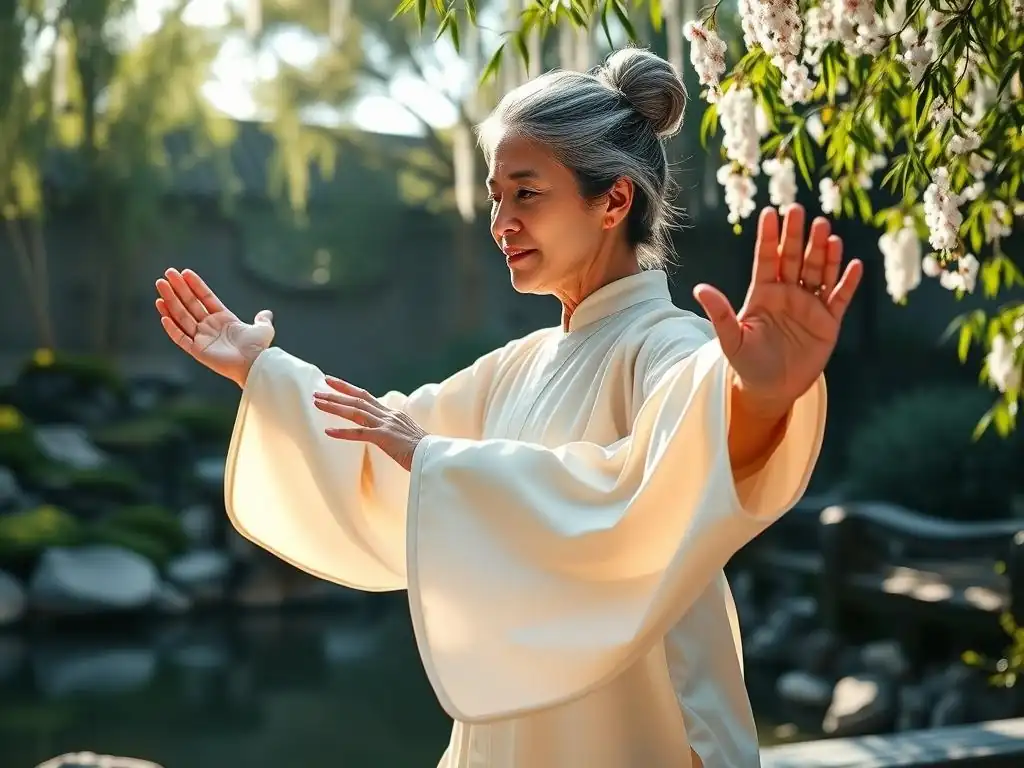
Welcome to Mind Care Guide, a space dedicated to nurturing your mental well-being. Feeling overwhelmed? You're not alone. In today's fast-paced world, finding moments of peace is crucial. That's why we're delving into the transformative power of an ancient practice. Discover how Tai Chi, with its gentle movements and meditative focus, unlocks surprising mental health benefits and can be a powerful tool in your journey towards inner peace. Intrigued? Let's explore how this ancient art can reshape your modern mind...
- Introduction: Unveiling the Power of Tai Chi for Mental Well-being
- Understanding Tai Chi: More Than Just Slow Movements
- Tai Chi Mental Health Benefits: A Deep Dive
- Getting Started with Tai Chi: A Beginner's Guide
- Addressing Common Concerns about Tai Chi
- Conclusion: Embracing Tai Chi for a Healthier Mind.
-
Frequently Asked Questions
- What are the primary Tai Chi mental health benefits highlighted in this guide?
- How does Tai Chi specifically address mental health challenges like anxiety and depression?
- Is Tai Chi suitable for individuals of all ages and fitness levels seeking mental health benefits?
- How does Mind Care Guide support individuals interested in exploring Tai Chi for their mental health?
- Beyond stress reduction, what other Tai Chi mental health benefits can one expect to experience?
- Final Reflection: Finding Inner Peace in a Chaotic World
- Unlock Your Inner Calm: Start Your Tai Chi Journey Today!
Introduction: Unveiling the Power of Tai Chi for Mental Well-being
In the hustle and bustle of modern life, finding effective ways to manage stress, anxiety, and improve overall mental clarity has become increasingly vital. While traditional therapies and exercise regimes are well-known, ancient practices are gaining renewed attention for their profound impact on mental health. Among these, Tai Chi stands out – a gentle yet powerful mind-body practice originating from China.
Often described as "meditation in motion," Tai Chi combines slow, deliberate movements with deep breathing and focused intention, offering a holistic approach to well-being that addresses both physical and psychological states. Exploring the Tai chi mental health benefits reveals why this ancient art is remarkably relevant for navigating today's complex emotional landscape. It provides a pathway to calm, balance, and resilience, proving that sometimes, the most effective solutions are found in the quiet wisdom of the past.
Understanding Tai Chi: More Than Just Slow Movements
Tai Chi Chuan, or Tai Chi, is often perceived simply as a series of slow, graceful movements. However, this ancient practice is far more intricate, drawing from principles of traditional Chinese medicine, philosophy, and martial arts. At its heart, Tai Chi is a moving meditation that cultivates internal energy, known as "Qi," and promotes harmony between mind and body.
Unlike strenuous aerobic workouts or competitive sports, Tai Chi emphasizes relaxation, structural alignment, and fluid transitions. Practitioners learn to move with intention, coordinating breath with movement and maintaining a state of focused awareness. This deliberate pace and internal focus distinguish Tai Chi, making it accessible and beneficial for people of various ages and physical conditions, particularly those seeking gentle yet effective ways to support their mental and physical health.
The Core Principles of Tai Chi: Mind-Body Connection
At the heart of Tai Chi lies the profound principle of the mind-body connection. This concept posits that mental and emotional states are intrinsically linked to physical health and vice versa. In Tai Chi practice, this connection is fostered through conscious awareness of bodily sensations, posture, and movement while simultaneously cultivating a calm and focused mind. The gentle, flowing movements are designed to release physical tension, improve circulation, and promote a sense of ease, which in turn helps to quiet the mental chatter and reduce psychological stress.
Furthermore, Tai Chi incorporates principles like maintaining a centered posture, rooting through the feet, and moving from the core, which build a strong physical foundation. This physical stability and awareness contribute to a feeling of groundedness, translating into greater emotional stability. The concept of "Qi" (life energy) is central, with movements designed to facilitate its smooth flow throughout the body, believed to support overall vitality and resilience, including mental resilience. By integrating physical form with mental focus and breath control, Tai Chi actively trains the practitioner to achieve a state of integrated presence, harmonizing internal experience with external action.
Distinguishing Tai Chi from Other Exercise Forms
Tai Chi differs significantly from conventional aerobic exercises like running or cycling, which primarily focus on cardiovascular fitness and calorie expenditure through high-intensity, repetitive movements. While Tai Chi does offer physical benefits such as improved balance, flexibility, and strength, its primary emphasis is on internal cultivation, coordination, and the mindful integration of movement and breath.
It is a low-impact activity, making it suitable for individuals who may find high-impact exercises challenging or contraindicated. The slow, deliberate pace allows practitioners to pay close attention to body mechanics and internal sensations, fostering a deep sense of body awareness often not prioritized in faster-paced workouts.
Comparing Tai Chi to other mind-body practices like yoga also highlights its unique characteristics. While both involve breathwork and mindful movement, Tai Chi's continuous, flowing sequences are distinct from yoga's often static poses or vinyasa flows which can be more physically demanding.
Tai Chi movements are rooted in martial arts principles, though practiced non-combatively, emphasizing self-defense concepts like yielding and redirecting force, which can metaphorically translate to handling life's challenges. Unlike some forms of martial arts focused on sparring or competition, health and self-cultivation are the main goals of Tai Chi practice, offering a gentle yet dynamic path to improved physical and mental well-being.
Tai Chi Mental Health Benefits: A Deep Dive
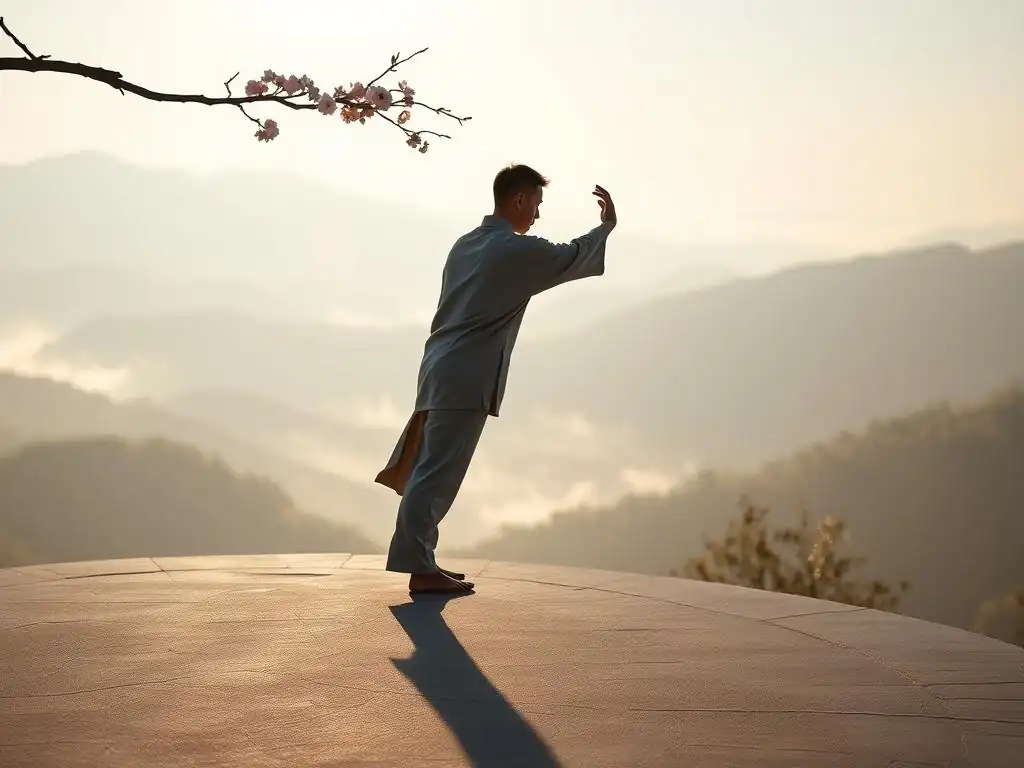
The growing body of research into Tai Chi consistently points towards significant Tai chi mental health benefits. Beyond its physical advantages, the practice offers a unique blend of movement, mindfulness, and relaxation techniques that directly address many common psychological challenges faced today. Its gentle nature makes it accessible, while its depth provides a powerful tool for long-term mental wellness. From managing daily stress to improving mood and enhancing cognitive function, Tai Chi provides a holistic pathway to a healthier mind.
Reducing Stress and Anxiety with Tai Chi Practice
One of the most widely recognized Tai chi mental health benefits is its remarkable ability to reduce stress and anxiety. The slow, rhythmic movements, combined with deep, controlled breathing, activate the body's relaxation response, countering the "fight or flight" state associated with stress. Physiological markers of stress, such as cortisol levels and heart rate, have been shown to decrease with regular Tai Chi practice. For instance, a meta-analysis of studies indicated that Tai Chi interventions led to significant reductions in self-reported stress and anxiety scores across diverse populations, including healthy adults and those with chronic conditions.
Psychologically, Tai Chi cultivates mindfulness – the practice of being fully present in the moment without judgment. By focusing on the subtle sensations of movement and breath, practitioners learn to gently redirect their attention away from worrisome thoughts about the past or future. This training in present-moment awareness builds resilience against anxious rumination. The predictable, flowing nature of the forms also provides a sense of calm and control, which can be incredibly grounding for individuals struggling with anxiety. Over time, this consistent practice fosters a deeper sense of inner peace and a reduced reactivity to stressors.
Tai Chi for Improved Mood and Emotional Regulation
Tai Chi practice has demonstrated positive effects on mood, offering a natural way to combat feelings of depression and improve overall emotional balance. Engaging in regular physical activity, even low-impact forms like Tai Chi, is known to release endorphins, often referred to as "feel-good" chemicals, which can lift mood. Beyond this biochemical effect, the sense of accomplishment from learning and performing the intricate movements contributes to enhanced self-esteem and self-efficacy, which are protective factors against depression.
Moreover, Tai Chi provides a structured way to engage with emotions. The meditative aspect encourages practitioners to observe their emotional state without getting overwhelmed by it. This capacity for non-judgmental observation is crucial for developing emotional regulation skills. By learning to stay centered and grounded during the physical movements, individuals can better manage emotional turbulence in daily life. Studies have shown that Tai Chi can significantly improve mood scores and reduce symptoms of depression, with some research indicating effects comparable to other forms of exercise or even certain therapeutic interventions, particularly for individuals with mild to moderate symptoms.
Enhancing Focus and Cognitive Function through Tai Chi
The mental discipline required for Tai Chi practice yields significant cognitive benefits, particularly in areas of focus, attention, and memory. Learning and remembering the sequences of movements, coordinating them with breath, and maintaining precise posture demands considerable concentration. This sustained mental effort acts as a workout for the brain, enhancing neural pathways associated with attention and executive function. The practice encourages a state of relaxed alertness, improving the ability to concentrate without experiencing mental fatigue.
Research supports these cognitive advantages. Studies involving older adults have shown that regular Tai Chi practice can lead to improvements in various cognitive domains, including attention span, working memory, and processing speed. For example, some trials have indicated improvements in scores on cognitive assessments like the Mini-Mental State Examination (MMSE) or tests of executive function in groups practicing Tai Chi compared to control groups.
The mind-body connection fostered in Tai Chi appears to support neuroplasticity, helping the brain adapt and strengthen its cognitive capabilities. By integrating movement with focused mental activity, Tai Chi offers a unique approach to maintaining and improving cognitive health across the lifespan.
Tai Chi for Sleep Improvement and Restful Nights
Sleep disturbances are closely linked to mental health challenges like anxiety and depression. Fortunately, Tai Chi offers a promising avenue for improving sleep quality and duration. The practice's well-documented ability to reduce stress and anxiety is a primary factor, as a calmer mind is better able to transition into a restful state. By lowering physiological arousal and quieting racing thoughts, Tai Chi helps create the optimal conditions for falling asleep and staying asleep.
Furthermore, the gentle physical activity involved in Tai Chi can help regulate the body's internal clock and promote a healthy sleep-wake cycle. While not as strenuous as aerobic exercise, it still expends energy and promotes relaxation, both of which are conducive to better sleep. A notable study published in "Sleep" in 2013 specifically investigated the impact of Tai Chi on chronic insomnia in older adults.
The findings revealed that participants who practiced Tai Chi experienced significant improvements in sleep quality and duration compared to a control group, reporting fewer nighttime awakenings and feeling more rested during the day. This research underscores the tangible Tai chi mental health benefits extending to crucial areas like restorative sleep.
Getting Started with Tai Chi: A Beginner's Guide
Embarking on the journey of Tai Chi can feel daunting at first, but it is a practice designed for accessibility. Starting with the right approach is key to unlocking its numerous mental health benefits. The initial steps involve finding appropriate guidance and gently introducing yourself to the basic movements and principles. Consistency, even in short bursts, is more valuable than infrequent long sessions. Remember, the goal is not perfection in form, but the cultivation of mindfulness, relaxation, and flow.
Finding a Qualified Tai Chi Instructor or Class
Finding a qualified Tai Chi instructor is highly recommended for beginners. A good teacher provides essential guidance on posture, alignment, and the underlying principles, helping you avoid potential strain and build a solid foundation. Look for instructors with experience, proper training in a recognized Tai Chi style (like Yang, Wu, or Sun), and a teaching approach that emphasizes health and mindfulness over martial application, especially if your primary goal is mental well-being.
Word-of-mouth referrals, community centers, local gyms, and specialized martial arts studios are good places to search. Many online platforms also offer classes, but in-person instruction can be beneficial for receiving personalized feedback.
When evaluating a class or instructor, consider visiting a session to observe. Does the atmosphere feel supportive and calm? Does the instructor communicate clearly and patiently? The right environment and teacher can significantly enhance your learning experience and motivation. Don't hesitate to ask about their background and teaching philosophy. Finding a good match is crucial for maintaining a consistent practice and fully realizing the Tai chi mental health benefits.
Simple Tai Chi Movements for Beginners: A Gentle Introduction
Beginners often start with fundamental movements and postures that build body awareness and introduce core principles like weight shifting, balance, and coordinated breathing. You don't need to learn a long form immediately. Simple exercises like "Beginning of Tai Chi," "Ward Off," or "Wave Hands Like Clouds" are excellent starting points. These movements are performed slowly and smoothly, focusing on relaxation in the joints and a sense of rootedness.
Here are some steps to get started with basic movements:
- [ ] Find a quiet space with enough room to move freely.
- [ ] Wear comfortable clothing that doesn't restrict movement and flat, supportive shoes.
- [ ] Stand with your feet shoulder-width apart, knees slightly bent, and spine naturally aligned.
- [ ] Relax your shoulders and allow your arms to hang naturally.
- [ ] Practice slow, deep abdominal breathing – inhaling gently, exhaling fully.
- [ ] Begin simple weight shifts from one foot to the other, maintaining balance and keeping the upper body relaxed.
- [ ] Add gentle arm movements, such as slowly raising and lowering the hands, coordinating with the breath.
- [ ] Focus on the feeling of movement and breath, letting go of distractions.
These simple exercises help you become familiar with the feeling of groundedness and fluid motion characteristic of Tai Chi, preparing you for more complex forms and deepening your access to Tai chi mental health benefits.
Integrating Tai Chi into Your Daily Routine for Optimal Mental Health
Consistency is key to experiencing the full Tai chi mental health benefits. Integrating the practice into your daily routine, even for short periods, is more effective than infrequent long sessions. Aim to practice for at least 10-20 minutes each day. Choose a time that works best for you – perhaps first thing in the morning to start the day calmly, during a lunch break to refresh, or in the evening to unwind.
Making Tai Chi a habit involves finding a dedicated space, minimizing distractions, and being patient with yourself. Don't worry about performing the movements perfectly; focus on the process – the breath, the flow, the feeling of being present in your body. You can practice indoors or, ideally, outdoors in nature, which can further enhance the calming effects.
Consider practicing with others if possible, as the social connection can also support mental well-being. By weaving Tai Chi into the fabric of your day, you create regular opportunities to de-stress, clear your mind, and cultivate inner balance, reinforcing its role as a powerful tool for managing modern mental health challenges.
Addressing Common Concerns about Tai Chi
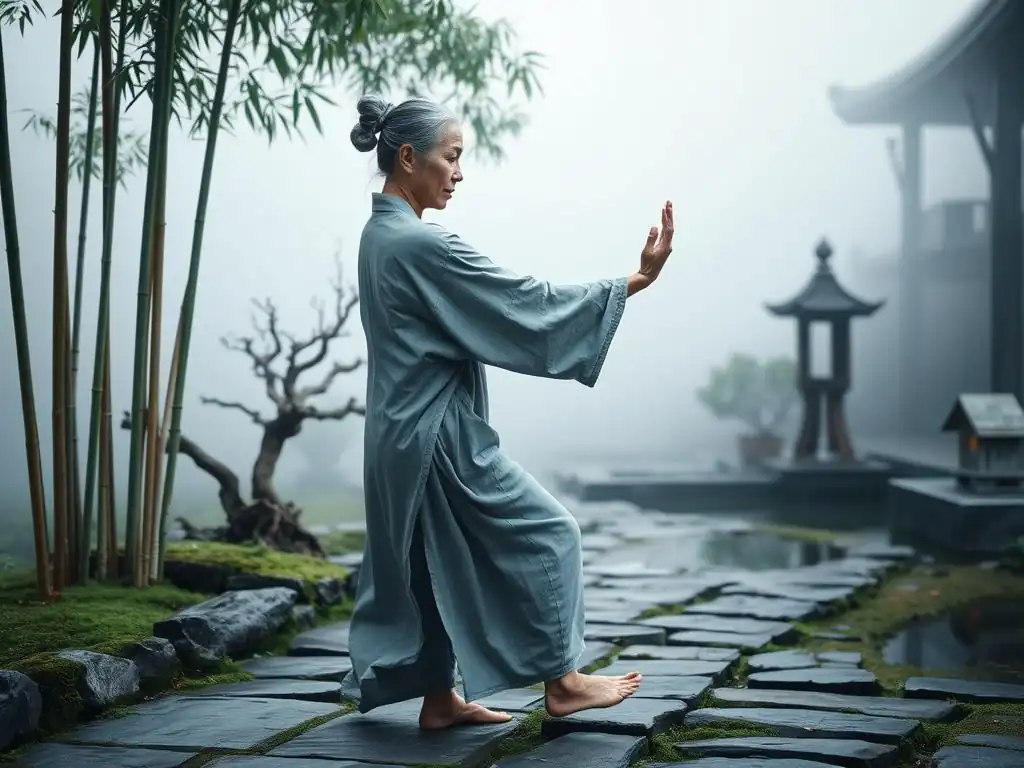
As with any new practice, potential practitioners may have questions or concerns about whether Tai Chi is right for them. While remarkably accessible and gentle, it's important to consider individual circumstances and to separate common misconceptions from the reality of the practice. Addressing these points helps ensure that individuals approach Tai Chi safely and with realistic expectations about its benefits, including the sought-after Tai chi mental health benefits.
Is Tai Chi Suitable for Everyone? Considerations and Modifications
Tai Chi is widely regarded as suitable for people of almost any age or physical condition, but it's essential to consider individual health circumstances. Individuals with pre-existing medical conditions, particularly those affecting balance, joints (like severe arthritis), heart health, or chronic pain, should consult with their doctor before starting Tai Chi. While it is low-impact, improper form could exacerbate some conditions.
Fortunately, Tai Chi is highly adaptable. Many movements can be modified to suit different needs. For example, individuals with balance issues can practice while holding onto a chair or wall, or even perform seated Tai Chi forms. Movements can be made smaller and less physically demanding.
A good instructor can provide specific modifications based on a student's limitations. The focus remains on the internal principles of relaxation, breath, and mindful movement, which can be cultivated even with limited physical capacity. This adaptability makes Tai Chi an inclusive practice, offering Tai chi mental health benefits to a broad spectrum of the population.
Dispelling Myths About Tai Chi: Separating Fact from Fiction
Several myths surround Tai Chi that can deter potential practitioners. One common misconception is that Tai Chi is only for the elderly. While it is immensely beneficial for older adults, particularly for balance and fall prevention, people of all ages practice Tai Chi for diverse reasons, including stress reduction, improved focus, gentle exercise, and even martial arts training. Younger individuals often find its meditative aspect and focus on internal energy valuable for managing the pressures of modern life.
Another myth is that Tai Chi is inherently spiritual or religious and requires adherence to specific beliefs. While Tai Chi is rooted in Daoist philosophy, which emphasizes harmony with nature and the flow of energy, it is widely practiced globally as a secular health and exercise system. You do not need to adopt any particular spiritual beliefs to gain the physical and Tai chi mental health benefits.
Similarly, the idea that you need special clothing or equipment is false; comfortable clothes that allow free movement and flat, comfortable shoes are all that's required. Dispelling these myths helps make Tai Chi more approachable for anyone interested in exploring its potential.
Conclusion: Embracing Tai Chi for a Healthier Mind.
The ancient practice of Tai Chi offers a compelling, holistic approach to addressing the mental health challenges prevalent in contemporary society. Far more than just slow physical movements, it is a dynamic form of meditation that cultivates a profound connection between the mind and body. The exploration of Tai chi mental health benefits reveals its power in significantly reducing stress and anxiety, improving mood and emotional resilience, enhancing cognitive functions like focus and memory, and promoting better sleep quality.
By integrating conscious movement, deep breathing, and focused awareness, Tai Chi provides a gentle yet effective pathway to inner peace and mental clarity. It is an accessible practice, adaptable to various physical conditions, making it suitable for nearly everyone seeking a natural method for improving psychological well-being.
Embracing Tai Chi means committing to a journey of self-discovery and cultivation, offering a sustainable tool for navigating life's complexities with greater calm, balance, and presence. As we seek effective strategies for mental wellness in the modern age, the quiet strength and wisdom of Tai Chi stand ready to guide us towards a healthier, more harmonious mind.
Frequently Asked Questions
What are the primary Tai Chi mental health benefits highlighted in this guide?
The guide focuses on how Tai Chi can reduce stress and anxiety, improve mood, and promote overall mental well-being.
How does Tai Chi specifically address mental health challenges like anxiety and depression?
Tai Chi's slow, deliberate movements and focused breathing encourage mindfulness and relaxation, counteracting symptoms of anxiety and depression.
Is Tai Chi suitable for individuals of all ages and fitness levels seeking mental health benefits?
Yes, Tai Chi is generally considered a low-impact exercise suitable for most people, regardless of age or fitness level, making it accessible for those seeking mental health benefits.
How does Mind Care Guide support individuals interested in exploring Tai Chi for their mental health?
Mind Care Guide provides information, resources, and potentially links to local classes or online programs to help individuals get started with Tai Chi.
Beyond stress reduction, what other Tai Chi mental health benefits can one expect to experience?
Besides stress reduction, Tai Chi can improve sleep quality, enhance cognitive function, and foster a greater sense of inner peace and balance.
Final Reflection: Finding Inner Peace in a Chaotic World
The ancient wisdom of Tai Chi Chuan offers a powerful antidote to the pervasive stress and anxiety of modern life. Its gentle movements and mindful practice provide not just physical benefits, but a profound pathway to inner calm, a resource increasingly vital in our fast-paced, technology-driven world. This is more than just a fitness trend; it's a rediscovery of an age-old technique perfectly suited to address the mental health challenges of today.
The enduring appeal of Tai Chi lies in its ability to bridge the gap between body and mind, fostering a sense of groundedness and presence often lost in the whirlwind of daily demands. It's a practice that encourages self-awareness and acceptance, qualities crucial for navigating the complexities of modern existence. As Bruce Lee eloquently stated, Knowing is not enough; we must apply. Willing is not enough; we must do.
This perfectly encapsulates the essence of Tai Chi – its effectiveness lies not just in understanding its principles, but in actively engaging with the practice itself.
Now, consider your own life. Are you feeling overwhelmed, stressed, or disconnected? Tai Chi offers a tangible path towards cultivating inner peace and resilience. I invite you to explore this ancient art, to experience its calming movements and mindful focus, and to discover the transformative power it holds for your mental well-being. Take that first step, find a local class, or begin with a simple online tutorial. Your journey to a calmer, more centered self begins with a single breath, a single movement.
Unlock Your Inner Calm: Start Your Tai Chi Journey Today!
Thanks for taking the time to explore the powerful connection between Tai Chi and mental well-being! We hope this article provided you with valuable insights into how this ancient practice can benefit your modern life. Ready to experience the transformative effects for yourself?
- Begin your Tai Chi practice with a guided online video: Many free resources are available to get you started, even just 10 minutes a day can make a significant difference.
- Share your experience: Tell us (or your friends!) about your initial thoughts and feelings after your first session. What surprised you?
- Explore local Tai Chi classes: Find a community class near you and connect with others on a similar path to inner peace.
Ready to discover the tranquility Tai Chi can bring to your daily life? What small step will you take today to nurture your mental well-being?