
Beyond the Likes: Navigating the Social Media Landscape for Better Mental Health


Welcome to Mind Care Guide, your sanctuary for navigating the complexities of mental well-being.
Are you finding it hard to disconnect? In today's hyper-connected world, social media can be a double-edged sword. This is why we're diving deep into Social Media Mental Health Tips – exploring practical strategies to cultivate a healthier relationship with your online life. Curious how to reclaim your mental space? Let's unravel the secrets together and discover how to thrive in the digital age.
- Beyond the Likes: Navigating Social Media for Better Mental Health | Mind Care Guide
- Practical Social Media Mental Health Tips for a Healthier Online Experience
-
Protecting Your Mental Health on Social Media: Strategies and Tools
- Identifying and Avoiding Triggers: Recognizing Content That Negatively Impacts You
- Utilizing Platform Features: Blocking, Muting, and Reporting Harmful Content
- Building a Supportive Online Community: Connecting with Like-Minded Individuals
- The Power of Positive Reinforcement: Focusing on Uplifting Interactions
- Addressing Specific Mental Health Concerns Related to Social Media
- Seeking Professional Help: When Social Media Use Becomes Problematic
- Promoting Healthy Social Media Habits for Long-Term Well-being
- Conclusion: Empowering Yourself for a Healthier Relationship with Social Media
-
Frequently Asked Questions
- How does excessive social media use potentially impact mental health?
- What are some practical social media mental health tips I can implement today?
- How can I identify if social media is negatively affecting my mental well-being?
- What are some healthier alternatives to scrolling through social media?
- Where can I find additional support if I'm struggling with the impact of social media on my mental health?
- Final Reflection: Reclaiming Your Digital Wellbeing
- Unlock Your Social Media Sanctuary
Social media platforms have become integral to modern life, connecting billions of people worldwide. While offering benefits like facilitating communication and community building, their pervasive presence also presents significant challenges to mental well-being. Research from organizations like the Royal Society for Public Health in the UK has highlighted potential negative impacts, particularly on young people, linking heavy usage to increased rates of anxiety, depression, poor sleep quality, and body image concerns. The constant influx of curated content can lead individuals to feel inadequate when comparing their lives to the seemingly perfect realities presented online by others.
Moreover, the design of social media platforms often employs psychological principles aimed at maximizing engagement, such as variable rewards (likes, comments, notifications) that can be highly addictive. This can create a compulsion to constantly check updates, disrupting focus and sleep patterns. Studies suggest that excessive social media use, often defined as several hours per day, is correlated with higher levels of psychological distress. While correlation does not equal causation, the consistent findings across different studies indicate a significant relationship that warrants careful consideration for maintaining good mental health.
It's crucial to be aware of how your social media habits are influencing your emotional and psychological state. Common signs that your social media use might be negatively impacting your mental health include feeling persistently anxious, sad, or irritable after spending time online. You might find yourself comparing your life unfavorably to others, experiencing feelings of jealousy or inadequacy. Another indicator is difficulty sleeping or disruptions to your sleep schedule directly linked to late-night scrolling or checking notifications.
Physical symptoms can also manifest, such as headaches or eye strain from prolonged screen time. Behaviorally, you might withdraw from real-life social interactions in favor of online ones, or find yourself unable to concentrate on tasks due to the urge to check your feed. If you notice a significant portion of your day is consumed by social media, or if attempts to reduce usage lead to feelings of restlessness or distress, these are strong signals that your online activity is affecting your mental well-being and that exploring social media mental health tips could be beneficial.
Social comparison is a natural human tendency, but social media amplifies it dramatically. Platforms are designed to showcase highlight reels – people's best moments, achievements, and curated appearances. When users are constantly exposed to this idealized content, they often engage in upward social comparison, comparing their own everyday lives, imperfections, and struggles to these polished online personas. This can lead to feelings of inferiority, envy, and dissatisfaction with one's own life, fueling anxiety.
The pressure to present an equally perfect online image can also be a source of significant stress. Crafting posts, seeking validation through likes and comments, and worrying about how one is perceived online contribute to performance anxiety. This cycle of comparing and performing can create a perpetual state of unease, where validation from online interactions becomes a primary, yet often unstable, source of self-worth. Understanding this dynamic is a key step in developing effective social media mental health tips to protect yourself.
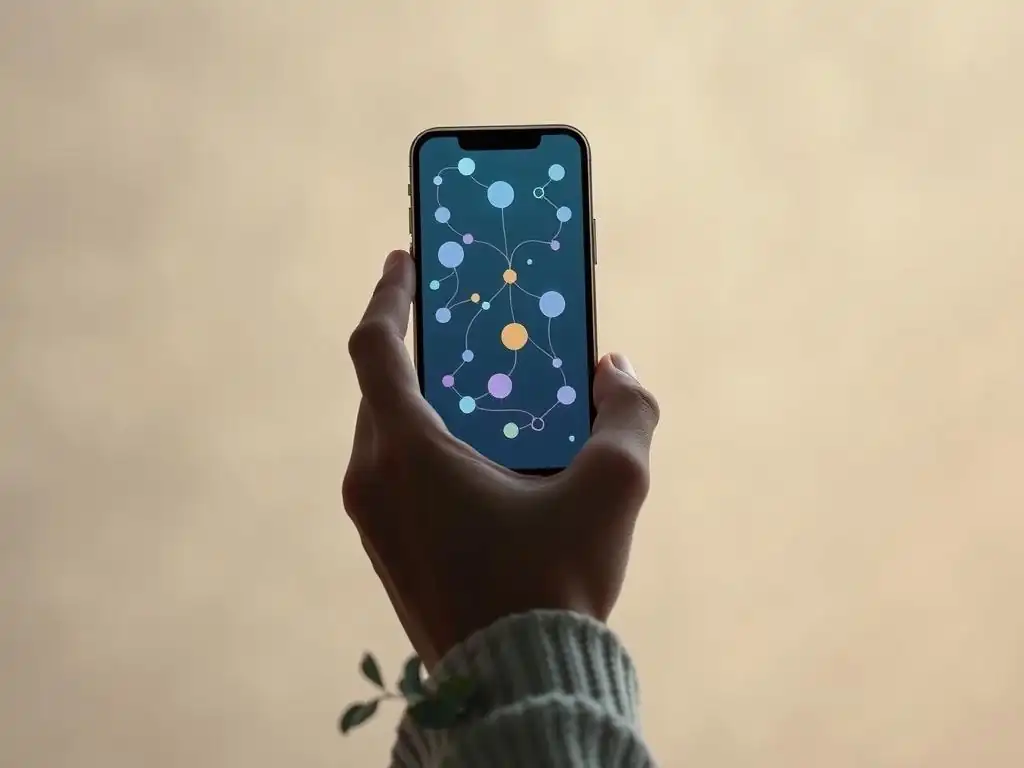
Curate Your Feed: Following Accounts That Promote Positivity and Wellbeing
One of the most actionable social media mental health tips is to actively curate your online environment. Take control of what appears in your feed by unfollowing accounts that make you feel inadequate, anxious, or negative. This includes accounts that promote unrealistic beauty standards, excessive consumerism, or constant drama. Instead, seek out and follow accounts that share positive content, inspiring messages, educational information, or genuine connections.
Consider following accounts related to your hobbies, interests, or mental health resources. Many therapists, mental health advocates, and organizations share valuable insights and coping strategies online. Filling your feed with uplifting, informative, and authentic content can significantly shift your overall online experience from one of comparison and anxiety to one of inspiration and connection, contributing positively to your mental well-being.
Establishing clear time boundaries for social media use is a fundamental social media mental health tip. It's easy for minutes to turn into hours without conscious effort. Utilize features available on most smartphones and social media apps that track your usage time and allow you to set daily limits. When you reach your limit, the app can notify you, prompting you to log off.
Beyond daily limits, consider implementing specific times of day when you avoid social media, such as the first hour after waking up or the last hour before bed. Avoiding screens before sleep is particularly important as the blue light emitted can interfere with melatonin production, impacting sleep quality. Consciously scheduling "no social media" periods throughout your day can help reduce compulsive checking behavior and free up time and mental energy for other activities, leading to improved mental clarity and focus.
Disconnecting to Reconnect: Embracing Offline Activities
A powerful social media mental health tip is to intentionally disconnect from the online world to engage fully with your offline life. Social media can sometimes create a false sense of connection while potentially detracting from meaningful in-person interactions and solitary activities that nourish the soul. Make time for hobbies you enjoy that don't involve screens, such as reading, painting, gardening, playing sports, or learning a musical instrument.
Prioritize spending quality time with friends and family face-to-face. Engaging in real-life conversations, sharing experiences, and building strong interpersonal relationships provides a depth of connection and emotional support that online interactions often cannot replicate. Scheduling regular digital detox periods, whether it's an hour each evening, a full day on the weekend, or even a longer vacation, can significantly reduce stress and enhance your overall mental health.
Practicing Mindfulness: Staying Present While Browsing
Bringing mindfulness to your social media use is an advanced social media mental health tip. Instead of mindlessly scrolling, pay attention to how certain content makes you feel. When you see something that triggers anxiety, jealousy, or sadness, simply notice the feeling without judgment. Ask yourself why you are reacting this way. This awareness can help you identify triggers and understand your own patterns of social media consumption.
Mindful browsing also involves being present in the moment rather than simultaneously scrolling and engaging in other activities. When you choose to be on social media, dedicate a specific block of time to it and minimize distractions. When that time is up, consciously close the app and transition to your next activity. This intentional approach helps you consume content more critically and reduces the likelihood of getting sucked into endless scrolling loops that can be detrimental to your focus and mental state.
Identifying and Avoiding Triggers: Recognizing Content That Negatively Impacts You
A crucial step in protecting your mental health on social media is becoming adept at identifying your personal triggers. These are specific types of content, accounts, or interactions that consistently evoke negative emotions like anxiety, sadness, anger, or inadequacy. Triggers can vary widely from person to person; for one, it might be seeing posts about lavish vacations, for another, it could be fitness-related content, or news articles about specific topics. Pay attention to how you feel while browsing and note what prompts negative reactions.
Once you've identified your triggers, actively work to avoid them. This doesn't mean avoiding social media entirely, but rather being strategic about your exposure. Unfollow or mute accounts that frequently post triggering content. If certain topics are consistently upsetting, consider temporarily or permanently muting keywords or hashtags related to those topics if the platform offers that functionality. Being proactive in managing your exposure to triggers is a vital social media mental health tip.
Utilizing Platform Features: Blocking, Muting, and Reporting Harmful Content
Social media platforms provide various tools designed to help users control their experience and protect themselves from harmful content. Familiarize yourself with these features and don't hesitate to use them. The "mute" function is particularly useful for accounts that post content you don't want to see, but you don't necessarily want to unfollow (like friends or family). Muting allows you to filter their posts from your main feed without causing offense.
The "block" function is a more definitive tool for preventing unwanted interactions from specific users. If someone is harassing you, cyberbullying, or simply creating a toxic online environment for you, blocking them stops them from seeing your profile or contacting you. Additionally, most platforms have robust "reporting" systems. If you encounter content that violates community guidelines, such as hate speech, harassment, or misinformation, reporting it helps the platform address potentially harmful material, contributing to a safer environment for everyone. Using these tools is a practical social media mental health tip for creating boundaries.
Building a Supportive Online Community: Connecting with Like-Minded Individuals
While social media can be isolating, it also offers immense potential for building supportive communities. Seek out groups, forums, or accounts centered around shared interests, hobbies, or experiences, including mental health support. Engaging with people who understand your struggles or share your passions can provide a sense of belonging and reduce feelings of loneliness. Look for online communities that prioritize positive interaction, empathy, and mutual support.
Participate in discussions, share your thoughts and feelings (within comfortable boundaries), and offer support to others. Building genuine connections online, even if they don't replace real-life relationships, can be a valuable source of encouragement and validation. These connections can provide a buffer against the negative aspects of social media and reinforce a sense of shared experience, which is a powerful component of positive mental health.
The Power of Positive Reinforcement: Focusing on Uplifting Interactions
Shift your focus from passively consuming content to actively engaging in positive ways. Instead of just scrolling through posts, make an effort to comment positively on things you genuinely appreciate, celebrate others' successes, and offer words of encouragement. Spreading positivity not only makes the online space better for others but can also improve your own mood and sense of purpose.
Seek out and engage with content that is inspiring, funny, educational, or heartwarming. Curate your interactions by spending more time on posts and profiles that leave you feeling uplifted rather than drained. By actively seeking and contributing to positive interactions, you reinforce the beneficial aspects of social media and mitigate some of its potential harms, strengthening your mental health resilience. This selective engagement is a key social media mental health tip.
Combating Cyberbullying: Resources and Strategies for Online Safety
Cyberbullying is a significant concern on social media, involving harassment, threats, or humiliation conducted through digital channels. Its impact on mental health can be severe, leading to anxiety, depression, isolation, and in extreme cases, suicidal thoughts. If you are experiencing cyberbullying, remember you are not alone and help is available. The first step is to document everything – save messages, screenshots, and any evidence of the bullying. Do not engage with the bully; this can often escalate the situation.
Utilize the platform's tools to block the perpetrator and report their behavior. Most social media companies have specific policies against harassment and will take action. It's also crucial to tell someone you trust – a friend, family member, teacher, or counselor. Many organizations offer resources and support for victims of cyberbullying, including advice lines and legal information. Seeking support and taking action are vital steps for protecting your mental health against online aggression.
FOMO, or the Fear of Missing Out, is heavily fueled by social media. Constantly seeing posts about events, parties, or experiences you weren't part of can lead to feelings of exclusion, inadequacy, and social anxiety. This can make you feel like your own life isn't exciting enough and pressure you to overcommit or engage in activities solely to post about them. To manage FOMO, practice gratitude for what you have and the experiences you are having.
Recognize that social media often presents an incomplete and idealized version of reality. People rarely post about their mundane moments or disappointments. Remind yourself that it's okay not to be everywhere or do everything. Focus on engaging in activities that genuinely bring you joy and fulfillment, rather than those that seem post-worthy. Limiting exposure to triggering content and setting boundaries around social media use, as discussed in other social media mental health tips, are also effective strategies for reducing FOMO-related anxiety.
Dealing with Online Criticism: Building Resilience and Self-Esteem
Receiving negative comments or criticism online can be hurtful and damaging to self-esteem, especially when it's public. It's important to develop strategies for dealing with online negativity. First, try to differentiate between constructive feedback (which is rare in random online comments) and purely negative or abusive remarks. Do not internalize cruel comments; they often say more about the commenter than they do about you.
If the criticism is abusive or harassment, use the platform's blocking and reporting tools. For general negative comments, you have options: you can ignore them, delete them, or respond calmly and directly if appropriate (though often ignoring is best). Building resilience involves recognizing that your worth is not defined by strangers' opinions online. Focus on validating your self-worth through real-life achievements, relationships, and personal values. Surrounding yourself with supportive people offline can also help buffer the impact of online negativity, reinforcing positive social media mental health tips.
Social media can significantly contribute to body image issues due to the prevalence of heavily filtered, edited, and unrealistic portrayals of bodies. Constant exposure to these images can lead to negative self-comparison, body dissatisfaction, and potentially disordered eating or excessive exercise. It's vital to recognize that many images online are not representative of real bodies. Understanding the extent of digital manipulation in online photos is a crucial first step.
Actively curate your feed to include body-positive accounts and those that celebrate diverse body types. Unfollow accounts that promote restrictive diets, excessive focus on physical appearance, or use filters excessively. Focus on health and well-being rather than solely on aesthetics. Practice self-compassion and challenge negative self-talk related to your body. Remember that your worth is not tied to your appearance, and true health encompasses mental and emotional well-being alongside physical health. Applying social media mental health tips focused on positive self-image is essential here.
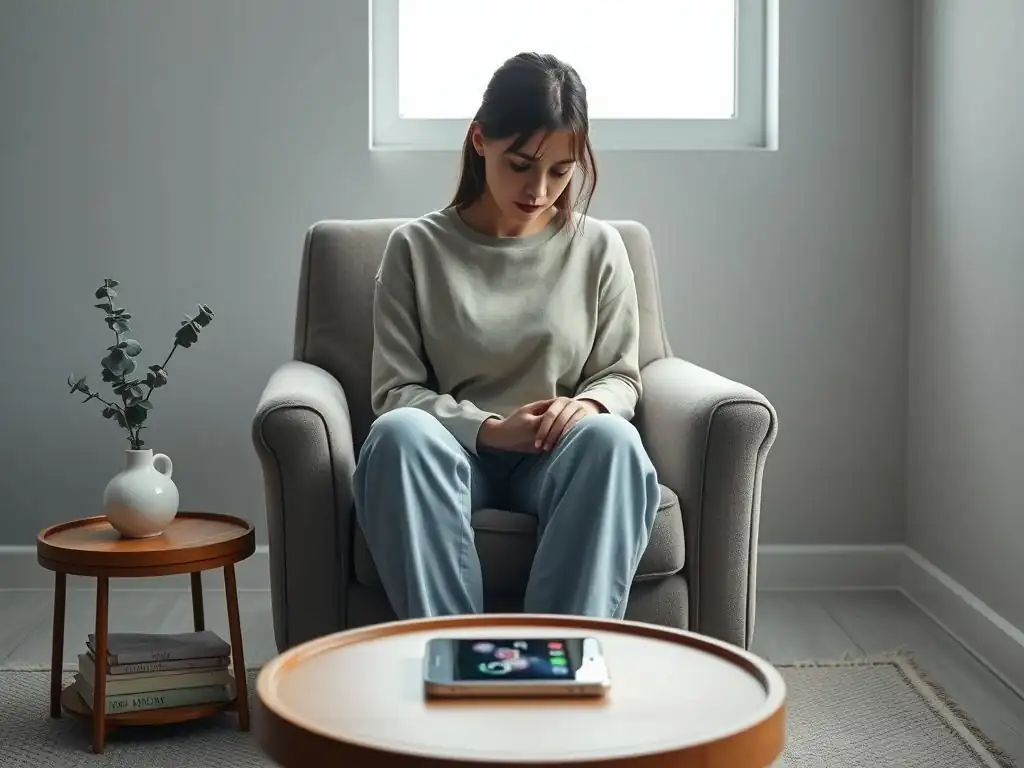
Recognizing the Need for Professional Support: Identifying Warning Signs
While many people can benefit from general social media mental health tips, there are times when the impact of social media use on mental health warrants professional intervention. Warning signs that you might need professional support include if your social media use is interfering significantly with your daily life – impacting your job or school performance, disrupting your sleep and eating habits, or causing you to neglect real-life relationships and responsibilities.
Other signs include using social media as a primary coping mechanism to avoid dealing with difficult emotions or situations, experiencing intense anxiety or withdrawal symptoms when unable to access social media, or feeling unable to control or reduce your usage despite wanting to. If social media is contributing to or exacerbating existing mental health conditions like depression, anxiety disorders, or body dysmorphia, seeking help from a mental health professional is a crucial step.
Finding a Therapist or Counselor: Resources for Mental Health Assistance
If you've recognized the need for professional support, finding the right therapist or counselor is key. Start by talking to your primary care physician; they can often provide referrals to mental health professionals in your area or discuss options covered by your insurance. Many mental health organizations and associations maintain online directories of licensed therapists and counselors that you can search by location, specialization (e.g., anxiety, technology addiction), and insurance provider.
University counseling centers offer services to students. Community mental health clinics provide sliding-scale fees based on income for those with limited financial resources. Don't hesitate to research potential therapists, read their profiles, and even schedule initial consultations to find someone you feel comfortable with and who has experience addressing concerns related to technology use and mental health.
Online Therapy Options: Exploring Digital Mental Healthcare
For individuals who face barriers to in-person therapy, such as geographical distance, transportation issues, or scheduling conflicts, online therapy (also known as teletherapy or telemental health) is a viable and increasingly popular option. Many licensed therapists and counselors offer sessions via secure video conferencing platforms, allowing you to receive support from the comfort of your own home.
Numerous online therapy platforms connect users with licensed professionals. These platforms often offer various communication methods, including video calls, phone calls, and text-based messaging. While online therapy may not be suitable for everyone, particularly those with severe mental health conditions requiring intensive care, it provides accessible support for a wide range of issues, including anxiety and distress related to social media use. Ensure that any online therapist or platform you choose is licensed and reputable.
Cultivating a Balanced Lifestyle: Prioritizing Physical and Mental Health
Developing healthy social media habits is part of cultivating an overall balanced lifestyle that prioritizes both physical and mental health. Ensure you are getting adequate sleep, eating nutritious foods, and engaging in regular physical activity. These foundational elements of health significantly impact your resilience to stress and your ability to manage the pressures that can arise from social media use.
Integrate activities into your routine that promote relaxation and stress reduction, such as meditation, yoga, spending time in nature, or pursuing creative outlets. When your overall well-being is strong, you are less likely to rely on social media for validation or distraction and better equipped to navigate its challenges without compromising your mental health. A holistic approach, incorporating various social media mental health tips into a broader healthy lifestyle, is most effective.
Engaging in Meaningful Offline Activities: Developing Hobbies and Interests
Beyond basic self-care, actively engaging in meaningful activities away from screens is vital for long-term well-being and reducing reliance on social media for stimulation or validation. Rediscover or develop hobbies and interests that bring you genuine joy and a sense of accomplishment. This could be anything from learning a new language or skill to volunteering, joining a book club, or participating in a local sports team.
These activities provide opportunities for personal growth, skill development, and real-world interaction. They offer alternative sources of fulfillment and identity outside of your online presence. By investing time and energy in activities you value offline, you reduce the amount of time available for potentially problematic social media use and build a more robust sense of self-worth that is not dependent on online validation.
Ultimately, strong, supportive relationships with people in your real life are one of the most protective factors for mental health. While social media can help maintain connections, it cannot replace the depth and intimacy of face-to-face interactions, shared experiences, and physical presence. Make a conscious effort to nurture your relationships with family, friends, and partners.
Schedule regular time to spend with loved ones without the distraction of phones or social media. Engage in active listening, share your feelings openly, and offer support to others. These genuine connections provide a sense of belonging, emotional security, and practical support that is essential for navigating life's challenges, including those posed by the digital world. Prioritizing these real-life bonds is a powerful strategy for ensuring social media remains a tool for connection rather than a source of distress.
Frequently Asked Questions
Excessive use can lead to social comparison, feelings of inadequacy, and increased anxiety and depression. It can also disrupt sleep patterns and reduce real-life social interactions.
Try setting time limits for daily use, curating your feed to follow positive and uplifting accounts, and engaging in mindful scrolling by paying attention to your emotional responses.
Pay attention to feelings of low self-esteem, increased anxiety after using social media, or a constant need for validation through likes and comments.
Engage in activities that promote real-life connection, such as spending time with loved ones, pursuing hobbies, or practicing mindfulness and meditation.
The Mind Care Guide website offers resources, articles, and support services related to mental well-being. Consult with a mental health professional for personalized guidance.
Final Reflection: Reclaiming Your Digital Wellbeing
The relentless scroll of social media continues to shape our realities, impacting our mental health in profound and often unseen ways. This article explored the complex relationship between social media consumption and mental wellbeing, highlighting the insidious nature of comparison, the pressure for constant validation, and the curated perfection that often masks genuine human experience. Understanding these dynamics is not just a trend; it's a crucial step towards building a healthier relationship with technology and ourselves.
The pervasive influence of social media on our self-perception and emotional landscape is undeniable. It's a constant, subtle pressure cooker, affecting our self-esteem, body image, and sense of belonging. We are what we repeatedly do. Excellence, then, is not an act, but a habit.
– Aristotle. This quote rings true in the context of our digital habits. If we repeatedly expose ourselves to unrealistic standards and negativity online, it inevitably shapes our internal world. The challenge lies in consciously cultivating healthier digital habits, replacing mindless scrolling with mindful engagement.
Now, consider your own relationship with social media. What are your triggers? What platforms drain your energy, and which ones uplift you? This article provided tools and strategies; the next step is yours. Take control of your digital wellbeing. Unfollow accounts that trigger negative emotions, set time limits, and prioritize real-life connections. Remember, your mental health is paramount, and you deserve to curate a digital space that nurtures, not depletes, your wellbeing. Let's build a more mindful and healthy relationship with the digital world, one conscious choice at a time.
Thanks for taking the time to explore the often-complex relationship between social media and mental wellbeing. We hope you gained valuable insights into building a healthier online presence. Now, let's turn those insights into action!
- Prioritize your mental health by consciously curating your social media feeds. Unfollow accounts that trigger negative emotions and actively seek out positive and uplifting content. This is the most impactful step you can take today.
- Experiment with a social media detox for a day or even a week. Notice how you feel – the impact might surprise you.
- Share your experiences and tips with friends and family! Starting a conversation can help normalize the importance of digital wellbeing.
What small change will you make today to create a more positive social media experience for yourself?