
Gratitude vs. Toxic Positivity: Finding Authentic Appreciation and Thankfulness


Welcome to Mind Care Guide.
It's easy to feel pressured to be positive, especially when navigating life's challenges. But what happens when gratitude feels forced, a hollow echo instead of a heartfelt connection? Dive into our exploration of genuine gratitude, not forced thanks, and discover how to cultivate authentic appreciation that nourishes your well-being, rather than contributing to feelings of inadequacy. Ready to unearth the difference? Let's begin...
Gratitude vs. Toxic Positivity: Finding Authentic Appreciation and Thankfulness
- Introduction: The Power of Genuine Gratitude for Mental Well-being
- Defining Gratitude: More Than Just Saying "Thank You"
- The Rise of Toxic Positivity: When Positivity Becomes Harmful
- Gratitude vs. Toxic Positivity: Key Differences and Distinctions
- Cultivating Authentic Gratitude: Practical Techniques and Strategies
- Avoiding Toxic Positivity: Creating a Balanced and Realistic Perspective
- The Role of Self-Care in Fostering Genuine Gratitude
- Integrating Gratitude Practices into Your Daily Routine
- Overcoming Challenges in Practicing Gratitude
- Conclusion: Embracing Authentic Appreciation for a Healthier Mind
-
Frequently Asked Questions
- What is the difference between genuine gratitude and toxic positivity?
- How can I cultivate genuine gratitude instead of falling into the trap of toxic positivity?
- Why is toxic positivity harmful to mental well-being?
- How can I identify if I am practicing toxic positivity?
- What are some practical exercises for practicing genuine gratitude?
- Final Reflection: Cultivating Genuine Gratitude in a Toxic World
- Unlock Your Authentic Gratitude: A Journey to Deeper Appreciation
Introduction: The Power of Genuine Gratitude for Mental Well-being
Understanding the Benefits of Authentic Appreciation in Holistic Mental Health
Cultivating authentic appreciation is a cornerstone of holistic mental health. It's not merely a fleeting pleasant feeling, but a state of mind and a practice that profoundly impacts our psychological and emotional landscape. When we engage in genuine gratitude, not forced thanks, we actively shift our focus from what might be lacking to the abundance that exists in our lives, however small.
This shift can interrupt negative thought cycles often associated with conditions like anxiety and depression. Studies, including research conducted over decades in positive psychology, consistently demonstrate that individuals who regularly practice gratitude report higher levels of life satisfaction, reduced stress, and improved emotional regulation. It fosters resilience, helping us navigate life's inevitable challenges with greater equanimity.
Furthermore, integrating authentic appreciation into one's life positively influences physical health markers. Research has shown that grateful individuals often experience better sleep quality, lower blood pressure, and stronger immune systems. This mind-body connection highlights how genuine gratitude contributes to overall well-being, extending beyond just the mental realm. It encourages a perspective that values presence and connection, leading to deeper and more meaningful relationships, which are themselves vital components of a healthy mental state. Embracing genuine gratitude, not forced thanks, is a proactive step towards nurturing a more balanced and fulfilling life.
Why "Genuine Gratitude, Not Forced Thanks" Matters for Long-Term Well-being
The distinction between genuine gratitude and forced thanks is critical for sustainable mental health. Forced gratitude, often stemming from societal pressure or an internal demand to "always be positive," can feel inauthentic and even invalidating of real struggles. This superficial approach bypasses true emotional processing and can lead to feelings of guilt or inadequacy when one cannot genuinely feel grateful during difficult times.
Long-term well-being is built on authenticity and emotional honesty, not on pretending everything is okay. Practicing genuine gratitude, not forced thanks, allows for the acknowledgment of pain or difficulty alongside the recognition of positive aspects, creating a more robust and realistic emotional foundation.
When gratitude is genuine, it arises from a place of true recognition and appreciation, even for seemingly small things. This authenticity makes the practice sustainable and deeply rewarding. It fosters a sense of contentment and perspective that can weather storms, unlike forced positivity which can crumble under pressure.
For example, someone facing a health challenge might struggle to feel "grateful" for the illness, but can find genuine gratitude for the support of loved ones or the strength they discover within themselves. This capacity for nuanced feeling is what makes genuine gratitude a powerful tool for resilience and long-term emotional health, promoting growth rather than suppression.
Defining Gratitude: More Than Just Saying "Thank You"
Exploring the Deeper Meaning of Gratitude and Thankfulness
Gratitude, at its core, is a state of being thankful; a readiness to show appreciation for and to return kindness. While saying "thank you" is a common expression of gratitude, the feeling runs much deeper. It involves recognizing the value of the good things in our lives, acknowledging where that goodness comes from, and often, experiencing a sense of wonder or awe.
It's an active process of noticing, appreciating, and savoring positive experiences and the contributions of others. This can range from appreciating a beautiful sunset to feeling thankful for a supportive friend or the simple comfort of a warm home. It's about cultivating a mindful awareness of the positive aspects of existence.
The depth of gratitude lies in its capacity to shift perspective. It moves us away from a focus on what is lacking and towards an appreciation of what is present. This internal shift has profound implications for our emotional state, often leading to increased feelings of joy, contentment, and hope.
It also strengthens social bonds, as expressing and receiving genuine gratitude fosters connection and mutual support. Unlike a perfunctory "thank you," which can be habitual, deeper gratitude involves reflection and a heartfelt acknowledgment of benefit or kindness received, whether from another person, nature, or life itself. This genuine appreciation, not forced thanks, is the fertile ground from which many other positive emotions can grow.
The Science-Backed Benefits of Practicing Genuine Gratitude
Extensive psychological research underscores the significant benefits of regularly practicing genuine gratitude. Studies by prominent researchers like Dr. Robert Emmons have shown that individuals who keep gratitude journals or engage in gratitude practices tend to be more optimistic and feel happier. For instance, a study published in the Journal of Personality and Social Psychology found that participants who wrote down a few sentences about things they were grateful for each week were more optimistic and felt better about their lives as a whole compared to control groups. They even reported fewer physical symptoms.
Beyond mood enhancement, the science points to gratitude's role in stress reduction and improved coping mechanisms. When faced with adversity, a grateful perspective can help individuals focus on the resources available to them and maintain hope. Research indicates that gratitude can lower levels of cortisol, the stress hormone, contributing to reduced anxiety and better sleep.
Furthermore, genuine gratitude, not forced thanks, strengthens neural pathways associated with reward and social bonding, making individuals more likely to engage in pro-social behaviors and build stronger support networks. These measurable psychological and physiological effects demonstrate that gratitude is far more than just a pleasant feeling; it's a powerful tool for enhancing mental and physical health.
The Rise of Toxic Positivity: When Positivity Becomes Harmful
Identifying the Signs and Symptoms of Toxic Positivity
Toxic positivity is the excessive and ineffective overgeneralization of a happy and optimistic state across all situations. The key is that it involves denying or avoiding difficult emotions in favor of a relentlessly cheerful facade. Signs that you or someone else might be engaging in toxic positivity include:
- Dismissing or minimizing negative feelings ("Just be positive! ", "Look on the bright side! ").
- Feeling guilty for feeling sad, angry, or anxious.
- Pressuring yourself or others to "get over it" quickly after a loss or setback.
- Using platitudes to shut down difficult conversations ("Everything happens for a reason").
- Avoiding people who are struggling because their negativity is perceived as "too much."
- Feeling compelled to present a constantly happy front on social media or in person.
This approach often stems from a well-meaning but misguided attempt to be helpful or resilient, or from a societal pressure to always appear strong and happy. However, it bypasses authentic emotional processing. For example, someone grieving might be told, "At least they're in a better place," which, while potentially true from one perspective, can feel incredibly invalidating to the immediate pain of loss. This denial of valid human emotions prevents healing and can trap individuals in a cycle of suppressed feelings and isolation.
The Negative Impact of Forced Positivity on Mental Health
Forced positivity, a core component of toxic positivity, can have significant negative impacts on mental health. When individuals are not allowed or do not allow themselves to experience and process negative emotions, these feelings don't simply disappear; they often fester and can manifest as anxiety, depression, or even physical ailments. Suppressing emotions requires significant mental energy, leading to exhaustion and burnout. It creates an internal conflict between how a person genuinely feels and how they believe they should feel, fostering a sense of inauthenticity.
Moreover, toxic positivity erodes trust and connection in relationships. When someone shares their vulnerability or pain and is met with platitudes or dismissed with "stay positive," they learn that their genuine feelings are not safe or welcome. This can lead to isolation and a reluctance to seek support when it's most needed.
For instance, someone struggling with chronic illness might be told, "Just think positive thoughts, and you'll get better!" This places the burden of recovery solely on their mindset, ignoring the medical reality and potentially causing immense guilt if they don't improve. This kind of forced optimism prevents the development of genuine coping strategies and can exacerbate feelings of failure and hopelessness.
Gratitude vs. Toxic Positivity: Key Differences and Distinctions

Recognizing the Subtle Nuances Between Authentic Appreciation and Forced Positivity
The line between genuine gratitude and forced positivity can sometimes seem blurry, but the distinction lies in authenticity and the allowance for the full spectrum of human emotions. Authentic appreciation, or genuine gratitude, not forced thanks, involves acknowledging reality, including difficulties, while still being able to find things to be thankful for. It's about adding perspective without erasing pain.
For example, facing a job loss, genuine gratitude might involve appreciating the skills gained, the support of family, or the opportunity for a new direction, while also acknowledging the stress and sadness of the situation. It's an "and" approach – feeling sad and grateful for certain things.
Forced positivity, in contrast, insists on focusing only on the positive, often to the exclusion or denial of negative feelings. It's an "either/or" mentality – you must feel positive, or you're not trying hard enough. It often sounds like "Don't be sad, just be happy!" or "It could be worse, so don't complain." This subtle but crucial difference in approach determines whether the practice is genuinely supportive of mental health or inadvertently harmful. Genuine gratitude expands our emotional capacity, allowing us to hold complexity, while forced positivity restricts it, demanding a simplified, often unrealistic, emotional state.
How Toxic Positivity Undermines Genuine Emotional Processing
Toxic positivity actively interferes with and undermines the natural process of emotional processing, which is essential for healing and growth. Emotional processing involves acknowledging, experiencing, understanding, and integrating our feelings, both positive and negative. When toxic positivity dictates that only positive emotions are acceptable, it forces individuals to suppress or deny feelings like sadness, anger, fear, or disappointment. This suppression prevents the emotions from being fully felt and understood.
For example, if someone is experiencing grief after a significant loss, toxic positivity might encourage them to "focus on the good memories" or "be strong" without allowing space for the pain. This prevents them from moving through the stages of grief in a healthy way. Unprocessed emotions don't simply vanish; they can manifest in various ways, such as increased anxiety, chronic stress, difficulty sleeping, or even physical symptoms.
Genuine gratitude, not forced thanks, works with emotions, helping us find moments of light even in darkness, whereas toxic positivity tries to plaster over the darkness with a false veneer of light, leaving the underlying issues unresolved. It creates a disconnect between internal experience and external expression, which is detrimental to psychological well-being.
Cultivating Authentic Gratitude: Practical Techniques and Strategies
Mindful Gratitude Practices: Focusing on the Present Moment
Cultivating authentic gratitude is deeply connected to mindfulness – the practice of paying attention to the present moment without judgment. By being fully present, we become more attuned to the small, everyday things we often overlook but for which we can genuinely be thankful. This could be the warmth of the sun, the taste of a meal, a kind word from a stranger, or the simple act of breathing. Mindful gratitude involves pausing, noticing these things, and allowing the feeling of appreciation to fully register.
A simple mindful gratitude practice involves taking a few moments each day to deliberately observe your surroundings and internal state, identifying things you might take for granted. For example, during your morning coffee, instead of rushing, mindfully notice the warmth of the mug, the aroma, the taste, and appreciate the comfort it brings. This intentional focus trains your brain to look for the positive, making genuine gratitude, not forced thanks, a more natural response over time. It's about savoring the moment and recognizing the gifts within it, fostering a deeper sense of connection to your life.
Journaling for Gratitude: Documenting Moments of Appreciation
Gratitude journaling is a widely recommended and effective technique for cultivating genuine gratitude. The act of writing down things you are thankful for solidifies the feeling and provides a tangible record of the positive aspects of your life. It encourages reflection and helps shift focus away from negative rumination. Even on challenging days, the practice prompts you to search for any small slivers of light.
To start, simply commit to writing down three to five things you are genuinely grateful for each day, perhaps before bed or first thing in the morning. These don't have to be grand gestures; they can be as simple as "grateful for a good night's sleep," "thankful for my pet's company," or "appreciated the sunny weather."
Research consistently shows that regular gratitude journaling, even just a few times a week, can lead to significant increases in happiness and reductions in depressive symptoms over several months. It helps reinforce the habit of noticing and valuing the positive, fostering a deep sense of genuine appreciation, not forced thanks.
Expressing Gratitude to Others: Strengthening Relationships and Fostering Connection
Expressing gratitude to others is a powerful way to deepen the practice and enhance well-being, both for the giver and the receiver. When we genuinely thank someone for their kindness, support, or contribution, it not only makes them feel valued but also reinforces our own feelings of appreciation. This act strengthens social bonds, which are fundamental to human happiness and resilience. It moves gratitude from an internal feeling to an external, relational experience.
Consider making it a practice to express genuine thanks to at least one person each day. This could be a verbal thank you, a text message, an email, or even a handwritten note. Be specific about what you are thankful for and why it mattered to you. For example, instead of just "Thanks for your help," try "Thank you so much for staying late to help me finish that project; I really appreciate your dedication and support."
This level of specificity makes the expression more meaningful and authentic. Studies show that regularly expressing gratitude in relationships can lead to increased feelings of closeness and satisfaction among partners, friends, and family members. It cultivates genuine gratitude, not forced thanks, within our social circles.
Avoiding Toxic Positivity: Creating a Balanced and Realistic Perspective
Acknowledging and Validating Negative Emotions: A Crucial Step
A critical step in avoiding toxic positivity and fostering mental well-being is learning to acknowledge and validate negative emotions. Feelings like sadness, anger, fear, and frustration are normal parts of the human experience. Trying to suppress or deny them doesn't make them disappear; it often intensifies them or causes them to surface in unhealthy ways. Validation, both of your own feelings and those of others, is key. This means recognizing that the emotion is real, understandable given the circumstances, and okay to feel.
Practicing self-validation might sound like: "I feel really sad about this, and that's okay," or "It's understandable that I'm feeling frustrated right now." Validating others involves listening without judgment and acknowledging their pain, perhaps by saying, "It sounds like you're going through a really tough time, and I'm so sorry you're hurting." This doesn't mean dwelling on negativity or agreeing with distorted thoughts, but simply creating space for the feeling to exist. This process allows for genuine emotional processing, paving the way for healing and growth, and is fundamentally different from the denial inherent in forced positivity.
Practicing Self-Compassion: Treating Yourself with Kindness and Understanding
Self-compassion is another essential antidote to toxic positivity. It involves treating yourself with the same kindness, care, and understanding you would offer a good friend who is struggling. Instead of criticizing yourself for feeling down or for not being able to "just be positive," self-compassion encourages acceptance and gentle support. It recognizes that suffering and imperfection are part of the shared human experience.
Key components of self-compassion include self-kindness (being warm and understanding toward ourselves when we suffer), common humanity (recognizing that suffering is part of life, not something that happens only to you), and mindfulness (observing our thoughts and feelings without getting swept away by them). When you are struggling, instead of thinking, "I shouldn't feel this way, I need to cheer up!" a self-compassionate response might be, "This is really hard right now, and it's okay to feel this pain.
Many people experience similar difficulties." This gentle approach allows you to process difficult emotions and build resilience from a place of strength and acceptance, rather than pushing feelings away with forced optimism.
Setting Realistic Expectations: Avoiding Unrealistic Optimism
Toxic positivity often stems from or leads to unrealistic expectations about life and emotions. The belief that one should always be happy, or that difficulties can be overcome simply by "thinking positively," is fundamentally unrealistic. Life is complex and includes both joy and sorrow, success and failure. Setting realistic expectations means accepting this inherent duality. It involves understanding that negative emotions are inevitable and serve important functions, such as signaling that something is wrong or needs attention.
Instead of striving for constant happiness (an unrealistic goal), aim for emotional balance and resilience. This means accepting that there will be ups and downs and trusting in your ability to navigate them. For example, when starting a new project, a realistic expectation acknowledges potential challenges and setbacks, alongside the hope for success, rather than expecting everything to go perfectly because you're being "positive."
This balanced perspective allows for proactive problem-solving and prevents the crash that can occur when unrealistic optimism meets reality. Cultivating genuine gratitude, not forced thanks, fits within this realistic framework, allowing appreciation to coexist with the acknowledgment of life's difficulties.
The Role of Self-Care in Fostering Genuine Gratitude
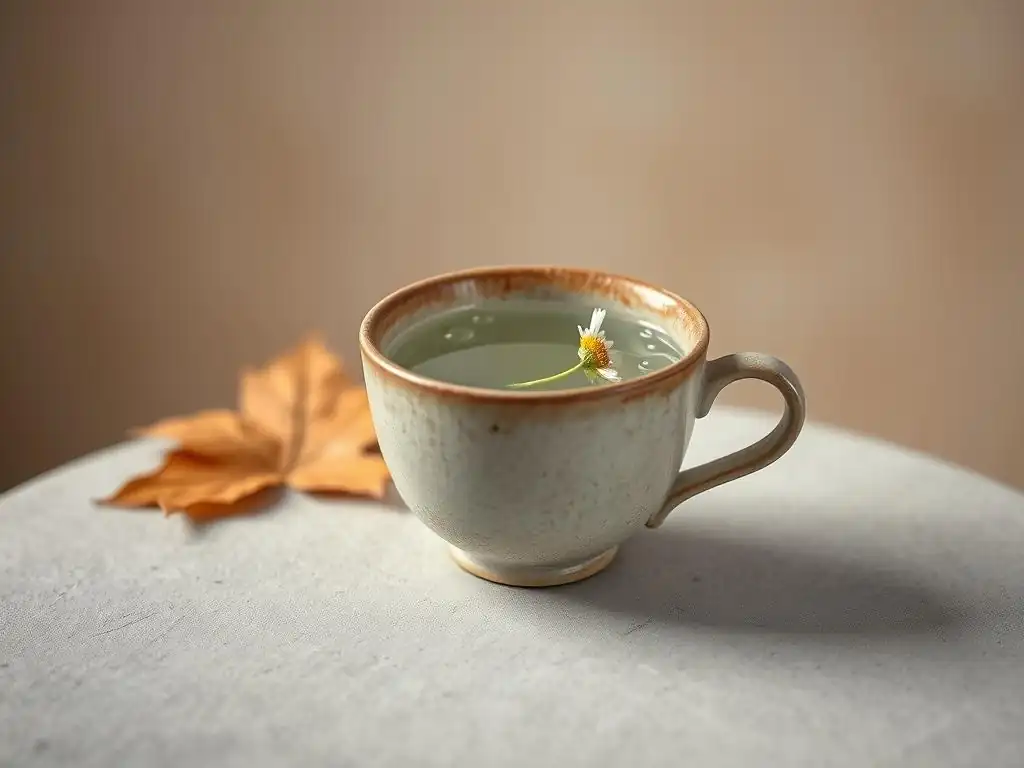
Prioritizing Self-Care Activities to Enhance Emotional Well-being
Prioritizing self-care is fundamental to fostering genuine gratitude and overall mental well-being. When we are depleted, stressed, or emotionally overwhelmed, it becomes incredibly difficult to notice and appreciate the good things in our lives. Self-care activities are those actions we take to nourish our physical, mental, and emotional health. They are not selfish indulgences but necessary practices that build our capacity to cope with stress, regulate emotions, and maintain perspective.
Examples of self-care are diverse and personal, ranging from ensuring adequate sleep and nutritious meals to engaging in hobbies, spending time in nature, practicing mindfulness or meditation, exercising, or connecting with loved ones. When you regularly engage in self-care, you build a stronger foundation for emotional resilience. This improved state makes you more receptive to experiencing genuine gratitude, not forced thanks, as your mind is less consumed by stress and depletion, allowing you to notice and appreciate the positive aspects of your environment and experiences.
How Self-Care Can Help You Cultivate a More Positive Outlook
Self-care directly supports the cultivation of a more genuinely positive outlook, distinct from forced positivity. By attending to your basic needs and engaging in activities that recharge you, you reduce the baseline levels of stress and irritability that can make it hard to see the good. For instance, getting enough sleep (aiming for 7-9 hours for most adults) significantly impacts mood regulation and cognitive function, making it easier to maintain a balanced perspective and feel appreciative. Regular physical activity has been shown to reduce symptoms of depression and anxiety, boosting endorphins and improving mood.
Moreover, self-care practices like spending time in nature or engaging in creative pursuits can evoke feelings of awe and wonder, which are closely linked to gratitude. When you feel cared for and resourced, you are less likely to feel overwhelmed by challenges and more able to notice moments of joy and connection. This creates a fertile internal environment where genuine gratitude, not forced thanks, can flourish naturally, contributing to a more authentic and sustainable sense of well-being. It's about building internal capacity, not just putting on a happy face.
Integrating Gratitude Practices into Your Daily Routine
Simple Ways to Incorporate Gratitude into Your Everyday Life
Integrating genuine gratitude, not forced thanks, into your daily routine doesn't require large blocks of time or drastic changes. It can be woven into the fabric of your day through simple, consistent practices. The key is intentionality and regularity. Start small and build from there.
- Morning Reflection: As you wake up, take 30 seconds to think of one thing you are grateful for right now.
- Gratitude Trigger: Choose a daily activity (like brushing your teeth, washing dishes, or commuting) as a trigger to briefly reflect on something you appreciate.
- Mealtime Appreciation: Before eating, pause for a moment to appreciate the food, the people you're sharing it with (if any), or the effort that went into preparing it.
- Evening Review: Before sleeping, recall 1-3 specific positive things that happened during the day, no matter how small.
- Thank You Notes (Mental or Written): Make a point to mentally thank people throughout the day for their actions or presence, or occasionally write a quick thank you note or text.
These small moments add up over time, training your brain to habitually notice and appreciate the positive. They help anchor you in the present and shift your focus away from potential worries, fostering a more resilient and contented mindset.
Building a Sustainable Gratitude Practice for Long-Term Mental Wellness
Building a sustainable gratitude practice for long-term mental wellness requires consistency and flexibility. It's not about being perfectly grateful every single day, but about making it a regular habit, even when you don't feel like it. Recognize that some days will be harder than others, and that's okay. The goal is progress, not perfection. Find the practices that resonate most with you and fit realistically into your schedule. Trying to do too much too soon can lead to burnout.
Consider combining different techniques. For example, you might do a quick morning reflection, write in a gratitude journal three times a week, and make an effort to express thanks to others regularly. Track your progress if that's helpful, but don't let it become another source of pressure. The aim is to cultivate genuine appreciation, not forced thanks, as a natural part of your life. Over time, this consistent effort can rewire your brain, making it easier to spot the good, cope with challenges, and maintain a balanced, positive perspective that supports long-term emotional health.
Overcoming Challenges in Practicing Gratitude
Addressing Common Obstacles to Expressing Gratitude
Practicing genuine gratitude, not forced thanks, isn't always easy, and several common obstacles can arise. One frequent challenge is cynicism or skepticism, particularly if you've experienced significant hardship or feel overwhelmed by current difficulties. It can feel artificial or even insulting to be told to "be grateful" when you're in pain. Another obstacle is forgetting or simply not prioritizing the practice in busy or stressful times, ironically when it might be most beneficial.
Feeling unworthy or experiencing low self-esteem can also make gratitude difficult, as it can be hard to believe you deserve the good things you receive. Comparison with others can also dampen gratitude; focusing on what others have that you lack makes appreciation difficult. Addressing these obstacles involves acknowledging them without judgment. If you feel cynical, start with very small, undeniable things (like the ability to breathe). If you forget, set reminders. If self-worth is an issue, couple gratitude with self-compassion. Recognize that it's a practice, and some days will be harder than others. Persistence, even imperfectly, is key.
Strategies for Maintaining Gratitude During Difficult Times
Maintaining genuine gratitude, not forced thanks, during difficult times is perhaps the most challenging but also the most impactful aspect of the practice. When faced with loss, illness, or significant stress, gratitude can feel impossible or inappropriate. However, it's precisely in these moments that finding any small point of appreciation can provide a lifeline. The strategy here is to lower the bar significantly and look for micro-moments of grace or simple facts to appreciate.
Instead of trying to feel grateful for the difficulty, look for gratitude in spite of the difficulty or for things that help you through it. Strategies include:
- Focusing on basics: Being grateful for shelter, food, water, or the simple fact of being alive.
- Appreciating support: Being thankful for the kindness of a friend, family member, or even a helpful stranger.
- Recognizing inner strength: Appreciating your own resilience or capacity to endure.
- Finding moments of beauty: Noticing a flower, a bird's song, or a ray of sunshine.
- Lowering expectations: Accepting that gratitude might feel faint or fleeting, but still acknowledging its presence.
This isn't about denying the pain, but about finding small pockets of light within it. This nuanced approach is the hallmark of genuine gratitude and a powerful tool for building resilience during life's inevitable storms.
Conclusion: Embracing Authentic Appreciation for a Healthier Mind
The Importance of Finding Balance Between Positivity and Reality
Achieving a healthier mind involves finding a crucial balance between embracing positivity and acknowledging reality. Genuine gratitude thrives in this balanced space. It allows us to appreciate the good without ignoring the bad, fostering a resilient perspective that can navigate the complexities of life.
Unlike toxic positivity, which demands an unrealistic emotional state and suppresses valid feelings, authentic appreciation integrates both joy and sorrow, light and shadow, into a more complete picture of human experience. This balance is not about being happy all the time, but about developing the capacity to find meaning, connection, and moments of grace even amidst challenges.
This balanced approach prevents the emotional whiplash that can come from forced optimism when reality inevitably falls short. It encourages emotional honesty and self-compassion, building a foundation of psychological strength that can withstand adversity. Embracing genuine gratitude, not forced thanks, means accepting the full spectrum of your emotions and experiences, while actively choosing to notice and value the positive elements that coexist with difficulty.
Fostering a Mindful and Compassionate Approach to Gratitude
Ultimately, cultivating genuine gratitude for a healthier mind requires a mindful and compassionate approach. It involves paying attention to your inner world and the world around you with curiosity and kindness. Be mindful of the difference between authentic feeling and pressured performance. Be compassionate with yourself on days when gratitude feels distant or when negative emotions are overwhelming. There is no right or wrong way to feel, only the invitation to notice and acknowledge.
By practicing genuine gratitude, not forced thanks, with mindfulness and self-compassion, you build a sustainable path towards greater well-being. You develop a deeper appreciation for your life, strengthen your connections with others, and enhance your resilience in the face of hardship. This journey is ongoing, a continuous practice of noticing the good, accepting the difficult, and fostering a heart full of authentic appreciation for the rich, complex tapestry of life.
Frequently Asked Questions
What is the difference between genuine gratitude and toxic positivity?
Genuine gratitude acknowledges both positive and negative experiences, while toxic positivity dismisses or suppresses negative emotions, promoting only a "positive" outlook. It's about authentic feeling versus forced optimism.
How can I cultivate genuine gratitude instead of falling into the trap of toxic positivity?
Focus on small, everyday blessings and acknowledge the challenges you face. Practice mindfulness and allow yourself to feel a range of emotions without judgment.
Why is toxic positivity harmful to mental well-being?
It invalidates genuine feelings, prevents processing of difficult experiences, and can lead to feelings of shame and isolation. This can be detrimental to overall mental health.
How can I identify if I am practicing toxic positivity?
Ask yourself if you are constantly telling yourself or others to "just be positive" or dismissing negative emotions. If you're avoiding authentic emotional expression, you may be leaning towards toxic positivity.
What are some practical exercises for practicing genuine gratitude?
Keep a gratitude journal, express appreciation to others, and practice mindful awareness of positive moments. These small actions can foster a more grateful mindset.
Final Reflection: Cultivating Genuine Gratitude in a Toxic World
The pursuit of genuine gratitude is not a fleeting trend; it's a vital antidote to the pervasive pressure of toxic positivity. In a world obsessed with curated perfection and relentless self-optimization, the ability to authentically appreciate the good, the bad, and the ugly becomes increasingly crucial for our mental and emotional well-being. This distinction between genuine gratitude and forced thankfulness is more than just semantics; it's the difference between genuine self-acceptance and a crippling denial of reality.
The insidious nature of toxic positivity subtly undermines our ability to process difficult emotions and experiences. It demands a constant façade of happiness, leaving little room for vulnerability or honest self-reflection. Gratitude unlocks the fullness of life. It turns what we have into enough, and more.
– Melody Beattie. This quote beautifully encapsulates the transformative power of genuine gratitude, a power that transcends superficial cheerfulness and delves into the depths of our being, allowing us to find meaning even in hardship. The article explored this contrast, highlighting the importance of embracing the full spectrum of human emotion, not just the positive.
Now, consider your own life. What areas are you currently approaching with forced thankfulness, rather than genuine appreciation? I challenge you to identify those areas and consciously shift your perspective. Practice mindful appreciation for the small things, acknowledge your struggles without judgment, and allow yourself to feel the full range of human emotions.
By cultivating genuine gratitude, you'll not only enhance your overall well-being but also foster a deeper connection with yourself and the world around you. This is not about ignoring challenges, but about finding meaning and appreciation amidst them. Embrace the journey of genuine gratitude – it's a journey worth taking.
Unlock Your Authentic Gratitude: A Journey to Deeper Appreciation
Thanks for taking the time to explore the powerful difference between genuine gratitude and toxic positivity! We hope you gained valuable insights into cultivating a more authentic and fulfilling appreciation for life. Now it's time to put these learnings into action.
- Start a Gratitude Journal: This is the key to unlocking deeper appreciation. Dedicate just five minutes each day to writing down three things you're thankful for – big or small. This simple practice can transform your perspective.
- Share Your Gratitude: Tell someone you appreciate them today. A simple "thank you" can make a world of difference to both you and the recipient. Consider writing a heartfelt note or sending a small gift.
- Challenge Your Inner Critic: When negative thoughts creep in, gently challenge them with a grateful thought. This practice subtly shifts your perspective towards appreciation.
What small act of gratitude will you embrace today to nurture your authentic thankfulness?