
Finding Gratitude in Nature: Connecting with the Earth for Wellbeing


Welcome to Mind Care Guide, your ultimate resource for nurturing mental well-being. Here, we delve into the profound connection between nature and mental health, exploring how embracing the beauty of the earth can enhance your emotional resilience. In our featured article, “Finding Gratitude in Nature: Connecting with the Earth for Wellbeing,” we uncover the transformative benefits of practicing gratitude in natural surroundings.
Join us as we embark on this journey of self-discovery and healing, and learn how to cultivate a deeper appreciation for the world around you. Your path to a more mindful and balanced life begins here—let's explore together!
The Restorative Power of Nature: Fostering Wellbeing Through Connection
- Introduction: Exploring the Link Between Nature and Mental Wellbeing
- Understanding Nature's Impact on Mental Health
- Mental Health Benefits of Nature Connection
- Cultivating a Deeper Connection with Nature
- Integrating Nature into Daily Life
- Overcoming Barriers to Nature Access
- Nature-Based Therapies and Interventions
- Case Studies: Real-World Examples of Nature's Healing Effects
- Conclusion: Embracing Nature for a Healthier and More Balanced Life
-
Frequently Asked Questions
- How does connecting with nature improve my mental health?
- What is "nature gratitude" and how does it relate to mental health?
- What are some practical ways to cultivate gratitude in nature?
- What are the specific "Nature Gratitude Benefits Mental Health?"
- Can even small amounts of time in nature make a difference?
- Final Reflection: Cultivating Gratitude, Harvesting Wellbeing
- Unleash Your Inner Nature: Cultivate Gratitude & Wellbeing
Introduction: Exploring the Link Between Nature and Mental Wellbeing
In our increasingly urbanized and digital world, the simple act of stepping outside and connecting with the natural environment can feel like a luxury. Yet, the profound link between nature and mental wellbeing is well-documented, pointing to the earth's inherent ability to soothe and restore the human spirit. This article explores how fostering a connection with nature, and cultivating gratitude for it, can significantly benefit mental health, offering pathways to reduced stress, improved mood, and a deeper sense of peace. Understanding this connection is the first step towards harnessing nature's therapeutic power for a healthier, more balanced life.
The concept of finding gratitude in nature is not new; cultures throughout history have recognized the healing and grounding qualities of the natural world. From ancient forest bathing practices to modern ecotherapy, the wisdom persists: spending time outdoors, observing the beauty around us, and appreciating the intricate web of life can profoundly impact our psychological state. This exploration will delve into the scientific evidence supporting nature's benefits for mental health, offer practical ways to integrate nature into daily life, and share real-world examples of its healing effects, highlighting how a conscious connection can cultivate gratitude and enhance overall wellbeing.
Understanding Nature's Impact on Mental Health
The Psychological Benefits of Natural Environments
Spending time in natural environments has been shown to have a myriad of psychological benefits. Exposure to green spaces can significantly reduce rumination, which is the repetitive negative thinking often associated with depression and anxiety. Studies involving participants walking in urban versus natural settings have demonstrated that those who walked in nature reported less rumination and showed reduced neural activity in the subgenual prefrontal cortex, an area of the brain linked to mental illness. This suggests that natural environments can actively interrupt negative thought patterns, offering a mental reprieve.
Furthermore, natural settings can enhance attention restoration. The theory posits that urban environments demand our directed attention, leading to mental fatigue. Nature, on the other hand, engages our involuntary or 'soft' attention, allowing our directed attention capacity to replenish. This is why after spending time in a park or forest, people often report feeling more focused and mentally refreshed. This restorative effect is a key component in understanding how nature gratitude benefits mental health, by improving cognitive function and reducing the mental strain of modern life.
Physiological Responses to Nature Exposure
Beyond psychological effects, nature exposure triggers measurable physiological responses that are beneficial for health. Research indicates that spending time in forests, often referred to as "forest bathing" or Shinrin-yoku, can lead to a decrease in stress hormones like cortisol. For example, studies have shown that participants spending two to three days in a forest environment experienced significantly lower cortisol levels compared to those in urban settings, with effects lasting for days afterward. This physiological stress reduction is a fundamental way nature supports mental health.
Exposure to nature also positively impacts the immune system. Trees and plants emit airborne chemicals called phytoncides, which research suggests can increase the activity of natural killer (NK) cells in the body. NK cells are a type of white blood cell that helps fight off infections and diseases. Increased NK cell activity has been observed in individuals after spending time in forest environments, contributing to improved overall health and resilience, which in turn supports mental wellbeing. The calming effect on the nervous system, lowering heart rate and blood pressure, further underscores nature's profound physiological benefits.
Nature's Role in Stress Reduction and Emotional Regulation
Nature serves as a powerful antidote to stress and a facilitator of emotional regulation. The mere presence of natural elements, whether a view of trees from a window or a walk in a park, can trigger a relaxation response. This response involves a decrease in sympathetic nervous system activity (responsible for the "fight or flight" response) and an increase in parasympathetic nervous system activity (responsible for "rest and digest"). This shift helps the body and mind move from a state of alert stress to one of calm and recovery.
Moreover, engaging with nature can help individuals process and regulate their emotions more effectively. The vastness and complexity of natural landscapes can provide perspective, making personal problems feel less overwhelming. Activities like gardening or observing wildlife can foster patience and mindfulness, encouraging presence and reducing anxiety about the past or future. This connection to something larger than oneself, often inspiring feelings of awe, can shift emotional states towards positivity and resilience, highlighting another facet of how nature gratitude benefits mental health.
Mental Health Benefits of Nature Connection
Reduced Anxiety and Improved Mood
One of the most consistently reported benefits of interacting with nature is a significant reduction in feelings of anxiety and an improvement in overall mood. Studies have shown that even short periods spent in green spaces, such as a 20-minute walk in a park, can lead to measurable decreases in anxiety levels and increases in feelings of happiness and tranquility.
This effect is often attributed to the combination of physiological relaxation induced by nature and the psychological benefits of escaping urban stressors. The calming visual and auditory stimuli found in natural environments, such as the rustling of leaves or the sound of water, contribute to this soothing effect, helping to quiet the overactive mind often associated with anxiety.
Furthermore, regular exposure to nature can act as a preventative measure against the onset of mood disorders. Living in areas with more green space has been correlated with lower rates of depression and anxiety in populations. The simple act of observing nature, noticing the changing seasons, the resilience of plants, and the activity of animals, can foster a sense of connection and continuity that counters feelings of isolation and hopelessness. Cultivating gratitude for these natural phenomena further amplifies the positive impact on mood and mental outlook.
Enhanced Cognitive Function and Creativity
Time spent in nature has been linked to improved cognitive function and enhanced creativity. The Attention Restoration Theory, mentioned earlier, explains how nature allows our directed attention to recover, leading to better focus and concentration upon returning to tasks. This is particularly beneficial in an age where constant digital stimulation taxes our cognitive resources. Research involving hikers before and after spending several days in the wilderness without electronic devices showed a remarkable increase in creativity and problem-solving skills, sometimes by as much as 50%.
Nature also inspires creativity by providing novel stimuli and encouraging a sense of wonder. The complex patterns in nature, the vibrant colors, and the unexpected encounters with wildlife can spark imagination and lead to new perspectives. Engaging with the natural world encourages a more divergent and expansive mode of thinking, which is essential for creative problem-solving. This cognitive boost is a significant benefit of connecting with nature, supporting not just mental health but also productivity and innovation.
Increased Feelings of Awe and Wonder
Experiencing awe is a powerful emotion characterized by encountering something vast that transcends our current understanding, often leading to a feeling of smallness relative to the immensity. Natural landscapes—like towering mountains, expansive oceans, or star-filled night skies—are prime triggers for awe. Research suggests that experiencing awe can lead to a greater sense of connection to others and the world, reduce feelings of entitlement, and increase prosocial behaviors. It can also shift focus away from self-concern towards a broader perspective.
These moments of awe in nature can profoundly impact mental wellbeing by interrupting negative thought loops and fostering a sense of wonder and gratitude for the natural world. Observing the intricate details of a flower or the complex ecosystem of a forest can evoke similar feelings of wonder, reminding us of the beauty and complexity of life. This cultivation of awe and wonder is a direct path to finding gratitude in nature, which in turn benefits mental health by promoting humility, connection, and positive emotion.
Fostering a Sense of Belonging and Connection
Connecting with nature can foster a profound sense of belonging, not just to the human community that shares these spaces, but to the larger ecological system. Recognizing our place within the natural world can combat feelings of isolation and alienation, which are significant contributors to poor mental health. Participating in group activities like nature walks, bird watching clubs, or community gardening initiatives provides social connection alongside nature exposure, amplifying the benefits.
Beyond human connection, feeling connected to the earth itself can provide a sense of stability and permanence. The cyclical nature of seasons, the resilience of ecosystems, and the ancient presence of geological formations can be grounding. This ecological connection can foster a sense of responsibility and care for the environment, giving purpose and meaning. This feeling of being part of something larger and enduring contributes significantly to emotional resilience and overall mental wellbeing.
Cultivating a Deeper Connection with Nature
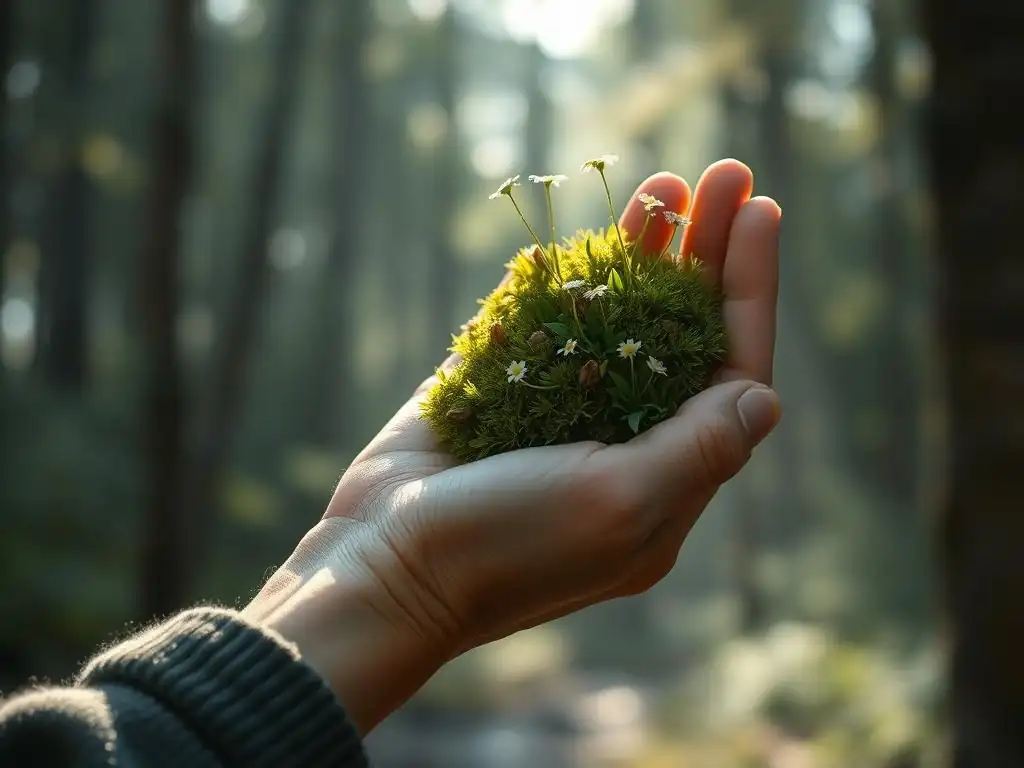
Mindful Observation and Sensory Engagement
Cultivating a deeper connection with nature begins with mindful observation and engaging all our senses. This involves slowing down and paying deliberate attention to the natural world around us, whether in a bustling city park or a remote forest. Instead of rushing through a green space, take a moment to pause and truly notice. What colors do you see in the leaves or flowers? What sounds do you hear – birdsong, rustling wind, insects buzzing? What scents are present – damp earth, pine needles, blooming flowers?
Engaging the sense of touch can be grounding; feel the texture of bark, the coolness of a stone, or the softness of moss. This practice, often incorporated into mindful walking or "forest bathing," shifts our focus from internal worries to external sensory input, anchoring us in the present moment. Regularly practicing mindful observation cultivates appreciation and a deeper connection, strengthening how nature gratitude benefits mental health by enhancing presence and sensory awareness.
Nature Photography and Artistic Expression
Nature photography and other forms of artistic expression inspired by nature offer powerful ways to deepen connection and appreciation. Focusing a camera lens on a tiny insect, the intricate pattern of a leaf, or the dramatic light filtering through trees requires close observation and attention to detail. This process encourages us to see the beauty and complexity of the natural world in new ways, fostering a sense of wonder and gratitude.
Painting, drawing, writing poetry, or even simply sketching in a nature journal can also serve as meditative practices that enhance connection. These activities encourage reflection on the experience of being in nature and allow for personal interpretation and expression of its impact. The creative process itself is often therapeutic, and when combined with the restorative power of nature, it offers a unique path to improved mental wellbeing and a deeper appreciation for the environment.
Outdoor Activities and Recreation
Engaging in outdoor activities and recreation is perhaps the most direct way to connect with nature. Simple activities like hiking, cycling, running, or even just picnicking in a park provide physical exercise alongside nature exposure, offering dual benefits for physical and mental health. The rhythmic nature of walking or cycling can be meditative, while the challenges of hiking or climbing can build resilience and self-efficacy.
More specialized activities like bird watching, fishing, kayaking, or camping immerse individuals more deeply in specific natural environments and ecosystems. These pursuits often require patience, observation skills, and a willingness to be present in the moment, all of which contribute to improved focus and reduced stress. Participating in these activities regularly reinforces the connection to nature and provides consistent opportunities to experience its positive effects on mental health.
Volunteering for Environmental Conservation
Volunteering for environmental conservation offers a way to give back to the natural world while simultaneously strengthening one's connection to it. Activities such as planting trees, cleaning up beaches or parks, restoring habitats, or monitoring wildlife populations provide tangible ways to contribute to the health of local ecosystems. This work fosters a sense of purpose and responsibility towards the environment.
Engaging in conservation efforts often involves working alongside others, providing social connection and a shared sense of mission. It allows individuals to see the direct impact of their efforts, fostering a deeper appreciation for the intricate balance of nature and the importance of preserving it. This active participation cultivates a profound sense of gratitude for the natural world's generosity and reinforces the understanding of how interconnected human and environmental health truly are.
Integrating Nature into Daily Life
Creating Green Spaces at Home and Work
Even in urban settings, integrating nature into daily life is possible by creating green spaces at home and work. This can be as simple as adding houseplants to living areas and offices. Studies have shown that indoor plants can improve air quality, reduce stress, and increase productivity and mood. Caring for plants can also be a meditative practice, providing a small daily connection to the natural world.
For those with access to outdoor space, creating a small garden, adding potted plants to a balcony, or even just placing a bird feeder outside a window can provide regular opportunities to observe and interact with nature. At work, advocating for green spaces within the office building or nearby outdoor areas can provide employees with much-needed breaks and exposure to nature's restorative effects throughout the workday.
Spending Time in Parks and Natural Areas
Making a conscious effort to regularly spend time in local parks, reserves, or other natural areas is a vital practice for integrating nature into daily life. This doesn't require embarking on wilderness expeditions; even a short visit to a nearby green space can offer significant benefits. Schedule regular walks during lunch breaks, plan weekend outings to state parks, or simply find a bench to sit and observe the surroundings.
Consistency is key. Aim for frequent, even brief, exposures rather than infrequent, long trips. A daily 15-minute walk in a park can be more beneficial than a single long hike once a month. These regular interactions reinforce the connection and provide consistent opportunities for stress reduction and mood improvement, contributing significantly to how nature gratitude benefits mental health over time.
Incorporating Natural Elements into Interior Design
Beyond live plants, incorporating natural elements into interior design can also bring the calming influence of nature indoors. Using natural materials like wood, stone, bamboo, and cotton in furniture and decor can create a more organic and soothing atmosphere. Incorporating natural shapes and patterns, or displaying natural objects like shells, rocks, or dried flowers, can also evoke feelings of being connected to the outdoors.
Even artwork depicting natural landscapes or abstract patterns found in nature can have a positive impact on mood and stress levels. The goal is to create spaces that feel more aligned with the natural world, reducing the harshness often associated with purely artificial environments. This subtle integration helps maintain a connection to nature even when indoors, supporting mental wellbeing throughout the day.
Practicing Sustainable Living
Practicing sustainable living is another way to integrate a connection with nature into daily life, albeit indirectly. Making conscious choices about consumption, waste reduction, energy use, and transportation that minimize environmental impact fosters a deeper appreciation for the resources nature provides and the delicate balance of ecosystems. This awareness cultivates a sense of responsibility and gratitude towards the planet.
Simple actions like recycling, conserving water, choosing sustainable products, or supporting local farmers markets connect us to the cycles of production and consumption in a way that feels more aligned with natural processes. Living sustainably reinforces the understanding that our wellbeing is intrinsically linked to the health of the environment, deepening our connection and fostering a continuous sense of gratitude for the natural world's support.
Overcoming Barriers to Nature Access
Addressing Urbanization and Limited Green Spaces
Urbanization presents a significant barrier to nature access for many people, as concrete landscapes often replace natural green spaces. Addressing this requires intentional urban planning and development that prioritizes the creation and preservation of parks, community gardens, urban forests, and green roofs. Advocacy for policies that mandate green infrastructure in new developments is crucial.
Efforts should also focus on improving existing green spaces within cities, making them more accessible, safe, and inviting for residents. This might involve improving pathways, adding seating, enhancing biodiversity, and ensuring regular maintenance. Increasing the density of green spaces within urban areas directly combats the isolation from nature that many city dwellers experience, providing crucial opportunities for connection and mental restoration.
Promoting Equitable Access to Nature for All
Access to quality green spaces is often inequitable, with lower-income neighborhoods and communities of color frequently having fewer and less well-maintained parks. Promoting equitable access is essential to ensure that everyone can benefit from nature's positive impacts on mental health. This involves investing in green infrastructure in underserved areas and addressing systemic barriers that limit access.
Initiatives might include improving public transportation routes to parks and natural areas, providing free or low-cost nature programs, and ensuring that parks are safe and welcoming for all community members. Equitable access recognizes that the benefits of nature gratitude for mental health should not be limited by socioeconomic status or geographic location, working towards a future where all individuals have the opportunity to connect with the natural world.
Utilizing Technology to Connect with Nature Remotely
While direct physical interaction is most beneficial, technology can play a supplementary role in connecting with nature, particularly for those with limited physical access or living in nature-deprived areas. High-quality nature documentaries, live webcams of natural environments (like bird feeders or national parks), and virtual reality experiences simulating nature can provide visual and auditory stimuli that evoke some of the positive feelings associated with being outdoors.
Nature-themed apps can also encourage observation and learning, such as bird identification guides, plant recognition tools, or apps tracking local flora and fauna. While not a replacement for real-world experience, these tools can help maintain a connection, inspire interest, and provide a sense of nature proximity when physical access is challenging, reminding us of the natural world's presence and fostering appreciation.
Advocating for Environmental Protection
Advocating for environmental protection is a powerful way to overcome barriers to nature access by preserving the natural spaces that exist and promoting the health of ecosystems. This involves supporting environmental organizations, contacting elected officials about conservation issues, participating in local clean-up efforts, and educating others about the importance of biodiversity and habitat preservation.
Protecting the environment ensures that future generations will also have access to the natural world and its myriad benefits for mental health. It shifts the perspective from simply using nature to actively stewarding it, deepening the connection and fostering a profound sense of gratitude for the natural world's ability to sustain life and support wellbeing. Advocacy is a form of active connection and care.
Nature-Based Therapies and Interventions
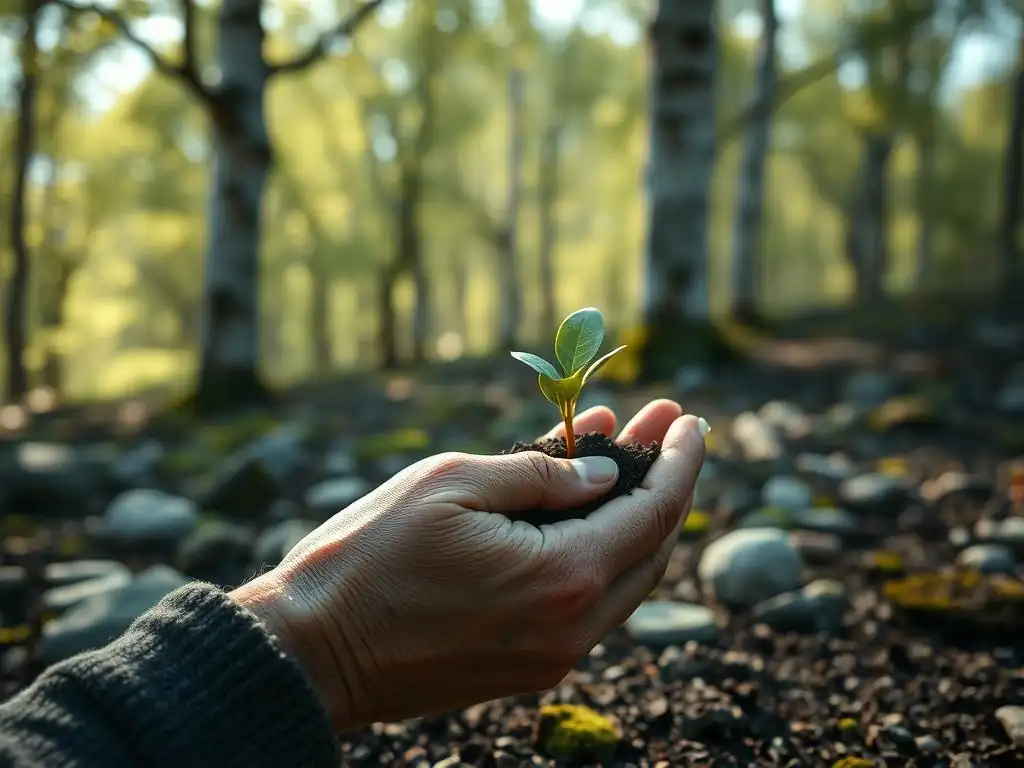
Ecotherapy and Wilderness Therapy Programs
Ecotherapy, also known as green therapy or nature therapy, is a broad term for therapeutic interventions that involve spending time in nature. These programs leverage the restorative power of natural environments to support mental health treatment. Activities can range from guided nature walks and gardening to more intensive wilderness therapy programs that involve multi-day trips in remote natural settings.
Wilderness therapy, in particular, is often used for adolescents and young adults struggling with behavioral issues, substance abuse, or mental health challenges. The challenges of navigating the wilderness, working collaboratively with a group, and disconnecting from urban stressors provide unique therapeutic opportunities for building resilience, self-reliance, and problem-solving skills. These structured approaches demonstrate the direct application of nature's benefits for significant mental health improvement.
Horticultural Therapy and Gardening
Horticultural therapy utilizes gardening and plant-related activities to promote mental and physical wellbeing. This form of therapy is used in various settings, including hospitals, rehabilitation centers, schools, and community centers, for individuals of all ages and abilities. The act of caring for plants provides a sense of responsibility and purpose, and observing growth cycles can be deeply rewarding and meditative.
Engaging with soil and plants has also been linked to physiological benefits, including exposure to beneficial soil microbes ( Mycobacterium vaccae) that research suggests may act as a natural antidepressant. The physical activity involved in gardening, the sensory engagement with textures and scents, and the satisfaction of nurturing life contribute significantly to stress reduction, mood improvement, and cognitive function. This hands-on approach highlights how direct interaction with the earth fosters healing.
Animal-Assisted Therapy in Natural Settings
Animal-assisted therapy (AAT) involves the use of trained animals, such as dogs, horses, or even farm animals, to facilitate therapeutic goals. When combined with natural settings, this approach can amplify the benefits. For instance, equine therapy conducted in a natural environment like a pasture or trail combines the therapeutic bond with horses with the calming and grounding effects of being outdoors.
Interactions with animals have been shown to reduce cortisol levels, lower blood pressure, and increase the release of endorphins, the body's natural mood boosters. When these interactions occur in a natural setting, the combined effect can be particularly powerful for individuals dealing with trauma, anxiety, or social isolation. Caring for or simply being present with animals in nature fosters empathy, connection, and a sense of peace, further demonstrating how nature gratitude benefits mental health through diverse pathways.
Case Studies: Real-World Examples of Nature's Healing Effects
Urban Park Revitalization and Community Wellbeing
Numerous case studies demonstrate the positive impact of urban park revitalization on community mental wellbeing. For example, a multi-year study on park improvements in Philadelphia found that greening vacant lots and improving parks in low-income neighborhoods led to significant reductions in feelings of depression and stress among residents living nearby. Specifically, residents near greened vacant lots experienced a nearly 63% decrease in feelings of depression and a 51% decrease in feelings of worthlessness compared to those living near ungreened lots.
These projects not only provide access to green space but also create safer and more aesthetically pleasing environments that encourage outdoor activity and social interaction. The presence of well-maintained parks can foster a sense of community pride and belonging, directly combating isolation and improving overall neighborhood mental health. This illustrates how investing in urban nature is a direct investment in human wellbeing, reinforcing the concept that nature gratitude benefits mental health on a community scale.
Nature-Based Interventions for Veterans with PTSD
Nature-based interventions have shown promising results in supporting veterans coping with Post-Traumatic Stress Disorder (PTSD). Programs that involve activities like wilderness excursions, fly fishing, or adaptive sports in natural settings provide veterans with opportunities for physical activity, skill-building, and camaraderie in a calming environment. One program reported that veterans participating in multi-day wilderness trips experienced significant reductions in PTSD symptoms, anxiety, and depression, with improvements lasting for several months post-program.
These interventions offer a break from clinical settings and urban triggers, allowing veterans to reconnect with themselves and others in a supportive, non-judgmental space. The challenges and restorative aspects of nature help build coping mechanisms, reduce hypervigilance, and foster a sense of peace and perspective. The quiet and expansive nature of the outdoors can be particularly healing for those processing traumatic experiences, providing a powerful example of nature's therapeutic potential for severe mental health conditions.
Conclusion: Embracing Nature for a Healthier and More Balanced Life
The evidence is clear: fostering a connection with nature is not merely a pleasant pastime but a vital component of comprehensive mental wellbeing. From reducing stress hormones and alleviating anxiety to enhancing cognitive function and cultivating a sense of awe, the benefits of nature for mental health are profound and multifaceted. Integrating nature into our lives, whether through mindful walks, gardening, or simply adding plants to our homes, offers accessible pathways to improved emotional regulation and resilience.
Embracing nature also encourages gratitude – an appreciation for the beauty, complexity, and restorative power of the natural world that sustains us. This gratitude deepens our connection and motivates us to protect the environments that give us so much. As we navigate the challenges of modern life, intentionally seeking out and connecting with the earth provides a grounding force and a source of healing. By recognizing how nature gratitude benefits mental health and actively incorporating nature into our daily routines, we can cultivate a more balanced, peaceful, and healthier existence.
Frequently Asked Questions
How does connecting with nature improve my mental health?
Connecting with nature provides a sense of calmness and reduces stress. This is achieved through sensory experiences and a reduction in cortisol levels, improving overall mental well-being.
What is "nature gratitude" and how does it relate to mental health?
"Nature gratitude" is appreciating the beauty and resources nature provides. Practicing this gratitude cultivates positive emotions and strengthens our connection to the earth, fostering improved mental health.
What are some practical ways to cultivate gratitude in nature?
Simple practices include mindful walks, observing natural details, journaling about your experiences in nature, and expressing thanks for the benefits nature provides.
What are the specific "Nature Gratitude Benefits Mental Health?"
Studies show that gratitude towards nature is linked to reduced anxiety and depression, increased feelings of happiness, and a stronger sense of purpose, leading to improved psychological well-being.
Can even small amounts of time in nature make a difference?
Yes! Even short periods of time spent in natural environments, like a brief walk in a park, can significantly lower stress and improve mood, showcasing the immediate positive impact on mental health.
Final Reflection: Cultivating Gratitude, Harvesting Wellbeing
The profound connection between nature and mental wellbeing is no longer a whispered secret; it's a burgeoning field of research confirming what many have intuitively known for centuries: spending time in nature significantly boosts our mental health. This article has explored various ways we can cultivate gratitude for the natural world, from mindful walks in the woods to simply appreciating the beauty of a single flower. The benefits, as we've seen, are far-reaching and deeply impactful.
The influence of nature on our emotional landscape is undeniable. It's a constant, subtle presence that shapes our moods, our perspectives, and our very sense of self. The simple act of noticing the intricate details of the natural world—the delicate dance of a butterfly, the rustling of leaves in the wind, the warmth of the sun on your skin—can shift our focus from internal anxieties to the present moment, fostering a sense of peace and gratitude. Look deep into nature, and then you will understand everything better.
- Albert Einstein. This quote perfectly encapsulates the power of nature to provide clarity and perspective, allowing us to appreciate the interconnectedness of all things.
Now, consider your own relationship with nature. What small steps can you take today to deepen your connection with the natural world? Perhaps it's a short walk in a nearby park, tending to a houseplant, or simply taking a few moments to appreciate the sky. Embrace the opportunity to cultivate gratitude for the earth and its gifts; nurture this connection, and watch as your mental wellbeing flourishes. Let the beauty of nature be your sanctuary, your source of strength, and your constant reminder of the incredible world we inhabit.
Unleash Your Inner Nature: Cultivate Gratitude & Wellbeing
Thanks for taking the time to explore the powerful connection between nature and gratitude! We hope you've gained some valuable insights into nurturing your wellbeing through mindful engagement with the earth. Now, let's put that knowledge into action:
- Start a nature gratitude journal: Dedicate just five minutes each day to writing down three things you're grateful for from your natural surroundings. This simple practice can profoundly shift your perspective.
- Share your nature-inspired joy: Tell a friend or family member about a recent experience that connected you with nature and the feeling of gratitude it evoked. Spread the joy!
- Challenge yourself to a "nature detox": Plan a short, screen-free walk or hike in a natural space this week. Notice the details, the sounds, the smells – truly immerse yourself.
What small step will you take today to cultivate more gratitude in your life through nature's embrace?