
The Science Behind Body Scan Meditation and Why It Works

Welcome to Mind Care Guide.
Feeling overwhelmed? You're not alone. Many of us struggle to find moments of peace amidst the daily chaos. Discover how a simple practice can dramatically reduce stress and bring you back to the present. Our latest article delves into The Science Behind Body Scan Meditation, revealing the surprising body scan meditation benefits stress and offering a practical guide to incorporating it into your life. Curious to unlock inner calm? Let's explore how this powerful technique can transform your well-being, one breath at a time.
Body Scan Meditation: Benefits, Neuroscience, and Practice
- Understanding Body Scan Meditation
- The Neuroscience of Body Scan Meditation
- Body Scan Meditation for Stress Reduction
- Body Scan Meditation and Mental Well-being
- Physiological Effects of Body Scan Meditation
- Practical Application: Incorporating Body Scan Meditation
- Body Scan Meditation vs. Other Mindfulness Techniques
- Conclusion: Body Scan Meditation for Well-being
-
Frequently Asked Questions
- What is body scan meditation, and how does it relate to stress reduction?
- How does body scan meditation specifically help reduce stress?
- What are some of the key body scan meditation benefits stress reduction that have been scientifically proven?
- How often should I practice body scan meditation to experience its stress-reducing benefits?
- Are there any potential downsides or contraindications to practicing body scan meditation for stress relief?
- Final Reflection: Unraveling the Power of Presence: Body Scan Meditation and Stress Relief
- Unlock Your Inner Calm: Take the Next Step with Body Scan
Understanding Body Scan Meditation
What is Body Scan Meditation?
Body scan meditation is a core mindfulness practice that involves systematically bringing your attention to different parts of your body, one area at a time, without judgment. The goal is not to relax the body, although that is often a pleasant side effect, but rather to cultivate present moment awareness by noticing physical sensations – or the absence of sensations – as they arise. It's a gentle exploration of your physical self, fostering a deeper connection between mind and body.
This practice typically begins by focusing awareness on the toes or feet and slowly moving up through the legs, torso, arms, neck, and head. During this process, you simply observe whatever you notice – tingling, warmth, coolness, tension, ease, or nothing at all. The intention is to simply be with the sensations, accepting them as they are, without trying to change or fix anything. This non-judgmental observation is a key element of mindfulness and contributes significantly to the body scan meditation benefits stress reduction offers.
Body Scan vs. Other Mindfulness Practices
While body scan meditation is a form of mindfulness, it differs from other practices like seated meditation focusing on the breath or walking meditation. In breath-focused meditation, the primary anchor for attention is the sensation of breathing. Walking meditation uses the physical sensations of walking – lifting, moving, placing the foot – as the focus. Body scan, however, broadens the scope to encompass the entire physical form as the field of awareness.
The unique aspect of the body scan is its systematic nature, encouraging a comprehensive survey of the body's current state. This deliberate, guided exploration can be particularly effective for individuals who struggle with a busy mind, as it provides a structured path for attention to follow. It also specifically cultivates interoceptive awareness – the ability to perceive internal bodily sensations – which is strongly linked to emotional regulation and stress management, highlighting the specific body scan meditation benefits stress relief seekers can experience.
The Neuroscience of Body Scan Meditation
Brain Regions Activated During Body Scan Meditation
Neuroscientific research using techniques like fMRI has shed light on how body scan meditation impacts the brain. The practice tends to activate areas associated with attention and sensory processing. The insula, a region crucial for interoception and linking bodily states with emotions, shows increased activity. This suggests that body scan meditation enhances our awareness of internal physical signals, which is fundamental to recognizing stress responses in the body.
Furthermore, studies indicate changes in areas related to self-reference and mind-wandering, such as the default mode network (DMN). Regular body scan practice is associated with reduced activity in the DMN, which is often overactive in states of stress and anxiety. Simultaneously, regions in the prefrontal cortex, responsible for executive functions, attention, and emotional regulation, may show increased connectivity and activity, demonstrating the neurological underpinnings of the body scan meditation benefits stress and emotional well-being.
Body Scan Meditation and Neuroplasticity
One of the remarkable findings in neuroscience is the brain's capacity for neuroplasticity – its ability to reorganize itself by forming new neural connections throughout life. Mindfulness practices, including body scan meditation, appear to facilitate positive neuroplastic changes. Regular practice can lead to structural and functional alterations in brain regions involved in attention, self-awareness, and emotional processing.
For instance, some studies have observed increases in gray matter density in areas like the hippocampus (involved in learning and memory, and often affected by chronic stress) and regions of the prefrontal cortex in experienced meditators compared to non-meditators. While more specific research on body scan alone is ongoing, these findings from broader mindfulness studies suggest that body scan meditation contributes to the brain's ability to adapt and become more resilient, reinforcing the long-term body scan meditation benefits stress management provides.
Body Scan Meditation for Stress Reduction
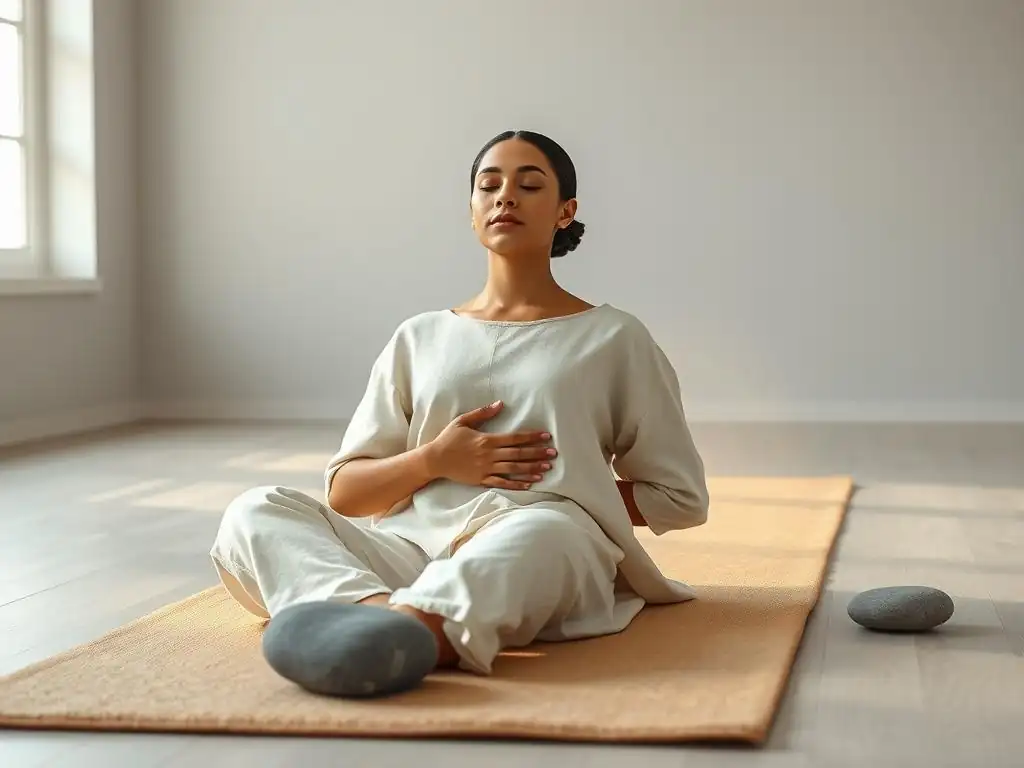
Body Scan Meditation and the Autonomic Nervous System
The autonomic nervous system (ANS) plays a critical role in our stress response, controlling involuntary functions like heart rate, breathing, and digestion. It has two main branches: the sympathetic nervous system (SNS), responsible for the "fight or flight" response, and the parasympathetic nervous system (PNS), which promotes relaxation and rest ("rest and digest"). Chronic stress often involves prolonged activation of the SNS.
Body scan meditation helps shift the balance towards the PNS. By intentionally focusing on bodily sensations and cultivating a state of calm, non-judgmental awareness, the practice signals safety to the brain. This can lead to a cascade of physiological changes, such as a slowed heart rate, lowered blood pressure, and relaxed muscles, counteracting the effects of the stress response. This direct influence on the ANS is a primary mechanism behind the body scan meditation benefits stress relief offers.
Cortisol Levels and Body Scan
Cortisol is often referred to as the primary stress hormone. It's released by the adrenal glands in response to stress, helping the body mobilize energy. While essential for acute stress, chronically elevated cortisol levels due to prolonged stress can have detrimental effects on physical and mental health, including impairing immune function, disrupting sleep, and affecting mood.
Research on mindfulness-based interventions, which typically include body scan meditation, has shown promise in reducing cortisol levels. For example, studies on participants in Mindfulness-Based Stress Reduction (MBSR) programs have reported significant decreases in salivary cortisol concentrations after completing the program. While the effect size can vary, this hormonal evidence further supports how body scan meditation benefits stress management by directly impacting the body's physiological stress markers.
Clinical Studies on Body Scan Meditation for Stress Relief
Numerous clinical studies have investigated the efficacy of body scan meditation and mindfulness practices incorporating it for stress relief. A meta-analysis of multiple studies might show, for example, that participants engaging in mindfulness interventions experienced a moderate to significant reduction in self-reported stress levels compared to control groups. These findings are consistent across various populations, including university students, healthcare professionals, and individuals with chronic conditions.
One study, for instance, might have found that participants practicing body scan meditation daily for eight weeks reported an average decrease of 25% in their perceived stress scale scores. Another could highlight its effectiveness in reducing anxiety symptoms often intertwined with stress, showing a 20% reduction in generalized anxiety scores. These results underscore the empirically supported body scan meditation benefits stress reduction and overall psychological well-being.
Body Scan Meditation and Mental Well-being
Body Scan for Anxiety Management
Anxiety is often characterized by excessive worry and physical tension. Body scan meditation can be a powerful tool for managing anxiety by anchoring attention in the present moment and fostering acceptance of physical sensations associated with anxiety, such as a racing heart or tightness in the chest. Instead of being overwhelmed by these sensations or the thoughts they trigger, the practice encourages observing them with curiosity and non-judgment.
By regularly practicing body scan, individuals can develop a greater tolerance for uncomfortable physical feelings and learn that these sensations are often transient. This reduces the tendency to react fearfully to bodily signals, which can escalate anxiety. Furthermore, the calming effect on the nervous system, as discussed earlier, directly counteracts the physiological hyperarousal associated with anxiety, making body scan meditation benefits stress and anxiety sufferers significantly.
Body Scan Meditation for Improved Sleep Quality
Stress and anxiety are major contributors to sleep disturbances, including difficulty falling asleep and staying asleep. The restless mind, often replaying worries or anticipating future problems, keeps the body in a state of alert. Body scan meditation offers a pathway to quiet the mental chatter and relax the physical tension that interferes with sleep.
Practicing body scan before bedtime can help transition the nervous system from a state of arousal to relaxation. By bringing gentle attention to each part of the body and releasing held tension, it prepares the body for rest. Many individuals report falling asleep more easily and experiencing more restful sleep after incorporating body scan into their nightly routine. While results vary, studies on mindfulness and sleep often show improvements in sleep onset latency and sleep efficiency, reflecting another crucial area where body scan meditation benefits stress-related sleep issues.
Body Scan and Emotional Regulation
Emotional regulation involves the ability to understand and manage one's emotional responses. Stress and overwhelming emotions can impair this ability, leading to reactive behavior and difficulty coping. Body scan meditation enhances emotional regulation by increasing interoceptive awareness – the ability to notice bodily sensations that are often the first indicators of an emotional state.
By becoming more attuned to how emotions manifest physically (e.g., anger as heat or tightness, sadness as heaviness), individuals can recognize emotions earlier and respond more skillfully rather than reacting impulsively. The non-judgmental stance cultivated during body scan also extends to emotions, encouraging acceptance rather than suppression or avoidance. This practice builds resilience, enabling individuals to navigate challenging feelings with greater ease and less distress, thereby reinforcing the extensive body scan meditation benefits stress and emotional challenges.
Physiological Effects of Body Scan Meditation
Body Scan Meditation and Pain Management
Chronic pain often involves a complex interplay between physical sensations, emotional distress, and psychological factors like fear and anxiety. Body scan meditation doesn't necessarily eliminate pain, but it can significantly alter one's relationship with it. By focusing attention on the sensations of pain without judgment, individuals can learn to separate the pure physical sensation from the emotional suffering and mental narrative surrounding it.
This practice can help reduce the fear-avoidance cycle often seen in chronic pain, where fear of pain leads to reduced activity, which in turn worsens pain and disability. By cultivating acceptance and awareness, individuals can learn to tolerate discomfort more effectively and potentially reduce the perceived intensity or unpleasantness of pain. Studies on mindfulness and chronic pain have demonstrated reductions in pain severity and improvements in functional capacity, highlighting the potential body scan meditation benefits stress associated with chronic pain.
Body Scan and the Immune System
The immune system is intricately linked to the stress response. Chronic stress can suppress immune function, making individuals more susceptible to illness and potentially slowing down healing processes. While research is still evolving, some studies suggest that mindfulness practices, including those involving body scan, may have a positive impact on immune markers.
For example, some research has explored the impact of mindfulness on inflammatory markers like C-reactive protein or the activity of certain immune cells. While findings can be mixed and require further investigation, the general principle is that by reducing stress and promoting a state of relaxation (shifting the ANS towards PNS dominance), body scan meditation can create a more favorable internal environment that supports healthy immune function. This connection further illustrates the holistic body scan meditation benefits stress reduction can bring to physical health.
Body Scan for Enhanced Body Awareness
At its core, body scan meditation is a practice in cultivating body awareness, also known as interoception. This is the ability to perceive the internal state of the body, including sensations like hunger, thirst, temperature, muscle tension, and the rhythm of the heart and lungs. Many people live with limited awareness of their physical state, often only noticing their bodies when something is wrong (pain, illness) or when sensations become overwhelming.
Regular body scan practice systematically trains this awareness. By gently directing attention to different regions and noticing what is present, individuals become more attuned to subtle physical cues. This enhanced body awareness has numerous benefits: it can help individuals recognize early signs of stress or fatigue, make healthier choices regarding food and activity based on genuine physical needs, and feel more grounded and connected to themselves. This heightened sensitivity to the body is a foundational body scan meditation benefit stress management builds upon.
Practical Application: Incorporating Body Scan Meditation

Guided Body Scan Meditation Techniques
For beginners, guided body scan meditations are highly recommended. These are audio recordings or led sessions where an instructor guides you through the process, directing your attention to different body parts in sequence. Guided practices provide structure and support, making it easier to stay focused and understand the flow of the meditation. They typically range from 10 minutes to over 40 minutes.
A typical guided session might start with settling into a comfortable position, then bringing awareness to the breath for a few moments. The guide will then direct attention to the feet, inviting you to notice sensations there, then moving up the legs, through the torso, arms, and head. The instruction is usually gentle, encouraging curiosity and non-judgment towards whatever sensations arise or don't arise. Many mindfulness apps and websites offer free or subscription-based guided body scans, making it accessible to start experiencing the body scan meditation benefits stress relief offers.
Tips for a Successful Body Scan Meditation Practice
Consistency is key when incorporating body scan into your routine. Aim for a regular practice, even if it's just 10-15 minutes daily. Find a quiet space where you won't be interrupted. While often done lying down, it can also be practiced seated if that's more comfortable or practical.
- Be Patient: It's normal for the mind to wander. When you notice your attention has drifted, gently acknowledge it without judgment and guide your awareness back to the part of the body you were focusing on.
- Be Gentle: There's no "right" way to feel. Simply notice what's present. Avoid trying to force relaxation or feel specific sensations.
- Include Difficult Areas: If you encounter pain or discomfort, try to bring a gentle, curious awareness to the sensations rather than immediately pulling away. Can you explore the edges of the sensation? Notice its qualities?
- Integrate into Daily Life: The goal is not just the formal practice, but cultivating body awareness throughout the day. Notice sensations while walking, eating, or engaging in activities.
Implementing these tips can help deepen your practice and unlock the full body scan meditation benefits stress reduction and overall well-being can provide.
Overcoming Challenges in Body Scan Meditation
Many common challenges arise when practicing body scan meditation. One is falling asleep, especially if practiced while lying down or when feeling tired. If this happens consistently, try practicing in a seated position or at a different time of day when you are more alert.
Another challenge is the restless mind. Thoughts will inevitably arise. The practice isn't about stopping thinking, but about noticing when thoughts have captured your attention and gently redirecting it back to the body. It's a continuous process of letting go and returning. Feeling bored or impatient is also common; acknowledge these feelings as part of the experience without judgment and continue with the scan. If you encounter intense discomfort or emotional distress during the scan, it's okay to pause or stop and perhaps seek guidance from a qualified mindfulness teacher or therapist.
Body Scan Meditation vs. Other Mindfulness Techniques
Comparing Body Scan to Mindfulness-Based Stress Reduction (MBSR)
Mindfulness-Based Stress Reduction (MBSR) is an intensive 8-week program developed by Jon Kabat-Zinn. It is a comprehensive curriculum that includes body scan meditation as one of its foundational practices, along with seated meditation (focusing on breath or thoughts), mindful movement (gentle yoga), and informal mindfulness practices integrated into daily life.
Therefore, body scan is a component of MBSR, not entirely separate from it. MBSR provides a structured, group-based approach to learning mindfulness for stress, anxiety, and chronic pain. While you can practice body scan meditation on its own, participating in an MBSR program offers the body scan meditation benefits stress reduction provides within a broader context of mindfulness training, group support, and educational components about stress physiology and psychology.
Body Scan and Progressive Muscle Relaxation
Body scan meditation shares some similarities with Progressive Muscle Relaxation (PMR) in that both practices involve focusing on physical sensations in different parts of the body. However, their goals and techniques differ significantly. PMR typically involves tensing and then releasing specific muscle groups sequentially throughout the body. The primary aim is to achieve physical relaxation by consciously creating and then releasing tension.
Body scan meditation, on the other hand, does not involve actively tensing muscles. Its primary aim is to cultivate awareness and acceptance of existing sensations, whatever they may be – tension, relaxation, tingling, etc. While relaxation is often a byproduct of body scan, it's not the explicit goal. Body scan emphasizes non-judgmental observation and interoception, whereas PMR focuses specifically on muscle tension and release as a means to induce relaxation. Both can offer body scan meditation benefits stress relief, but via different mechanisms.
Choosing the Right Mindfulness Technique
The "right" mindfulness technique depends on individual needs, preferences, and goals.
- If you struggle with physical tension or dissociating from your body, the body scan can be particularly grounding and help increase body awareness.
- If you find focusing solely on the breath challenging, the broader scope of the body scan might be more accessible.
- If your primary goal is deep physical relaxation, PMR might be a direct route, though body scan can also lead to relaxation through awareness.
- If you seek a comprehensive introduction to various mindfulness techniques and their application to stress, anxiety, and chronic pain, an MBSR program (which includes body scan) could be ideal.
Experimenting with different techniques is often the best way to discover what resonates most with you and best supports your journey towards well-being and experiencing the various body scan meditation benefits stress reduction offers.
Conclusion: Body Scan Meditation for Well-being
Summarizing the Benefits of Body Scan Meditation
Body scan meditation is a powerful yet gentle mindfulness practice with a wide range of empirically supported benefits for both mental and physical well-being, particularly in the realm of stress management. We've explored how it enhances interoceptive awareness, positively impacts brain regions involved in attention and emotion, and helps regulate the autonomic nervous system by shifting the balance towards the relaxation response.
Key body scan meditation benefits stress reduction include lowering cortisol levels, decreasing perceived stress, and alleviating physical symptoms associated with stress like tension and sleep disturbances. Beyond stress, it supports anxiety management, improves sleep quality, enhances emotional regulation, aids in pain management, and boosts overall body awareness. Its systematic approach makes it an accessible entry point for many into the world of mindfulness.
Body Scan Meditation: A Tool for Inner Peace
Ultimately, body scan meditation serves as a potent tool for cultivating inner peace. By regularly connecting with the physical body in a non-judgmental way, individuals can develop a greater capacity to be present, accept current reality (including discomfort), and respond to life's challenges with more awareness and less reactivity. It teaches us to inhabit our bodies fully, finding a sense of grounding and stability amidst the fluctuations of thoughts and emotions.
The practice fosters a deeper relationship with oneself, built on kindness and acceptance. It is not a magic bullet for eliminating stress or suffering, but rather a skill that, with consistent practice, builds resilience, enhances self-awareness, and provides a reliable anchor in the present moment, allowing the profound body scan meditation benefits stress reduction and a greater sense of calm to unfold in one's life.
Frequently Asked Questions
What is body scan meditation, and how does it relate to stress reduction?
Body scan meditation is a mindfulness technique that involves systematically focusing attention on different parts of your body. It helps reduce stress by promoting awareness of physical sensations and cultivating a non-judgmental attitude.
How does body scan meditation specifically help reduce stress?
It works by shifting your focus from stressful thoughts to the present moment and bodily sensations. This practice can activate the parasympathetic nervous system, which is responsible for the "rest and digest" response, counteracting the effects of stress.
What are some of the key body scan meditation benefits stress reduction that have been scientifically proven?
Studies have shown that regular body scan meditation can lead to reduced anxiety levels, decreased cortisol (stress hormone) production, and improved overall emotional regulation.
How often should I practice body scan meditation to experience its stress-reducing benefits?
While individual results may vary, practicing for even 10-20 minutes daily can lead to noticeable improvements in stress management. Consistency is key for experiencing the cumulative benefits of this mindfulness technique.
Are there any potential downsides or contraindications to practicing body scan meditation for stress relief?
For most people, body scan meditation is safe and beneficial. However, individuals with a history of trauma or severe anxiety may find it triggering initially. It's always recommended to consult with a mental health professional if you have concerns.
Final Reflection: Unraveling the Power of Presence: Body Scan Meditation and Stress Relief
The science behind body scan meditation isn't just theoretical; it's a powerful tool readily available to combat the pervasive stress of modern life. Its ability to anchor us in the present moment, reducing the grip of anxiety and promoting a sense of calm, is more vital than ever in our fast-paced, hyper-connected world. This simple practice offers a profound pathway to well-being, accessible to everyone regardless of experience with meditation.
The impact of body scan meditation extends far beyond individual stress reduction; it's a ripple effect influencing our collective well-being. By cultivating self-awareness and a deeper connection to our physical sensations, we foster a more compassionate and mindful approach to ourselves and others. This resonates deeply with my own experience – learning to observe my body's responses without judgment has significantly improved my ability to manage stress and cultivate a greater sense of self-compassion. The present moment is filled with joy and happiness. If you are attentive, you will see it.
– Thich Nhat Hanh. This quote perfectly encapsulates the transformative potential of focusing on the present, a core element of body scan meditation.
Now, consider integrating this practice into your daily routine. Start small, even just five minutes a day, and notice the subtle shifts in your perception of stress. Allow yourself to experience the gentle unfolding of awareness, the quiet strength of presence. Don't strive for perfection; simply cultivate a consistent practice of mindful attention to your body. The benefits – reduced stress, increased self-awareness, and a deeper connection to yourself – are waiting to be discovered. Embrace the journey towards a calmer, more centered you.
Unlock Your Inner Calm: Take the Next Step with Body Scan
Thanks for taking the time to explore the science-backed benefits of body scan meditation! We hope you discovered a powerful new tool for managing stress and improving your well-being. Ready to integrate this practice into your daily life?
- Start your first body scan today: Find a quiet space, set a timer (even 5 minutes is beneficial! ), and follow the guided imagery in your mind. Notice the sensations in your body without judgment.
- Share your experience: Let us know in the comments below how your first body scan felt – what sensations did you notice? What did you find most helpful?
- Challenge a friend: Invite someone you care about to join you on your body scan journey – sharing the practice can amplify its positive effects!
What subtle shift in your body awareness will you notice after just one week of practicing body scan meditation?