
Mastering Fear of Storms: Coping with Astraphobia

Welcome to Mind Care Guide, a sanctuary for your mental well-being.
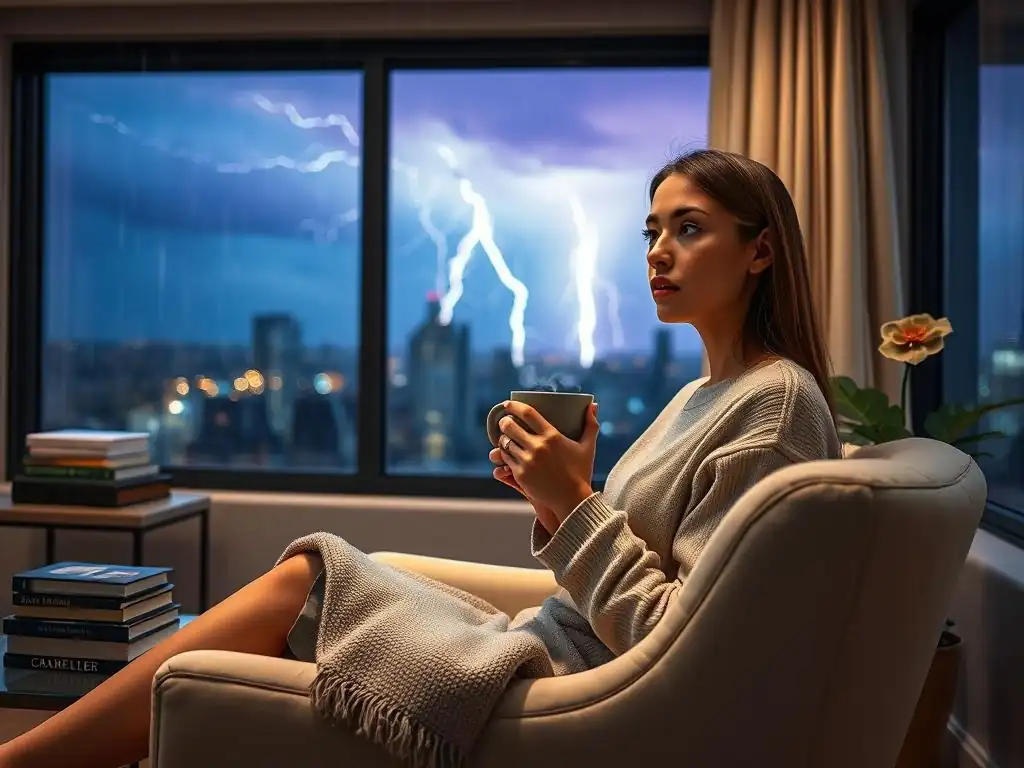
Are you one of the many who feel a knot of dread tightening with every rumble of thunder? You're not alone. Understanding and dealing with storm anxiety symptoms is the first step toward reclaiming your peace. Let's explore practical strategies and supportive resources to help you weather any storm, both literal and metaphorical. Curious to learn more about conquering astraphobia? Let's begin...
Mastering Fear of Storms: Coping with Astraphobia
- Understanding Astraphobia: The Fear of Storms
- Recognizing Storm Anxiety Symptoms: Identifying Astraphobia
- Dealing with Storm Anxiety Symptoms: Practical Coping Strategies
- Overcoming Astraphobia: Long-Term Treatment Options
- Creating a Safe Space During Storms: Practical Tips and Considerations
- Supporting Someone with Astraphobia: Helping Loved Ones Cope
- Astraphobia in Children: Addressing Fear of Storms in Kids
- Debunking Myths About Storms: Separating Fact from Fiction
- Living with Astraphobia: Building Resilience and Managing Anxiety
-
Frequently Asked Questions
- What are some common symptoms of storm anxiety, also known as astraphobia?
- How can I distract myself during a thunderstorm to reduce anxiety?
- What relaxation techniques are effective for managing storm anxiety?
- When should I consider seeking professional help for my storm anxiety?
- Are there any long-term strategies for overcoming astraphobia?
- Final Reflection: Weathering the Storm Within
- Conquer Your Storms: Take Control of Your Astraphobia Today!
Understanding Astraphobia: The Fear of Storms
What is Astraphobia? Defining the Fear of Thunder and Lightning
Astraphobia is a specific phobia characterized by an intense, irrational fear of thunder and lightning. Unlike a mild dislike or apprehension about bad weather, astraphobia involves significant distress and anxiety that can significantly impact a person's life. This fear is often disproportionate to the actual threat posed by a storm and can lead to avoidance behaviors that restrict daily activities, such as canceling plans, refusing to leave the house during potential storm forecasts, or even relocating to areas with less frequent storms.
The phobia is not limited to just seeing lightning or hearing thunder; it can be triggered by forecasts of storms, dark clouds, wind, or even news reports about severe weather. Individuals with astraphobia often anticipate storms with dread and may spend hours monitoring weather reports, feeling increasingly anxious as the possibility of a storm approaches. This constant state of hypervigilance can be emotionally and physically exhausting, making everyday life challenging even when no storm is present.
Differentiating Astraphobia from Normal Weather Apprehension
It's normal for many people to feel a degree of apprehension or caution during severe weather events like thunderstorms, especially if there's a risk of danger like lightning strikes, flooding, or high winds. This is a natural, adaptive response to potential threats. Normal weather apprehension typically involves taking reasonable precautions, such as staying indoors, avoiding open fields, or securing outdoor items, but it doesn't usually lead to overwhelming panic, avoidance of daily life, or persistent distress long before or after a storm.
Astraphobia, however, crosses the line from caution to phobia. The fear is excessive and persistent, causing significant impairment or distress. For someone with astraphobia, the mere possibility of a storm can trigger severe anxiety symptoms, including panic attacks. They might feel unsafe even when inside a sturdy building and may engage in extreme safety-seeking behaviors or avoidance that interfere with their ability to function normally. The key difference lies in the intensity, irrationality, and disruptive impact of the fear on a person's life when dealing with storm anxiety symptoms.
Prevalence of Astraphobia: Who is Affected?
Astraphobia is considered one of the more common specific phobias, although precise global statistics are challenging to pinpoint and can vary by region and study methodology. Estimates suggest that specific phobias, as a category, affect millions of people worldwide, with astraphobia being a notable subset. While it can affect individuals of any age, it is frequently observed in children. However, it's important to note that many cases in childhood may resolve naturally, while others persist into adulthood.
The phobia affects people across different demographics, though some research indicates a potentially higher prevalence in certain populations or linked to specific traumatic experiences related to storms. Regardless of age or background, the impact of astraphobia on daily life can be significant, affecting work, social activities, and overall well-being. Understanding its prevalence helps normalize the experience for those affected and highlights the importance of effective strategies for dealing with storm anxiety symptoms.
Recognizing Storm Anxiety Symptoms: Identifying Astraphobia
Physical Symptoms of Storm Anxiety: A Comprehensive List
Dealing with storm anxiety symptoms often involves a range of distressing physical manifestations, which are part of the body's 'fight or flight' response triggered by the perceived threat of a storm. These symptoms can occur when a storm is approaching, during the storm itself, or even when just thinking about a potential storm. A common symptom is a rapid heartbeat or palpitations, where the heart feels like it's pounding or racing. Shortness of breath or a feeling of being unable to catch one's breath is also frequently reported, sometimes accompanied by chest tightness or pain.
Other physical symptoms include trembling or shaking, sweating excessively, feeling dizzy or lightheaded, and experiencing nausea or stomach upset. Some individuals may feel a sudden urge to urinate or defecate. Muscle tension, particularly in the neck, shoulders, and jaw, is common. In severe cases, these physical symptoms can escalate into a full-blown panic attack, characterized by an intense surge of fear and discomfort, often peaking within minutes, with multiple physical and cognitive symptoms present.
Emotional and Psychological Symptoms of Astraphobia
Beyond the physical reactions, dealing with storm anxiety symptoms also involves significant emotional and psychological distress. The most prominent symptom is an overwhelming feeling of fear or dread specifically related to storms. This fear is often irrational and disproportionate to the actual danger. Individuals may experience intense feelings of helplessness or a lack of control over the situation, as storms are natural events that cannot be stopped or controlled.
Psychological symptoms can include difficulty concentrating, irritability, restlessness, and a constant feeling of being on edge or hypervigilant, especially when there's a chance of bad weather. There might be persistent worry about personal safety or the safety of loved ones during a storm. Some people experience derealization (feeling detached from their surroundings) or depersonalization (feeling detached from oneself). The emotional toll of constantly anticipating and fearing storms can lead to significant stress, fatigue, and even symptoms of depression over time.
Behavioral Responses to Storms: How Astraphobia Manifests
The intense fear and anxiety associated with astraphobia typically lead to specific behavioral responses aimed at avoiding or mitigating the perceived threat. Avoidance is a hallmark behavior; this can range from avoiding travel during storm season to refusing to go outside or leave a seemingly "safe" location (like home) when storms are forecast. Some individuals may compulsively check weather forecasts, radar maps, and news reports, sometimes multiple times an hour, in an attempt to gain a sense of control or predict when and where a storm will occur.
During a storm, common behaviors include hiding in what is perceived as the safest place in the house, such as a basement, closet, or interior room without windows. Individuals may cover windows, close blinds tightly, or even try to block out the sound of thunder with earplugs or loud music, despite this often increasing anxiety by reducing their ability to monitor the storm.
They might cling to loved ones, seek constant reassurance, or engage in ritualistic behaviors they believe will keep them safe. These behaviors, while providing temporary relief, reinforce the phobia in the long run by preventing the individual from learning that they can cope with the storm and that their fears are often unfounded.
Dealing with Storm Anxiety Symptoms: Practical Coping Strategies
Grounding Techniques for Managing Anxiety During Storms
Grounding techniques are powerful tools for dealing with storm anxiety symptoms by helping to bring your focus back to the present moment and disconnect from overwhelming fear. One simple yet effective technique is the "5-4-3-2-1" method. This involves identifying: 5 things you can see, 4 things you can touch, 3 things you can hear, 2 things you can smell, and 1 thing you can taste. Engaging your senses anchors you to your immediate environment, pulling your mind away from catastrophic thoughts about the storm.
Another grounding technique is focusing on your breath. Find a comfortable position and simply notice your breath entering and leaving your body. You can count your breaths (e.g., inhale for a count of four, hold for four, exhale for four) or repeat a calming phrase silently with each breath. Holding a comfort object, like a soft blanket or a smooth stone, can also be grounding, providing a tangible point of focus. These techniques don't make the storm disappear, but they help you manage your internal reaction by shifting attention away from the fear and onto concrete, present realities.
Incorporating relaxation exercises can significantly help in dealing with storm anxiety symptoms by activating the body's natural relaxation response, which is the opposite of the 'fight or flight' state. Progressive Muscle Relaxation (PMR) is a technique where you systematically tense and then release different muscle groups in your body. Starting from your toes and working your way up to your head, hold tension in a group of muscles for a few seconds (e.g., 5-10 seconds), then release completely, noticing the feeling of relaxation. Repeating this process helps reduce overall physical tension, a common symptom of anxiety.
Deep diaphragmatic breathing is another fundamental relaxation technique. Sit or lie down comfortably. Place one hand on your chest and the other on your abdomen. Inhale slowly and deeply through your nose, allowing your abdomen to rise (the hand on your chest should remain relatively still).
Exhale slowly through your mouth, letting your abdomen fall. Focus on making your exhales slightly longer than your inhales. Practicing this regularly, especially when feeling anxious, can calm your nervous system and reduce the intensity of storm-related fears. Guided imagery, where you visualize a peaceful scene, can also be a powerful tool for relaxation when dealing with storm anxiety symptoms.
Cognitive Restructuring: Challenging Negative Thoughts About Storms
Cognitive restructuring is a key strategy for dealing with storm anxiety symptoms by identifying and challenging the irrational or catastrophic thoughts that fuel the fear. Astraphobia is often driven by distorted thinking patterns, such as overestimating the danger of storms ("This storm will definitely cause severe damage to my house") or believing you cannot cope with the fear ("I can't handle the sound of thunder; I'll have a panic attack"). The first step is to become aware of these thoughts as they occur, perhaps by writing them down.
Once identified, challenge the evidence for these thoughts. Ask yourself: "What is the actual probability of my feared outcome happening? ", "What evidence do I have that this storm is exceptionally dangerous?
", or "Have I survived storms before, even if it was difficult?". Replace catastrophic thoughts with more realistic and balanced ones, such as "Storms happen, and most pass without serious incident," "I am safe inside my home," or "I can use my coping strategies to get through this feeling." Regularly practicing this thought challenging helps retrain your brain to react less fearfully to storms over time, making dealing with storm anxiety symptoms more manageable.
Overcoming Astraphobia: Long-Term Treatment Options

Therapy for Astraphobia: Cognitive Behavioral Therapy (CBT) and Exposure Therapy
For many individuals, professional therapy is the most effective long-term solution for overcoming astraphobia and effectively dealing with storm anxiety symptoms. Cognitive Behavioral Therapy (CBT) is a widely recommended approach. CBT helps individuals identify the negative thought patterns and beliefs that contribute to their fear and develop healthier, more realistic ways of thinking about storms. It also teaches practical coping skills, such as relaxation techniques and cognitive restructuring, to manage anxiety when it arises.
Exposure therapy, often used within a CBT framework, is particularly effective for specific phobias like astraphobia. This involves gradually and systematically exposing the individual to the feared object or situation in a safe and controlled environment. This can start with imagining a storm, looking at pictures or videos of storms, listening to recordings of thunder, and eventually, experiencing a real storm while using coping strategies.
The goal is to help the individual learn that they can tolerate the anxiety, that the feared outcome is unlikely, and that the storm is not as dangerous as perceived. Success rates for exposure therapy in treating specific phobias are high, often reported to be above 80% for significant improvement.
Medication for Severe Astraphobia: When is it Necessary?
Medication is not typically the first-line treatment for specific phobias like astraphobia but may be considered in certain circumstances, often in conjunction with therapy, especially when dealing with severe storm anxiety symptoms that significantly impair daily functioning or cause debilitating panic attacks. Medications can help manage the acute anxiety symptoms, making it easier for individuals to engage in therapeutic work like exposure therapy.
Short-term use of anti-anxiety medications (like benzodiazepines) might be prescribed for specific, anticipated situations, such as a known severe storm forecast, but they are generally not recommended for long-term use due to the risk of dependence. Antidepressants (like SSRIs or SNRIs) might be considered for more chronic or severe cases, or if the astraphobia co-occurs with other anxiety disorders or depression. A psychiatrist or medical doctor specializing in mental health can assess whether medication is appropriate and discuss the potential benefits and risks based on the individual's specific situation and the severity of their storm anxiety symptoms.
Finding a Therapist Specialized in Anxiety Disorders
Finding the right therapist is a crucial step in overcoming astraphobia. It's beneficial to seek a mental health professional who specializes in anxiety disorders and has experience treating specific phobias using evidence-based approaches like CBT and exposure therapy. You can start by asking your primary care physician for a referral. Many insurance companies provide directories of in-network mental health providers.
Online therapist directories, often filtered by specialization (e.g., anxiety, phobias) and therapeutic approach (e.g., CBT), are also valuable resources. When contacting potential therapists, don't hesitate to ask about their experience treating astraphobia or other specific phobias, their preferred treatment methods, and their approach to dealing with storm anxiety symptoms. Many therapists offer a brief introductory call to see if there's a good fit before scheduling a full session. Feeling comfortable and confident with your therapist is essential for successful treatment.
Creating a Safe Space During Storms: Practical Tips and Considerations
Preparing Your Home for Storms: Minimizing Anxiety Triggers
Creating a physically and psychologically safe environment at home can significantly help in dealing with storm anxiety symptoms. Start by ensuring your home is genuinely safe and prepared for potential weather impacts. This might involve checking that windows and doors are securely closed, clearing outdoor areas of items that could become projectiles, and having basic emergency supplies ready (like flashlights, batteries, and a first-aid kit). Knowing that practical safety measures are in place can reduce anxiety stemming from realistic concerns.
Beyond physical preparation, consider minimizing sensory triggers. If the sight of lightning or dark skies is particularly distressing, drawing curtains or blinds can help. If the sound of thunder is the main trigger, using noise-canceling headphones or playing calming background music (at a volume that doesn't completely mask the storm, which can increase anxiety for some) might be helpful.
Identify the room in your house where you feel safest – often an interior room away from windows – and make it comfortable with blankets, pillows, and comforting items. This designated "safe space" can be a retreat when dealing with storm anxiety symptoms.
Developing a Storm Safety Plan: Identifying Safe Rooms and Emergency Contacts
Having a clear, rehearsed storm safety plan can provide a sense of control and reduce panic when a storm is imminent. The plan should include identifying the safest location within your home – typically the basement, a storm cellar, or an interior room on the lowest floor away from windows. Ensure everyone in the household knows where this safe room is and understands the plan. Practice going to this location so it feels familiar rather than a place you only go to in distress.
Include in your plan how you will receive storm warnings (e.g., weather radio, reliable app notifications). Designate emergency contacts – people you can call or text who understand your phobia and can offer support or reassurance during a storm. Having a list of these contacts readily available can be calming. Knowing exactly what to do and where to go during a storm, rather than making panicked decisions in the moment, is a proactive step in dealing with storm anxiety symptoms.
Using Technology to Manage Anxiety: Weather Apps and Relaxation Tools
Technology can be a double-edged sword for astraphobia; while excessive weather checking can fuel anxiety, certain tools can be used constructively for dealing with storm anxiety symptoms. Reliable weather apps that provide accurate, real-time radar and forecast information can help reduce uncertainty, but it's important to use them mindfully, perhaps checking only at set times rather than constantly. Some apps offer notifications for severe weather watches or warnings, allowing you to prepare calmly rather than being caught by surprise.
Beyond weather tracking, numerous apps offer guided meditations, mindfulness exercises, and relaxation techniques specifically designed for anxiety. These can be used proactively to build coping skills or reactively when feeling anxious about an approaching storm. Some apps even feature calming sounds or music. Experiment to find tools that resonate with you. The key is to use technology as a tool for empowerment and coping, not as a means to feed hypervigilance or avoidance behaviors when dealing with storm anxiety symptoms.
Supporting Someone with Astraphobia: Helping Loved Ones Cope
Understanding and Validating Their Fears
Supporting a loved one who is dealing with storm anxiety symptoms requires empathy and understanding. It's crucial to remember that their fear is real and distressing to them, even if it seems irrational to you. Avoid dismissing their feelings with phrases like "Don't be silly, it's just a little rain" or "There's nothing to be afraid of." Such comments can invalidate their experience and make them feel isolated or ashamed.
Instead, listen patiently and acknowledge their distress. Simple phrases like "I can see you're feeling really scared right now" or "It sounds like the thought of a storm is very difficult for you" can be incredibly validating. Learn about astraphobia yourself to better understand what they are going through. Your informed compassion is a powerful source of support and helps create a safe emotional space for them to express their fears without judgment, which is vital when they are dealing with storm anxiety symptoms.
Offering Practical Support During Storms
During a storm, practical support can make a significant difference for someone with astraphobia. Ask them what helps them feel safer or calmer. This might involve sitting with them, providing a comforting presence, or helping them implement their coping strategies. If they have a designated safe space, join them there if they wish. Help them draw curtains, put on calming music, or engage in a distracting activity like playing a game or watching a non-storm-related movie.
Be patient with their behaviors, such as wanting to hide or check the weather repeatedly, but gently encourage them to use healthier coping mechanisms if appropriate. Avoid forcing them into situations that would trigger extreme panic unless it's part of a planned therapeutic exercise with a professional. Your calm demeanor and willingness to help them navigate the experience can reduce their overall anxiety when dealing with storm anxiety symptoms.
Encouraging Professional Help for Astraphobia
While your support is invaluable, professional help is often necessary for long-term recovery from astraphobia. Encourage your loved one to seek therapy, particularly approaches like CBT and exposure therapy, which have proven effectiveness. You can offer to help them research therapists specializing in anxiety disorders or even offer to accompany them to an initial appointment if they are comfortable with that.
Frame seeking help as a positive step towards gaining control over their fear and improving their quality of life, rather than implying there is something fundamentally wrong with them. Emphasize that therapy provides tools and strategies that can empower them to manage their anxiety independently. Your encouragement can be the push they need to seek the professional guidance required for truly overcoming astraphobia and mastering dealing with storm anxiety symptoms.
Astraphobia in Children: Addressing Fear of Storms in Kids
Identifying Astraphobia in Children: Clinginess, Nightmares, and Avoidance
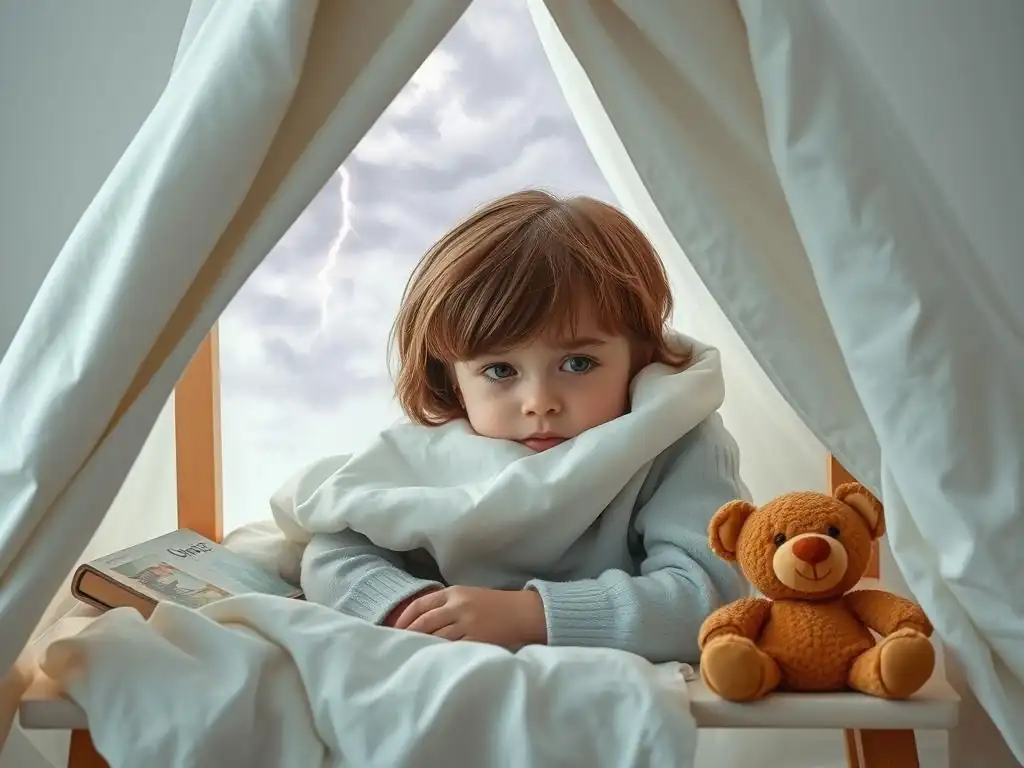
Astraphobia is common in children, but differentiating typical childhood fears from a phobia requires observing the intensity and persistence of the reaction. Children with astraphobia often exhibit extreme clinginess to parents or caregivers when storms are anticipated or occurring. They may cry inconsolably, scream, or have temper tantrums. Sleep disturbances are common, including difficulty falling asleep due to worry about storms or experiencing nightmares about storms.
Avoidance behaviors can manifest as refusing to play outside if the sky looks cloudy, insisting on sleeping in a parent's bed when storms are forecast, or becoming agitated by weather reports on television. They might ask repetitive questions about the storm's safety or duration, seeking constant reassurance. While many young children are naturally scared of loud noises like thunder, persistent, intense fear that significantly disrupts their behavior and causes distress well before or after a storm may indicate astraphobia, impacting their ability to cope with typical childhood experiences involving weather.
Strategies for Helping Children Cope with Storm Anxiety
Helping children cope with astraphobia involves patience, reassurance, and teaching age-appropriate coping skills. Start by validating their feelings without minimizing them: "I know the thunder sounds very loud and scary to you." Explain storms in simple, factual terms appropriate for their age, emphasizing safety measures you are taking. Creating a "storm kit" together with comforting items like blankets, books, quiet toys, and a flashlight for their safe space can give them a sense of preparation and control.
During a storm, stay calm yourself, as children often mirror adult reactions. Sit with them, read a story, play a quiet game, or draw to distract them. Teach them simple relaxation techniques like deep breathing (e.g., "smell the flower, blow out the candle").
Gradually expose them to storm-related sounds or images in a controlled way, perhaps listening to quiet thunder sounds during the day, while ensuring they feel safe and are using coping skills. Celebrate small steps, like tolerating the sound of rain or watching a distant lightning flash from a safe window. These strategies are key when dealing with storm anxiety symptoms in children.
When to Seek Professional Help for a Child’s Fear of Storms
While many childhood fears are transient, it's time to consider professional help if a child's fear of storms is intense, persistent (lasting several months or longer), and significantly interferes with their daily life. This includes missing school or social activities due to weather worries, having severe panic reactions during storms, or experiencing ongoing sleep problems or anxiety related to storms even when none are present.
A child psychologist or therapist specializing in childhood anxiety disorders can assess the severity of the phobia and implement evidence-based treatments like play therapy incorporating exposure or age-adapted CBT. Early intervention can prevent the phobia from becoming more entrenched and impacting the child's development and well-being long-term. Seeking professional guidance provides children with the tools they need for effectively dealing with storm anxiety symptoms as they grow.
Debunking Myths About Storms: Separating Fact from Fiction
Common Misconceptions About Thunder and Lightning
Fear of storms is often fueled by misconceptions and a lack of understanding about how they work and the actual risks involved. A common myth is that thunder itself is dangerous; in reality, thunder is just the sound wave created by lightning rapidly heating the air. While loud and startling, thunder cannot directly harm you. Another misconception is that lightning only strikes the tallest object; lightning can strike anywhere, including the ground, shorter objects, or even people directly, but it is statistically very rare, especially if proper safety precautions are taken.
Some people believe that being inside a car or building during a storm is unsafe. While no place is absolutely risk-free, a hard-topped vehicle with windows closed offers significant protection due to the metal frame acting as a Faraday cage, and sturdy buildings provide much greater safety than being outdoors. Debunking these myths with factual information can help reduce the irrational component of astraphobia and empower individuals with accurate knowledge when dealing with storm anxiety symptoms.
Understanding Storm Safety and Risk Assessment
Understanding real storm safety is crucial for managing astraphobia by replacing irrational fears with rational caution. The primary danger during a thunderstorm is lightning. The rule "When thunder roars, go indoors" is a simple, effective guideline – if you can hear thunder, you are close enough to be struck by lightning. Seeking shelter in a substantial building or a hard-topped vehicle is the safest option. Avoid open areas, tall isolated objects, water, and metal objects.
It's also important to understand that different types of storms carry different risks. While lightning is the main concern in a standard thunderstorm, severe thunderstorms can also produce large hail, damaging winds, and tornadoes. Learning the specific safety procedures for these events (e.g., seeking a basement or interior room on the lowest floor for a tornado) can help replace general, overwhelming fear with specific, actionable safety knowledge. Focusing on controllable safety actions rather than uncontrollable weather phenomena is a key part of effectively dealing with storm anxiety symptoms.
Living with Astraphobia: Building Resilience and Managing Anxiety
Developing a Long-Term Plan for Managing Storm Anxiety
Living with astraphobia and effectively dealing with storm anxiety symptoms is an ongoing process that often benefits from a long-term plan. This plan typically involves integrating the coping strategies learned in therapy (like CBT and exposure techniques) into daily life and using them consistently, not just during storms. It might include a regular practice of relaxation exercises like deep breathing or mindfulness to lower baseline anxiety levels.
A long-term plan could also involve scheduled, low-level exposures to storm stimuli outside of actual storms, such as watching documentaries about weather or listening to recordings of distant thunder, to maintain desensitization. Regularly reviewing and updating your storm safety plan and home preparedness measures can also provide ongoing reassurance. The goal is to build resilience, making you better equipped to handle anxiety when storms occur and reducing the overall impact of the phobia on your life.
Celebrating Small Victories: Acknowledging Progress in Overcoming Fear
Overcoming astraphobia is a journey, and it's important to acknowledge and celebrate progress along the way, no matter how small it seems. Did you manage to stay in the living room instead of hiding in the closet during a storm? Did you successfully use a grounding technique when you felt panic rising? Did you resist the urge to check the weather forecast every five minutes? These are significant steps forward.
Celebrating these victories reinforces positive coping behaviors and builds confidence in your ability to manage your fear. Acknowledge the effort it took and reward yourself in a healthy way. Focusing on progress rather than perfection helps maintain motivation and a positive outlook when dealing with storm anxiety symptoms, encouraging continued practice of coping strategies and reinforcing the belief that recovery is possible.
Support Resources: Online Forums and Local Anxiety Groups
Connecting with others who understand astraphobia can provide invaluable emotional support and practical tips for dealing with storm anxiety symptoms. Online forums dedicated to anxiety disorders or specific phobias offer a space to share experiences, ask questions, and find encouragement from people facing similar challenges. Hearing from others who have successfully managed or overcome their phobia can be incredibly inspiring and reduce feelings of isolation.
Local anxiety support groups can provide face-to-face connection and a sense of community. These groups often share coping strategies, discuss challenges, and offer mutual support. While not a substitute for professional therapy, these resources can complement treatment and provide ongoing encouragement. Sharing your journey and learning from others' experiences is a powerful component of building resilience and effectively living with and managing astraphobia.
Frequently Asked Questions
What are some common symptoms of storm anxiety, also known as astraphobia?
Astraphobia can manifest in various ways, including increased heart rate, excessive sweating, and difficulty breathing during or even before a storm. Some individuals may also experience panic attacks or seek constant reassurance about the storm's path and severity.
How can I distract myself during a thunderstorm to reduce anxiety?
Engaging in activities you enjoy can be helpful. Try listening to music, reading a book, or watching a movie. Focus on something that pulls your attention away from the storm and its sounds.
What relaxation techniques are effective for managing storm anxiety?
Deep breathing exercises and progressive muscle relaxation are often helpful. These techniques can help calm your nervous system and reduce feelings of panic and anxiety.
When should I consider seeking professional help for my storm anxiety?
If your fear of storms is significantly impacting your daily life, causing significant distress, or preventing you from engaging in normal activities, it's time to consult a mental health professional.
Are there any long-term strategies for overcoming astraphobia?
Cognitive Behavioral Therapy (CBT) and Exposure Therapy are often used to address astraphobia. These therapies help you identify and challenge negative thoughts and gradually expose you to storm-related stimuli in a safe and controlled environment.
Final Reflection: Weathering the Storm Within
The fear of storms, astraphobia, is far more than just a dislike of thunder and lightning; it's a pervasive anxiety that impacts millions, significantly affecting their daily lives and well-being. This article has explored various coping mechanisms, from cognitive behavioral therapy techniques to mindfulness practices, highlighting the importance of understanding the root causes of this fear and developing personalized strategies for management. The urgency of addressing astraphobia remains critical in a world increasingly impacted by extreme weather events.
The journey through astraphobia is deeply personal, a testament to the resilience of the human spirit in the face of overwhelming fear. It's a journey I've witnessed firsthand, both in my research and in the stories shared by those bravely confronting their anxieties. The impact of this fear extends beyond the individual, rippling outwards to affect relationships, work productivity, and overall quality of life. The only way to do great work is to love what you do.
– Steve Jobs. This applies equally to conquering astraphobia; a genuine commitment to self-improvement is the cornerstone of success. The ongoing societal shift towards acknowledging and addressing mental health challenges provides a crucial support system for those seeking help.
You, the reader, now hold the tools to navigate your own storm. This isn't about eliminating fear entirely – that's often unrealistic – but about learning to coexist with it, to manage its intensity, and to reclaim your sense of control. Take a moment to reflect on your own relationship with fear. What strategies resonate most with you? Which steps will you take today to begin your journey towards a calmer, more confident self? The path to mastering your fear of storms begins with a single, courageous step.
Conquer Your Storms: Take Control of Your Astraphobia Today!
Thanks for taking the time to learn more about managing your fear of storms. We hope this article equipped you with valuable tools and understanding. Now it's time to put that knowledge into action!
Here's how you can continue your journey towards calmer skies:
- Start small: Identify one manageable step – perhaps listening to recordings of thunderstorms at low volume, or looking at pictures of storms from a safe distance. Celebrate each success!
- Share your story: Connect with others facing similar challenges. Your experiences and insights can help someone else.
- Explore relaxation techniques: Practice deep breathing exercises or mindfulness meditation daily to build resilience against anxiety.
What small step will you take today to build your confidence and overcome your fear of storms?