
Your Introduction to Mindfulness: Why It Matters for Mental Health


Welcome to Mind Care Guide, a space dedicated to nurturing your inner peace.
Feeling overwhelmed? You're not alone. At Mind Care Guide, we understand the complexities of mental well-being. This week, we delve into Mindfulness for mental health benefits, exploring how this powerful practice can offer a path towards greater calm and resilience. Curious about how mindfulness can reshape your mental landscape? Let's begin.
Your Introduction to Mindfulness: Why It Matters for Mental Health
- Introduction to Mindfulness and its Mental Health Benefits
- Understanding the Core Principles of Mindfulness
- The Science-Backed Benefits of Mindfulness for Mental Health
- Practical Mindfulness Techniques for Daily Life
- Incorporating Mindfulness into Your Daily Routine
- Overcoming Common Challenges in Mindfulness Practice
- Mindfulness Resources for Continued Learning
- Mindfulness for Mental Health: A Path to Inner Peace and Well-being
-
Frequently Asked Questions
- What exactly is mindfulness and how does it relate to mental health?
- How can mindfulness practices benefit individuals struggling with anxiety or depression?
- Are there different types of mindfulness exercises, and which ones are best for beginners?
- How often and for how long should I practice mindfulness to experience its benefits for mental well-being?
- Where can I find reliable resources and support to learn more about mindfulness for mental health?
- Final Reflection: Cultivating Inner Peace in a Frantic World
- Unlock Your Inner Calm: Start Your Mindfulness Journey Today!
Introduction to Mindfulness and its Mental Health Benefits
What is Mindfulness? A Beginner's Guide
Mindfulness is fundamentally about paying attention to the present moment, without judgment. It's a practice that involves cultivating a particular kind of awareness – one that is open, curious, and accepting. Instead of letting our minds constantly drift to the past or worry about the future, mindfulness encourages us to anchor ourselves in what is happening right now, whether it's the sensation of breathing, the feeling of the ground beneath our feet, or the taste of our food. It's not about emptying the mind, but rather observing its contents with a sense of gentle curiosity.
This practice, often rooted in ancient contemplative traditions, has gained significant traction in recent decades as a secular approach to mental well-being. It's accessible to everyone, regardless of background or belief system. The core idea is simple: by intentionally bringing our attention to the present, we can gain a clearer perspective on our thoughts, feelings, and bodily sensations, which in turn can help us respond to life's challenges with greater wisdom and less reactivity. Mindfulness for mental health benefits is a growing area of interest and practice.
The Growing Importance of Mindfulness for Well-being
In today's fast-paced world, many people experience high levels of stress, anxiety, and distraction. The constant demands of work, technology, and social pressures can make it difficult to find moments of peace or clarity. This is where mindfulness offers a powerful antidote. By training our attention, we can create space between ourselves and our automatic reactions, allowing us to make more conscious choices about how we respond to difficult situations. This shift in perspective is crucial for improving overall mental well-being.
Research increasingly supports the positive impact of mindfulness on various aspects of mental health. Studies have shown that regular mindfulness practice can lead to reductions in symptoms of anxiety and depression, improve focus and concentration, and enhance emotional regulation. For instance, a meta-analysis published in JAMA Internal Medicine in 2014, which reviewed 47 clinical trials involving over 3,500 participants, found that mindfulness meditation programs had moderate evidence of improving anxiety, depression, and pain. This growing body of evidence highlights why mindfulness for mental health benefits is becoming a mainstream approach.
Understanding the Core Principles of Mindfulness
Paying Attention: The Foundation of Mindfulness Practice
At its heart, mindfulness is about paying attention. This might sound simple, but in practice, it requires deliberate effort. Our minds are naturally prone to wandering – jumping from one thought to another, often dwelling on regrets or anticipating future problems. Paying attention in a mindful way means intentionally directing our focus to a chosen object of awareness, such as the breath, bodily sensations, or sounds, and gently bringing the mind back whenever it drifts. This is like training a muscle; the more we practice, the stronger our ability to focus becomes.
This focused attention is not rigid or forced. It's a gentle, sustained awareness. When the mind wanders, which it inevitably will, the practice isn't to scold ourselves, but simply to notice where the mind went and guide it back to the present moment without judgment. This repeated act of noticing and returning is the core exercise that builds the capacity for sustained attention, a key component of mindfulness for mental health benefits. It allows us to observe our internal and external world with greater clarity.
Non-Judgmental Awareness: Accepting Thoughts and Feelings
A critical element of mindfulness is cultivating a non-judgmental attitude towards our experiences. We often have automatic reactions to our thoughts and feelings – labeling them as "good" or "bad," "right" or "wrong." This judgment can lead to getting stuck in negative thought loops or trying to suppress uncomfortable emotions, which often makes them stronger. Non-judgmental awareness means observing our internal landscape – our thoughts, emotions, and bodily sensations – with an attitude of acceptance, simply acknowledging their presence without trying to change or evaluate them.
This doesn't mean we approve of negative thoughts or feelings, but rather that we allow them to be there without getting entangled in them. For example, if a thought of self-criticism arises, instead of believing it or fighting it, we simply notice, "Ah, there is a thought of self-criticism," and let it pass like a cloud in the sky. This practice of non-judgment helps us to develop a healthier relationship with our inner experiences, reducing the suffering that comes from resisting or clinging to them. It's a vital aspect of harnessing mindfulness for mental health benefits, fostering inner peace.
Living in the Present Moment: Letting Go of the Past and Future
Mindfulness emphasizes the importance of living in the present moment. While we need to learn from the past and plan for the future, our minds often get stuck ruminating about what has already happened or worrying excessively about what might happen. This takes us away from the only reality we ever truly inhabit: the present. By focusing our attention on the here and now, we reduce the mental energy spent on unproductive dwelling and worrying.
This focus on the present allows us to fully engage with our current experiences, whether it's enjoying a meal, listening to a friend, or simply feeling the sun on our skin. It also helps us to respond more effectively to challenges as they arise, rather than being overwhelmed by past regrets or future anxieties. By anchoring ourselves in the present, we cultivate a sense of stability and presence, which is incredibly beneficial for managing stress and improving overall mental well-being. Living mindfully in the present is a powerful way to unlock mindfulness for mental health benefits.
The Science-Backed Benefits of Mindfulness for Mental Health
Mindfulness for Anxiety Reduction: Calming the Mind
Anxiety often involves excessive worry about future events, imagining worst-case scenarios, and feeling overwhelmed by uncertainty. Mindfulness directly addresses these patterns by training the mind to stay grounded in the present moment. By practicing paying attention to the breath or bodily sensations, individuals learn to interrupt the cycle of anxious thoughts and bring their focus back to the here and now. This creates a sense of calm and reduces the intensity of worry.
Numerous studies have demonstrated the effectiveness of mindfulness-based interventions, such as Mindfulness-Based Stress Reduction (MBSR), in reducing symptoms of generalized anxiety disorder, social anxiety, and panic disorder. For instance, research published in Psychological Medicine in 2013 found that MBSR significantly reduced anxiety symptoms compared to control groups. Participants often report feeling more in control of their thoughts and reactions, leading to a greater sense of peace and reduced anxious arousal. This is a key aspect of mindfulness for mental health benefits.
Mindfulness for Depression: Cultivating a Positive Outlook
Depression is often characterized by rumination about the past, negative self-talk, and a sense of hopelessness. Mindfulness helps by teaching individuals to observe these negative thought patterns without getting caught up in them. By developing non-judgmental awareness, people can recognize depressive thoughts as just thoughts, not necessarily reflections of reality, which weakens their power. It also encourages engaging with pleasant experiences in the present, even small ones, which can help shift focus away from negativity.
Mindfulness-Based Cognitive Therapy (MBCT), which combines mindfulness practices with principles of cognitive behavioral therapy, has been shown to be particularly effective in preventing relapse in individuals with recurrent depression. A study published in The Lancet in 2015 comparing MBCT to maintenance antidepressant medication found that MBCT was as effective as medication in preventing depressive relapse over a two-year period for individuals with a history of recurrent depression. By fostering acceptance and present-moment awareness, mindfulness helps cultivate a more balanced and less negative perspective, highlighting its role in mindfulness for mental health benefits.
Mindfulness for Stress Management: Finding Inner Peace
Stress is a common challenge in modern life, impacting both physical and mental health. Mindfulness provides tools to manage stress by changing our relationship with stressful thoughts and situations. Instead of automatically reacting with fight or flight, mindfulness teaches us to pause, observe our internal and external environment, and respond more skillfully. By becoming aware of the physical sensations of stress (like tension or a racing heart) without judgment, we can often prevent the stress response from escalating.
Programs like MBSR were originally developed specifically for stress reduction. Research consistently shows that participants in mindfulness programs experience significant reductions in perceived stress levels. For example, studies have shown that MBSR can lead to a decrease in stress hormones like cortisol. By regularly practicing mindfulness, individuals build resilience to stress, finding inner peace even amidst challenging circumstances. This capacity for stress management is a major component of mindfulness for mental health benefits.
Mindfulness and Emotional Regulation: Developing Emotional Intelligence
Emotional regulation is the ability to understand and manage our emotions effectively. Mindfulness enhances this ability by increasing our awareness of our emotional states as they arise. Instead of being swept away by intense emotions, mindfulness allows us to notice them, name them, and experience them without immediately reacting impulsively. This creates a space for us to choose how we respond, rather than being controlled by our feelings.
Through mindfulness practice, individuals become more attuned to the subtle cues in their body and mind that signal the onset of an emotion. This early detection allows for a more conscious response. For example, recognizing the first signs of anger allows one to pause and choose a different course of action than an automatic outburst. This increased emotional intelligence, fostered by mindfulness, is invaluable for navigating relationships and challenges, showcasing another facet of mindfulness for mental health benefits.
Practical Mindfulness Techniques for Daily Life

Mindfulness Meditation: A Simple Practice to Start
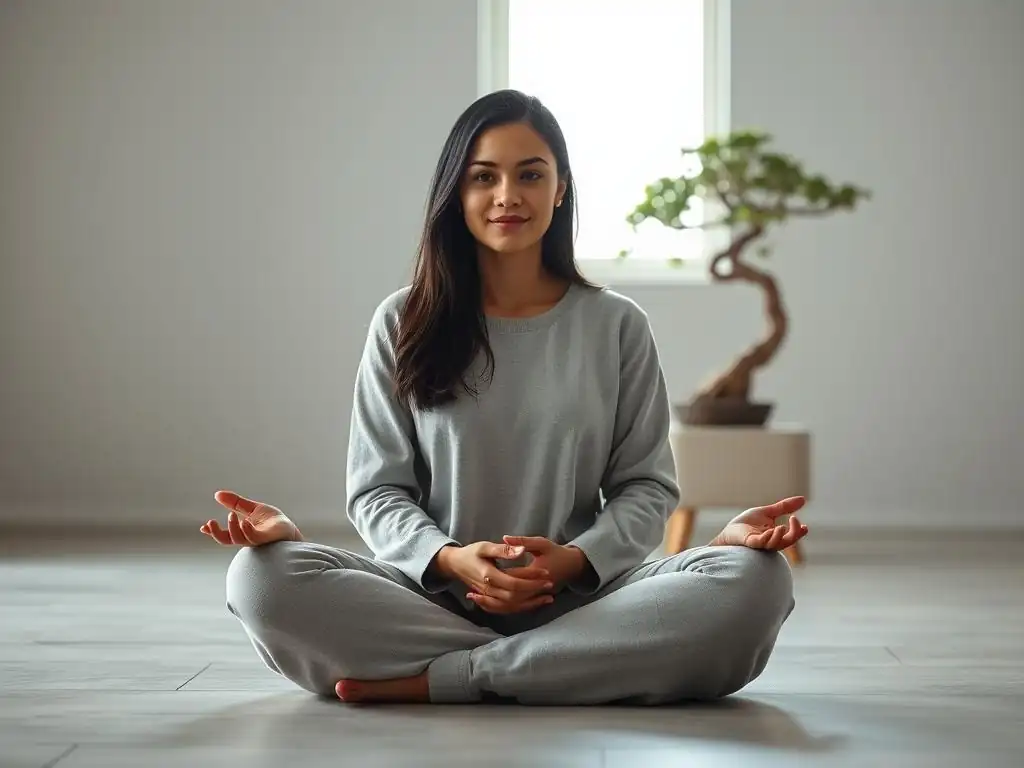
Mindfulness meditation is perhaps the most well-known technique. It typically involves sitting comfortably and bringing your attention to a specific anchor, such as the breath, bodily sensations, or sounds. When the mind wanders, which it will, you gently notice where it went and guide your attention back to the anchor without judgment. Even five or ten minutes a day can begin to cultivate the skill of paying attention.
Starting with short, consistent sessions is often more beneficial than attempting long, infrequent ones. You can sit on a cushion or chair, with your spine relatively straight but relaxed. The key is to find a posture where you can be alert and comfortable. This foundational practice is key to developing mindfulness for mental health benefits.
Mindful Breathing Exercises: Connecting with Your Breath
Mindful breathing is a simple yet powerful technique that can be done anywhere, anytime. It involves simply paying attention to the sensation of the breath as it enters and leaves the body. You don't need to change your breath in any way, just observe its natural rhythm – the feeling of air moving through your nostrils or the rise and fall of your abdomen or chest.
This focus on the breath serves as an anchor to the present moment. When you feel stressed or anxious, taking a few moments to consciously connect with your breath can help calm your nervous system and bring you back to the present. It's an immediate tool for grounding yourself and is a fundamental part of practicing mindfulness for mental health benefits.
Body Scan Meditation: Increasing Body Awareness
A body scan meditation involves systematically bringing attention to different parts of the body, noticing any sensations present (or absence of sensation) without judgment. You might start with your toes, then move up through your feet, ankles, legs, torso, arms, neck, and head. This practice helps to increase awareness of physical sensations and can reveal areas of tension we might not even realize we are holding.
By becoming more aware of our physical body, we can better understand how emotions and stress manifest physically. The body scan can also be deeply relaxing and is a useful tool for releasing physical tension. It’s an excellent way to cultivate embodied awareness, contributing to overall mindfulness for mental health benefits.
Mindful Walking: Engaging with Your Surroundings
Mindfulness doesn't just have to happen sitting down. Mindful walking involves paying attention to the physical sensations of walking – the lifting and placing of the feet, the movement of the legs, the swing of the arms. You can also expand your awareness to include the sights, sounds, and smells around you, experiencing the environment with heightened senses.
This practice turns an everyday activity into an opportunity for mindfulness. It can be done indoors or outdoors and is a great way to integrate mindfulness into a more active routine. Paying attention while walking helps to ground you in the present moment and connect with your surroundings, enhancing the benefits of mindfulness for mental health.
Mindful Eating: Savoring Each Bite
Mindful eating involves bringing full awareness to the experience of eating. This means paying attention to the process of preparing food, noticing the colors, textures, and aromas. While eating, you focus on the sensations of taste, texture, and temperature in your mouth, the act of chewing and swallowing, and the feeling of fullness or satisfaction.
In a world where meals are often rushed or eaten while distracted, mindful eating allows us to truly savor our food and develop a healthier relationship with eating. It encourages us to notice when we are truly hungry and when we are full, potentially leading to healthier eating habits. This simple practice can bring mindfulness into a routine activity, reinforcing mindfulness for mental health benefits.
Incorporating Mindfulness into Your Daily Routine
Creating a Dedicated Mindfulness Practice Space
While mindfulness can be practiced anywhere, having a dedicated space can make it easier to establish a regular routine. This doesn't need to be an elaborate setup; it could simply be a quiet corner in your home where you feel comfortable and are less likely to be interrupted. Having a cushion, mat, or comfortable chair available can signal to your mind that it's time to practice.
Making this space pleasant – perhaps adding a plant, a simple piece of art, or keeping it tidy – can make it more inviting. The consistent use of this space can create a positive association with your mindfulness practice, making it feel like a calming retreat. This dedicated space supports the cultivation of mindfulness for mental health benefits by providing a consistent environment.
Setting Realistic Goals for Mindfulness Practice
When starting out, it's important to set realistic expectations. Aiming for an hour of meditation every day might be overwhelming and lead to discouragement. Begin with just a few minutes – perhaps 5 or 10 minutes of mindful breathing or sitting meditation. Consistency is more important than duration in the beginning.
Gradually increase the length of your practice as you feel comfortable. The goal isn't to achieve perfect stillness or an empty mind, but simply to cultivate the habit of paying attention. Acknowledging that your mind will wander is part of the process. Setting achievable goals helps build confidence and maintain motivation, crucial for integrating mindfulness for mental health benefits into life.
Integrating Mindfulness into Everyday Activities: Mindful Showering, Mindful Listening
Mindfulness doesn't have to be limited to formal meditation sessions. You can bring mindfulness to many everyday activities. For example, practice mindful showering by paying attention to the sensation of water on your skin, the smell of the soap, or the feeling of warmth. Practice mindful listening by fully focusing on what another person is saying, without planning your response or getting distracted.
Other activities like washing dishes, brushing your teeth, or walking to your car can become opportunities to practice presence. By intentionally bringing awareness to these routine moments, you weave mindfulness throughout your day, reinforcing its benefits without needing extra time. This informal practice is just as valuable as formal meditation for cultivating mindfulness for mental health benefits.
Overcoming Common Challenges in Mindfulness Practice
Dealing with a Wandering Mind: Strategies for Staying Focused
One of the most common challenges in mindfulness is the wandering mind. It's natural for thoughts to arise during practice; the mind is designed to think. The key is not to eliminate thoughts, but to change your relationship with them. When you notice your mind has wandered, acknowledge it without self-criticism. Simply note where it went – perhaps planning, worrying, or reminiscing – and gently guide your attention back to your chosen anchor, like the breath.
Think of it like training a puppy: it will wander off, but you patiently and gently guide it back. Strategies like labeling thoughts ("thinking," "planning," "worrying") can help create distance from them. Remembering that the act of noticing the wandering and returning is the practice itself is crucial. This patient redirection strengthens your attentional muscle, vital for realizing mindfulness for mental health benefits.
Managing Difficult Emotions During Mindfulness
Sometimes, during mindfulness practice, you might become aware of uncomfortable or difficult emotions – sadness, anger, fear, or restlessness. Your initial reaction might be to push them away or get caught up in them. Mindfulness encourages a different approach: acknowledging the emotion's presence without judgment.
Try to allow the emotion to be there, observing its physical sensations in the body. You can mentally note the emotion ("sadness is here," "restlessness") without getting entangled in the story behind it. This practice helps you develop tolerance for difficult feelings and learn that emotions are transient; they arise and pass. Learning to sit with discomfort in this way is a powerful aspect of harnessing mindfulness for mental health benefits.
Cultivating Patience and Perseverance in Your Practice
Building a mindfulness practice takes time, patience, and perseverance. You will likely have days where your mind feels particularly restless or you feel resistant to practicing. These are normal parts of the process. Avoid the trap of thinking you are "bad" at mindfulness if you struggle. Every time you sit down to practice, you are strengthening your capacity for awareness, regardless of how "successful" the session feels.
Be kind to yourself. If you miss a day, simply start again the next day. If a session is challenging, acknowledge it and move on. The cumulative effect of consistent effort, even imperfect effort, is what leads to lasting change and allows you to fully experience the benefits of mindfulness for mental health.
Mindfulness Resources for Continued Learning
Guided Mindfulness Meditations: Headspace and Insight Timer
For beginners and experienced practitioners alike, guided meditations can be incredibly helpful. Apps like Headspace and Insight Timer offer a vast library of guided practices of varying lengths, focusing on different themes such as stress, sleep, or specific emotions. These resources provide instruction and support, making it easier to start and maintain a regular meditation habit.
Many guided meditations are free, while others are available through subscriptions. They can help you learn different techniques and stay motivated. Using such resources is a practical step in developing mindfulness for mental health benefits.
Mindfulness Books and Articles: "Wherever You Go, There You Are" by Jon Kabat-Zinn
Reading books and articles about mindfulness can deepen your understanding of the practice and its underlying principles. Classic texts like Jon Kabat-Zinn's "Wherever You Go, There You Are" offer accessible introductions to mindfulness meditation and its application in daily life. There are also numerous scientific articles and popular books exploring the research and practical applications of mindfulness.
Exploring different perspectives can help you find approaches that resonate with you and provide motivation to continue practicing. Knowledge is a powerful tool in cultivating mindfulness for mental health benefits.
Mindfulness Workshops and Retreats: Finding Local Sanghas
Participating in mindfulness workshops or retreats can provide intensive practice opportunities and connect you with a community of practitioners. Workshops often introduce foundational concepts and techniques, while retreats offer extended periods of silent practice, which can deepen awareness. Many cities have local mindfulness groups or "sanghas" that offer regular sittings or programs.
Learning from experienced teachers and practicing in a supportive group environment can be invaluable for navigating challenges and strengthening your commitment to the practice. Connecting with others on this path reinforces the journey towards harnessing mindfulness for mental health benefits.
Mindfulness for Mental Health: A Path to Inner Peace and Well-being
The Long-Term Benefits of Consistent Mindfulness Practice
Consistent mindfulness practice cultivates lasting changes in the brain and nervous system, leading to significant long-term benefits for mental health. Regular practice has been associated with structural changes in areas of the brain related to attention, self-awareness, and emotional regulation, such as the prefrontal cortex and the amygdala. Over time, individuals often report feeling less reactive to stress, more emotionally resilient, and possessing a greater capacity for joy and presence in their lives.
For instance, a study published in Health Psychology in 2016 followed participants for several months after an MBSR program and found that the reduction in stress and anxiety was maintained, indicating long-term positive effects. The cumulative effect of showing up for practice, even for short periods, builds a strong foundation for mental well-being, demonstrating the profound impact of mindfulness for mental health benefits over time.
Mindfulness as a Complementary Approach to Mental Health Treatment
Mindfulness is increasingly recognized as a valuable complementary approach to traditional mental health treatments such as therapy and medication. It can provide individuals with practical skills to manage symptoms of anxiety, depression, and stress, enhancing the effectiveness of other interventions. Many therapists now incorporate mindfulness techniques into their practice, and programs like MBCT are specifically designed to work alongside conventional care.
It's important to view mindfulness as a tool to support mental health, not a replacement for professional treatment if you are experiencing significant mental health challenges. Discussing mindfulness with your therapist or doctor can help integrate it safely and effectively into your overall treatment plan, maximizing the potential of mindfulness for mental health benefits.
Embracing Mindfulness for a Healthier and Happier Life
Embracing mindfulness is a journey towards living a more conscious, present, and fulfilling life. It's not about eliminating difficulties or achieving a constant state of bliss, but about developing the capacity to meet life's challenges with greater awareness, acceptance, and compassion – for ourselves and others. By cultivating presence, we can find moments of peace and joy even amidst the inevitable ups and downs.
The commitment to regular practice, whether formal or informal, builds resilience and fosters a deeper connection with ourselves and the world around us. As you continue to explore and practice, you will likely discover profound shifts in your perspective and well-being, truly experiencing how mindfulness for mental health benefits can pave the way to a healthier and happier existence.
Frequently Asked Questions
What exactly is mindfulness and how does it relate to mental health?
Mindfulness is a mental state achieved by focusing on the present moment, acknowledging and accepting feelings, thoughts, and bodily sensations. It's a powerful tool for improving mental health by reducing stress and promoting emotional regulation.
How can mindfulness practices benefit individuals struggling with anxiety or depression?
Mindfulness helps manage anxiety and depression by teaching individuals to observe their thoughts without judgment, breaking the cycle of negative thinking. This can lead to reduced rumination and a greater sense of control.
Are there different types of mindfulness exercises, and which ones are best for beginners?
Yes, there are various types, including meditation, mindful breathing, and body scans. For beginners, mindful breathing exercises are often recommended due to their simplicity and accessibility.
How often and for how long should I practice mindfulness to experience its benefits for mental well-being?
Consistency is key. Even short, daily sessions of 5-10 minutes can be beneficial. Aim for regular practice to experience the cumulative effects on your mental well-being.
Where can I find reliable resources and support to learn more about mindfulness for mental health?
Mind Care Guide offers comprehensive information, support, and resources on mindfulness and mental health. You can also explore reputable websites and apps dedicated to mindfulness practices and guidance.
Final Reflection: Cultivating Inner Peace in a Frantic World
The pursuit of mindfulness is not a fleeting trend; it's a vital tool for navigating the complexities and pressures of modern life. In a world saturated with constant stimulation and demands, the ability to find calm amidst the chaos is not a luxury, but a necessity for our mental well-being. This article explored the science-backed benefits of mindfulness, from stress reduction to improved focus, highlighting its transformative potential for mental health.
The journey into mindfulness is deeply personal, a continuous process of self-discovery and growth. It's a journey I've undertaken myself, and I can attest to its profound impact on my own life. The ability to observe my thoughts and emotions without judgment, to simply be present in the moment, has been invaluable in managing stress and cultivating a greater sense of inner peace. As Jon Kabat-Zinn so eloquently stated, Mindfulness means paying attention in a particular way: on purpose, in the present moment, and nonjudgmentally.
This simple yet powerful definition encapsulates the essence of this practice and its enduring relevance in our increasingly hectic world.
Now, I invite you to consider how you can integrate mindfulness into your daily life. Perhaps it's starting with just five minutes of mindful breathing each day, or incorporating a mindful walk into your routine. No matter how small the step, the commitment to cultivating present moment awareness will ripple outwards, positively impacting your mental health and overall well-being. Embrace the journey, be patient with yourself, and discover the transformative power of mindfulness within.
Unlock Your Inner Calm: Start Your Mindfulness Journey Today!
Thanks for taking the time to explore the world of mindfulness with us! We hope you gained valuable insights into how it can positively impact your mental well-being. Ready to take the next step?
- Begin a daily mindfulness practice: Even 5 minutes a day can make a difference. Try a simple breathing exercise or guided meditation. This is your primary focus – start small and build from there!
- Share your experience: Tell a friend or family member about your newfound interest in mindfulness. Discuss your initial experiences and how it’s making you feel.
- Discover more resources: Explore our website for additional articles and tools to support your mindfulness journey.
What small step will you take today to cultivate more inner peace?