
Finding Peace at Home: Resolving Family Conflicts for Wellbeing

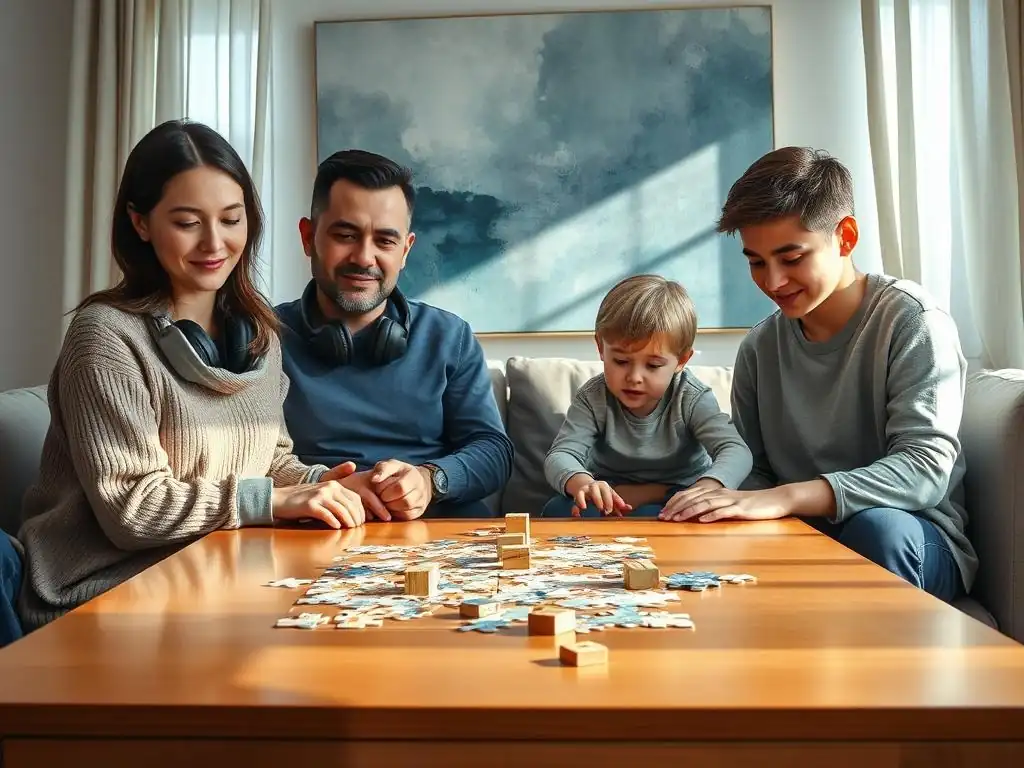
Welcome to Mind Care Guide.
Are you struggling with tension and discord at home? It's okay, you're not alone. Family life, while rewarding, can often be a source of stress and conflict. This can take a toll on your mental well-being. But there's hope. We understand the challenges, and that's why we've created this guide to help you navigate these turbulent waters. Dive into our article on family conflict resolution strategies to discover practical steps you can take today to foster understanding, communication, and ultimately, peace within your family. What if you could transform conflict into connection? Let's explore how.
Finding Peace at Home: Resolving Family Conflicts for Wellbeing
- Understanding Family Conflict and Its Impact on Wellbeing
- Family Conflict Resolution Strategies: A Comprehensive Guide
- Specific Family Conflict Scenarios and Solutions
- Long-Term Strategies for Preventing Family Conflicts
- Maintaining a Peaceful Home Environment: Ongoing Effort and Commitment
-
Frequently Asked Questions
- How can understanding the root cause of family conflict help in its resolution?
- What are some effective communication techniques to use during family conflict resolution?
- Why is it important to establish clear boundaries within a family?
- What role does professional help play in resolving severe family conflicts?
- How can self-care contribute to better family conflict resolution?
- Final Reflection: The Enduring Power of Peaceful Homes
- Unlock Your Family's Harmony: Start Building Bridges Today!
Understanding Family Conflict and Its Impact on Wellbeing
Defining Family Conflict: Beyond Arguments and Disagreements
Family conflict is often perceived as simple arguments or disagreements, but its definition extends much deeper. It encompasses any situation where the needs, expectations, or behaviors of family members clash, leading to tension, stress, and emotional distress. This can manifest in overt arguments, but also in subtle forms like passive aggression, avoidance, or persistent unspoken tensions. Understanding the nuances of these interactions is the first step in developing effective family conflict resolution strategies.
These conflicts stem from various sources, including differing values, personality clashes, financial pressures, communication breakdowns, or significant life changes. Unlike disagreements with friends or colleagues, family conflicts are often layered with complex emotional histories, shared experiences, and interconnected identities, making their resolution particularly challenging yet crucial for overall wellbeing. Recognizing that conflict is a natural, though often difficult, part of family life is essential for approaching it constructively.
The Ripple Effect: How Family Conflicts Affect Mental and Physical Health
The impact of unresolved family conflicts stretches far beyond the immediate tension, creating a significant ripple effect on the mental and physical health of all involved. Chronic exposure to family conflict can lead to elevated stress levels, triggering the release of hormones like cortisol, which, over time, can weaken the immune system, increase the risk of cardiovascular issues, and contribute to chronic pain. Studies consistently show a link between high-conflict family environments and increased physical health complaints.
Mentally, persistent conflict can severely erode emotional wellbeing. It is a significant contributor to anxiety, depression, feelings of hopelessness, and low self-esteem, particularly in children and adolescents navigating turbulent home lives. For adults, ongoing family disputes can strain relationships outside the family unit and impact work performance. Learning effective family conflict resolution strategies is not just about restoring peace at home; it's a vital investment in the long-term health and resilience of every family member.
Identifying Common Causes of Family Conflict: A Deeper Look
Many factors contribute to family conflict, often intertwining to create complex challenges. Financial strain is a prevalent cause, as disagreements about spending habits, debt, or income can create significant tension. Parenting styles frequently clash between partners or different generations, leading to disputes over discipline, education, or values. Communication breakdown is another major culprit, where misunderstandings, lack of active listening, or inability to express needs clearly escalate minor issues into major conflicts.
Other common sources include differing expectations about roles and responsibilities within the household, boundary violations, sibling rivalry, and navigating relationships with extended family. Life transitions, such as divorce, remarriage, welcoming a new child, or children leaving home, can also introduce new dynamics and potential conflicts. Identifying these underlying causes is crucial for developing targeted family conflict resolution strategies that address the root of the problem rather than just the symptoms.
Family Conflict Resolution Strategies: A Comprehensive Guide

Effective Communication Techniques for Resolving Family Issues
Communication is the bedrock of healthy relationships and the most powerful tool in any set of family conflict resolution strategies. Learning to communicate effectively, especially during disagreements, can transform destructive arguments into constructive conversations. This involves not just talking, but also deeply listening and understanding the perspective of others.
Poor communication—characterized by blaming, interrupting, or withdrawing—often exacerbates conflict. Conversely, adopting techniques like mindful speaking and reflective listening can help de-escalate tension and open pathways to understanding. Developing these skills takes practice and patience, but the ability to express needs and feelings clearly and respectfully is invaluable for fostering peace and connection within the family unit.
Active Listening: The Foundation of Understanding
Active listening is a fundamental technique in effective family conflict resolution strategies. It involves fully concentrating on what the other person is saying, rather than just passively hearing the words. This means paying attention to their verbal message, tone of voice, and body language, and then demonstrating that you have heard and understood them. Techniques include nodding, making eye contact, and offering verbal affirmations like "I see" or "Go on."
Crucially, active listening requires suspending your own thoughts and judgments temporarily to truly grasp the other's perspective. You can summarize or rephrase what you heard to confirm understanding, for example, "So, if I understand correctly, you're feeling frustrated because..." This not only helps clarify the message but also shows the speaker they are being heard and validated, which can significantly lower defenses and create a more receptive environment for resolving the conflict.
Expressing Yourself Assertively, Not Aggressively
Assertive communication is a key component of successful family conflict resolution strategies. It involves expressing your thoughts, feelings, and needs clearly and directly, while respecting the rights and feelings of others. This stands in contrast to aggressive communication, which can be hostile, demanding, and disrespectful, or passive communication, which involves suppressing your needs and feelings.
Using "I" statements is a core technique of assertive communication. Instead of saying, "You always leave a mess!" (which is blaming and aggressive), try, "I feel overwhelmed when the common areas are cluttered because I worry about tidiness" (assertive). This focuses on your experience rather than criticizing the other person, making them less likely to become defensive and more open to hearing your perspective and engaging in problem-solving.
Avoiding Blame and Focusing on Solutions
One of the most destructive patterns in family conflict is assigning blame. Focusing on who is "right" or "wrong" keeps the conversation stuck in the past and prevents forward movement. Effective family conflict resolution strategies require shifting the focus from blame to understanding the underlying issues and collaboratively finding solutions that work for everyone involved.
Instead of dwelling on past mistakes or perceived faults, frame the discussion around the current problem and what can be done differently in the future. For example, rather than saying, "It's your fault we're late again," try, "We seem to be struggling with getting out the door on time. What can we do together to make our mornings smoother?" This approach encourages teamwork and shared responsibility for finding a resolution.
Problem-Solving Approaches for Family Disputes
Once communication lines are open, applying structured problem-solving approaches is vital for effective family conflict resolution strategies. This moves beyond just expressing feelings to actively working towards a mutually agreeable outcome. It requires a willingness to collaborate, compromise, and view the conflict as a shared challenge to overcome.
A systematic approach helps ensure that all perspectives are considered and that the chosen resolution is practical and sustainable. This process typically involves several key steps, from understanding the core issue to evaluating potential solutions, ensuring that the focus remains on finding a path forward that benefits the family unit.
Identifying the Root Cause of the Conflict
Effective problem-solving begins with accurately identifying the root cause, not just the surface-level trigger, of the conflict. For instance, an argument about chores might not be about the tasks themselves, but about underlying feelings of being undervalued, unequal distribution of labor, or a lack of clear expectations. Digging deeper requires open communication, active listening, and a willingness to explore the emotional and historical context surrounding the issue.
Ask open-ended questions like, "What is this really about for you?" or "What needs aren't being met here?" Sometimes, what appears to be a conflict over finances might be rooted in differing values about security or freedom. Taking the time to understand the core needs and fears driving the behavior is essential for developing effective family conflict resolution strategies that address the true source of tension.
Brainstorming Solutions Together: A Collaborative Approach
Once the root cause is identified, the next step in family conflict resolution strategies is to brainstorm potential solutions collaboratively. This should be a judgment-free process where all family members involved are encouraged to contribute ideas, no matter how unconventional they might seem initially. The goal is to generate as many options as possible.
Set aside time specifically for this brainstorming session. Write down every idea without critique or evaluation at this stage. This inclusive approach ensures everyone feels heard and valued in the resolution process, increasing the likelihood that they will support the final decision. Encourage creativity and think outside the box – sometimes the best solution isn't the most obvious one.
Evaluating and Choosing the Best Solution for Everyone
After brainstorming, the family must evaluate the proposed solutions and choose the one that seems most viable and agreeable to everyone involved. This step requires honest discussion about the pros and cons of each option, considering factors like practicality, fairness, and whether the solution truly addresses the root cause of the conflict.
Discuss how each solution might impact different family members. Can compromises be made? Is everyone willing to commit to the chosen path? Aim for a solution that is mutually acceptable, even if it's not everyone's first choice. Choosing a solution together reinforces the idea that family conflict resolution strategies are a collaborative effort and builds a sense of shared ownership over the outcome.
Setting Healthy Boundaries in Family Relationships
Boundaries are essential guidelines that define acceptable behavior in relationships. They protect individual wellbeing and create a framework for respectful interaction. In the context of family conflict resolution strategies, setting and maintaining healthy boundaries is crucial for preventing resentment and ensuring that relationships are nurturing rather than draining.
Boundaries can relate to time, emotional energy, personal space, communication styles, or financial interactions. They are not about building walls, but about creating healthy fences that allow for connection while preserving individual autonomy and respect. Establishing these limits clearly and kindly is a powerful step towards reducing conflict and fostering healthier family dynamics.
Why Boundaries are Crucial for Harmony
Healthy boundaries are the unsung heroes of family harmony. Without clear limits, family members may inadvertently overstep, leading to feelings of resentment, frustration, and being taken advantage of. This lack of definition can be a significant source of ongoing, low-level conflict or sudden explosive arguments when someone finally reaches their breaking point.
Boundaries establish mutual respect. They communicate to others how you expect to be treated and acknowledge that family members have individual lives, needs, and limits. Implementing boundaries as part of your family conflict resolution strategies helps create a predictable and safe environment where individuals feel secure and less likely to experience conflict arising from crossed lines or unrealistic expectations.
Communicating Your Boundaries Respectfully and Firmly
Setting a boundary is only effective if it is communicated clearly and respectfully to the relevant family members. This requires assertiveness – stating your needs directly and calmly, without apology or aggression. Choose an appropriate time and place for the conversation, ideally when emotions are not running high.
Use "I" statements to explain your boundary and the reason behind it. For example, "I need to have quiet time alone after work to decompress, so I won't be available for calls or requests between 5 and 6 PM." Be prepared for potential resistance or misunderstanding, but remain firm in your stance. Remember, you are defining what you can and cannot do or accept, not trying to control the other person's behavior.
Enforcing Boundaries Consistently
Setting a boundary is the first step; enforcing it consistently is where the boundary gains its power. Family members may test new boundaries, either intentionally or out of habit. It is crucial to follow through on the consequences you've established, not as punishment, but as a reinforcement of the boundary's importance.
Consistency teaches others that you are serious about your needs and that the boundary is non-negotiable. For example, if your boundary is not taking calls during dinner, consistently let calls go to voicemail during that time. If the boundary is about respecting personal space, gently but firmly remind someone when they overstep. While challenging initially, consistent enforcement is vital for integrating boundaries into effective family conflict resolution strategies and building healthier relational patterns over time.
Specific Family Conflict Scenarios and Solutions
Resolving Sibling Rivalry and Jealousy
Sibling rivalry is a common form of family conflict, often characterized by competition for parental attention, resources, or perceived status within the family. While a certain level of rivalry is normal, excessive jealousy and conflict between siblings can cause significant stress and negatively impact family dynamics. Addressing these issues is a key part of comprehensive family conflict resolution strategies.
Understanding that sibling relationships are complex and evolve over time is crucial. Parents play a vital role in managing sibling conflict by fostering an environment of fairness, encouraging cooperation, and validating each child's unique strengths and feelings. Strategies focus on reducing competition and promoting positive interaction.
Understanding the Dynamics of Sibling Relationships
Sibling relationships are often the longest-lasting relationships in a person's life, shaping social skills, negotiation abilities, and emotional development. The dynamics can range from close companionship to intense rivalry. Factors influencing these dynamics include age gaps, birth order, gender, individual personalities, and parental treatment. Jealousy often stems from a child's perception of unequal treatment or a fear of not being loved or valued as much as a sibling.
Recognizing that rivalry is often an expression of unmet needs, such as a need for attention, validation, or control, is essential. Instead of labeling children as "difficult" or "jealous," try to understand the underlying feelings driving their behavior. This empathetic approach is fundamental to developing effective family conflict resolution strategies specific to sibling dynamics.
Strategies for Promoting Cooperation and Fairness
Promoting cooperation and a sense of fairness is central to mitigating sibling rivalry. Instead of comparing children, focus on celebrating their individual achievements and unique qualities. Avoid language that pits siblings against each other. Encourage teamwork through shared tasks or games where collaboration is required.
Implement strategies that ensure fairness, which doesn't always mean treating everyone exactly the same, but rather meeting each child's needs appropriately. Establish clear rules for sharing and conflict resolution that siblings can follow. Intervene constructively when conflicts arise, guiding them toward peaceful solutions rather than simply imposing a resolution. For instance, instead of deciding who gets a toy, help them negotiate a time-sharing agreement.
Addressing Bullying and Aggression Between Siblings
While rivalry is common, bullying and aggression between siblings are harmful behaviors that require serious intervention. Aggression can manifest physically, verbally, or emotionally and should not be dismissed as mere sibling squabbles. Addressing this requires clear boundaries and consequences.
Establish a zero-tolerance policy for physical aggression, name-calling, and intentional cruelty. Teach children appropriate ways to express anger and frustration. Model respectful conflict resolution yourself. If bullying is persistent, seeking professional help from a family therapist might be necessary to address the underlying issues and ensure the safety and wellbeing of all children involved.
The teenage years are a period of significant change and development, often marked by increased desire for independence, identity exploration, and challenging authority. Conflicts between parents and teenagers are very common during this phase and require specific family conflict resolution strategies focused on balancing guidance with autonomy.
These conflicts often revolve around issues like curfews, responsibilities, friends, school, and future plans. While frustrating, navigating these disagreements constructively can strengthen the parent-teen relationship and help teenagers develop essential life skills. The key lies in maintaining open lines of communication and mutual respect, even amidst disagreement.
Understanding the Teenage Perspective
Understanding the teenage perspective is crucial for navigating conflicts effectively. Teenagers are undergoing significant brain development, particularly in areas related to impulse control and decision-making. They are also intensely focused on peer relationships and establishing their own identity, which can sometimes lead to actions that conflict with family rules or values.
Empathy is vital here. Try to remember your own teenage years and the challenges you faced. Listen to their point of view without immediately dismissing it, even if you disagree. Acknowledging their feelings and thoughts ("It sounds like you feel...") can help them feel heard and respected, making them more receptive to your perspective and guidance. This forms a foundation for effective family conflict resolution strategies in this dynamic relationship.
Establishing Clear Expectations and Consequences
Ambiguity is a breeding ground for conflict. Clearly communicating expectations regarding responsibilities (chores, homework), rules (curfew, technology use), and acceptable behavior is essential for reducing conflict with teenagers. Involve them in the discussion about rules where appropriate, which can increase their buy-in.
Equally important is establishing clear, consistent, and age-appropriate consequences for breaking rules. Consequences should be logical and related to the behavior whenever possible. For example, if the rule is to be home by a certain time, a consequence might be an earlier curfew the following week. Consistency is key; inconsistent enforcement sends mixed messages and undermines your authority, leading to further conflict.
Building Open Communication Channels
Maintaining open and honest communication channels is perhaps the most critical strategy for navigating conflicts with teenagers. Create a safe space where they feel comfortable talking about their challenges, fears, and opinions without fear of judgment or immediate punishment.
Schedule regular, informal check-ins – perhaps during dinner, on a car ride, or before bed – to simply talk and listen. Be genuinely interested in their lives, their friends, and their interests. When conflicts arise, approach them as problem-solving opportunities rather than battles to be won. Use active listening and assertive communication to discuss issues calmly. This ongoing dialogue builds trust and makes implementing family conflict resolution strategies much more effective during challenging moments.
Money is a leading cause of stress and conflict in many families. Disagreements about spending, saving, debt, financial goals, or the distribution of resources can create significant tension between partners, between parents and adult children, or within the wider family. Effective family conflict resolution strategies must address these financial issues directly and collaboratively.
Financial conflicts are often rooted in differing values, fears, or past experiences with money. Addressing them requires transparency, honesty, and a willingness to work together towards shared financial goals. Avoiding the topic or arguing destructively only makes the situation worse.
Openly Discussing Financial Concerns
The first step in resolving financial conflicts is to open lines of communication about money. This can be uncomfortable, but it's essential. Schedule regular "money talks" where all relevant family members can discuss income, expenses, debts, savings, and financial goals in a calm and objective manner.
Share all relevant financial information transparently. This builds trust and ensures everyone is working from the same understanding of the family's financial situation. Avoid blaming or criticizing past financial decisions. Focus on the present and future, discussing concerns openly and collaboratively. This shared understanding is the foundation for developing effective family conflict resolution strategies around finances.
Creating a Budget and Sticking to It
A practical tool for resolving financial conflicts is creating a shared budget. A budget provides a clear roadmap for how money will be earned, saved, and spent. Involve all relevant family members in the budgeting process to ensure buy-in and understanding.
Agree on spending priorities and savings goals. Track expenses to see where money is actually going. Regularly review the budget together to make adjustments as needed and celebrate successes. Sticking to a budget requires discipline and mutual accountability, but it significantly reduces arguments stemming from overspending or disagreements about financial priorities. It turns abstract financial worries into concrete, manageable steps.
Seeking Professional Financial Advice if Needed
Sometimes, financial conflicts are too complex or emotionally charged to resolve without external help. In such cases, seeking professional financial advice can be an invaluable part of family conflict resolution strategies. A certified financial planner or counselor can provide objective guidance, help the family understand their financial situation, and mediate discussions about sensitive money topics.
A professional can offer strategies for debt reduction, saving for future goals (like college or retirement), or managing income streams. They can also act as a neutral third party, facilitating communication and helping family members find common ground on financial matters. This can alleviate stress and provide a clear path forward when family discussions alone prove insufficient.
Disagreements over parenting styles are a frequent source of conflict between partners and can also create tension with grandparents or other relatives involved in raising children. Different philosophies on discipline, education, health, or values can lead to inconsistency and confusion for children and strain on the adult relationships. Resolving these differences is vital for creating a stable and harmonious family environment.
Effective family conflict resolution strategies in this area focus on finding common ground, presenting a united front to children, and respecting different perspectives while prioritizing the child's wellbeing. This requires open communication and a willingness to compromise.
Acknowledging Different Parenting Philosophies
Recognize that there are many valid approaches to parenting, and differences in philosophy are normal. These differences often stem from how each person was raised, their personal values, or information they've gathered from books, friends, or experts. Acknowledging and validating your partner's or relative's perspective, even if you don't fully agree with it, is the first step towards finding a resolution.
Instead of viewing differences as right vs. wrong, see them as different tools in the parenting toolbox. Discuss the why behind each person's approach. What are their goals for the children? What fears or hopes are driving their methods? Understanding the underlying intentions can foster empathy and make it easier to find common ground.
Finding Common Ground and Compromising
Effective family conflict resolution strategies for parenting disagreements involve finding common ground and being willing to compromise. While you may not agree on every single detail, identify the core values and goals you share for your children (e.g., raising kind, responsible, independent individuals). Use these shared goals as a foundation for developing a unified approach.
Discuss specific issues (like screen time rules or homework routines) and work together to create a plan that incorporates elements from both perspectives. It might require flexibility from both sides. Present a united front to your children, even if you disagreed behind closed doors. Children thrive on consistency, and seeing their caregivers work together to resolve differences models healthy conflict resolution.
Seeking Expert Guidance on Co-Parenting
If parenting style conflicts are persistent, significant, or negatively impacting the children, seeking expert guidance can be beneficial. A family therapist or parenting coach specializing in co-parenting can help partners navigate their differences, improve communication, and develop a consistent, collaborative parenting plan.
These professionals can provide tools and strategies for discussing disagreements respectfully, finding compromises that work for the family, and presenting a united front to the children. They can also help address any deeper issues contributing to the conflict. Investing in professional support for co-parenting conflicts is an investment in the children's wellbeing and the health of the family unit.
Long-Term Strategies for Preventing Family Conflicts

While mastering family conflict resolution strategies is essential for addressing issues as they arise, focusing on long-term prevention is equally important for maintaining a peaceful and resilient home environment. Proactive measures that strengthen family bonds, foster understanding, and build emotional resilience can significantly reduce the frequency and intensity of conflicts.
Preventative strategies involve cultivating positive habits and dynamics within the family culture. This includes dedicating time to connection, practicing empathy, and knowing when and how to seek external support before conflicts escalate beyond manageability. These ongoing efforts build a foundation of trust and security that makes navigating disagreements much easier.
Building Strong Family Bonds Through Quality Time
Strong family bonds act as a buffer against conflict. When family members feel connected, loved, and supported, they are more likely to approach disagreements with empathy and a willingness to find solutions. Dedicating regular quality time together is a cornerstone of preventative family conflict resolution strategies.
Quality time isn't just about being in the same room; it's about engaging with each other meaningfully. This can involve shared activities, open conversations, and simply being present for one another. These shared positive experiences build a reservoir of goodwill that can help weather the inevitable storms of conflict.
The Importance of Shared Activities and Traditions
Engaging in shared activities and creating family traditions are powerful ways to strengthen bonds. Whether it's a weekly family game night, a regular movie night, cooking together, going for walks, or celebrating holidays with specific rituals, these shared experiences create positive memories and reinforce a sense of belonging and togetherness.
These activities provide opportunities for relaxed interaction, laughter, and connection away from the pressures of daily life. They build a shared history and identity that anchors the family unit. Make these activities a priority, scheduling them into busy lives, as they are an investment in the family's emotional capital, making family conflict resolution strategies more effective when needed.
Creating Opportunities for Connection and Communication
Beyond structured activities, create regular, informal opportunities for connection and open communication. This could be as simple as having dinner together without screens, checking in with each other at the start or end of the day, or making time for one-on-one chats with individual family members.
Encourage conversations about things big and small. Ask open-ended questions and truly listen to the answers. Create a culture where it's safe to share feelings, express concerns, and ask for support. These consistent opportunities for connection build trust and make it easier to address potential issues before they escalate into major conflicts, reinforcing proactive family conflict resolution strategies.
Cultivating Empathy and Understanding Within the Family
Empathy – the ability to understand and share the feelings of another – is a critical skill for navigating and preventing family conflicts. When family members can see a situation from another's perspective and appreciate their feelings, it fosters compassion and reduces the likelihood of hurtful words or actions. Cultivating empathy is a vital long-term family conflict resolution strategy.
This involves teaching children (and practicing as adults) the importance of considering how their actions might affect others and encouraging a genuine interest in the experiences and emotions of fellow family members. It's about building a culture of kindness and consideration.
Encouraging Perspective-Taking
Actively encourage family members to practice perspective-taking, especially during or after a disagreement. Ask questions like, "How do you think your sister felt when you said that?" or "If you were in Mom's shoes, what might you be worried about?" This prompts individuals to step outside their own viewpoint and consider the situation from another's perspective.
Sharing your own feelings and vulnerabilities can also model empathy and encourage others to do the same. Discuss how different actions make you feel. This practice helps build emotional intelligence within the family, making members more sensitive to each other's needs and feelings, which is fundamental for effective family conflict resolution strategies.
Practicing Forgiveness and Letting Go of Grudges
Holding onto grudges is detrimental to family harmony and makes effective family conflict resolution strategies incredibly difficult. Learning to practice forgiveness – both forgiving others and forgiving yourself – is essential for moving past conflicts and healing emotional wounds. Forgiveness doesn't mean forgetting or condoning hurtful behavior, but rather choosing to release the anger and resentment associated with it.
Model forgiveness in your own interactions. Talk about the importance of letting go of past hurts for the health of the relationship. Encourage family members to apologize sincerely when they've caused harm and to accept apologies graciously. Creating a family culture where forgiveness is valued promotes emotional healing and prevents past conflicts from poisoning future interactions.
Seeking Professional Help for Persistent Family Conflicts
Sometimes, despite best efforts, family conflicts become entrenched, overwhelming, or involve complex issues that are difficult to address internally. In these situations, seeking professional help from a therapist or counselor specializing in family dynamics is a sign of strength and a crucial component of comprehensive family conflict resolution strategies.
A neutral third party can provide objective insights, teach communication skills, and facilitate difficult conversations in a safe environment. Professional support can be particularly helpful when conflicts involve mental health issues, addiction, trauma, or when communication has completely broken down.
When to Consider Family Therapy
Consider family therapy when conflicts are chronic, intense, or negatively impacting the wellbeing of one or more family members. Signs that professional help might be needed include:
- Conflicts are escalating despite attempts to resolve them.
- Family members are withdrawing from each other.
- Children are exhibiting behavioral problems or emotional distress related to family tension.
- There is a lack of communication or an inability to discuss difficult topics without explosive arguments.
- Conflicts are related to significant life changes, trauma, or mental health challenges within the family.
Seeking help early can prevent issues from worsening and provide the family with the tools needed for healthier interaction patterns and effective family conflict resolution strategies.
Finding a Qualified Therapist or Counselor
Finding the right therapist is key. Look for a licensed mental health professional with experience in family therapy or couples counseling. They may have credentials like Licensed Marriage and Family Therapist (LMFT) or Licensed Professional Counselor (LPC) with a specialization in family systems.
Ask for recommendations from trusted friends, doctors, or mental health organizations. Many professional associations also offer online directories to find therapists in your area. Consider their approach, fees, and availability. It's important to find someone with whom all participating family members feel comfortable and safe.
What to Expect in Family Therapy Sessions
Family therapy sessions typically involve meeting with the therapist as a group. The therapist acts as a facilitator, helping family members communicate more effectively, understand each other's perspectives, and identify patterns of interaction that contribute to conflict.
Sessions often focus on teaching communication skills, problem-solving techniques, and strategies for setting healthy boundaries. The therapist helps the family explore the underlying dynamics of their conflicts and work collaboratively towards finding solutions. The process requires commitment and willingness from all participants, but it can provide invaluable tools for long-term family conflict resolution strategies and healing.
Maintaining a Peaceful Home Environment: Ongoing Effort and Commitment
Achieving peace at home through effective family conflict resolution strategies is not a one-time fix but an ongoing process. It requires continuous effort, commitment, and a willingness from all family members to prioritize healthy relationships. Building a peaceful home environment involves nurturing positive connections, addressing issues proactively, and learning from challenges.
It's about creating a family culture where open communication, empathy, and mutual respect are the norm. This requires regular attention, just like maintaining a garden needs consistent care. The rewards, however, are immeasurable: stronger bonds, greater emotional resilience, and a home that feels like a safe haven for everyone.
Regular Check-Ins and Open Communication
Maintaining a peaceful home requires consistent effort to keep communication lines open. Schedule regular "temperature checks" – informal moments to see how everyone is feeling, if anything is bothering them, or if there are any potential issues brewing. This proactive approach allows the family to address minor frustrations before they escalate into major conflicts.
Encourage a culture where family members feel comfortable approaching each other with concerns or feelings. This could be during a shared meal, a designated family meeting time, or simply seizing moments throughout the day. Consistent, open communication is a fundamental component of effective family conflict resolution strategies and conflict prevention.
Creating a Safe Space for Expressing Emotions
A home where emotions can be expressed safely and without judgment is more resilient to conflict. Encourage all family members, including children, to talk about their feelings – whether they are happy, sad, angry, or frustrated. Validate their emotions by listening empathetically and acknowledging their feelings, even if you don't agree with the reason behind them.
Teach healthy ways to express difficult emotions, such as using "I" statements or taking a break when feeling overwhelmed. Avoid shaming or punishing emotional expression. Creating this safe space builds trust and allows underlying issues to surface and be addressed constructively, reinforcing the family's ability to use effective family conflict resolution strategies.
Celebrating Successes and Learning from Challenges
Recognize and celebrate the family's successes in resolving conflicts and improving communication. Acknowledge when someone uses a new communication skill effectively or when the family successfully navigates a difficult conversation. Positive reinforcement encourages continued effort.
Equally important is learning from challenges. When conflicts arise, view them as opportunities for growth and learning. Discuss what happened, what could have been done differently, and what was learned from the experience. This reflective practice helps the family refine their family conflict resolution strategies and build resilience, making them better equipped to handle future disagreements constructively.
Frequently Asked Questions
How can understanding the root cause of family conflict help in its resolution?
Understanding the underlying issues driving the conflict is crucial. It allows for targeted solutions that address the core problem, rather than just surface-level symptoms, leading to more lasting peace.
What are some effective communication techniques to use during family conflict resolution?
Active listening, empathy, and assertive (but not aggressive) communication are key. Clearly expressing your needs and feelings while respecting the other person's perspective is essential for productive dialogue.
Why is it important to establish clear boundaries within a family?
Healthy boundaries prevent resentment and misunderstandings. They define individual responsibilities and limits, reducing the likelihood of conflict arising from unmet expectations or perceived overreach.
What role does professional help play in resolving severe family conflicts?
Therapists and counselors offer a neutral perspective and specialized techniques. They can facilitate communication, mediate disagreements, and provide coping mechanisms for managing difficult family dynamics.
How can self-care contribute to better family conflict resolution?
Prioritizing your own well-being reduces stress and improves your ability to handle conflict calmly and rationally. Taking breaks and engaging in relaxing activities helps prevent emotional burnout during challenging times.
Final Reflection: The Enduring Power of Peaceful Homes
The ability to resolve family conflict effectively isn't just a desirable skill; it's a cornerstone of individual and societal wellbeing. In a world increasingly fractured by division, the strategies outlined in this article – from active listening to empathetic communication – offer a powerful antidote to the pervasive stress of unresolved family tensions. These aren't merely techniques; they are the building blocks of stronger, healthier relationships.
The impact of family dynamics on individual mental health and societal harmony cannot be overstated. The ripple effects of unresolved conflict extend far beyond the immediate family unit, influencing everything from academic performance and career success to community engagement and civic participation. As the saying goes, The family is the first essential cell of human society.
This simple truth underscores the profound importance of fostering peaceful and supportive home environments, where individuals can thrive and contribute meaningfully to the world around them.
Now, consider your own family relationships. What small steps can you take today to cultivate more understanding and empathy? Perhaps it's setting aside dedicated time for family conversations, actively listening without interruption, or practicing forgiveness when hurt feelings arise. Remember, the journey towards peaceful family life is a continuous process, requiring patience, commitment, and a willingness to learn and grow together. Embrace the challenge, and you will discover the immeasurable rewards of a home filled with love, respect, and lasting peace.
Unlock Your Family's Harmony: Start Building Bridges Today!
Thanks for taking the time to explore ways to foster peace and understanding within your family. We hope you found valuable insights into resolving conflicts and strengthening your relationships. Now, let's put that knowledge into action!
- Prioritize one small change: Choose one conflict-resolution technique from the article and consciously practice it this week. Even small steps make a big difference!
- Share your insights: Discuss your key takeaway with a family member – initiating open dialogue is a powerful step towards harmony.
- Explore our resources: Dive deeper into related articles on MindCareGuide.org for more support and guidance on building a more peaceful home.
What small step will you take today to cultivate a more harmonious family environment?