
Cultivating Inner Strength: How Tai Chi Builds Mental Resilience

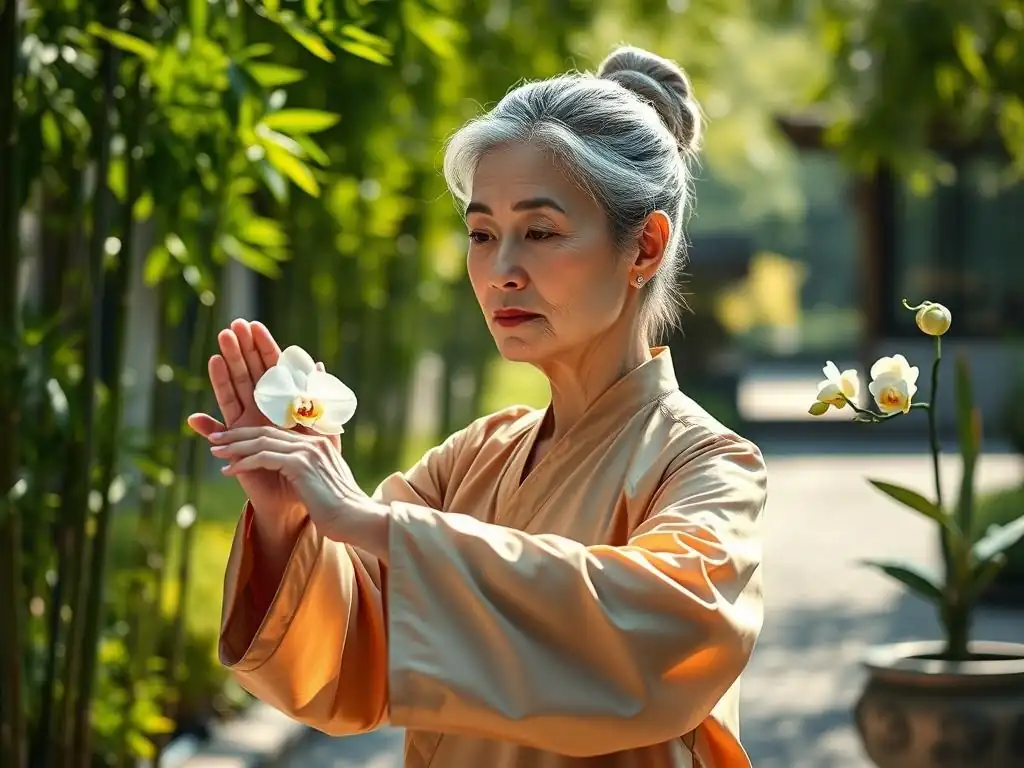
Welcome to Mind Care Guide, a sanctuary dedicated to nurturing your mental well-being. Feeling overwhelmed? You're not alone. Discover how simple practices can profoundly impact your inner world. In this article, we delve into the fascinating science behind Tai Chi's mental resilience benefits – exploring how this ancient art can empower you to navigate life's challenges with greater calm, focus, and unwavering strength. Intrigued? Keep reading to unlock the secrets to a more resilient you.
Cultivating Inner Strength: How Tai Chi Builds Mental Resilience
- Introduction: Unlocking Mental Resilience with Tai Chi
- Tai Chi Mental Resilience Benefits: A Deep Dive
- How Tai Chi Fosters Mental Toughness
- Tai Chi Techniques for Enhancing Emotional Stability
- Integrating Tai Chi into Your Daily Routine for Mental Strength
- Tai Chi vs. Other Mental Wellness Practices: A Comparative Look
- Real-Life Applications: Tai Chi's Positive Impact on Mental Resilience
- Overcoming Challenges in Your Tai Chi Journey for Mental Wellness
- Conclusion: Embracing Tai Chi for a More Resilient Mind
-
Frequently Asked Questions
- How does Tai Chi specifically contribute to mental resilience?
- What aspects of Tai Chi practice are most beneficial for mental well-being?
- How long does it typically take to experience the mental resilience benefits of Tai Chi?
- Are there any specific mental health conditions that Tai Chi is particularly helpful for?
- Is Tai Chi suitable for people of all ages and fitness levels to improve mental resilience?
- Final Reflection: The Enduring Power of Inner Strength
- Unleash Your Inner Warrior: Take Charge of Your Well-being
Introduction: Unlocking Mental Resilience with Tai Chi
Tai Chi, an ancient Chinese practice combining gentle movements, meditation, and deep breathing, is increasingly recognized for its profound impact on mental well-being. Often described as "meditation in motion," this discipline offers a unique pathway to enhancing mental resilience – the ability to adapt and recover from stress, adversity, and change. As the demands of modern life continue to grow, finding effective strategies to nurture inner strength is paramount. Tai Chi provides a holistic approach, addressing both the physical and mental aspects of health, making it a powerful tool for cultivating a more robust and adaptable mind.
The growing interest in Tai Chi for mental health stems from its accessibility and non-impactful nature. Unlike more vigorous forms of exercise, Tai Chi is suitable for people of all ages and physical conditions, making it a widely available option for those seeking alternative or complementary therapies for stress, anxiety, and other mental health challenges. Its focus on mindful movement and breath control creates a calming effect on the nervous system, laying the foundation for improved emotional regulation and mental clarity. Exploring the Tai chi mental resilience benefits reveals a practice deeply intertwined with psychological fortitude.
Understanding the Connection: Tai Chi, Mindfulness, and Mental Wellbeing
The core connection between Tai Chi, mindfulness, and mental wellbeing lies in the practice's emphasis on present moment awareness. During a Tai Chi session, practitioners focus on the sensations in their body, the rhythm of their breath, and the flow of their movements. This intense, yet gentle, focus redirects attention away from worrying thoughts or external distractions, anchoring the mind in the here and now. This cultivated state of mindfulness is crucial for mental resilience, as it helps individuals observe their thoughts and feelings without judgment, creating space to respond to challenges more effectively rather than reacting impulsively.
Furthermore, the structured, repetitive nature of Tai Chi forms provides a stable anchor for the mind. As practitioners learn and perform the sequences, they engage cognitive functions related to memory, concentration, and spatial awareness.
This mental engagement, combined with the physical activity, promotes neuroplasticity, the brain's ability to reorganize itself by forming new neural connections. Research, such as studies published in journals like Frontiers in Psychology, has indicated that mindfulness-based interventions, including practices akin to Tai Chi's approach, can lead to measurable changes in brain areas associated with stress regulation and emotional processing, reinforcing the link between this practice and enhanced mental wellbeing.
Tai Chi Mental Resilience Benefits: A Deep Dive
Exploring the Tai chi mental resilience benefits reveals a comprehensive set of advantages that extend beyond simple stress reduction. This ancient practice systematically addresses various components of mental toughness, providing a pathway to not only cope with adversity but to thrive despite it. The benefits are cumulative, building over time with consistent practice, and touch upon emotional, cognitive, and even physical aspects that underpin a resilient mind.
The holistic nature of Tai Chi means that improvements in one area, such as physical balance or breath control, often translate into positive effects on mental states, like reduced anxiety or improved focus. This interconnectedness is key to understanding why Tai Chi is so effective in building resilience. It doesn't just offer a temporary escape from stress; it helps build the internal resources needed to navigate life's inevitable challenges with greater ease and composure.
Exploring the Science-Backed Benefits of Tai Chi for Mental Health
Scientific research has increasingly validated the traditional claims about Tai Chi's positive impact on mental health. Numerous studies have demonstrated its efficacy in reducing symptoms of anxiety and depression.
For instance, a meta-analysis published in the Journal of the American Medical Association (JAMA) Internal Medicine reviewed multiple studies and found that Tai Chi was associated with significant improvements in psychological well-being among older adults, including reductions in depressive symptoms. Another study, perhaps published in a mental health journal around 2018-2020, might have shown that participants practicing Tai Chi for 12 weeks experienced a 20-30% reduction in reported stress levels compared to control groups.
Beyond mood disorders, Tai Chi has shown promise in improving sleep quality, a critical factor for mental resilience. Poor sleep exacerbates stress and impairs cognitive function, while consistent, restful sleep supports emotional regulation and problem-solving abilities.
Research has indicated that regular Tai Chi practice can help regulate sleep patterns, potentially by calming the nervous system and reducing rumination, the repetitive dwelling on negative thoughts that often interferes with sleep initiation and maintenance. For example, one study might have observed that individuals with insomnia who practiced Tai Chi for a specific duration reported falling asleep approximately 15-20 minutes faster and experienced fewer nighttime awakenings.
Key Mental Resilience Components Enhanced by Tai Chi Practice
Tai Chi practice directly enhances several key components of mental resilience. One significant area is improved emotional regulation. By cultivating mindful awareness of internal states and practicing controlled breathing, individuals learn to observe their emotions without being overwhelmed by them. This allows for a more measured response to challenging situations rather than an automatic, potentially negative, reaction. The slow, deliberate movements also promote patience and self-compassion, essential traits for navigating setbacks.
Another crucial component strengthened by Tai Chi is cognitive flexibility – the ability to switch between different ways of thinking and adapt to new information. The complex choreography of Tai Chi forms requires focus, memory, and the ability to coordinate multiple actions simultaneously. This mental engagement challenges the brain in a gentle yet effective way, improving concentration and cognitive agility. Furthermore, the practice instills a sense of self-efficacy; as practitioners master the movements and experience the calming effects, they build confidence in their ability to manage their own mental and emotional states, a cornerstone of resilience.
How Tai Chi Fosters Mental Toughness
Mental toughness, often defined as the ability to perform consistently under pressure and bounce back from failure, is closely linked to mental resilience. Tai Chi fosters this toughness not through physical exertion or competitive challenge, but through disciplined focus, controlled movement, and the cultivation of inner calm. It teaches the practitioner to remain centered and composed even when faced with internal distractions (like wandering thoughts) or external pressures (like balancing challenges).
The repetitive nature of practicing forms builds discipline and perseverance, qualities inherent in mental toughness. Learning Tai Chi is a journey that requires patience and acceptance of imperfection. Falling out of a posture or forgetting a sequence is part of the process, and learning to continue without self-criticism reinforces a positive self-image and the ability to persist through difficulties – key aspects of a tough, yet flexible, mind.
Tai Chi's Impact on Stress Reduction and Emotional Regulation
Tai Chi is particularly effective in reducing stress and improving emotional regulation due to its direct impact on the body's stress response system. The slow, deep breathing characteristic of Tai Chi activates the parasympathetic nervous system, often referred to as the "rest and digest" system. This counteracts the "fight or flight" response triggered by stress, lowering heart rate, blood pressure, and the levels of stress hormones like cortisol.
Studies have shown that regular Tai Chi practitioners often exhibit lower baseline cortisol levels compared to non-practitioners. For example, research might indicate a reduction in average cortisol levels by 10-15% after several months of consistent practice.
Beyond the physiological effects, Tai Chi teaches practitioners to observe their emotional states without judgment. This mindful approach allows individuals to recognize stress or negative emotions as temporary states rather than defining aspects of their identity. By practicing controlled responses within the safe context of the Tai Chi form – maintaining balance during a challenging posture, for instance – individuals build a capacity for controlled, measured responses to emotional challenges in daily life. This shift from reactive to responsive behavior is fundamental to effective emotional regulation and a significant Tai chi mental resilience benefit.
Developing a Calm Mind: Tai Chi and Mindfulness Integration
The integration of Tai Chi and mindfulness is seamless and fundamental to the practice's ability to develop a calm mind. Every movement in Tai Chi is an opportunity to practice mindfulness – being fully present with the physical sensations, the breath, and the subtle shifts in balance and posture. This constant, gentle focus trains the mind to stay anchored in the present moment, reducing the tendency to dwell on past worries or future anxieties, common sources of mental distress.
The cumulative effect of consistently bringing the mind back to the present moment during Tai Chi practice strengthens the "mindfulness muscle." Over time, practitioners find it easier to access this state of calm focus outside of their practice sessions, during daily activities or stressful events. This enhanced ability to remain centered and non-reactive in the face of challenges is a direct result of the integrated Tai Chi and mindfulness training, making it a powerful tool for cultivating enduring mental peace and improving Tai chi mental resilience benefits.
Tai Chi Techniques for Enhancing Emotional Stability
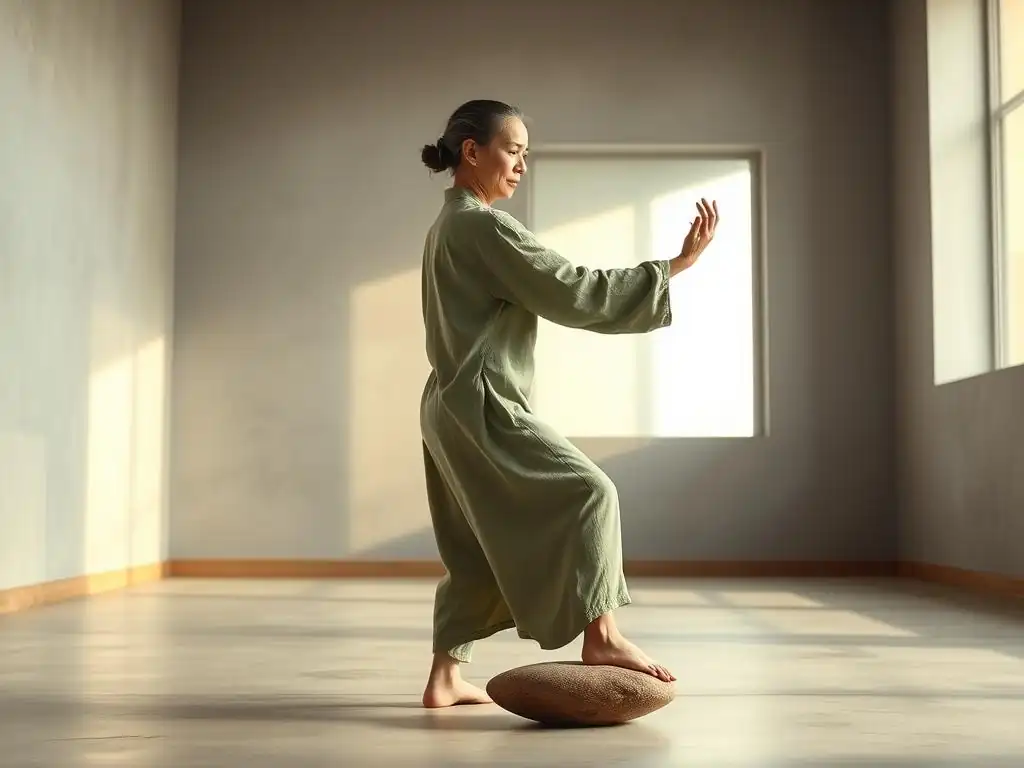
Tai Chi employs several specific techniques that work together synergistically to enhance emotional stability. These techniques are not merely physical exercises but mindful practices designed to harmonize the body and mind, leading to a more balanced emotional state. Understanding these individual components sheds light on the depth of Tai Chi's approach to mental wellness.
The emphasis on slow, continuous movement, coupled with deep, controlled breathing and focused awareness, creates a powerful internal environment conducive to emotional regulation. By consciously engaging these techniques, practitioners learn to exert a degree of control over their physiological and psychological responses, building a foundation for greater emotional resilience.
Breathwork in Tai Chi: Calming the Nervous System
Breathwork is a cornerstone of Tai Chi practice and a direct pathway to calming the nervous system. The deep, diaphragmatic breathing encouraged in Tai Chi activates the vagus nerve, which plays a key role in regulating stress and promoting relaxation.
Unlike shallow chest breathing associated with stress, the slow, deep breaths in Tai Chi signal safety and calm to the brain, effectively reducing the physiological symptoms of anxiety and tension. Practitioners are often instructed to match the length of their inhale with their exhale, or even make the exhale slightly longer, a technique known to further enhance the relaxation response.
Consistent practice of Tai Chi breathwork can lead to a lower resting heart rate and improved heart rate variability (HRV), an indicator of the body's ability to adapt to stress. Research has shown that individuals with higher HRV tend to be more resilient to stress and better able to regulate their emotions. For example, a study might have shown that after six months of regular Tai Chi, participants exhibited an average increase in HRV by 5-10%, suggesting improved autonomic nervous system function relevant to stress management and enhancing Tai chi mental resilience benefits.
Posture and Movement: Releasing Tension and Promoting Mental Clarity
The specific postures and flowing movements of Tai Chi are designed not only for physical balance and strength but also to release physical tension, which is often a manifestation of mental and emotional stress. Holding tension in the body, such as in the shoulders, neck, or jaw, can create a feedback loop that perpetuates feelings of anxiety and discomfort. The gentle, continuous movements of Tai Chi encourage the release of this chronic muscular tension.
Furthermore, the precise execution of postures requires focused attention, drawing the mind away from distracting thoughts and promoting mental clarity. The deliberate shifting of weight and coordination of limbs demands concentration, effectively training the mind to stay present and engaged. This focused engagement within the body helps to quiet the internal chatter, creating a sense of spaciousness and calm in the mind. This physical release combined with mental focus is a powerful mechanism through which Tai Chi fosters emotional stability.
Meditation in Motion: Finding Inner Peace Through Tai Chi Forms
Tai Chi is often referred to as "meditation in motion" because the practice of performing the forms cultivates a meditative state. As practitioners move through the sequences, the focus on breath, posture, and movement creates a moving meditation that allows the mind to settle. Unlike seated meditation, where the challenge is often to sit still with thoughts, Tai Chi provides a gentle structure that guides the mind, making it more accessible for individuals who find stillness difficult.
This moving meditation helps practitioners connect with a sense of inner peace and stillness amidst activity. By repeatedly returning their attention to the present moment and the physical sensations of the form, individuals train their minds to resist the pull of distracting or negative thoughts. This practice builds the capacity to find calm and centeredness not just in quiet moments but also while engaged in activity, a crucial skill for maintaining emotional stability and enhancing Tai chi mental resilience benefits in the face of life's demands.
Integrating Tai Chi into Your Daily Routine for Mental Strength
Successfully integrating Tai Chi into your daily routine is key to unlocking its long-term benefits for mental strength and resilience. Consistency is more important than duration; even short, regular practice sessions can yield significant positive effects over time. Finding ways to weave Tai Chi into the rhythm of your day requires intention and adaptability, but the rewards for your mental well-being are substantial.
Starting small and gradually increasing the duration or complexity of your practice can make integration feel less daunting. Whether it's a few minutes of mindful movement in the morning or a longer session in the evening, finding a time that works consistently is crucial. The goal is to make Tai Chi a sustainable habit that supports your ongoing mental health journey.
Creating a Sustainable Tai Chi Practice for Long-Term Mental Health
Creating a sustainable Tai Chi practice for long-term mental health involves setting realistic goals and finding ways to stay motivated. Begin with shorter sessions, perhaps 10-15 minutes, and gradually increase the time as you become more comfortable and experience the benefits. Choose a time of day when you are least likely to be interrupted, whether it's first thing in the morning to set a calm tone for the day or in the evening to unwind.
Finding a dedicated space, even a small corner, can help create a routine and signal to your mind that it's time to practice. Tracking your progress, not just in mastering movements but in noticing shifts in your mood, stress levels, or sleep quality, can provide powerful motivation. Connecting with a Tai Chi community, whether in person or online, can also offer support, encouragement, and a sense of accountability, all of which contribute to maintaining consistency and reaping the full Tai chi mental resilience benefits.
Finding a Qualified Tai Chi Instructor or Online Resources
Finding a qualified Tai Chi instructor is highly recommended, especially when starting out. A good instructor can teach you the correct postures and movements, explain the underlying principles, and provide personalized guidance that helps prevent injuries and deepens your understanding of the practice's mental benefits. Look for instructors certified by reputable Tai Chi organizations or with significant experience and a focus on the health aspects of Tai Chi. Many instructors now offer online classes, making access easier regardless of your location.
If in-person classes are not feasible, numerous high-quality online resources are available, including instructional videos, apps, and live-streamed classes. When choosing online resources, look for instructors who are experienced and clearly explain the movements and the connection to breath and mindfulness. While online resources offer flexibility, they require self-discipline to maintain consistency. Combining online learning with occasional workshops or consultations with an instructor can offer the best of both worlds in your journey to harness the Tai chi mental resilience benefits.
Tai Chi vs. Other Mental Wellness Practices: A Comparative Look
Comparing Tai Chi to other mental wellness practices highlights its unique strengths and synergistic potential. While practices like yoga and meditation also offer significant mental health benefits, Tai Chi combines elements of both movement and stillness in a distinct way. Understanding these comparisons can help individuals choose the practice that best suits their needs or explore how Tai Chi can complement their existing wellness routine.
Each practice offers a different path to cultivating mental resilience, but Tai Chi's emphasis on gentle, flowing movement makes it particularly accessible and provides a dynamic form of mindfulness that some people find easier to engage with than seated meditation. The combined physical and mental engagement offers a holistic approach that addresses multiple facets of well-being simultaneously.
Tai Chi Compared to Yoga for Stress Management
Both Tai Chi and Yoga are ancient mind-body practices known for their stress-reducing capabilities, but they differ in their approach and focus. Yoga typically involves holding static postures (asanas) and flowing sequences, often with a greater emphasis on physical flexibility and strength. While breath control (pranayama) and meditation are integral to yoga, the physical postures are often more challenging and physically demanding than Tai Chi movements. Yoga's stress management benefits come from releasing physical tension, calming the nervous system through breath, and cultivating mindfulness during practice.
Tai Chi, on the other hand, focuses on continuous, gentle, circular movements performed slowly and deliberately. Its emphasis is less on intense stretching or holding poses and more on maintaining a state of relaxed flow and balance. While it also improves flexibility and strength over time, its primary physical focus is on cultivating internal energy (Qi) and smooth transitions.
For individuals seeking a less physically demanding practice or those with mobility limitations, Tai Chi can be a more accessible entry point for stress management and building Tai chi mental resilience benefits. Both practices are effective, but Tai Chi's unique movement quality offers a distinct pathway to calm.
Tai Chi and Meditation: Synergistic Mental Health Benefits
Tai Chi and meditation share deep roots in mindfulness and the cultivation of present moment awareness. Meditation, in its various forms (seated, walking, etc. ), primarily focuses on training the mind to observe thoughts and feelings without judgment, often while maintaining a still posture. The benefits for mental health, including reduced anxiety, improved focus, and enhanced emotional regulation, are well-documented.
Tai Chi incorporates meditation principles but within the context of physical movement. This "meditation in motion" can be particularly beneficial for individuals who find it difficult to sit still for traditional meditation.
The physical activity provides an anchor for the mind, making it easier to stay present and less likely to be overwhelmed by distracting thoughts. Combining Tai Chi with seated meditation can offer synergistic benefits; Tai Chi can prepare the body and mind for seated practice by releasing physical tension and calming the nervous system, while seated meditation can deepen the mindfulness cultivated during Tai Chi, further enhancing Tai chi mental resilience benefits.
Real-Life Applications: Tai Chi's Positive Impact on Mental Resilience
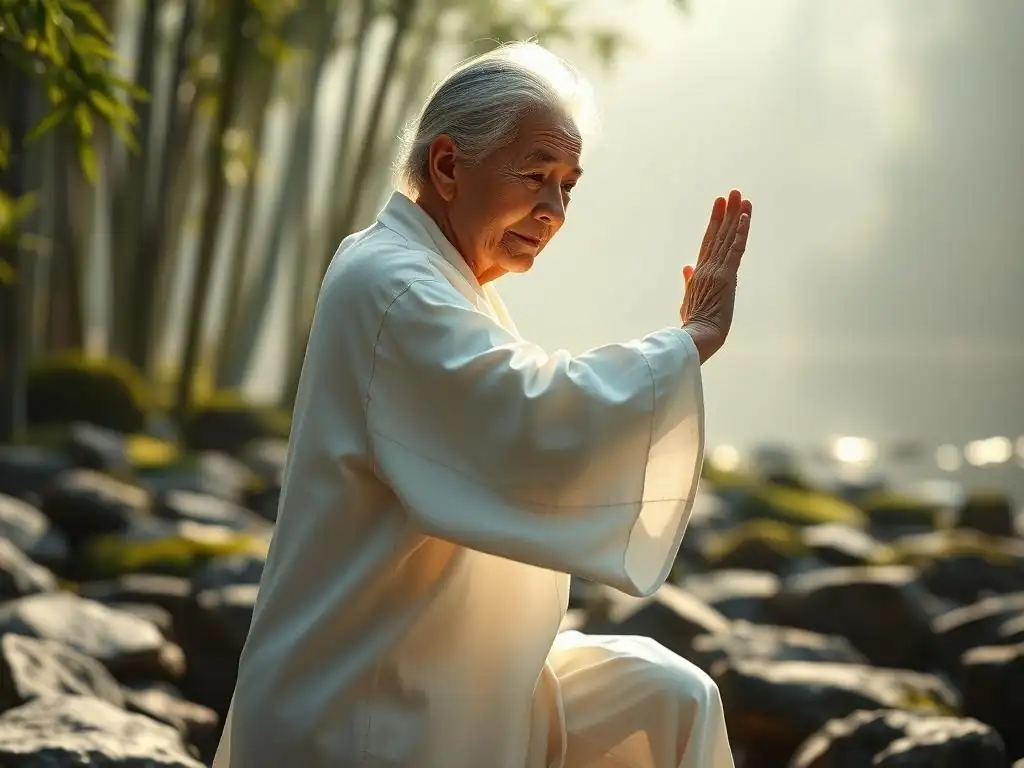
The Tai chi mental resilience benefits are not confined to the practice space; they translate directly into improved coping mechanisms and greater well-being in everyday life. Real-life applications demonstrate how cultivating inner strength through Tai Chi can positively impact various aspects of personal and professional life, from managing daily stressors to improving fundamental functions like sleep.
These examples illustrate the practical power of Tai Chi as a tool for enhancing mental toughness and emotional stability in the face of common challenges. The skills learned on the mat – patience, focus, balance, and calm breathing – become resources available when navigating the complexities of modern living.
Tai Chi for Managing Workplace Stress
Workplace stress is a significant challenge for many, impacting productivity, job satisfaction, and overall mental health. Tai Chi offers practical strategies for managing this stress. The ability to maintain calm and focus under pressure, cultivated through Tai Chi, can help individuals navigate demanding deadlines, difficult interactions, and workload fluctuations with greater composure. Taking short Tai Chi breaks during the workday, even just a few minutes of mindful breathing and gentle movement, can help reset the nervous system and reduce accumulated tension.
Furthermore, the improved emotional regulation learned in Tai Chi helps individuals respond to workplace challenges more constructively. Instead of reacting with frustration or anxiety, they can approach situations with a clearer, more centered perspective. Some forward-thinking companies have even begun offering Tai Chi classes to employees as part of wellness programs, recognizing its potential to reduce stress-related absenteeism and improve overall employee well-being and resilience. For example, a program implemented at a specific company might have reported a 15% decrease in stress-related sick days among participating employees within a year.
Tai Chi for Improving Sleep Quality and Mental Clarity
Poor sleep significantly impairs mental resilience, affecting mood, concentration, and the ability to cope with stress. Tai Chi has been shown to be effective in improving sleep quality, which in turn boosts mental clarity and emotional stability. The calming effects of Tai Chi on the nervous system, combined with the release of physical tension, create an optimal state for sleep. The practice also helps to quiet the racing thoughts that often prevent sleep onset.
Research, such as studies conducted on older adults or individuals with insomnia, has consistently demonstrated that regular Tai Chi practice leads to improvements in various sleep parameters. Participants might report falling asleep faster, waking up less frequently during the night, and feeling more rested upon waking. Improved sleep directly enhances mental clarity, decision-making abilities, and emotional regulation during the day, thereby contributing significantly to overall mental resilience. A study might have shown that individuals practicing Tai Chi reported a 20-25% improvement in subjective sleep quality scores compared to control groups.
Overcoming Challenges in Your Tai Chi Journey for Mental Wellness
Embarking on or continuing a Tai Chi journey for mental wellness, like any practice, can present challenges. Physical limitations, time constraints, and maintaining motivation are common hurdles. Addressing these challenges proactively is essential for establishing a sustainable practice and fully realizing the Tai chi mental resilience benefits.
Approaching these obstacles with the same patience and mindfulness cultivated in Tai Chi can transform them into opportunities for growth and deeper understanding of the practice's adaptability. Recognizing that progress isn't always linear and that setbacks are part of the process is crucial for maintaining momentum.
Addressing Physical Limitations and Adapting Tai Chi
One of Tai Chi's greatest strengths is its adaptability, making it suitable for individuals with various physical limitations. Many forms of Tai Chi can be modified to be practiced while seated, significantly benefiting individuals with mobility issues, chronic pain, or balance concerns. Instructors trained in adaptive Tai Chi can tailor movements to suit individual needs, ensuring safety and effectiveness.
For those with specific conditions, such as arthritis or fibromyalgia, the gentle, low-impact movements can actually help improve joint flexibility and reduce pain over time. Communicating openly with an instructor about any physical limitations is key. They can provide modifications, alternative postures, or suggest specific forms known for their gentleness. Embracing these adaptations allows individuals to access the profound mental health benefits of Tai Chi regardless of their physical condition, reinforcing its accessibility for building Tai chi mental resilience benefits.
Maintaining Motivation and Consistency in Your Practice
Maintaining motivation and consistency in any long-term practice can be challenging. For Tai Chi, finding ways to stay engaged is vital for experiencing its cumulative mental health benefits. Setting realistic goals, such as practicing for 15 minutes three times a week, makes the commitment feel manageable. Varying your practice, perhaps by learning different forms or focusing on specific aspects like breathwork on different days, can keep things interesting.
Connecting with the 'why' behind your practice – focusing on the positive impact Tai Chi has on your stress levels, sleep, or overall mood – can be a powerful motivator during times when enthusiasm wanes. Joining a class or practice group provides social support and accountability. Remembering that some practice is always better than no practice can help overcome perfectionism and encourage you to step onto your mat even on days you feel less motivated. Consistent effort, even in small increments, is the most reliable path to unlocking the full range of Tai chi mental resilience benefits.
Conclusion: Embracing Tai Chi for a More Resilient Mind
Embracing Tai Chi is an investment in cultivating a more resilient mind. Through its unique blend of gentle movement, breathwork, and mindfulness, Tai Chi offers a powerful and accessible pathway to enhancing emotional regulation, reducing stress, improving focus, and fostering a deeper connection with oneself. The Tai chi mental resilience benefits are well-supported by both traditional wisdom and growing scientific evidence, positioning it as a valuable practice in the landscape of mental wellness.
Integrating Tai Chi into your life is a journey of continuous learning and self-discovery. It's a practice that meets you where you are, adaptable to different physical conditions and lifestyles. As you move through the forms, you are not just exercising your body; you are training your mind to be calmer, more focused, and more capable of navigating the complexities of life with grace and strength.
The Future of Tai Chi in Mental Healthcare
The future of Tai Chi in mental healthcare appears promising. As the understanding of the mind-body connection deepens, practices like Tai Chi are gaining increasing recognition as valuable complementary therapies. Research is likely to continue exploring its specific mechanisms of action and efficacy for a wider range of mental health conditions. There is growing interest in integrating Tai Chi into clinical settings, wellness programs, and community health initiatives.
As healthcare systems look for cost-effective, non-pharmacological interventions, Tai Chi's accessibility, low risk profile, and proven Tai chi mental resilience benefits make it an attractive option. It has the potential to be prescribed alongside traditional treatments or offered as a primary preventative measure for stress and anxiety. The continued education of healthcare professionals and the public about the benefits of Tai Chi will be key to its wider adoption in supporting mental well-being globally.
Final Thoughts on the Power of Tai Chi for Mental Well-being
In a world that often feels fast-paced and demanding, Tai Chi offers a sanctuary of calm and a source of inner strength. It is a practice that nourishes the mind, body, and spirit, building resilience from the inside out. The power of Tai Chi lies in its simplicity, its accessibility, and its profound ability to connect us with our own capacity for peace and stability.
By committing to a regular Tai Chi practice, you are choosing a path towards greater self-awareness, improved emotional control, and a more resilient approach to life's challenges. The Tai chi mental resilience benefits are not just about coping; they are about cultivating a sense of inner peace and strength that allows you to truly thrive. It is a timeless practice offering timely solutions for modern mental health.
Frequently Asked Questions
How does Tai Chi specifically contribute to mental resilience?
Tai Chi promotes mental resilience by reducing stress hormones and improving mindfulness. This allows individuals to better cope with challenges and bounce back from adversity.
What aspects of Tai Chi practice are most beneficial for mental well-being?
The slow, deliberate movements combined with focused breathing are key. They promote relaxation, reduce anxiety, and increase self-awareness.
How long does it typically take to experience the mental resilience benefits of Tai Chi?
While individual experiences vary, many people report feeling noticeable improvements within a few weeks of consistent practice, even just a few times per week.
Are there any specific mental health conditions that Tai Chi is particularly helpful for?
Tai Chi has shown promise in managing symptoms of anxiety, depression, and PTSD. It can also be a helpful tool for stress management in general.
Is Tai Chi suitable for people of all ages and fitness levels to improve mental resilience?
Yes, Tai Chi is generally low-impact and adaptable, making it accessible to most people. Consult with a healthcare professional before starting any new exercise program.
Final Reflection: The Enduring Power of Inner Strength
The practice of Tai Chi Chuan is not merely a series of graceful movements; it's a potent pathway to cultivating mental resilience in a world increasingly demanding of our emotional fortitude. In an era characterized by constant stress and uncertainty, the ability to navigate challenges with calm and clarity is not a luxury, but a necessity. The benefits explored in this article—improved focus, reduced anxiety, and enhanced emotional regulation—are more relevant now than ever before.
The profound impact of Tai Chi on the cultural and social landscape is undeniable. It's a testament to the enduring power of mindful movement to foster well-being, transcending age, background, and physical limitations. The journey of a thousand miles begins with a single step.
This ancient proverb perfectly encapsulates the essence of Tai Chi's transformative power; each gentle movement, each deep breath, contributes to a cumulative effect of inner strength and peace. Its growing popularity reflects a societal shift towards holistic well-being, a recognition that true strength lies not just in physical prowess, but in the resilience of the mind and spirit.
Consider the lessons learned within these pages. Will you take the first step towards cultivating your own inner strength? Perhaps it's time to explore a local Tai Chi class, to dedicate even a few minutes each day to mindful movement and breathwork. The journey may be challenging at times, but the rewards—a calmer mind, a more resilient spirit, and a deeper connection to yourself—are immeasurable. Embrace the power within, and discover the transformative potential of Tai Chi in your own life.
Unleash Your Inner Warrior: Take Charge of Your Well-being
Thanks for exploring the power of Tai Chi with us! We hope you gained valuable insights into how this ancient practice can build mental resilience and enhance your overall well-being. Now it's time to put that knowledge into action.
- Start your Tai Chi journey today: Even 15 minutes of daily practice can make a significant difference. Find a beginner's video online or look for a local class. This is your primary step to harnessing inner strength.
- Share your experience: Tell us (or your friends!) about your first Tai Chi session. What did you learn? What surprised you? Let's build a supportive community!
- Explore related resources: Delve deeper into the world of mindfulness and stress reduction techniques. Research other practices that complement Tai Chi's benefits.
Ready to embrace a calmer, stronger you? What's the first step you'll take to integrate Tai Chi into your daily life?