
Art Therapy for Families Healing from Shared Trauma

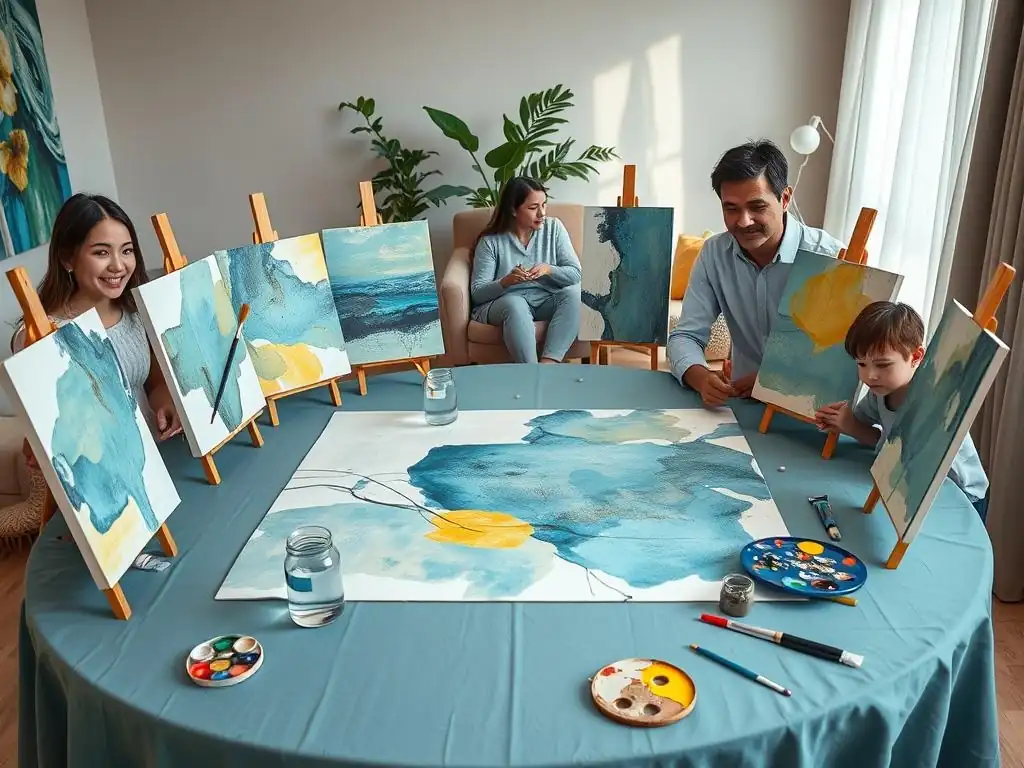
Welcome to Mind Care Guide.
Perhaps you've found yourself here seeking a path forward for your family, a way to mend wounds that words alone can't reach. You're not alone. This space is dedicated to nurturing mental well-being, and within these pages, we explore powerful tools for healing. Are you curious about how family art therapy can unlock a shared journey of recovery from trauma? Discover how creativity can become your family's bridge to a brighter tomorrow. Let's begin.
Art Therapy for Families Healing from Shared Trauma: A Mind Care Guide
Trauma can cast a long shadow, impacting not just individuals but entire family units. When families experience shared traumatic events, the path to healing requires collective understanding and connection. This article explores the power of family art therapy as a creative and effective approach to navigate the complex journey of healing from shared trauma. It offers insights into how artistic expression can unlock communication, foster emotional processing, and strengthen the bonds necessary for recovery.
- Understanding Family Trauma and the Need for Healing
- Family Art Therapy: A Creative Path to Trauma Recovery
- Family Art Therapy Techniques and Activities for Trauma
- Finding a Qualified Art Therapist for Your Family
- What to Expect During Family Art Therapy Sessions
- Addressing Challenges and Resistance in Family Art Therapy
- Supporting Family Art Therapy at Home
- The Long-Term Benefits of Family Art Therapy for Trauma
- Resources for Families Seeking Art Therapy for Trauma Healing
-
Frequently Asked Questions
- What is Family Art Therapy and how does it help with trauma healing?
- How can art therapy specifically benefit families dealing with shared trauma?
- What types of art activities are commonly used in Family Art Therapy for trauma?
- Is Family Art Therapy suitable for all ages and types of trauma?
- How do I find a qualified art therapist specializing in Family Art Therapy for trauma healing?
- Final Reflection: The Healing Power of Shared Creation
- Unleash Your Family's Healing Power
Understanding Family Trauma and the Need for Healing
Shared trauma refers to traumatic experiences that impact multiple members of a family simultaneously or that occur within the family system itself, such as natural disasters, accidents, community violence, or complex family dynamics involving neglect or abuse. The effects ripple through the entire family structure, challenging established roles, communication patterns, and emotional safety. Recognizing the collective wound is the first step towards collective healing.
Shared trauma is distinct from individual trauma, though individual responses within the family will vary. It involves an event or series of events that overwhelm the family's collective coping capacity, leading to a sense of helplessness and fear shared among its members. For instance, a family surviving a house fire together might experience shared trauma. While each member might have unique psychological responses, the shared experience of loss, danger, and displacement creates a collective narrative and impact.
This shared experience can manifest in various ways, affecting the family's sense of safety, trust, and future orientation. Research indicates that shared traumatic events, such as mass shootings or terrorist attacks affecting a community, can lead to persistent psychological distress within families, with symptoms often lasting for years if left unaddressed. The interconnectedness of family members means one person's struggle can significantly influence the well-being and recovery of others.
The Impact of Trauma on Family Dynamics and Communication
Trauma significantly disrupts the typical functioning of a family. It can lead to breakdowns in communication, increased conflict, emotional withdrawal, and difficulty regulating emotions. For example, a family experiencing a traumatic event might find that members become isolated, unable to talk about their feelings for fear of re-traumatizing others or overwhelming the system. This silence can create distance and misunderstanding.
Studies and clinical observations consistently show that trauma can alter attachment patterns within the family. Parents might struggle to provide consistent emotional support, or children might develop insecure attachments due to the unpredictable environment trauma creates. This disruption in dynamics underscores the critical need for interventions that can safely re-establish connection and facilitate healthy communication, making family art therapy for trauma healing a valuable approach.
Why Family Art Therapy for Trauma Healing?
Traditional talk therapy can be challenging for families dealing with trauma, especially when words feel inadequate or too painful to articulate. Art therapy offers a non-verbal, creative outlet that can bypass linguistic barriers and defenses, allowing family members to express complex emotions and experiences in a safe, symbolic way. It provides a shared activity that encourages interaction without the pressure of finding the "right" words.
Furthermore, family art therapy inherently involves interaction and co-creation, which directly addresses the relational wounds caused by shared trauma. By engaging in art together, families can rebuild trust, improve understanding of each other's perspectives, and work collaboratively towards healing goals. This process is particularly effective in helping families process difficult memories, regulate intense emotions, and construct a new, more resilient family narrative.
Family Art Therapy: A Creative Path to Trauma Recovery
Art therapy harnesses the creative process to explore feelings, resolve conflicts, and improve well-being. When applied to families healing from trauma, it becomes a powerful tool for collective expression and relational repair. It's not about artistic talent, but about using materials and images to communicate and connect.
What is Family Art Therapy? Exploring the Basics
Family art therapy is a specialized form of therapy where a trained art therapist guides family members through art-making activities to address emotional, relational, and psychological challenges, particularly those stemming from trauma. Sessions typically involve the family creating art individually, together, or both, followed by processing the artwork and the experience with the therapist. The focus is on the process of creation and the insights gained from the art, rather than the aesthetic quality.
A typical session might last between 60 and 90 minutes, providing ample time for art creation and discussion. The therapist acts as a facilitator, creating a safe space and offering prompts or materials that encourage expression related to the family's trauma experience and healing journey. The goal is to foster understanding, empathy, and new ways of interacting within the family system.
How Art Therapy Facilitates Healing from Trauma: A Deeper Look
Art therapy facilitates trauma healing by providing a means to externalize traumatic experiences and emotions that may be too overwhelming to process verbally. Creating an image or object related to the trauma allows family members to gain distance from the event itself, making it safer to explore difficult feelings like fear, anger, or sadness. The artwork serves as a tangible representation that can be discussed, modified, or even symbolically destroyed or transformed as part of the healing process.
Moreover, the act of creating art can be inherently grounding and regulating. Engaging the hands and senses in art-making can help individuals manage the physiological symptoms of trauma, such as hyperarousal or dissociation. For families, creating art together can help re-establish a sense of safety and connection in the present moment, counteracting the isolating effects trauma often has. This creative engagement is a cornerstone of effective family art therapy trauma healing.
The Benefits of Art Therapy for Families Facing Trauma
Family art therapy offers a multitude of benefits tailored to the unique needs of families recovering from shared trauma. These benefits extend beyond individual symptom reduction to encompass the strengthening of the family unit as a whole. The creative process provides a unique avenue for growth and understanding.
Improved Communication Through Art
Art provides a visual language where words fail. Family members can express feelings or experiences through images or symbols that they might not be able to articulate verbally. Discussing the artwork created by different family members can open up new pathways for understanding each other's perspectives on the trauma and its impact.
Enhanced Emotional Expression and Regulation
Trauma can leave individuals feeling overwhelmed by intense emotions or emotionally numb. Art therapy offers safe ways to explore and express these feelings. The creative process itself can be cathartic, and the therapist helps family members learn to identify, tolerate, and regulate intense emotional responses through the artwork and the therapeutic relationship.
Strengthened Family Bonds and Cohesion
Working on art projects together, or even creating individual pieces in a shared space, fosters connection. The shared experience of creating, reflecting, and supporting each other through the artistic process helps rebuild trust and strengthens the emotional bonds that trauma may have strained. This collaborative effort is central to family art therapy trauma healing.
Reduced Trauma-Related Symptoms
Clinical observations suggest that engaging in family art therapy can lead to a decrease in common trauma symptoms such as anxiety, depression, nightmares, flashbacks, and irritability among family members. By processing the trauma in a safe, supportive, and creative environment, families can alleviate the psychological burden and improve overall well-being. While individual responses vary, many families report significant relief.
Family Art Therapy Techniques and Activities for Trauma
Art therapists use a variety of techniques and materials tailored to the family's needs and the specific nature of the trauma. The goal is always to promote safety, expression, and connection. Activities are chosen to be accessible and engaging for all family members, regardless of age or artistic ability.
Safe Space Creation in Art Therapy Sessions
Creating a physically and emotionally safe space is paramount in trauma-informed art therapy. The art therapy studio is typically a welcoming, non-judgmental environment where family members feel secure to explore difficult emotions and memories. The therapist establishes clear boundaries regarding confidentiality and respect for each other's expressions.
This safety extends to the materials used and the way artwork is handled. Families are assured that there is no right or wrong way to make art and that their creations will be treated with care and respect. The therapist models emotional regulation and acceptance, helping family members feel safe to express vulnerability without fear of criticism or negative reactions.
Common Art Materials Used in Family Trauma Therapy
A wide range of materials can be used in family art therapy, chosen for their tactile qualities and expressive potential. Common materials include drawing supplies (pencils, crayons, markers, pastels), paints (watercolor, acrylic), clay, collage materials (magazines, fabric, found objects), and mixed media supplies. The choice of material can influence the therapeutic process; for example, clay can be grounding and expressive for strong emotions, while watercolors might encourage fluidity and gentleness.
The therapist selects materials based on the family's needs and the specific activity. Sometimes, the choice of materials is left entirely up to the family members, empowering them and giving them control in a setting where they may have felt powerless due to trauma. Access to diverse materials allows for varied forms of expression during family art therapy trauma healing sessions.
Specific Art Therapy Exercises for Trauma Healing
Many specific exercises are designed to help families process trauma through art. These activities often encourage both individual expression and collaborative work, fostering connection and shared understanding.
Collaborative Drawing and Painting for Family Connection
Families might be given a large sheet of paper and asked to create a drawing or painting together. This can be a free-form expression of their current feelings or a more structured task like drawing their family's strength or their hopes for the future. The process encourages non-verbal communication, negotiation, and working together towards a shared outcome.
Sculpting and Clay Work for Emotional Release
Working with clay can be particularly effective for processing intense emotions like anger or fear. Family members might sculpt representations of their feelings, the trauma event, or their desired state of healing. The physical act of manipulating the clay can be grounding and help release tension. Sharing and discussing the sculptures can provide insight into each person's internal experience.
Collage and Mixed Media for Trauma Narrative
Creating collages allows family members to select images, words, and textures to represent their experience of the trauma, its impact, or their journey towards healing. This technique can help externalize complex narratives and fragmented memories associated with trauma. Discussing the elements chosen and their placement can facilitate dialogue about the family's shared story and individual perspectives.
Family Mandala Creation for Unity and Healing
Creating a family mandala involves each member contributing to a circular design, often starting from the center and working outwards. Mandalas are symbols of wholeness and unity. This activity can help families focus on integration, connection, and the process of coming together after a disruptive event. It emphasizes the interconnectedness and shared path towards healing.
Finding a Qualified Art Therapist for Your Family
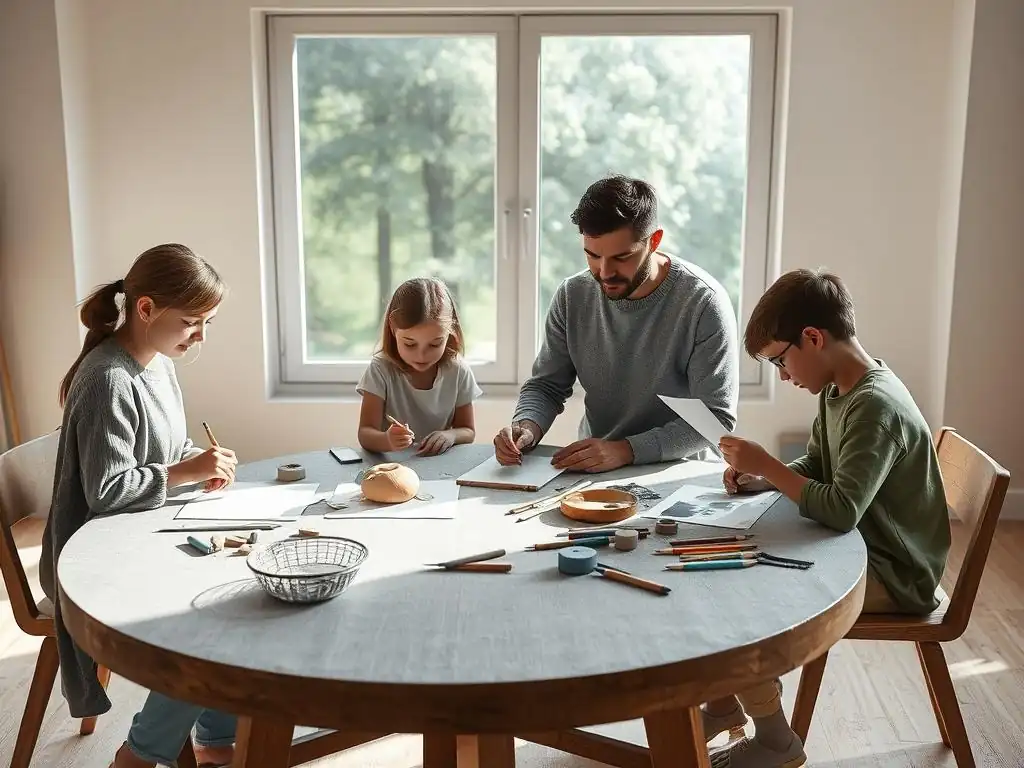
Finding the right professional is crucial for effective family art therapy trauma healing. A qualified art therapist has specialized training in both art and therapy, and ideally, experience working with trauma and families.
What to Look for in a Family Art Therapist: Credentials and Experience
Look for an art therapist who is credentialed by a recognized body, such as the Art Therapy Credentials Board (ATCB) in the United States, which offers credentials like ATR (Registered Art Therapist) and ATR-BC (Board Certified Art Therapist). These credentials indicate completion of specific education, supervised clinical hours, and passing a national exam. Experience working specifically with families and trauma is equally important, as trauma-informed practice requires specialized knowledge and sensitivity.
Consider their therapeutic approach and how they integrate art with family systems theory. An art therapist experienced in trauma will understand the impact of trauma on the brain and nervous system and employ techniques that promote safety, stabilization, and gradual processing. They should also have experience navigating complex family dynamics.
Questions to Ask Potential Art Therapists
When interviewing potential art therapists for family art therapy trauma healing, consider asking:
- What is your experience working with families who have experienced trauma?
- What are your credentials and training in art therapy and trauma-informed care?
- How do you approach working with families in art therapy?
- What types of art materials and techniques do you typically use with families?
- How do you ensure a safe and supportive environment for all family members?
- What is your process for involving all family members, including children of different ages?
- What are your fees and session structure?
The Role of the Art Therapist in Facilitating Family Healing
The art therapist serves as a skilled guide and facilitator. They create the therapeutic container, select appropriate materials and interventions, observe family interactions during art-making, and facilitate the processing of the artwork and the emotions that arise. They help family members understand their art and each other's art in the context of their shared trauma and healing goals.
The therapist's role is not to interpret the art for the family but to help the family interpret it themselves, drawing connections between the art, their experiences, and their relationships. They manage the therapeutic process, address challenges or resistance, and ensure that the sessions remain focused on the family's journey towards recovery and stronger connection.
What to Expect During Family Art Therapy Sessions
Understanding the typical flow of family art therapy sessions can help families feel more prepared and less anxious about starting the process. It's a structured yet flexible approach designed to meet the family's unique needs.
The Initial Assessment and Goal Setting Process
The first few sessions often involve an assessment period. The art therapist will meet with the family to understand their history, the nature of the trauma, its impact on each member and the family as a whole, and their current challenges and strengths. This might involve talking, completing questionnaires, and engaging in initial art activities designed to assess family dynamics and individual needs.
Based on this assessment, the therapist collaborates with the family to establish therapeutic goals for family art therapy trauma healing. These goals are specific to the family's situation and might include improving communication, processing specific aspects of the trauma, reducing conflict, or strengthening emotional bonds. Goal setting ensures the therapy is focused and aligned with the family's needs.
Understanding the Structure of a Typical Art Therapy Session
While sessions can vary, a typical family art therapy session often follows a general structure:
- Check-in: The session might begin with a brief verbal check-in to see how everyone is feeling and what's present for them today.
- Art Activity: The therapist introduces or the family chooses an art activity related to the therapeutic goals. This is the main portion of the session where art is created.
- Processing the Art: After the art is complete, the family and therapist look at the artwork. The therapist facilitates a discussion, asking open-ended questions about the process, the art itself, feelings that arose, and what insights were gained.
- Wrap-up: The session concludes with a brief summary, discussion of any insights or feelings to take away, and sometimes a brief check-out.
Creating a Comfortable and Supportive Environment
A skilled art therapist prioritizes creating a comfortable and supportive environment. This involves providing a welcoming physical space, offering choices in materials, and maintaining a non-judgmental attitude towards both the art and the family's expressions. The therapist validates feelings, normalizes difficulties, and encourages mutual respect among family members.
Establishing ground rules, such as active listening or using "I" statements, can also contribute to a safe environment for challenging conversations. The therapist ensures that each family member feels seen, heard, and respected throughout the process, which is fundamental to effective family art therapy trauma healing.
Addressing Challenges and Resistance in Family Art Therapy
Like any therapeutic process, family art therapy can present challenges. Resistance from one or more family members is not uncommon, and navigating these obstacles is part of the therapist's role and the family's journey.
Common Obstacles Faced During Therapy
Some common obstacles include reluctance or refusal to participate in art-making, difficulty expressing emotions through art, conflict arising during collaborative activities, or resistance to discussing the artwork or trauma. Family members might feel self-conscious about their artistic abilities or uncomfortable with the vulnerability art requires. Generational differences in processing trauma can also present challenges.
For example, a teenager might resist making art, while a younger child eagerly engages. An adult might intellectualize their experience, finding it hard to connect with emotions through creative expression. These varying responses are normal and expected in family therapy.
Strategies for Overcoming Resistance to Art Therapy
A skilled art therapist employs various strategies to address resistance. They might offer alternative materials or activities, provide more structure or less structure depending on the need, or explore the reasons behind the resistance in a gentle, non-confrontational way. Sometimes, simply validating the difficulty of the process can help.
Introducing art-making gradually, focusing on the process rather than the product, and allowing family members to observe before participating can also reduce anxiety. The therapist might also use humor or playfulness to make the process less intimidating. Patience and flexibility are key when facilitating family art therapy trauma healing.
The Importance of Patience and Understanding
Healing from trauma is a non-linear process, and it requires patience, understanding, and persistence from all family members and the therapist. There will be sessions that feel productive and others that feel challenging. It's important not to get discouraged by slow progress or setbacks.
Understanding that resistance often stems from fear or a need for control in the face of overwhelming experiences can foster empathy within the family. Supporting each other through difficult moments in therapy reinforces family bonds and commitment to the healing journey. Celebrating small victories along the way is also crucial.
Supporting Family Art Therapy at Home
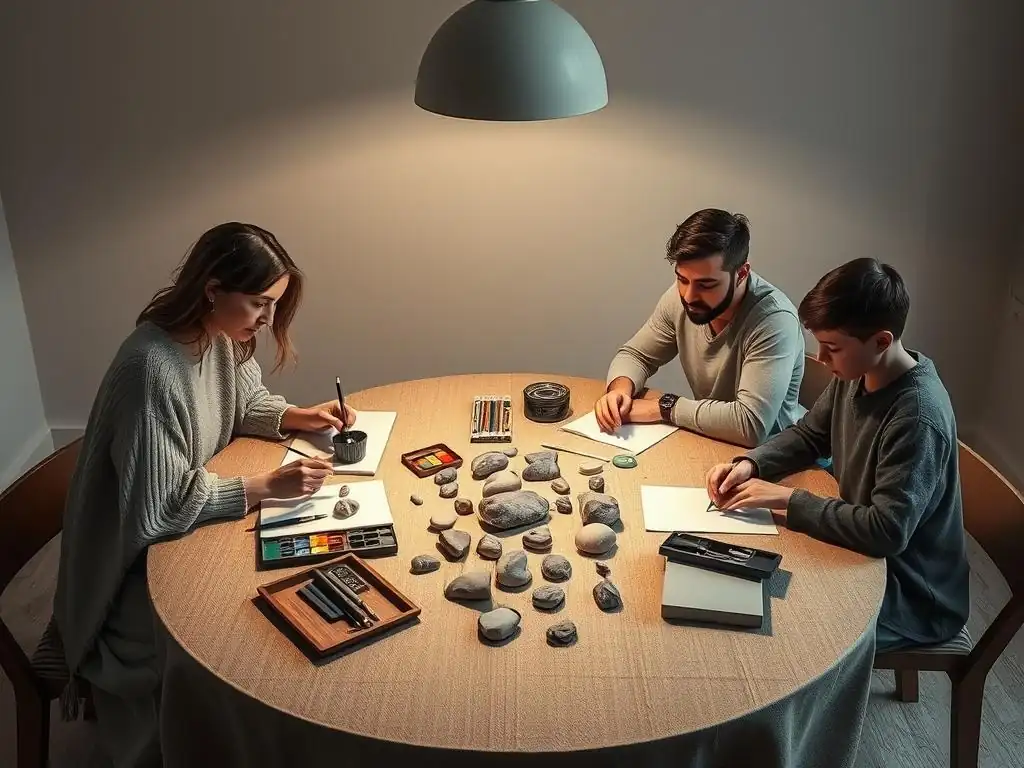
The therapeutic work isn't confined to the therapist's office. Families can support their healing process by integrating art and emotional expression into their home environment.
Art-Based Activities to Continue the Healing Process
Encouraging continued art-making at home can reinforce the skills and insights gained in therapy. This doesn't need to be structured or formal. Simple activities like drawing together, keeping a shared family journal with drawings or small collages, or creating a "feelings box" with art supplies can provide ongoing outlets for expression and connection.
These activities should be approached with the same emphasis on process and safety as in therapy. It's about creating a space for expression, not evaluating artistic skill. The goal is to maintain a channel for communication and emotional processing between sessions, supporting the overall family art therapy trauma healing journey.
Creating a Supportive Home Environment for Emotional Expression
Beyond art, fostering an environment where all family members feel safe to express their feelings verbally is essential. This involves active listening, validating emotions without judgment, and modeling healthy emotional regulation. Establishing regular family check-ins or dedicated time for sharing can strengthen this foundation.
Reducing stress in the home environment, maintaining routines, and ensuring adequate rest and self-care for all members also support the healing process. The home should be a sanctuary where the safety and connection built in therapy can continue to flourish.
Resources for Families Seeking Additional Support
Healing from trauma is a comprehensive process that may benefit from multiple layers of support. Families should be aware of resources available to complement their family art therapy trauma healing.
The Long-Term Benefits of Family Art Therapy for Trauma
Investing time and effort in family art therapy can yield significant and lasting benefits that extend far beyond the resolution of immediate trauma symptoms. It helps build a stronger, more resilient family unit.
Fostering Resilience and Healthy Coping Mechanisms
Family art therapy helps families develop a shared language and toolkit for processing difficult experiences. Through creative expression and therapeutic dialogue, families learn healthier ways to cope with stress, regulate emotions, and support one another during challenging times. This builds collective resilience, enabling them to face future difficulties with greater strength and unity.
The ability to externalize and process emotions through art becomes a valuable coping mechanism that can be utilized throughout life. Learning to communicate effectively about feelings, even difficult ones, strengthens the family's capacity to navigate future stressors together, a critical outcome of comprehensive family art therapy trauma healing.
Strengthening Family Relationships for Future Challenges
Trauma can strain even the strongest family bonds. Family art therapy provides a dedicated space to repair ruptures, rebuild trust, and deepen understanding and empathy among family members. By working through the trauma together in a supportive environment, families can emerge with stronger, more secure attachments and improved relational patterns.
The skills learned in therapy – active listening, validating feelings, collaborative problem-solving – become integrated into the family's everyday interactions. This creates a more connected and supportive family system, better equipped to handle the inevitable challenges life will bring.
Achieving Lasting Emotional Well-Being After Trauma
While the impact of trauma may never be completely erased, family art therapy can significantly contribute to achieving lasting emotional well-being for the family as a whole and for individual members. By processing the trauma narrative, releasing stored emotions, and integrating the experience into a new understanding of themselves and their family, individuals can reduce the long-term psychological burden of trauma.
The enhanced communication, stronger relationships, and improved coping skills fostered through family art therapy provide a solid foundation for continued emotional health and recovery. It empowers families to move from a state of surviving trauma to thriving as a connected and resilient unit.
Resources for Families Seeking Art Therapy for Trauma Healing
Finding the right resources is an important step in accessing family art therapy trauma healing services. Various organizations and online platforms can help connect families with qualified therapists and provide additional information.
Organizations and Websites Offering Art Therapy Services
Several professional organizations provide directories of credentialed art therapists. Websites like the American Art Therapy Association (AATA) often have search tools to find therapists by location and specialization, including trauma and family therapy. Regional or state-level art therapy associations can also be valuable resources for finding local practitioners.
Mental health directories and online therapy platforms may also list art therapists. When searching, it is helpful to filter specifically for art therapists who specialize in family therapy and trauma.
Books and Articles on Family Art Therapy and Trauma
There are numerous books and academic articles available that delve deeper into the theory and practice of family art therapy for trauma. Searching for titles that combine "art therapy," "family therapy," and "trauma" can provide valuable insights for families and professionals alike. Many art therapists also maintain blogs or websites with informative articles.
Reading about the experiences of other families or learning more about the techniques used can help demystify the process and reinforce the potential benefits of family art therapy trauma healing.
Support Groups and Communities for Families Affected by Trauma
Connecting with other families who have experienced trauma can offer invaluable peer support, reduce feelings of isolation, and provide a space to share experiences and coping strategies. While not a substitute for therapy, support groups can complement the healing process.
Organizations focused on specific types of trauma (e.g., natural disaster recovery, grief support, violence prevention) often have resources or connect families with relevant support networks. Online communities can also offer a sense of belonging and shared understanding.
Frequently Asked Questions
What is Family Art Therapy and how does it help with trauma healing?
Family Art Therapy is a form of therapy using creative processes to explore and resolve emotional issues within a family unit. It aids in trauma healing by facilitating non-verbal communication and processing of shared experiences. It provides a safe space for families to express difficult feelings.
Art therapy provides a non-threatening outlet for expressing emotions that may be difficult to verbalize after a traumatic event. It can help families rebuild connection and trust, fostering a sense of safety and shared understanding. It also allows for exploration of individual and collective experiences.
What types of art activities are commonly used in Family Art Therapy for trauma?
Common activities include drawing, painting, sculpting, collage, and mixed media projects. These activities encourage self-expression and can help families externalize traumatic memories. The focus is on the process of creation, not artistic skill.
Is Family Art Therapy suitable for all ages and types of trauma?
While adaptable, it's generally suitable for families with children and adolescents who have experienced shared trauma. The therapist will tailor the approach based on the family's specific needs and the nature of the trauma. A consultation is always recommended.
How do I find a qualified art therapist specializing in Family Art Therapy for trauma healing?
Look for licensed mental health professionals with specific training and experience in art therapy and trauma. Resources like the American Art Therapy Association can help you find qualified therapists in your area. Consider seeking referrals from other healthcare providers.
The transformative potential of family art therapy in navigating shared trauma is not merely a theoretical concept; it's a vital resource increasingly needed in our complex world. The rising rates of collective trauma, from natural disasters to societal injustices, underscore the urgent need for effective healing modalities that address the interconnectedness of family experiences. This approach offers a powerful pathway towards rebuilding trust, fostering resilience, and reclaiming a sense of shared narrative.
Witnessing families utilize art therapy to process their collective pain and rebuild their bonds has been profoundly moving. The ability to express unspoken emotions through creative channels, to find solace in shared vulnerability, and to collaboratively construct new narratives of hope is truly remarkable. Art enables us to find ourselves and lose ourselves at the same time.
– Thomas Merton. This quote perfectly encapsulates the paradoxical yet essential process of confronting trauma while simultaneously fostering healing and self-discovery within the family unit. The impact extends beyond the immediate family, rippling outwards to strengthen community resilience and promote healthier intergenerational relationships.
Consider the power you hold to facilitate healing within your own family or community. Are there unspoken wounds that could benefit from the expressive freedom of art? Perhaps you can explore creative activities together, fostering open communication and emotional processing. Even small acts of shared creativity can plant seeds of healing and build stronger, more resilient family bonds. Embrace the opportunity to explore the transformative potential of art therapy – not just as a treatment, but as a pathway towards deeper understanding, connection, and lasting healing.
Unleash Your Family's Healing Power
Thanks for taking the time to explore the world of art therapy and its incredible potential for families healing from shared trauma. You've now learned valuable techniques and insights to begin your journey toward collective well-being. Let's turn that knowledge into action!
- Begin your family's art therapy journey today: Gather your art supplies, set aside some dedicated time, and try one of the exercises mentioned in the article. Even a small step can make a big difference.
- Share your experience: Discuss this article with other family members, encouraging open communication about your feelings and experiences. Let's build a supportive community around shared healing.
- Explore further: Consider searching for local art therapists specializing in family trauma for personalized guidance and support.
What creative expression will your family embrace first, and how will you foster a safe space for open communication and healing?